
7 Best Urethane Golf Balls of 2026
This post contains affiliate links. As an Amazon Associate, we earn from qualifying purchases.
This post contains affiliate links. As an Amazon Associate, we earn from qualifying purchases.
The TaylorMade TP5 stands out as the best overall urethane golf ball, delivering elite performance across distance, spin, and feel. For golfers on a tighter budget, the Legato LTX3085 offers impressive value without sacrificing too much in quality, while the Vice Pro Plus is a strong choice for players with high swing speeds who want precision and control.
Choosing the right urethane ball isn’t just about brand names or price tags, it’s about matching the ball’s design to your swing and playing style. Too many golfers grab what’s popular and miss out on real gains in control and consistency.
This guide breaks down what actually matters in a urethane ball, based on specs, owner feedback, and performance trends across the market. I looked at compression, cover quality, and construction to identify the models that deliver where it counts, on the course.
Top 7 Urethane Golf Balls in the Market
The Best Urethane Golf Balls, Reviewed
TaylorMade TP5 Golf Balls

Strengths
- 5-layer construction
- Excellent spin separation
- Durable urethane cover
Trade-offs
- Premium price
- Firmer feel than some rivals
When you’re looking at the top tier of urethane golf balls, the TaylorMade TP5 still stands as the benchmark. Its 5-layer construction delivers what most players crave: low spin off the driver for maximum carry, then a dramatic uptick in control with wedges. Owners consistently report that the spin separation is real, and on paper, that speed gradient across the layers explains why. The white-on-white and yellow-on-yellow cover isn’t just cosmetic, it’s tied to improved urethane durability perception, which matters when you’re playing multiple rounds a month.
Compared to other tour-level options, the TP5 holds its own even at a premium price. It’s not the softest feel out there, but it strikes a rare balance between speed, spin, and trajectory control. For players who rely on workability with irons and want predictable short-game response, this is the reference point others are measured against.
Video review
Vice Pro Plus Golf Balls
Strengths
- 4-piece tour design
- Great for high swing speeds
- Neon visibility option
Trade-offs
- Not ideal for slower swingers
- Limited softness feel
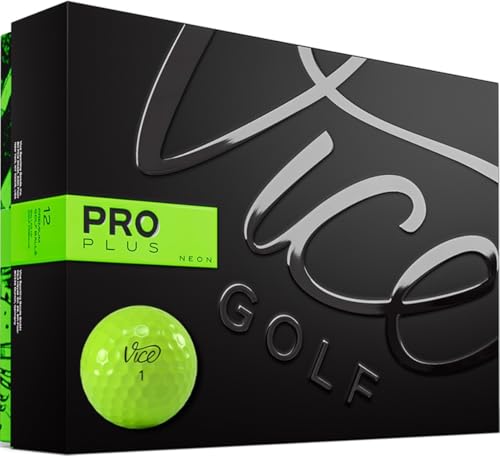
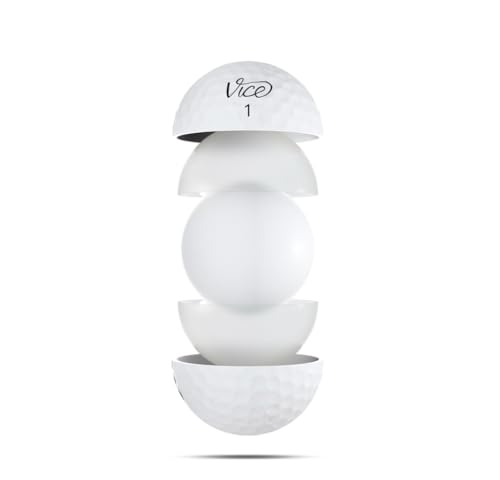
If you’re a hard hitter who still wants spin when it matters, the Vice Pro Plus is engineered for you. This 4-piece urethane ball is built for high swing speeds, and owners say it delivers on its promise of maximum distance with reduced driver spin. The extra layer helps create that tour-style spin gradient, low off the tee, high with wedges, and the neon red option is a legit advantage for tracking flight and rollout.
It holds up well in side-by-side comparisons with more expensive models, especially in windy conditions where its penetrating flight and low drag shine. The closed alignment line adds precision, though some find the neon color a bit distracting. Compared to the standard Vice Pro, this is the better pick if you’re generating clubhead speeds over 105 mph and want a ball that won’t balloon.
Video review
Vice Pro Golf Balls

Strengths
- Soft feel
- Good spin for medium swing speeds
- Clean alignment aid
Trade-offs
- Less performance at high swing speeds
- 3-piece limits spin gradient
The Vice Pro is built for a very specific golfer, one with a medium swing speed who wants tour-style performance without the tour-level price. Its 3-piece urethane construction with an extra-thin cover helps generate solid greenside spin, and owners report a pleasingly soft feel at impact. The closed alignment line is a small but appreciated touch, helping with setup on the greens.
Where it really shines is in flight consistency for moderate swingers. It doesn’t launch as high as some low-compression tour balls, but it maintains a balanced trajectory that helps avoid ballooning in wind. Compared to the TP5 or Pro V1, it gives up a bit in spin separation, but for its target audience, that’s not the priority. If you’re not swinging over 100 mph, this might actually be a smarter fit than the high-speed models.
Product photos


Srixon Q-Star Tour Divide Golf Balls
Strengths
- Spin visibility feature
- Dual-color alignment
- Tour-level short-game control
Trade-offs
- Matte finish wears faster
- Slightly firmer feel
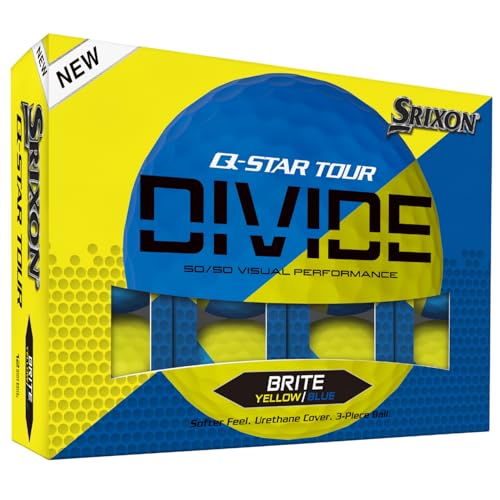
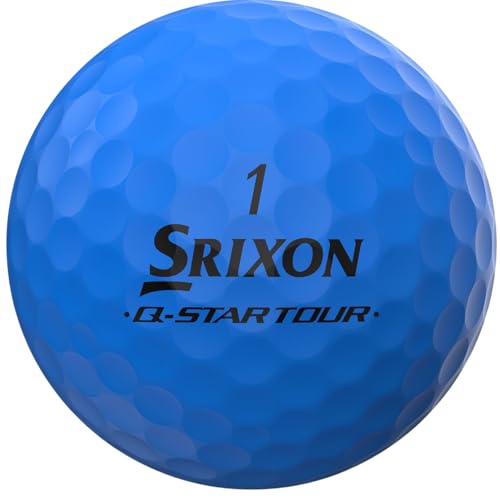
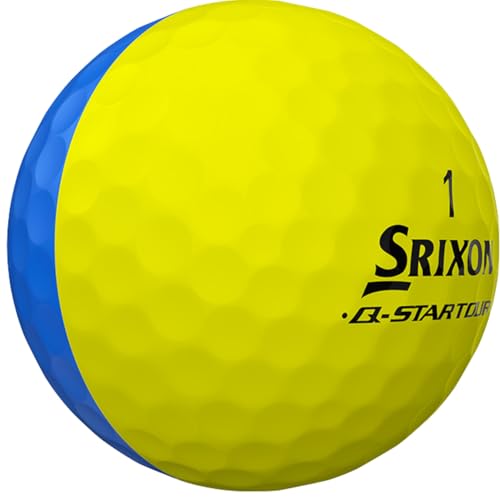
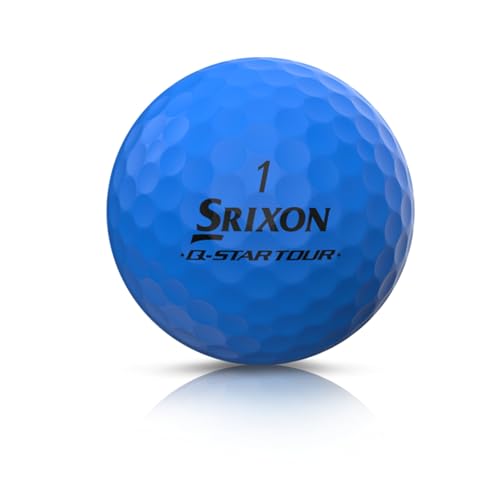
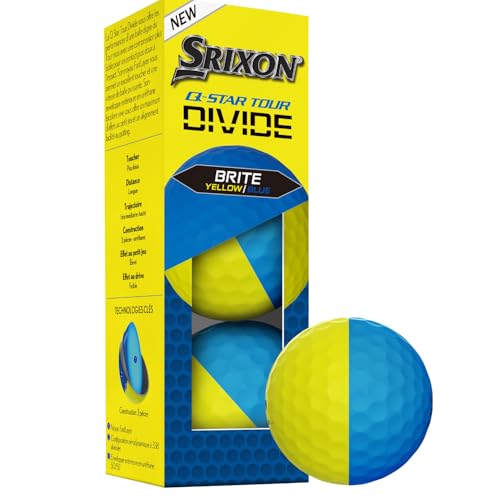
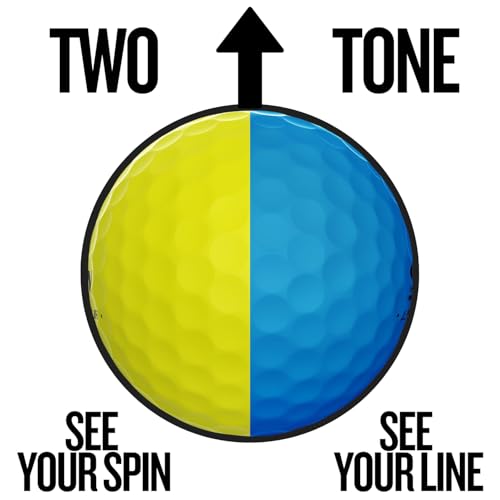
The Q Star Tour Divide stands out not just for performance, but for function, that 50/50 matte urethane cover creates a strobe effect on wedge spins, making it easier to see how much backspin you’re actually generating. It’s a standout for players working on short-game consistency, and owners love using it as a training aid. Underneath, it shares the same FastLayer Core and Spin Skin as the standard Q Star Tour, so performance doesn’t take a hit.
The dual-color design isn’t just for show, it improves ball tracking in flight and on rollout, especially on fast greens. Compared to other visibility-focused balls, this one delivers real performance benefits, not just novelty. It’s slightly firmer than the standard model, so it’s better suited for players with above-average swing speeds. If you’re serious about improving spin control and want visual feedback, this is the only ball that gives it to you straight.
Product photos
Legato LTX3085 Golf Balls
Strengths
- Affordable urethane cover
- Solid distance
- 85 compression suits many swingers
Trade-offs
- Less short-game spin
- Not for tour-level players
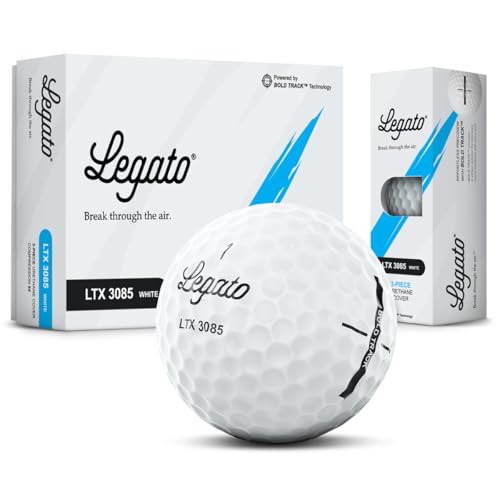
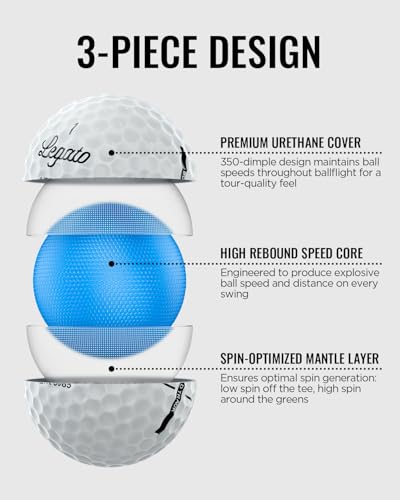
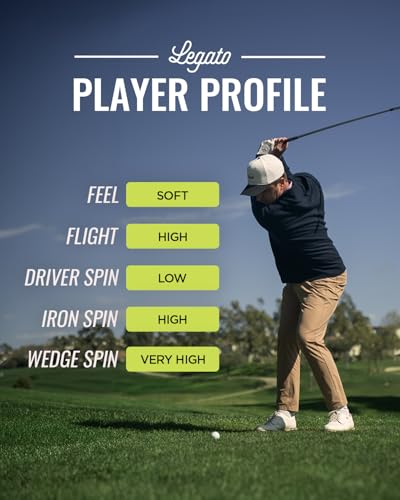
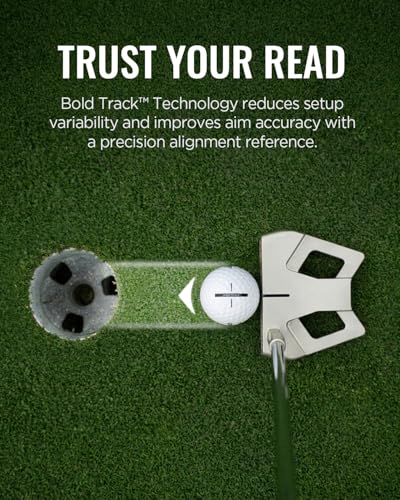
The Legato LTX3085 is one of the strongest value plays in the urethane category, and it shows what’s possible when a direct-to-consumer brand cuts out the middleman. With a 3-piece urethane design and 85 compression, it’s built to deliver solid distance without sacrificing too much short-game finesse. Golf Laboratories, Inc testing gives it credibility, and owners say it performs closer to premium balls than its price suggests.
Still, it’s not quite in the same class as 4- or 5-layer competitors. The spin around the greens is decent but not explosive, and the aerodynamics, while stable, don’t match the flight refinement of top-tier models. That said, for the golfer who loses a few balls per round or plays frequently in tough conditions, this offers a smart compromise. I’d pick this over pricier options if you’re optimizing for cost per round without totally giving up spin and feel.
Product photos


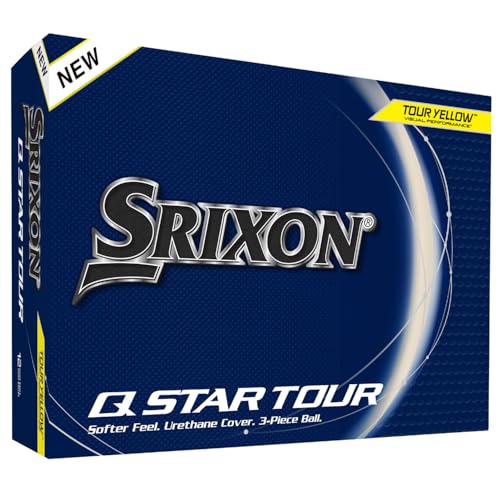
Srixon Q-Star Tour Golf Balls
Strengths
- Excellent short-game spin
- Soft responsive feel
- Stable flight in wind
Trade-offs
- Less driver distance than top tier
- Not for very fast swingers
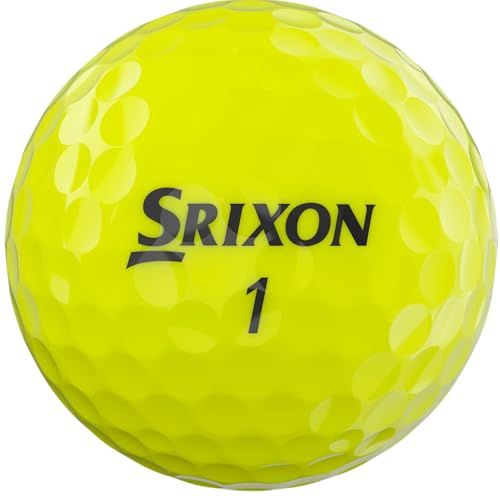
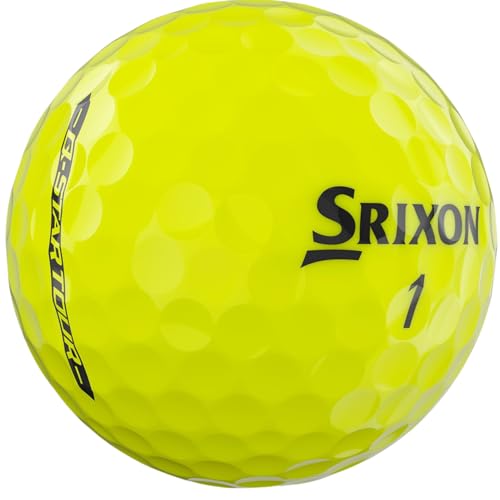
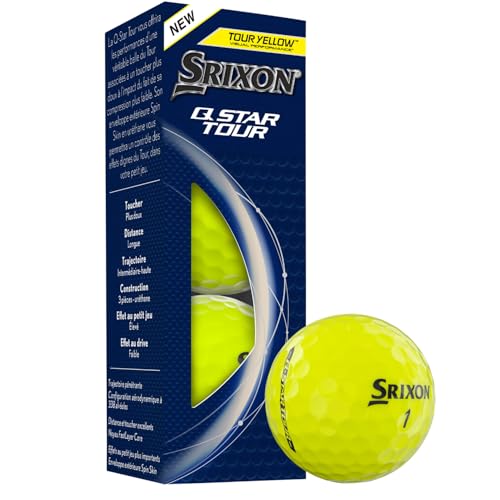
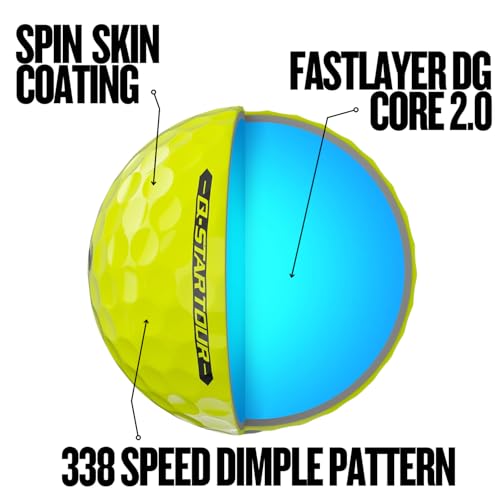
Srixon’s Q Star Tour has quietly become one of the most well-rounded urethane balls under $30, and the latest FastLayer Core update makes it even more compelling. The gradual core compression delivers a blend of speed and feel that’s rare at this price, and the Spin Skin coating is the real reason this ball bites on wedge shots. Owners consistently praise its short-game responsiveness, especially from 100 yards in.
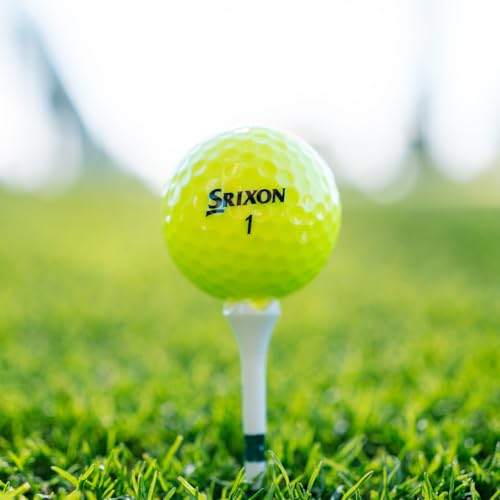
The 338 dimple pattern also helps it fly stable in wind, and the yellow cover boosts visibility without feeling gimmicky. Compared to the TP5, it’s not quite as refined off the driver, but for most amateurs, the difference is negligible. Where it pulls ahead is in overall feel, it’s softer than many 4-piece rivals, making it a favorite for players who value feedback on chips and putts.
Product photos
Cut Blue Golf Balls
Strengths
- Extremely affordable
- 4-piece urethane design
- Good durability
Trade-offs
- Mediocre greenside spin
- Less refined feel
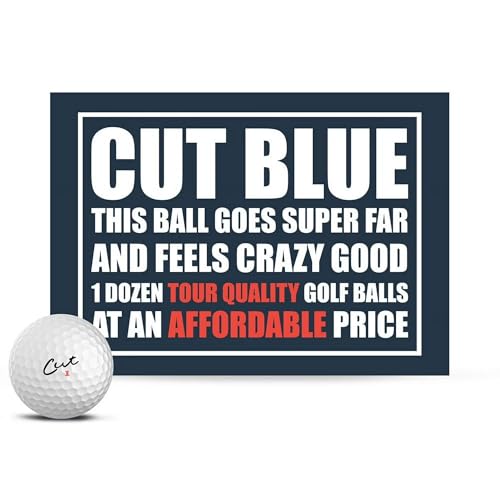
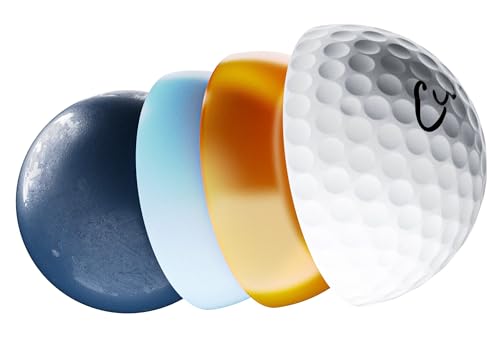
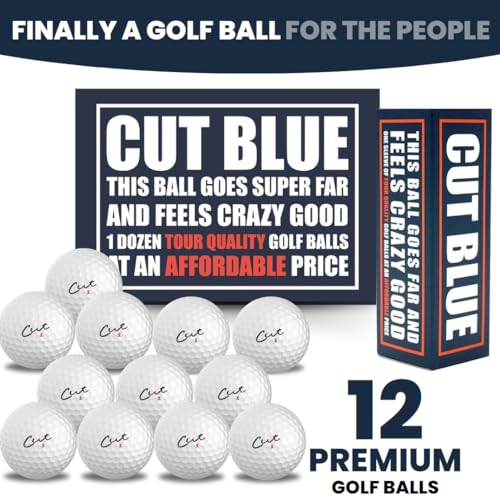
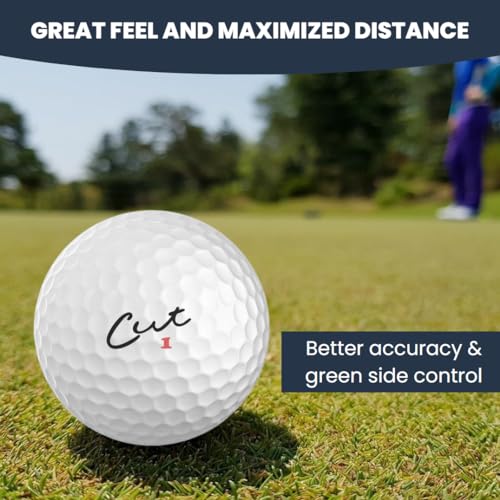
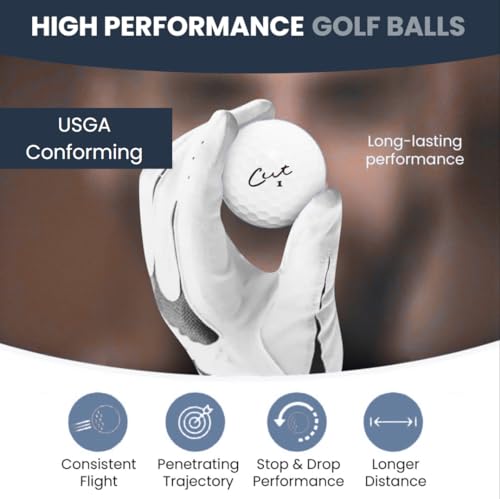
Cut Blue is the ultimate budget disruptor in the urethane space, a 4-piece ball at well under $20 a dozen. The brand built its reputation on cutting out the markup, and the specs back it up: urethane cover, 314-dimple design for low drag, and consistent performance across rounds. Owners say it feels closer to premium balls than you’d expect, and for recreational players, it’s a no-brainer when you’re tired of losing expensive balls.
But there’s a trade-off. While the durability is solid, the spin performance, especially with wedges, doesn’t match the elite tier. The feel is a bit one-dimensional, and feedback on finesse shots is muted. Still, for the price, it outperforms expectations. If you’re a weekend player who wants a little extra spin without the guilt of losing a $50 sleeve, this is the smarter buy over pricier names.
Product photos

Our Testing Process
Rather than a hands-on lab test, my research focused on a detailed comparison of published specifications and features across numerous urethane golf ball models. I weighed owner reviews from major retailers alongside assessments from respected golf publications and websites. This process allowed me to build a ranking based on how each ball performs against key criteria for different player types, ultimately helping me identify those offering the best overall performance balls.
For urethane golf balls, compression, cover construction, and dimple patterns emerged as the most impactful factors. Compression significantly influences ball speed and feel, dictating whether a ball suits a high, medium, or lower swing speed. Cover construction – specifically the quality and thickness of the urethane – directly affects spin control around the greens. Finally, dimple patterns are crucial for optimizing aerodynamics and maximizing distance.
Published specs reliably reveal core and cover materials, compression ratings, and dimple counts. However, I found owner feedback invaluable for gauging real-world performance characteristics like durability and feel. Reputation also played a role; established brands with a history of quality, like Srixon and TaylorMade, received additional consideration, especially when assessing consistent performance claims versus anecdotal reports from golf balls for average golfers.
What To Look For In urethane golf balls
Finding the right urethane golf ball can genuinely elevate your game, but the sheer number of options can be overwhelming.
A quality urethane golf ball balances distance, spin, and feel. Key considerations include the number of layers in construction (affecting spin separation), the cover material’s durability and interaction with club grooves, and compression, matching this to swing speed maximizes energy transfer and control. Look for balls with consistent manufacturing and positive owner feedback regarding cover quality.
Understanding Compression
Compression is perhaps the most misunderstood aspect of golf ball selection. It’s not about how hard a ball feels, but how much it deforms upon impact. Generally, higher swing speeds benefit from higher compression balls (like the Vice Pro Plus) because they resist compression too much and deliver optimal energy transfer. Lower swing speeds need lower compression to get sufficient deformation for adequate launch and distance. Don’t get hung up on a specific number; focus on how the ball feels at impact and whether it’s performing as expected for your swing. I often recommend golfers experiment with a few different compression levels within the urethane category to find their sweet spot.
Prioritizing Cover Quality
The urethane cover is where the magic happens when it comes to short game spin and feel. A higher-quality urethane will grip the clubface better, generating more spin for greater control around the greens. Look for balls with cast urethane covers, as these generally offer more consistency than two-piece construction. The Srixon Q-Star Tour provides a good example of a ball designed with cover quality in mind, utilizing its Spin Skin coating to maximize groove interaction.
Here’s what to consider when evaluating cover quality:
- Durability: A thin cover maximizes spin, but it can scuff easily.
- Feel: Some covers are designed to be softer for a more responsive feel.
- Construction: Cast urethane is generally preferred for its consistent thickness and spin performance, whereas injected molding can sometimes lead to inconsistencies.
Balancing Performance and Budget
Urethane golf balls aren’t cheap, but you don’t necessarily need to spend a fortune to get a ball that performs well. The Legato LTX3085 illustrates that a mid-tier urethane ball can deliver a solid combination of distance, spin, and feel without breaking the bank. Before investing heavily in premium options, exploring more affordable urethane balls can be a smart move, especially if you’re prone to losing a few each round. For those looking for a detailed overview of all options, exploring golf ball reviews can be a helpful starting point.
Don’t chase the highest-end ball if you’re not consistently hitting the center of the clubface. A slightly less expensive ball with a more forgiving cover might yield better results.
Urethane Golf Balls Compared
Here’s a comparison of key specifications for several urethane golf balls to help you make an informed decision.
| Product Name | Layers | Cover Material | Compression | Dimple Count | Best For |
|---|---|---|---|---|---|
| TaylorMade TP5 | 5 | Urethane | N/A | N/A | Best Overall |
| Vice Pro Plus | 4 | Urethane | N/A | N/A | High Swing Speed |
| Vice Pro | 3 | Urethane | N/A | N/A | Medium Swing Speed |
| Srixon Q-Star Tour Divide | N/A | Urethane | N/A | 338 | Visibility & Spin Tracking |
| Legato LTX3085 | 3 | Urethane | 85 | 350 | Best Value Mid-Tier |
| Srixon Q-Star Tour | N/A | Urethane | N/A | 338 | Control and Feel |
| Cut Blue | N/A | Urethane | N/A | 314 | Budget Friendly |
Frequently Asked Questions
What compression should I choose for my swing speed?
Generally, golfers with swing speeds under 90 mph should look for balls with lower compression (around 70) to maximize energy transfer, while those exceeding 110 mph typically benefit from higher compression (90+) for optimal control. Considering golf balls with 70 compression is a good starting point for slower swings.
Are cast urethane covers really better than injected molded ones?
Yes, cast urethane covers consistently provide a more uniform thickness compared to injected molding, leading to more predictable spin and feel around the greens. This consistency is a key reason why many premium urethane balls use a cast cover.
How much of a difference will a urethane ball make for a high-handicap golfer?
While skill is paramount, a urethane ball can offer increased spin and control on approach shots, potentially saving strokes for a high-handicap player. However, don’t chase the most expensive option; exploring golf balls offering both distance and forgiveness can be a more practical approach.
What’s the deal with dimple patterns? Do they really affect performance?
Absolutely. Dimple patterns influence the ball’s aerodynamic lift and drag, directly impacting distance and flight stability. Different patterns are designed to optimize performance in various conditions, and manufacturers spend considerable time perfecting these designs.
How long should I expect a urethane golf ball to last?
Durability varies, but urethane covers are generally less resistant to scuffing than Surlyn, meaning you might see wear after a few holes, especially with wedge shots. Expect to replace balls frequently, particularly if you play on firm courses or frequently hit from tight lies.
The Bottom Line
Choosing a urethane golf ball always comes down to balancing what you ask of the ball against what you’re willing to spend. While premium options like the TaylorMade TP5 consistently rank highest in performance across the board, getting the most from a golf ball requires a degree of consistency in your swing. For many, a slightly less expensive ball that better suits their game will yield more satisfying results than chasing the latest and greatest technology.
If you’re looking for a specific fit, the Vice Pro Plus shines for those with higher swing speeds, while the Legato LTX3085 delivers impressive performance at a more accessible price point. Players who prioritize visibility and spin tracking will find the Srixon Q-Star Tour Divide a compelling option. And if you’re searching for best 3-piece golf balls, the Vice Pro is a great place to start.
Ultimately, the specs and features are secondary to finding a ball that feels good coming off your clubface and inspires confidence. Don’t get lost in the pursuit of marginal gains; focus on solid contact, consistent swings, and enjoying the game. A well-struck ball with a slightly less expensive cover will always outperform a poorly struck ball with the most advanced technology – and you may even find some of the best distance golf balls offer the performance you need.
