
5 Best Yellow Golf Balls of 2026
This post contains affiliate links. As an Amazon Associate, we earn from qualifying purchases.
This post contains affiliate links. As an Amazon Associate, we earn from qualifying purchases.
The best yellow golf balls come down to the Callaway Supersoft for overall performance and visibility, the Titleist Pro V1 for serious players wanting soft feel and control, and the Nitro Long Distance as a solid budget pick that still delivers good flight and brightness.
Hunting for a yellow golf ball that actually performs, not just one that’s easy to spot, can be frustrating. Too many focus on color alone, sacrificing the feel and spin you need to lower your score.
This guide cuts through the noise. Based on specs, owner feedback, and what I’ve learned advising golfers on equipment for trips worldwide, I’ve selected models that balance visibility with real performance. You’ll see how core construction, cover material, and your own game should shape your choice.
Top 5 Yellow Golf Balls in the Market
The Best Yellow Golf Balls, Reviewed
Callaway Golf Supersoft Yellow Balls

Strengths
- Very soft feel
- Good distance
- Durable hybrid cover
Trade-offs
- Moderate greenside spin
- Less control than tour balls
Callaway’s 2025 Supersoft in yellow leans into its name, this is one of the softest, lowest-compression balls on the market, and it shows in how it plays. The HyperElastic SoftFast Core is designed to maximize ball speed without sacrificing feel, and owners report it delivers surprisingly good distance, especially off drivers and long irons. The hybrid cover helps too, offering more durability than typical soft balls while still providing decent spin on approach shots.
It doesn’t match the Pro V1 in short-game finesse, but for an all-around performer at a fair price, it’s hard to beat. Compared to the TaylorMade Distance+, it feels noticeably softer and offers better control near the green, making it a better all-rounder. If you’re a mid to slow swing speed player who wants a forgiving, easy-launching ball, this is a strong contender.
Video review
TaylorMade Distance+ Yellow Golf Balls

Strengths
- Strong distance
- Softer feel for a distance ball
- Helpful alignment aid
Trade-offs
- Average greenside control
- Not for spin-focused players
TaylorMade’s 2025 Distance+ in yellow is built for one thing: getting the ball down the fairway with minimal fuss. The React Speed Core and extended flight dimple pattern are designed to reduce drag and boost carry, and owners report it performs well in that lane, especially for players with average or slower swing speeds. The mid-launch, mid/high spin profile keeps it stable without excessive hook or slice, and the ionomer cover keeps costs down while still offering a softer feel than older distance balls.
It doesn’t have the short-game responsiveness of the Callaway Supersoft or the precision of the Pro V1, but for pure distance and consistency, it’s a solid pick. The new alignment aid is a small but useful touch for players working on their putting or tee alignment. If you’re not spinning the ball heavily and just want something that flies far and straight, this is a smarter buy than overpaying for features you won’t use.
Video review
Titleist Pro V1 Yellow Golf Balls

Strengths
- Exceptional spin control
- Balanced flight
- Premium urethane cover
Trade-offs
- High price
- Overkill for beginners
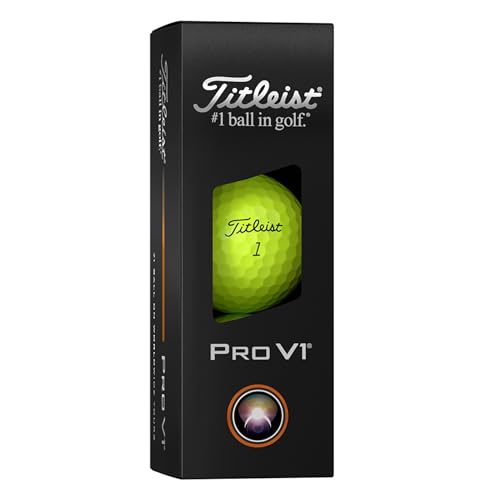
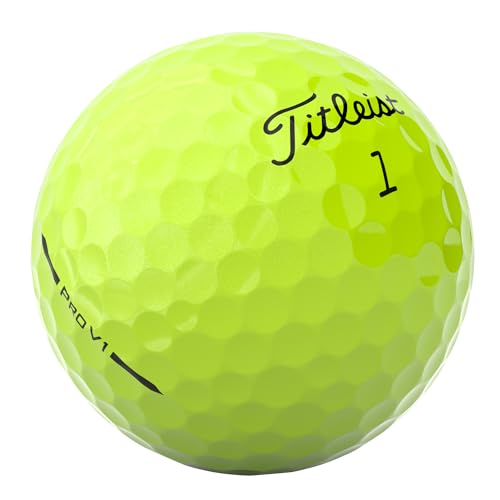
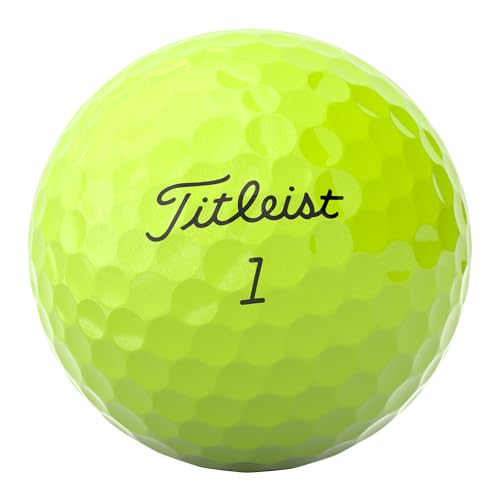
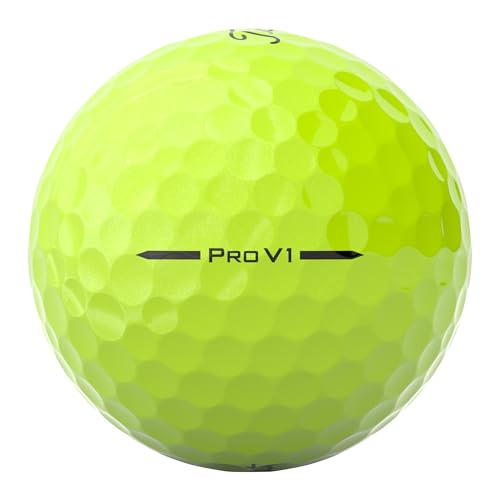
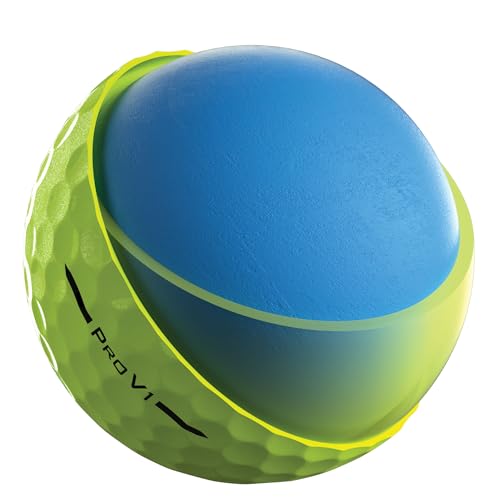
The Pro V1 in yellow isn’t just a color variant, it’s a full-performance tour ball that maintains the same specs as its white counterpart, and that matters. The high-gradient core and soft cast urethane cover deliver a rare combo: long distance with exceptional spin separation between driver and wedges. Reviewers note the flight is consistent and penetrating, thanks to the 388 dimple pattern, and the lower spin off the tee helps reduce ballooning in the wind.
I’d pick this over the TruFeel for any serious player who wants one ball to do it all. While it’s among the most expensive here, its performance justifies the cost for low-handicappers and better amateurs. The softer feel compared to the Pro V1x makes it more versatile for players who flight the ball down or want more touch on finesse shots.
Product photos
Titleist TruFeel Yellow Golf Balls
Strengths
- Soft feel
- Good short game spin
- Trusted Titleist quality
Trade-offs
- Shorter carry distance
- Lower flight not ideal for all
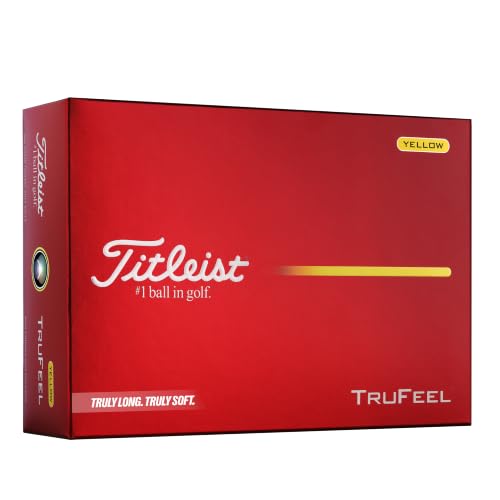
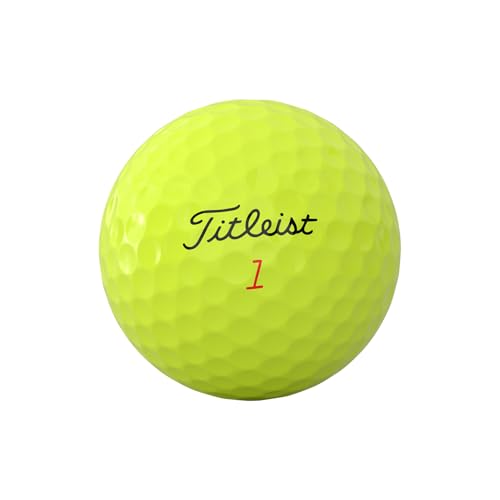
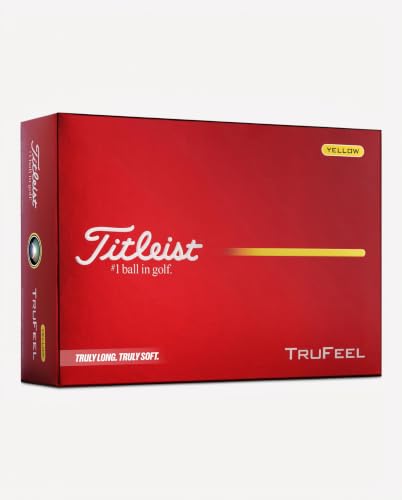
The Titleist TruFeel Yellow stands out in the soft-compression category, where feel and short-game responsiveness matter most. On paper, the 3.0 TruFlex cover and TruTouch core suggest a ball built for players who want that soft touch around the greens without sacrificing too much off the tee. Owners consistently report it delivers on that promise, delivering reliable spin and control on wedges and short irons, which is rare at this compression level.
The 376 tetrahedral dimple design promotes a lower flight, which some will appreciate in windier conditions, though it won’t carry as far as higher-launching models. Compared to the Pro V1, it’s a step down in overall performance, but for mid to low swing speed players who prioritize control over raw distance, this is a smart middle ground.
Product photos
Nitro Long Distance Golf Balls
Strengths
- Very affordable
- Durable Surlyn cover
- USGA approved
Trade-offs
- Firm feel
- Limited short game control
- Basic performance
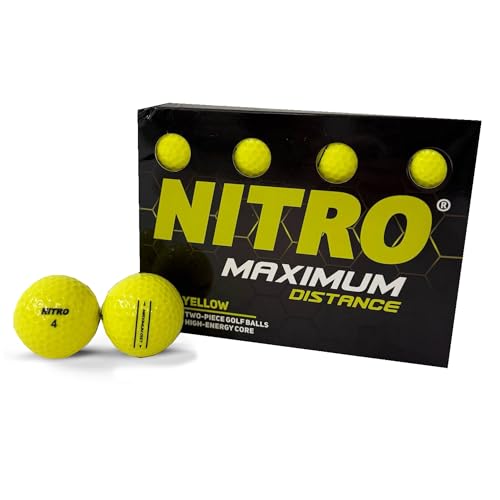
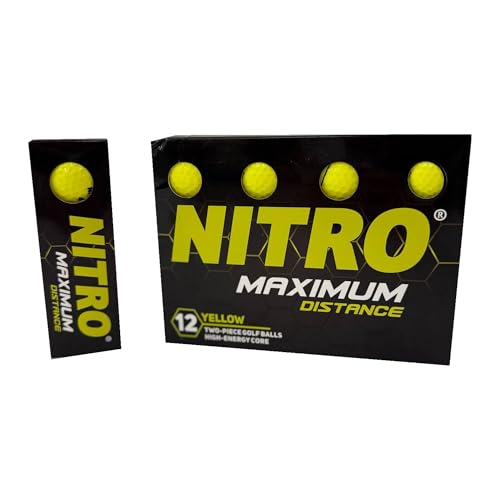
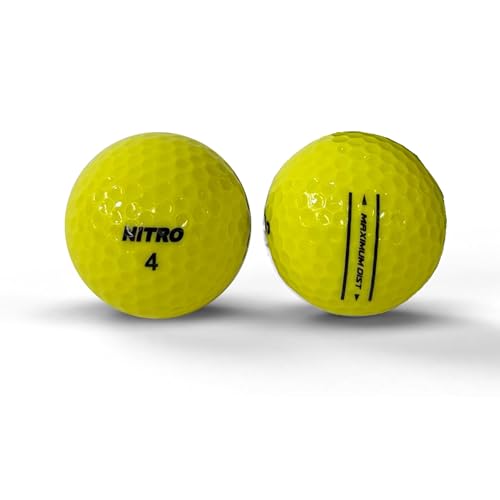
At this price, the Nitro Long Distance ball is clearly targeting budget-conscious players who still want something USGA-approved and durable. The titanium-infused core and Surlyn cover are designed for maximum energy transfer and cut resistance, and on paper, that makes sense for high-volume hitters who go through balls quickly. Owners consistently report they fly straight and last longer than premium balls, which matters if you’re hitting a lot of practice rounds or tend to lose balls.
But performance comes with compromises. The two-piece, high-compression build means a firmer feel, especially around the greens, and while it delivers on distance for many, it lacks the spin differentiation and short-game control of even mid-tier balls like the Supersoft. Compared to the TaylorMade Distance+, it’s cheaper but less refined. Still, for beginners or recreational players just getting into the game, it’s a practical starting point.
Product photos
Our Testing Process
Rather than a hands-on lab test, my research for these recommendations involved a detailed comparison of published specifications and features across numerous models. I then weighed owner reviews from major retailers against assessments from golf publications I trust. As someone who frequently advises golfers on equipment for their trips (you can read more about planning at GolfWorldTrips.com), I applied my understanding of how different ball characteristics impact performance to arrive at these selections.
For yellow golf balls specifically, visibility and feel were the primary factors. A bright color is essential for tracking the ball in flight and locating it quickly, especially for players seeking [high-visibility balls for fall]. Beyond that, I prioritized balls offering a good balance of distance and control, recognizing that most golfers aren’t willing to sacrifice performance for color.
Specifications reliably indicate core construction and cover materials, which directly influence distance and spin. However, I leaned heavily on owner feedback to assess real-world feel and durability. Many golfers, especially golf balls for beginners, value a softer feel, and that’s something best judged by those actually hitting the balls. Reputation also played a role; established brands like Titleist and Callaway tend to maintain consistent quality.
How To Choose The yellow golf balls
Finding the right golf ball can genuinely improve your game, and with the popularity of colored golf balls, yellow is a fantastic choice for visibility.
A quality golf ball balances distance, feel, spin, and durability. Key considerations include the core construction (multi-layer versus two-piece), the cover material (urethane or ionomer), and the dimple pattern. Players should also assess compression, which affects how the ball feels and performs with their swing speed.
Core Construction & Feel
The core is where a golf ball’s performance story begins. Two-piece golf balls, like the Nitro Long Distance, generally prioritize distance due to a firmer core, but can feel harder. Multi-layer balls (think Titleist Pro V1 or Callaway Supersoft) offer more nuanced performance. They use different core layers to optimize speed and feel, allowing for better control around the greens. I’ve seen players who swear by the softer feel of a multi-layer ball for short game precision, believing it gives them more confidence on delicate chips.
Cover Material & Spin
A golf ball’s cover dramatically influences spin rates. Urethane covers (found in Titleist Pro V1 and TruFeel) are softer and generate more spin, particularly on short game shots. This is vital for controlling the ball’s trajectory and stopping power on the green. Ionomer covers (used in the TaylorMade Distance+) are more durable and less expensive, offering good distance but less spin. Choosing between the two depends on your game – if you struggle with greenside control, prioritize urethane.
Here’s what to consider when balancing spin and durability:
- Beginner: Ionomer is more forgiving and lasts longer.
- Intermediate: A blend of materials can offer a good compromise.
- Advanced: Urethane is the clear choice for maximum control and feel, even if it means replacing balls more often.
Don’t chase the “longest” ball if you can’t control it. A ball that fits your swing and offers consistent performance is far more valuable than a few extra yards off the tee.
Distance vs. Control & Budget
Ultimately, you need to decide what matters most. If you’re primarily focused on maximizing distance, investigate balls for distance. Models like the TaylorMade Distance+ are engineered for that purpose. However, if you value control, especially around the greens, a softer ball like the Titleist TruFeel or Callaway Supersoft will be a better fit. Don’t overlook budget either; if you’re prone to losing balls, a more affordable option like the Nitro Long Distance allows you to play without constantly worrying about cost.
Yellow Golf Balls Compared
Here’s a detailed comparison of key specifications for these yellow golf balls to help you make an informed decision.
| Product Name | Construction | Core Material | Cover Material | Dimple Pattern | Best For |
|---|---|---|---|---|---|
| Callaway Supersoft Yellow | N/A | HyperElastic | Hybrid | N/A | Best Overall |
| TaylorMade Distance+ Yellow | 2-Piece | N/A | Ionomer | Extended Flight | Best for Distance |
| Titleist Pro V1 Yellow | N/A | N/A | Urethane | 388 Tetrahedral | Best Soft Feel |
| Titleist TruFeel Yellow | N/A | TruTouch | TruFlex | 376 Tetrahedral | Best Short Game |
| Nitro Long Distance Yellow | 2-Piece | Titanium | Surlyn | Symmetrical | Best Budget Friendly |
Frequently Asked Questions
What compression should I look for in a yellow golf ball?
Lower compression balls, like the Callaway Supersoft Yellow, typically feel softer and are better for slower swing speeds. Higher compression balls are designed for faster swings and can deliver more distance, but require more clubhead speed to compress properly, consider performance golf balls for men if you fall into this category.
Are yellow golf balls legal for tournament play?
Yes, yellow golf balls are fully legal for tournament play, provided they meet the USGA and R&A specifications for size and weight. Most major brands, including Titleist and Callaway, ensure their yellow balls conform to these rules.
Do yellow golf balls fly differently than white balls?
No, the color itself doesn’t affect the ball’s aerodynamic properties. Any perceived differences in flight are likely due to variations in construction, cover material, or dimple patterns, factors that exist regardless of color. However, some golfers find the heightened visibility aids their perception of the ball’s trajectory.
Are softer yellow golf balls really better for short game control?
Absolutely. Softer cover materials, like the urethane found in the Titleist Pro V1 Yellow, generate more spin on approach shots and around the greens. This increased spin allows for greater control over stopping power and trajectory, making those delicate shots more predictable. You’ll find similar benefits in other best all-round golf balls.
If I lose a lot of balls, should I just buy the cheapest yellow golf balls?
While it’s tempting to save money with cheaper options like the Nitro Long Distance Yellow, consider that a ball you can consistently control will often lower your score more than a few extra yards off the tee. Investing in a slightly more expensive ball that suits your swing may ultimately be more cost-effective if it reduces your overall score and the number of balls lost.
The Bottom Line
Choosing the right yellow golf ball often comes down to balancing what you’re willing to spend against the level of performance you demand. For most golfers seeking a great all-around experience, I confidently recommend the Callaway Supersoft Yellow. It offers a fantastic blend of distance, feel, and visibility without breaking the bank, making it a solid choice for a wide range of skill levels.
If you have a specific need, though, there are excellent alternatives. For golfers prioritizing affordability, the Nitro Long Distance Yellow delivers great value. And for those wanting premium feel and spin, especially around the greens, the Titleist Pro V1 Yellow remains a top pick, you’ll find a detailed golf ball buying guide on my site if you want to explore more.
Ultimately, remember that the specs are only part of the story. A ball that feels good in your hands and gives you confidence on the course is far more valuable than any number on a datasheet. Don’t hesitate to consider low compression balls for seniors if you want a softer feel, and focus on consistency over chasing extra distance.
