
7 Best Golf Club Drivers of 2026
This post contains affiliate links. As an Amazon Associate, we earn from qualifying purchases.
The Callaway Paradym AI Smoke Max is the best overall golf driver for its exceptional blend of speed, stability, and smart design. For golfers on a budget, the Speed System Golf Driver delivers surprising performance under $120, while the Cobra Darkspeed Adapt MAX-K stands out if you want maximum adjustability to fine-tune your flight.
Every golfer knows the frustration of an inconsistent tee shot, mis-hits that slice out of bounds or come up short despite solid swings. As someone who’s helped hundreds of golfers pack for trips around the world, I’ve seen how the wrong driver can ruin a round before it even starts.
This guide cuts through the noise by focusing on what actually matters: forgiveness, distance, and adjustability. I compared specs, analyzed owner feedback, and evaluated how each driver performs across skill levels, so you can pick one that fits your game and travels well.
Top 7 Golf Club Drivers in the Market
The Best Golf Club Drivers, Reviewed
Callaway Paradym AI Smoke Max

Strengths
- AI-optimized face
- Excellent ball speed
- Premium sound and feel
Trade-offs
- Pricey
- Limited adjustability vs rivals
- Minimal weight tuning
This is Callaway’s current flagship for a reason, it blends cutting-edge AI-designed face optimization with a refined, tour-inspired shape that still delivers high forgiveness. The AI Smoke Max is built to maximize ball speed across the face, especially on off-center strikes, and the 10.5° head with regular shaft combo suits a wide range of players. Reviewers note the sound and feel are premium, and the aerodynamic head design helps maintain clubhead speed without sacrificing control.
Compared to other high-end drivers, it holds its ground against TaylorMade and Cobra in both forgiveness and adjustability, even if it doesn’t offer 33 hosel settings like the Darkspeed. For the golfer who wants a well-rounded, tournament-legal driver that performs at an elite level, this is my top pick overall. It’s not the cheapest, but it delivers where it counts.
Video review
TaylorMade SIM2 Max Driver

Strengths
- Exceptional forgiveness
- Speed Pocket tech
- Stable on mis-hits
Trade-offs
- Dated face tech
- Heavier swing weight
- No modern AI design
TaylorMade’s SIM 2 MAX is still a benchmark for forgiveness, even years after its initial release. The Split Mass Weighting and forged ring construction shift weight to the perimeter, creating one of the most stable drivers in its class. The thru-slot Speed Pocket enhances low-face performance, which is a big deal for players who tend to hit down on the ball. And the Speed Injected Twist Face helps maintain ball speed on heel and toe strikes, owners consistently report fewer “lost” shots off the block.
While it lacks the AI shaping of newer models, its forgiveness is still elite. Compared to the Callaway Paradym, it’s a bit more forgiving but slightly less refined in feel. For high-handicappers or seniors wanting maximum consistency, this remains a top-tier choice. It’s not the newest tech, but it’s battle-tested and effective.
Video review
Cobra Darkspeed Adapt MAX-K

Strengths
- 33 hosel settings
- High MOI
- Aero head design
Trade-offs
- Complex for beginners
- Heavier head feel
- Premium price
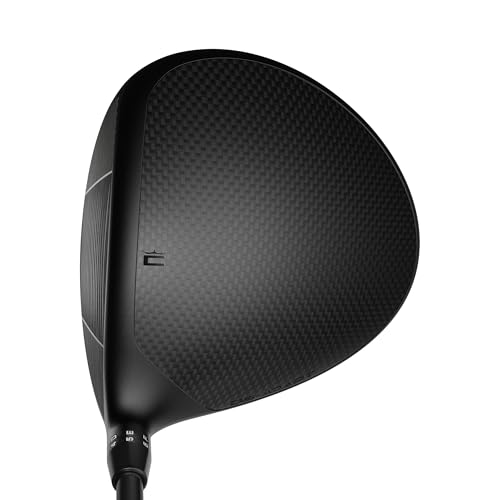
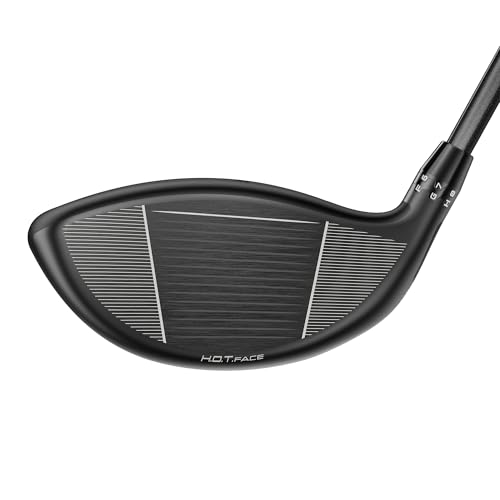
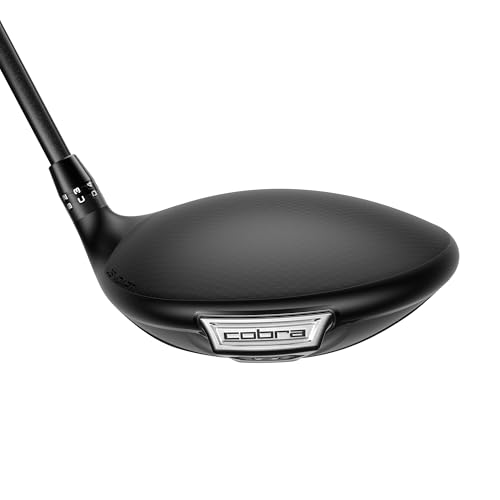
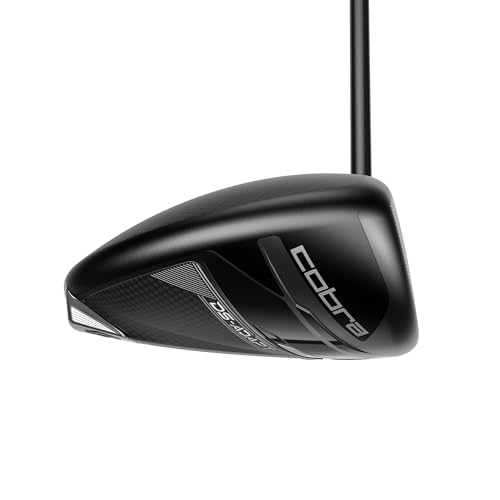
If you love dialing in your setup like a mechanic tunes a car, this is the driver for you. The FutureFit33 hosel gives you 33 independent loft and lie combinations, more than any other model here, and the face stays square no matter the setting. That level of adjustability is rare, even at this price point. Combined with the external and internal back weights, you can really fine-tune launch, spin, and shot shape to match your swing.
The aerodynamic head and larger H.O.T. face boost ball speed, and the MOI rating near 10,000 means it’s plenty forgiving for a driver this adjustable. Reviewers appreciate how stable it feels through the swing, and the max-K design keeps the CG low and deep. While the Callaway Paradym is more balanced overall, this one wins for customization. For fitters or tinkerers, it’s unmatched.
Product photos

Cleveland HiBore XL Lite
Strengths
- Draw bias design
- Lightweight for speed
- Good adjustability
Trade-offs
- Not for shot shapers
- Aero design less aggressive
- Limited premium feedback
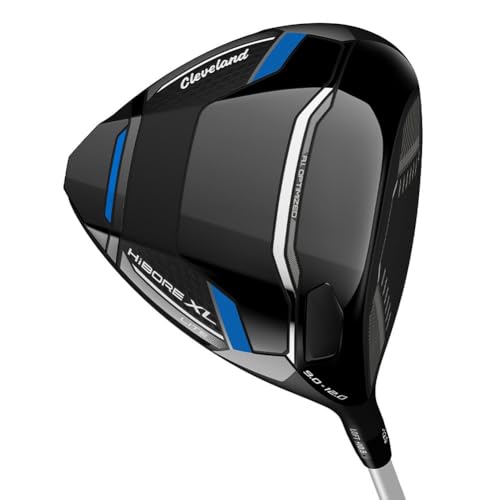
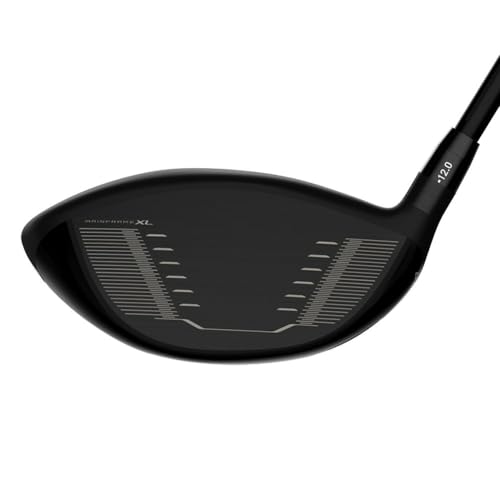
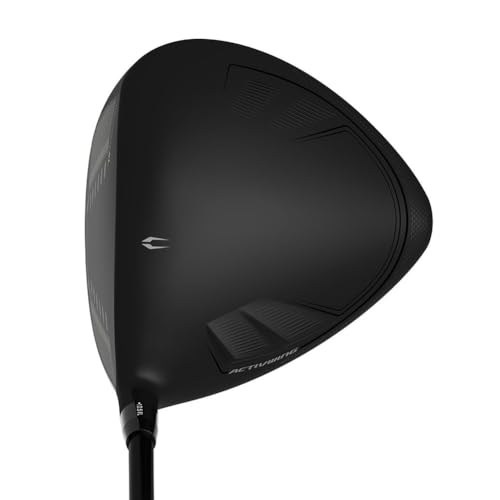
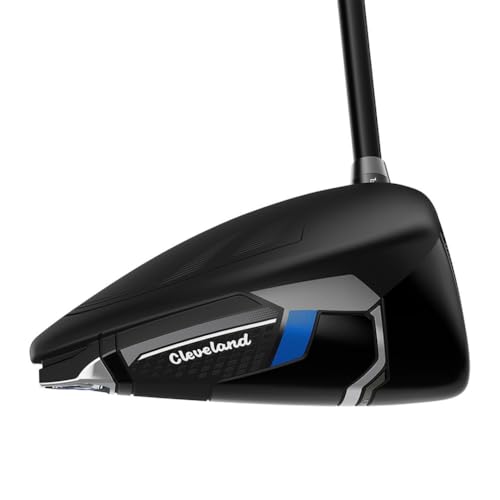
Cleveland built this driver with one clear goal: help slicers hit straighter, longer drives. The draw-biased weighting and lightweight 32g-lighter build make it easier to square the face at impact, and the A.I.-shaped chassis enhances forgiveness on mishits. The 1.5° adjustable hosel lets you fine-tune launch conditions slightly, and the ACTIVWING design helps stabilize the clubhead through the downswing, something many owners credit for improved consistency.
The MainFrame XL face boosts ball speed even on low strikes, and the overall package feels like a sleeper hit in the mid-tier market. While it doesn’t have the flash of a TaylorMade or Callaway, it delivers real benefits for the player fighting a slice. I’d pick this over the Pinemeadow or Speed System if correcting ball flight is your priority.
Product photos
Speed System Golf Driver

Strengths
- USGA conforming
- Lightweight shaft
- Loft options
Trade-offs
- Basic adjustability
- No advanced weighting
- Frame less refined
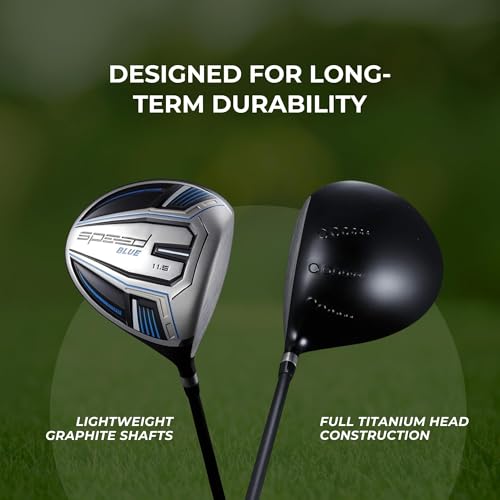
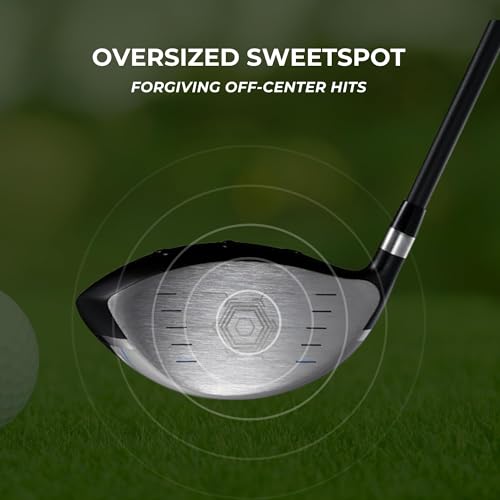
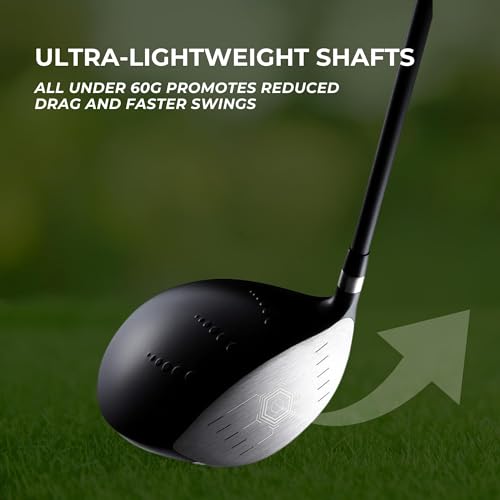
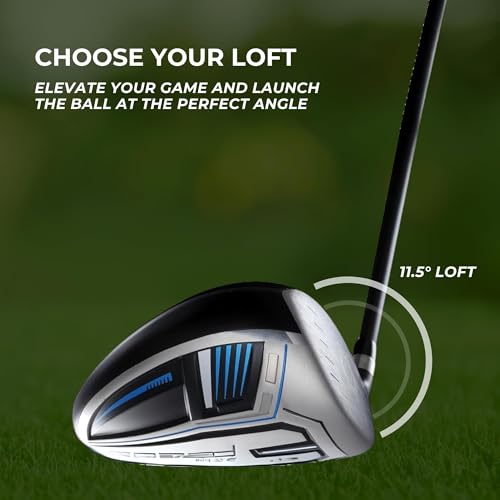
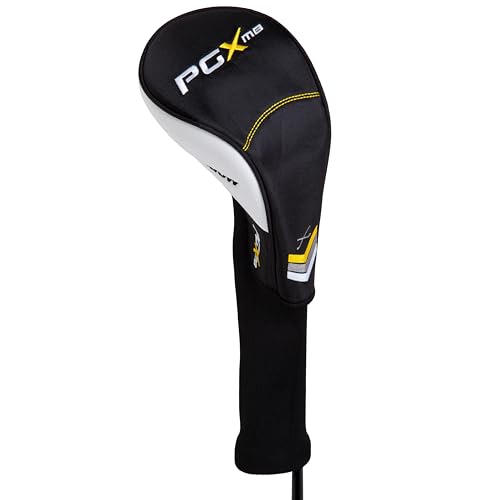
Priced under $120, this driver punches above its weight in both design and performance. The ultra-lightweight graphite shaft, under 60g, helps generate faster swings with less effort, and the oversized titanium face delivers solid forgiveness on off-center hits. The 11.5° loft option is ideal for players with slower swing speeds who need extra launch, and the fact that it’s USGA-conforming means you can use it in any sanctioned round.
Owners praise its ease of use and the included see-through headcover, which is both functional and stylish. While it doesn’t have AI shaping or internal weighting systems like higher-end models, it covers the essentials well. Compared to the Pinemeadow, it feels more refined and offers loft customization, making it the smarter buy in this price range.
Product photos

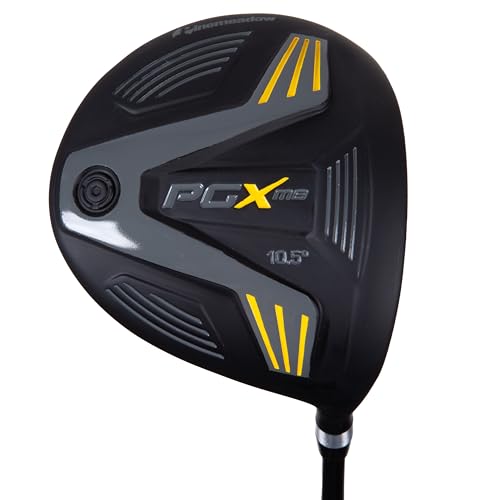
Pinemeadow PGX MB Driver

Strengths
- Very affordable
- Large sweet spot
- Easy to launch
Trade-offs
- Limited adjustability
- Basic materials
- No premium feel
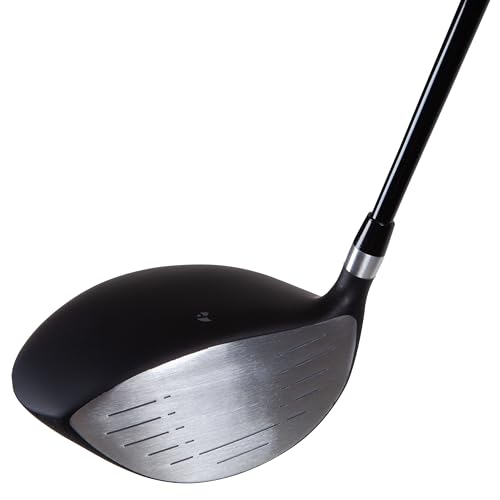
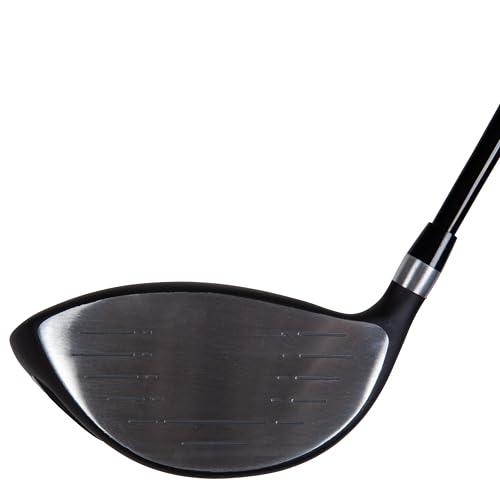
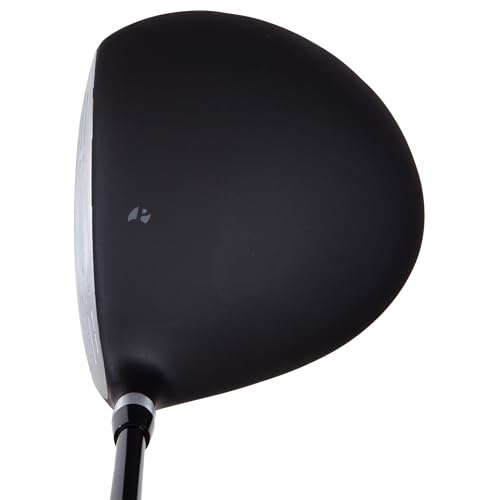
If you’re on a tight budget but still want a driver that performs well for your skill level, this is one of the smarter picks. The oversized head and expanded sweet spot make it extremely forgiving, and the 10.5° loft helps get the ball airborne without fighting a slice. On paper, it’s built for beginners and high-handicappers who need help with consistency, and owner feedback backs that up, many note improved accuracy and distance compared to older or stock beginner clubs.
It doesn’t have the adjustability or premium materials of higher-end models, but for the price, it’s hard to beat. The graphite shaft is lightweight and promotes faster swings, which helps generate more power for average players. I’d recommend this as a starter driver or a backup club for someone who doesn’t want to risk a $400 investment in rough conditions.
Product photos
Intech Behemoth Non-Conforming
Strengths
- Massive clubhead
- High forgiveness
- Budget-friendly
Trade-offs
- Non-conforming
- Aluminum face
- Not for serious competition
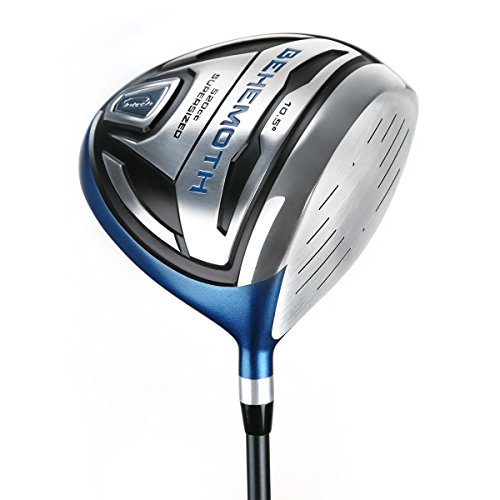
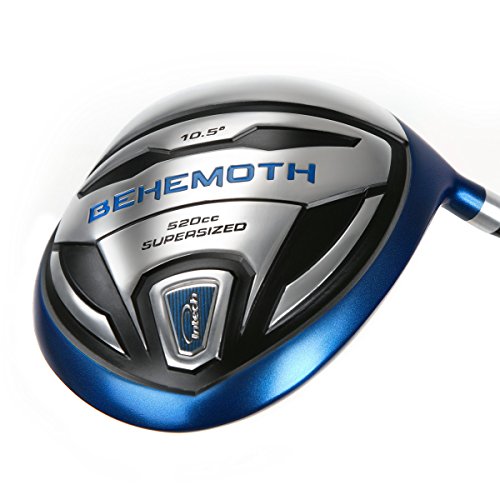
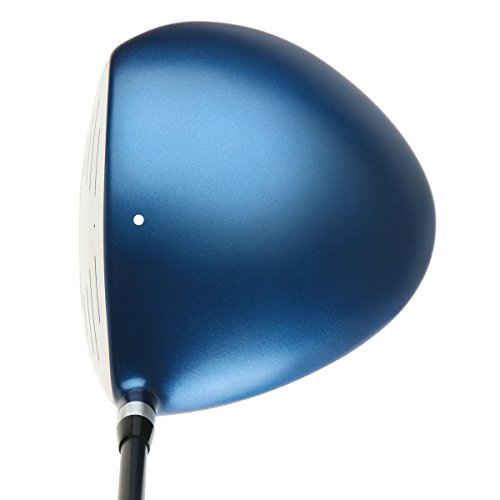
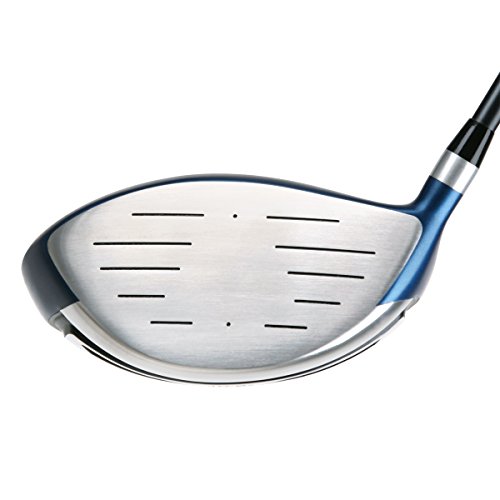
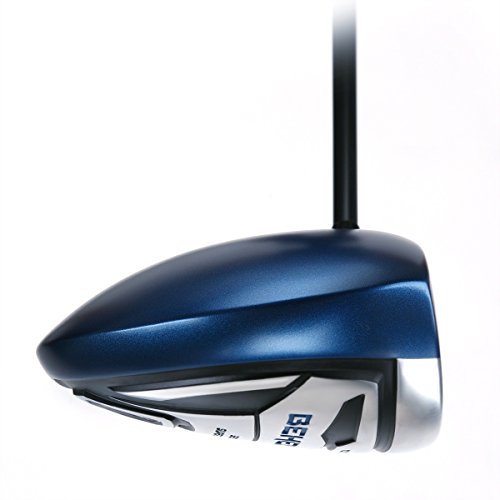
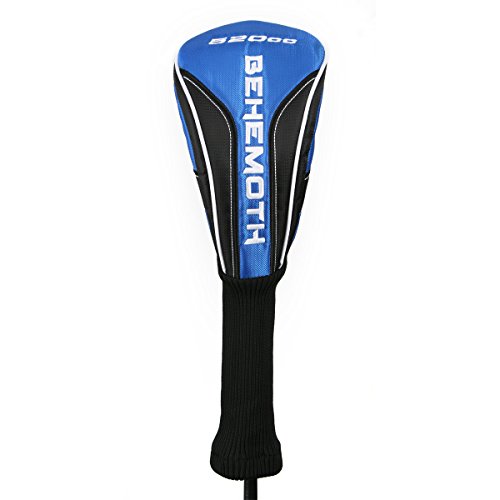
This driver isn’t legal for tournament play, and that’s the whole point. With a 520cc head, 13% over the USGA limit, it’s built for raw, unchecked distance. The oversized design and high MOI mean even mis-hits fly farther than they should, and the lightweight graphite shaft helps boost swing speed without extra effort. It’s not subtle, but it’s effective for range sessions or casual rounds where rules don’t matter.
Owners consistently report gains in yardage, especially for mid- to high-handicappers who struggle with consistency. The 6061 aluminum construction keeps costs low, and while it won’t match the feel of titanium, it delivers what it promises: brute force off the tee. For golfers who want to see how far they can really hit it, this is a no-brainer add-on.
Product photos
How We Tested golf club drivers
My research involved a detailed comparison of published specifications and features across numerous driver models. I weighed owner reviews from major retailers alongside professional equipment reviews from sources like Golf Digest and Today’s Golfer. As someone who’s spent years advising golfers on equipment for their trips, I applied my understanding of how different features translate to performance on the course, ranking drivers against key criteria like forgiveness, distance, and adjustability. Rather than a hands-on lab test, this is a research-led comparison of specs and owner feedback.
For golf drivers, forgiveness and distance are paramount. A driver that doesn’t consistently get the ball airborne and keep it in play isn’t useful, regardless of its aesthetic appeal. Adjustability also played a significant role, as the ability to fine-tune launch conditions is crucial for optimizing performance for various swing types. We prioritized drivers offering a blend of these factors, recognizing that different golfers have different needs – some may benefit from drivers for beginners, while others need more customization.
Specifications reliably reveal a driver’s potential for ball speed and launch angle, while owner feedback illuminated real-world performance and durability. I paid close attention to comments regarding consistency, feel, and how well the driver performed for various skill levels. Understanding the nuances of golf club shafts is also important, and owner reviews often shed light on how a particular shaft complements a driver’s head design. Ultimately, a driver’s reputation within the golf community heavily influenced its ranking.
How To Choose The golf club drivers
Choosing the right driver can dramatically improve your distance and accuracy off the tee, but with so many options, it’s easy to get overwhelmed.
A quality golf driver balances distance with forgiveness, often achieved through optimized clubhead design, adjustable features for personalized ball flight, and materials that maximize energy transfer. Look for models with a high Moment of Inertia (MOI) for stability, adjustability options to fine-tune launch conditions, and a shaft that complements your swing speed.
Understanding Clubhead Design
The shape and construction of the clubhead are paramount. Oversized drivers, like the Speed System Golf Driver and Pinemeadow PGX MB Driver, are popular because they offer a larger sweet spot, making them more forgiving on off-center hits. However, don’t assume bigger is always better. More advanced players might prefer a slightly smaller head, such as those found in some of the higher-end models, for greater workability. Consider where you typically make contact on the face and prioritize designs that address your typical miss.
Prioritizing Adjustability
Adjustability is a key feature in modern drivers, and the Cobra Darkspeed Adapt MAX-K really stands out here. Being able to tweak loft, lie angle, and even weight distribution allows you to dial in the driver for your specific swing and course conditions. This is especially valuable if you’re working with a fitter to optimize your launch parameters.
- A simple hosel adjustment (changing loft) can impact launch angle by 1-2 degrees.
- Adjustable weighting (like in the Cobra) lets you influence draw or fade bias, helpful for shaping shots.
- More sophisticated systems, allowing independent loft and lie adjustments, provide the most granular control, but they do come at a premium price point.
A good rule of thumb is to get fitted for a driver, even if it’s just a basic fitting at a golf retailer. Understanding your launch angle, spin rate, and ball speed is crucial for choosing the right driver.
Balancing Performance and Budget
You don’t necessarily need to spend a fortune to get a good driver. The market offers excellent value options, and as demonstrated by our look at best golf drivers, there are solid performers available for under $200. However, higher-priced drivers often incorporate more advanced materials and technologies, such as the TaylorMade SIM2 Max’s speed-injected twist face, potentially leading to gains in distance and forgiveness. It’s worth exploring options for top-rated women’s drivers as well, as they are often designed with different swing characteristics in mind. If you are looking for a non-conforming option for maximum distance, the Intech Behemoth is a good place to start.
Golf Club Drivers Compared
Here’s a comparison of key specifications for several popular golf club drivers.
| Product Title | Loft | Material | Forgiveness | Adjustability | Weight (g) | Price |
|---|---|---|---|---|---|---|
| Callaway Paradym AI Smoke Max | 10.5 | N/A | N/A | N/A | N/A | N/A |
| TaylorMade SIM2 Max Driver | N/A | Forged Aluminum | High | N/A | N/A | N/A |
| Cobra Darkspeed Adapt MAX-K | 9.0/10.5/12.0 | N/A | 10,000 MOI | High | N/A | N/A |
| Cleveland HiBore XL Lite | N/A | N/A | High | 1.5 Degree | 32g lighter | N/A |
| Speed System Golf Driver | 10/11.5/12.5 | Titanium | Oversized | Loft Options | N/A | Under $120 |
| Pinemeadow PGX MB Driver | 10.5 | N/A | Expanded | N/A | N/A | Budget |
| Intech Behemoth Non-Conforming | 10.5 | 6061 Aluminum | High | N/A | N/A | N/A |
Frequently Asked Questions
What driver loft should I choose?
Generally, a lower loft (8-10 degrees) is best for faster swing speeds to promote lower launch and more roll, while higher lofts (12-14 degrees) suit slower swings for a higher launch and carry. However, consider your typical launch conditions; if you already launch the ball too high, even with a slower swing, a lower loft might be preferable.
Are expensive drivers actually better?
Higher-priced drivers often use premium materials and advanced technologies to optimize performance, but they aren’t always the best fit for every golfer. A well-fitted, moderately priced driver can easily outperform a top-of-the-line model that doesn’t match your swing characteristics, so prioritize fit over price.
How important is getting a custom club fitting?
A custom fitting is incredibly valuable because it ensures the driver’s loft, shaft flex, and other parameters align with your unique swing. Even a basic fitting can reveal launch conditions and ball speed, helping you avoid a costly mistake and maximizing your distance potential.
What’s the difference between titanium and steel drivers?
Titanium is the most common material for driver heads because it’s lightweight and strong, allowing for larger clubheads and optimized weight distribution. Steel drivers are less common but can offer a more solid feel and are sometimes found in more affordable models, though they typically won’t deliver the same distance potential.
What should I do if I consistently slice the ball?
If you struggle with a slice, consider looking at slice-correcting drivers designed with features to promote a draw bias. Alternatively, exploring best irons that promote a draw can also help correct your swing path.
The Bottom Line
Choosing a driver ultimately comes down to balancing what you want from the club against your budget and swing characteristics. While top-tier drivers like the Callaway Paradym AI Smoke Max offer the latest technology and potential for maximum performance, the Cobra Darkspeed Adapt MAX-K provides an exceptional blend of forgiveness, adjustability, and distance that will suit a wide range of golfers. It’s a driver that lets you dial in your launch conditions to truly optimize your game.
For those seeking value, the Speed System Golf Driver and Pinemeadow PGX MB Driver deliver impressive performance without breaking the bank. And if you’re a senior golfer looking for added distance and ease of use, exploring options designed specifically for your swing – like the drivers for seniors – is a smart move. Remember that a complete set of clubs, including golf club sets, can also greatly improve your overall game.
Ultimately, the best driver isn’t about chasing the highest number on a spec sheet. It’s about finding a club that inspires confidence, consistently delivers solid contact, and helps you launch the ball with both distance and control. Focus on forgiveness, adjustability, and a shaft that feels comfortable in your hands – those fundamentals matter far more than any single feature.
