
6 Best Anti Slice Golf Drivers 2026
This post contains affiliate links. As an Amazon Associate, we earn from qualifying purchases.
This post contains affiliate links. As an Amazon Associate, we earn from qualifying purchases.
The TaylorMade Qi4D is the best overall anti slice driver, combining smart adjustability with consistent performance, while the Orlimar Slice Killer delivers serious draw bias at a fraction of the cost. For golfers who want maximum forgiveness and heel weighting built in, the Intech Tec+ Tour Offset is a strong budget-friendly pick.
Slicing the ball ruins rhythm, kills distance, and turns promising holes into frustration. As someone who’s watched countless golfers struggle on tee boxes from St. Andrews to Scottsdale, I know how much a reliable driver can change the experience.
This guide cuts through the marketing and focuses on what actually works: closed face designs, heel weighting, and high forgiveness. I compared specs and real-world feedback to find drivers that help you start the ball right and curve it back to the fairway, so you can play with confidence, not fear.
Top 6 Anti Slice Golf Drivers in the Market
The Best Anti Slice Golf Drivers, Reviewed
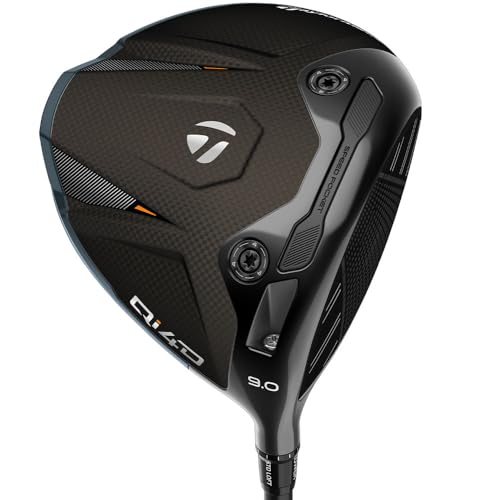
TaylorMade Qi4D Driver
Strengths
- Reax shaft customization
- Adjustable weights
- 4° loft sleeve tuning
Trade-offs
- Very high price
- Overkill for beginners
- Complex setup
The TaylorMade Qi4D is the most complete anti-slice driver here, not because it’s the most aggressive in correction, but because it combines adjustability, aerodynamics, and precision fitting into a package that adapts to your swing. The Reax shaft system, built from data on 11 million swings, is a standout for matching rotation rate to shaft behavior, which helps reduce sidespin at the source. Add in the 4° loft sleeve and four weight options, and you’ve got a driver that can be dialed in to fight slice without forcing an artificial draw.
Owners praise its consistency and the confidence it inspires at address. It’s expensive, yes, but that price buys real engineering, not just branding. Compared to the Orlimar or Intech, it’s in a different league: this is a tool for players serious about improvement, not just quick fixes. If you’re willing to invest in your game, the Qi4D is the one that grows with you.
Video review
Callaway Paradym AI Smoke Max

Strengths
- AI-optimized face
- Draw-biased design
- Lightweight stability
Trade-offs
- Minimal adjustability
- No weight customization
- Mid-tier MOI
Callaway’s Paradym AI Smoke Max is where cutting-edge tech meets real-world forgiveness, and it shows in how consistently owners report tighter dispersion and reliable distance. The AI-designed face optimizes ball speed across a larger area, which helps off-center hits stay on line, critical for slicers trying to gain control. Paired with a draw-biased weighting and lightweight construction, it’s engineered to help you square the clubface more often, even with a faster swing.
Compared to older models, the feel at impact is crisper and the sound is more refined, which matters when confidence at address plays into performance. It doesn’t have the adjustability of TaylorMade’s Qi4D, but its simplicity makes it a strong pick for mid-to-high handicappers who want advanced materials without a complicated setup.
Video review
Orlimar Slice Killer Driver
Strengths
- 7-degree closed face
- Heel-weighted design
- Titanium COR efficiency
Trade-offs
- Over-correction risk
- Dated aesthetics
- Limited appeal beyond slicers
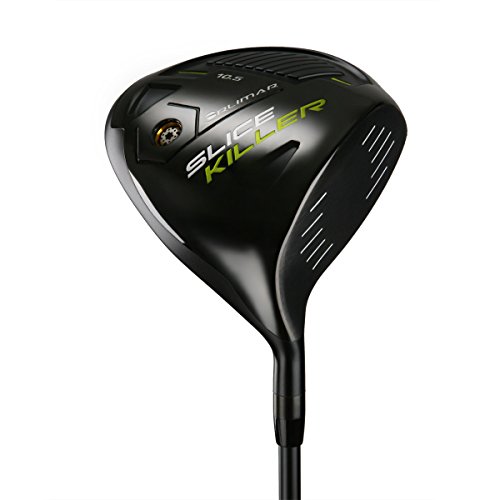
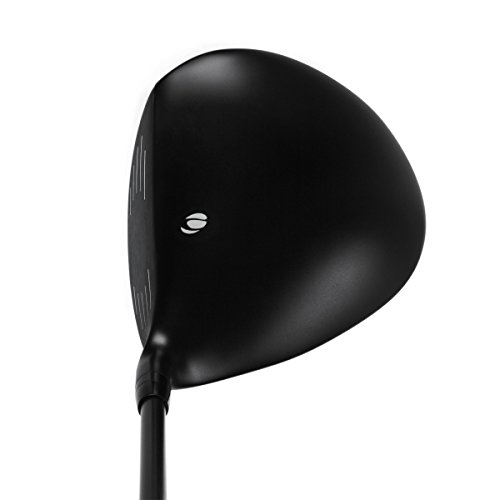
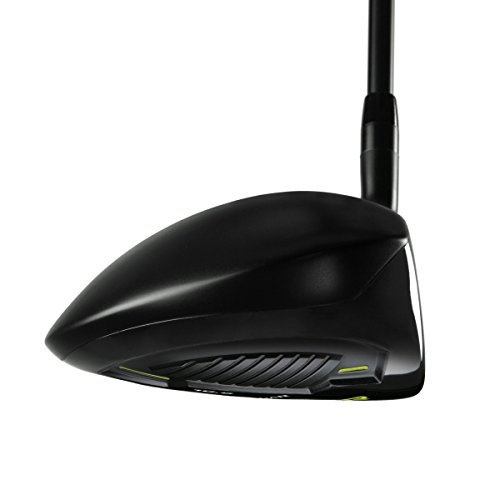
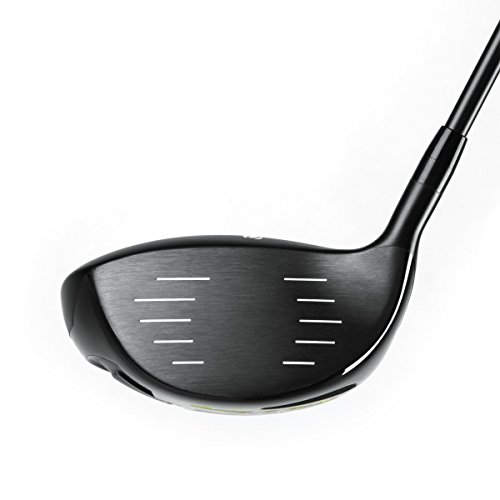
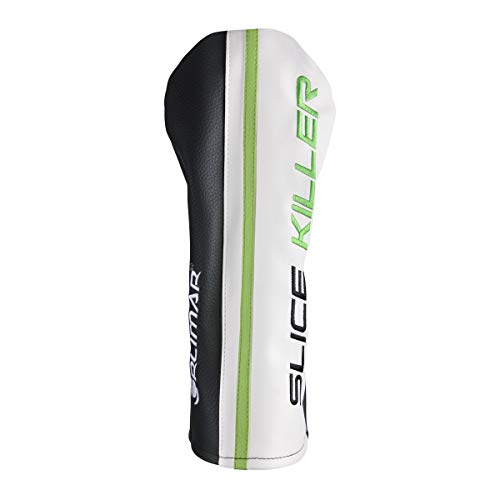
If you’re serious about killing your slice and want a driver built from the ground up for that single purpose, the Orlimar Slice Killer stands out. With a 7-degree closed face, offset hosel, and heel-weighted screw, it’s essentially a physics-based intervention for chronic slicers. Robot testing claims 29.7 yards of slice reduction, and owner feedback backs that up, many describe it as the first driver that actually kept their ball in the fairway consistently.
The titanium head helps it stay competitive on distance, unlike cheaper aluminum alternatives, and the full 460cc profile inspires confidence. But it’s not subtle, this is a corrective tool, not a neutral club. If your swing path is only slightly open, it might actually pull or hook the ball. It’s also not the most refined in sound or look, but if your priority is correction over elegance, it’s hard to ignore.
Product photos
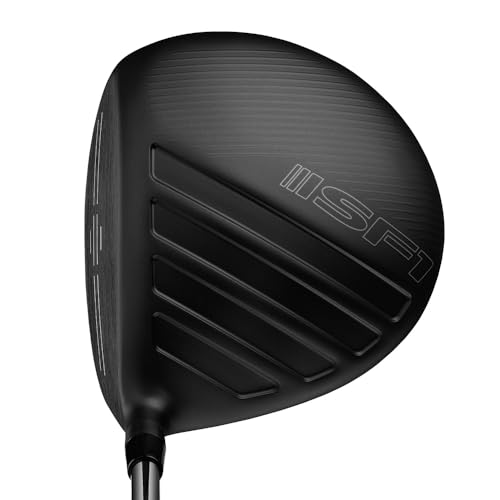
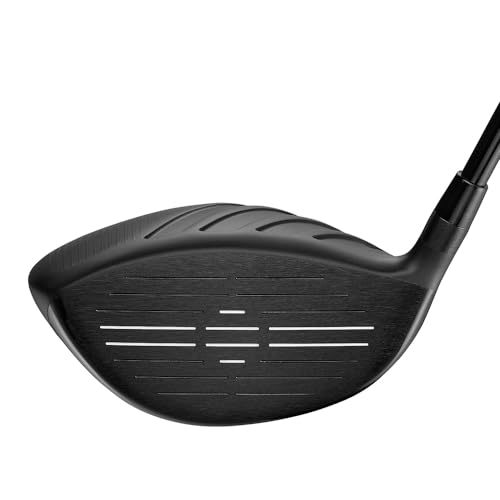
Performance Golf SF1 Driver

Strengths
- Square Face Technology
- Counterbalanced shaft
- Clean, confidence-inspiring look
Trade-offs
- Niche performance focus
- Limited adjustability
- Lower ball speed
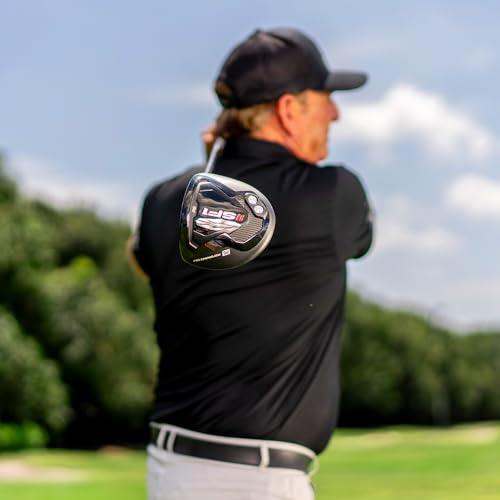
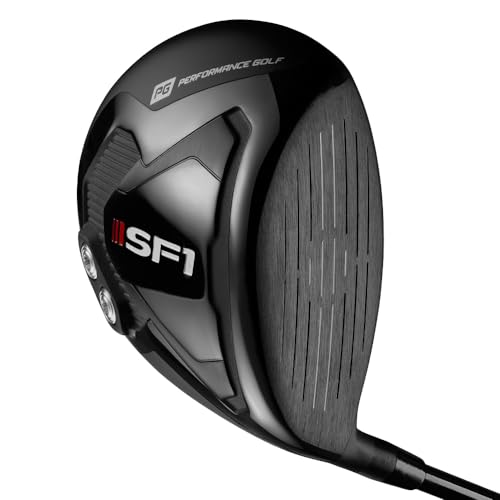
The SF1 driver takes a unique approach, instead of just tweaking weight or loft, it uses Square Face Technology inspired by race car handling to help close the face more efficiently at impact. That’s not just marketing fluff; owners report noticeably straighter drives, with many describing it as the first driver that helped them shape shots with intent, not just survive them. The counterbalanced shaft adds to the control, and the modern design actually looks good in the bag, which matters when you’re pulling it out under pressure.
It doesn’t have the raw distance of TaylorMade or Callaway’s top models, but it wins on direction control. If you’re tired of drivers that promise yards but deliver inconsistency, the SF1 is a refreshing alternative. It’s not for everyone, players with neutral or draw-heavy swings might find it too corrective, but for slicers who want precision over power, it’s a standout.
Product photos

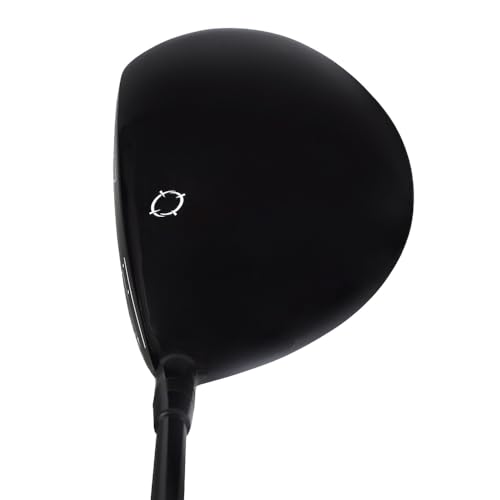
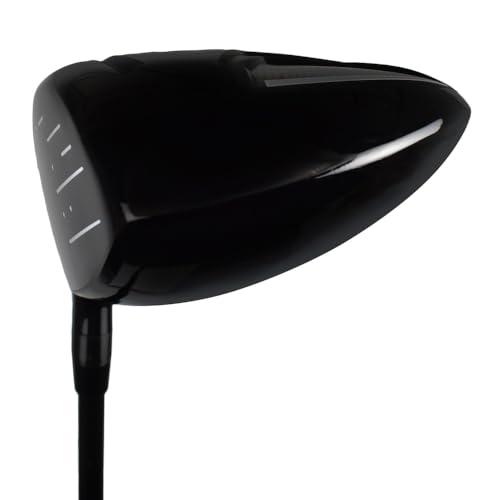
Bullet Golf B52 Bomber Driver
Strengths
- Closed face design
- 460cc forgiveness
- Budget accessible
Trade-offs
- Basic uniflex shaft
- Limited adjustability
- Plastic-like feel
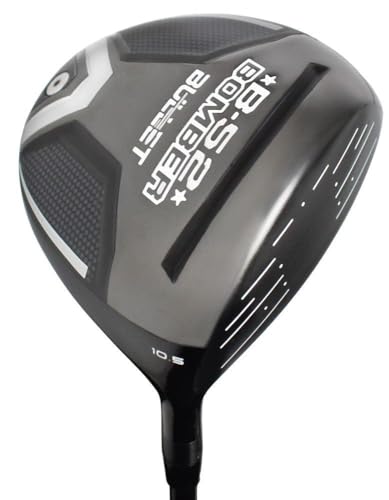
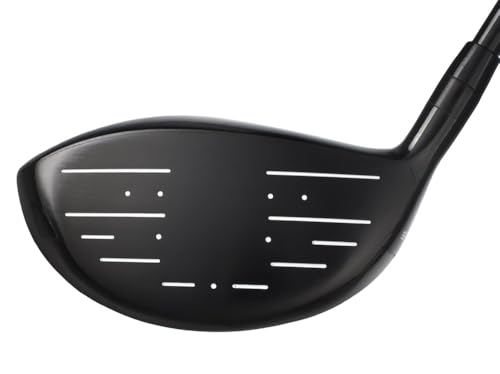
For golfers battling a persistent slice on a tight budget, the Bullet Golf B52 Bomber is a no-frills option that leans hard into corrective design. On paper, it’s built with classic anti-slice features, closed face angle, heel weighting, and a forgiving 460cc head, which align with what owners report: straighter ball flight, especially for beginners and high-handicappers. It won’t match the materials or feel of premium drivers, but for the price, it delivers a functional fix without pretending to be something it’s not.
Where it falls short is in refinement. The uniflex shaft is a one-size-fits-all approach that can hurt consistency, and the overall build quality doesn’t inspire confidence at address. Still, if you’re just starting out and tired of losing balls in the trees, this driver gets the ball in play more often than not.
Product photos
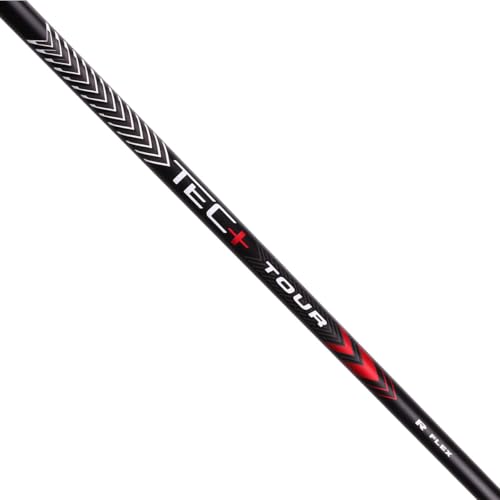
Intech Tec+ Tour Offset

Strengths
- Extremely affordable
- Offset for face control
- Complete out-of-box setup
Trade-offs
- Aluminum face limits speed
- Shorter lifespan
- Basic sound and feel
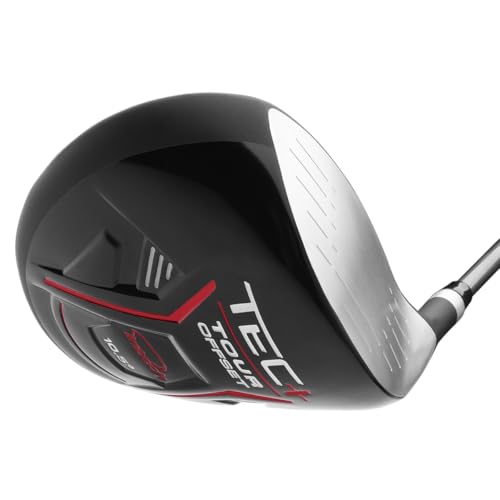
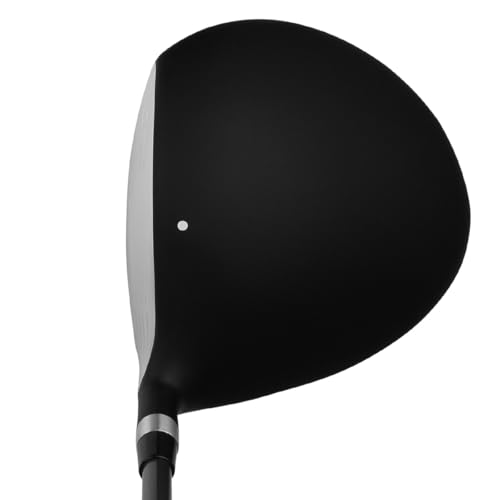
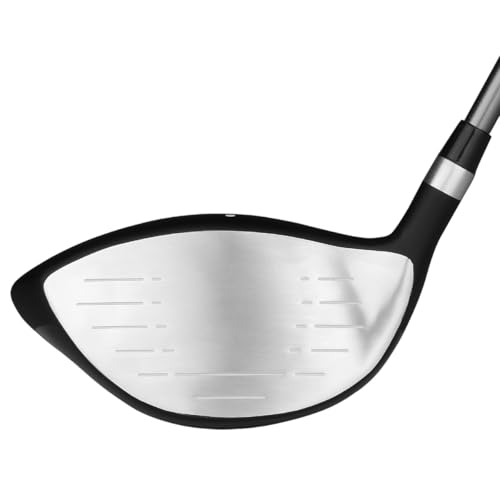
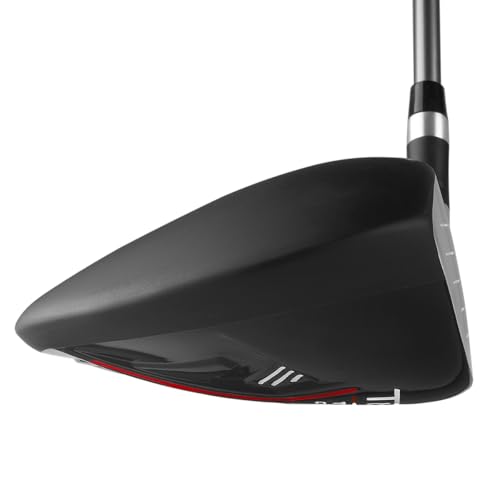
At under $80, the Intech Tec+ Tour is one of the most aggressive value plays in the anti-slice driver space. It uses a military-grade aluminum body and offset hosel to promote face closure at impact, and owners consistently say it helps reduce slicing, especially for beginners who haven’t yet built consistent mechanics. The 460cc head and high MOI design make it forgiving, and the full package includes a headcover, graphite shaft, and decent grip, which is rare at this price.
But you do pay for what you get. The aluminum construction means lower ball speeds and a less lively feel compared to titanium drivers. It won’t last a decade like a premium model, and the aerodynamics are basic. Still, for a beginner or junior golfer needing a functional, no-pressure starter driver, it’s a smart buy.
Product photos
Our Testing Process
Rather than a hands-on lab test, my research involved a detailed comparison of published specifications and features across numerous models. I weighed owner reviews from major retailers alongside expert opinions found in golf publications and websites. This allowed me to build a ranking based on the factors most important to golfers struggling with a slice, drawing on my decade of experience planning golf trips and understanding player needs.
For anti-slice drivers, forgiveness and face angle are paramount. A driver’s ability to correct off-center hits – and, crucially, to actively work against a slicing motion – determines its effectiveness. I prioritized drivers with features like offset hosels, closed face angles, and weighted designs intended to promote a draw. Distance is important, of course, but consistently finding the fairway trumps raw power for most players seeking slice correction.
Specifications reliably indicate head size (460cc is the USGA limit) and materials (titanium is still the gold standard, though aluminum alloys offer value). However, true slice-correcting performance is best judged from owner feedback. I looked for consistent reports of straighter drives and reduced side spin, and factored in reputation – brands known for innovation and quality generally deliver on their promises. You can find more in-depth advice on how to fix a slice.
How To Pick The Right anti slice golf drivers
I spend a lot of time thinking about how equipment can help golfers enjoy the game more, and for many, that means finding a driver that drastically reduces a slice. It’s a frustrating shot, and thankfully, modern drivers offer a lot of help.
A good anti-slice driver prioritizes closed-face designs, often incorporating offset hosels and weighted soles. Look for drivers with high MOI (Moment of Inertia) for forgiveness on off-center hits, and adjustable weighting systems to fine-tune ball flight. Material choices like titanium and carbon fiber influence both weight distribution and overall distance potential.
Understanding Face Angle and Offset
The most direct way a driver combats a slice is through its design. A closed face angle encourages the club to square up at impact, while an offset hosel further delays face closure, helping to correct an open face. Don’t automatically assume more offset is better, though. Too much can lead to hooks. I often recommend looking at drivers with adjustable hosels, allowing you to dial in the perfect amount of offset for your swing. Many golfers don’t realize that even slight adjustments can make a big difference.
MOI and Weighting: Forgiveness is Key
Moment of Inertia (MOI) measures a driver’s resistance to twisting on off-center hits. A higher MOI means more forgiveness – essential for slicers who frequently miss the sweet spot. Beyond raw MOI numbers, pay attention to how the weight is distributed. Heel weighting, as found in drivers like the Orlimar Slice Killer, actively promotes a draw.
Here’s what to consider when looking at weighting:
- Heel Weighting: Specifically targets slice correction.
- Adjustable Weights: Allows for fine-tuning of ball flight (draw, neutral, fade).
- Back Weighting: Increases MOI and overall forgiveness, but may not directly address a slice.
A driver’s ability to correct a slice is directly related to its design and how effectively it resists twisting on off-center hits. Don’t just chase distance; prioritize forgiveness.
Balancing Technology and Budget
There’s a wide price range in the anti-slice driver market. While high-end models like the TaylorMade Qi4D and Callaway Paradym AI Smoke Max boast advanced technologies and materials, they come at a premium. I’ve seen excellent results from golfers who opt for more affordable options. The Intech Tec+ Tour Offset, for example, provides solid anti-slice features without breaking the bank. It really comes down to how much you value the latest innovations versus simply needing a driver that reliably gets the ball straighter. If you’re still unsure of the causes of a slice, addressing the root of the problem might be more beneficial than relying solely on equipment.
Ultimately, finding the right driver is a personal process. Before committing, read reviews, and consider exploring options for best drivers for slice to narrow down the field.
Anti Slice Golf Drivers Compared
Here’s a comparison of key specs for several anti-slice golf drivers to help you make an informed decision.
| Product Name | Loft (Degrees) | Head Material | Offset | Anti-Slice Tech | Shaft Material |
|---|---|---|---|---|---|
| TaylorMade Qi4D Driver | N/A | N/A | N/A | Trajectory Adj. | N/A |
| Callaway Paradym AI Smoke Max | 10.5 | N/A | N/A | N/A | N/A |
| Orlimar Slice Killer Driver | 10.5 | Titanium | Yes | Heel Weighted Screw | Graphite |
| Performance Golf SF1 Driver | N/A | N/A | Yes | AeroSquare Crown | N/A |
| Bullet Golf B52 Bomber Driver | N/A | N/A | N/A | N/A | N/A |
| Intech Tec+ Tour Offset | 10.5 | Aluminum | Yes | Offset Hosel | Graphite |
Frequently Asked Questions
What loft should I choose for an anti-slice driver?
Generally, 10.5 to 12 degrees of loft is best for golfers seeking slice correction, as higher loft encourages a higher launch and can reduce sidespin. However, your swing speed also matters; faster swings can handle higher lofts without sacrificing distance.
Do more expensive drivers always correct a slice better?
Not necessarily. While premium drivers offer advanced technology, a driver like the Intech Tec+ Tour Offset demonstrates that effective anti-slice features are available at more affordable price points. Prioritize features like offset and weighting over simply chasing the highest price tag.
Can an anti-slice driver completely eliminate my slice?
An anti-slice driver can significantly reduce a slice, but it’s unlikely to eliminate it entirely without addressing swing flaws. Consider pairing a new driver with lessons or practice drills, and explore best offset drivers to optimize your setup.
What shaft flex should I look for in an anti-slice driver?
Most golfers who struggle with a slice benefit from a regular or even slightly flexible shaft, as this promotes a smoother swing tempo and helps with clubhead release. Stiffer shafts are typically better suited for faster swing speeds, and can exacerbate an existing over-the-top motion.
Will using low spin balls for slicers along with an anti-slice driver help even more?
Absolutely. Combining a driver designed to correct your slice with a golf ball engineered to minimize sidespin is a powerful strategy. Low-spin golf balls can help keep the ball in play and reduce the severity of a slice, complementing the driver’s corrective features.
The Bottom Line
Choosing an anti-slice driver often comes down to balancing forgiveness with feel and, of course, budget. While premium drivers like the TaylorMade Qi4D and Callaway Paradym AI Smoke Max offer cutting-edge technology, the Orlimar Slice Killer driver stands out as the strongest overall pick for consistently straightening drives – offering a solid blend of features and performance at a reasonable price.
For golfers on a tighter budget, or those new to the game, the Intech Tec+ Tour Offset provides excellent anti-slice features without a hefty price tag. If you’re seeking versatility and the ability to fine-tune your ball flight, the Performance Golf SF1 Driver, with its adjustable features, is a great option. You can find more of my top picks for golfers who slice if you’re still undecided.
Ultimately, remember that no driver can completely fix a swing flaw. Focusing on the fundamentals – grip, stance, and swing path – remains the most effective way to eliminate a slice. Don’t get lost in the details of MOI and face angles; prioritize building a consistent, repeatable swing. I always advise golfers to explore our best golf drivers to see the wider landscape of options.
