
Key Practices for Sustainable Maintenance on Golf Courses
This post contains affiliate links. As an Amazon Associate, we earn from qualifying purchases.
This post contains affiliate links. As an Amazon Associate, we earn from qualifying purchases.
Sustainable golf course maintenance balances three core resources: water, nutrients, and land. It means using less of each while maintaining playability, guided by data from soil tests and moisture sensors, and structured by best management practices (BMPs) from organizations like the GCSAA. The proof is in the numbers. U.S. Courses cut total water use by 31% from 2005 to 2024.
That 31% reduction didn’t happen by accident. It came from a shift in philosophy, from constant inputs to measured stewardship. The industry moved from a mindset of unlimited resource application to one of precision, where every gallon of water and pound of fertilizer has to justify itself.
What follows is a breakdown of the pillars holding this up, water, nutrients, and pollution control, and the real-world tools superintendents use to make it work on a daily budget. This isn’t theoretical environmentalism. It’s the operational playbook for keeping a course alive for the next generation.
Key Takeaways
- U.S. Golf facilities reduced total water use by 31% between 2005 and 2024, a trend driven by efficiency, not just drought.
- Sustainable nutrient management means more frequent, smaller applications guided by soil tests, which increase nitrogen use on greens by about 15% but prevent waste and runoff.
- The maintenance facility is the biggest pollution risk point; a single wash pad can use 2,000 gallons daily, making filtration systems non-optional.
- Soil moisture sensors have a “somewhat positive or very positive” impact on water management at 97% of facilities that use them.
- True sustainability must be economically viable; a program that bankrupts the course helps no one.
The Three Pillars of Sustainable Maintenance (Water, Nutrients, Pollution)
Forget vague “green” claims. Real sustainability on a golf course is a mechanical, daily exercise in managing three things: what you pour on it, what you feed it, and what you spill around it. Each has a direct line to both environmental impact and your bottom line.
Where this goes sideways: Focusing only on water while over-fertilizing. A 2014 GCSAA survey found facilities using soil tests applied roughly 0.5 lbs/1000 sq ft more nitrogen on greens than those that didn’t test. That extra nitrogen, without the soil data to justify it, washes out with the next storm.
Water: The 31% Reduction and How It Happened
The headline from the 2024 Golf Course Environmental Profile is stark: a 31% drop in total water use since 2005. This isn’t just about letting roughs go brown in a drought. Two-thirds of the decrease is credited to operational efficiency.
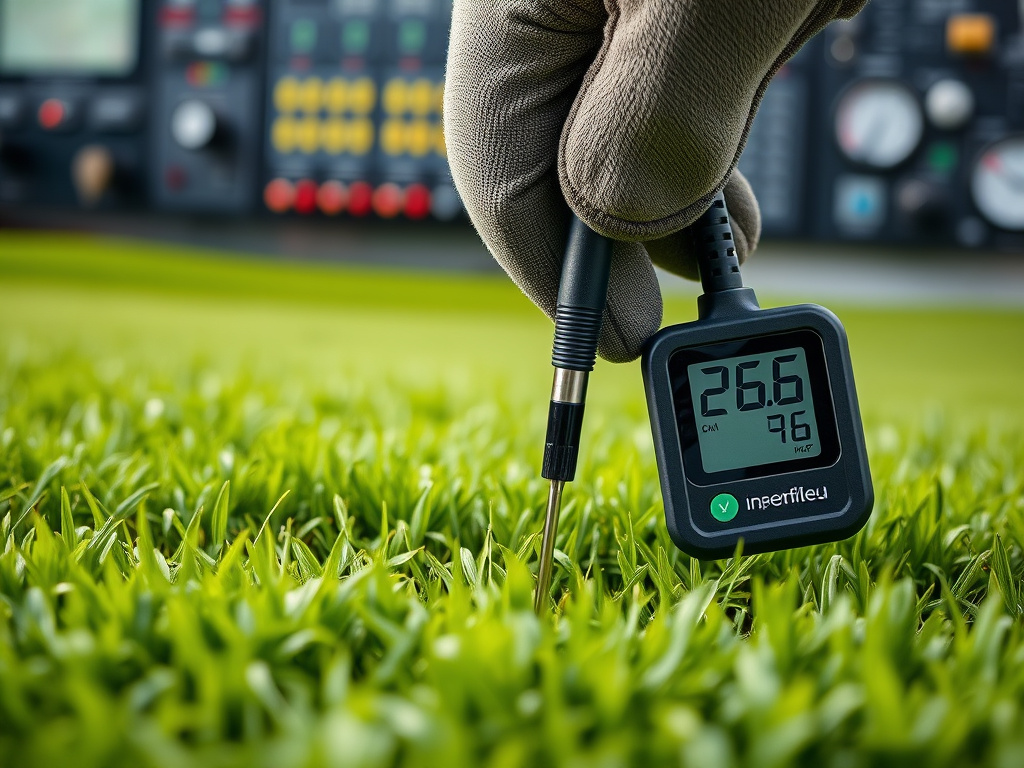
The shift is from calendar-based watering to need-based irrigation. It starts with a five-year professional irrigation audit, as the GCSAA BMP guide recommends. But the day-to-day magic is in the tools. Soil moisture sensors have a major impact, providing that “somewhat positive or very positive” effect at 97% of facilities. You’re not guessing if the root zone is dry; you’re measuring it.
The research gets specific. A 2024 study in Grasses compared irrigation practices on bentgrass greens. The “business as usual” method, using a system like a Rainbird 700 Series, applied 0.64 cm of water nightly. The “supplemental rainfall” method applied 0.38 cm nightly. That’s a 40% reduction just by recalibrating the timer based on actual evapotranspiration data, not tradition.
| Water Source | Usage Trend (2005-2024) | Key Sustainability Note |
|---|---|---|
| Municipal/Potable | Significant decrease | Most expensive source; reduction is a top economic priority. |
| Recycled/Reclaimed | Steady increase | Treated wastewater; use cleans water further as it filters through turf. |
| Lakes/Ponds & Wells | Variable by region | On-site sources reduce strain on public supply but require careful management. |
The play is clear: audit the system, install sensors, and shift to recycled water where possible. The savings aren’t just environmental. They’re straight off the utility bill.
Nutrients: Why Soil Testing Isn’t Optional
Fertilizer management has undergone a quiet revolution. The old method was large, infrequent feedings. The modern, sustainable method is “spoon-feeding”, smaller amounts applied more often.
The data from the GCSAA’s Phase 2 nutrient survey report shows this shift. From 2006 to 2014, the number of annual fertilizer applications increased for all features except roughs, while overall nutrient rates decreased. Superintendents are feeding like a chef seasoning a dish, not dumping a salt shaker.
This only works with a soil test. It’s the diagnostic sheet. The same survey proved it: facilities that tested soil used more nitrogen, but they used it efficiently. On greens, testers applied 3.71 lbs/1000 sq ft versus 3.22 lbs for non-testers. That 15% increase isn’t waste; it’s a targeted application based on a known deficiency. The plant uses it. What the plant doesn’t use stays out of the groundwater.
Pollution Control: It Starts at the Maintenance Shed
The golf course’s environmental risk is concentrated not on the 18th fairway, but on the concrete pad behind the maintenance shed. This is where fuel, oil, pesticides, and fertilizer concentrates are handled and where equipment is washed.
The GCSAA BMP planning guide is blunt about the principles: minimize contamination. A single wash pad can use 2,000 gallons of water in a day. Without a filtration system, that water, carrying grease, hydrocarbons, and chemical residues, goes straight into the storm drain or seeps into the soil.
The fix is infrastructure. A proper wash pad has an impervious floor, a cover, and a filtration system, often with a charcoal filter to catch petroleum products. It’s not glamorous. It’s a sink for your machinery. But it’s the single most effective pollution prevention investment a course can make, turning a point of risk into a point of control.
The Superintendent’s Toolkit: From Philosophy to Action
A sustainability philosophy is just talk without the tools to execute it. For the golf course superintendent, this toolkit is a mix of technology, agronomics, and old-fashioned communication. It’s how the pillars are held up.
The superintendent’s job is to translate environmental goals into grass that can be played on tomorrow. That translation requires specific, often unsexy, tools.
The Essential Tech: Sensors, Audits, and Models
The modern superintendent’s office runs on data. The cornerstone is the soil moisture sensor. It provides a number where there was once a gut feeling. Is the back of the 7th green wet enough? The sensor says 18% volumetric water content. The textbook says 15-20% is ideal for most grasses. Decision made.
This feeds into larger models. Turf growth prediction models are now a factor in nutrient decisions at over half of U.S. Facilities, according to the GCSAA nutrient survey. They use weather data, temperature, precipitation, sunlight, to predict grass growth and nutrient uptake, telling you not just what to apply, but when the plant is ready to receive it.
The cycle is capped by the irrigation audit. The GCSAA guide recommends a professional audit at least once every five years. This isn’t just checking for broken heads. It measures distribution uniformity, how evenly each head throws water. A system with 55% uniformity is wasting almost half the water it pumps. An audit finds those gaps and creates a repair map. It’s preventive maintenance for your single largest variable cost.
Agronomic Shifts: Grass Selection and Naturalization
Technology manages what you have. Agronomics changes what you have to manage. A fundamental sustainable move is changing the grass itself.
Drought-tolerant grass varieties like certain cultivars of A4 bentgrass or bermudagrass allow a superintendent to reduce water inputs without losing playability. The 2024 water report notes that changing to more drought-tolerant turfgrass is a practice directly associated with reduced water application.
Beyond the playing surfaces, there’s naturalization. This is the deliberate reduction of maintained turf acres, letting out-of-play areas grow native grasses and wildflowers. One case study from the USGA environmental benefits article highlights a course that reduced irrigated acreage from 90 to 75 by allowing roughs to go native. The result was lower water and chemical use, higher biodiversity, and a unique, rugged aesthetic that defined the course. Players may notice it’s browner in summer. They need to understand that’s by design, not neglect.
The Communication Mandate: Selling “Brown” to Members
This might be the hardest tool in the box. The most efficient irrigation system and perfect nutrient plan will fail if the membership revolts against the look of a course under sustainable management.
I learned this the hard way with technology. Early in my career, I was fascinated by a new swing-analysis app. I used it with a student who was finally finding a rhythm. The app’s complex alignment grid overloaded him. His simple, repeatable movement fell apart as he chased perfect lines on a screen. I spent the next two lessons helping him unsee the data and rediscover his feel. Good golf should feel less complicated the more you understand it.
The same principle applies here. You can’t just present members with a chart showing a 31% water reduction. You have to connect it to their experience. Explain that firmer, slightly drier fairways provide more roll and a different strategic challenge. Frame naturalized areas as habitat corridors that make the course a living landscape, not a sterile carpet. Use the Golf Course Environmental Profile data to show this is the industry standard, not a cost-cutting corner.
The golf course superintendent is the translator here. Their role is to bridge the gap between the science of agronomy and the art of the game.
Building a Sustainable Operation: The Economic Engine
A sustainability program that bankrupts the club is a failure. The goal is a virtuous cycle where environmental stewardship strengthens the economic foundation. This requires viewing every practice through two lenses: ecological benefit and financial sense.
| Practice | Upfront Cost | Long-Term Economic Benefit | Implementation Timeline |
|---|---|---|---|
| Soil Moisture Sensors | Medium | High (20-40% water savings, immediate ROI on water bill) | 1-2 Seasons |
| Irrigation System Audit | Low-Medium | High (identifies inefficiencies, reduces pump runtime) | 1 Season |
| Switching to Recycled Water | Very High (infrastructure) | Very High (dramatically lower water rates, supply security) | Multi-Year |
| Naturalizing Roughs | Low (seed, labor) | Medium (permanent reduction in mowing, water, fertilizing costs) | 2-3 Seasons |
The RIT Golf Course Sustainability Handbook frames this perfectly with its PAR, BIRDIE, EAGLE system. A PAR practice is easy and low-cost, like calibrating sprayers. An EAGLE practice is a major capital investment, like a new water filtration plant. You build from PAR upward, ensuring each step pays for itself or reduces future risk.
This is where course economics meets ecology. A well-planned wash pad filtration system has a cost. But it eliminates the risk of a catastrophic fine for contaminating a waterway, a risk that could close a course. Investing in proper fertilizer storage (a practice that jumped from 46% to 65% adoption between 2006 and 2014) prevents a spill that could poison soil for years. These aren’t expenses. They are insurance policies written in concrete and steel.
The final piece is integrating these practices into the club’s identity. A course known for its minimalist design and environmental stewardship attracts a different player. It becomes a point of pride, a feature in marketing, and a reason for community support. It shifts from being a cost center to a core asset.
Frequently Asked Questions
What is the single most effective thing a golf course can do to be more sustainable?
Conduct a professional irrigation audit and act on its findings. Inefficient water use is the largest and most costly resource drain. The audit will pinpoint leaks, poor coverage, and pressure problems. Fixing them often has a payback period of less than two years in water and energy savings, and it lays the groundwork for every other water-saving practice.
Does sustainable maintenance mean the course will look worse?
No. It means it will look different. Fairways may be firmer and play faster. Roughs may be more varied, with native grasses. The color may be a deeper, drought-induced green rather than a lush, overwatered blue-green. This “firm and fast” conditioning is actually preferred by skilled players and is a hallmark of classic course architecture. It’s a shift in aesthetic, not a drop in quality.
Can public courses afford to implement these practices?
They often have the most to gain. Public courses operate on thinner margins, so the cost savings from reduced water, fertilizer, and fuel use are more impactful. Many of the most effective practices, like soil testing and proper calibration of equipment, are low-cost. Grants and incentives from municipal water authorities are also frequently available for public facilities making efficiency upgrades.
How do you balance golfer expectations with reduced inputs?
Through communication and design. Educate players on why the course looks and plays a certain way, connect the firmer conditions to the strategic challenge of the game. From a design perspective, focus inputs where they matter most: greens and tees. Allow fairways to play firmer and out-of-play areas to naturalize. This “managed intensity” approach is a core principle of modern turf management.
Are organic fertilizers always better for sustainability?
Not automatically. The sustainability of a fertilizer depends on its source, production footprint, and how efficiently the plant can use it. Some organic fertilizers require large amounts to deliver the same nutrient level as a synthetic, and their release is dependent on soil microbes, which can be unpredictable. The best practice is to choose the right product, organic or synthetic, based on a soil test and to apply it using efficient “spoon-feeding” techniques that maximize uptake.
Before You Go
The 31% water reduction figure isn’t a ceiling. It’s proof of concept. It shows that the industry can change, measurably and significantly, when it focuses on efficiency over abundance.
Your course’s next step isn’t a massive overhaul. It’s the next audit on the schedule, the irrigation system, the fertilizer spreader calibration, the fuel storage area. It’s buying one soil moisture sensor for your problem green and learning what the data tells you. It’s having one conversation with your green committee about what “firm and fast” really means for the strategy of your layout.
Sustainable maintenance isn’t a separate program. It’s just good golf course management strategy, executed with an eye on the next decade, not just the next weekend’s tee sheet. The tools exist. The data supports it. The work is in the daily, deliberate choice to use both.
