
Guide to the Ryder Cup History and Its Competitive Format
This post contains affiliate links. As an Amazon Associate, we earn from qualifying purchases.
This post contains affiliate links. As an Amazon Associate, we earn from qualifying purchases.
The Ryder Cup is a biennial men’s golf team competition between the United States and Europe, played over three days in a 28-match match-play format. To win, a team must secure 14.5 points. The event began in 1927 between the US and Great Britain, but expanded to include all of Europe in 1979, transforming it into the fiercely competitive spectacle it is today.
That 1979 expansion is the single most important fact in its modern history. Before that, the US dominated. After that, the matches became a real fight. The current format—eight team matches each on Friday and Saturday, then 12 singles on Sunday—was locked in that same year and hasn’t changed since.
What follows is the full story: how a seed merchant’s trophy became golf’s most intense event, the precise mechanics of foursomes and fourball, and the unique rules that decide what happens when a player gets hurt or the score ends dead even.
Key Takeaways
- The competition expanded from Great Britain & Ireland to all of Europe in 1979, which instantly made the matches more competitive and created the modern rivalry.
- A team needs 14.5 points to win the Cup outright from 28 total matches; a 14-14 tie means the defending champion retains the trophy.
- The “envelope rule” handles player injuries: each captain secretly names a reserve player before the event, and if someone can’t play singles, that match is halved.
- Foursomes (alternate shot) and fourball (better ball) are the two team formats played on Friday and Saturday, requiring different strategic approaches.
- All matches are worth one point, with halves worth half a point, and they can end early if one side leads by more holes than remain (e.g., a 3&2 win).
From Seed Money to Sporting Icon: The Ryder Cup’s Origin Story
The cup is named for Samuel Ryder, an English businessman who made his fortune selling penny seed packets. His passion for golf, and a particular desire to see a formal team competition between British and American professionals, led him to commission the now-famous gold trophy. The first official match for the Ryder Cup was held in 1927 at Worcester Country Club in Massachusetts.
For decades, it was the United States versus Great Britain. The results were painfully one-sided. From the post-war resumption in 1947 through 1977, the American team lost only once and tied once. The lopsided scores were bad for drama and worse for television ratings. Something had to change.
The shift came from a conversation between the game’s greatest star and a tournament official. Jack Nicklaus suggested to the Earl of Derby that the British side be expanded to include all of continental Europe. This would bring talents like the fiery Seve Ballesteros and the meticulous Bernhard Langer into the fray. The change was adopted for the 1979 matches at The Greenbrier.
It worked immediately. Europe won in 1985. Then again on American soil in 1987. The rivalry was born. Today’s electric atmosphere, where every putt feels like a major championship moment, dates directly from that decision to widen the talent pool.
The format of the Ryder Cup has changed over the years. From the inaugural event until 1959, it was a two-day competition with 36-hole matches. The event expanded to three days in 1963, with fourball matches played for the first time. The current 28-match format was adopted in 1979, the first year continental European players participated.
The Modern Format: 28 Matches Over Three Days
The structure is a marathon of match-play pressure. Two teams of 12. Three days. Five sessions. It’s a test of depth, pairing chemistry, and endurance.
Friday and Saturday follow the same blueprint. The morning session features four foursomes matches. After a short break, the afternoon session features four fourball matches. With only eight players from each side competing per session, the captains’ lineup decisions are crucial—and secret. They submit their pairings and match order without knowing the opponent’s choices.
Sunday is a pure test of individual will. All 12 players from each team go out in 12 head-to-head singles matches. The order is, again, a blind draw. This is where comebacks are mounted and leads are sealed, often with matches still on the course.
| Day | Session | Format | Matches | Players Per Team |
|---|---|---|---|---|
| Friday | Morning | Foursomes | 4 | 8 |
| Friday | Afternoon | Fourball | 4 | 8 |
| Saturday | Morning | Foursomes | 4 | 8 |
| Saturday | Afternoon | Fourball | 4 | 8 |
| Sunday | All Day | Singles | 12 | 12 |
This schedule creates a specific rhythm. Team momentum swings wildly between sessions. A pair that gets shellacked in the morning foursomes might be broken up, while a hot duo could be sent right back out in the afternoon to keep riding their streak. It’s about managing energy and psychology as much as golf shots.
How the Ryder Cup Format and Scoring Works
Forget stroke play. This is match play, where each hole is a separate battle. Win more holes than your opponent, and you win the match and a full point for your team. Tie the match, and each side gets half a point.
The three formats require different skills: * Foursomes (Alternate Shot): Two-man teams play one ball, taking alternate shots. Partners also alternate tee shots. It demands extreme strategy, consistency, and camaraderie. A wild drive puts your partner in jail. It’s the ultimate test of teamwork. * Fourball (Better Ball): Each of the four players plays their own ball. The team’s best score on each hole counts against the opponents’ best score. This format rewards aggressive, birdie-making golf. It’s where the most explosive, crowd-pleasing moments often happen. * Singles: Straight-up, one-on-one match play. It’s personal, and it’s where legends are made in the final hour.
Scoring a match is its own language. A “3&2” victory means a player was 3 holes up with only 2 holes left to play, so the match ends early. A “1UP” win means it went to the 18th hole and was decided by a single hole. “A/S” means the match was tied, or “all square.”
Where this goes sideways: Misunderstanding the tie rule. The first team to 14.5 points wins. But if the score finishes 14-14, the cup is not shared. The defending champion retains the trophy. This retention rule has decided the Cup’s fate, most famously in the 1969 tie at Royal Birkdale.
The math is simple but the tension is immense. With 28 points available, 14.5 clinches it. This means matches can be conceded on the final green once the outcome is certain, leading to the iconic scenes of celebration while other groups are still playing.
The Teams: How 24 Golfers Are Chosen
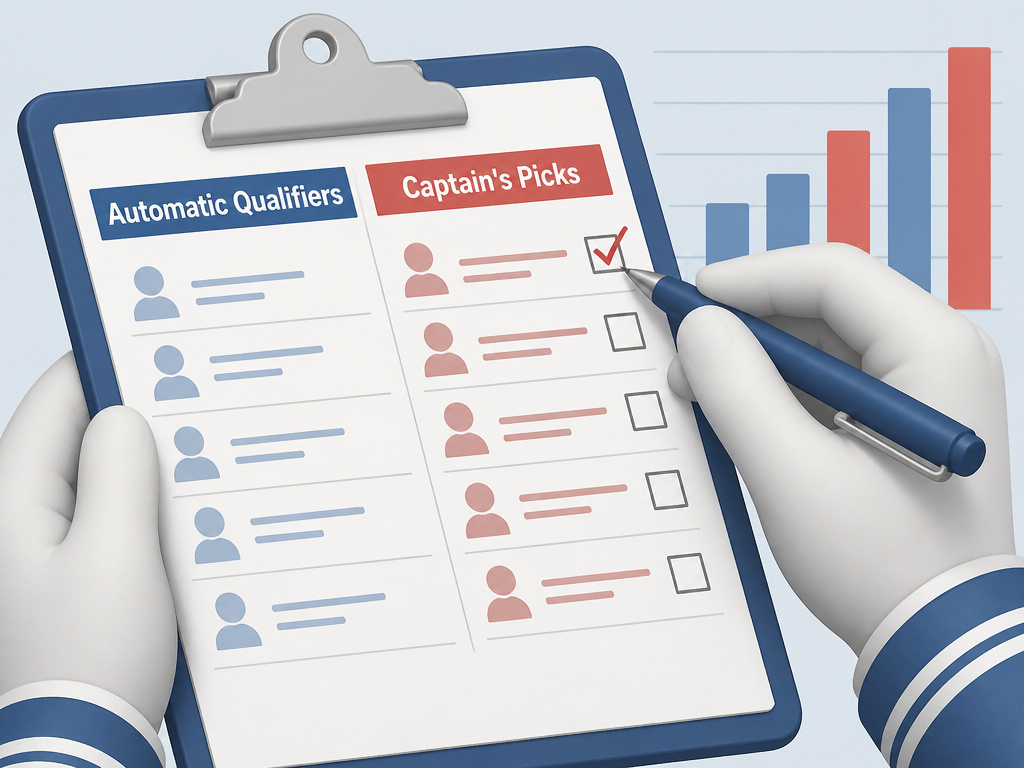
You don’t just qualify by winning a major. Selection is a year-long process that blends automatic qualification with captain’s discretion.
For Team USA, players earn points based on their performance in PGA Tour events, World Golf Championships, and majors over a two-year period. The top six or eight (the number has varied) on the points list earn automatic spots. The team captain then fills out the roster with his “captain’s picks,” choosing players based on current form, course fit, or team chemistry.
Team Europe uses a dual-points system: one list for European Tour events and one for worldwide performances. A set number of qualifiers come from each list. The European captain also has several picks to round out the squad.
This system creates compelling subplots. A veteran star might need a captain’s pick if he has an off year. A hot rookie can play his way onto the team at the last minute. The debates over who should and shouldn’t be picked fuel speculation for months.
Unique Rules and Legendary Edge Cases
The Ryder Cup has its own peculiar laws, born from decades of competition.
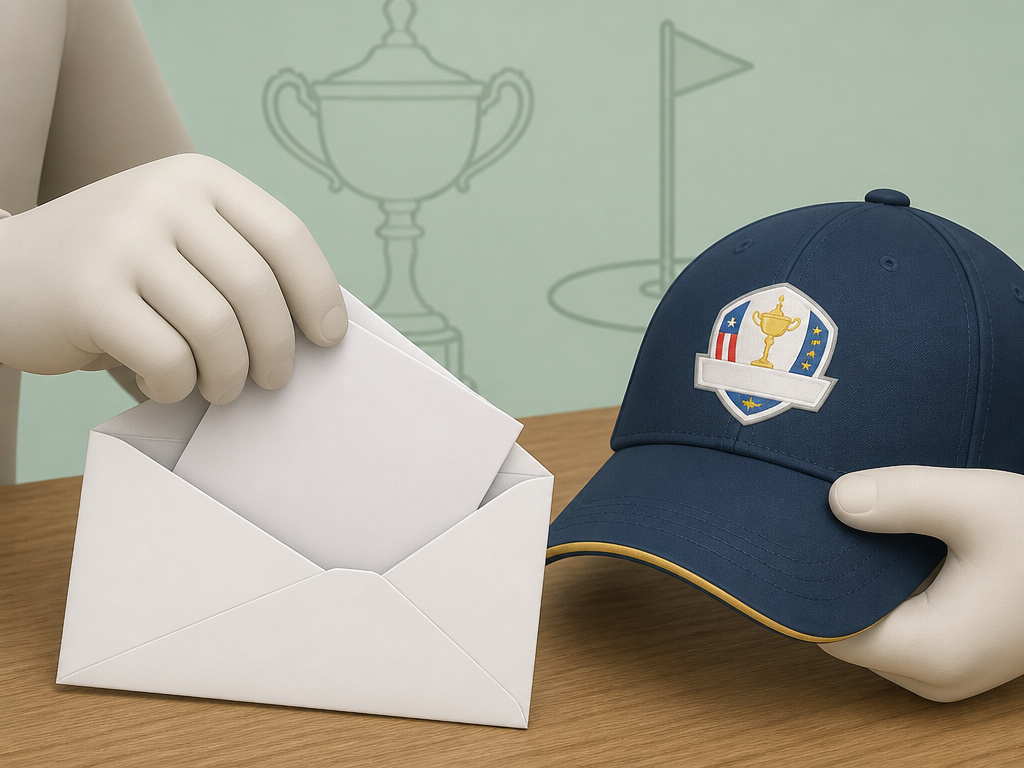
The most famous is the “envelope rule.” Before the competition begins, each captain writes the name of one player on his team and seals it in an envelope. This is the nominated reserve. If a player from the opposing team is injured and cannot play his Sunday singles match, the named player from the envelope is automatically paired against him, and the match is recorded as a halved point. This rule was used as recently as 2025 when Europe’s Viktor Hovland was injured.
Another quirk is the absence of prize money. Players compete only for pride, country, and continent. This pure motive is a huge part of the event’s appeal. As Rory McIlroy once said, he’d pay for the privilege to play.
The event has also been shaped by external forces. It was not held from 1939-1945 due to World War II and was postponed for a year following the September 11, 2001 attacks. These pauses only heightened the anticipation for its return.
I learned early on that overcomplicating a game plan is a sure way to fail. A rule I developed for my own play, and now teach, is that any swing thought you use should be no more than three words long, or you’ll forget it mid-swing. Captaining a Ryder Cup team is the ultimate version of that. You can have all the data and pairings charts in the world, but if your message isn’t simple and your pairings don’t trust each other instinctively, the pressure will break it. The best captains build a straightforward, repeatable strategy.
Ryder Cup vs. Other Major Team Events
The Ryder Cup stands atop golf’s team mountain, but it’s not alone. Two other events share a similar team-match-play DNA but with different rosters.
The Presidents Cup pits the United States against an International Team from the rest of the world (excluding Europe). It was founded in 1994 and is held in non-Ryder Cup years. The format is similar, but the rivalry lacks the deep, historic bitterness of the Ryder Cup.
The Solheim Cup is the women’s equivalent, featuring teams from the United States and Europe. It began in 1990 and has developed its own passionate following and iconic moments, mirroring the men’s event in intensity and format.
These events create a team-golf cycle, but the Ryder Cup’s history, stakes, and pure animosity set it apart. The pressure feels different. Every missed putt feels like a letdown to eleven other guys and an entire continent.
| Event | Teams | Frequency | First Held | Key Differentiator |
|---|---|---|---|---|
| Ryder Cup | USA vs. Europe | Biennial | 1927 | Deepest historical rivalry, highest pressure. |
| Presidents Cup | USA vs. International | Biennial (opposite years) | 1994 | Global team, often played in more relaxed venues. |
| Solheim Cup | USA vs. Europe (Women’s) | Biennial | 1990 | The premier women’s team event, with parallel intensity. |
Frequently Asked Questions
How many points are needed to win the Ryder Cup?
Team needs 14.5 points to win the Ryder Cup. There are 28 total points available across all matches. A 14-14 tie results in the defending champion retaining the trophy.
What’s the difference between foursomes and fourball?
Foursomes is alternate shot: two partners play one ball, taking turns. Fourball is better ball: each of the four players plays their own ball, and the best score per team each hole counts. Foursomes tests strategy and consistency; fourball rewards aggressive birdie-making.
What happens if a player gets injured during the Ryder Cup?
This is covered by the “envelope rule.” Each captain names a reserve player before the event. If a golfer is injured and cannot play a singles match, the opponent’s nominated player is automatically matched against him, and the point is split. The match is recorded as a halved.
Why did the Ryder Cup expand to include Europe?
The US dominated the Great Britain & Ireland team for decades. To make the competition viable and exciting, the decision was made in 1979 to include players from continental Europe. This immediately leveled the playing field by adding stars like Seve Ballesteros.
Has the Ryder Cup ever ended in a tie?
Yes, but it’s rare in the modern era. Since the expansion to Europe in 1979, the only tie was in 1989 at The Belfry (14-14), so Europe retained the Cup. The last tie before that was in 1969 between the US and Great Britain.
Do players get paid for the Ryder Cup?
No. Players compete for no prize money, only for team pride and the trophy. In 2025, the PGA of America announced it would pay its team members, but a significant portion of that payment is directed to charity.
The Bottom Line
The Ryder Cup’s magic isn’t just in its match play format or its points system. It’s in the transformation that happened in 1979. That single decision to include all of Europe turned a predictable exhibition into a must-watch war, creating the pressure-cooker environment where a missed three-footer feels like a national failure.
Everything about its structure—the secret pairings, the split sessions, the Sunday singles climax—is designed to maximize drama. Understanding that it takes 14.5 points to win, and that a tie means the cup stays with the holder, changes how you watch every late putt.
If you want to feel the difference between this and any other golf event, watch the final hour of a close Sunday. It’s not twelve separate tournaments. It’s one collective roar, building with each point on the board until one team finally crosses that line. That’s the pull. That’s why it’s the greatest team event in golf.
