
The USGA History and Role in Golf | From 1894 to Today
This post contains affiliate links. As an Amazon Associate, we earn from qualifying purchases.
This post contains affiliate links. As an Amazon Associate, we earn from qualifying purchases.
The United States Golf Association (USGA) is the national governing body for golf in the U.S. And Mexico, founded on December 22, 1894, to standardize rules and conduct national championships. It now oversees 14 national titles, co-governs the Rules of Golf with The R&A, administers the World Handicap System, and tests equipment for conformity. The organization is a non-profit with over 700,000 members, 300 staff, and 1,200 volunteers.
That founding date resolves a specific dispute. In 1894, two clubs—Newport Country Club and Saint Andrew’s Golf Club of Yonkers—each crowned their own “national amateur champion.” The resulting confusion forced five leading clubs to meet and create a single authority.
What follows is the story of how that committee evolved into the modern USGA. This section describes its original mission, the championships it started, its long-standing rules partnership with The R&A, and its present work in handicapping, equipment regulation, and protecting the game’s history.
Key Takeaways
- The USGA was founded on December 22, 1894, specifically to resolve a dispute over who could crown a national amateur champion.
- It conducts 14 national championships, including the U.S. Open, U.S. Women’s Open, and U.S. Senior Open, but the majority are for amateurs.
- The USGA and The R&A jointly publish the Rules of Golf, a partnership that required until January 1, 1952 to produce a fully unified code.
- As a non-profit, the USGA reinvests all revenue into the game, funding initiatives like the World Handicap System, equipment testing, and the massive USGA Golf Museum and Library.
- Its work reaches golfers through 59 Allied Golf Associations, which administer handicaps, run championship qualifiers, and provide local support.
The Founding: A Dispute Over a Title
Golf in America was a club-by-club affair before 1894. There was no national body, no standard rules, and certainly no agreed-upon national champion. That year, two clubs decided to fix the last part on their own. Newport Country Club in Rhode Island held a 36-hole stroke-play tournament and declared its winner the champion. Around the same time, Saint Andrew’s Golf Club in Yonkers, New York, held a match-play event and did the same.
Having two “national champions” was untenable for a sport trying to establish legitimacy. In the autumn of 1894, delegates from those two clubs, plus The Country Club (Massachusetts), Chicago Golf Club (Illinois), and Shinnecock Hills Golf Club (New York), met in New York City. Their goal was to form a single governing body. On December 22, they officially created the Amateur Golf Association of the United States, soon renamed the United States Golf Association. Theodore Havemeyer, a Newport member, became its first president.
The USGA’s original mandate was narrow: administer a unified national amateur championship and standardize the Rules of Golf for the country. Everything it does today branches from that first meeting of five clubs.
The new organization moved fast. In 1895, it conducted the first U.S. Amateur Championship at Newport, where Charles B. Macdonald won. A day later, on the same course, it held the first U.S. Open. The U.S. Women’s Amateur followed later that year. With those three events, the USGA established the competitive framework for American golf. You can trace the lineage of every modern USGA champion back to those first tournaments, a direct thread to the sport’s golf’s early history.
What Does the USGA Do Today?
The USGA’s role has expanded far beyond running a few tournaments. It now functions as the central administrative and regulatory hub for the game in its territory. Think of it as having four main pillars: championships, rules and equipment, handicapping, and golf’s sustainable growth.
First, championships. The USGA runs 14 national championships annually. Only four are for professionals: the U.S. Open, U.S. Women’s Open, U.S. Senior Open, and U.S. Senior Women’s Open. The other ten are amateur events, like the U.S. Amateur and U.S. Girls’ Junior, upholding the organization’s amateur roots. Winning a USGA amateur title remains one of the sport’s highest honors.
Second, rules and equipment. Alongside The R&A, the USGA writes and interprets the Rules of Golf. It also runs a modern testing center, now located in Pinehurst, North Carolina, where every conforming golf club and ball sold in the U.S. And Mexico is evaluated. This ensures technology enhances the game without undermining skill.
Third, handicapping. The USGA licenses the World Handicap System to 59 Allied Golf Associations (AGAs) across the country. These AGAs are the local face of the USGA; they issue Handicap Indexes, run qualifiers for USGA championships, and recruit rules officials. If you have a handicap, an AGA manages it under the USGA’s framework, as detailed in our look at the handicap system.
| USGA Function | Primary Responsibility | Key Partner / Mechanism |
|---|---|---|
| Championships | Conduct 14 national events | Host clubs, Allied Golf Associations |
| Rules | Co-govern the Rules of Golf | The R&A |
| Equipment | Test clubs/balls for conformity | Equipment manufacturers |
| Handicapping | Administer the World Handicap System | 59 Allied Golf Associations |
Finally, as a non-profit, the USGA reinvests all revenue back into the game. This funds turfgrass research, water conservation programs, efforts to make golf more accessible, and the preservation of the game’s history. Their work is a direct continuation of the mission outlined on their USGA organizational history page.
The Rules of Golf: A Partnership with The R&A
For decades, American and British golf were played under different rules. The USGA’s original bylaws stated it would follow The R&A’s rules with modifications. Over time, those modifications led to significant divergences. Imagine showing up to play The Open Championship under one code, then coming home to a U.S. Event under another.
The confusion peaked in the early 20th century. It wasn’t until January 1, 1952, that the USGA and The R&A issued their first truly unified code. This was a monumental achievement in standardizing the game globally. Today, the two bodies work in lockstep, publishing a joint rulebook every four years. This partnership is fundamental; the USGA governs the U.S. And Mexico, while The R&A governs the rest of the world, but the rules are the same for a weekend golfer in Scotland as they are for a pro at the PGA Championship.
Where this goes sideways: Assuming the USGA makes rules in a vacuum. Every rule change is now a negotiated, years-long process with The R&A, with input from tours and amateur bodies worldwide. A unilateral change hasn’t happened since before the 1952 unification.
This collaborative system provides stability. Whether you’re playing in a local club event or tuning into the Masters Tournament, the fundamental laws of the game are consistent. It’s a system built to prevent the very kind of dispute that led to the USGA’s own creation.
The USGA Museum and Preserving History
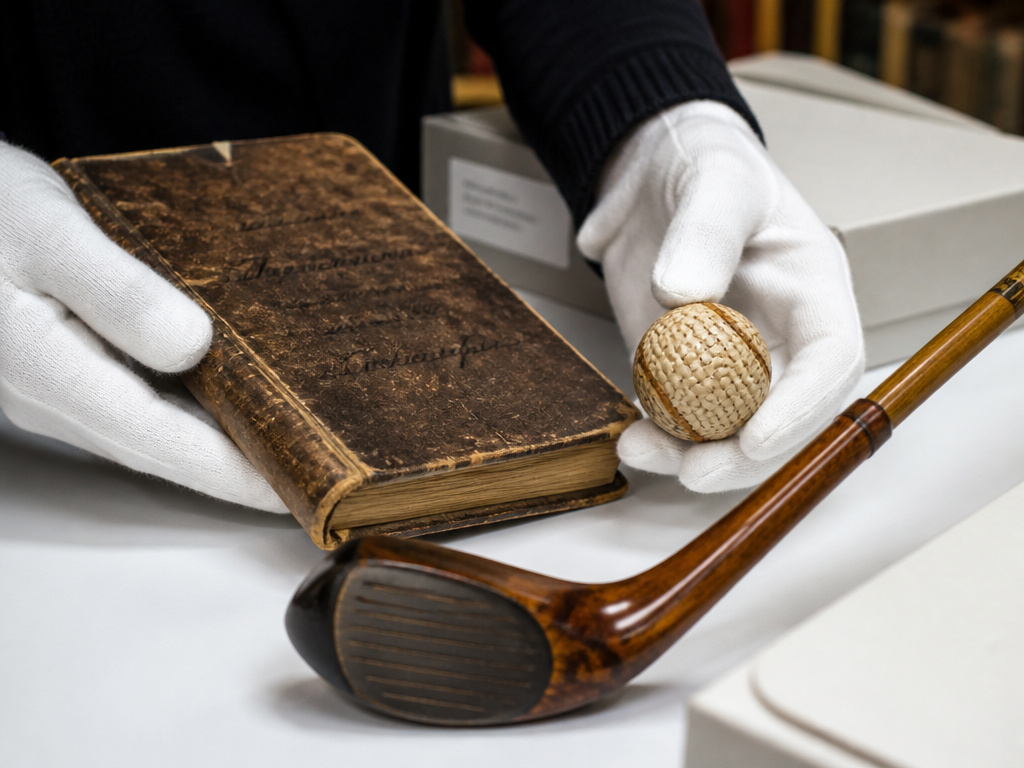
Beyond rules and tournaments, the USGA serves as the game’s historian. The USGA Golf Museum and Library, located at Golf House in Liberty Corner, New Jersey, is one of the world’s premier sports archives. Its scale is staggering: over 70,000 cataloged artifacts, 750,000 photographs, and 200,000 hours of footage.
The library itself holds more than 100,000 items in over two dozen languages, including original manuscripts dating to the 15th century. This isn’t just a trophy case; it’s a research institution dedicated to preserving the story of the game, from its Scottish origins to the modern era. The museum also administers the Herbert Warren Wind Award, honoring the best in golf literature.
This commitment to history provides context for the equipment you use today. The journey from featherie balls to modern multilayer designs, or from hickory shafts to carbon fiber, is documented here. Understanding that evolution of the golf ball or the history of golf clubs adds a deeper layer to your appreciation of the sport. The museum ensures that legacy isn’t lost.
Championships and the Amateur Ethos
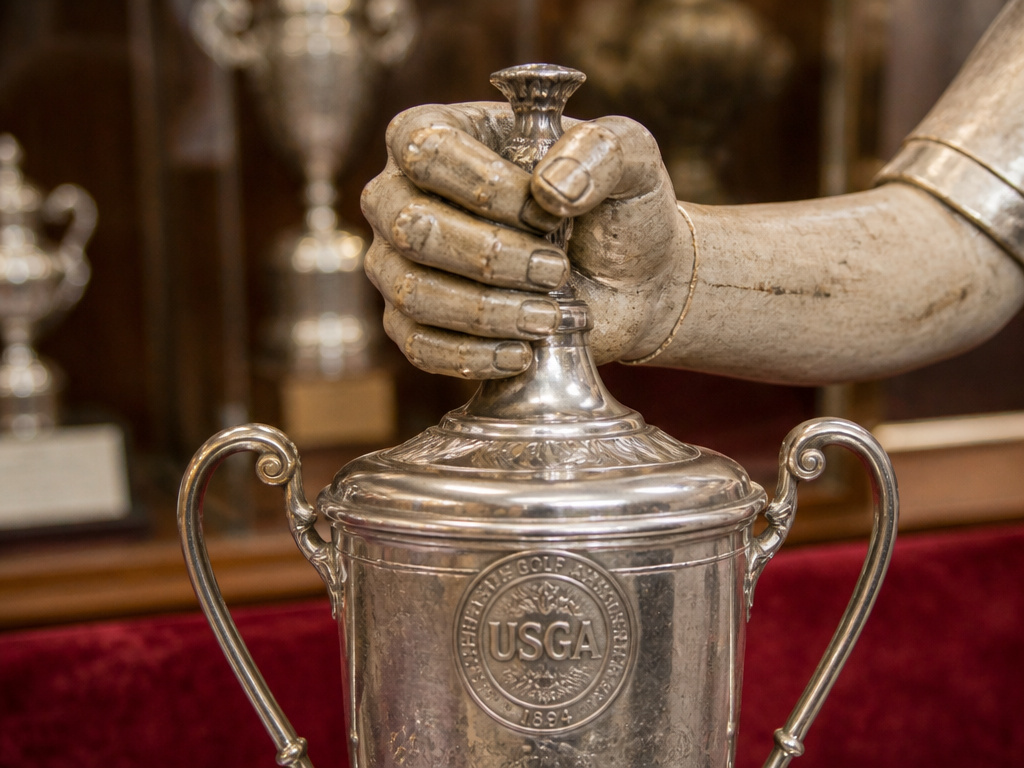
While the U.S. Open is its most visible event, the USGA’s championship philosophy remains rooted in amateurism. Of its 14 titles, ten are exclusively for amateurs. This includes the U.S. Amateur, U.S. Women’s Amateur, and championships for juniors and seniors.
The U.S. Amateur itself has a unique history. For most of its life, it’s been a match-play event. However, from 1965 to 1972, it switched to stroke play. The experiment lasted eight years before a reversion to match play, underscoring the challenge of finding a format that truly identifies the best amateur over a week. These championships are not mere feeder events for the professional tours; they are coveted achievements in their own right, often harder to win than many professional tournaments due to their format and pressure.
Winning a USGA amateur championship still carries a prestige that money can’t buy. It’s a lifetime exemption into the event, your name on a trophy alongside legends, and a permanent place in the game’s story.
The USGA also used to run events specifically for public-course golfers, barring members of private clubs. Those were discontinued after 2014, a decision that reflected how the game was changing and the organization’s focus on its main national titles. Today, the path to these championships runs through the Allied Golf Associations, which conduct local qualifiers that are open to any golfer with a certified Handicap Index.
The Modern USGA: Structure and Impact
Today, the USGA is led by CEO Mike Whan and operates with a staff of about 300, supported by over 1,200 volunteers. It has over 700,000 individual members. Its structure is designed to serve the game at every level, from the recreational player to the elite competitor.
The Allied Golf Associations (AGAs) are the critical link to the grassroots. These 59 regional bodies, like the Florida State Golf Association or the Northern California Golf Association, do the on-the-ground work. They: * Issue and maintain Handicap Indexes. * Conduct qualifying rounds for USGA championships. * Recruit and train rules officials. * Serve as the local resource for clubs and golfers.
This decentralized model allows the USGA to have a national standard while accommodating regional differences. The AGAs ensure the World Handicap System works fairly whether you’re playing in desert heat or coastal wind.
Financially, the USGA is a non-profit. Revenue from championship broadcasts, corporate partnerships, and membership fees is reinvested into its core missions. This funds critical research on course sustainability, grants for programs that grow the game, and the upkeep of its historical collections. A detailed look at its evolution and current scope can be found in the full USGA Wikipedia article.
Frequently Asked Questions
When was the USGA founded?
The USGA was founded on December 22, 1894. It was originally called the Amateur Golf Association of the United States before quickly adopting its current name.
What is the difference between the USGA and the PGA Tour?
The USGA is the governing body that sets rules, conducts national championships (like the U.S. Open), and oversees handicaps. The PGA Tour is a separate organization that operates the primary professional golf tour for men in the United States, hosting weekly events for its members. The PGA Tour plays by the rules the USGA helps create.
How many championships does the USGA run?
The USGA conducts 14 national championships each year. This includes four professional opens (U.S. Open, U.S. Women’s Open, U.S. Senior Open, U.S. Senior Women’s Open) and ten amateur championships.
Does the USGA make the rules of golf by itself?
No. The USGA co-governs the Rules of Golf with The R&A, which is based in St. Andrews, Scotland. The two bodies collaborate to produce a single, worldwide set of rules, with the USGA having authority for the U.S. And Mexico.
What is the USGA’s role in handicaps?
The USGA created and administers the World Handicap System. It licenses this system to 59 Allied Golf Associations across the U.S., which are responsible for issuing and maintaining Handicap Indexes for golfers at the local level.
The Bottom Line
The USGA’s story is one of solving a problem. It was created to end a dispute over a title, and over 130 years, its solutions have shaped modern golf. From that first U.S. Amateur to the global Rules of Golf, from hickory shafts to the algorithm behind your Handicap Index, its influence is everywhere in the American game.
Its legacy is not just in trophies but in structure. The partnership with The R&A, the network of Allied Golf Associations, and the stewardship of the game’s history create a stable foundation. For the weekend player, this means a fair handicap, a consistent set of rules, and a knowledge that the sport’s past is being preserved. The USGA proves that good governance, born from a simple need for order, can help a game thrive for centuries. For further academic context on this evolution, the R&A competitive golf study provides a detailed analysis of elite competition’s development in the United States.
