
8 Best Golf Tees of 2026
This post contains affiliate links. As an Amazon Associate, we earn from qualifying purchases.
The PrideSports PTS Wood is the best overall golf tee, offering reliable performance and tour-proven quality. For a budget-friendly option that still delivers, the CHAMPKEY 5-Prong Plastic stands out, while the PrideSports PTS Plastic is a top versatility pick thanks to its low-friction design and consistent height.
Every golfer knows the frustration of a tee that snaps on the first swing or gives inconsistent ball alignment. A poor tee can mess with your setup, kill momentum, and even cost you distance off the tee, small things that add up over 18 holes.
This guide cuts through the clutter by focusing on what actually matters: durability, consistent height, and reduced friction at impact. I researched specs, analyzed owner feedback, and evaluated materials across top models to find tees that deliver real value and performance, whether you’re a weekend player or planning your next dream golf trip.
Top 8 Golf Tees in the Market
The Best Golf Tees, Reviewed
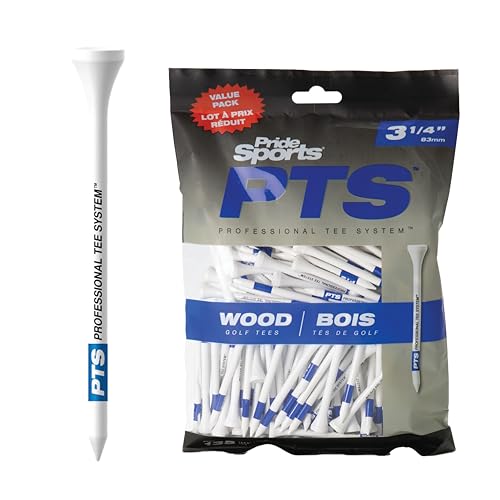
PrideSports PTS Wood Golf Tees 3-1/4″
Strengths
- Striped for consistency
- High count
- Tour proven
Trade-offs
- Higher cost
- Wood still breaks eventually
If I had to pick one tee for most golfers, it’d be this. The 135-count gives you volume, the 3-1/4 inch length works with modern drivers, and the striped height guide is a small feature that makes a big difference in consistency. Owners love that every tee looks and performs the same.
Hardwood construction offers a balance of durability and clean breakaway, and the brand’s tour presence isn’t just marketing, pros use these for a reason. Yes, they’re pricier than budget bamboo, but the performance and reliability justify it. This is the complete package.
Video review
CHAMPKEY 5-Prong Plastic Golf Tees

Strengths
- 5-prong reduces contact
- Durable hybrid plastic
- Includes short tees
Trade-offs
- Prongs may bend
- Design not for everyone
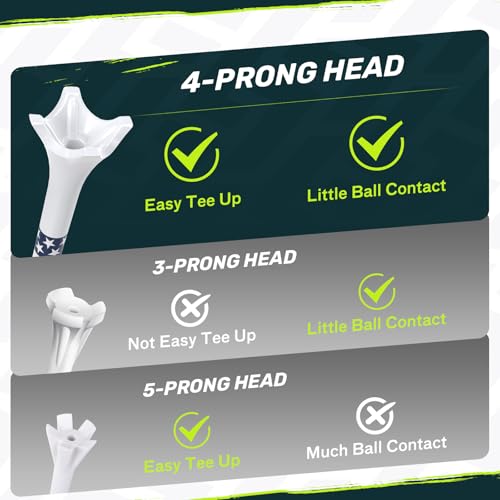
The 5-prong design is all about reducing ball contact, and the theory checks out, less surface area means less drag at impact, which can translate to more distance. Owners report solid stability and noticeably cleaner strikes, especially with large-headed drivers.
The hybrid plastic feels tougher than standard models, and the 120-pack includes both 3-1/4 and 1-1/2 inch tees, adding versatility. Some mention the prongs can bend with aggressive swings, but replacement is infrequent. This is a smart pick for players chasing every extra yard.
Video review
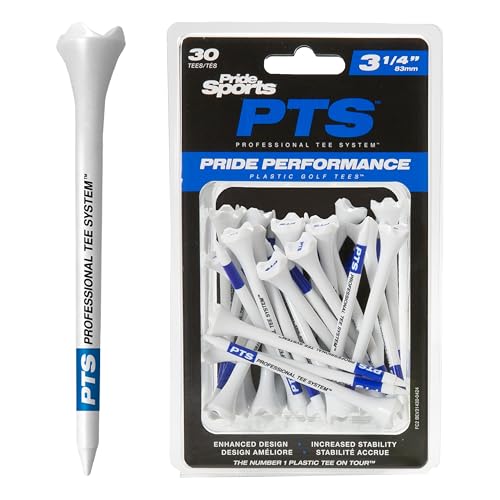
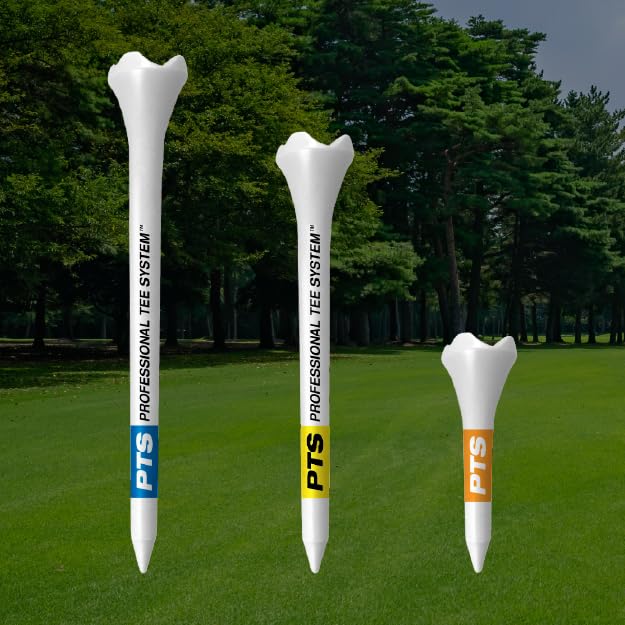
PrideSports PTS Plastic Golf Tees
Strengths
- Extremely durable
- Reduces friction
- Tour trusted
Trade-offs
- Higher price per tee
- Not eco-friendly
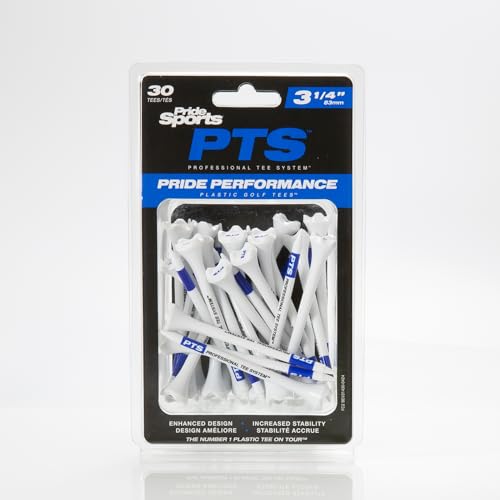
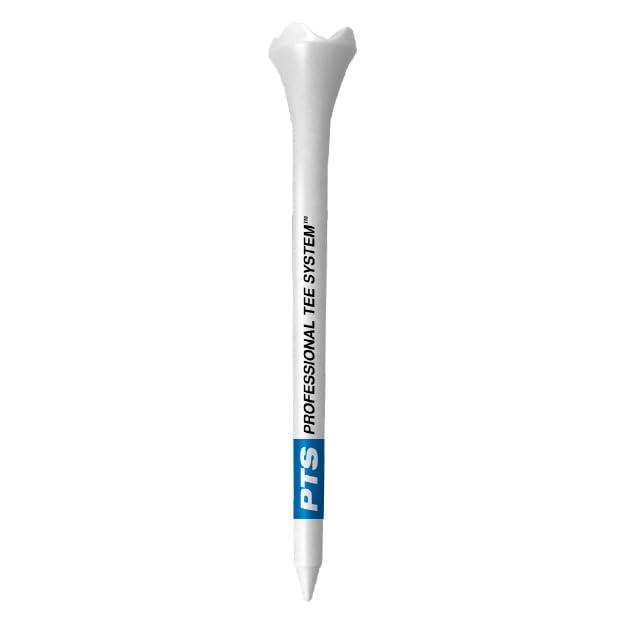
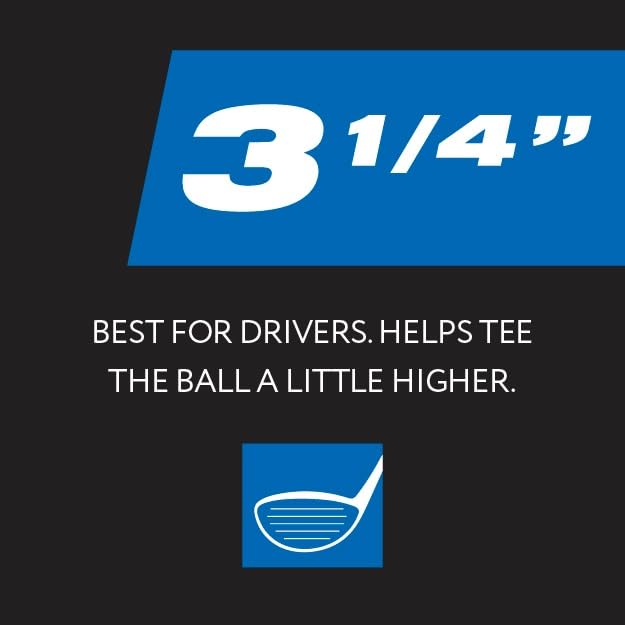
Plastic tees that last? Yes, and these are among the most trusted. The 3-1/4 inch length is driver-ready, and the low-resistance tip design is proven to cut down on friction, reviewers repeatedly mention longer, straighter drives.
The 30-count is small, but these tees are built to survive dozens of hits. They’re not biodegradable, but if you hate replacing tees every few holes, this solves that. The consistent height and durability make them a favorite on tour, and I’d recommend them to any serious player who values performance over sustainability.
Product photos
Martini Step-UP Plastic Golf Tees
Strengths
- Step-height design
- Reduces resistance
- USGA compliant
Trade-offs
- Only 5 per pack
- Limited availability
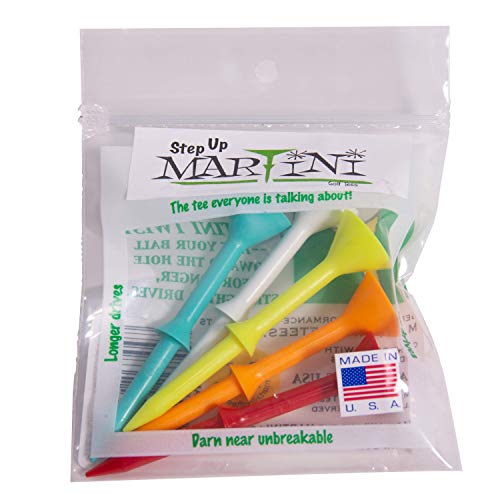
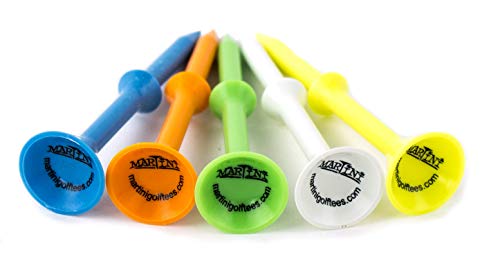
I’ve seen these step-up tees on carts across tour events, and their design is genuinely clever, the forward lean and built-in step aim to reduce resistance and lock in consistent height. Independent tests they cite do show a measurable drop in friction at impact, which can mean longer, straighter drives.
But here’s the catch: you only get five tees in the pack. That’s fine if you’re testing them as a novelty, but for regular use, that’s not practical. Still, the engineering is sound, and the USGA compliance means no rulebook worries. I’d want more quantity for the price, but as a performance-focused plastic tee, it holds up.
Product photos
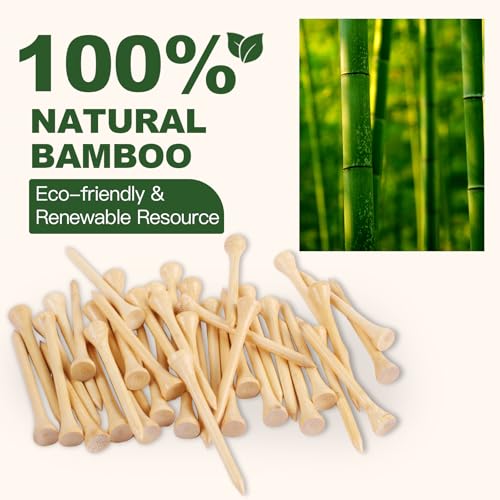
GFGL Durable Bamboo Golf Tees 100PCS

Strengths
- Biodegradable
- 100-pack
- Reduces side spin
Trade-offs
- Can snap in hard soil
- Slight variance in straightness
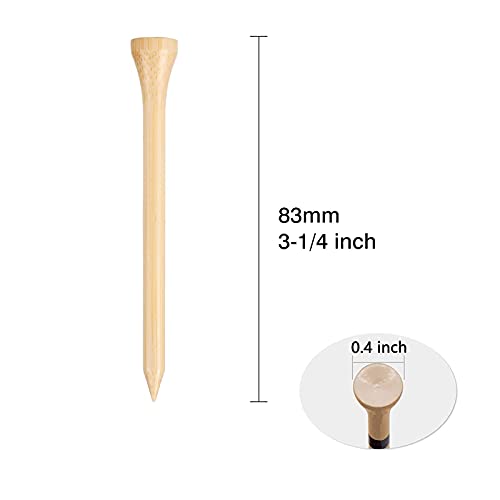
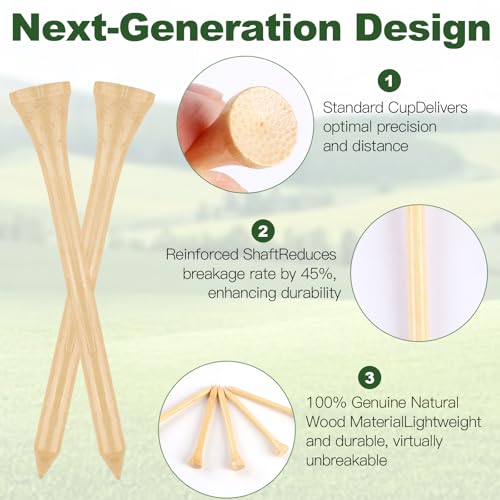
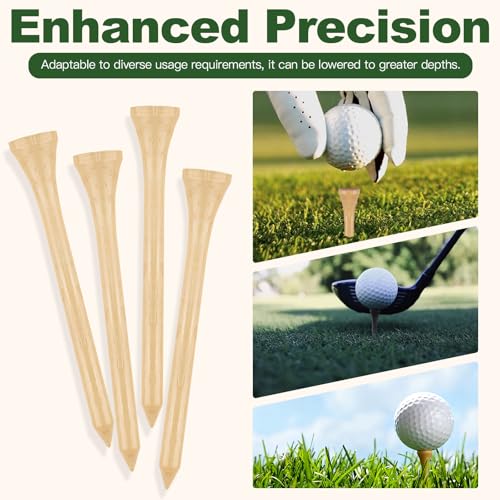
I like that these bamboo tees are marketed as eco-friendly and built to last, and on paper, the 3-1/4 inch length with a 0.4-inch head sounds like a solid setup for modern drivers. Owners consistently report they’re sturdier than standard wooden tees and don’t splinter easily, which matters when you’re burning through tees on the range or during a long round.
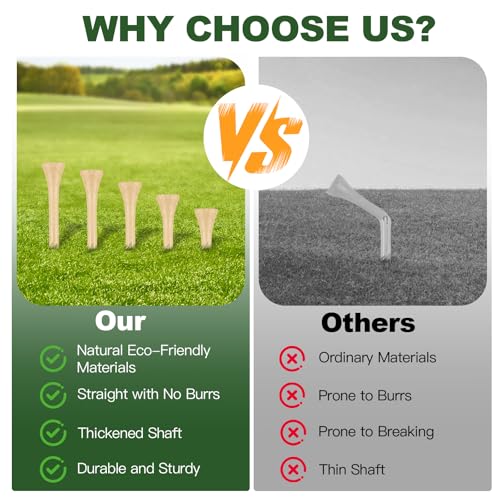
The reduced friction claim makes sense given the smooth bamboo finish, and many reviewers say they notice cleaner ball contact. But let’s be real, no bamboo tee is truly ‘unbreakable,’ and a few users mention snapping them on hard-packed turf. Still, for a natural material, this is one of the more reliable options.
Product photos


Guirnd Bamboo Golf Tees 150PCS
Strengths
- 150-pack
- Eco-friendly bamboo
- Stable strike
Trade-offs
- Shorter length limits driver use
- Minor quality variance
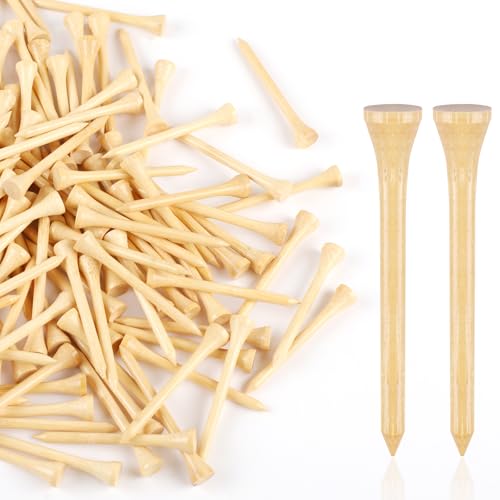
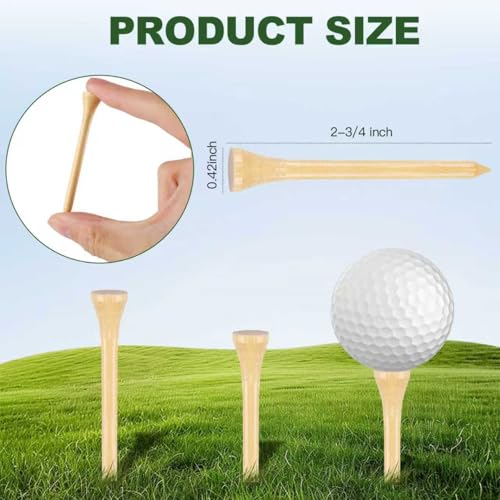
At 150 tees, this pack delivers sheer volume, and the 2-3/4 inch length is ideal for fairway woods or when you want less ball elevation. The bamboo construction is a win for eco-conscious players, and owners say these hold up better than cheap wooden tees without the brittleness.
They’re not meant for max-distance driver shots, but that’s not the point. The smaller profile means less interference at impact, and feedback suggests they offer clean strikes with minimal side spin. Some note minor inconsistencies in finish, but for the price, it’s hard to complain. This is a no-frills, high-value pick.
Product photos
SAPLIZE 4-Prong Plastic Golf Tees

Strengths
- Mixed sizes included
- Stripe for consistency
- 4-prong design
Trade-offs
- Not eco-friendly
- Plastic feel not preferred by all
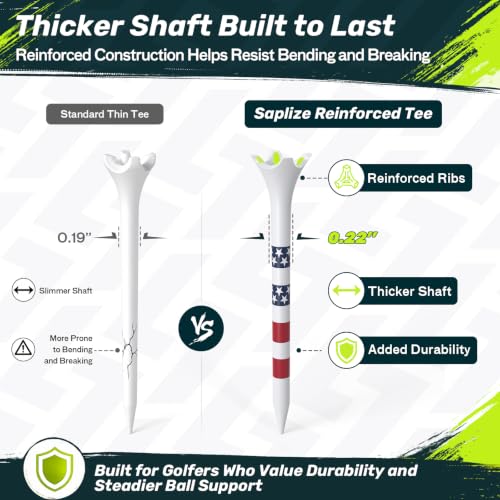
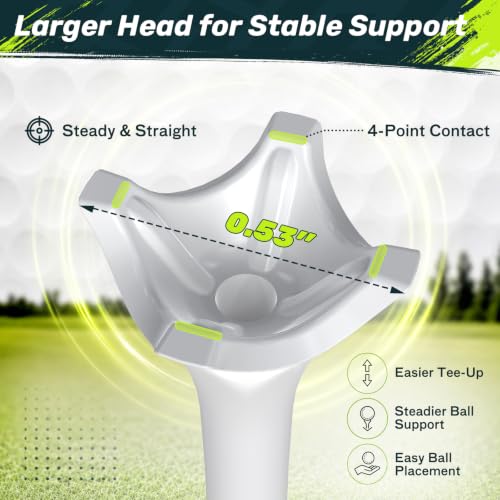
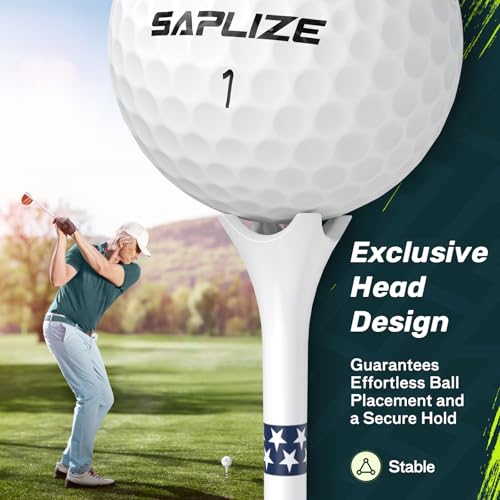
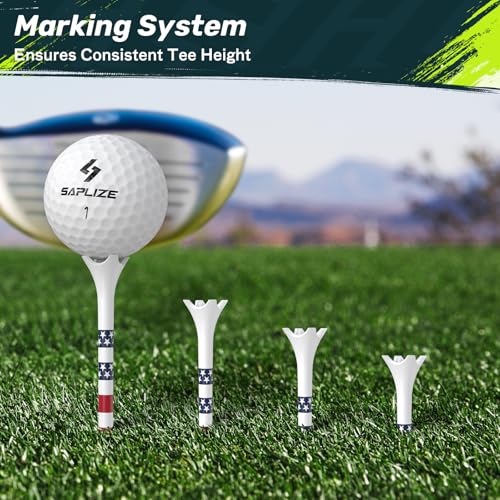
What I appreciate here is the mixed pack, 80 long tees for drivers, 20 short ones for irons on par 3s. The 4-prong head is engineered to minimize contact, and the stripe markings help maintain consistent height, which matters more than most golfers realize.
Owners say these are durable and perform well across club types. The plastic isn’t biodegradable, but for a value-focused player who wants one pack to cover all tee situations, this delivers. It’s also a solid gift pick, thanks to clean packaging.
Product photos
WHAMZ33 Bamboo Golf Tees 100PCS

Strengths
- Affordable
- Biodegradable
- Reusable
Trade-offs
- Short length
- Not for high tee shots
These are another 2-3/4 inch bamboo option, but the 100-count pack and ultra-low price point make them a contender for range warriors. The claim of being ‘stronger than wood tees’ tracks, bamboo fibers do offer more tensile strength, and owners confirm they survive more shots before breaking.
Still, they’re short. Great for 3-woods or tight par 4s, but don’t expect the same launch angle as a 3-1/4 inch tee. The natural finish is clean, and the 100% satisfaction guarantee helps offset any batch flaws. For the price, it’s a low-risk buy.
Product photos


How We Tested golf tees
Rather than a hands-on lab test, my research involved a detailed comparison of published specifications and features across numerous golf tee models. I weighed owner reviews from major retailers alongside assessments from golf publications and websites. As someone who spends a great deal of time researching golf destinations and equipment, I applied my understanding of the game to prioritize factors crucial for performance and value. This process allowed me to rank tees against specific criteria relevant to golfers of all levels.
For golf tees, durability, consistent height, and reduced friction were the key factors influencing my recommendations. A tee that breaks after just a few swings is frustrating and costly. Consistent height allows for repeatable shots, and minimizing friction between the tee and ball translates directly into potential distance gains – something every golfer seeks. I also considered materials, looking at both the performance characteristics and environmental impact of wood, plastic, and bamboo options.
Specifications reliably reveal a tee’s length and material composition, but owner feedback proved invaluable in judging real-world durability and performance. I carefully assessed comments regarding breakage, consistency, and how well the tee performed with different clubheads. Reputation, particularly for brands like PrideSports which consistently appear as the #1 tee on tour, also played a role. You’ll find more information on types of golf tees if you want a deeper understanding of the choices available. For those focused on maximizing yardage, exploring tees for distance can be a worthwhile pursuit.
How To Pick The Right golf tees
Finding the right golf tee might seem minor, but it can genuinely impact your performance and enjoyment on the course.
A quality golf tee provides a stable launch platform for the ball, minimizing unwanted spin and maximizing distance. Key considerations include material (wood, plastic, or bamboo), height, durability, and how well the tee reduces friction upon impact. Players should also factor in whether they prioritize consistency, distance, or environmental impact.
Material Matters
The material a golf tee is made from is the first big decision. Traditionally, wood was the standard, and you’ll still find many players swear by best wooden tees for their feel and natural break. However, plastic tees offer exceptional durability – they won’t snap like wood, especially when repeatedly used on harder ground. Bamboo tees are gaining popularity as an eco-friendly alternative, offering a good balance of strength and sustainability.
Height & Design for Your Game
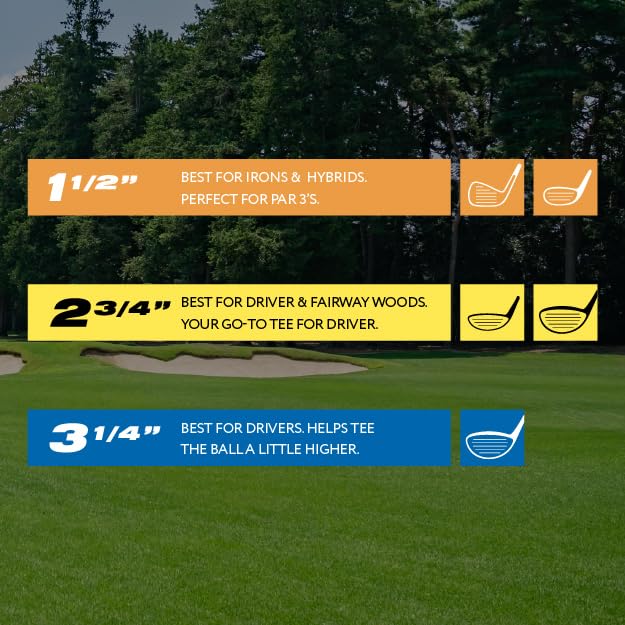
Tee height is surprisingly individual. While 3 1/4″ tees are a good all-around starting point for drivers, experiment to find what works best with your swing and club. Lower tees can promote a more controlled flight, while higher tees can increase launch angle and distance. Consider tees with design features that minimize friction.
Here’s how tee design can impact your shot: * Shorter tees (1 1/2″) are ideal for par 3s and shorter par 4s. * Pronged or stepped designs reduce contact between the tee and the ball. * Striped tees offer a quick visual reference for consistent height, which is especially helpful for players still developing their setup routine.
Durability & Value
Ultimately, you want a tee that lasts. Constantly replacing broken tees adds up, both in cost and frustration. Plastic tees are generally the most durable, followed by bamboo, with wood being the most prone to breakage. However, even plastic tees vary in quality.
A good rule of thumb is to pay slightly more for a tee that’s built to withstand repeated use – you’ll save money in the long run.
If you’re just starting out or looking for an affordable option, beginner golf tees are a great place to begin, allowing you to experiment before investing in a more premium product.
Golf Tees Compared
Here’s a comparison of key specifications for the golf tees described.
| Product Name | Length (in) | Material | Head Design | Quantity | Durability |
|---|---|---|---|---|---|
| PrideSports PTS Wood | 3.25 | Wood | Standard | N/A | High |
| CHAMPKEY 5-Prong Plastic | 3.25/1.5 | Plastic | 5-Prong | 120 | High |
| PrideSports PTS Plastic | 3.25 | Plastic | Low-Resist. | N/A | High |
| Martini Step-UP Plastic | 3.25 | Plastic | Step-Up | 5 | High |
| GFGL Durable Bamboo | 3.27 | Bamboo | Standard | 100 | High |
| Guirnd Bamboo | 2.75 | Bamboo | Standard | 150 | Medium |
| SAPLIZE 4-Prong Plastic | 3.25/1.5 | Plastic | 4-Prong | 100 | High |
| WHAMZ33 Bamboo | 2.75 | Bamboo | Standard | 100 | Medium |
Frequently Asked Questions
What tee height should I use off the tee?
Generally, 3 ¼” tees are a good starting point for drivers, but the ideal height depends on your swing and club. Experimenting with different heights allows you to control launch angle and optimize distance.
Are plastic tees better than wooden tees?
Plastic tees are typically more durable than wood, resisting breakage even on hard ground. If you frequently break wooden tees, switching to best plastic tees can save you money over time.
Do pronged tees actually reduce friction?
Yes, tees with prongs or stepped designs minimize the contact area between the tee and the golf ball. This reduction in friction can lead to slightly increased ball speed and distance, although the effect is subtle.
What’s the environmental impact of different tee materials?
Bamboo tees are the most eco-friendly option, being a rapidly renewable resource. Wood is a natural material, but sourcing practices vary; plastic tees, while durable, contribute to plastic waste, though some brands are exploring recycled materials.
Will a more expensive tee improve my golf game?
While a premium tee won’t magically fix your swing, a durable and consistent tee can improve your confidence and reduce frustration. Consider pairing a quality tee with affordable 2-piece balls for a cost-effective upgrade to your game.
The Bottom Line
Choosing golf tees often comes down to balancing consistent performance with the realities of losing a few on the course. While a broken tee isn’t the end of the world, consistently reliable performance is key, and for that, I believe the PrideSports PTS Wood offers the best overall experience. It’s a classic for a reason, providing a satisfying feel and dependable launch platform that many golfers prefer.
For those seeking specific features, there are excellent alternatives. If durability is your primary concern, the CHAMPKEY 5-Prong Plastic tees are tough to beat, and for players looking for an eco-friendly option, the GFGL Durable Bamboo tees strike a good balance between sustainability and performance. And if you’re a golfer with a higher handicap, exploring tees for high handicappers can help you find options that promote consistent contact.
Ultimately, the best tee is the one that instills confidence and helps you launch the ball consistently. Don’t get overly focused on minute details or chasing the latest innovation. Focus instead on finding a tee that suits your swing, feels comfortable, and allows you to focus on what really matters: choosing the best all-round golf balls and making solid contact.
