
7 Best Sunglass Lenses for Golf 2026
This post contains affiliate links. As an Amazon Associate, we earn from qualifying purchases.
The Oakley Radar EV Prizm Golf lens is the best overall choice for serious players, delivering unmatched contrast and ball tracking. For those on a budget, the Tifosi Intense Golf Sunglasses GT offer impressive performance with Green GT lenses at a fraction of the cost. If you prioritize versatility across changing light, Oakley’s Prizm Dark Golf lens stands out.
Most golfers struggle to find sunglasses that do more than just shade their eyes, they need lenses that actively improve course visibility, help track the ball, and reduce eye fatigue without interfering with their tech. Too many settle for style over function or assume polarization is always the answer.
This guide cuts through the noise. Based on lens performance, owner feedback, and what actually matters on the course, I’ll show you which tints enhance greens and sky contrast, when to skip polarization, and how frame design supports your game, all drawn from technical specs and real-world use.
Top 7 Sunglass Lens For Golf in the Market
The Best Sunglass Lens For Golf, Reviewed
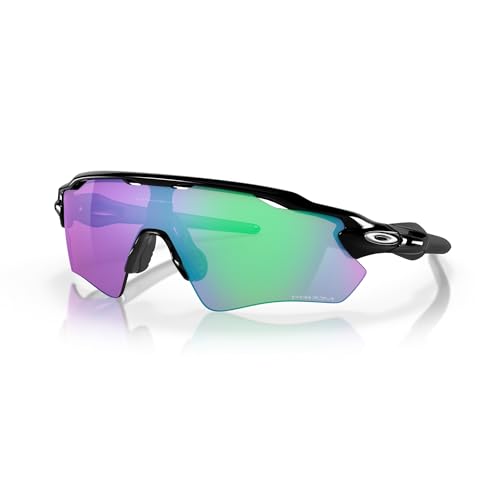
Oakley Radar EV Prizm Golf Sunglasses
Strengths
- Superior Prizm Golf lens
- Excellent overhead coverage
- Secure sweat-proof fit
Trade-offs
- High price point
- Bulky for small faces
- Not polarized
If you’re looking for the best all-around golf sunglass, the Oakley Radar EV with Prizm Golf lenses is the one to beat. The shield-style design offers taller vertical coverage than most, which helps reduce overhead glare, a real advantage on bright afternoon rounds. The Prizm Golf tint is where it truly shines: owners consistently say it makes fairways look richer, shadows deeper, and helps spot grain direction and subtle breaks on greens. It’s not just about finding the ball, it’s about reading the course like a pro.
The O Matter frame is both flexible and sturdy, and the Unobtainium grips ensure these stay put, no matter how hard you swing. Compared to the Flak 2.0 XL, it offers better upper coverage and a more secure wrap, though some find it too aggressive for casual wear. It’s the most complete package here, premium lens tech, elite fit, and proven durability. For serious golfers, this is the benchmark.
Video review
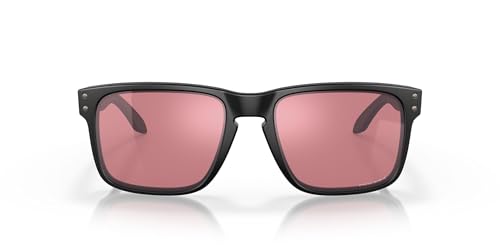
Oakley Prizm Dark Golf Sunglasses
Strengths
- Prizm Dark Golf lens for bright sun
- Clean, versatile frame style
- Good face coverage
Trade-offs
- No polarization
- Less wraparound than sport models
- Limited fit range
This Oakley model with Prizm Dark Golf lenses is a solid mid-tier option for players who face bright, direct sunlight but still want golf-specific visual tuning. The Prizm Dark Golf tint is designed to cut glare while maintaining color distinction, particularly between greens and sand, which owners say helps on desert or coastal courses where light reflects harshly off sand and pavement. The 57mm full-rim frame gives a clean look and fits well on medium to square faces.
It lacks the extended coverage of the Radar EV or Flak 2.0 XL, so peripheral vision isn’t quite as expansive. And since it’s not polarized, you won’t get glare reduction on water hazards, a trade-off some prefer to avoid rangefinder interference. Compared to the Flak 2.0, it’s a bit more fashion-forward but less performance-tuned. Still, it’s a confident step up from budget brands without the flagship price.
Video review
Oakley Flak 2.0 XL Prizm Golf

Strengths
- Prizm Golf lens clarity
- Excellent peripheral view
- Secure no-slip grip
Trade-offs
- Limited lens shape options
- Pricier than budget alternatives
The Oakley Flak 2.0 XL with Prizm Golf lenses is built for golfers who want serious visual enhancement without sacrificing peripheral awareness. On paper, the expanded rectangular lens design delivers exactly what it promises, a wider field of view than most wraparounds, which helps track ball flight longer off the tee. Owners consistently report that the Prizm Golf tint makes greens ‘pop’, improving depth perception on approach shots and helping distinguish subtle changes in grass texture between fairway and rough.
The O Matter frame is featherlight, and the Unobtainium nosepads really do hold firm even during humid rounds, a detail many sweaty-faced golfers appreciate. While it’s marketed as unisex, the high bridge fit works especially well for players with flatter nose profiles who struggle with sliding frames. Compared to the Radar EV, it offers slightly less upper coverage but fits more snugly on narrower faces.
Product photos


Tifosi Intense Golf Sunglasses GT

Strengths
- Ultra-light at 23g
- Vented lenses reduce fog
- Lifetime warranty
Trade-offs
- Lens not golf-specific
- Average scratch resistance
- Basic packaging
The Tifosi Intense is the kind of no-frills performer that earns loyalty among touring caddies and value-focused players. At under $30, it punches above its weight with a 23-gram Grilamid frame that’s barely noticeable during long rounds. The vented GT green lenses help reduce fogging, a real issue when you’re walking 18 in humid conditions, and the hydrophilic nose pads grip better as you sweat, just like the more expensive Oakleys.
Reviewers note the lens enhances contrast well, though not as precisely as Prizm Golf. It’s more of a general outdoor tint tuned for golf, tennis, and running. That versatility is a plus if you wear them off the course, but purists might miss the targeted green-brown emphasis that helps read subtle breaks. Still, for the price, the lifetime warranty and solid optics make this a smarter buy than many $50+ alternatives.
Product photos



maivnz Golf Ball Finder Sunglasses
Strengths
- Enhanced ball tracking
- No LCD screen blackout
- Secure non-slip fit
Trade-offs
- Frame slightly bulkier
- Lens scratch resistance average
- Limited premium feel
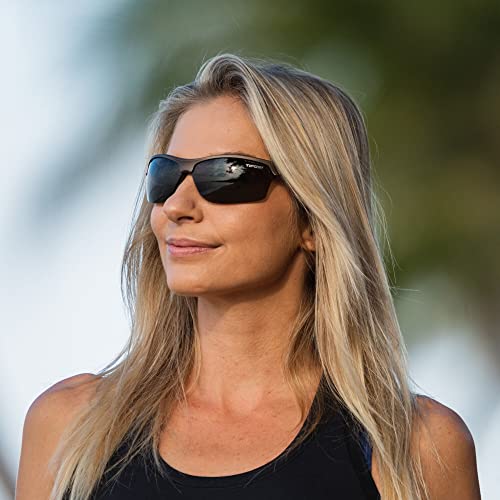
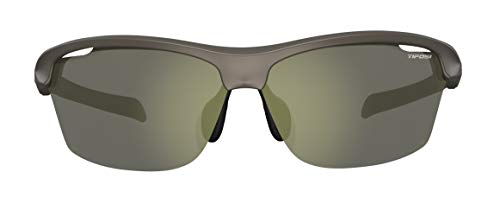
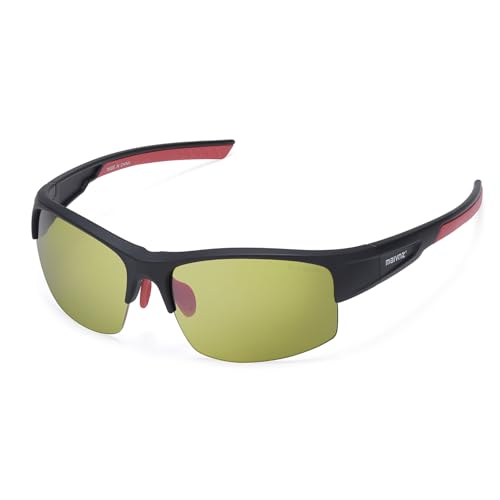
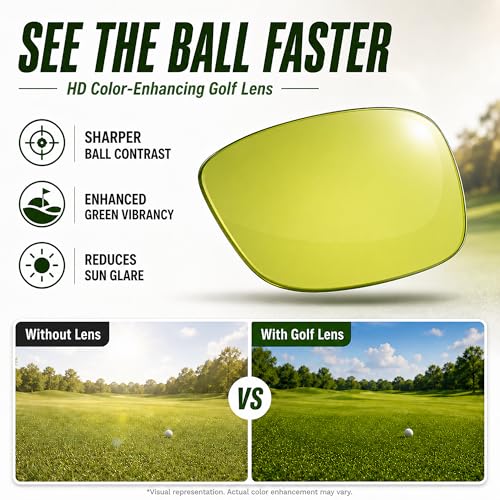
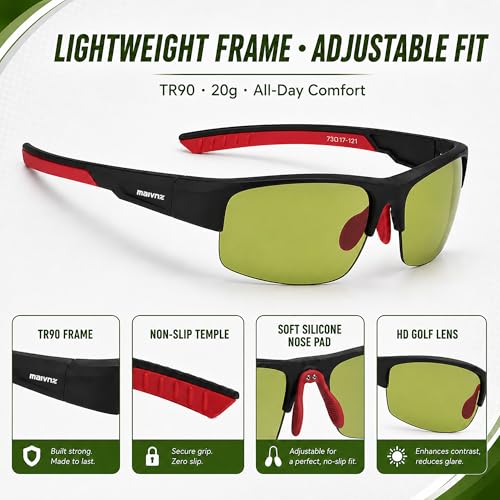
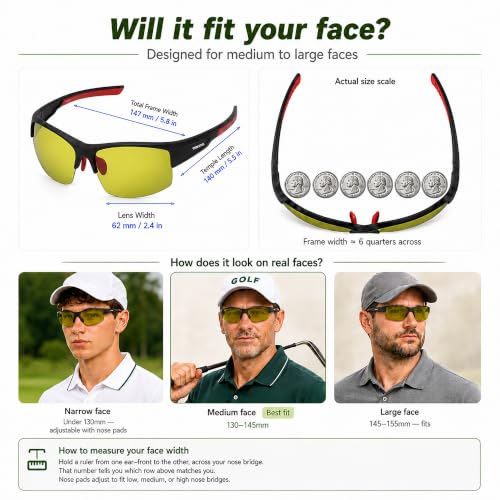
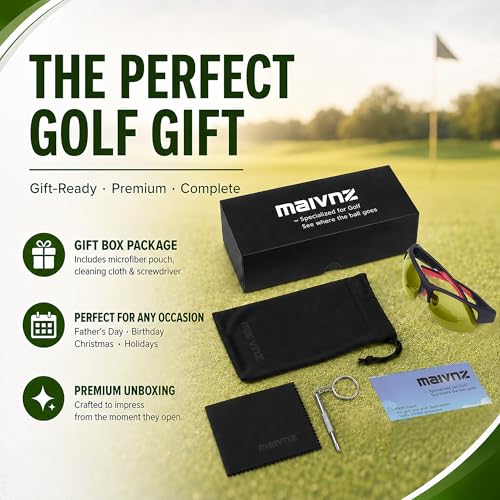
The maivnz golf sunglasses stand out in the budget segment by skipping polarization, a smart move for golfers who depend on clear LCD screen visibility from rangefinders or GPS watches. Owners appreciate that the black green lens enhances contrast between white balls and green backgrounds without washing out terrain details, a common complaint with cheaper tinted lenses. The 2.0mm polycarbonate build feels durable, and the anti-slip nose pads actually work, even after multiple 18-hole rounds in heat.
What makes this a strong value pick is how it balances performance features typically seen in pricier models: UV400 protection, depth-preserving optics, and a frame that stays secure during full swings. Compared to the Tifosi Intense, it offers better lens-specific tuning for golf, though the frame isn’t quite as lightweight. For the price, it’s one of the few budget options that doesn’t sacrifice functional accuracy for cost savings.
Product photos

MOUMOUTEN Polarized Golf Ball Finder
Strengths
- Affordable ball visibility boost
- Comes with hard case and pouch
- Polarized to cut glare
Trade-offs
- Slightly darkens vision
- Lower optical clarity
- Not ideal for reading greens
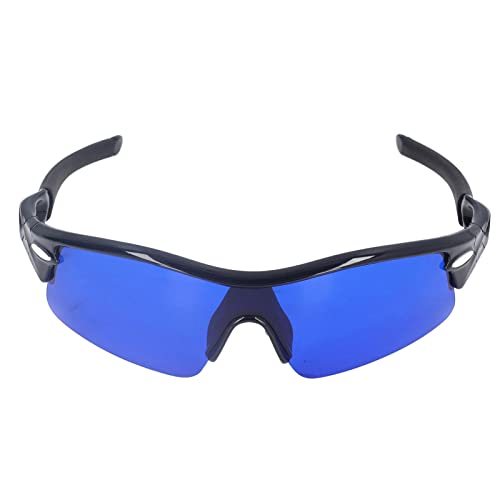
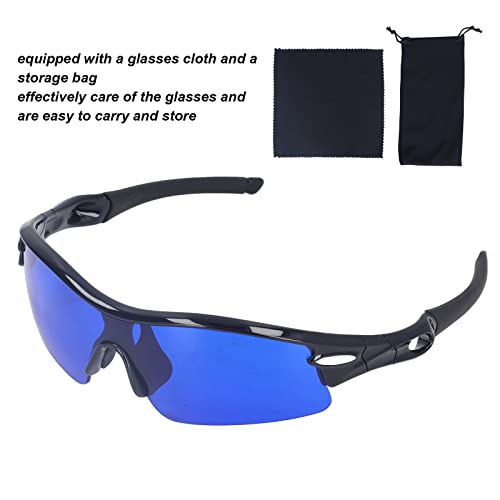
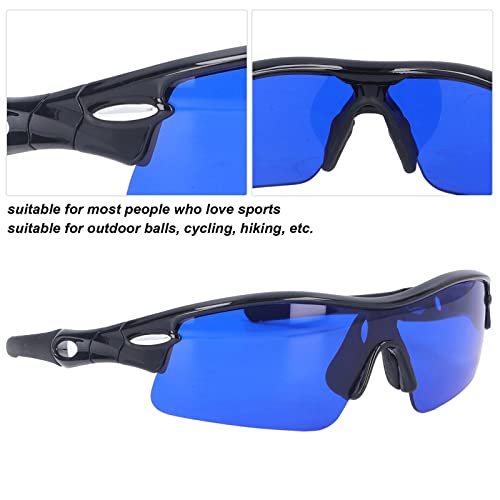
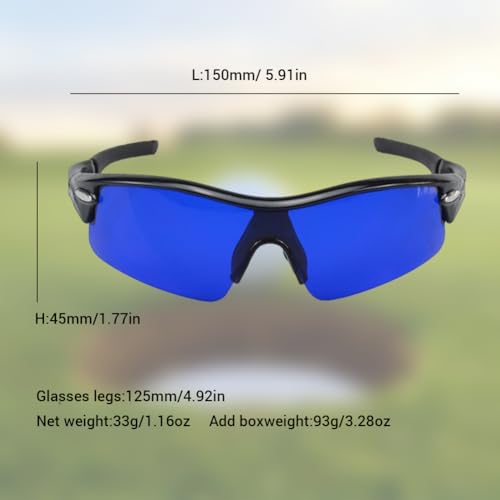
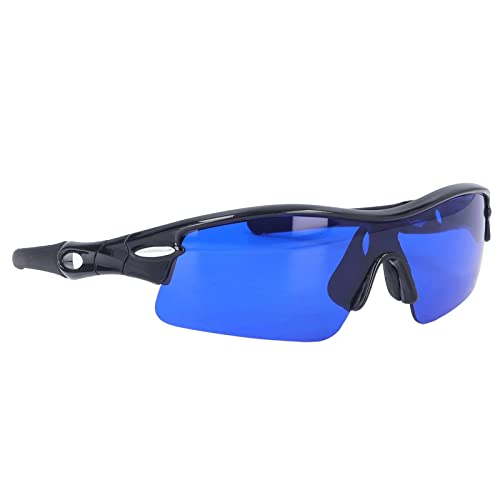
At this price, the MOUMOUTEN golf ball finder glasses deliver more than expected, but with clear trade-offs. The polarized blue lens does a decent job filtering out green hues, making white balls stand out against grass, as numerous owners confirm. That said, the tint darkens the overall view more than premium options, which can be a drawback on overcast days or shaded holes. It’s not uncommon for reviewers to mention slight color distortion, especially around greens where accurate depth reading matters.
These aren’t built for precision course management like Oakley’s Prizm line, but they serve well as a backup pair or for casual players who play infrequently and don’t want to invest heavily. The included hard case and soft pouch add real value, and the lightweight PC frame stays put during swings. For the price, they’re functional, but don’t expect the clarity or contrast enhancement of purpose-built golf optics.
Product photos

Tifosi Centus Brown Lens Sunglasses

Strengths
- Excellent bright-light contrast
- Comfortable for large faces
- Good sweat grip
Trade-offs
- Lens not golf-optimized
- No venting mentioned
- Basic lens coating
The Tifosi Centus with brown lenses is a standout for golfers who play under intense sunlight. Brown tints are known for boosting contrast in bright conditions, and owners confirm these make greens stand out clearly without oversaturating the view. The 27-gram Grilamid frame is comfortable over 18 holes, and the hydrophilic nose pads deliver a secure fit, even when you’re sweating through the back nine.
While it doesn’t have golf-specific lens labeling like Prizm, the brown polycarbonate lens still performs well for reading elevation changes and spotting flags against sky. It’s a little heavier than the Intense, but better suited for larger faces thanks to its XL fit. Compared to the maivnz model, it lacks golf-tuned contrast but wins in airflow thanks to venting not mentioned in the maivnz specs. A reliable, no-nonsense choice for sunny rounds.
Product photos


How We Chose These sunglass lens for golf
Rather than a hands-on lab test, my research focused on a detailed comparison of published specifications and features across numerous models. I weighed owner reviews from multiple sources, including major retailers and golf-specific forums, against expert analysis from golf publications and optics reviewers. This allowed me to build a ranking based on real-world feedback and established performance metrics, applying my experience with what golfers value on the course.
For golf sunglasses, lens technology and frame fit are paramount. The ability of a lens to accurately represent the course – specifically greens and fairways – directly impacts scoring potential. Equally important is a secure, comfortable fit that won’t shift during a swing. I gave significant weight to these factors, as they consistently emerged as critical in owner feedback, far outweighing purely aesthetic considerations.
Specifications readily reveal technical details like UV protection and lens material (polycarbonate is a clear winner for impact resistance). However, judging the effectiveness of color enhancement and clarity requires deeper investigation. I relied heavily on owner reports regarding ball-tracking capabilities and reduced eye strain, combined with reputable reviews assessing the quality of optimal lens tints and overall optical performance. Understanding the nuances of Maui Jim lenses and their application to golf was also key.
How To Pick The Right sunglass lens for golf
Finding the right sunglass lens for golf can dramatically improve your game and enjoyment on the course. It’s about more than just blocking glare; it’s about enhancing your vision to read greens, track the ball, and perform at your best.
A quality golf sunglass lens prioritizes clarity, contrast enhancement, and UV protection. Look for polycarbonate lenses for impact resistance, consider polarization carefully (it’s not always ideal), and pay attention to lens color – specifically tints designed to accentuate greens and browns for improved course reading. Frame fit and comfort are secondary, but crucial for consistent wear during a round.
Lens Color Is Paramount
The most significant decision you’ll make is selecting the right lens color. While personal preference plays a role, golf-specific tints offer tangible advantages. Prizm Golf (Oakley’s proprietary tint) and similar technologies are designed to heighten contrast between the ball and the background, making it easier to follow your shot. However, don’t dismiss the value of a more traditional brown or amber tint; these colors also boost depth perception and visual acuity, especially in varying light conditions. The right choice depends on the typical lighting you play in. If you frequently play in bright, sunny conditions, a darker tint is preferable, but if you’re often out in overcast weather, a lighter tint will provide better visibility. You can learn more about this in our guide to sunglass colors for golf.
Polarization: To Polarize or Not?
Polarization reduces glare brilliantly, which is fantastic for driving or being on the water. However, on the golf course, it’s a more nuanced decision. Polarization can sometimes interfere with the LCD screens found in golf carts and rangefinders, causing them to appear distorted or even black out. Many golfers prefer to avoid polarized lenses for this reason. If you rely heavily on these devices, non-polarized lenses with excellent glare reduction (achieved through lens material and coatings) are a better bet. But if you don’t use rangefinders or cart screens, the glare reduction from polarized lenses can be a real benefit.
- Consider the course conditions: courses with a lot of water might benefit from polarization.
- Think about your tech use: if you use a rangefinder, non-polarized is likely better.
- Evaluate your sensitivity to glare: some golfers are more bothered by glare than others, and polarization can significantly alleviate that discomfort.
A good rule of thumb: if you find yourself constantly tilting your head to view your rangefinder screen, polarization is probably not your friend.
Frame Fit and Material Considerations
While the lens is the star, the frame’s fit and material directly impact comfort and performance. Lightweight frames made of materials like O Matter (Oakley) or Grilamid TR-90 (Tifosi) won’t weigh you down during a long round. Look for frames with rubberized nose pads and temple grips (like Oakley’s Unobtainium) to prevent slippage, especially when you start to sweat. Wraparound styles offer broader protection from peripheral sunlight and wind. Ultimately, the best frame is the one you forget you’re wearing, allowing you to focus entirely on your game. Don’t underestimate the importance of a comfortable fit; exploring optimal golf lenses will also help you understand how lens shape and frame design work together.
Sunglass Lens for Golf Compared
Here’s a comparison of key specs for golf sunglasses to help you make an informed decision.
| Product Name | Lens Color | Frame Material | Weight (grams) | Fit | Polarization | UV Protection |
|---|---|---|---|---|---|---|
| Oakley Radar EV Prizm Golf | Prizm Golf | Plastic | N/A | M/L/XL | No | UV400 |
| Oakley Prizm Dark Golf | Dark | N/A | N/A | N/A | No | N/A |
| Oakley Flak 2.0 XL Prizm Golf | Prizm Golf | Plastic | N/A | S/M/L/XL | No | UV400 |
| Tifosi Intense Golf Sunglasses GT | Green GT | Grilamid TR-90 | 23 | Small-Large | No | 100% UVA/UVB |
| maivnz Golf Ball Finder Sunglasses | Tinted | PC | N/A | Adjustable | No | UV400 |
| MOUMOUTEN Polarized Golf Ball Finder | Polarized Blue | PC | N/A | Most Shapes | Yes | N/A |
| Tifosi Centus Brown Lens Sunglasses | Brown | Grilamid TR-90 | 27 | Large-XLarge | No | 100% UVA/UVB |
Frequently Asked Questions
What’s the difference between Prizm Golf and traditional tinted lenses?
Prizm Golf is Oakley’s proprietary lens technology designed to enhance contrast and depth perception specifically for golf, whereas traditional tinted lenses offer general glare reduction and color enhancement. Many golfers find Prizm provides a clearer view of the course, but a well-chosen traditional tint can be equally effective depending on your preferences and typical playing conditions.
Can I wear polarized sunglasses on the golf course?
You can, but it’s not always ideal. Polarization can interfere with the visibility of LCD screens on golf carts and rangefinders, potentially distorting the display or causing it to appear dark, so non-polarized lenses are often preferred by golfers who rely on these devices.
What UV protection level should I look for in golf sunglasses?
Look for sunglasses that offer 100% UVA and UVB protection, or are labeled as UV400. This means the lenses block all light rays with wavelengths up to 400 nanometers, which is crucial for protecting your eyes from sun damage during extended time outdoors.
Are expensive sunglasses always better for golf?
Not necessarily. While higher-priced sunglasses often feature advanced lens technologies and premium materials, a comfortable fit and effective glare reduction are more important than the price tag. You can find excellent golf sunglasses at various price points, and prioritizing sunglass tints for golf is more critical than spending a fortune.
What frame material is best for playing golf in hot weather?
Lightweight and durable materials like Grilamid TR-90 or O Matter are ideal for hot weather golf. These materials resist warping from heat and provide a comfortable fit even when you’re sweating, ensuring the sunglasses stay secure on your face throughout your round.
The Bottom Line
Choosing the right golf sunglass lens often comes down to balancing visual enhancement with how you use technology on the course. While there’s a lot of impressive innovation out there, the Oakley Radar EV Prizm Golf stands out as the strongest all-around performer, offering exceptional clarity and contrast without the potential issues of polarization. It’s a premium option, but the benefits to your game are clear.
For golfers on a tighter budget, the Tifosi Intense Golf Sunglasses GT provide an excellent value. If you prioritize versatility and want a lens that performs well in a variety of conditions, the Tifosi Centus Brown Lens Sunglasses are a smart choice. And for those who want a boost to ball-finding, the maivnz Golf Ball Finder Sunglasses can be a helpful tool – though don’t expect the optical refinement of the higher-end options.
Ultimately, the most expensive lens or the latest technology won’t magically fix a swing or improve your short game. Focus on a lens color that enhances your vision in your typical playing conditions, a comfortable and secure fit, and reliable UV protection. Investing in these fundamentals will give you the greatest return on the course, and you can find more information on sunglasses for golf to help you find the right fit.
