
7 Best Two-Piece Golf Balls of 2026
This post contains affiliate links. As an Amazon Associate, we earn from qualifying purchases.
This post contains affiliate links. As an Amazon Associate, we earn from qualifying purchases.
The TaylorMade Distance+ stands out as the best overall two-piece golf ball, delivering reliable distance and a solid feel. For those on a tighter budget, the GREENPULSE Drive+ offers impressive performance at a fraction of the cost, while the Vice Drive gives excellent value in bulk packs for frequent players.
Choosing the right two-piece ball isn’t just about saving money, it’s about matching your swing and style to a ball that performs where you need it most. Too many golfers grab whatever’s cheapest without considering how core design, compression, or cover material affect their game.
This guide cuts through the noise by focusing on specs, real-world feedback, and what actually matters on the course. We looked at distance, feel, durability, and value to find the top options that deliver for recreational and beginner players alike.
Top 7 Two Piece Golf Balls in the Market
The Best Two Piece Golf Balls, Reviewed
TaylorMade Distance+ Golf Balls
Strengths
- Explosive distance
- Stable flight
- Alignment aid
- Soft feel
- Mid-launch
Trade-offs
- Ionomer cover limits spin
- Not for advanced players
- Average durability
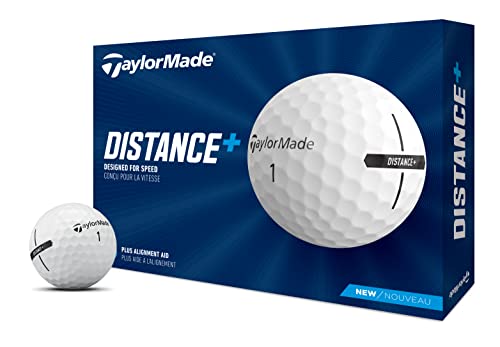
TaylorMade’s Distance+ stands out as a well-rounded performer that earns its ‘Best Overall’ label. The REACT Speed Core isn’t just marketing, it’s a legitimate spec advantage that helps generate explosive ball speed, especially for mid- to slower swing speeds. Owners consistently report longer carry and a noticeable roll after landing, which adds up over 18 holes. The Extended Flight Dimple Pattern also delivers in windy conditions, keeping the ball on a stable, penetrating path.
One underrated feature is the alignment aid, which makes setup easier on putts and drives, a small detail, but one that many amateurs appreciate. Compared to the Callaway Warbird, it offers a slightly softer feel and better all-around consistency. While it doesn’t have the greenside spin of a multi-layer ball, it punches above its weight for a two-piece. For most recreational golfers, this is the easy pick.
Video review
Srixon Soft Feel Golf Balls

Strengths
- Soft feel
- Low compression
- Good greenside spin
- Affordable
Trade-offs
- Thinner cover less durable
- Not for high swing speeds
If you’re after a soft feel without sacrificing performance across the bag, the Srixon Soft Feel delivers in a way few two-piece balls can match. The low-compression core makes it a strong fit for moderate swing speeds, and owners consistently report a noticeably soft impact on short-game shots, especially around the greens. On paper, the 338 Speed Dimple Pattern stands out, and real-world feedback confirms it helps reduce drag early in flight while boosting lift on descent.
The thin cover contributes to that soft touch, but it also means you get more spin on pitches and chips than you’d expect from a distance-focused two-piece. That’s a rare win in this category. And while it won’t mimic a tour-level urethane ball, for the price, it bridges the gap between durability and feel better than most. I’d pick this over stiffer two-pieces like the Wilson Chaos if you value finesse as much as distance.
Video review
Callaway Warbird Golf Balls
Strengths
- Maximum distance
- High launch
- Fast ball speed
- HEX aerodynamics
- Long carry
Trade-offs
- Firm greenside feel
- Low short-game spin
- Not for finesse players
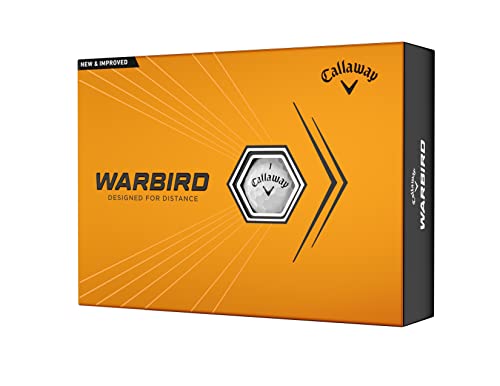
When it comes to raw distance, the Callaway Warbird is hard to beat in the two-piece category. The extra-large, high-energy core is the star here, and owners consistently report faster ball speeds and longer carry, even with moderate swing speeds. The HEX Aerodynamics pattern isn’t just branding; it reduces drag and promotes a high launch, which translates to more time in the air and fewer drop-offs on approach shots.
It’s not the softest feel out there, but it’s not harsh either. Where it falls short is in short-game responsiveness, like most distance balls, it doesn’t offer much spin on delicate shots. But if your main goal is to squeeze every yard out of your driver, this is the one to beat. I’d pick it over the TaylorMade Distance+ if max carry is your top priority. For players chasing distance above all, this is the go-to.
Product photos


Wilson 2024 Chaos Golf Balls

Strengths
- Extremely durable
- Surlyn cover
- Multicolor options
- Long-lasting
Trade-offs
- Firm feel
- Limited short-game spin
- Basic performance
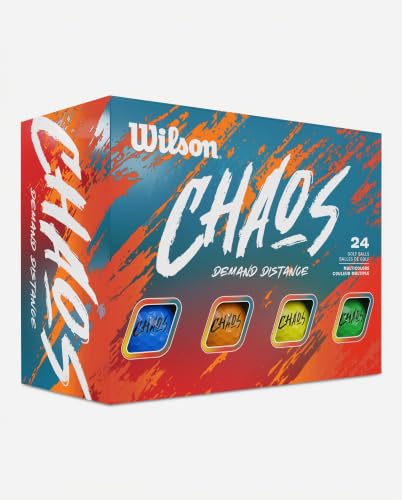
The Wilson 2024 Chaos leans hard into durability, and that’s exactly what it delivers. With a Surlyn cover and standard two-piece build, it’s designed to survive round after round without scuffing, a trait many range-goers and casual players praise. The multicolor option is a nice touch, making it easier to track your ball in thick rough or under trees. But don’t expect finesse: this ball is built for distance and toughness, not nuanced short-game feedback.
Compared to the Srixon Soft Feel or TaylorMade Distance+, the Chaos feels firmer at impact and doesn’t offer much in the way of greenside control. But if you’re someone who loses balls frequently or plays in abrasive conditions, its resilience makes it a practical choice. For pure weekend hackers or beginners who prioritize longevity over touch, this one makes sense. I wouldn’t recommend it for better players, but for the right golfer, durability trumps delicacy.
Product photos


Vice Drive Golf Balls

Strengths
- Soft core
- Good value pack
- Balanced performance
- Durable
Trade-offs
- Average spin control
- Not for high speeds
- Mid-tier feel
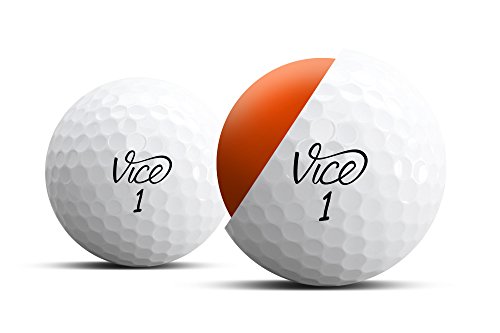
The Vice Drive has built a loyal following by offering a balanced mix of distance, durability, and soft feel at a value price. Its soft-core construction gives it a forgiving response on mishits, and the 368-dimple design helps maintain a steady flight, reviewers often note it flies straighter than expected for a two-piece. The feel is softer than the Wilson Chaos and on par with the Srixon Soft Feel, though it doesn’t quite match it in greenside bite.
What really sets it apart is the value pack option. For golfers who play often and don’t want to splurge on premium balls, getting a dozen or more at this price makes sense. It’s not as distance-focused as the Callaway Warbird, nor as soft as the Srixon, but it hits a sweet spot in the middle. My recommendation? If you want a reliable all-rounder that doesn’t demand a premium price, this is one of the smarter buys.
Product photos


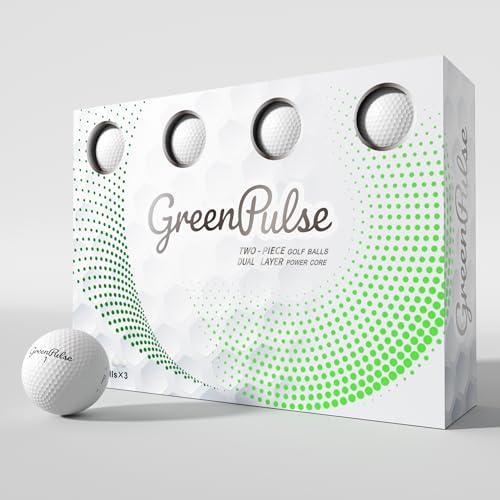
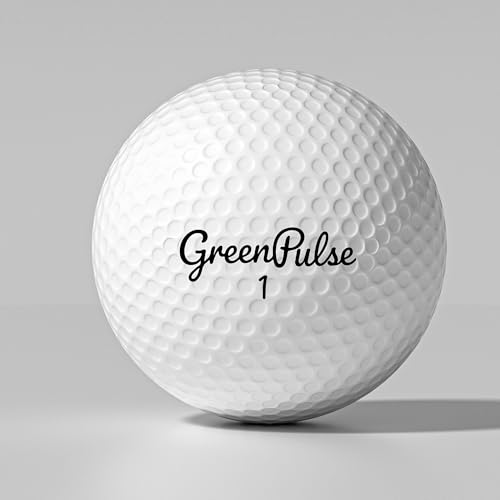
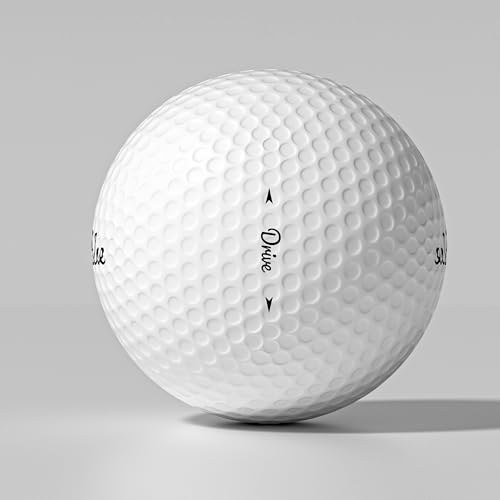
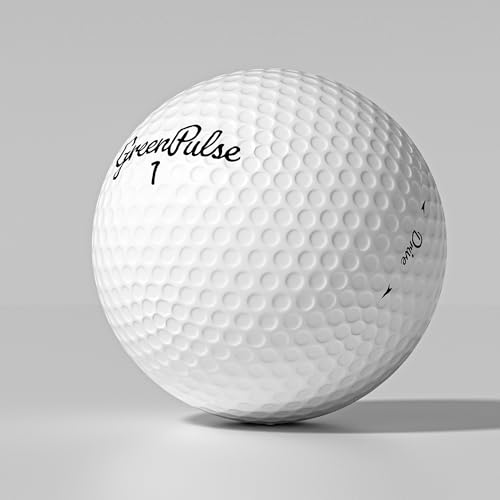
GREENPULSE Drive+ Distance Golf Balls
Strengths
- Low spin
- Durable cover
- High visibility
- Stable flight
- Affordable
Trade-offs
- Firm short-game feel
- Not for advanced players
- Limited spin control
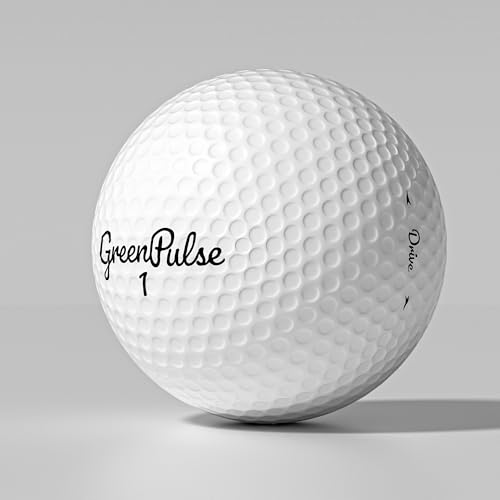
At this price point, the GREENPULSE Drive+ offers surprising performance for everyday golfers. The low-spin core and aerodynamic dimple pattern work together to promote straighter, more stable flight, owners note fewer hooks and slices, which is a win for inconsistent swingers. The DuPont Surlyn cover is a standout feature here, adding serious durability for the cost. And with high-visibility color options, it’s easier to track in flight and find after errant shots.
It’s not going to impress with finesse, but for moderate swing speeds looking for consistent distance without breaking the bank, this is a smart pick. It outperforms its price tag in flight stability, especially in wind. Compared to the Vice Drive, it feels slightly more controlled off the tee. If you play often and don’t want to worry about losing a premium ball, this is one of the smarter budget bets on the list.
Product photos
KVV 2-Piece Golf Balls
Strengths
- High visibility
- Soft feel
- Good flight stability
- Affordable
- Durable
Trade-offs
- Average spin control
- Not for fast swings
- Shorter shelf life
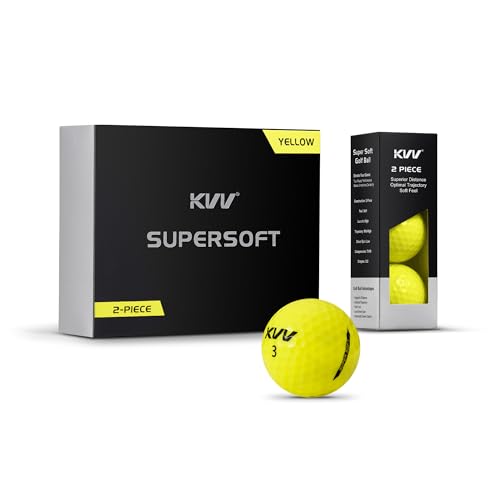
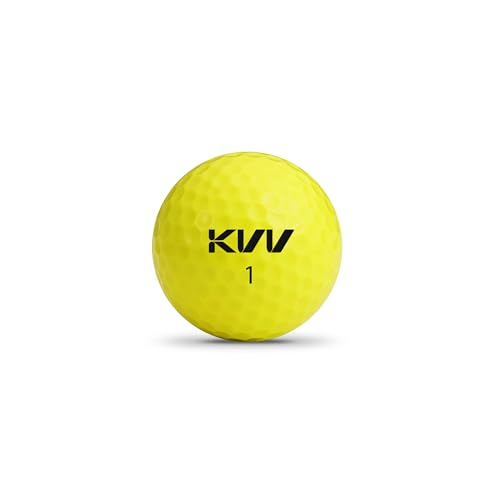
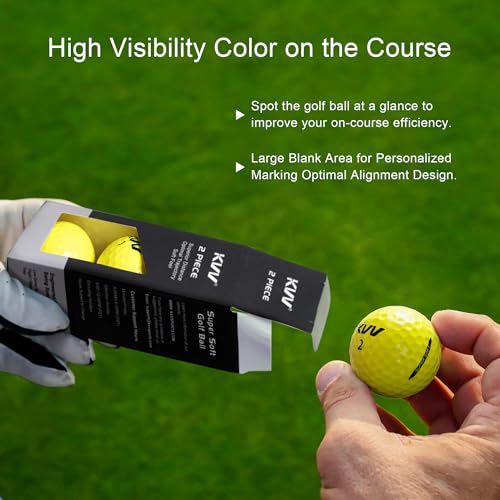
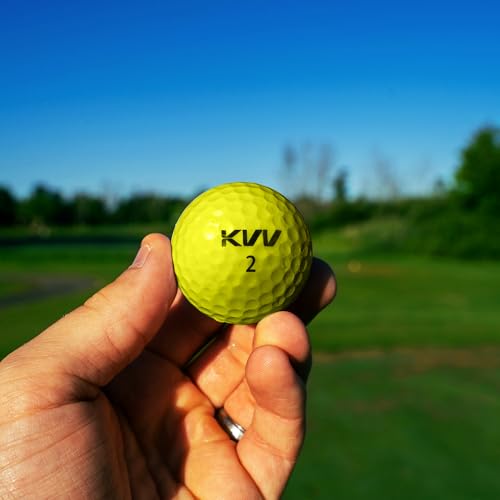
The KVV 2-Piece ball makes its case with high visibility and a super soft feel, two things that matter more than you’d think on the course. The yellow option is genuinely easier to track in flight and spot in the rough, which owners love. Under the hood, the high-energy core and low-spin design deliver solid distance, and the 332-dimple pattern helps stabilize flight in gusty conditions. It’s clearly modeled after higher-end two-pieces, and for the price, it holds up well.
It’s not as refined as the TaylorMade or Srixon, but it offers a softer launch and better visibility than most budget balls. Compared to the GREENPULSE Drive+, it feels a bit more responsive off the clubface. If you play early mornings or in shaded courses where ball tracking is tough, this one deserves a look. It’s a niche pick, but for the right golfer, that visibility edge is real.
Product photos


How We Picked These two piece golf balls
To recommend the best two-piece golf balls, I researched published specifications and features from numerous manufacturers. I then weighed owner reviews from major retailers alongside expert analysis from golf publications. My approach wasn’t about personally playing rounds with each ball, but rather a research-led comparison of performance claims and real-world feedback. This allowed us to build a ranking based on consistent themes and objective data.
For two-piece golf balls, distance and feel are paramount. We heavily weighted core construction and dimple patterns, as these directly impact ball speed and flight characteristics. Durability also played a key role, especially considering the value proposition of this ball type – golfers often want something that can withstand a few knocks without significant performance loss. Comparing these factors helped separate the contenders.
Specifications reliably reveal construction details (layers, core material, cover type) and intended launch/spin characteristics. However, owner feedback proved crucial in assessing real-world feel and durability. Reputation matters, too. For example, brands like TaylorMade and Callaway have established track records for quality, while newer brands need to demonstrate consistent performance to earn trust. If you’re looking to maximize yardage, you might also consider checking out our guide to distance golf balls.
How To Choose The two piece golf balls
Finding the right golf ball can genuinely shave strokes off your game, and with so many options available, it’s worth understanding what truly matters.
A quality golf ball for most players balances distance, feel, and durability. Key specs to examine include the number of layers (typically two for distance-focused models), the cover material (Surlyn for cut-resistance, ionomer for all-around performance), and the dimple pattern which influences aerodynamics and flight characteristics. Compression is also vital; lower compression suits slower swing speeds.
Core Construction & Distance
The core is where the distance story begins. Generally, a larger, higher-energy core translates to more ball speed, and therefore, more distance. However, this isn’t the whole picture. If you’re like many golfers I meet on my travels, you don’t need a tour-level ball optimized for pro swing speeds. A two-piece construction, like you’ll find in the Vice Drive or the GREENPULSE Drive+ Distance golf balls, often provides an excellent balance of distance and affordability. These balls are designed to maximize energy transfer without demanding a super-fast swing.
Feel and Compression
Feel is highly subjective, but it impacts control, particularly around the greens. Lower compression balls, like the Srixon Soft Feel, are easier to compress with moderate swing speeds, leading to a softer feel and potentially more control on shorter shots. Higher compression balls demand faster swing speeds to unlock their potential, but can offer more distance for those who can get the most out of them. The key is to find a compression that matches your swing speed; playing a ball that’s too firm can feel like hitting a rock.
Here’s how compression typically breaks down: * Low Compression: Ideal for beginners or those with slower swing speeds. * Medium Compression: A good all-around choice for the average golfer. * High Compression: Best for experienced players with faster swing speeds who want maximum distance and control.
A good rule of thumb is this: if you struggle to get the ball airborne consistently, prioritize a lower compression ball.
Value and Durability
Golf can be an expensive pursuit, and golf balls are a recurring cost. It’s tempting to go for the cheapest option, but durability matters. A ball that scuffs or cracks after just a few holes isn’t a bargain. The Wilson 2024 Chaos golf balls stand out here, with their Surlyn cover known for its resistance to cuts and abrasions. Don’t overlook the value packs either. If you tend to lose balls frequently, opting for a larger quantity like the best 2-piece balls can save you money in the long run. For those new to the game, or looking for distance balls for beginners, starting with a more affordable option is a smart move.
Two Piece Golf Balls Compared
Here’s a comparison of key specifications for various two-piece golf balls to help you make an informed decision.
| Product Name | Construction | Cover Material | Core Material | Dimple Pattern | Best For |
|---|---|---|---|---|---|
| TaylorMade Distance+ | Two-Piece | Ionomer | REACT Speed | Extended Flight | Best Overall |
| Srixon Soft Feel | Two-Piece | N/A | High-Energy | 338 Speed | Best Soft Feel |
| Callaway Warbird | Two-Piece | N/A | High-Energy | HEX Aerodynamics | Best for Distance |
| Wilson 2024 Chaos | Two-Piece | Surlyn | N/A | N/A | Best for Durability |
| Vice Drive | Two-Piece | N/A | Soft | 368 | Best Value Pack |
| GREENPULSE Drive+ | Two-Piece | Surlyn | Low-Spin | Optimized | Best Budget Friendly |
| KVV 2-Piece | Two-Piece | Surlyn | N/A | 332 | Best High Visibility |
Frequently Asked Questions
What compression should I choose for my swing speed?
Lower compression balls are best for slower swing speeds (under 80 mph) as they’re easier to compress, while higher compression suits faster swings (over 90 mph) to maximize distance and control. Medium compression is a good starting point for most golfers.
Are two-piece golf balls suitable for experienced players?
While often marketed towards beginners, skilled golfers with moderate swing speeds can benefit from the distance and affordability of two-piece balls. However, players seeking maximum spin and control may still prefer multi-layer golf balls for more nuanced shot-making.
What’s the advantage of a Surlyn cover?
A Surlyn cover offers excellent durability and cut resistance. This is especially useful for players who frequently hit into trees or experience rough course conditions, as it helps the ball withstand abrasions and retain performance longer.
How important is the dimple pattern on a golf ball?
The dimple pattern significantly affects a ball’s aerodynamic properties, influencing lift, drag, and overall flight stability. Different patterns are designed for varying launch conditions and wind resistance – a well-designed pattern can add distance and accuracy.
Where can I find best beginner golf balls if I’m just starting out?
Two-piece golf balls are often a great option for new players due to their affordability and forgiving nature. Look for balls with low compression and a durable cover to help you learn the game without breaking the bank.
The Bottom Line
Choosing a golf ball often comes down to balancing what you want to achieve with how much you’re willing to spend. While premium, multi-layer golf balls offer the ultimate in control and feel, the TaylorMade Distance+ strikes an impressive balance of distance, feel, and affordability, making it our top pick for most golfers. It delivers a performance profile that will benefit a wide range of swing speeds and skill levels.
For golfers with specific needs, there are excellent alternatives. If you prioritize value and getting a large quantity to practice with, the Vice Drive is a fantastic choice. If durability is your biggest concern, the Wilson 2024 Chaos stands out, and for those seeking a softer feel, the Srixon Soft Feel delivers. Thinking about moving to a more complex ball? Check out our golf ball construction layers guide.
Ultimately, the best two-piece golf ball isn’t about any single specification. It’s about finding a ball that feels good coming off your clubface, flies consistently, and fits your budget. Don’t get bogged down in chasing marginal gains from expensive tour models; focus on solid contact, a consistent swing, and enjoying the game. For more insight into the wider market, you can find our best golf balls and thorough ball reviews here.
