
6 Best Low Compression Golf Balls 2026, Analyzed
This post contains affiliate links. As an Amazon Associate, we earn from qualifying purchases.
This post contains affiliate links. As an Amazon Associate, we earn from qualifying purchases.
The Callaway Supersoft stands out as the best overall low compression golf ball, delivering a soft feel and impressive distance. For a budget-friendly option, the Amazon Basics Core Soft performs surprisingly well, while the TaylorMade Distance+ offers excellent flight stability and an alignment aid for those working on accuracy.
Golfers with moderate swing speeds often lose distance and struggle with harsh impact feel, especially on mishits. Low compression balls can help, but not all deliver on both softness and performance.
After researching specs, owner feedback, and real-world play patterns, I focused on models that balance core technology, cover durability, and flight consistency. This guide cuts through the marketing to highlight the ones that actually deliver where it matters, off the tee, around the greens, and in your wallet.
Top 6 Low Compression Golf Balls in the Market
The Best Low Compression Golf Balls, Reviewed
Callaway Supersoft Golf Balls (2025, White)

Strengths
- Extremely soft feel
- Balanced distance
- Durable hybrid cover
Trade-offs
- Not for high swing speed players
- Slight fade bias for some
The 2025 Supersoft balls continue Callaway’s run of blending ultra-low compression with surprisingly well-rounded performance. The HyperElastic SoftFast Core is the standout here, it’s what gives these balls their signature plush feel while still generating solid ball speed, something many soft-compression balls struggle to balance. Reviewers frequently note how good they feel off the putter and short irons, and the Hybrid Cover seems to hold up better than past versions, which used to scuff easily.
Compared to the TaylorMade Distance+ or Amazon Basics options, the Supersoft delivers more finesse without giving up much off the tee. It’s not a tour-level spinner, but for a two-piece ball, the greenside control is impressive. My recommendation? This is the smarter buy for players who want one ball that performs well across all clubs, not just the driver.
Video review
TaylorMade Distance+ Golf Balls
Strengths
- Explosive ball speed
- Long carry distance
- Straight flight
Trade-offs
- Mid/high spin can drift
- Limited greenside control
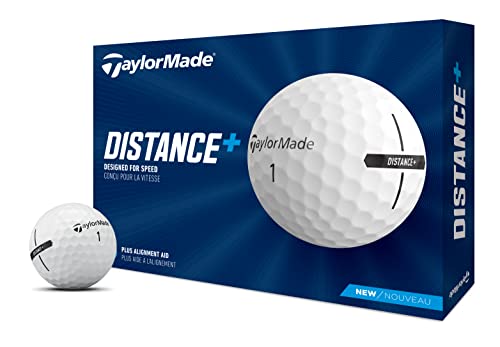
If you’re chasing raw distance without sacrificing too much feel, the TaylorMade Distance+ sits in a sweet spot for mid- to high-handicappers who want a no-nonsense ball that flies. The REACT Speed Core is built for speed, and owners consistently report noticeably longer drives compared to older distance balls they’ve used. On paper, the two-layer ionomer design keeps things simple, promoting a mid-to-high launch with max distance in mind, and that Extended Flight Dimple Pattern does seem to help it ride the air a bit longer, especially into the wind.
I’d rank it ahead of basic budget balls for performance, though it doesn’t match the short game responsiveness of pricier multi-layer models. The Plus Alignment Aid is a small but appreciated touch, especially for players working on consistency with their putter. For weekend golfers who care more about reaching the green in fewer shots than sculpting delicate flop shots, this is a solid play.
Video review
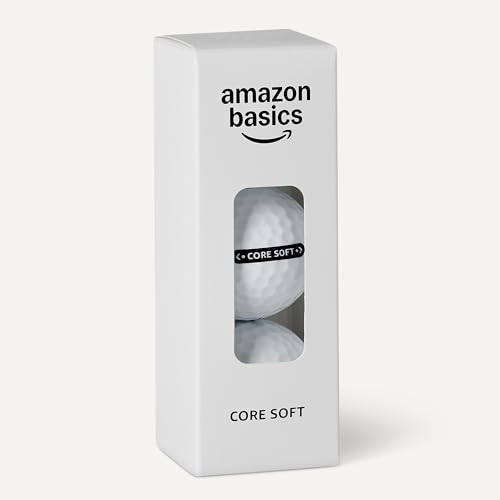
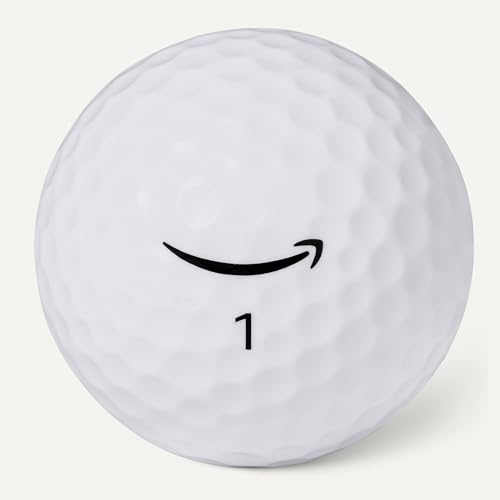
Amazon Basics Core Soft Golf Balls (12-Pack)
Strengths
- Exceptional value
- Soft impact feel
- Straight flight path
Trade-offs
- Average durability
- Limited spin control
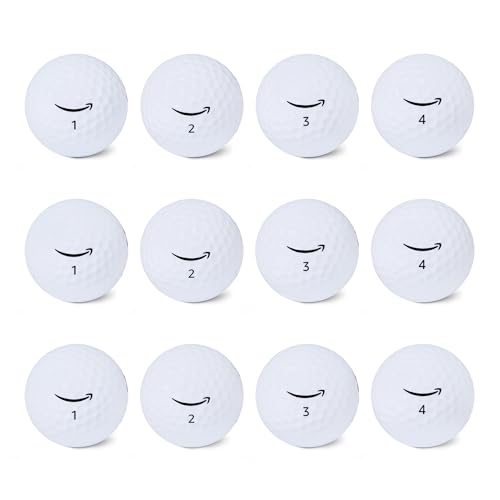
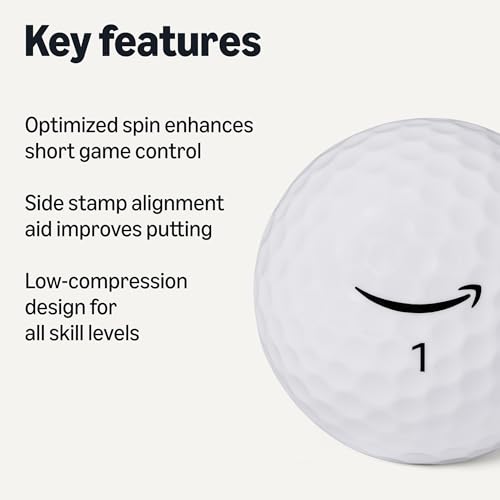
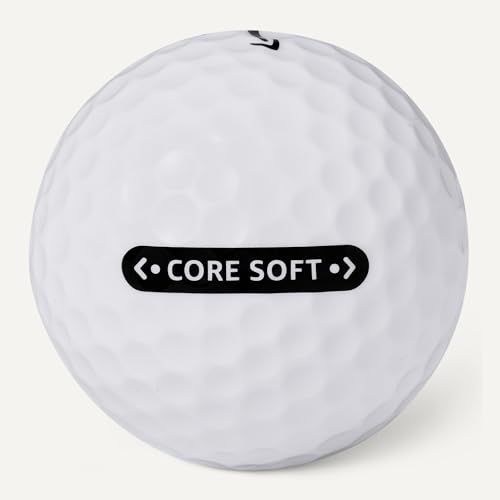
Let’s be clear, the Amazon Basics Core Soft isn’t going to win any awards for finesse, but for the price, it delivers shockingly consistent performance. It’s clearly modeled after premium low-compression balls, with a two-layer design that promotes straight flight and easy launch. Owners report it plays reliably off the tee and feels decently soft around the greens, though it lacks the refined touch of the Callaway Supersoft or Srixon Soft Feel.
Where it shines is value. For beginners or casual players burning through balls, this is a no-brainer pick. The alignment aid is a thoughtful inclusion, and the white cover holds up well. But if you’re serious about short game control or play frequently enough to notice subtle differences, you’ll feel the gap between this and even mid-tier balls. Still, for a 12-pack that won’t break the bank, it’s hard to ignore.
Product photos
TaylorMade SpeedSoft Golf Balls (Yellow)

Strengths
- Very soft feel
- Bright visibility
- Good speed for compression
Trade-offs
- Less feedback off driver
- Not ideal for fast swings
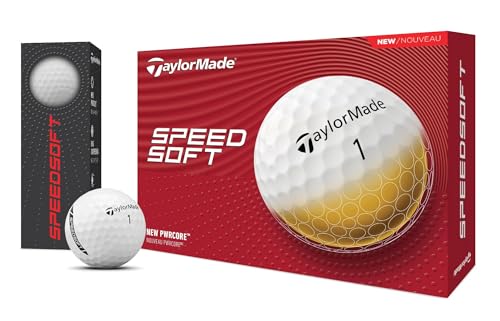
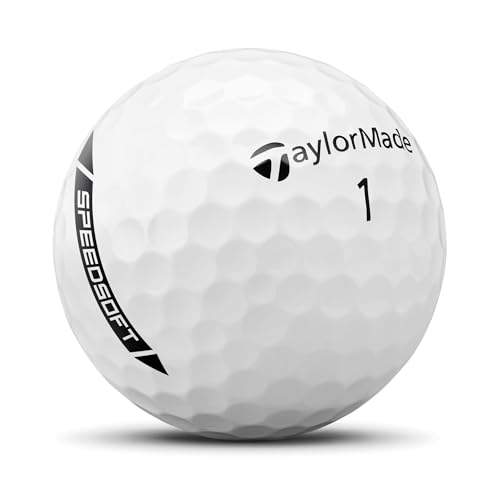
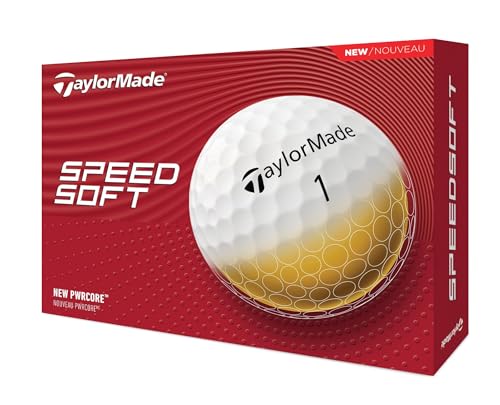
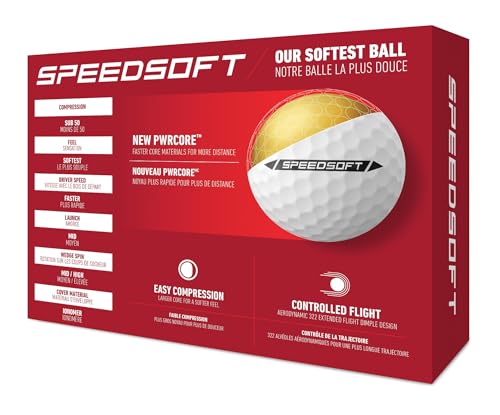
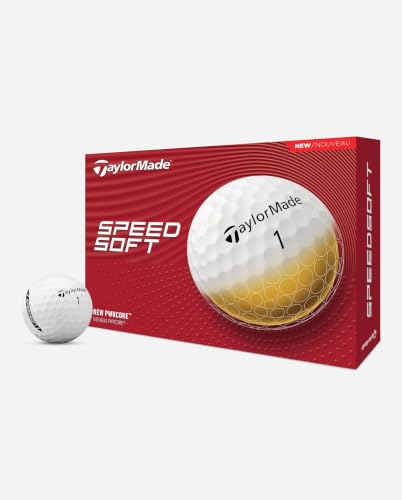
TaylorMade’s SPEEDSOFT leans hard into the soft-feel trend, and on paper, it looks like a steal, a low-compression ball with PWRCORE tech at under $25. The promise is explosive speed without sacrificing feel, and from owner feedback, it delivers that soft, muted impact sensation that many players love, especially on short shots. The bright yellow cover is a bonus, making these easy to track in flight, which I always appreciate on open courses or against winter backdrops.
But compared to the Callaway Supersoft or Srixon Soft Feel, it doesn’t quite match the balance of distance and control. Some reviewers note it feels a bit too soft off the driver, like it’s compressing too much for faster swingers. I’d say this is best for moderate to slower swing speeds, and honestly, if you’re choosing between this and the Supersoft, I’d lean toward Callaway for overall polish.
Product photos
Srixon Soft Feel Golf Balls (White)

Strengths
- Excellent all-around feel
- Good greenside spin
- Dimple pattern enhances flight
Trade-offs
- Subtle alignment aid
- Less vibrant color options
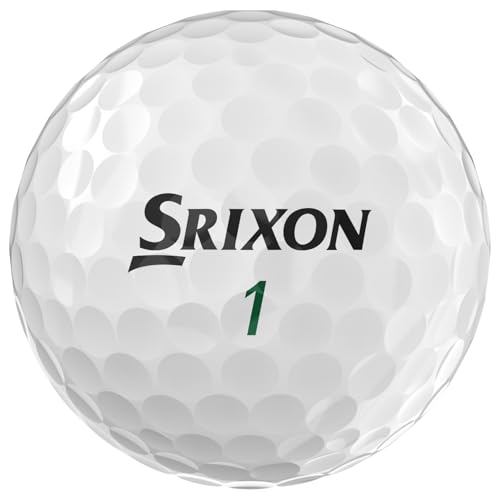
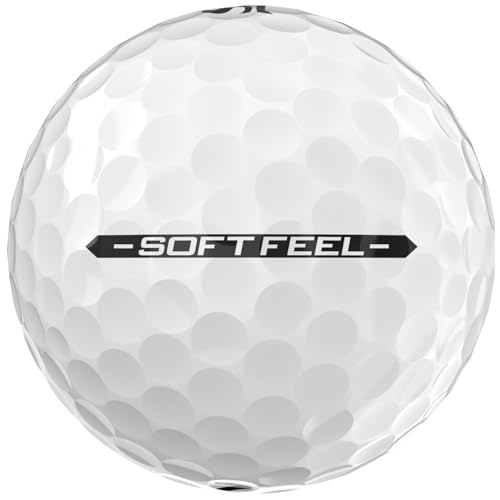
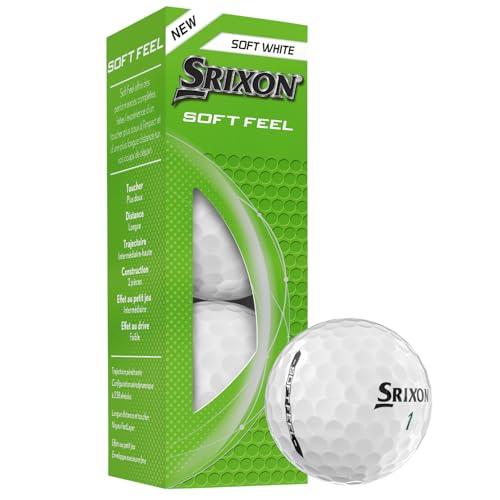
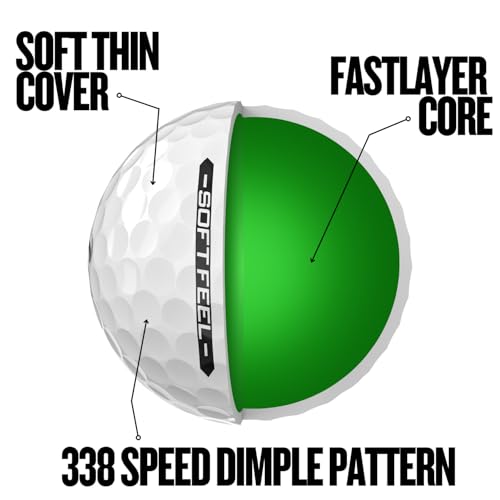
Srixon has quietly built one of the best reputations in the low-compression category, and the Soft Feel lives up to the hype. The 338 Speed Dimple Pattern and thin cover do exactly what they’re meant to, reduce driver spin while boosting lift, and then deliver more bite around the greens. Owners consistently praise how well these play from tee to green, calling out the responsive feel on chips and putts.
For me, this is the dark horse pick. It doesn’t have the marketing buzz of Callaway or TaylorMade, but it offers a more complete experience than the Distance+ or SPEEDSOFT. The high-energy core delivers solid distance, and the cover holds up better than expected. If you’re someone who values control as much as comfort, this is the ball I’d lean toward over most others in this range.
Product photos

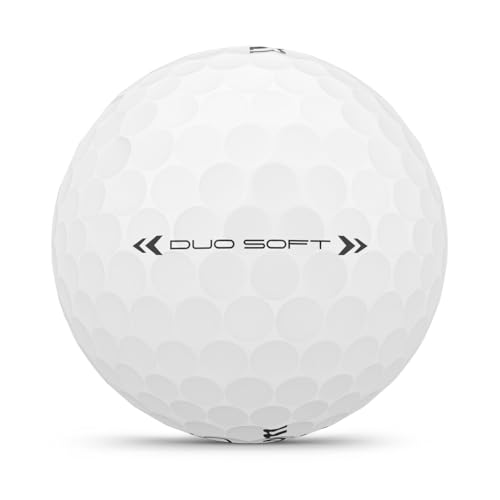
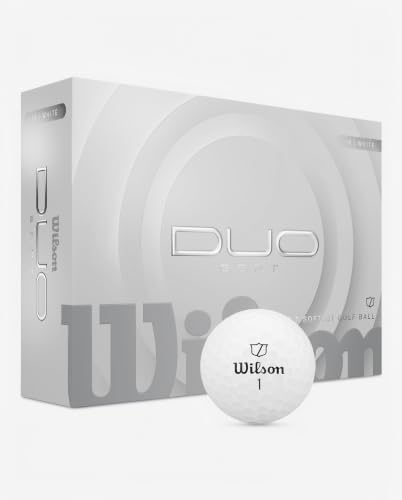
Wilson 2025 Duo Soft Golf Balls

Strengths
- Extremely soft compression
- Straight flight
- Good off-center forgiveness
Trade-offs
- Minimal short game spin
- Basic cover durability
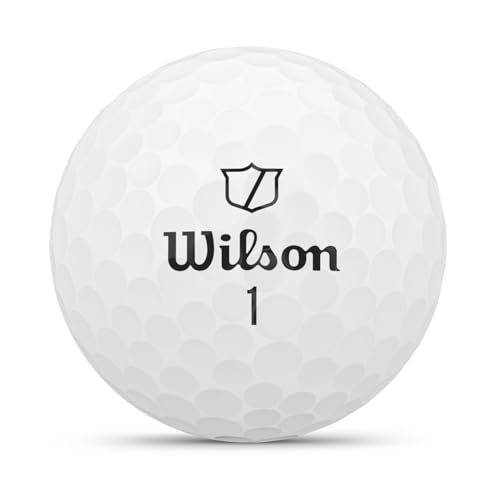
Wilson claims the 2025 Duo Soft is the ‘world’s softest’ golf ball, a bold statement, but one that aligns with owner feedback about its plush impact and gentle launch. The two-layer design emphasizes low spin off the tee, which translates to straighter, more predictable flight, especially for players fighting a slice. The High Energy Core does its job, delivering solid distance without needing perfect contact.
It’s not the flashiest ball on the market, but it’s effective. Compared to the Amazon Basics model, it feels more refined and consistent, though it still lags behind the Supersoft or Srixon in short game responsiveness. Where it stands out is in pure comfort, if you’re someone who winces at hard-feeling balls or plays with joint issues, this one deserves a look.
Product photos
How We Chose These low compression golf balls
Rather than a hands-on lab test, my research for these recommendations involved a detailed comparison of published specifications and features across numerous models. I weighed owner reviews from major retailers alongside expert analysis from golf publications and websites. Applying my decades of experience planning golf trips and understanding golfer needs, I ranked these balls based on how well they deliver on their promises and suit different playing styles.
For low compression golf balls, feel and distance are paramount. I prioritized balls that clearly demonstrate a design focused on softer impact and maintain respectable ball speed – a balance often difficult to achieve. Straight flight was also a key consideration, as these balls are frequently chosen by golfers seeking to minimize slices or hooks. Ultimately, a ball’s ability to deliver consistent performance across various clubs decided its ranking.
Specifications reliably indicate core construction and cover materials, giving a good sense of potential feel and durability. However, I placed significant weight on owner feedback regarding real-world performance – particularly concerning distance gains and the consistency of short game spin. You’ll find many golfers looking for distance golf balls for seniors will benefit from the forgiving nature of low compression designs, and owner experiences help validate those benefits. I also considered reputation; established brands generally have a track record of quality control. For golfers needing something with a bit more punch, exploring mid compression golf balls might be worthwhile.
How To Pick The Right low compression golf balls
Finding the right low compression golf ball can truly elevate your game, but it’s not just about softness.
Low compression golf balls are engineered to transfer energy more efficiently, particularly for golfers with moderate swing speeds. Key areas to assess include the core construction, cover material, and dimple pattern. A quality ball will balance distance with feel, offering control around the greens while maximizing performance off the tee. Look for USGA conformity for tournament play and consider how the ball’s characteristics align with your typical shot shape.
Core Construction Matters
The core is where a low compression ball really differentiates itself. Many brands, like Wilson with their Duo Soft, emphasize a high-energy core to maximize distance. However, simply having a soft core isn’t enough. The core’s consistency and how it interacts with the clubface are critical. A poorly made core can lead to inconsistent energy transfer, even if it feels good on impact. I often recommend golfers consider the relationship between core size and overall ball construction; a larger core generally means more distance potential, but can sacrifice short-game spin.
Cover Material & Spin Control
The cover of a low compression ball has a huge impact on feel and, importantly, spin. Surlyn covers are durable and affordable (think Amazon Basics), while urethane covers offer premium feel and increased greenside spin. TaylorMade’s Distance+ balls use an ionomer cover for durability and distance, demonstrating a trade-off. Don’t assume a softer cover automatically equals better spin; the dimple pattern also plays a significant role.
Here’s what I tell players about cover options: * Surlyn: Budget-friendly and durable, but less spin. * Ionomer: A step up in feel from Surlyn, offering a good balance of durability and performance. * Urethane: The gold standard for feel and spin, but comes at a higher price point. It’s worth the investment if you prioritize control.
A good rule of thumb is to match your ball to your swing speed. Slower swings benefit most from lower compression, while faster swings may need a slightly firmer ball to prevent excessive compression and loss of energy.
Balancing Distance and Feel with Dimple Patterns
Dimple patterns aren’t just about aesthetics. They influence aerodynamic lift and drag, directly affecting distance and flight stability. Srixon’s Soft Feel balls use a 338 Speed Dimple Pattern designed to reduce drag. The number and shape of dimples vary between manufacturers, each aiming for a specific flight characteristic. If you struggle with a slice, look for balls designed to promote a straighter flight path, like the TaylorMade Distance+. Ultimately, finding a dimple pattern that complements your swing and desired ball flight is key. Finding the right ball can be as impactful as reviewing golf balls for older golfers before you buy.
Many players are also curious about comparing these to balls with higher compression. You can find more information on 70 compression golf balls on our site.
Low Compression Golf Balls Compared
Here’s a comparison of key specs for popular low compression golf balls to help you make an informed decision.
| Product Name | Construction | Compression | Cover Material | Color | Alignment Aid |
|---|---|---|---|---|---|
| Callaway Supersoft | N/A | Low | Hybrid | White | N/A |
| TaylorMade Distance+ | Two-Piece | Low | Ionomer | White | Yes |
| Amazon Basics Core Soft | N/A | Low | N/A | White | Yes |
| TaylorMade SpeedSoft | N/A | Low | Surlyn | Yellow | N/A |
| Srixon Soft Feel | N/A | Low | N/A | White | N/A |
| Wilson 2025 Duo Soft | Two-Piece | Low | N/A | White | N/A |
Frequently Asked Questions
What compression should I choose if I’m new to golf?
Lower compression is generally best for beginners. These balls compress more easily on slower swing speeds, leading to greater energy transfer and more distance for those still developing power.
Are low compression balls only for seniors or slower swing speeds?
Not necessarily, though they excel for those players. Many golfers with moderate swing speeds also benefit from the added feel and forgiveness, and finding golf balls for average golfers often leads them to low compression options.
Do low compression balls sacrifice distance compared to firmer balls?
While traditionally true, modern low compression designs minimize this trade-off. Advances in core technology and cover materials allow these balls to deliver competitive distance, especially for golfers who don’t generate high clubhead speed.
Will a low compression ball help me slice less?
They can contribute to a straighter flight. The softer feel and reduced side spin often result in less curvature, helping golfers mitigate slices or hooks, though it’s not a cure-all for swing flaws.
Are urethane-covered low compression balls worth the extra cost?
Urethane offers superior feel and greenside spin, but it’s a personal preference. If you prioritize control around the greens and enjoy a softer feel, a urethane-covered low compression ball (like some premium options) is a worthwhile investment. For golfers with golf balls for senior women on their mind, the added spin can be especially helpful.
The Bottom Line
Choosing a low compression golf ball often comes down to balancing forgiveness with outright performance. While many brands offer enticing features, the Callaway Supersoft consistently rises to the top thanks to its blend of soft feel, respectable distance, and positive owner feedback. It’s a solid all-around performer that will benefit the widest range of players.
For golfers on a tighter budget, the Amazon Basics Core Soft provides surprising value. If you’re looking for a specific need, the TaylorMade Distance+ is an excellent choice for those who want alignment assistance and a straighter ball flight, and if you want to explore options for more skilled players, consider looking at high compression golf balls. Or, if you’re just starting out, there are many golf balls for beginners available that can help improve your game.
Ultimately, the specs on a box matter less than finding a ball that inspires confidence. Focus on feel, consistency, and how the ball responds to your swing. A ball that feels good in your hands and performs predictably will always be a better choice than one with fancy features but inconsistent results.
