
8 Best Offset Golf Drivers of 2026
This post contains affiliate links. As an Amazon Associate, we earn from qualifying purchases.
The TaylorMade SIM 2 MAX Driver stands out as the best overall offset golf driver, combining smart design with reliable slice correction, while the Intech Tec+ Tour Offset Driver is a strong budget pick that delivers solid performance without the premium price. For those wanting maximum draw bias, the Juggernaut Draw Offset Golf Driver offers extreme correction with its oversized head and aggressive weighting.
Golfers fighting a slice know how frustrating it is to watch drives veer off into the rough, no matter how hard you try to fix your swing. An offset driver can help, but not all models deliver on the promise of straighter shots.
In this guide, I break down the top offset drivers based on specs, real owner feedback, and what actually works on the course. These picks focus on forgiveness, draw bias, and build quality to help you find a driver that makes a real difference.
Top 8 Offset Golf Drivers in the Market
The Best Offset Golf Drivers, Reviewed
TaylorMade SIM 2 MAX Driver

Strengths
- Exceptional forgiveness
- Speed Injected face
- Stable on mishits
Trade-offs
- No adjustable hosel
- Older model
Even years after release, the TaylorMade SIM 2 MAX remains a benchmark in forgiveness and consistency, and it earns the ‘Best Overall’ label here because it combines offset-friendly traits with elite engineering. The Speed Injected Twist Face and Thru-Slot Speed Pocket work together to deliver high ball speeds even on low-face strikes, a common miss for slicers.
The split-mass weighting and inertia generator boost MOI and stability, and while it’s not labeled as an offset driver, the face design and draw-bias options make it effective for players fighting a slice. Owners praise its ability to tighten dispersion and keep drives in play. Compared to the Cobra Darkspeed, it’s less adjustable but more consistent out of the box. For most golfers, this is the easy pick.
Video review
Intech Tec+ Tour Offset Driver

Strengths
- Extremely affordable
- True offset design
- Durable construction
Trade-offs
- Aluminum face limits speed
- Basic shaft
- No adjustability
At under $80, the Intech Tec+ Tour is a budget gem for golfers who want offset benefits without the titanium tax. It’s made from military-grade aluminum, so it won’t match the ball speed of titanium drivers, but the high MOI design and offset hosel deliver real forgiveness and slice reduction.
The matte black finish with red accents looks more premium than the price suggests, and owners consistently say it’s one of the few affordable drivers that actually helps straighten shots. It’s not going to compete with a SIM or Darkspeed in performance, but for a beginner or recreational player, it’s a smart, no-frills choice. If you’re just starting out, this is where I’d tell you to begin.
Video review
Pinemeadow PGX Offset Driver
Strengths
- Lowest price point
- Effective offset
- Large clubhead
Trade-offs
- Steel head, not titanium
- Minimal forgiveness
- Basic components
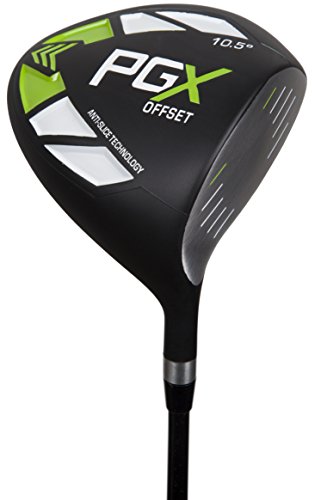
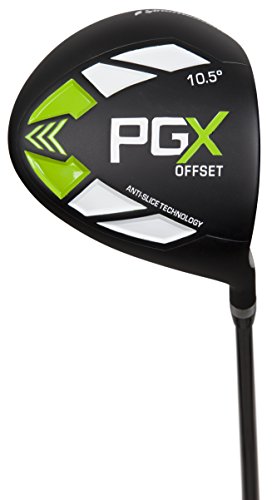
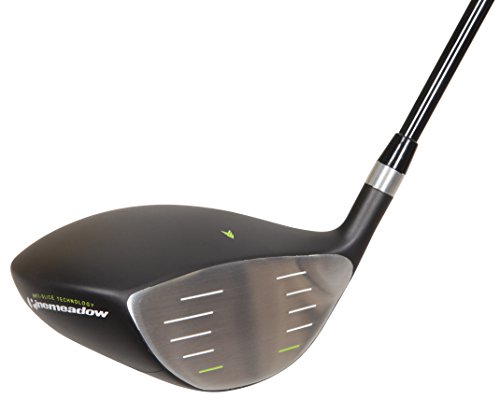
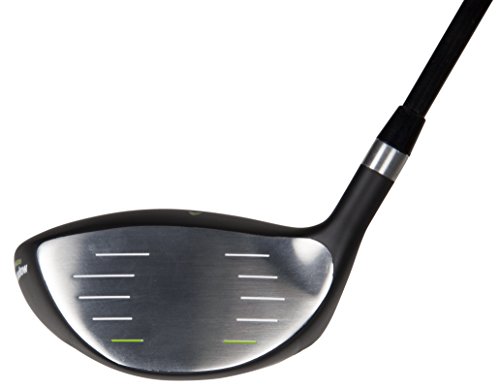
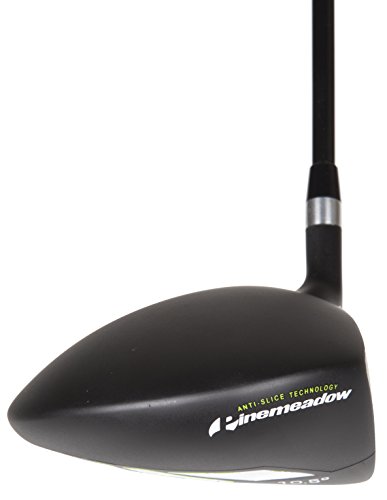
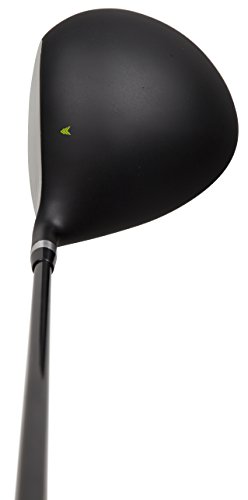
The Pinemeadow PGX is the definition of value engineering, a well-built, no-frills offset driver that undercuts even most budget competitors. It uses a 460cc head with a simple offset hosel to help square the face, and while it’s not packed with tech, owners say it delivers noticeably straighter drives than standard models.
It’s made from stainless steel, not titanium, so ball speed takes a hit, but for a golfer just getting into the game or needing a backup club, it’s hard to beat the price. The green and black finish is a bit flashy, but it’s a small trade-off. Compared to the Intech, it’s less refined, but for pure cost-per-performance, this is the smarter buy under $80.
Product photos
Orlimar Slice Killer Offset Driver
Strengths
- Extreme slice correction
- Titanium face speed
- Closed face design
Trade-offs
- May over-draw
- Limited appeal
- Basic adjustability
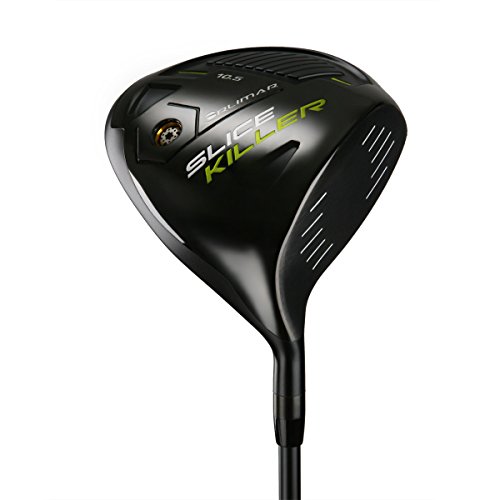
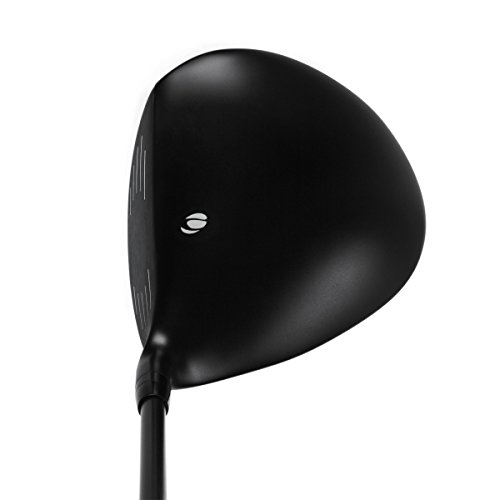
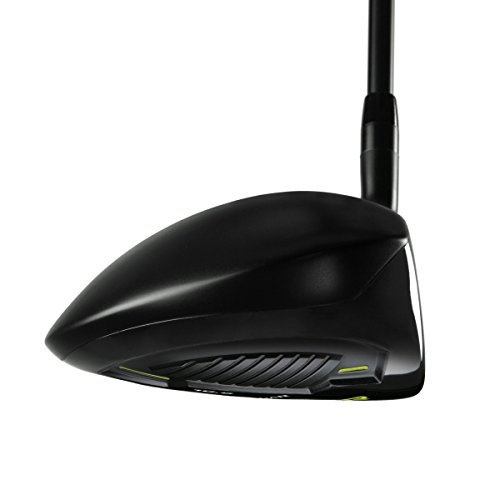
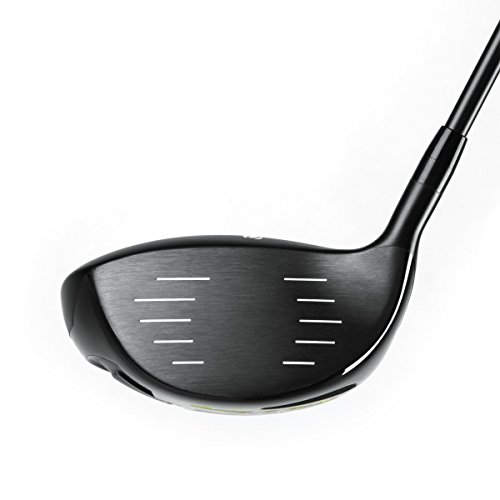
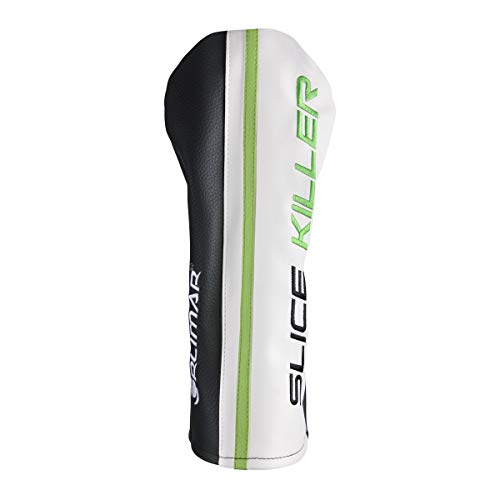
If you’re a chronic slicer, the Orlimar Slice Killer is built specifically for you. With a 7-degree closed face, offset hosel, and anti-slice heel weighting, it’s one of the most aggressive draw-bias drivers on the market. Robot testing shows up to 30 yards of slice reduction, and owners confirm it dramatically straightens ball flight, some say it turns slices into draws.
It’s made from titanium, so it delivers better ball speed than aluminum alternatives, and the PVD finish gives it a premium look. The trade-off? It can over-correct for some, pulling shots left if your swing isn’t truly slice-prone. But if you’re tired of losing balls in the trees, this is the most targeted solution here.
Product photos
Juggernaut Draw Offset Golf Driver
Strengths
- Illegally hot face
- Massive 515cc head
- Strong draw bias
Trade-offs
- Non-conforming design
- Not tournament legal
- Overkill for most
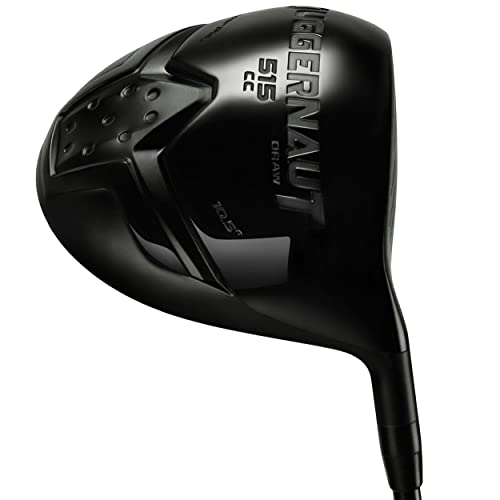
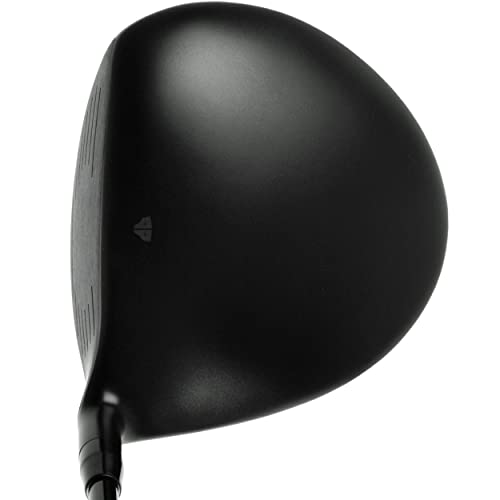
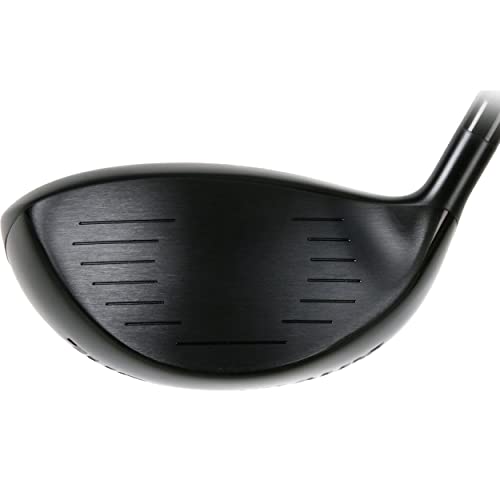
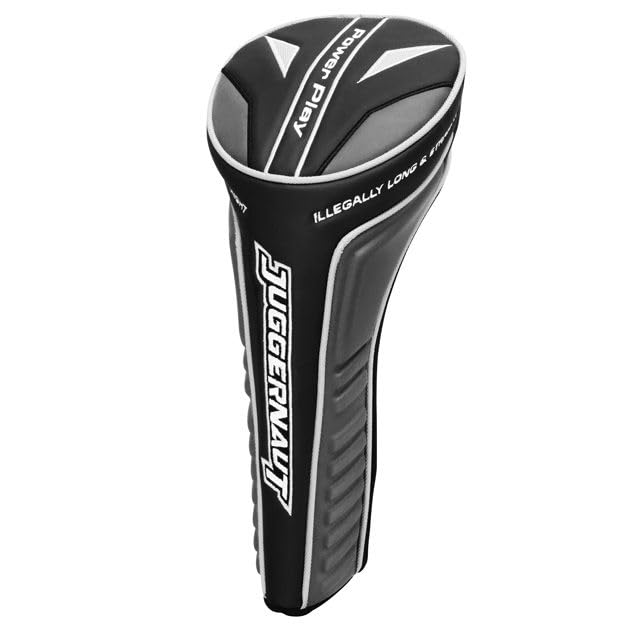
The Juggernaut Draw is the long-drive enthusiast’s secret weapon, a non-conforming driver with a 515cc head and ultra-thin beta titanium face that pushes past USGA limits. It’s not legal for tournament play, but for recreational golfers or range use, it delivers explosive distance and a hot face feel that owners love.
The offset helps square the face, and the oversized head boosts MOI for forgiveness. But the real draw is the Hi-COR design, which maximizes energy transfer. Compared to the Slice Killer, it’s less about correction and more about raw power with slice-fighting perks. If you want to hit it longer and straighter in casual play, this is the most fun option here.
Product photos
Cobra Darkspeed Adapt MAX-K Driver

Strengths
- Extensive adjustability
- High MOI forgiveness
- Aerodynamic head shape
Trade-offs
- Premium price
- Complex for beginners
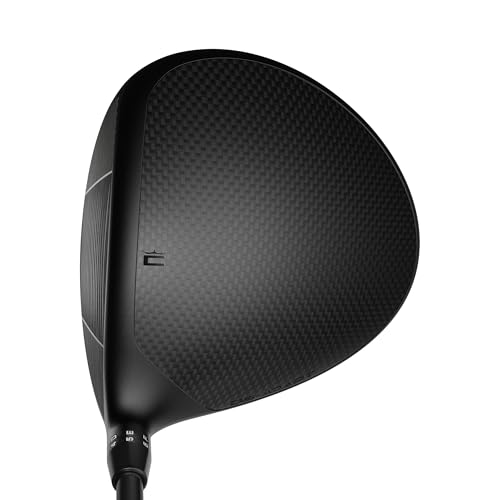
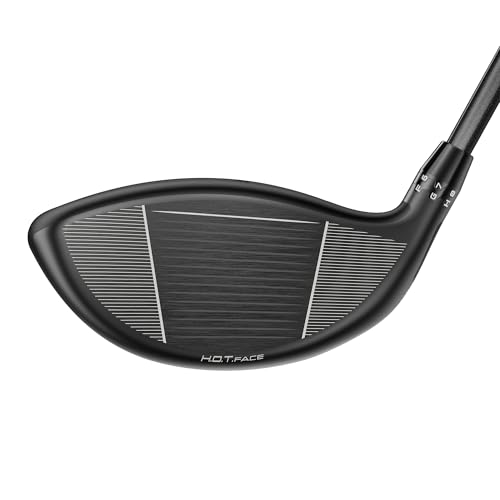
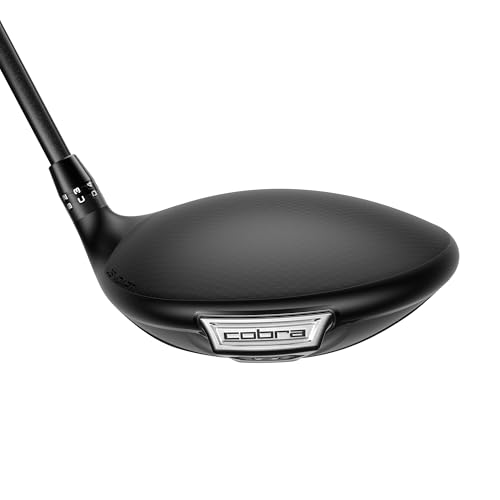
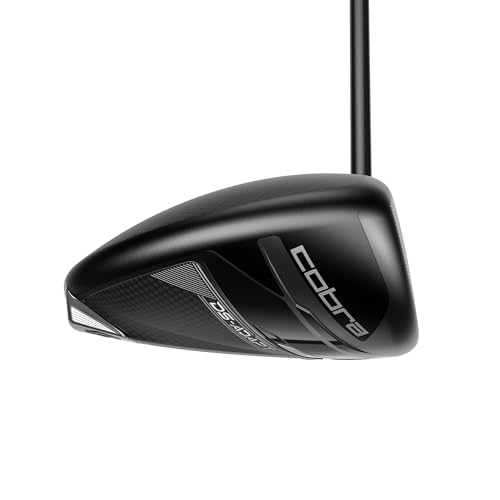
The Cobra Darkspeed Adapt MAX-K stands out in the offset driver space not by chasing slice correction alone, but by blending adjustability with elite performance. The FutureFit33 hosel is a standout in fitting, 33 combinations of loft and lie, with face angle staying square, means you can truly dial in launch conditions without sacrificing alignment. That level of precision is rare, even among high-end drivers.
Owners consistently report tighter shot dispersion and improved consistency when dialed in, and the H.O.T. face with its larger insert delivers on ball speed across the face. Paired with the adaptive weighting system and MOI up to 10,000, it’s forgiving without feeling bulky. It’s not the most offset-heavy option here, but for better players who want help with face closure and performance, this is the most sophisticated tool.
Product photos

Rife RX7 Off-Set Titanium Driver
Strengths
- Solid draw bias
- Titanium construction
- Good stability
Trade-offs
- Limited adjustability
- Basic shaft options
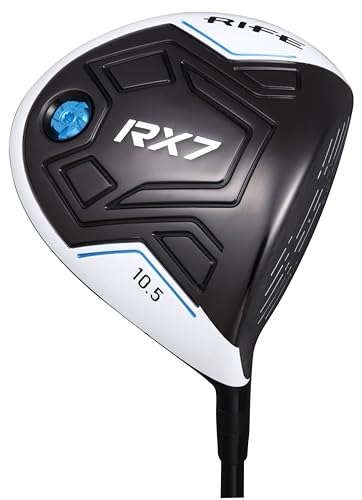
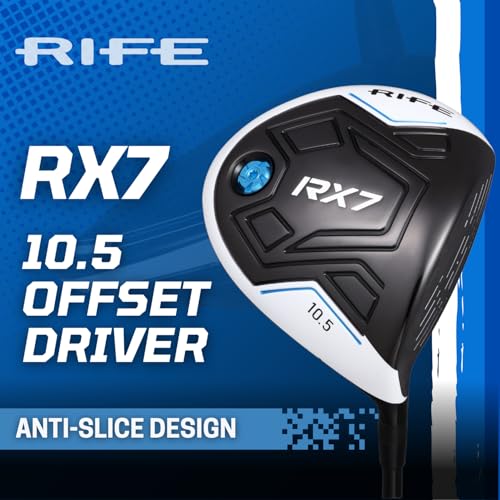
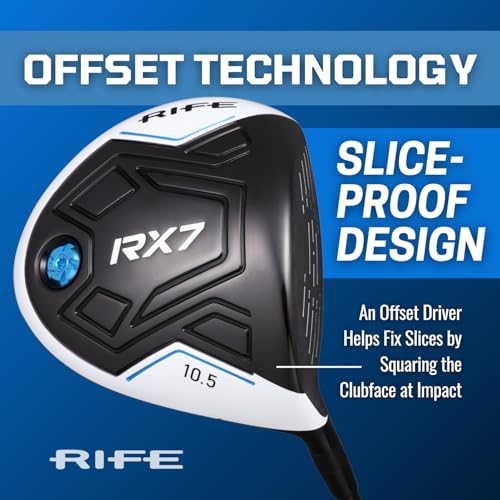
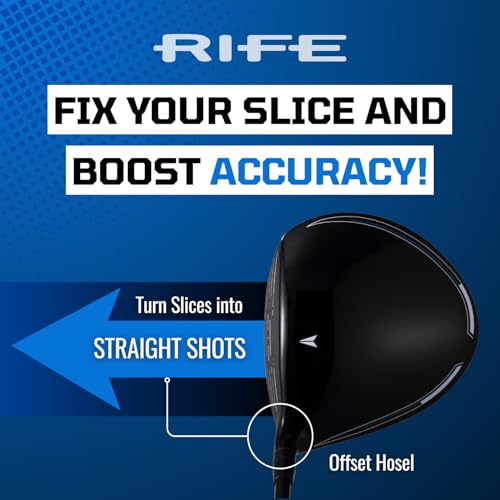
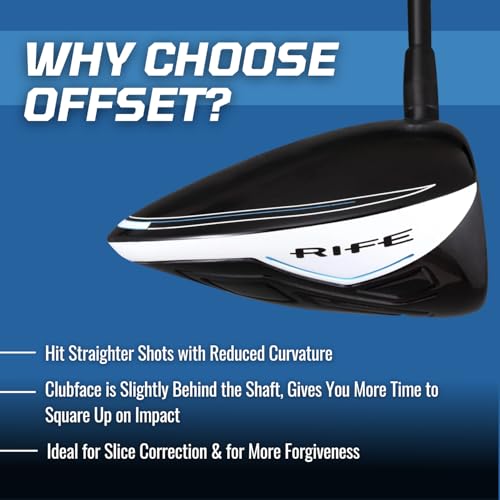
Rife has long been a brand that delivers solid engineering at a fair price, and the RX7 Off-Set model follows that tradition. This is a straightforward, forgiving draw-bias driver built around a 460cc titanium head with a traditional offset hosel to help square the face. It won’t match the adjustability of a Cobra or TaylorMade, but it does what it promises, help slicers hit straighter shots, without gimmicks.
The thinner crown likely helps lower the center of gravity slightly, promoting a higher launch, and owners note it feels stable on off-center hits. It’s not the flashiest option, but for golfers who want a no-nonsense, confidence-inspiring club that fights the slice without breaking the bank, this is a strong contender. I’d pick it over pricier models if you value simplicity and reliability.
Product photos
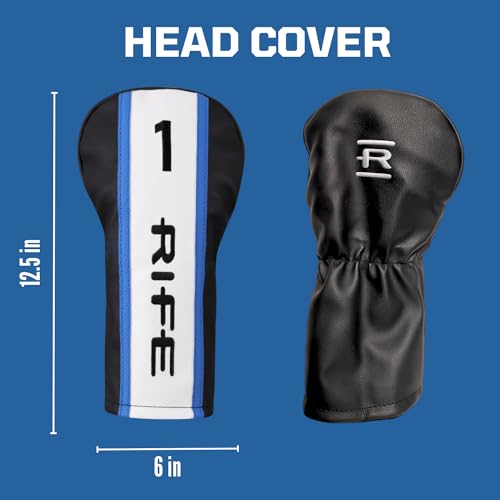
Orlimar Escape HL Draw Driver

Strengths
- Lightweight shaft
- Heel-biased weighting
- Smooth launch
Trade-offs
- Limited adjustability
- Less ball speed
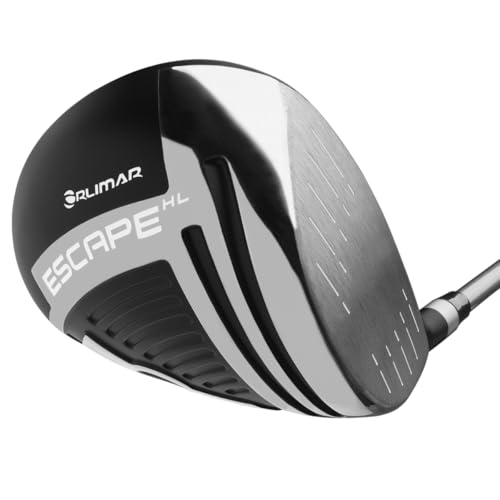
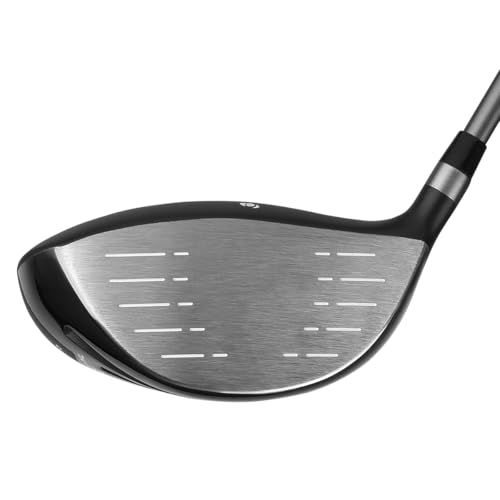
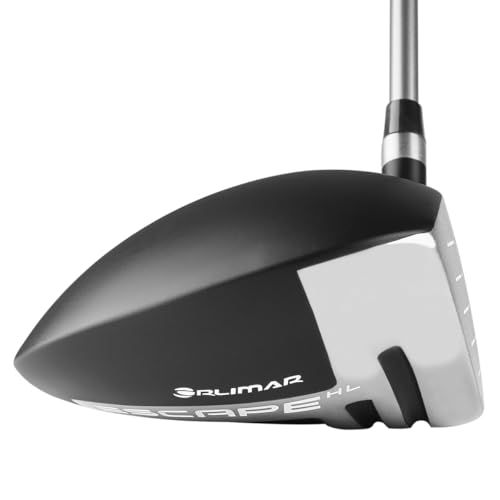
The Orlimar Escape HL is built for golfers with slower, smoother swings, particularly seniors or those transitioning to a lighter setup. Its ultra-light shaft and heel-weighted design are tuned to promote a draw, and the internal weighting does its job: owners report noticeably straighter shots, especially when swing speed is below 90 mph.
The aerodynamic shaping helps maintain speed with less effort, and the 10.5° loft is well-matched to the senior flex. It’s not going to generate explosive ball speeds like a performance driver, but it’s consistent and easy to launch. For a golfer who struggles with timing and face control, this is the kind of club that builds confidence without demanding perfection.
Product photos
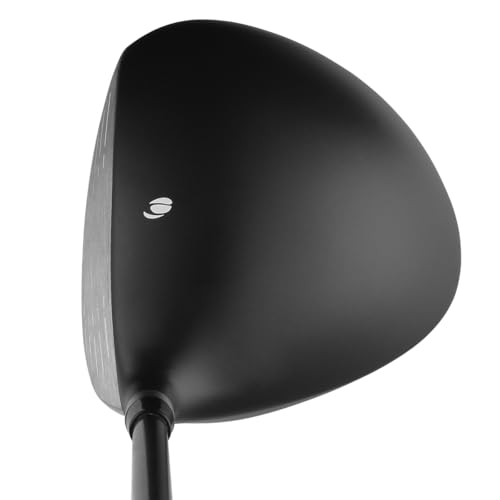

How We Evaluated offset golf drivers
My research into offset drivers began with a detailed comparison of published specifications and features across numerous models. I then weighed owner reviews from major retailers alongside expert opinions found in golf publications and online forums. As the founder of GolfWorldTrips, I’ve spent years observing how different club designs impact player performance, and I applied that practical understanding to assess which drivers best address the common issues slicers face. Ultimately, I ranked drivers based on a combination of forgiveness, distance potential, and ease of use.
For offset drivers, a few factors stood out as particularly important. Foremost was the degree of offset itself – how much the hosel is angled to encourage a square clubface at impact. Beyond that, I heavily weighted the materials used in the clubhead (titanium versus aluminum) and the presence of anti-slice technologies like closed face angles and internal weighting. These elements directly influence a driver’s ability to correct a slice and get the ball on a straighter path. If you’re still struggling, you may also want to consider looking at dedicated drivers for a slice.
Specifications reliably reveal a driver’s potential for distance and forgiveness based on clubhead size (460cc is the standard) and materials. However, real-world performance, particularly regarding slice correction, is best gleaned from owner feedback. I paid close attention to comments regarding how easily the driver straightened ball flight and whether it genuinely improved accuracy. Reputation also played a role; established brands with a history of producing quality clubs generally earned more consideration. For those new to the game, exploring beginner driver models can also be helpful.
What To Look For In offset golf drivers
Choosing the right offset driver can dramatically improve your game, especially if you struggle with consistency off the tee.
An effective offset driver prioritizes forgiveness and a draw bias. Key features include a closed clubface angle (typically 7 degrees or more), offset hosel design to delay hand release, and perimeter weighting to increase MOI (Moment of Inertia). Look for drivers constructed with titanium or military-grade aluminum for a balance of distance and affordability, and consider shaft flex carefully to match your swing speed.
Understanding Offset and Its Benefits
The core purpose of an offset driver is to help correct a slice, and the degree of offset is the first thing I look at. A more pronounced offset, meaning the clubface is set back from the shaft, creates more time to square the clubface at impact. This is incredibly helpful for golfers who consistently come “over the top.” However, too much offset can feel awkward for players with naturally sweeping swings. Consider a driver with a moderate offset if you’re unsure, and remember that offset is most effective when paired with other slice-correcting technologies. If you’re still battling a persistent slice, exploring dedicated anti-slice drivers could be a valuable next step.
Material and Construction Quality
While titanium is the gold standard for driver construction, offering an excellent power-to-weight ratio, it comes at a premium. Don’t automatically dismiss aluminum alloy drivers; modern manufacturing techniques have significantly improved their performance. Military-grade aluminum, as seen in some budget-friendly options, can deliver surprising distance and forgiveness. The construction of the face is also crucial. Look for drivers advertised with “high COR” (Coefficient of Restitution), indicating greater ball speed.
Here’s what to keep in mind regarding materials: * Cost: Aluminum drivers are significantly cheaper. * Weight: Titanium is lighter, allowing for more perimeter weighting. * Performance: High-quality titanium generally outperforms aluminum, but the difference is less noticeable for slower swing speeds.
Finding the Right Fit for Your Swing
A driver’s loft, shaft flex, and overall weight need to complement your swing. Many golfers assume they need a stiff shaft, but a more flexible shaft (regular or even senior/light) can actually increase clubhead speed if your swing speed is moderate. Don’t be afraid to experiment. Also, don’t overlook the importance of a comfortable grip. If you’re new to golf, or are looking to improve your game, it’s worth considering beginner golf drivers designed to maximize forgiveness.
A good rule of thumb is to prioritize forgiveness over raw distance, especially when starting with an offset driver. A slightly shorter distance with a straighter ball flight is far more valuable than a long drive that ends up in the rough.
Offset Golf Drivers Compared
Here’s a comparison of key specifications for popular offset golf drivers to help you make an informed purchasing decision.
| Product Title | Loft (Degrees) | Head Size (cc) | Construction | Hosel Type | Shaft Flex |
|---|---|---|---|---|---|
| TaylorMade SIM 2 MAX Driver | N/A | N/A | Titanium | N/A | N/A |
| Intech Tec+ Tour Offset Driver | 10.5 | 460 | Aluminum | Offset | Regular |
| Pinemeadow PGX Offset Driver | N/A | 460 | N/A | Offset | N/A |
| Orlimar Slice Killer Offset Driver | 10.5 | 460 | Titanium | Offset | Regular |
| Juggernaut Draw Offset Golf Driver | 10.5 | 515 | Titanium | Offset | Regular |
| Cobra Darkspeed Adapt MAX-K Driver | N/A | N/A | N/A | Adjustable | N/A |
| Rife RX7 Off-Set Titanium Driver | 10.5 | 460 | Titanium | Offset | Regular |
| Orlimar Escape HL Draw Driver | 10.5 | N/A | Titanium | Draw-Biased | Senior |
Frequently Asked Questions
What loft should I choose for an offset driver?
Generally, 10.5 to 12 degrees of loft is a good starting point for most golfers using an offset driver. Higher lofts promote a higher launch and more spin, which can aid in getting the ball airborne and reducing side spin for those needing drivers to fix slice.
Are aluminum offset drivers as good as titanium ones?
While titanium remains the premium material, modern aluminum alloy drivers can offer comparable performance for slower swing speeds. Aluminum drivers are more affordable and can still provide excellent forgiveness, making them a solid option if budget is a primary concern.
How important is shaft flex with an offset driver?
Shaft flex is quite important; many golfers mistakenly choose a shaft that’s too stiff. A more flexible shaft (regular or senior) can help generate more clubhead speed and improve your ability to square the clubface at impact, even with the offset design.
Can an offset driver help if I have a very fast swing speed?
Offset drivers are primarily designed for moderate swing speeds and players who struggle with a slice. If you have a very fast swing speed, the offset may become less effective and could even hinder your ability to maximize distance, so you might want to look at the latest driver models.
Will an offset driver completely eliminate my slice?
An offset driver will not magically cure a slice, but it’s a significant aid in correcting it. Paired with proper swing mechanics and consistent practice, it will help promote a more draw-biased ball flight and reduce the severity of your slice.
The Bottom Line
Choosing an offset driver often comes down to balancing forgiveness with the feel of the club in your hands. While premium titanium models like the TaylorMade SIM 2 MAX Driver offer top-tier performance, the Intech Tec+ Tour Offset Driver delivers a remarkable amount of slice correction for the price, making it an excellent all-around choice for many golfers.
For those on a tighter budget, or simply wanting to experiment with offset technology without a significant investment, the Pinemeadow PGX Offset Driver is a standout. If you prioritize maximizing draw bias and aren’t concerned about the absolute latest materials, the Juggernaut Draw Offset Golf Driver provides a larger clubhead and strong performance. Ultimately, finding drivers for slicers is about getting the ball in play more consistently.
Don’t get too caught up in chasing marginal gains from expensive materials or intricate weighting systems. A forgiving offset driver, properly fit to your swing, is far more valuable than the most technologically advanced driver that doesn’t suit your needs. Focus on finding a driver that promotes a square clubface at impact and allows you to build confidence on the tee – that’s where you’ll see the biggest improvements in your game, and that’s what makes the best golf drivers truly stand out.
