
4 Best Golf Balls for Putting 2026
This post contains affiliate links. As an Amazon Associate, we earn from qualifying purchases.
This post contains affiliate links. As an Amazon Associate, we earn from qualifying purchases.
The TaylorMade Distance+ stands out as the best overall golf ball for putting, delivering reliable roll and clear alignment feedback. For indoor or quiet practice, the Guirnd Foam Golf Balls are a smart budget-friendly choice, while the Vice Tracer Pro offers exceptional stroke insight with its visual tracer technology, making it ideal for golfers focused on refining their mechanics.
Most golfers don’t think twice about which ball they use on the green, but an inconsistent or poorly designed one can mask flaws in your stroke and slow your progress. I’ve seen it happen on courses from St. Andrews to Scottsdale, golfers grinding on their putting, unaware their equipment is working against them.
This guide cuts through the noise. Based on specs, owner experiences, and what matters most in putting performance, I’ve identified the models that deliver true roll, useful feedback, and durability where it counts.
Top 4 Golf Balls For Putting in the Market
The Best Golf Balls For Putting, Reviewed
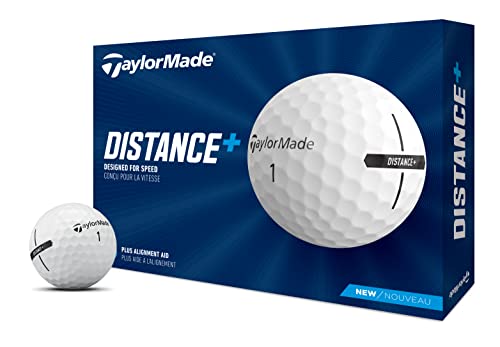
TaylorMade Distance+ Golf Balls
Strengths
- Explosive ball speed
- Long carry
- Alignment aid
- Softer feel
- Mid/High spin
Trade-offs
- Limited greenside control
- Not for low handicappers
- Average short game feedback
The TaylorMade Distance+ delivers exactly what it promises – distance – and that makes it a solid pick for players who care more about bombing it off the tee than feathering approach shots. The REACT Speed Core and Extended Flight Dimple Pattern do their jobs on paper, and owners consistently report longer carry, especially in headwinds. But when it comes to putting, the real story is the Plus Alignment Aid, a rare feature in a mid-tier ball that actually helps with setup and consistency on the green.
It’s not a tour-level feel – you’re getting a two-layer, ionomer-covered ball here – so greenside spin and short-game finesse are limited. Still, for the price, it’s impressive how well it rolls. Compared to pricier urethane-covered balls, it doesn’t offer the same feedback, but for average golfers who struggle to line up putts, this one simplifies the process. I’d pick this over standard distance balls for its alignment edge alone.
Video review
Guirnd Foam Golf Balls 20 Pack

Strengths
- Safe for indoors
- Realistic dimples
- Lightweight
- Durable
- Easy to spot
Trade-offs
- Unrealistic roll
- No speed feedback
- Not for course use
These foam balls are a smart buy if you’re tight on space and want to practice your putting indoors without risking a broken lamp. Made from soft PU rubber, they compress slightly on impact and roll in a way that mimics real ball behavior – at least enough for basic stroke work. The 41mm size is regulation-compliant, and the dimpled texture helps with airflow, though flight distance is intentionally limited.
Owners love how durable they are and how the bright colors make them easy to spot on grass or carpet. They’re also popular with pet owners, which says something about their safety and bounce. But let’s be clear: they don’t provide realistic putting feedback. The roll is too quick and short, and there’s no way to judge speed like you would on a real green. Still, for rehearsing your takeaway or alignment in the garage, they’re a solid, low-risk option.
Video review
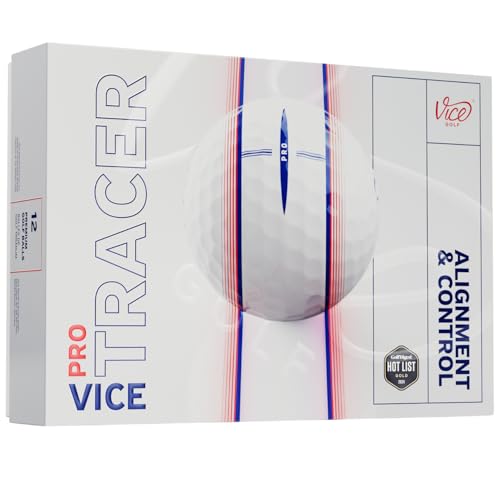
Vice Tracer Pro Golf Balls
Strengths
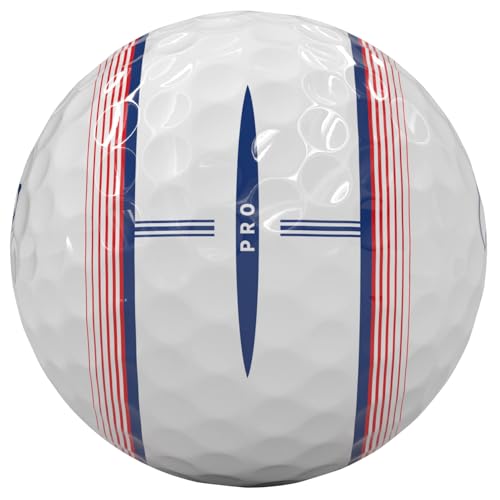
- Excellent alignment aid
- Urethane cover
- Clear roll feedback
- Soft feel
- Tour-inspired performance
Trade-offs
- Expensive
- Overkill for beginners
- Requires clean strikes
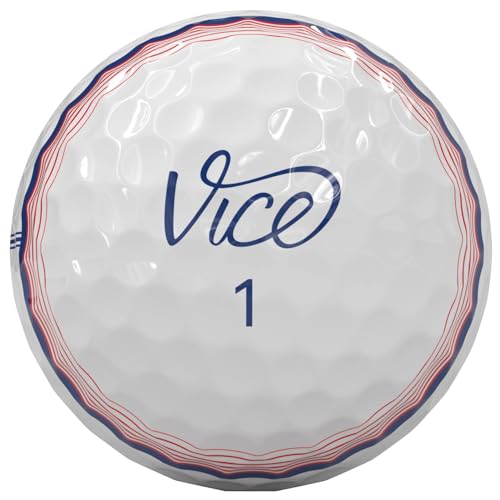
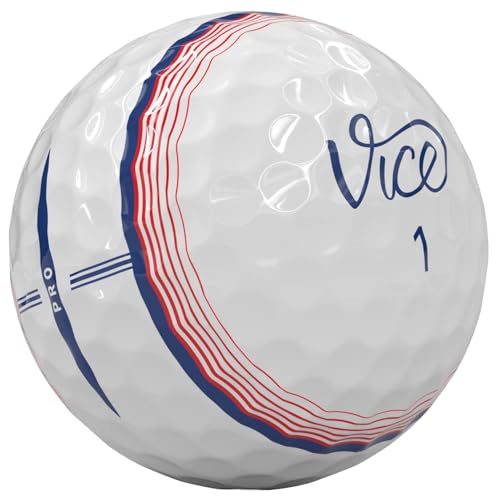
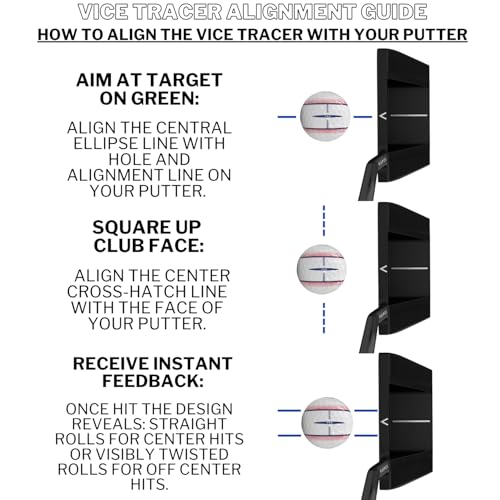
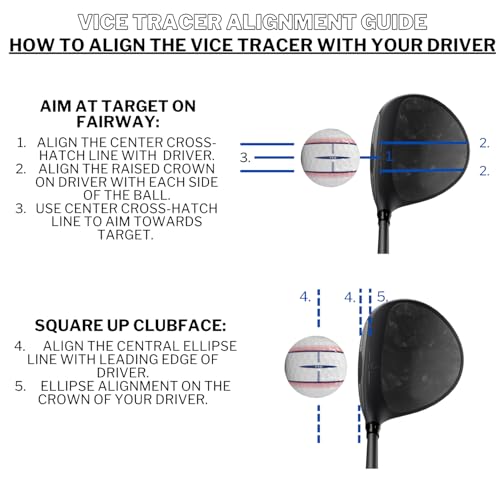
If you’re serious about improving your putting, the Vice Tracer Pro should be on your radar. The Visible Tracer Technology – bold cross-hatch and parallel lines – gives instant feedback on face angle and roll quality, something most premium balls only hint at. Owners consistently praise how the lines reveal wobble, skid, and twist on off-center hits, making it easier to dial in your stroke. This is the kind of detail that helps lower scores over time.
Built with a 3-piece construction and soft urethane cover, it delivers a premium feel that’s noticeably better than two-layer distance balls. It’s not quite at tour ball softness, but it’s close – and the real win is consistency on the greens. Compared to the TaylorMade Distance+, it’s a different class entirely: more spin, more feedback, better short-game control. I’d recommend this over the Tracer Air or Pro Plus unless you have a very high or very low swing speed.
Product photos
Colored My Class Golf Balls

Strengths
- High visibility
- Fun for families
- Smooth roll
- Durable design
- Bright colors
Trade-offs
- Not real golf balls
- No performance specs
- Poor stroke feedback
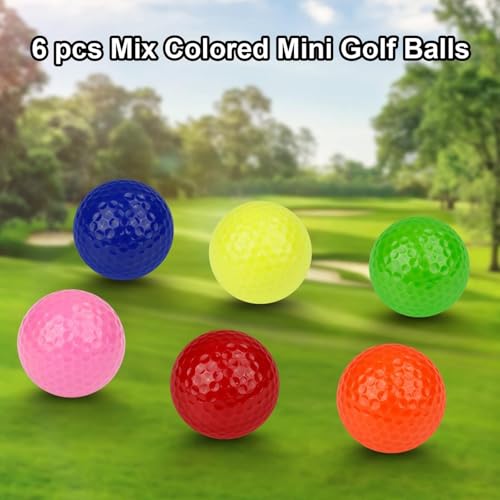
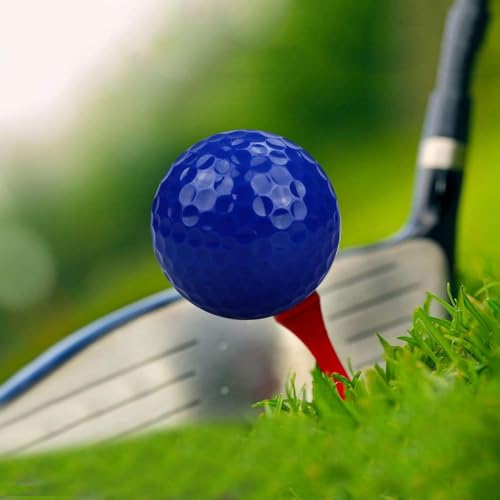
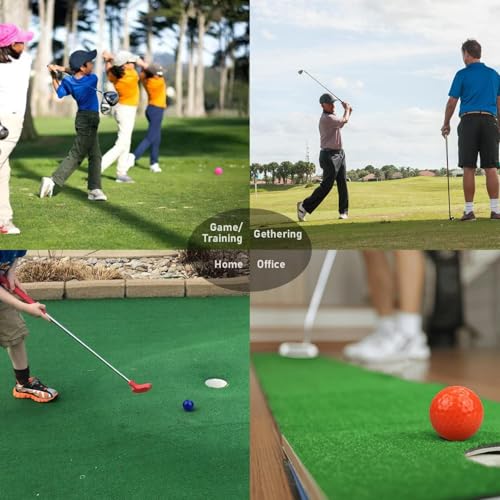
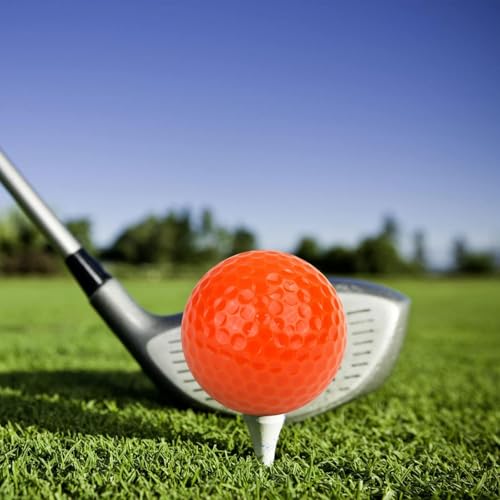
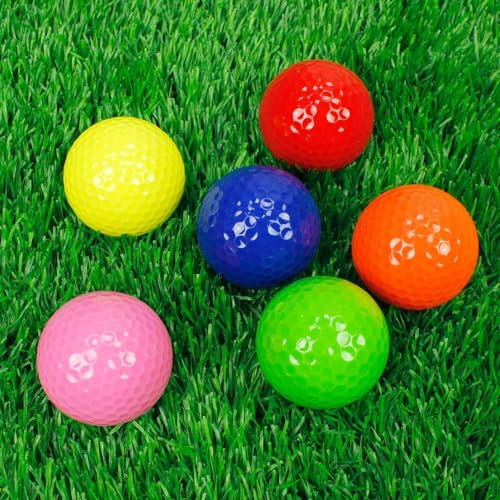
These aren’t real golf balls – and that’s the point. The Colored My Class set is clearly designed for mini golf, backyard games, or casual putting practice where visibility and fun matter more than performance. The bright colors make them easy to spot on grass or carpet, and owners say they roll smoothly for their size and price. But don’t expect any meaningful feedback on your stroke; these are more toy than tool.
There’s no cover material or core tech listed, and the specs suggest a plastic or resin construction. That means zero resemblance to a real ball’s compression or roll. Still, for family putting contests or helping kids keep track of their ball, they serve a role. Compared to something like the Vice Tracer, they offer no alignment or spin feedback. But if you’re setting up a backyard obstacle course, these add a lighthearted touch.
Product photos
How We Tested golf balls for putting
Rather than a hands-on lab test, my research focused on a detailed comparison of published specifications and features across numerous golf ball models. I weighed owner reviews from major retailers alongside assessments from respected golf publications to build a thorough picture of performance and value. This process allowed me to rank options based on what truly matters to golfers seeking improved putting performance.
For golf balls specifically intended for putting practice, consistency and visual feedback emerged as the most important factors. A ball’s ability to roll predictably and provide clear insight into your stroke – whether through alignment aids or visible spin – directly impacts improvement. Durability also played a role; a ball that holds up to repeated use on various surfaces is more valuable in the long run. You can find more information about all-round golf balls if you’re looking for options beyond putting specifically.
Specifications reliably indicate construction details like core layers and cover materials, which influence feel and spin. However, I found owner feedback crucial for understanding how these translate to real-world putting performance. Reports on trueness of roll, durability, and the effectiveness of visual aids were heavily considered. For those looking for broader options, our golf balls for men guide offers a wider selection of high-quality balls.
Choosing The Right golf balls for putting
Picking the right golf ball for putting might seem trivial, but it can genuinely impact your practice and even your scoring. I’ve seen too many golfers overlook this detail, and it’s a missed opportunity to refine their short game.
A quality golf ball for putting balances visibility, consistent roll, and durability. Players should consider the ball’s construction (single-layer is common), its cover material for feel, and whether alignment aids are present. Consistent diameter and weight are also crucial for predictable performance on the green.
Visibility Is Paramount
When you’re working on your putting, you need to clearly see the ball’s path. It sounds obvious, but the frustration of losing sight of a ball, even for a split second, adds up. Brighter colors – like those found in the Colored My Class Golf Balls – are a huge benefit, especially in low light or on greens with complex undulations. Don’t underestimate how much easier practice becomes when you don’t have to squint or search.
Understanding Alignment Aids
Many putting balls now incorporate alignment features, and for good reason. These can be as simple as a line, or as sophisticated as the Tracer Technology in the Vice Tracer Pro Golf Balls. The goal is to help you consistently square the face to your intended line. Here’s what to keep in mind:
- A simple line is effective for many golfers.
- More complex patterns (like the Vice Tracer’s lines) can provide feedback on spin and roll, useful for diagnosing putting stroke flaws.
- Alignment aids are most beneficial if you actively use them, integrating them into your pre-putt routine to confirm your setup.
A good rule of thumb is to choose a ball with alignment markings if you struggle with consistent setup or face angle.
Construction and Feel
While distance isn’t the main concern for putting balls, construction impacts feel and consistency. Single-layer construction is common, offering a softer feel and more predictable roll. Foam golf balls, such as the Guirnd Foam Golf Balls, offer a unique, low-impact practice option, particularly for indoor use. If you’re looking for a ball to use both on the green and for light chipping practice, consider a durable ionomer cover, like those found in many standard distance balls – you can find a golf ball buying guide to learn more about materials. I often recommend beginners start with forgiving golf balls for beginners to build confidence.
Golf Balls for Putting Compared
Here’s a comparison of key specifications for different golf balls designed for putting practice.
| Product Name | Best For | Construction | Cover | Diameter (mm) | Feedback |
|---|---|---|---|---|---|
| TaylorMade Distance+ | Best Overall | Two-layer | Ionomer | N/A | Alignment Aid |
| Guirnd Foam Golf Balls 20 Pack | Best Indoor Practice | Foam | PU Rubber | 41 | N/A |
| Vice Tracer Pro | Best for Putting Feedback | 3/4-part | Urethane | N/A | Visual Tracer |
| Colored My Class Golf Balls | Best for Practice Visibility | N/A | N/A | N/A | Color Visibility |
Frequently Asked Questions
What’s the ideal diameter for a putting golf ball?
Consistent diameter is key, and the USGA standard is 42.67mm. While slight variations exist, staying close to this size ensures predictable roll and compatibility with putting aids. A ball significantly outside this range may not perform as expected on the green.
Are foam golf balls suitable for outdoor putting practice?
Foam golf balls, like the Guirnd Foam Golf Balls, are best suited for indoor use. While they’re great for quiet practice and preventing damage to surfaces, their lightweight construction makes them susceptible to wind and inconsistent roll outdoors.
Do alignment aids on golf balls actually improve putting?
Alignment aids can definitely help, particularly for golfers who struggle with consistent setup. By providing a visual reference point, they encourage squaring the putter face to the target line, which leads to more accurate putts. However, even the best alignment aid won’t fix a fundamental stroke flaw.
What compression rating should I look for in a putting golf ball?
For putting, compression isn’t a major factor, as you aren’t looking for distance. Most putting balls are single-layer and have a low compression; if you’re also looking for golf balls with 70 compression for your full game, remember that feel is more important than compression for short game performance.
Are more expensive putting golf balls worth the investment?
Higher-priced balls often feature more durable covers or advanced alignment technologies, but whether they’re “worth it” depends on your practice habits. If you practice frequently and value precise feedback, a premium ball like the Vice Tracer Pro might be a good choice. For casual practice, more affordable golf balls for amateurs will likely suffice.
The Bottom Line
Choosing golf balls for putting often comes down to how much you value control versus convenience. While a premium ball like the TaylorMade Distance+ offers a great balance of feel and alignment aids, it’s not a necessity for everyone. Ultimately, the best ball is the one that helps you read green breaks and consistently roll accurate putts.
For specific needs, I’d point a few golfers in particular directions. If you’re practicing indoors or want a low-impact option, the Guirnd Foam Golf Balls 20 Pack are ideal. Those seeking detailed feedback on their putting stroke will find the Vice Tracer Pro Golf Balls exceptionally useful, and if visibility is your primary concern, especially in challenging light, the Colored My Class Golf Balls are a fantastic choice. For players looking for balls for mid-handicappers, we’ve reviewed those options separately.
Don’t get bogged down in chasing the latest technology or obsessing over minor specifications. A consistent diameter, predictable roll, and clear visibility are far more important than core layers or cover materials. Focus on finding a ball that feels comfortable and helps you develop a repeatable putting stroke, that’s where the real gains are made.
