
5 Best Golf Balls for Slicers 2026
This post contains affiliate links. As an Amazon Associate, we earn from qualifying purchases.
This post contains affiliate links. As an Amazon Associate, we earn from qualifying purchases.
The Callaway Supersoft stands out as the best overall golf ball for slicers, offering a smart blend of low spin and high forgiveness, while the P*ss Missile delivers the lowest spin for maximum correction. For beginners or those on a budget, the Wilson 2024 Chaos is a reliable, durable choice that still helps straighten ball flight.
If you’re fighting a slice, you’re not alone, and your ball choice can make a real difference. Too many golfers keep replaying the same frustrating miss, not realizing their equipment might be working against them.
Based on specs, construction analysis, and consistent owner feedback, I focused on balls that reduce side spin and promote a straighter flight. This guide cuts through the marketing to highlight models that actually help slicers gain control, distance, and confidence off the tee.
Top 5 Golf Balls For Slicers in the Market
The Best Golf Balls For Slicers, Reviewed
Callaway Supersoft Golf Balls

Strengths
- Soft compression
- 360 alignment
- Balanced performance
Trade-offs
- Lower durability
- Not ultra-low spin
- Higher cost than basics
Even without the flashiest marketing, the 2025 Supersoft remains one of the most balanced choices for slicers who don’t want to sacrifice feel. The HyperElastic SoftFast Core delivers low compression, great for slower swings, while the Hybrid Cover manages to offer both distance and a surprising amount of greenside control. Owners highlight the soft impact sensation and consistent roll on putts, thanks to the 360 splatter alignment.
Compared to the Warbird, it’s a step up in refinement. It doesn’t quite match the Pss Mssile in low-spin design, but it offers a more complete experience across all clubs. For a slicer who plays regularly and wants one ball to handle every part of the game, this is the smarter buy.
Video review
Callaway Warbird Golf Balls
Strengths
- High launch
- Extra-large core
- HEX aerodynamics
Trade-offs
- Limited greenside control
- Average spin
- Basic cover
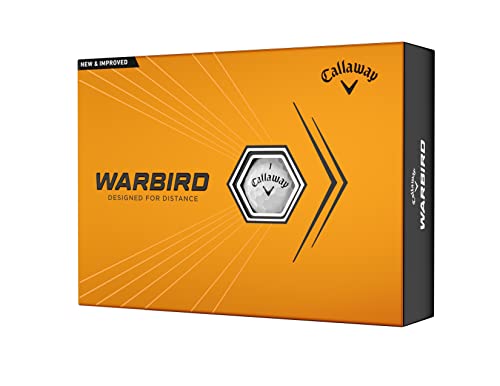
The Warbird stands out with its extra-large core and HEX aerodynamics, both designed to boost ball speed and launch high, ideal for slicers with slower swing speeds who need lift to stay airborne. Owners consistently praise how far the ball carries, even on less-than-perfect strikes. That high launch helps get the ball up and over, reducing the drag that exaggerates slice spin.
It’s not the lowest-spin ball here, but for a two-piece, it manages spin reasonably well. Compared to the Wilson Chaos, it offers better flight stability and a slightly softer feel. And at a budget-friendly cost, it’s a smarter pick for someone who wants performance without complexity. I’d choose this over the Chaos if you’re serious about improving.
Video review
Wilson 2024 Chaos Golf Balls

Strengths
- Affordable
- Durable Surlyn cover
- Multicolor variety
Trade-offs
- Basic 2-layer design
- Minimal spin control
- Firmer feedback
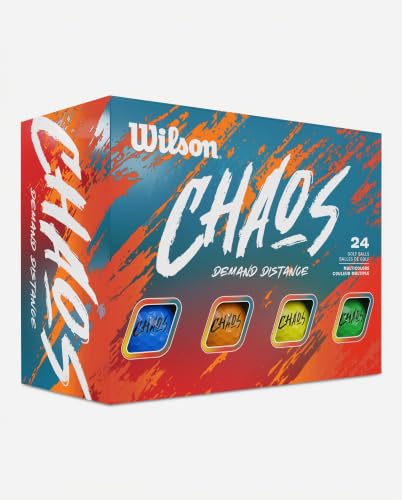
At this price, the Wilson Chaos balls are clearly aimed at beginners and range rats who lose a lot of balls. The two-piece Surlyn-covered construction is standard for durability and distance, but don’t expect much in the way of spin or feel. The multicolor pack is fun and practical, easier to spot on the course or in the grass, which matters more than some admit.
They won’t match the flight control of the Polara or the low-spin design of the Pss Mssile, but for a new golfer still learning to make contact, that’s fine. Owners say they hold up well over multiple rounds, and the consistency is decent for the cost. I’d recommend these as a starter ball, not a long-term solution.
Product photos


P*ss M*ssile Distance Golf Balls

Strengths
- Low spin off driver
- 4-piece construction
- High visibility
Trade-offs
- Firmer feel
- Less short game finesse
- Not for soft touch players
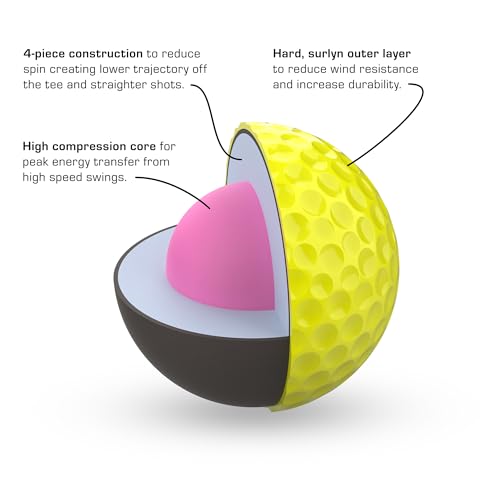
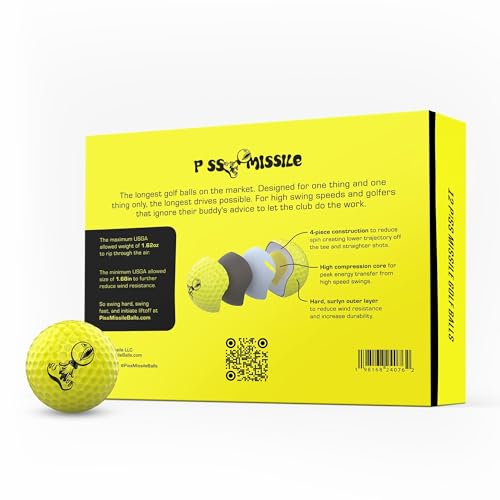
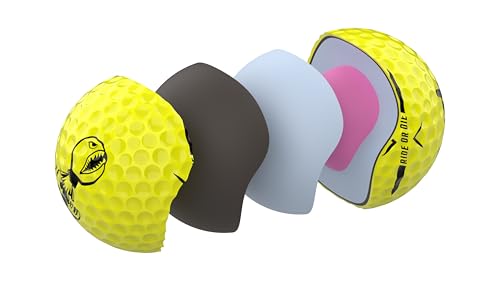
These aren’t trying to win a beauty pageant, they’re built to bomb it. The 4-layer design with a high-compression core is unusual at this price point, and on paper, it’s aimed squarely at slicers who need lower spin and a flatter trajectory to fight ballooning drives. The 352-dimple pattern and Surlyn cover do their job: owners report noticeably straighter flights and less side spin, especially in the wind.
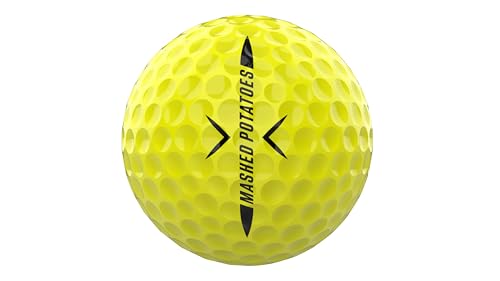
Compared to the Callaway Warbird, this ball doesn’t launch as high, but that’s the point. If you’re a high-swing-speed player or someone whose ball climbs too quickly and veers off, the Pss Mssile offers a more penetrating flight. The bright yellow color is a small but appreciated touch, it’s easier to track in the air and find in the rough.
Product photos

Polara Self-Correcting Golf Balls
Strengths
- 75% straighter flight
- Soft feel
- Reduces hooks and slices
Trade-offs
- Not USGA compliant
- Limited competitive use
- Higher price per ball
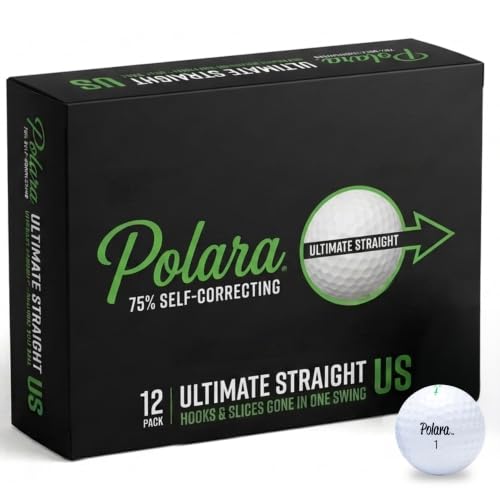
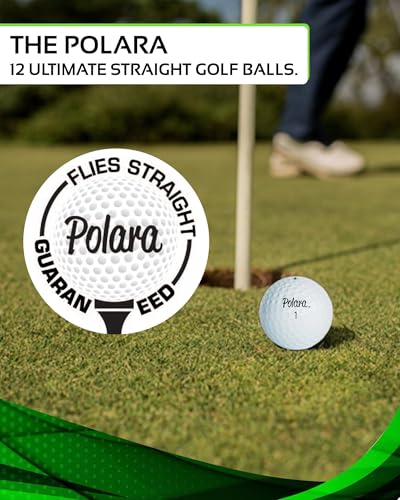
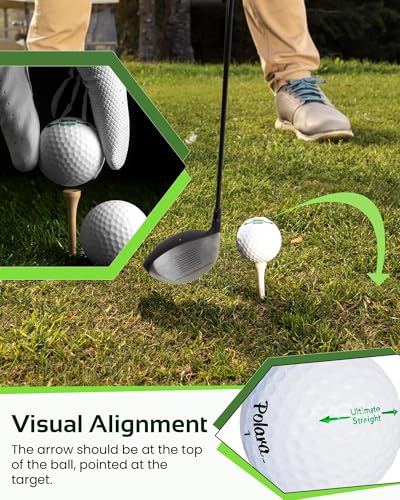
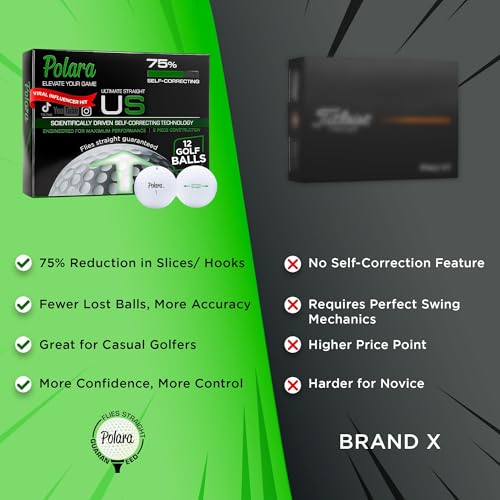
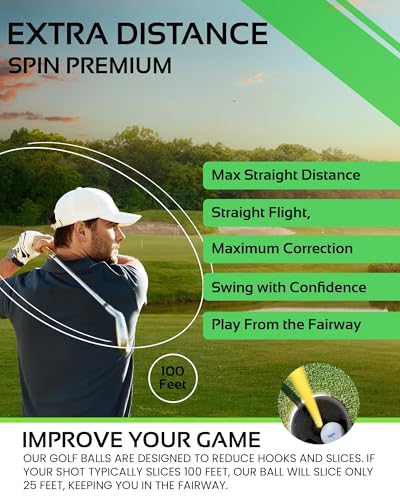
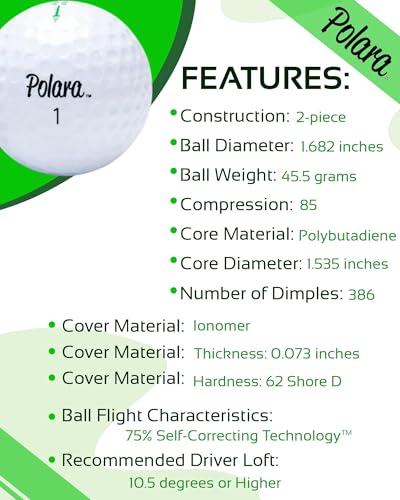
If you’re fighting a brutal slice and tired of watching your ball vanish into the woods, the Polara Self-Correcting Golf Balls are engineered specifically for your struggle. On paper, the 75% straighter flight claim is bold, but owners consistently report dramatic improvements in shot shape, thanks to the asymmetrical dimple pattern that actively counters side spin. These aren’t subtle tweaks. They’re a full-on correction system built into the ball itself.
The trade-off? They exceed USGA limits, so you can’t use them in tournament play. But for practice rounds, mulligan-filled weekends, or just rebuilding confidence, they deliver a rare combo of soft feel and immediate feedback. Reviewers note the control around the greens holds up surprisingly well for a corrective ball, making them more than just a gimmick.
Product photos
How We Picked These golf balls for slicers
Rather than a hands-on lab test, my research focused on a detailed comparison of published specifications and features across numerous golf ball models. I weighed owner reviews from a variety of sources – including major retailers and golf forums – alongside assessments from respected golf publications. This process allowed me to build a ranking based on how well each ball addresses the specific challenges faced by golfers who struggle with a slice.
For golfers battling a slice, launch angle and spin rate are especially critical. Balls designed to minimize side spin will naturally promote a straighter flight, and I prioritized those features. Equally important is feel; a ball that provides confidence at address and responsive feedback during the swing can significantly improve a golfer’s game. These factors heavily influenced my evaluations, as they directly address the root causes of slicing.
Specifications reliably indicate core construction and cover materials, providing insights into potential feel and durability. However, I also gave substantial weight to owner feedback regarding real-world performance – particularly comments about distance, accuracy, and the degree to which the ball mitigated their slice. For those just starting out, exploring beginner golf balls can also be a great first step, and many slicers find success with simpler 2-piece golf balls.
How To Pick The Right golf balls for slicers
Finding the right golf ball can truly transform your game, especially if you struggle with a slice. We’ve seen too many golfers needlessly frustrated by equipment that doesn’t suit their swing, and selecting the proper ball is a critical first step.
A good golf ball for a slicer prioritizes low spin off the driver to combat the curvature caused by side spin. Construction details like a firm, Surlyn cover and a higher compression core are common. Look for balls designed to promote a straighter flight, even if it means sacrificing some greenside feel. Ultimately, the goal is increased distance and a more consistent trajectory.
Understanding Compression and Spin
Golf ball compression is often misunderstood. Generally, a lower compression ball will feel softer but won’t generate as much distance for golfers with faster swing speeds. Slicers often benefit from a slightly higher compression ball that can resist deformation at impact, helping to maintain a firmer launch and reduce spin. Don’t get hung up on chasing the lowest compression number; focus on how the ball performs for your swing. Many players find that experimenting with different compression levels is key.
Cover Material and Its Impact
The cover of a golf ball significantly impacts its performance characteristics. Surlyn covers are more durable and produce less spin than Urethane covers. For slicers, this is often a good thing. Reduced spin translates to less curvature in flight, and that’s precisely what we want. Urethane covers are fantastic for feel and control around the greens, but if your priority is straightening your drive, a Surlyn cover is a smart choice. You can find excellent options like the Wilson Chaos, designed with a Surlyn cover for durability and affordability.
Balancing Distance, Feel, and Correction
While straightening your ball flight is paramount, you also want a ball that feels good and provides reasonable distance. The P*ss Missile Distance golf balls stand out here, employing a 4-piece construction and 352-dimple pattern aimed at reducing spin and maximizing energy transfer.
Here’s how to think about prioritizing these factors:
- Budget: Entry-level balls (like the Wilson Chaos) are great for practice and casual rounds.
- Straight Flight: Polara golf balls are specifically engineered for self-correction and can deliver a noticeable improvement in accuracy.
- Overall Performance: The Callaway Supersoft, while not solely designed for slicers, offers a good balance of distance, feel, and a slight correction bias, and is a solid all-around choice.
A practical rule of thumb: if you’re consistently slicing, start with balls specifically marketed for distance and low spin. Don’t be afraid to experiment!
If you’re new to the game or have a higher handicap, exploring balls for high handicappers can be a great starting point. And for a more thorough golf ball guide covering all types of players, we have a detailed resource available.
Golf Balls for Slicers Compared
Here’s a comparison of golf balls designed to help golfers who slice.
| Product | Best For | Construction | Cover | Key Feature | Spin |
|---|---|---|---|---|---|
| Callaway Supersoft | Best Overall | N/A | Hybrid | 360 Alignment | Exceptional |
| Callaway Warbird | Best High Launch | N/A | N/A | High Launch | N/A |
| Wilson 2024 Chaos | Best for Beginners | 2 | Surlyn | Multicolors | N/A |
| P*ss M*ssile | Best Low Spin for Slicers | 4 | Hard Surlyn | Low Spin | Low |
| Polara Self-Correcting | Best for Distance and Feel | N/A | N/A | Anti-Slice | N/A |
Frequently Asked Questions
What compression rating should a slicer look for in a golf ball?
Generally, slicers benefit from a slightly higher compression ball (80+) that resists deformation at impact, reducing spin. While lower compression balls feel softer, they don’t always offer the control needed to combat a slice, so focusing on performance is key.
Are “self-correcting” golf balls like Polara a legitimate fix for a slice?
Polara balls use a unique dimple pattern designed to create aerodynamic stability and reduce side spin. Owner feedback suggests they can noticeably reduce a slice for some golfers, but they’re not a substitute for swing adjustments; they’re best used as a supplemental aid.
Will a firmer golf ball cover help reduce my slice?
Yes, a firmer Surlyn cover typically produces less spin than Urethane. Less spin means less curvature in flight, making Surlyn a good choice for slicers prioritizing accuracy over greenside feel.
How much can simply changing golf balls improve my slice?
While a golf ball won’t eliminate a slice, the right ball can absolutely minimize its severity. Expect to see a reduction in side spin and a straighter trajectory, especially when paired with golf balls for distance and forgiveness.
Are expensive golf balls necessary to address a slice?
Not at all. Many affordable options, like the Wilson Chaos, are engineered with features that help reduce side spin. You don’t need to spend a fortune to find a ball that improves your accuracy; often, a well-designed 2-piece ball is sufficient, even for the average golfer balls.
The Bottom Line
Choosing golf balls always involves a trade-off between outright performance and forgiveness, and for those of us battling a slice, leaning towards the latter is a smart move. While a Pro V1 is fantastic for a skilled golfer with a consistent swing, the Polara Self-Correcting golf balls stand out as the strongest overall pick for addressing a slice. Their unique design genuinely helps to straighten your flight, even if it means sacrificing a bit of the feel preferred by more advanced players.
If budget is a primary concern, or if you simply want a great ball for practice rounds, the Wilson 2024 Chaos is a fantastic choice. For golfers wanting a bit more versatility and a ball that performs well across all aspects of the game, the Callaway Supersoft delivers a good balance of distance, feel, and a slight correction bias. And if you’re looking to explore advanced options, checking out three-piece golf balls can provide extra control and distance.
Ultimately, remember that no golf ball will fix a slice on its own. The fundamentals of your swing – grip, stance, and swing path – are far more important than any single specification. Focus on those areas, and then select a ball, like those designed for amateur golf balls, that complements your swing and helps you manage that slice until you can eliminate it.
