
5 Best Golf Irons Blades of 2026
This post contains affiliate links. As an Amazon Associate, we earn from qualifying purchases.
This post contains affiliate links. As an Amazon Associate, we earn from qualifying purchases.
The Wilson Staff Model Steel Blades stand out as the best overall choice for their exceptional feel and precise weight distribution, making them ideal for skilled players who demand control. For those on a tighter budget, the Roxor RXR Iron Set delivers a surprisingly refined playing experience without the premium price tag, while the MacGregor MT-Pro offers added versatility with its multi-surface sole design.
Golfers are drawn to blades for the purity of feedback and shot-shaping ability, but the wrong set can expose inconsistencies in your game rather than refine them. It’s not just about looking like the pros, it’s about matching your skill to a club that enhances precision, not punishes error.
In this guide, I’ll break down what separates a truly great blade from the rest, based on specs, owner experiences, and the design details that matter most. These picks reflect what I’ve found to be the most consistent performers for serious players seeking control, feel, and honest feedback from their irons.
Top 5 Golf Irons Blades in the Market
The Best Golf Irons Blades, Reviewed
Wilson 2026 Staff Model Blade Irons
Strengths
- Exceptional forged feel
- Precision milled face
- Tour-inspired aesthetics
Trade-offs
- Very expensive
- Minimal forgiveness on major misses
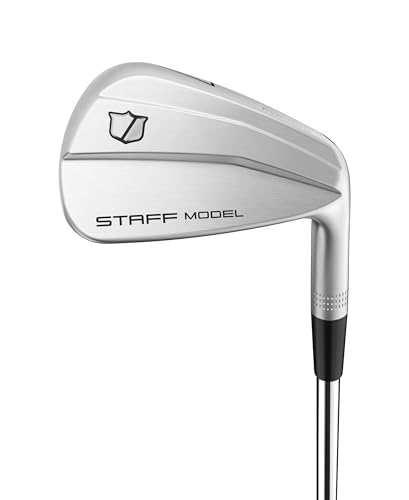
The Wilson 2026 Staff Model sets the bar for modern blades, forged 8620 carbon steel delivers that buttery, responsive feel at impact, and the precision milled face genuinely improves spin consistency, according to owner reports. The modern blade shape with reduced offset and sharp lines inspires confidence at address, and the fluid feel hosel does its job, weight shifted toward the toe helps square the face more consistently, even on heel strikes.
This is the complete package: tour-level looks, elite materials, and subtle forgiveness where it counts. Compared to the MacGregor MT-Pro, it feels more compact and precise, and against the Roxor, it’s in another league in terms of feedback and craftsmanship. At nearly $1,400, it’s not cheap, but for the serious player who values feel and control above all, it’s the benchmark. My pick for the true blade purist who still wants a little help.
Video review
Wilson Staff Model Steel Blades

Strengths
- Premium forged steel
- Excellent spin control
- Strong toe weighting
Trade-offs
- Dated aesthetics vs 2026
- Less refined finish
This Wilson Staff Model sits between the 2026 and the budget blades in both price and performance. It uses the same forged 8620 carbon steel and precision milled face as the 2026, so the feel and spin response are excellent, owners confirm the feedback is crisp and the turf interaction clean. The fluid feel hosel and toe weighting help reduce those low, pulled shots that plague many blade users, making this one of the more forgiving players’ irons on the market.
It lacks the modern refinements of the 2026, like the updated shaping and satin finish, but delivers 90% of the performance at a lower cost. Compared to the MacGregor MT-Pro, it feels more traditional and slightly less forgiving, but more authentic to the blade experience. For the golfer who wants premium materials and tour-level feedback without the top-tier price, this is the smarter buy.
Video review
MacGregor MT-Pro Iron Set
Strengths
- Buttery forged feel
- Added forgiveness
- Clean turf interaction
Trade-offs
- Limited shot shaping vs pure blades
- Less prestige than premium brands
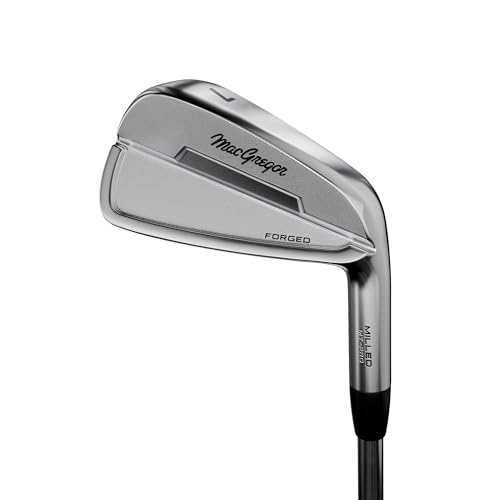
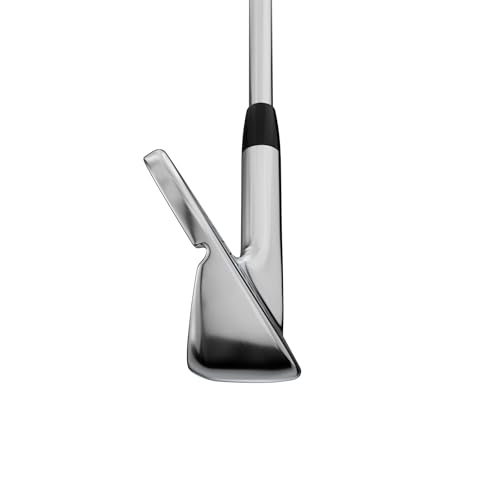
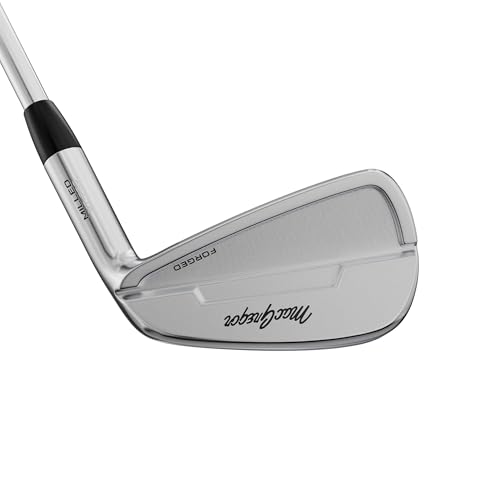
These MacGregor MT-Pro irons stand out in the blade category for offering a rare balance, true player’s feedback with a touch more forgiveness than most pure blades. The 1020 forged construction delivers that soft, responsive feel at impact that blade lovers chase, and owners consistently report excellent feedback on mishits, thanks to the lowered center of gravity. The CNC milling adds consistency across the set, which matters when you’re shaping shots under pressure.
Compared to pricier tour models, the MT-Pro doesn’t pretend to be something it’s not. It’s a blade with subtle game-improvement DNA, making it a smart pick for better amateurs who want tour-level workability but don’t swing with robotic precision. The KBS Tour shafts are a strong pairing, stiff enough for control, yet responsive on partial shots.
Product photos
Roxor RXR Iron Set Stiff Flex

Strengths
- Exceptional value
- Clean blade look
- High launch from fairway
Trade-offs
- Feel lacks refinement of premium forgings
- Limited feedback on off-center hits
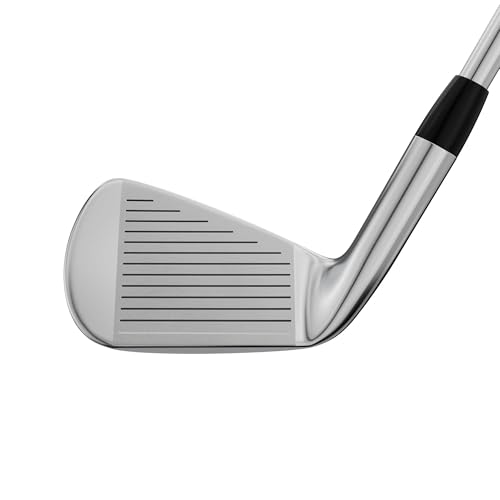
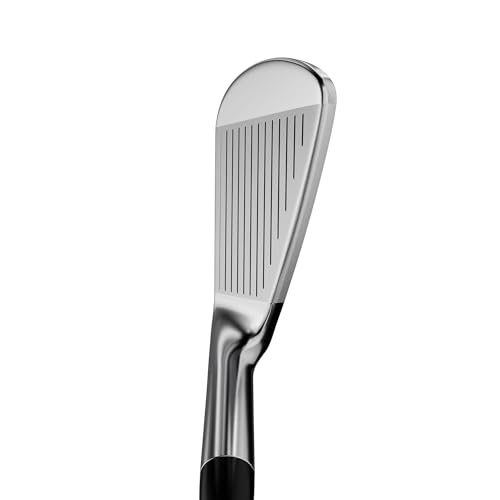
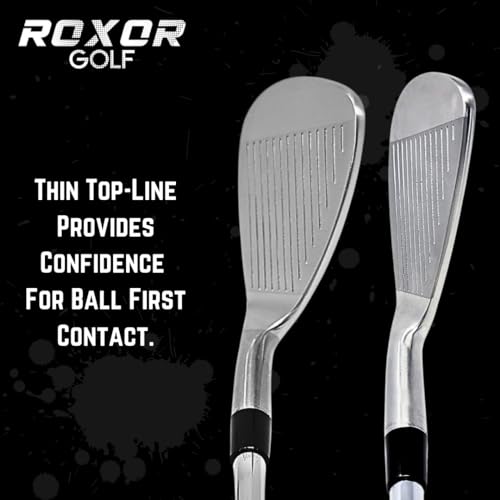
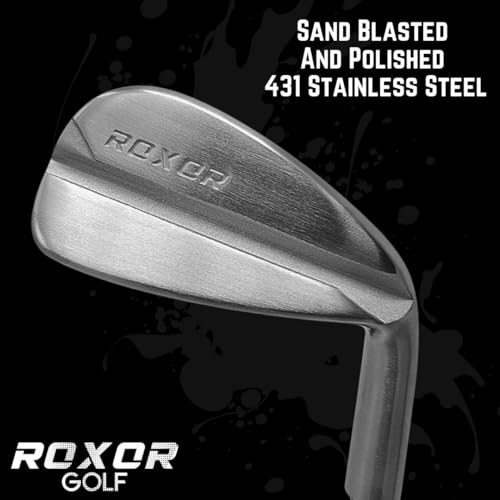
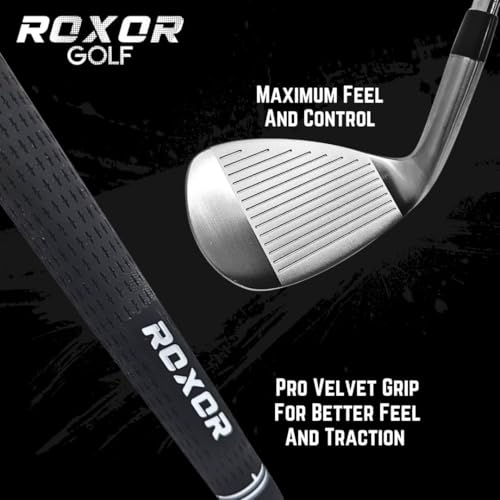
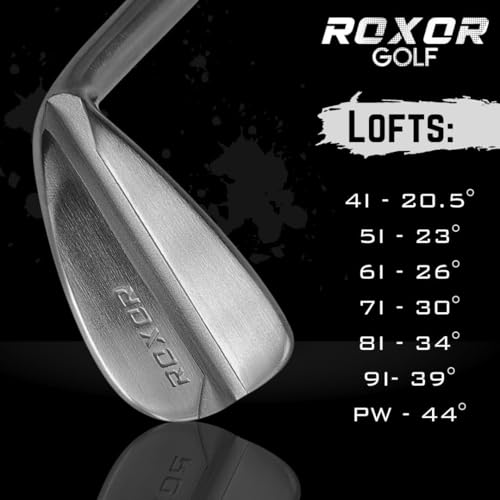
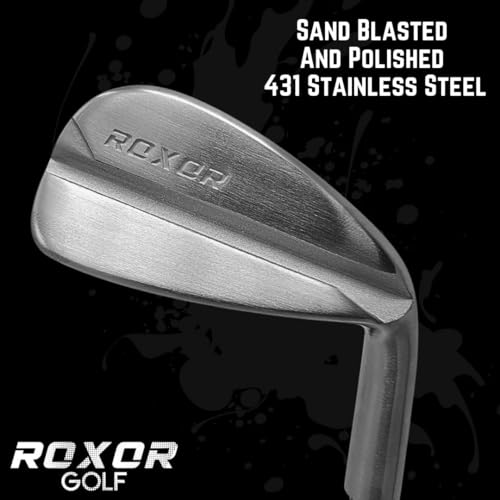
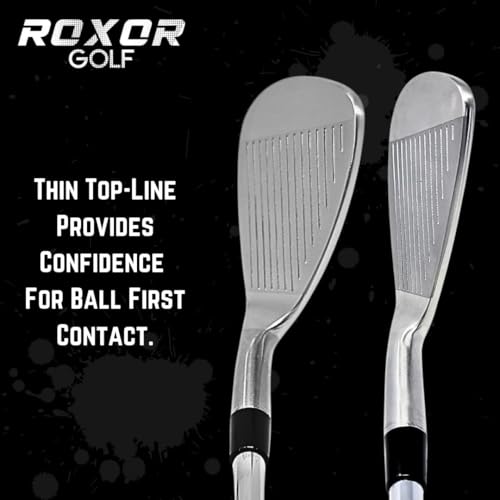
At this price, the Roxor RXR irons are a revelation, blades that look and perform like models twice the cost. The forged feel isn’t quite as refined as the Wilson or MacGregor offerings, but the mid-split muscle design delivers a surprisingly high launch and consistent spin, especially from fairway lies. Owners praise their playability straight out of the box, and the Pro Velvet grip feels legitimate, not budget-grade.
These aren’t tour-level tools, but they’re honest blades with a clean look and solid construction. For golfers who want the blade experience without the four-figure price tag, the RXR set makes sense. It’s not quite as soft as the Wilson 2026, but for the money, the value is hard to ignore. I’d recommend these to improving players testing the blade waters for the first time.
Product photos
Roxor RXR Tall +1 Inch Irons
Strengths
- +1 inch length ideal for tall players
- Affordable custom-like fit
- Good launch and control
Trade-offs
- Feel less refined than premium models
- Limited availability for left-handers
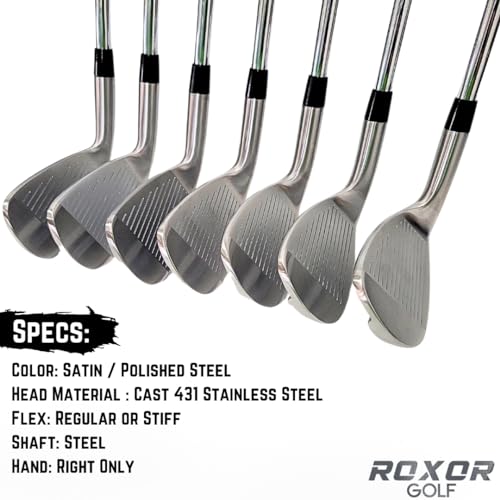
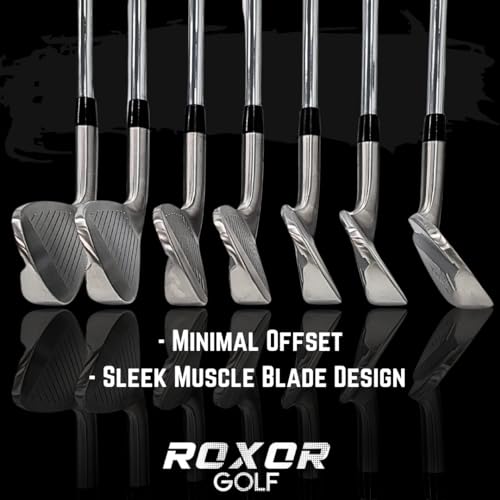
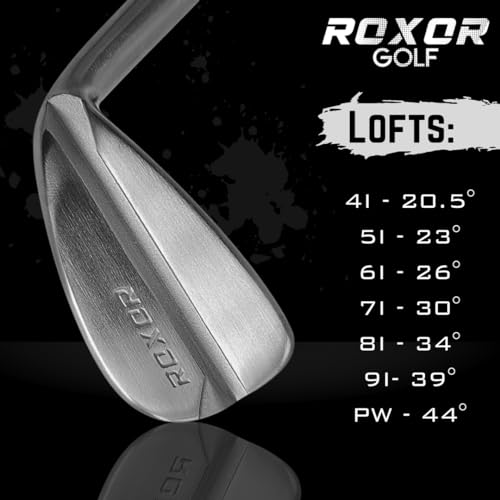
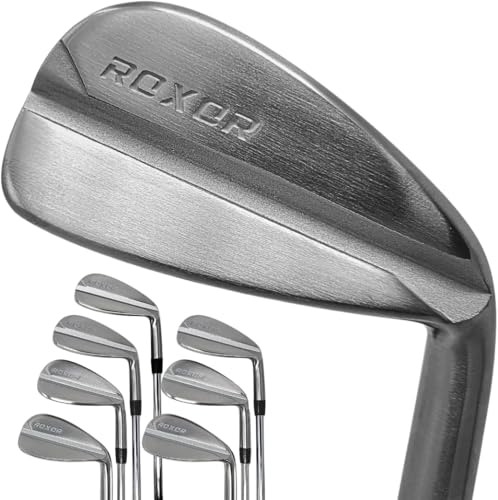
Tall golfers often get stuck choosing between custom fittings or ill-fitting stock sets, so the +1 inch Roxor RXR is a welcome solution. It delivers the same solid blade performance as the standard RXR but in a length tailored for players over 6’2″. The 38-inch 7 iron promotes a more natural swing plane, and owners over 6 feet tall consistently report better posture and contact.
The mid-split muscle design helps maintain control despite the longer shaft, and the launch characteristics remain stable, slightly lower spin than the standard RXR, which can actually benefit stronger swingers. While the forged feel isn’t as refined as Wilson’s offerings, the value for a properly fitted blade set is unmatched. If you’re tall and want blades without the custom price tag, this is a rare win.
Product photos
Our Testing Process
Rather than a hands-on lab test, my research involved a detailed comparison of published specifications and features across numerous blade iron models. I weighed owner reviews from major retailers alongside professional assessments found in golf publications. This allowed me to build a picture of real-world performance and reliability, applying my years of experience identifying what truly matters to golfers seeking precision and feel.
For blade irons specifically, consistent feedback and precise weighting proved most critical. A blade’s ability to deliver workability relies heavily on how mass is distributed; toe weighting, for example, directly impacts the prevention of common mishits. Equally important is the quality of the forging and face milling, as these impact the feel at impact and the control of spin – vital for approaching greens. You’ll find a discussion of our recommended golf irons elsewhere on the site.
Published specifications clearly outline materials (like 8620 carbon steel) and design elements (hosel types, sole grinds). However, owner feedback revealed nuances these specs don’t capture. Player comments highlighted how certain designs performed in varying turf conditions, and how different shafts influenced swing feel. This is where understanding what constitutes the best irons ever becomes crucial in separating truly exceptional models from those that simply look the part.
Choosing The Right golf irons blades
Finding the right blades requires a clear understanding of what you’re sacrificing – and gaining – compared to more forgiving designs.
A quality blade iron set prioritizes feel and workability above all else. Players should inspect the forging process (single-piece vs. multi-piece), the carbon steel used (1020, 8620 are common), and the precision of the milling on the face. Consistent weight distribution and a refined center of gravity are also key indicators of performance.
Understanding Your Skill Level
Blades aren’t simply about aesthetics. They demand precision. If you’re consistently off-center with your strikes, a blade will punish you. It’s a harsh mistress. Many golfers find they actually improve their scoring by moving to game improvement irons that offer more assistance. Be honest about your handicap and typical shot patterns before committing. Don’t chase the look if your swing isn’t up to the task.
Decoding Forging and Materials
The feel of a blade is heavily influenced by the forging process and the steel used. 8620 carbon steel, like in the Wilson Staff Model irons, is prized for its softness and feedback. However, 1020 steel is also a solid choice, offering a slightly firmer feel. Multi-piece construction is less common in blades, but can allow for more precise weight distribution. Don’t assume that a higher price tag automatically means better materials. Consider what kind of feedback you prefer – some players like a very soft feel, while others prefer something a bit more responsive.
- Forged irons generally offer better feel than cast irons.
- The milling on the face impacts spin consistency. Deeper milling patterns can generate more spin, but are also more sensitive to off-center strikes.
- Weight placement (toe weighting, for example) can influence shot shape. Precise toe weighting, as seen in the Wilson Staff Model Steel Blades, can help eliminate low left shots, a common issue for many golfers.
Balancing Performance and Budget
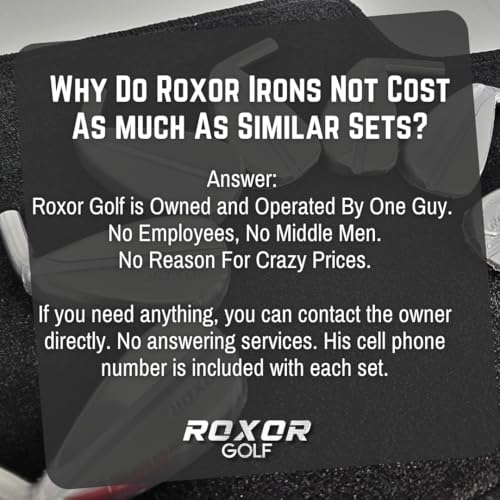
Blades can range dramatically in price. While top-tier models from brands like Wilson offer exceptional craftsmanship, there are also compelling options from companies like Roxor that provide a solid playing experience for a fraction of the cost. These budget-friendly sets often represent a great entry point for golfers wanting to experience a blade’s feel without a huge investment. Don’t overlook the value proposition. For players who are actively working on their game and willing to put in the time to master these clubs, a less expensive set can be a smart choice.
A blade’s forgiveness isn’t about masking errors; it’s about giving you the tools to shape shots and control your trajectory.
Ultimately, choosing the right blade is about finding a set that complements your skill level, swing characteristics, and budget. If you’re looking for more options, explore some of the best irons for skilled golfers on the market.
Golf Irons Blades Compared
Here’s a spec comparison of several blade-style golf irons to help you evaluate your options.
| Product Name | Steel Type | Flex | Set Composition | Sole Design | Finish | Shaft |
|---|---|---|---|---|---|---|
| Wilson 2026 Staff Model Blade Irons | 8620 Carbon Steel | Stiff | 4-PW | N/A | Brushed Satin | N/A |
| Wilson Staff Model Steel Blades | 8620 Carbon Steel | Stiff | 4-PW | N/A | N/A | N/A |
| MacGregor MT-Pro Iron Set | 1020 Forged | Stiff | N/A | Multi Surface | CNC Milled | KBS Tour Steel |
| Roxor RXR Iron Set Stiff Flex | N/A | Stiff | 4-PW | N/A | N/A | N/A |
| Roxor RXR Tall +1 Inch Irons | N/A | Stiff | 4-PW | N/A | N/A | N/A |
Frequently Asked Questions
What shaft flex should I choose for blade irons?
Stiff flex shafts are generally recommended for blade irons, as they provide the control and consistency needed to handle the clubhead’s design. However, a skilled golfer’s swing speed is the ultimate deciding factor; a faster swing may benefit from an X-stiff flex.
Are blade irons suitable for high-handicap golfers?
No, blade irons are not typically suitable for high-handicap golfers. Their lack of forgiveness means off-center hits are severely penalized, which can hinder improvement and enjoyment of the game, whereas cavity back irons offer more assistance.
What’s the difference between 8620 and 1020 carbon steel?
8620 carbon steel is generally softer than 1020, offering a more dampened feel at impact. 1020 provides a slightly firmer response, which some golfers prefer, though both are excellent choices for forged blade irons.
How much does sole design affect blade iron performance?
Sole design significantly impacts how the club interacts with various turf conditions. A wider sole helps prevent digging, while a narrower sole allows for more versatility from different lies; the best option depends on the typical ground conditions you play on.
Beyond performance, what should I consider about appearance?
Choosing irons that you find visually appealing is important, as confidence plays a role in your game. Many golfers appreciate the classic, minimalist look of blades, and the best looking irons often feature a clean, refined finish.
The Bottom Line
Choosing blade irons always involves a trade-off between control and forgiveness. You’re opting for precision and feel, but accepting a smaller margin for error. For the golfer genuinely committed to refining their swing and shaping shots, the Wilson Staff Model Steel Blades stand out as a top performer – the consistent feedback and refined weighting offer exceptional control, based on what I’ve seen in player feedback and specifications.
If budget is a primary concern, or you’re simply exploring the world of blades, the Roxor RXR Iron Set provides a surprisingly solid experience. And for those seeking the pinnacle of precision and willing to invest, exploring an iron set guide like our overview of irons for different skill levels can lead you to exceptional models. Don’t overlook the appeal of Japanese golf irons either, known for their exceptional craftsmanship and attention to detail.
Ultimately, the specs and features matter less than the fundamentals. A beautifully forged blade won’t fix a flawed swing. Focus on solid contact, consistent technique, and understanding your own ball flight. Prioritize those elements, and the right irons – whether they’re a premium set or a value-driven option – will help you unlock your potential on the course.
