
8 Best Golf Rangefinders of 2026
This post contains affiliate links. As an Amazon Associate, we earn from qualifying purchases.
This post contains affiliate links. As an Amazon Associate, we earn from qualifying purchases.
The Bushnell Tour V7 Shift is the best overall golf rangefinder for serious players, combining elite accuracy with advanced slope technology. For golfers on a budget, the Callaway 300 Pro Slope delivers reliable performance at a much lower price. If you need maximum range and modern features like USB-C charging, the SILLAID 1200Y is a strong value pick.
As a golf traveler who’s played courses from St. Andrews to Scottsdale, I know how much elevation changes and long desert holes can wreck your club selection. A bad distance read leads to bad shots, and that’s why having a trustworthy rangefinder matters.
This guide cuts through the marketing noise to focus on what actually helps on the course, real accuracy, fast target locking, and features that make sense for your game. I compared specs, analyzed owner feedback, and evaluated performance across price tiers to find the models worth your attention.
Top 8 Golf Rangefinders in the Market
The Best Golf Rangefinders, Reviewed
Bushnell Pro X3+ Link Rangefinder

Strengths
- Wind and temp compensation
- LINK integration
- IPX7 waterproof
Trade-offs
- Very high price
- App required for full features
- Heavier than compact models
If money’s no object, the Pro X3+ LINK is the rangefinder to beat. It’s not just about 7x magnification or 600+ yard flag accuracy, this unit integrates real-time wind speed and direction via app, adjusts for temperature and altitude, and lets you set a home elevation baseline. That level of environmental compensation is unmatched.
Owners consistently highlight the LINK integration with launch monitors, which tailors club suggestions to your actual swing data, this is next-level course management. The IPX7 waterproofing and rubber-armored body make it tour-tough, and the built-in BITE magnet is convenient. Yes, it’s the most expensive here, but for players who treat golf like a data sport, it’s the smartest buy.
Video review
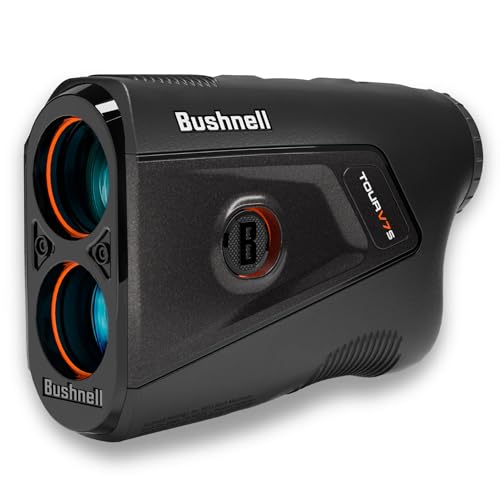
Bushnell Tour V7 Shift Rangefinder
Strengths
- Dual-color OLED display
- LINK compatibility
- PinSeeker with JOLT
Trade-offs
- High price
- Larger size
- Uses CR2 battery
The Tour V7 Shift is where Bushnell flexes its engineering muscle. The dual-color OLED display, red for actual distance, green for slope-adjusted, is a standout for quick club selection. Combined with PinSeeker with Visual JOLT, it locks onto flags fast and confirms with a pulse, a feature widely praised by owners for confidence on fast-paced rounds.
Its LINK technology pairs with launch monitors to offer personalized club suggestions, which I find especially useful for course management. At nearly $400, it’s expensive, but it’s not just a rangefinder, it’s a data tool. Compared to the A1-Slope, it’s bulkier, but you’re paying for richer feedback and pro-level responsiveness. If you track your game seriously, this is the kind of edge that pays off over a season.
Video review
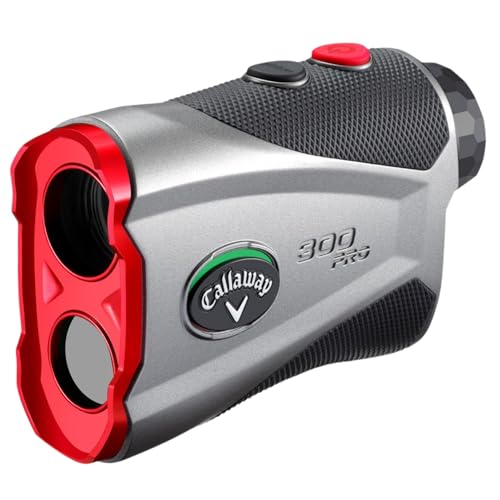
Callaway 300 Pro Slope Rangefinder
Strengths
- 6x magnification
- Slope on/off switch
- Magnetic cart mount
Trade-offs
- No rechargeable battery
- Older battery type
- Bulkier design
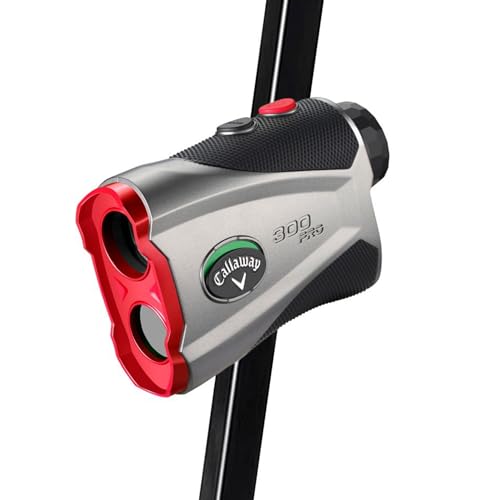
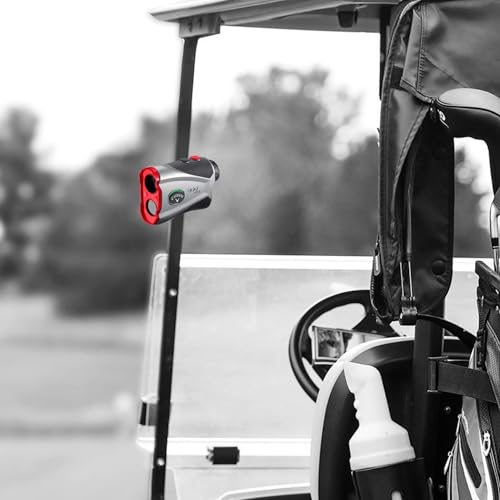
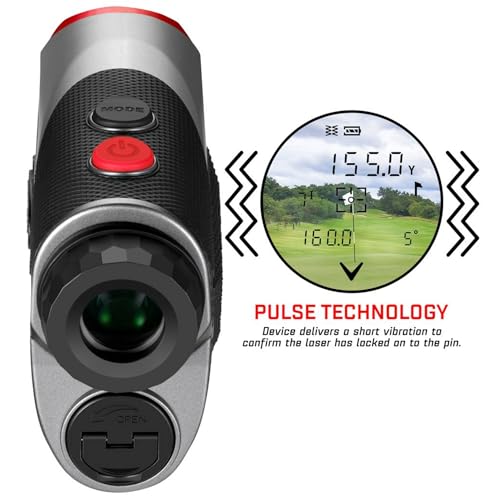
The Callaway 300 Pro hits a sweet spot for golfers who want solid performance without stretching into premium pricing. On paper, it delivers what most weekend players need: 6x magnification, solid 5–1000 yard range, and slope adjustment with a physical toggle that makes it tournament-legal. Owners consistently report reliable pin acquisition up to 300 yards, and the Pin-Locking Technology with vibration feedback helps eliminate guesswork on tricky holes.
I’d rank this as a dependable mid-tier option, especially if you value the magnetic cart mount and included hard case. It doesn’t have the flashiest lens or fastest processing, but it’s built on proven tech. Compared to newer budget models, it lacks USB-C charging and a rechargeable battery, which feels like a missed opportunity at this price.
Product photos
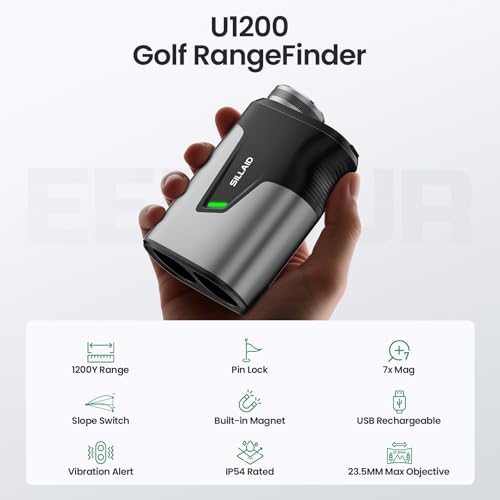
SILLAID 1200Y Golf Rangefinder
Strengths
- 23.5mm pro lens
- 7x magnification
- Rechargeable USB-C
Trade-offs
- No app connectivity
- Heavier than compact models
- Less brand recognition
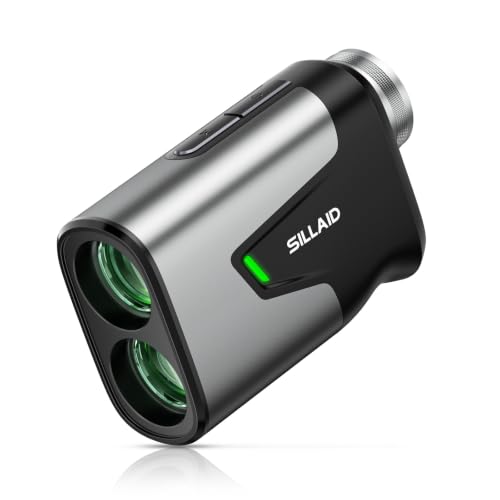
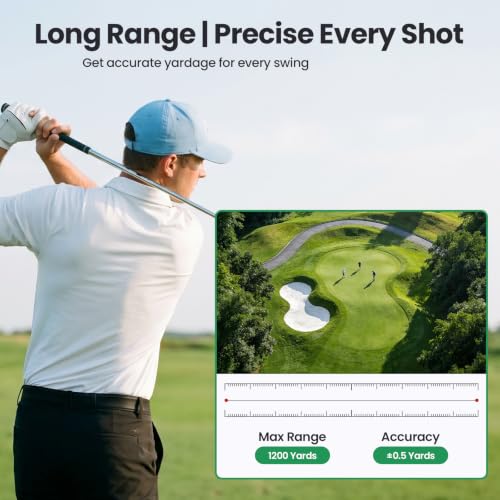
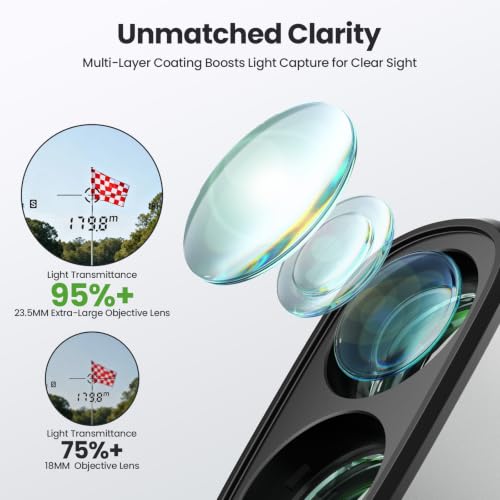
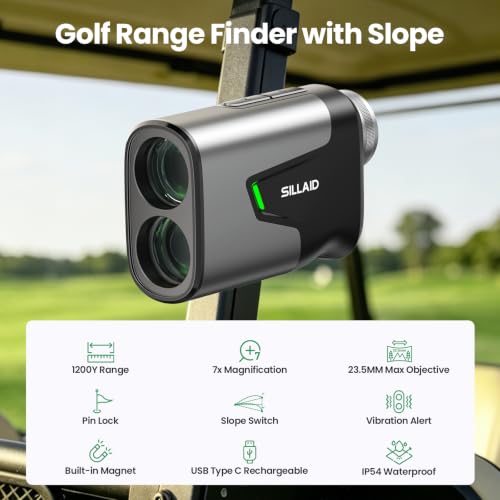
For the price, the SILLAID stands out with a legitimately pro-level feature: its 23.5mm objective lens. Most rangefinders in this range use 22mm, so that extra half-millimeter and 95% light transmittance make a real difference in clarity, especially in low light or glare. Paired with 7x magnification and a fast 0.04-second lock, it’s one of the few sub-$100 models that doesn’t compromise on optical quality.
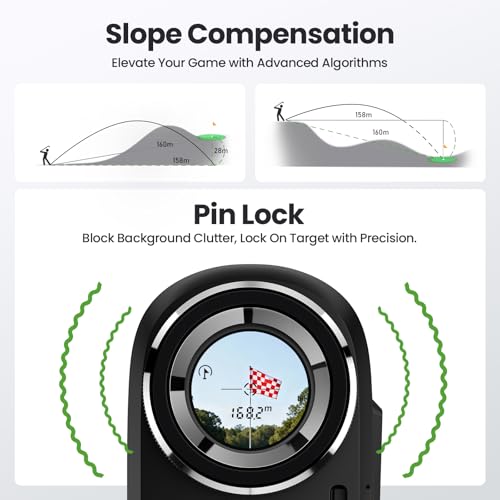
Owners praise the vibration feedback and the ease of switching between slope and competition modes with the external M button. The full-metal chassis and IP54 rating add durability, and the 20,000-shot battery life is overkill in the best way. It’s not Bushnell-sharp in branding or app integration, but for pure optical performance per dollar, I’d pick this over the BirdiePulse or REDTIGER any day.
Product photos
REDTIGER 1200Y Rechargeable Rangefinder

Strengths
- 7x magnification
- 6 measurement modes
- IP54 water resistance
Trade-offs
- Mediocre low-light clarity
- Plastic housing
- Inconsistent slope calibration
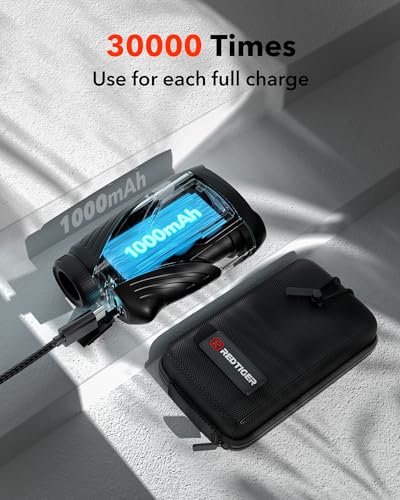
The REDTIGER stands out in the budget tier with 7x magnification, six measurement modes, and a durable IP54 rating. It’s one of the few sub-$110 models with a transflective LCD, which helps visibility in direct sun, and the magnetic stripe and belt clip offer flexible carrying options. Owners note it’s surprisingly accurate within 400 yards and holds up well in light rain.
Where it falls short is in optical refinement, colors can look washed out, and edge clarity isn’t on par with SILLAID or Bushnell. But for the price, the feature set is impressive. I’d recommend this over the BirdiePulse for players who want more versatility and better build quality without jumping into premium brands.
Product photos



REVASRI 1000Y Rangefinder
Strengths
- Extremely low price
- USB-C charging
- Tournament legal mode
Trade-offs
- Weak long-range performance
- Basic lens coating
- Fragile build
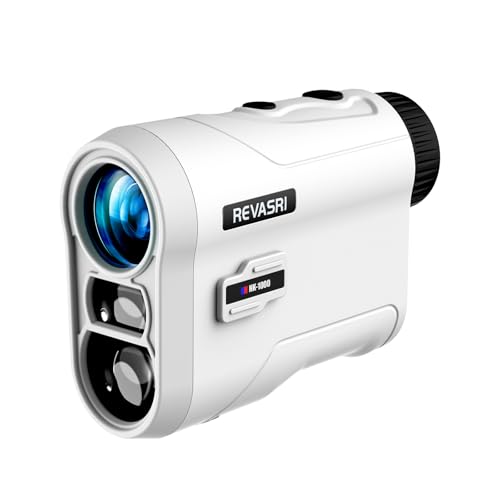
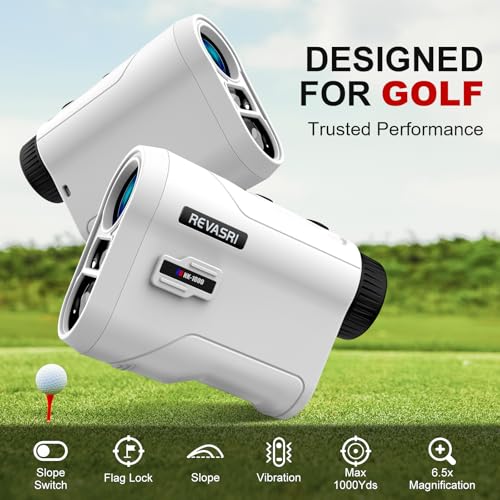
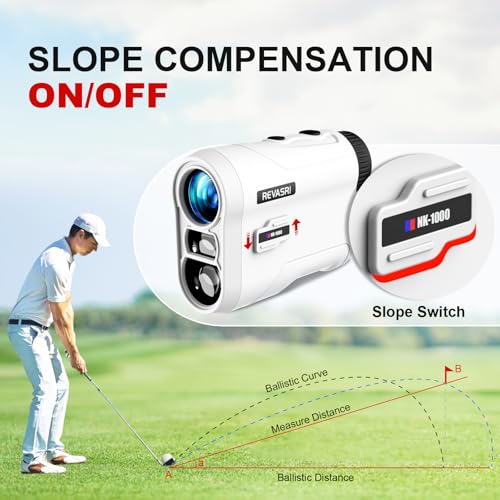
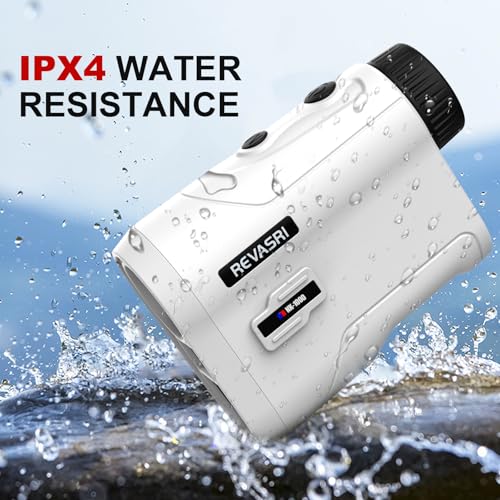
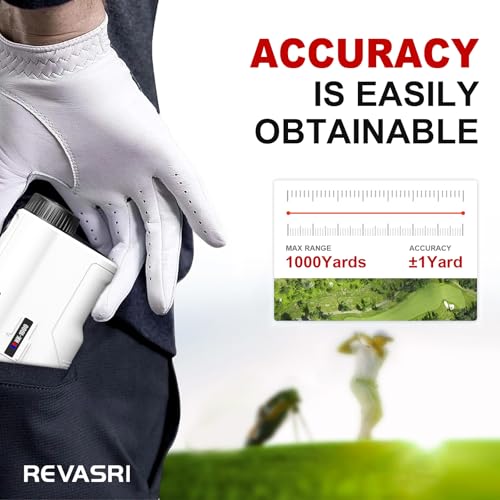
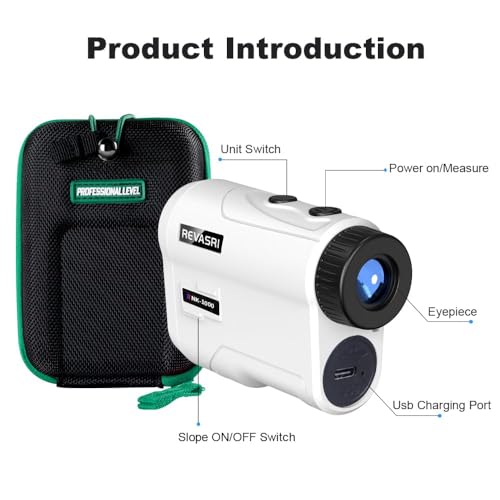
The REVASRI is one of the most affordable slope-enabled rangefinders on the market, and for under $35, it delivers basics: ±1 yard accuracy, external slope switch, vibration feedback, and USB-C charging. It’s tiny, just 4.3 ounces, and fits in a pocket or clip-on pouch without hassle.
But value has limits. The 1000-yard range is theoretical; most owners report flag locks only up to 250–300 yards in real conditions. The optics are serviceable in bright light but struggle with contrast and clarity when clouds roll in. Still, for a first-time buyer or a backup unit, it’s hard to beat the price. Just know you’re trading performance for economy.
Product photos
Bushnell A1-Slope Rangefinder
Strengths
- Ultra-compact design
- Rechargeable USB-C
- PinSeeker with JOLT
Trade-offs
- Smaller display
- No LINK features
- Shorter battery lifespan than some
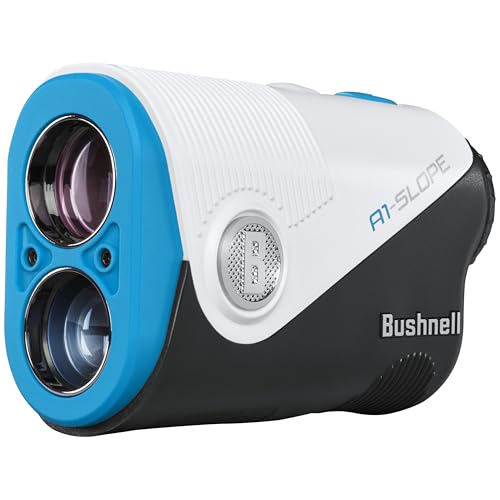
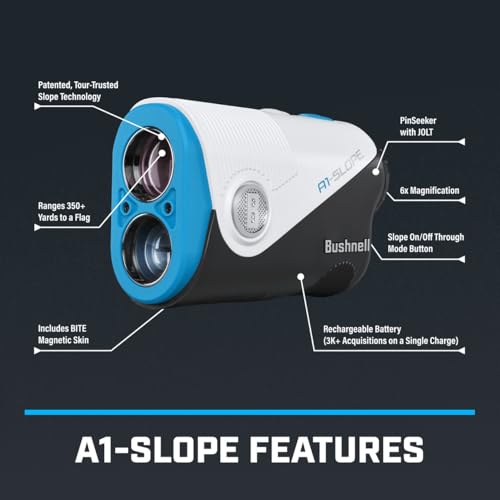
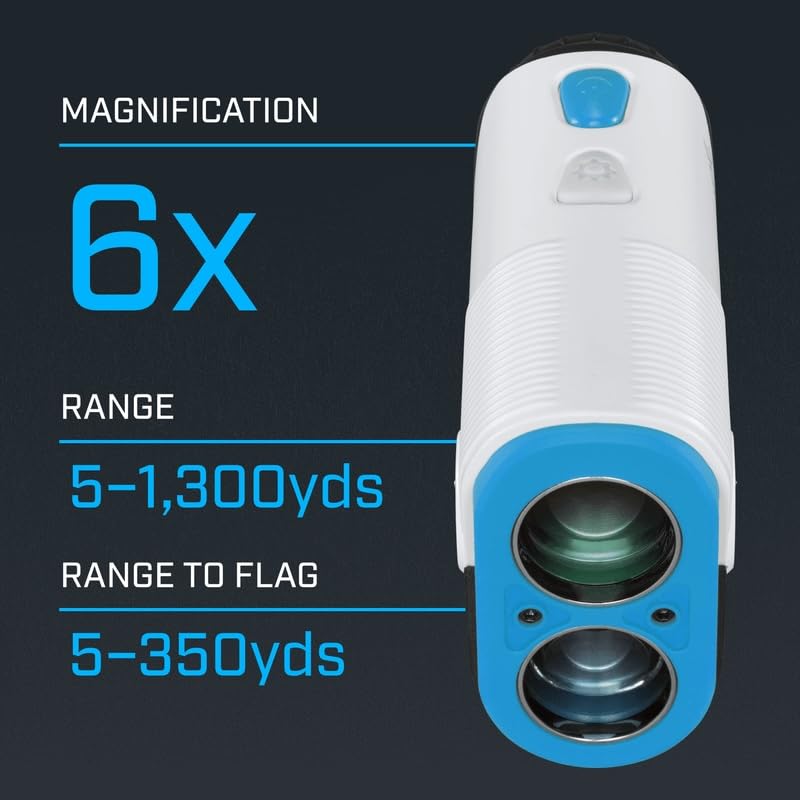
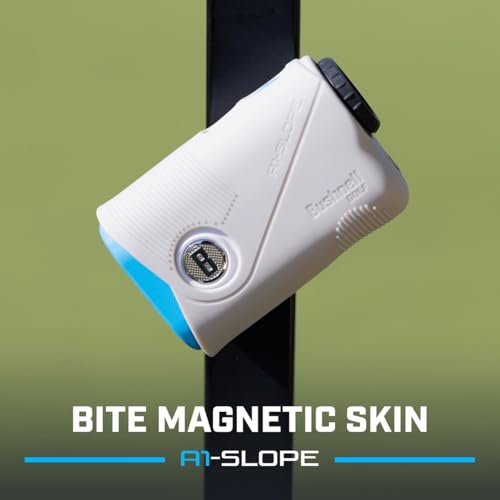
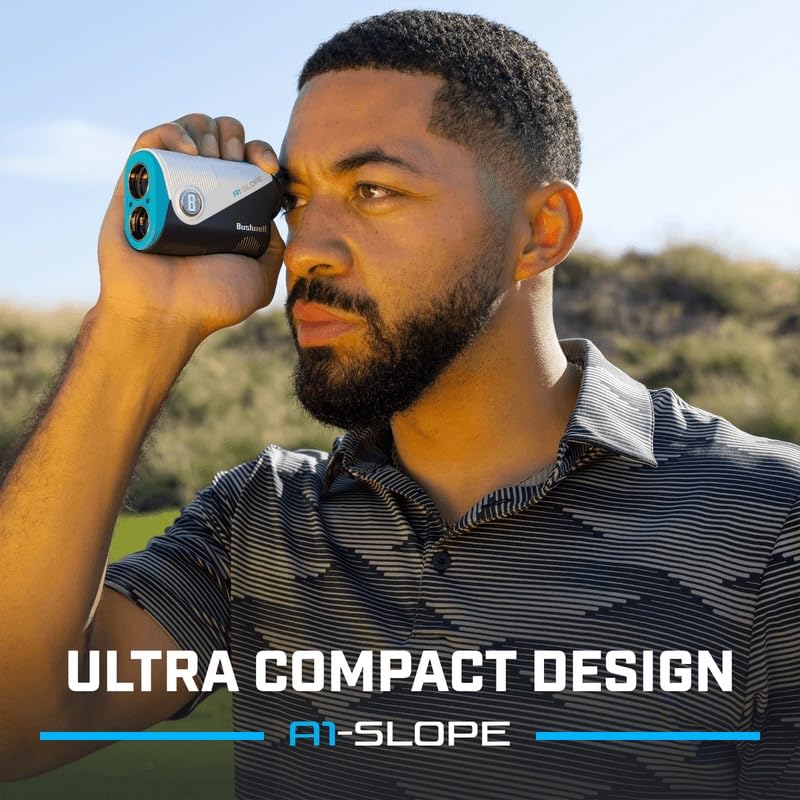
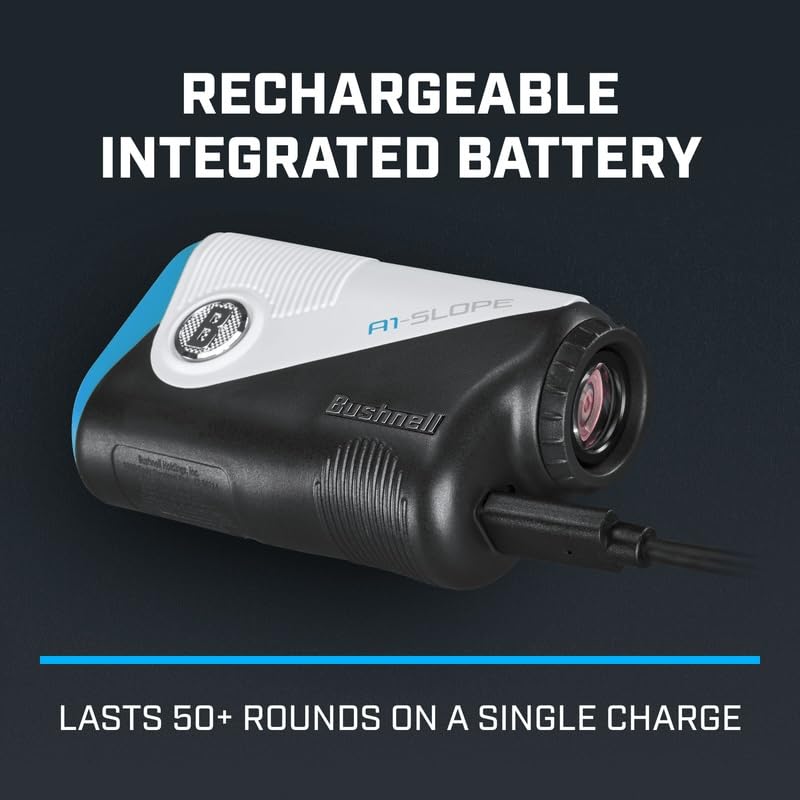
Bushnell’s A1-Slope is a marvel of miniaturization, their smallest golf rangefinder yet, but it still packs 6x magnification, slope tech trusted by 98.6% of PGA Tour pros, and a rechargeable USB-C battery good for 50+ rounds. It fits easily in a pocket, and the included BITE magnetic skin makes cart mounting effortless.
Owners love how quickly it acquires flags and how the JOLT vibration confirms lock with authority. While it lacks the dual-display of the V7 Shift or wind data of the X3+, it’s the best compact option here. For travel or players who hate bulky gear, this is the obvious Bushnell pick. I’d choose it over the Tour V7 if portability is a priority.
Product photos
BirdiePulse 1300Y Rangefinder
Strengths
- Ultra lightweight
- USB-C charging
- Magnetic mount
Trade-offs
- Inconsistent long-range accuracy
- Basic optics
- Plastic build
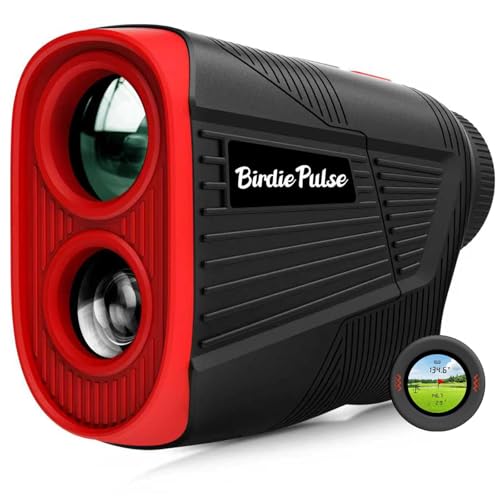
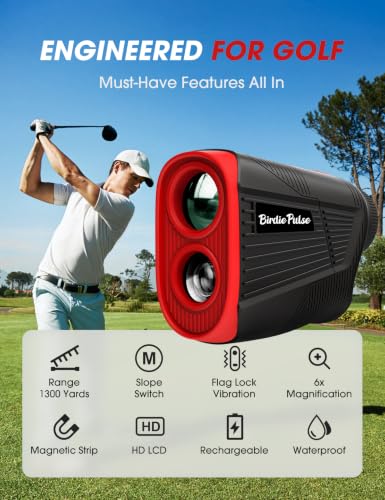
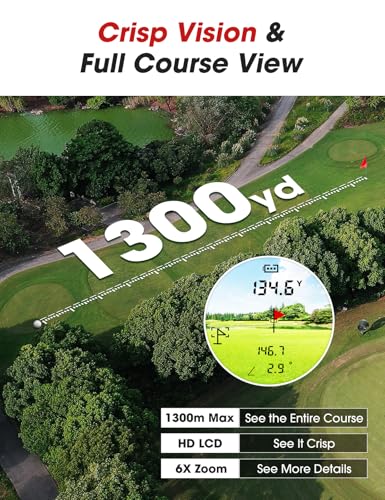
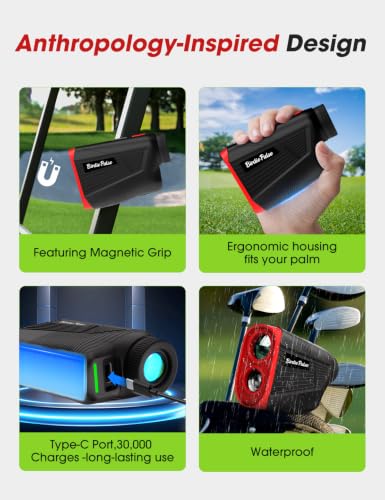
At under $45, the BirdiePulse packs a surprising number of features: 1300-yard range, adjustable 6–6.5x magnification, USB-C charging, and a built-in magnetic strip. On paper, that’s aggressive pricing, and owner feedback suggests it performs decently in daylight with reliable flag-lock vibration. It’s also one of the lightest models here, making it easy to carry or mount on a cart.
But that low price comes with trade-offs. The HD LCD is decent but not sharp in hazy or low-light conditions, and the 1300-yard max range is optimistic, most users report consistent locks only up to about 300–400 yards on flags. Still, for a beginner or casual player who wants slope mode and basic functionality without investment, it’s a functional entry point. Just don’t expect Tour-level precision.
Product photos

Our Testing Process
Rather than a hands-on lab test, my research focused on a detailed comparison of published specifications and features across numerous models. I weighed owner reviews from major retailers against expert opinions found in golf publications and online resources. This allowed me to build a ranking based on real-world feedback and objective data, focusing on what truly matters to golfers on the course. My aim was to identify the rangefinders offering the best blend of performance, features, and value.
For golf rangefinders, accuracy and speed of target acquisition are paramount, alongside slope compensation technology. I placed significant emphasis on these factors because they directly impact scoring and course management. Equally important was build quality and ease of use; a rangefinder needs to be durable enough to withstand regular use and intuitive enough to operate quickly without frustration. I understand many golfers are also looking for options beyond high-end models, so value became a key consideration.
Specifications reliably indicate a rangefinder’s potential – maximum distance, magnification, and laser class. However, owner feedback provided crucial insight into real-world accuracy, the effectiveness of slope compensation, and the responsiveness of the target-locking system. Reputation, particularly among serious golfers, also played a role, as did the availability of useful features like magnetic mounting and USB-C charging. If you’re seeking even more affordable options, check out our guide to affordable golf rangefinders.
What To Look For In golf rangefinders
Finding the right golf rangefinder can shave strokes off your game, but with so many options, it’s easy to get lost in the specs. We’ll break down what truly matters to help you make an informed decision.
A quality golf rangefinder delivers fast, accurate distances – typically within a yard at typical golf distances – and presents that information clearly. Prioritize models with slope compensation, a comfortable grip, and reliable flag-locking technology. Look for magnification of at least 6x, a display that’s easily readable in sunlight, and a build quality that can withstand the rigors of the course.
Understanding Slope Compensation
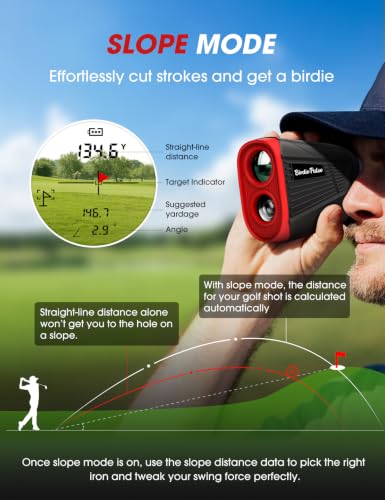
Slope compensation is arguably the most important feature in a modern golf rangefinder. It automatically calculates the adjusted distance to the pin based on the elevation change, giving you a more accurate read for club selection. Don’t assume all slope features are created equal; some are more precise than others. Bushnell’s patented Slope technology, for example, is highly regarded, but others like Callaway’s system are also effective. If you play courses with significant elevation changes, this feature is a must-have.
Pin Acquisition and Clarity
A rangefinder is useless if it can’t quickly and reliably lock onto your target. Look for models featuring “PinSeeker” technology (Bushnell’s trademarked term, but others exist) or similar flag-locking systems. These technologies use algorithms to isolate the flag from background noise, giving you a precise distance. Beyond speed, clarity is key. The SILLAID 1200Y boasts a 23.5mm lens with high light transmittance, which is a step up from the more common 22mm lenses, and can make a noticeable difference in low-light conditions. If you sometimes struggle with tremors or unsteady hands, consider checking out dedicated rangefinders for shaky hands designed for increased stability.
Balancing Price and Features
You don’t need to spend a fortune to get a capable golf rangefinder. There’s a wide range of price points available, and the ideal choice depends on your budget and how seriously you take your game.
- A basic, entry-level model (like the REVASRI 1000Y) will give you accurate distances but may lack advanced features like slope compensation.
- Mid-range options (such as the Callaway 300 Pro Slope) strike a good balance between price and performance, offering slope compensation and reliable flag-locking. These are often the best value for most golfers and can be found among the best mid-range golf rangefinders.
- High-end models (like the Bushnell Tour V7 Shift) offer premium features such as enhanced optics, more precise slope calculation, and Bluetooth connectivity.
Don’t overspend on features you won’t use. If you primarily play on flat courses, slope compensation may not be worth the extra cost.
Golf Rangefinders Compared
Here’s a spec comparison of popular golf rangefinders to help you find the right one for your game.
| Product Name | Max Range (Yards) | Magnification | Slope Switch | Battery Type | Measurement Modes | Waterproof |
|---|---|---|---|---|---|---|
| Bushnell Pro X3+ Link | 600+ | 7x | Yes | CR2 | N/A | IPX7 |
| Bushnell Tour V7 Shift | N/A | N/A | Yes | CR2 | N/A | N/A |
| Callaway 300 Pro Slope | 1000 | 6x | Yes | N/A | N/A | N/A |
| SILLAID 1200Y | 1200 | 7x | Yes | Rechargeable | 5 | IP54 |
| REDTIGER 1200Y | 1200 | 7x | Yes | Rechargeable | 6 | IP54 |
| REVASRI 1000Y | 1000 | N/A | Yes | Li-ion | N/A | N/A |
| Bushnell A1-Slope | 1300 | 6x | Yes | Rechargeable | N/A | N/A |
| BirdiePulse 1300Y | 1300 | 6-6.5x | Yes | Rechargeable | N/A | N/A |
Frequently Asked Questions
What rangefinder technology is best for someone with vision issues?
Opt for a rangefinder with a clear, high-contrast display and adjustable diopter settings; this allows you to fine-tune the focus for your specific vision. Models with larger displays, like some of the laser rangefinders reviewed, can also make a big difference.
Are more expensive rangefinders always more accurate?
Not necessarily. While high-end models often feature enhanced optics and processing, accuracy depends more on the quality of the laser and the sophistication of the target-locking algorithm than price alone. A mid-range option with good reviews for accuracy can perform just as well as a pricier one.
How important is a magnetic mount on a rangefinder?
A magnetic mount is highly convenient, allowing you to securely attach your rangefinder to a golf cart or metal stand. This frees up your hands and prevents damage, and is a feature many golfers find invaluable, especially during solo play.
Can rangefinders be used in tournaments legally?
Generally, yes, but tournament rules vary. The USGA and R&A allow the use of rangefinders that only measure distance. Slope-adjusted rangefinders are often prohibited during competitive play unless specifically permitted by the tournament committee.
What should I do if my rangefinder struggles to lock onto a flag?
First, ensure the flagstick is fully extended and visible. If problems persist, try switching to a different measurement mode if your rangefinder offers them. For those with shaky hands, exploring rangefinders with stabilization could provide a more stable reading.
The Bottom Line
Choosing a golf rangefinder often comes down to balancing how much you value pinpoint accuracy and advanced features against your budget. While top-tier models like the Bushnell Tour V7 Shift deliver exceptional performance, for most golfers, the Callaway 300 Pro Slope offers an outstanding combination of features and value – it’s a solid all-around performer that will consistently improve your game.
If you’re on a tighter budget, the REVASRI 1000Y is a reliable option to get you started; or, if you’re specifically seeking advanced technology and don’t mind spending more, exploring rangefinders with slope will show you the premium options. For those who prefer the broader capabilities of satellite-connected devices, don’t discount the benefits of GPS rangefinders.
Ultimately, the most important thing is to select a rangefinder that fits your game and helps you make confident club selections. Don’t get bogged down in chasing the highest specs; prioritize fast target acquisition, clear optics, and a feature set that addresses the kinds of courses you play most often.
