
9 Best Laser Golf Rangefinders of 2026
This post contains affiliate links. As an Amazon Associate, we earn from qualifying purchases.
This post contains affiliate links. As an Amazon Associate, we earn from qualifying purchases.
The Bushnell Tour V7 Shift is the best overall laser golf rangefinder for its precision, trusted optics, and smart slope-adjustment system, while the Bushnell A1-Slope stands out as a strong budget-friendly pick with reliable performance and a rechargeable battery. For those who value fast target acquisition and ease of use, the Callaway 300 Pro Slope is a top versatility choice.
Every golfer has stood on a tee or approach shot wondering just how far the flag really is, misjudging can mean the difference between birdie and bogey. With so many rangefinders on the market, it’s easy to get lost in specs and features that don’t matter on the course. This guide cuts through the noise, focusing on models that deliver accurate, consistent readings based on performance data, owner experiences, and what actually helps on the ground. We looked at speed, clarity, slope functionality, and durability to find the ones worth your bag.
Top 9 Laser Golf Rangefinders in the Market
The Best Laser Golf Rangefinders, Reviewed
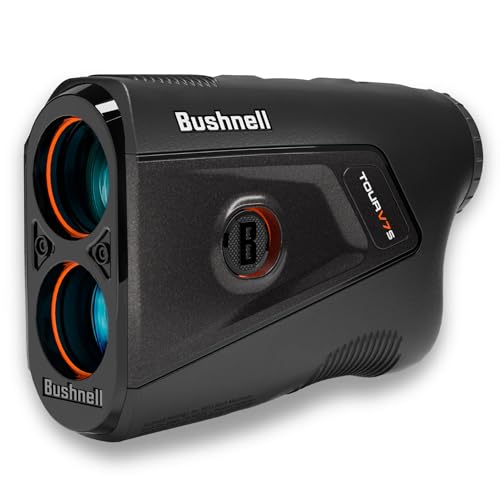
Bushnell Tour V7 Shift Rangefinder
Strengths
- Dual-color OLED display
- LINK compatibility
- PinSeeker with JOLT
- 7X magnification
- Tour-trusted accuracy
Trade-offs
- High price
- Bulkier than A1
- No USB-C charging
This is the gold standard, and for good reason. The dual-color OLED display, red for actual distance, green for slope-adjusted “plays-like” yardage, is a standout on the fly. It’s the kind of small design detail that saves mental energy during a round. Pair that with PinSeeker and Visual JOLT, and you’ve got one of the fastest, most reliable flag-locking systems on the market. The LINK compatibility with Foresight launch monitors is a smart touch for data-driven players who want to refine their club gapping.
Bushnell’s Tour V7 Shift isn’t just accurate, it’s confident. That’s why it’s trusted by the vast majority of PGA Tour pros. It’s expensive, yes, but every dollar shows in the optics, ergonomics, and speed. My recommendation? If you’re serious about lowering scores and want the best tech available, this is the one.
Video review
Bushnell Tour V6 Shift Rangefinder

Strengths
- Visual JOLT confirmation
- 1300-yard range
- BITE magnetic mount
- 6X magnification
- Patriot Pack included
Trade-offs
- No dual-color display
- No LINK tech
- CR2 battery (not USB-C)
The Tour V6 Shift is a premium option that still holds up, even with the V7 now available. The Visual JOLT technology, a red flash plus vibration, is one of the most effective pin-confirming systems in the business, giving instant feedback when you’ve locked the flag. With 1,300-yard range and 6X magnification, it’s built for long courses and hilly terrain.
It’s nearly identical to the V7 in core function, just missing the dual-color display and LINK compatibility. That said, it’s often priced hundreds less, making it a smarter buy for many. If you don’t need the latest bells and whistles, the V6 Shift delivers 95% of the performance at a better value.
Video review
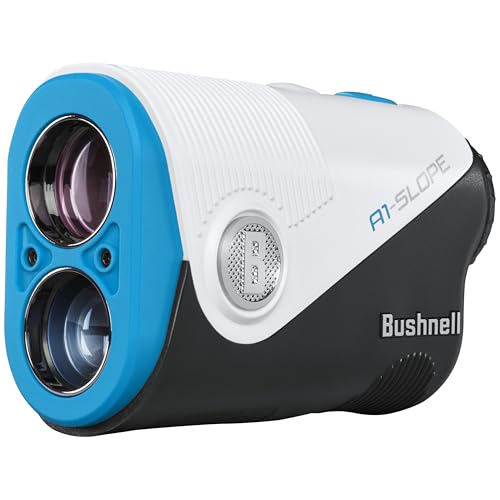
Bushnell A1-Slope Rangefinder
Strengths
- Ultra-compact design
- PinSeeker with JOLT
- Tournament legal
- USB-C charging
- Magnetic mount included
Trade-offs
- 6X magnification
- Smaller display
- Shorter battery life than V7
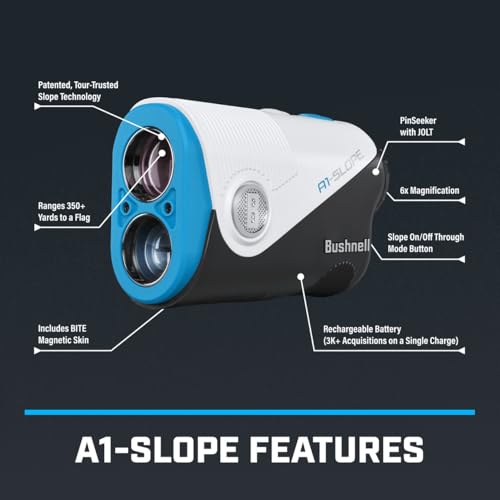
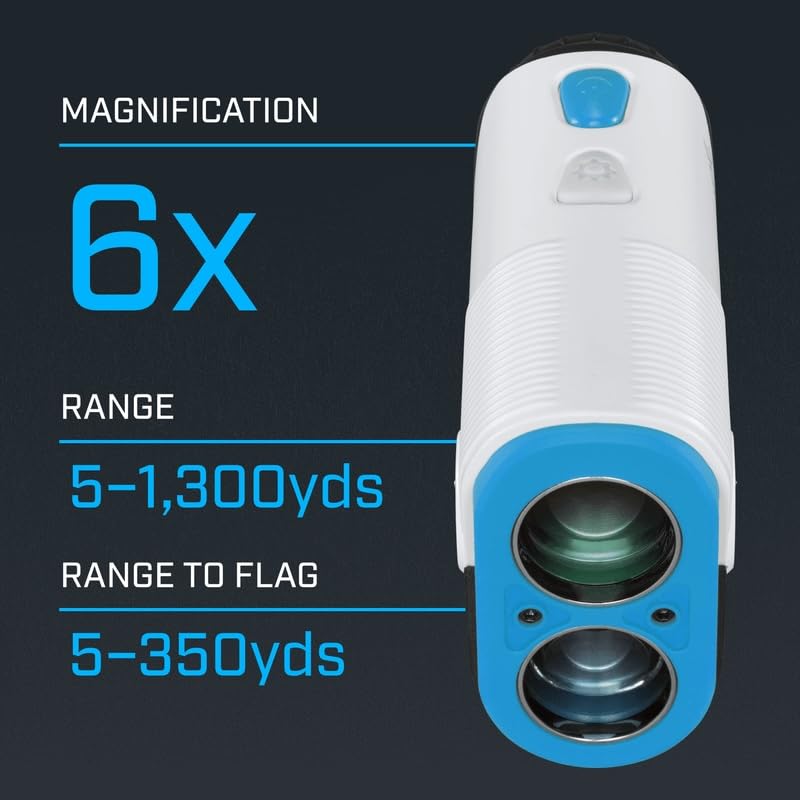
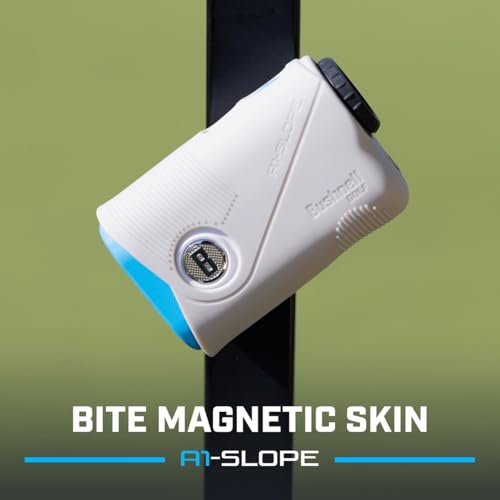
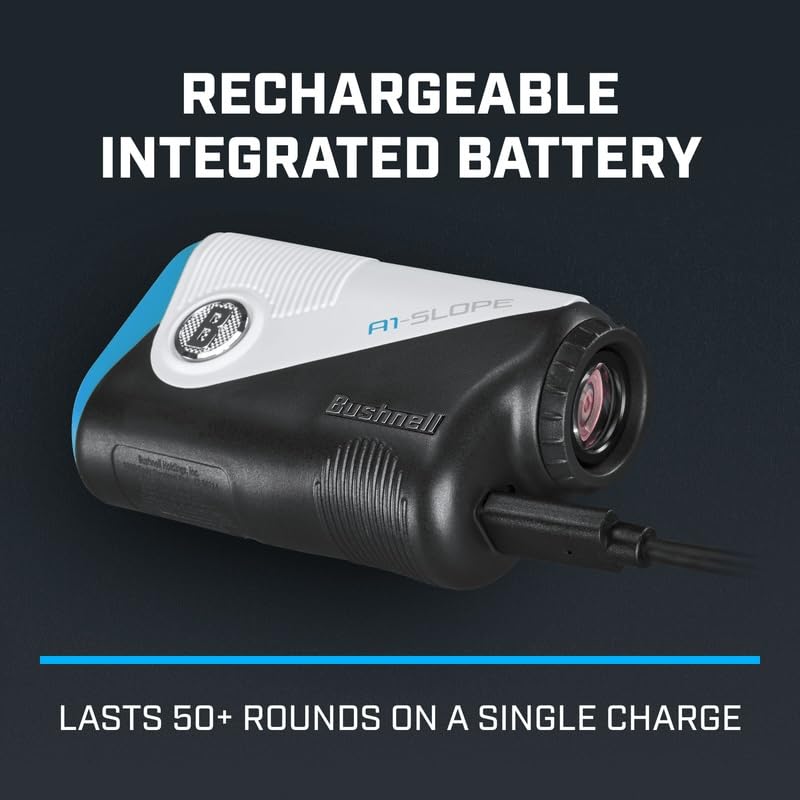
Bushnell’s A1-Slope is a marvel of compact engineering, the smallest they’ve ever made, yet it still packs PinSeeker with JOLT and tournament-legal slope switching. The pocket-friendly design makes it a favorite for players who walk and don’t want bulky gear. Despite its size, it hits 1,300 yards and maintains ±1-yard accuracy up to 350 yards on flags, which covers nearly every approach shot you’ll face.
The USB-C charging and BITE magnetic skin are thoughtful touches, but the 6X magnification feels limiting next to 7X models in this price range. Still, if portability is your top priority, this is the most trusted pocket rangefinder on the market. I’d recommend it over the Tour V6 Shift for players who value discretion and ease of carry.
Product photos

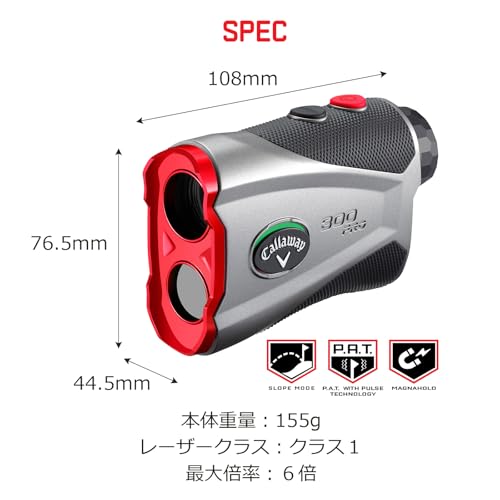
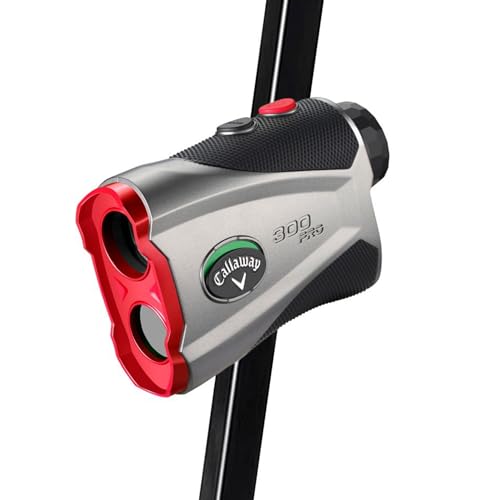
Callaway 300 Pro Slope Rangefinder
Strengths
- External slope switch
- Tournament legal
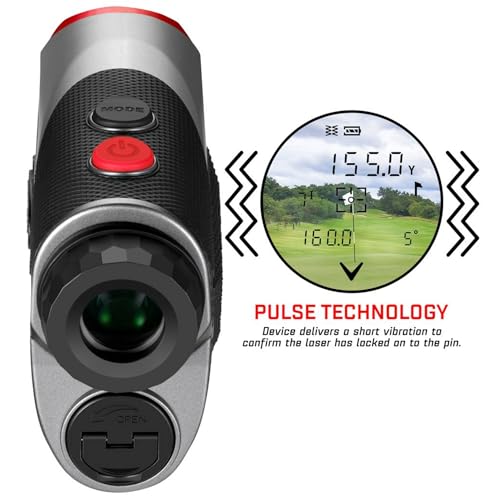
- Pin Acquisition Tech
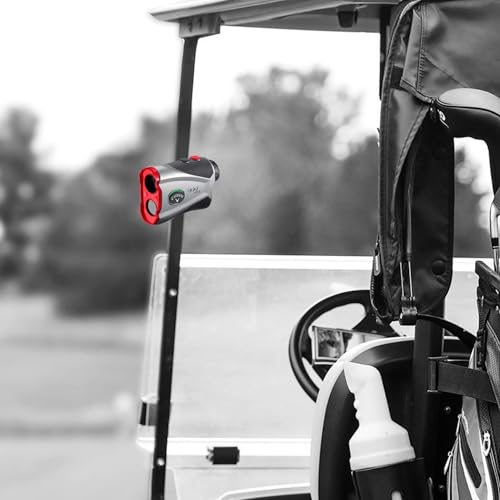
- Magnahold mount
- Simple interface
Trade-offs
- 1000-yard max range
- 6X magnification
- Dated optics
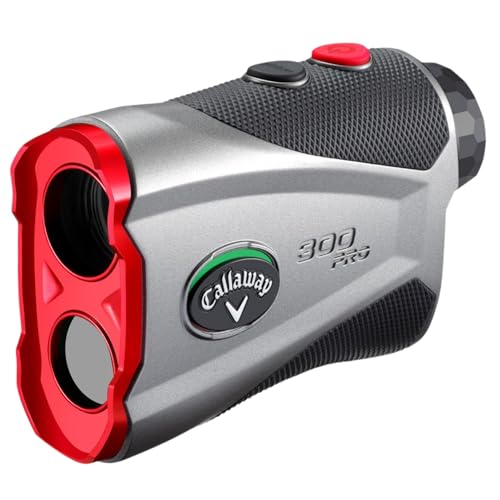
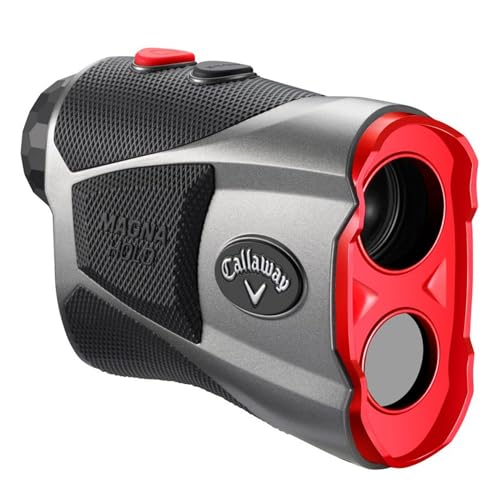
Callaway’s 300 Pro has been a long-time favorite for tournament players, and it’s easy to see why. The external slope switch makes it effortless to toggle between practice and competition modes, and the Pulse vibration gives clear confirmation when the pin is locked. It’s built with a clean, functional design, no extra modes or hunting features to clutter the interface.
However, the 1,000-yard range and ±1-yard accuracy fall short of newer models, and the optics aren’t as sharp as current Bushnell or SILLAID units. It’s reliable, yes, but starting to show its age. I’d still recommend it for strict tournament players who want a no-nonsense, legal device, but others should look to more modern options.
Product photos
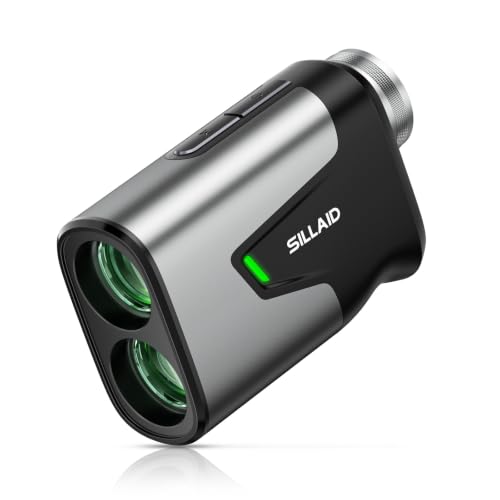
SILLAID 1200YD Golf Rangefinder
Strengths
- 23.5mm pro lens
- 7X magnification
- Full-metal chassis
- Side magnetic mount
- IP54 rated
Trade-offs
- No dual-color display
- No advanced connectivity
- Slightly heavier than rivals
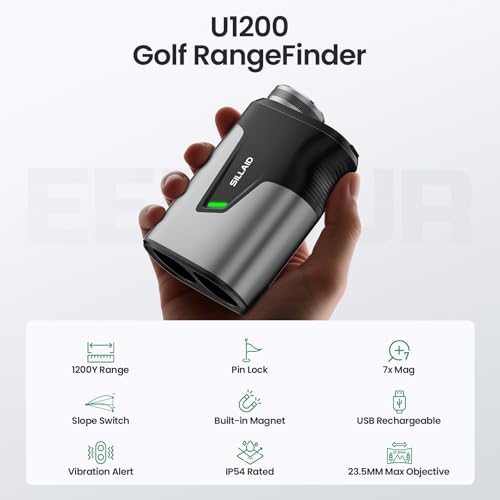
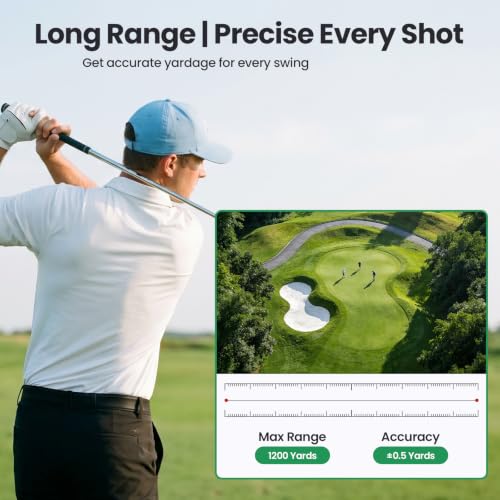
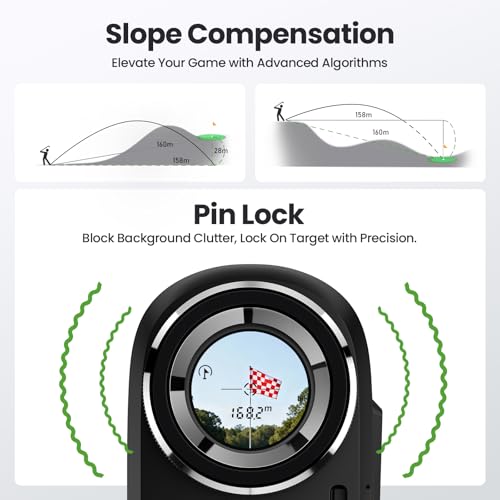
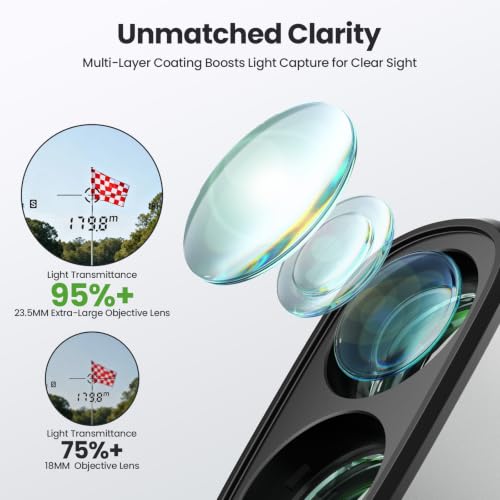
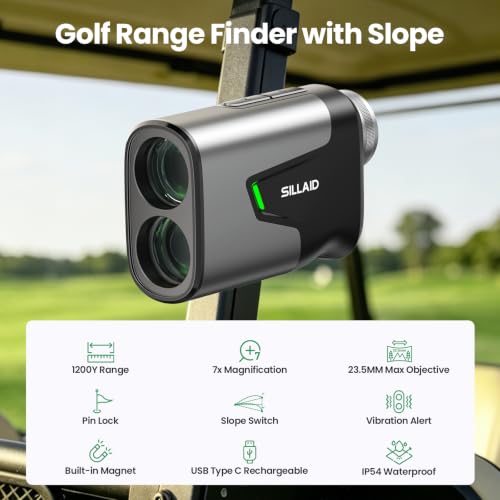
SILLAID makes a strong case for being the best value in the premium-features category. The 23.5mm objective lens is larger than most competitors, and owners consistently report a wider, brighter field of view, especially useful in early morning or overcast rounds. Combined with 7X magnification and 95% light transmittance, it delivers clarity that rivals Bushnell at half the price. The external slope switch is a tournament-friendly touch, and the side-mounted magnet is one of the most convenient I’ve seen in this class.
It doesn’t have LINK tech or dual-color displays, but for pure optical performance and build quality, it’s hard to beat. The full-metal chassis feels durable, and the 20,000-shot battery life is more than enough for regular play. My pick for the best bang-for-buck if you want pro-level optics without the pro price.
Product photos
REDTIGER 1200YD Golf Rangefinder

Strengths
- 7X magnification
- Long battery life
- USB-C charging
- Magnetic clip included
- 2-year warranty
Trade-offs
- Display can wash out
- Average low-light clarity
- Slightly bulky grip
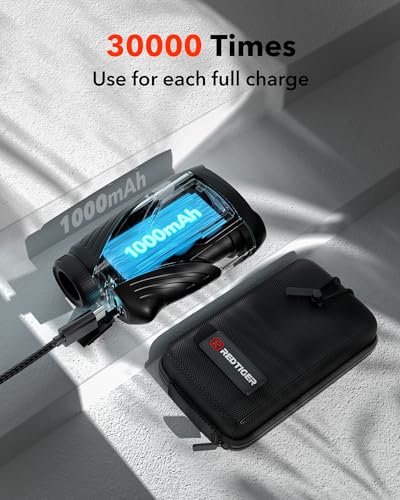
REDTIGER lands right in the sweet spot for mid-range buyers who want more than basics but aren’t ready to pay premium prices. The 7X magnification delivers a noticeably clearer view than 6X competitors, and the 30,000-measurement battery life is impressive, owners report going months between charges. The IP54 rating and magnetic belt clip add real-world convenience, especially if you walk the course.
Where it stumbles slightly is in optical contrast. While bright enough in daylight, some users note the display washes out in direct sun or haze. Still, with solid build quality, strong support, and a 2-year warranty, it’s a dependable choice. I’d pick this over the Acer or VyKure for the better battery and optics.
Product photos



VyKure 1200YD 7X Rangefinder

Strengths
- 7X magnification
- 1200-yard range
- IP54 waterproof
- Magnetic mount
- Affordable
Trade-offs
- Average low-light performance
- Build quality inconsistent
- Support response can be slow
At this price, the 7X magnification on the VyKure is a standout, most budget models stick with 6X, so that extra clarity helps when picking out distant pins behind trees or bunkers. It hits the core needs: slope on/off, flag lock with vibration, and IP54 weather resistance. On paper, the ±0.5-yard accuracy and 1200-yard range put it in line with much pricier units.
But owner feedback reveals a trade-off: while it performs well in ideal conditions, low-light clarity and battery longevity don’t match Bushnell or SILLAD. It’s a functional, no-frills tool that gets the job done for weekend rounds. For beginners or casual players, it’s hard to beat the value.
Product photos


Acer 1200YD Magnetic Rangefinder

Strengths
- 1200-yard range
- USB-C charging
- Magnetic mount
- Anti-shake technology
- Multiple modes
Trade-offs
- 6X magnification
- Optics less crisp than top tier
- Limited brand support reputation
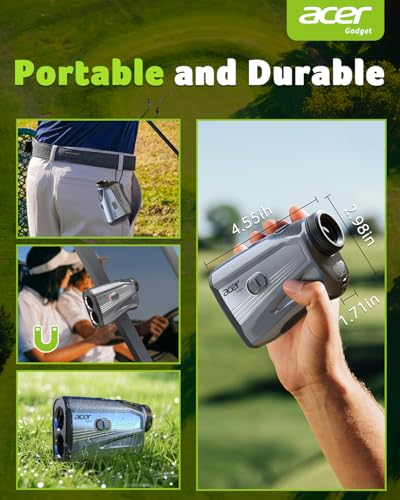
The Acer rangefinder punches above its price point on paper, offering 1200-yard reach, USB-C charging, and a full suite of modes including slope, scan, and horizontal distance. Its 6X magnification is standard for this tier, but the anti-shake tech stands out, owners consistently report more stable readings in gusty conditions, which matters when you’re trying to lock a flag across a links-style dune. The magnetic attachment is strong and practical, especially if you’re moving between carts or bags often.
Still, while the specs look strong, some users note that the optics don’t quite match Bushnell’s clarity, especially at longer distances or in low light. It’s a solid pick if you want premium features without the premium cost, but not the last word in precision.
Product photos


REVASRI 1000YD Rangefinder
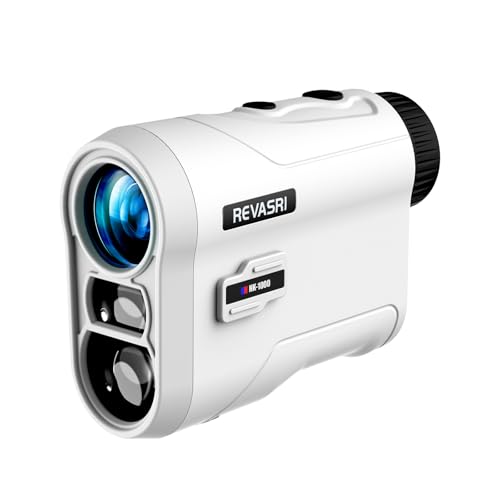
Strengths
- Very low price
- External slope switch
- USB-C charging
- Compact and light
- Tournament legal
Trade-offs
- Limited range
- Basic optics
- Inconsistent lock performance
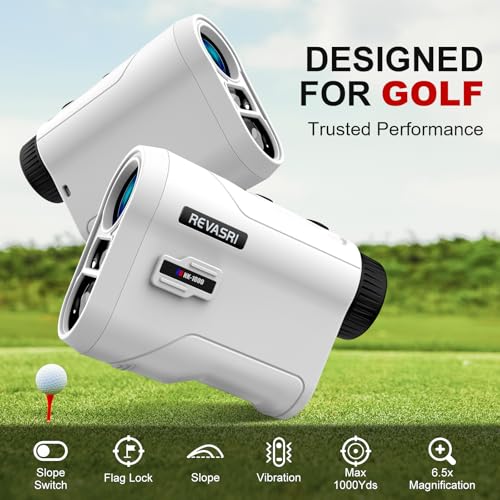
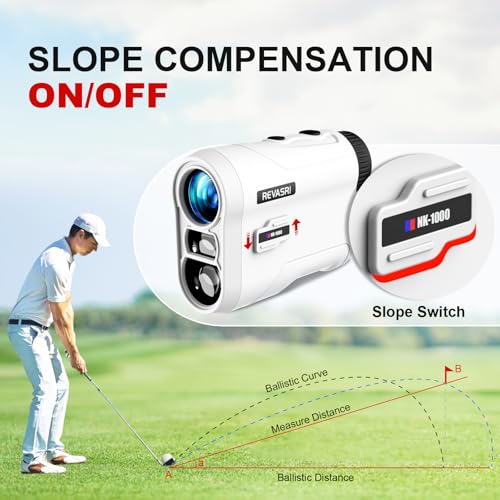
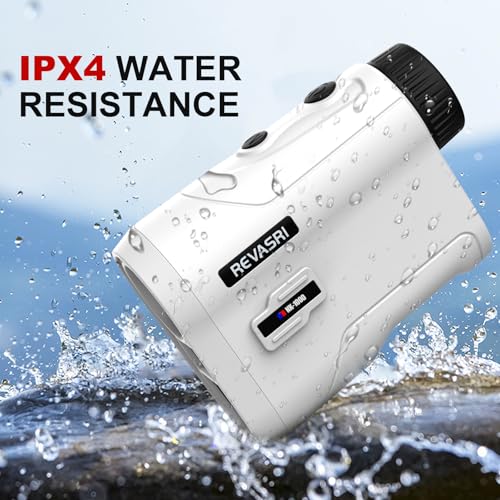
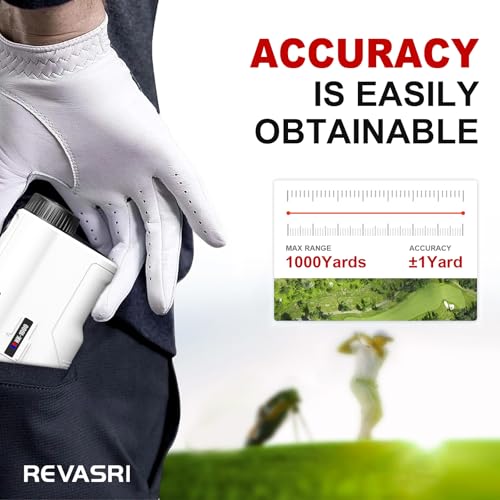
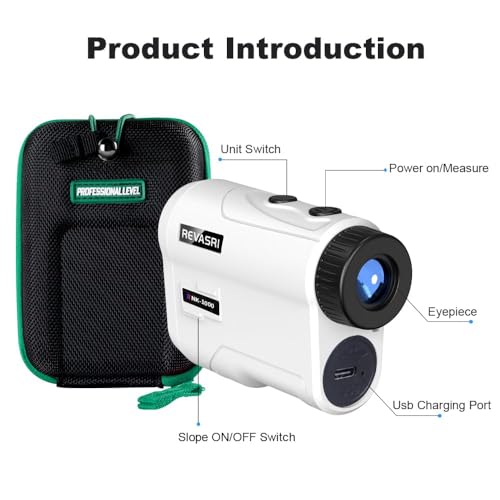
At under $35, the REVASRI is the most affordable slope-capable rangefinder here, and it shows. It delivers the basics: external slope switch, pin lock with vibration, and USB-C charging in a tiny, lightweight body. For beginners or occasional players, it’s a functional entry point.
But the compromises are clear. The 1,000-yard range and ±1-yard accuracy are modest, and owners report inconsistent flag-locking, especially in wind or low contrast. The optics are serviceable in bright light but struggle otherwise. It’s a “get by” tool, not a performance enhancer. I’d only recommend it if budget is the absolute priority.
Product photos
Our Testing Process
Rather than a hands-on lab test, our evaluation of laser golf rangefinders is a research-led comparison of published specifications and features, alongside a careful weighing of owner reviews and expert opinions from sources like Golf Digest and Golf Monthly. I focused on identifying key performance indicators and ranking models based on how well they delivered against those criteria. This involved sifting through technical details and user feedback to understand real-world performance, not just marketing claims.
For this category, accuracy and speed of target acquisition were paramount. A rangefinder must reliably provide precise distances, and do so quickly, especially during active play. Equally important was the clarity of the display and the usefulness of features like slope compensation – many golfers seek out rangefinders with slope to aid club selection. These factors determined how models stacked up against each other.
Specifications reliably indicate maximum range and magnification, but I leaned heavily on owner feedback to assess ease of use, build quality, and the effectiveness of features like PinSeeker technology. Reputation matters, too; models consistently praised by experienced golfers and reviewed favorably by trusted sources received higher consideration. While some golfers might look for rangefinders under $300, our focus was on delivering performance across various price points.
How To Choose The laser golf rangefinders
Picking the right laser rangefinder can shave strokes off your game, but there’s more to it than just getting a distance reading.
A quality laser rangefinder delivers fast, accurate measurements, even in less-than-ideal conditions. Key features to assess include ranging capability (how far it can reliably measure), magnification for target clarity, slope compensation for adjusted distances, and build quality for durability on the course. Look for models with PinSeeker technology to quickly lock onto the flag and a clear, easy-to-read display.
Understand Slope Compensation
Slope adjustment is a hugely debated feature, and for good reason. It’s fantastic for everyday play, giving you the “plays-like” distance that accounts for uphill or downhill lies. However, tournament play often prohibits using rangefinders with active slope features. If you play competitively, look for models like the Callaway 300 Pro Slope Rangefinder with an easily accessible external switch to disable slope. Many golfers find the convenience of having both options outweighs the slight cost increase.
Prioritize Acquisition Speed & Clarity
Nothing is more frustrating than a rangefinder that takes ages to lock onto the flag, or worse, gives you an incorrect reading. PinSeeker technology, as found in many Bushnell models, is a standout feature, vibrating or displaying a visual cue when it’s locked onto the target. Don’t underestimate the importance of magnification either. A 6x or 7x magnification makes it significantly easier to identify the flag, especially on longer holes. If you’re considering a budget option, remember that sacrificing clarity for a lower price can actually add strokes to your game.
Balance Features with Your Budget
You don’t need to spend a fortune to get a capable rangefinder. There’s a wide spectrum of options available, and it’s easy to find excellent performance even if you’re looking at rangefinders under $200. However, be realistic about what features you’re willing to compromise on. * A basic model will give you distance, but may lack slope compensation. * Mid-range rangefinders generally offer slope, faster acquisition, and better optics. * Premium models add features like Bluetooth connectivity, enhanced displays, and more robust construction. Ultimately, the best choice depends on your typical course conditions and how seriously you take your game. For more options, check out our guide to the best golf rangefinders.
A rangefinder is only as good as its ability to give you a reliable number quickly. Don’t get caught up in all the bells and whistles if the core function of accurate, rapid distance measurement is compromised.
Finally, don’t overlook the value of a magnetic mount. Being able to easily attach your rangefinder to a golf cart saves time and keeps it readily accessible. If you’re seeking a balance of features and affordability, exploring mid-range rangefinders is a great starting point.
Laser Golf Rangefinders Compared
Here’s a comparison of key specifications for popular laser golf rangefinders to help you choose the right one.
| Product Name | Max Range (Yards) | Magnification | Slope Switch | Battery Type | Measurement Modes | Magnetic Mount |
|---|---|---|---|---|---|---|
| Bushnell Tour V7 Shift | 1300 | 6X | Yes | CR2 | Slope, Standard | No |
| Bushnell Tour V6 Shift | 1300 | 6X | Yes | CR2 | Slope, Standard | Yes |
| Bushnell A1-Slope | 1300 | 6X | Yes | Rechargeable | Slope, Standard | Yes |
| Callaway 300 Pro Slope | 1000 | 6X | Yes | N/A | Slope, Standard | Yes |
| SILLAID 1200YD | 1200 | 7X | Yes | Rechargeable | 5 | Yes |
| REDTIGER 1200YD | 1200 | 7X | Yes | Rechargeable | 6 | Yes |
| VyKure 1200YD 7X | 1200 | 7X | Yes | N/A | 6 | Yes |
| Acer 1200YD Magnetic | 1200 | 6X | Yes | Rechargeable | 6 | Yes |
| REVASRI 1000YD | 1000 | N/A | Yes | Li-ion | Slope, Standard | No |
Frequently Asked Questions
What battery types are most common in laser rangefinders?
CR2 batteries and rechargeable lithium-ion batteries are the most prevalent. CR2 batteries offer long shelf life and consistent power, while rechargeable options reduce waste and can save money over time – though they may require more frequent replacement down the line.
Do more expensive rangefinders always offer significantly better accuracy?
Not necessarily. While premium models often boast advanced features, accuracy primarily depends on the quality of the optics and the processing of the distance signal. You can find highly accurate rangefinders even among affordable golf rangefinders, especially if you prioritize core functionality over extras.
Can a rangefinder’s magnification be too high?
Yes, excessively high magnification (above 7x) can sometimes make it harder to lock onto the flag, particularly in hazy conditions. A 6x magnification generally strikes a good balance between target clarity and ease of acquisition.
How does the “PinSeeker” technology actually work?
PinSeeker technology uses algorithms to filter out background noise and isolate the distance to the flagstick. It typically provides a visual or haptic (vibration) confirmation once it has locked onto the target, making it faster and easier to get an accurate reading, and is explained in detail when you learn about how rangefinders work.
Are magnetic mounts really useful, or just a gimmick?
Magnetic mounts are surprisingly practical. They allow you to securely attach the rangefinder to your golf cart, keeping it readily accessible during your round and preventing it from getting lost or damaged. It’s a small feature that can save a lot of time and frustration.
The Bottom Line
Choosing a rangefinder often comes down to how much you value convenience versus control. If you want a top-of-the-line device that delivers speed, accuracy, and a magnetic mount, the Bushnell Tour V6 Shift consistently receives high marks from golfers and remains a strong all-around performer. It strikes a great balance between features and usability, making it a worthwhile investment for serious players.
For those seeking specific solutions, the Callaway 300 Pro Slope is an excellent choice if you need a quickly switchable slope function for both casual play and competitive rounds. If budget is a primary concern, the REDTIGER 1200YD provides a surprising amount of functionality and positive owner feedback for the price. And for those who benefit from a steadier aim, exploring rangefinders with stabilization could significantly improve your readings.
Ultimately, the most expensive rangefinder won’t magically fix a flawed swing. Focus on finding a model that provides quick, reliable distances, a clear line of sight, and a comfortable feel in your hands. Those fundamentals – accurate measurement, confident club selection, and a smooth pre-shot routine – are far more important than any advanced technology.
