
7 Best GPS Rangefinders for Golf 2026
This post contains affiliate links. As an Amazon Associate, we earn from qualifying purchases.
This post contains affiliate links. As an Amazon Associate, we earn from qualifying purchases.
The Bushnell Phantom 3 Slope GPS is the overall best GPS rangefinder for golf, combining reliable course data with slope adjustment and a clear touchscreen. For golfers on a budget, the MILESEEY GeneSonic Go GPS delivers strong performance and extensive course coverage at a lower price. If you want simplicity and long battery life, the Garmin Approach G12 offers a no-frills, watch-style option that’s easy to use.
As a golf traveler who’s played courses from St. Andrews to Scottsdale, I know how critical accurate yardages are when you’re navigating unfamiliar terrain. A bad distance can ruin a round, and nothing’s more frustrating than a device that doesn’t recognize the course or dies before the 15th hole.
This guide cuts through the noise, focusing on real-world usability, course coverage, and reliability, based on specs, owner feedback, and what matters most on the course. I compared the top models so you can pick the one that fits your game and travels as well as you do.
Top 7 Gps Rangefinders For Golf in the Market
The Best Gps Rangefinders For Golf, Reviewed
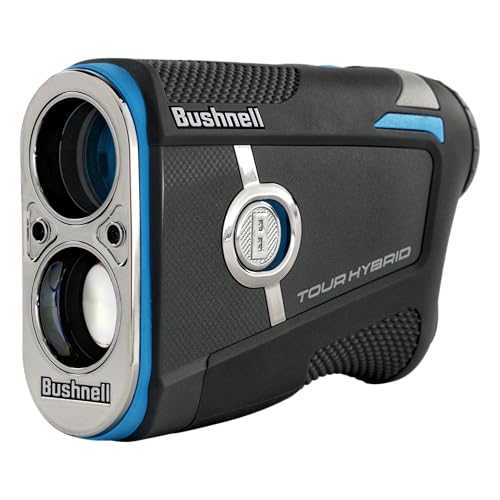
Bushnell Golf Tour Hybrid Laser
Strengths
- Laser + GPS combo
- PinSeeker with JOLT
- Tournament legal
Trade-offs
- Expensive
- Heavier than GPS-only units
- No touchscreen
This isn’t just a GPS, it’s a hybrid powerhouse that bridges the gap between laser precision and GPS convenience, and it justifies its premium price. The Tour Hybrid gives you laser-accurate distances to the pin with PinSeeker and JOLT technology, while also displaying GPS-derived front, center, and back yardages on the same screen. That dual-data stream is a standout when you’re debating whether to lay up or go for the green. The 500+ yard range is solid, and the red flash plus vibration feedback makes pin acquisition feel almost foolproof.
Owners consistently report confidence in their club choices when using this unit, especially on hilly courses where slope matters. It’s tournament legal when slope is off, and the built-in BITE magnet makes cart mounting effortless. Compared to pure GPS models like the Swami 7000i, this is in a higher tier, less about convenience, more about competitive edge. If you’re serious about lowering scores and don’t mind paying for it, this is the tool.
Video review
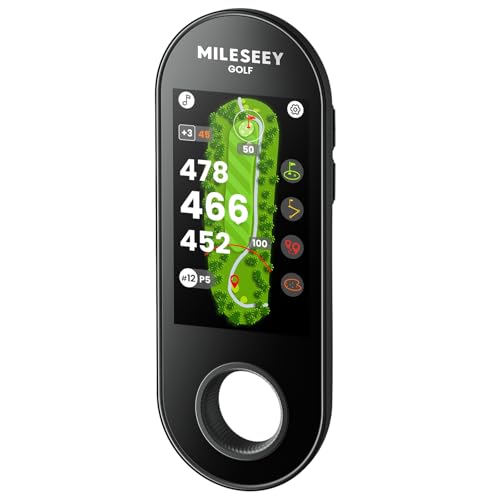
MILESEEY GeneSonic Go GPS
Strengths
- Large touchscreen
- Speaker pairing
- IP67 waterproof
Trade-offs
- Shorter battery life
- Heavier design
- No laser option
The MILESEEY GeneSonic Go is the most feature-packed GPS in this group, and it shows. The 3” full-color touchscreen is the largest here, delivering crisp course layouts, hazard views, and Green View, all without needing a phone. The 43,000+ preloaded courses edge out the competition, and the IP67 rating means it laughs at rain and sand. But the real innovation is the GeneSonic Pro speaker pairing, which delivers voice distances through an external speaker, ideal for players who want audio without holding a device.
Reviewers note that shot tracking and the Mileseey Golf App provide real post-round insights, making it more than just a distance tool. It’s heavier than clip-ons, but the carabiner and pouch make it easy to carry. Compared to the Garmin G12, it’s more ambitious, less minimalist, more data-rich. If you want a digital caddie with depth, this is it.
Video review
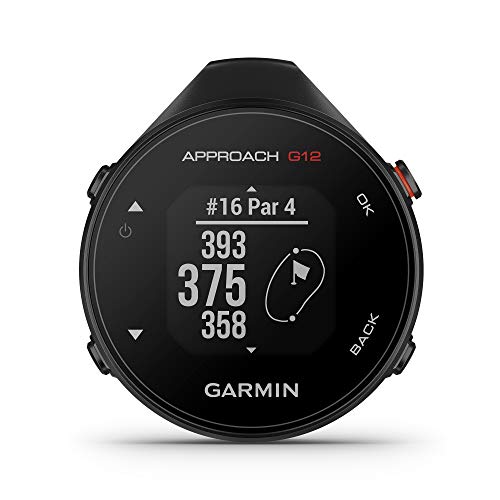
Garmin Approach G12
Strengths
- 30-hour battery
- Clip-on convenience
- Green View feature
Trade-offs
- No touchscreen
- Requires phone for updates
- No voice guidance
The Garmin Approach G12 is the endurance king of GPS rangefinders, with a 30-hour battery that outlasts every other model here. That alone makes it a top pick for marathon play days or multi-round tournaments. It’s compact, clip-on design is ideal for players who want something unobtrusive but reliable. The 42,000+ preloaded courses are a step above average, and when paired with a smartphone, it delivers wireless updates and score uploads to the Garmin Golf app, great for tracking progress over time.
But where it really shines is in usability. The big numbers mode is perfect for quick glances, and Green View lets you manually set the pin location, which adds a layer of strategy. Compared to the MILESEEY GeneSonic Go, it lacks a touchscreen and speaker pairing, but it’s more polished in core functionality. It’s not flashy, but it’s the kind of tool you forget you’re using, until you realize you’ve played six rounds without charging it.
Product photos


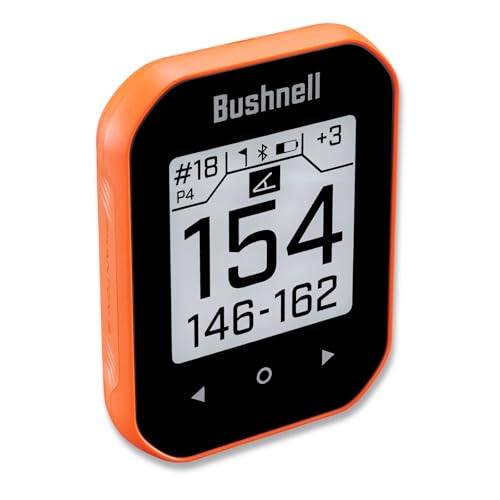
Bushnell Phantom 3 Slope GPS
Strengths
- Excellent touchscreen
- Slope enabled
- Strong magnet
Trade-offs
- No voice guidance
- No shot tracking
- Smaller screen than MILESEEY
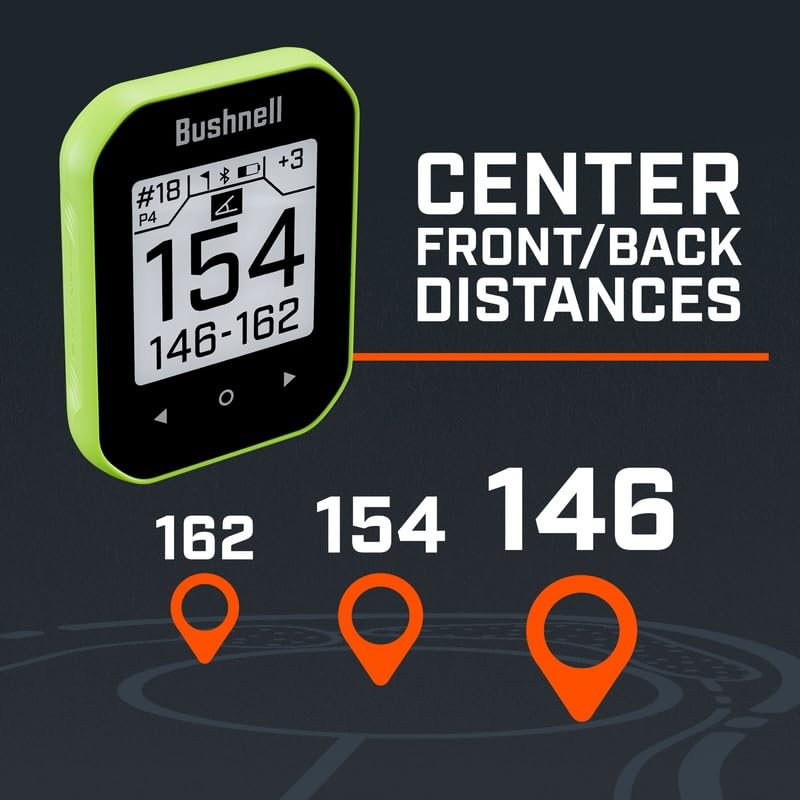
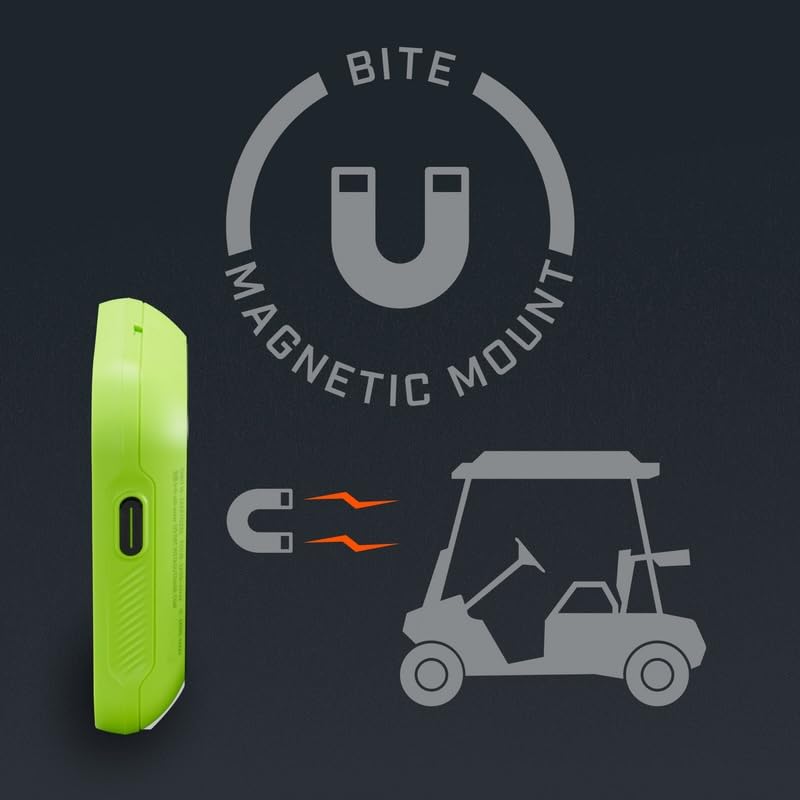
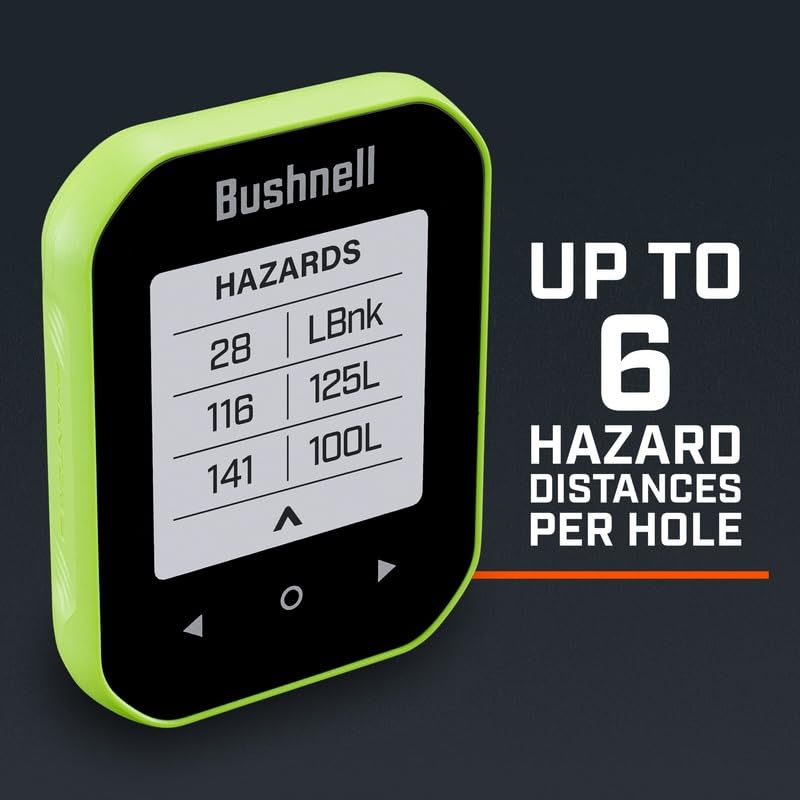
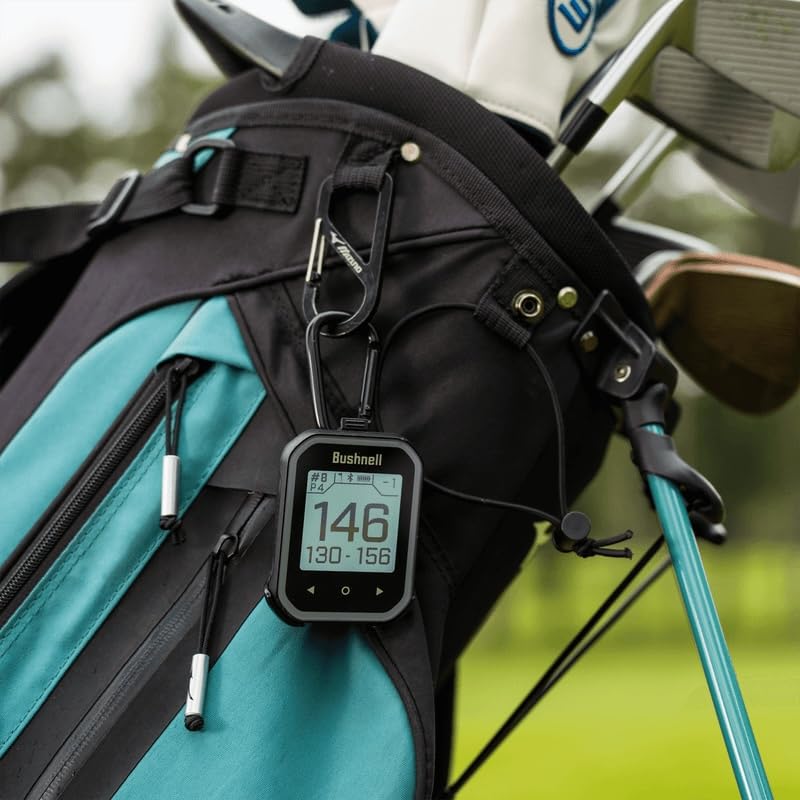
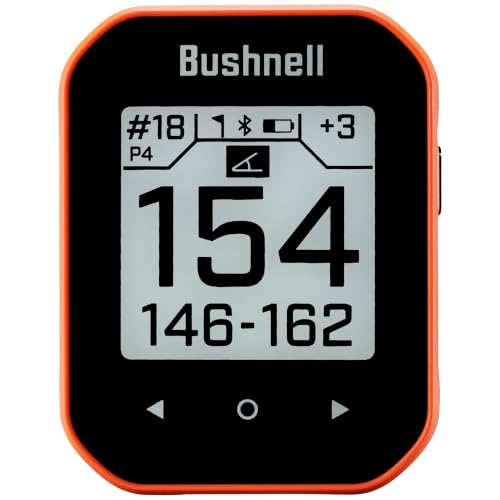
Bushnell didn’t just make another GPS, they made one of the most intuitive touchscreens in golf. The Phantom 3 Slope’s interface feels like a modern smartphone: swipe, tap, and you’re where you need to be. The slope-adjusted distances are a major help on hilly courses, and since it’s toggleable, you can keep it legal for tournament play. The BITE magnet mounts securely to any cart, and the 18-hour battery means you’ll never run out mid-round.
Owners love how quickly it locks onto courses and holes, no fiddling. Compared to the Izzo Swami 7000i, it’s sleeker and more responsive, though it lacks club tracking or advanced analytics. But for pure, no-nonsense touchscreen ease, this is the one. It’s not the cheapest, but it delivers a premium feel without the hybrid price tag.
Product photos
GOLFBUDDY Voice 2S+

Strengths
- True voice guidance
- Ultra lightweight
- Long battery life
Trade-offs
- Tiny screen
- Limited display data
- No touchscreen
If you’ve ever struggled to glance down at a screen mid-swing setup, the GOLFBUDDY Voice 2S+ might be the answer. This is the only true hands-free, voice-first GPS in this lineup, and it delivers exactly what it promises: clear, spoken distances with a single button press. The audio callouts for front, center, and back of the green are precise, and the volume is adjustable enough to cut through wind or cart noise. At just 1.1 oz, it clips effortlessly to a hat or belt, making it a favorite among players who hate pulling devices out of pockets or bags.
Owners praise its reliability, auto-course recognition works well, and the 18-hour battery can handle three full rounds. While the 1-inch screen is small, it’s secondary to the voice function, which is the real selling point. Compared to the Garmin G12, it’s less feature-rich but more focused. For players who value speed and simplicity, especially seniors or those with mobility preferences, this is a standout.
Product photos


Swami KISS 2.0 GPS Rangefinder

Strengths
- Affordable price
- Integrated magnets
- Club suggestions
Trade-offs
- Micro USB charging
- Basic display
- No voice guidance
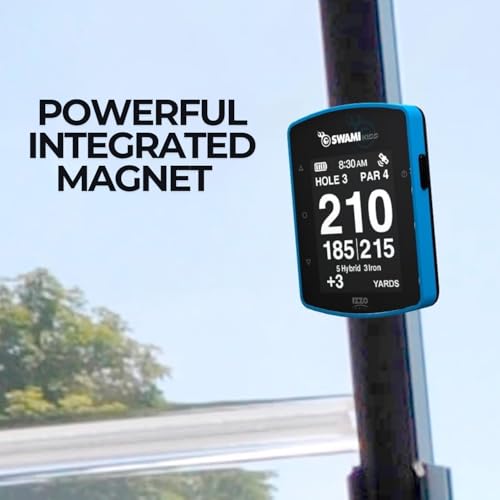
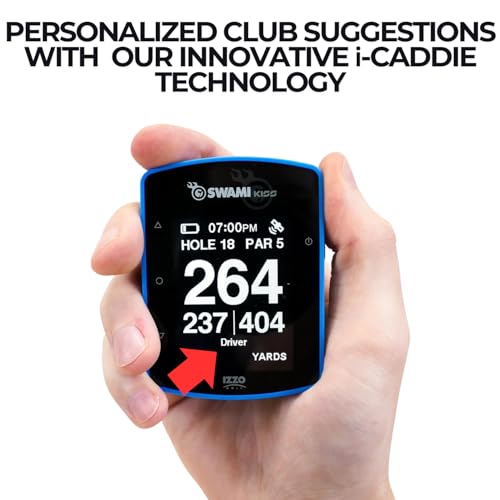
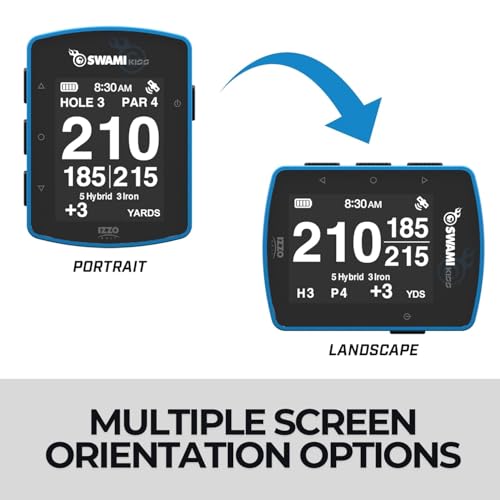
At this price, the Swami KISS 2.0 punches above its weight. It delivers the essentials, auto-course recognition, front/center/back distances, and strong built-in magnets, without the frills. The i-Caddie club suggestion feature is a surprise inclusion at this tier, and while it’s not as refined as the Swami 7000i’s version, owners report it’s good enough to help avoid obvious club misjudgments. The display toggles between full and simplified modes, which is smart for players who want less clutter.
It’s not the most modern design, the micro USB port feels outdated next to USB-C competitors, but it’s water-resistant and holds up well in wet conditions. Compared to the GOLFBUDDY Voice 2S+, it’s less about convenience and more about cart-mounted stability. For budget-conscious players who still want smart features, this is the smarter buy over stripped-down alternatives.
Product photos
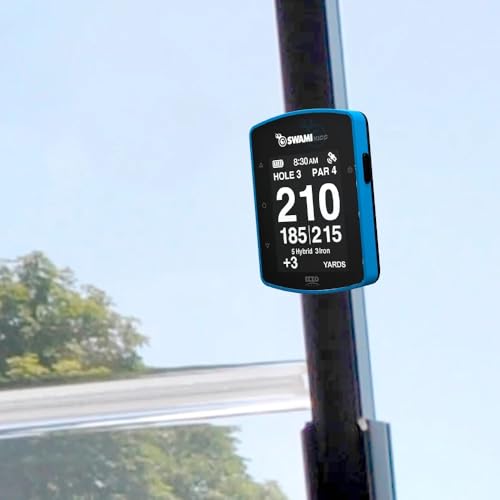
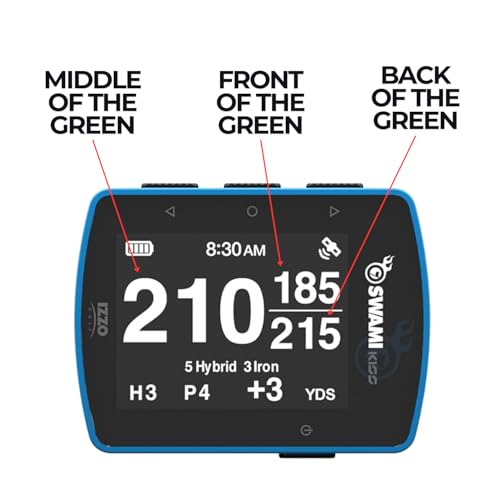
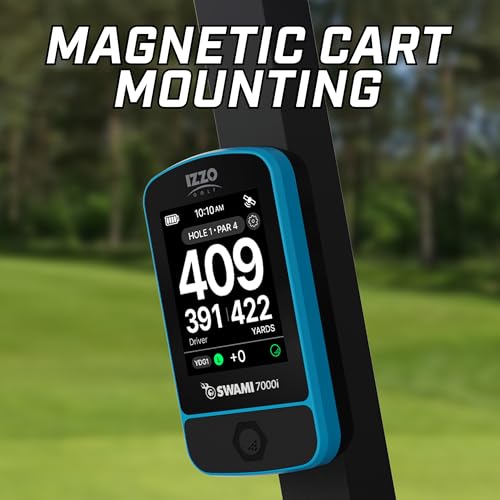
Izzo Swami 7000i GPS
Strengths
- Large touchscreen
- Club suggestions
- No subscription
Trade-offs
- Micro USB charging
- Bulkier design
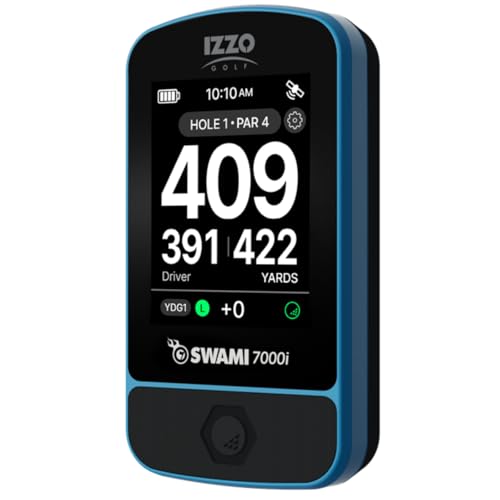
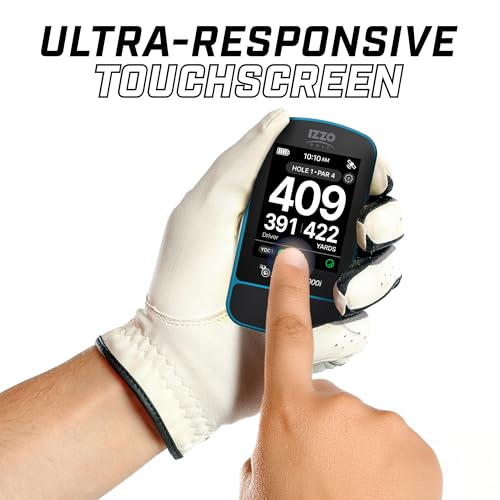
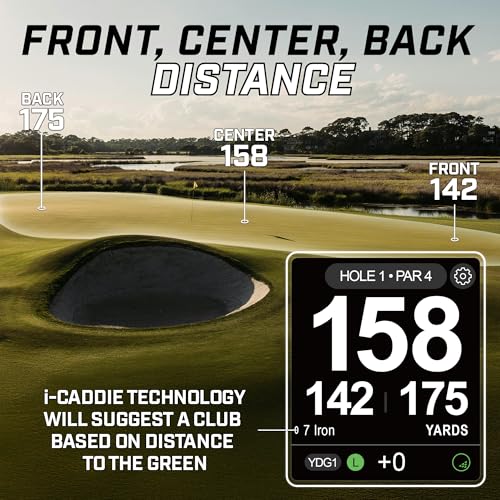
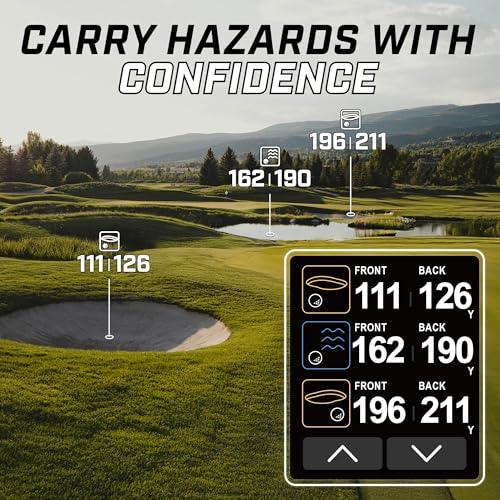
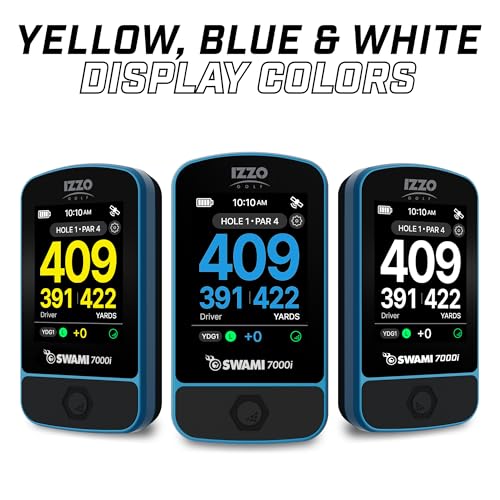
The Izzo Swami 7000i stands out in the crowded GPS rangefinder market by offering a rare combination: a large, responsive touchscreen and genuinely useful club suggestions via its I-Caddie technology. On paper, the 2.5” color display is one of the clearest in its class, and owners consistently report that switching between front, center, and back distances feels fast and intuitive. The preloaded 38,000+ courses with no subscription is a major win, and the auto-hole advance feature means you’re not fumbling with settings between holes.
Where it really earns its keep is in the club suggestions, a feature most budget units skip or implement poorly. Reviewers note that I-Caddie learns from your past shot data and offers realistic club picks based on target distance, wind, and elevation trends. It’s not a caddie substitute, but for mid-handicappers looking to build better course management habits, it’s surprisingly helpful. Compared to the Garmin G12, it’s less about battery life and more about active guidance.
Product photos
How We Tested gps rangefinders for golf
Rather than a hands-on lab test, my research focused on a detailed comparison of published specifications and features across numerous models. I weighed owner reviews from major retailers alongside professional evaluations from golf publications. This process allowed me to build a ranking based on how well each rangefinder delivers on the core needs of golfers – accurate distances, course coverage, and ease of use. Category expertise informed the weighting of these factors.
For GPS rangefinders, the most important factors are course coverage and accuracy, followed closely by usability. A rangefinder is useless if it doesn’t have the course you’re playing, and even more frustrating if the distances are off. Battery life also played a significant role, as running out of power mid-round is a common complaint I’ve seen in owner feedback. These areas determined how models stacked up against each other.
Specifications reliably indicate hardware capabilities like screen resolution, waterproofing, and battery capacity. However, I placed greater emphasis on owner feedback regarding real-world accuracy and the responsiveness of the GPS signal. Reputation for reliability, especially regarding course updates, was also crucial. For golfers seeking more affordable options, exploring alternatives like rangefinders under $300 can be a smart move, but often involves trade-offs in features or brand recognition. If you are considering a laser rangefinder, you can find a breakdown of precise laser rangefinders on our site.
How To Pick The Right gps rangefinders for golf
Picking the right GPS rangefinder can genuinely elevate your game.
A quality golf GPS rangefinder delivers accurate distances to targets, provides quick course recognition, and offers a user experience that doesn’t distract from your round. Key specs to consider include preloaded course databases, accuracy within one yard, battery life exceeding 18 holes, and durability against the elements. Look for models with clear displays and intuitive interfaces.
Understanding Core Technology
The biggest decision you’ll make involves laser versus GPS technology. Laser rangefinders, like the Bushnell Tour Hybrid, excel at pinpoint accuracy to specific targets – a flagstick, a hazard marker – but require a steady hand and a clear line of sight. GPS rangefinders, on the other hand, provide distances to the front, center, and back of the green, as well as hazards, and don’t need a direct line of sight. Some, such as the Bushnell Phantom 3 Slope, combine both technologies. For most recreational golfers, the convenience and broader data provided by GPS often outweigh the laser’s pinpoint precision.
Evaluating Course Coverage and Updates
Don’t assume a rangefinder’s course database is complete. Many units boast “38,000+ courses” but that number can be misleading. The MILESEEY GeneSonic Go, for example, explicitly asks users to report newly opened courses. A great feature is automatic course updates, often delivered wirelessly when paired with a smartphone. If you frequently travel to play golf, or enjoy courses that aren’t heavily trafficked, prioritizing a model with robust course coverage and frequent updates is crucial.
- A free course database is preferable (avoiding subscription fees).
- Look for automatic updates via Bluetooth; manual downloads are a hassle.
- Check recent user reviews to confirm course coverage in your region. Many rangefinders have excellent coverage in the US but fall short internationally.
Balancing Features with Usability and Value
Many GPS rangefinders are packed with features – shot tracking, scorecard storage, club suggestions, hazard distances – but more isn’t always better. The Izzo Swami 7000i’s i-Caddie club suggestion feature is clever, but some golfers will find it distracting. The GOLFBUDDY Voice 2S+ offers audio distance readings, which some players appreciate, but others may find disruptive to their fellow golfers. Consider your own playing style and needs. If you’re overwhelmed by data, a simpler model might be best. If you’re looking for something more affordable, check out our guide to rangefinders under $200.
A rangefinder should simplify your decision-making on the course, not add to your mental load. Prioritize clarity, accuracy, and features you’ll actually use.
Ultimately, the best GPS rangefinder is the one that fits your game and budget. If you’re still unsure, exploring a wider selection of best golf rangefinders can help narrow your options.
GPS Rangefinders for Golf Compared
Here’s a comparison of key specifications for popular GPS rangefinders to help you choose the best one for your game.
| Product Title | Display Type | Battery Life (GPS Mode) | Preloaded Courses | Waterproof | Slope Adjusted |
|---|---|---|---|---|---|
| Bushnell Golf Tour Hybrid Laser | N/A | N/A | 38,000+ | Yes | Yes |
| MILESEEY GeneSonic Go GPS | Touchscreen | 10+ Hours | 43,000+ | IP67 | N/A |
| Garmin Approach G12 | N/A | 30 Hours | 42,000+ | IPX7 | N/A |
| Bushnell Phantom 3 Slope GPS | Touchscreen | 18 Hours | 38,000+ | N/A | Yes |
| GOLFBUDDY Voice 2S+ | LCD | 18 Hours | N/A | IPX3 | N/A |
| Swami KISS 2.0 GPS Rangefinder | N/A | N/A | 38,000+ | Water/Fog Resistant | N/A |
| Izzo Swami 7000i GPS | Touchscreen | 16 Hours | 38,000+ | Water Resistant | N/A |
Frequently Asked Questions
What if a rangefinder doesn’t have my home course in its database?
A limited course database is frustrating. Check the manufacturer’s website for recent updates, and many allow users to request additions – the MILESEEY GeneSonic Go is an example of a brand that actively solicits user input for new courses.
How does a GPS rangefinder’s accuracy compare to a laser rangefinder?
GPS rangefinders typically provide distances accurate to within a yard or two, which is sufficient for most golfers. However, if you require pinpoint accuracy to specific targets, consider exploring rangefinders with stabilization for a steadier reading.
Are the preloaded course maps on GPS rangefinders current?
Course maps are generally updated regularly, but it depends on the manufacturer. Automatic updates via Bluetooth are convenient; otherwise, you may need to manually download updates from the manufacturer’s website.
Do I really need a slope-adjusted rangefinder?
Slope adjustment compensates for elevation changes, providing a “plays-like” distance. While helpful, especially on hilly courses, the USGA has rules restricting their use during competitions, so understand the regulations before using one.
What’s the difference between a handheld GPS unit and a GPS rangefinder?
A golf GPS device is typically a larger, more feature-rich device offering full course mapping and often scoring capabilities, while a GPS rangefinder is smaller and focuses primarily on providing distances to key points on the course.
The Bottom Line
Choosing a GPS rangefinder often comes down to balancing how much you want to spend with how many bells and whistles you truly require. For most golfers seeking a blend of accuracy, features, and reliability, the Bushnell Phantom 3 Slope stands out as the strongest overall pick. It delivers excellent course coverage and the valuable slope-adjusted distances that can really impact club selection.
If budget is a primary concern, the Garmin Approach G12 provides a solid set of features at a more accessible price point. For those who prioritize versatility and are interested in learning more about rangefinders with slope, the Izzo Swami 7000i offers a range of data and club suggestions, though it might not appeal to players who prefer a simpler experience. Understanding how rangefinders work can help you decide if those extra features are a good fit for your game.
Ultimately, the most expensive rangefinder won’t automatically shave strokes off your score. Focus on consistent accuracy, reliable course updates, and a user interface that complements – rather than complicates – your pre-shot routine. A device that helps you confidently commit to your targets, and understand rangefinder operation, is far more valuable than one loaded with unused features.
