
9 Best Golf Speed Trainers of 2026
This post contains affiliate links. As an Amazon Associate, we earn from qualifying purchases.
This post contains affiliate links. As an Amazon Associate, we earn from qualifying purchases.
The SuperSpeed Golf Swing System is the best overall golf speed trainer, delivering proven results through its overspeed training method. For a more budget-friendly option, the KeGOLF 3-in-1 Swing Speed Stick offers solid adjustability and value. If realistic swing feel matters most, the Gowolf Carbon Fiber Swing Trainer stands out with its full-length, driver-like design.
Golfers keep asking me one question on the range: how do I get more distance off the tee? The answer isn’t just strength, it’s speed, built the right way. Too many speed trainers promise results but fail to deliver real-world transfer to your actual swing.
This guide cuts through the noise. Based on specs, owner feedback, and what top instructors recommend, I focused on adjustability, training science, and swing realism to find the models that actually help golfers gain speed safely and consistently.
Top 9 Golf Speed Trainers in the Market
The Best Golf Speed Trainers, Reviewed
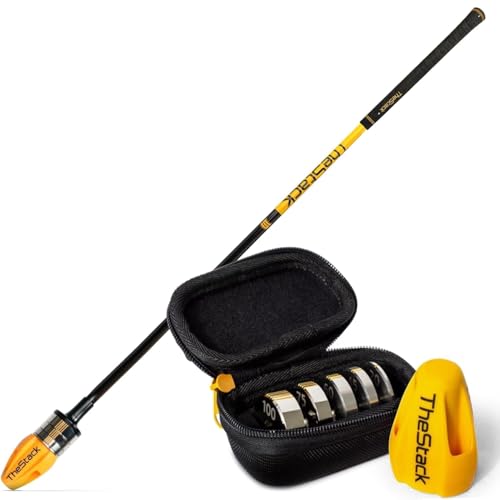
TheStack Golf Swing Speed Trainer
Strengths
- 30 weight combinations
- App with swing tracking
- Putting trainer included
Trade-offs
- Requires separate radar
- High price point
If you’re chasing every last mile per hour of swing speed and want data-driven feedback, TheStack is the most technically advanced trainer here. Owners consistently report serious speed gains, and on paper, the 30 weight options and integration with a full-featured app make this the most precise system available. The research-backed claims, like average speed gains of over 10 mph across tens of thousands of users, stand out in a category full of vague promises.
The inclusion of both swing and putting training in the app is a major plus, and the library of biomechanics content curated by Dr. Sasho MacKenzie adds real educational value. But you’ll need your own radar to track speed, which feels like a missed opportunity at this price. Still, for golfers who treat training like fitness, tracking progress, optimizing form, and following structured protocols, this is the most complete package.
Video review
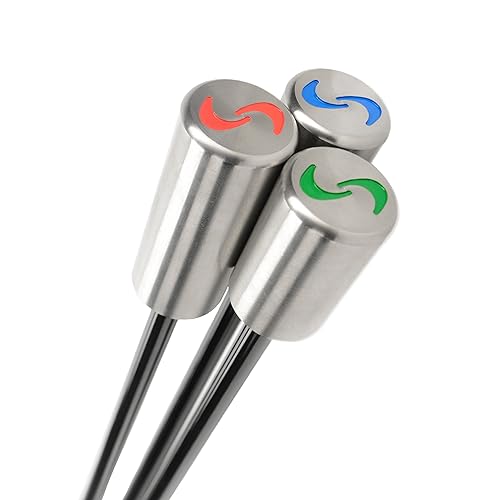
SuperSpeed Golf Swing Speed System
Strengths
- Proven speed gains
- Light-to-heavy system
- App-guided training
Trade-offs
- Three separate sticks
- Higher price than basics
If proven performance is your priority, SuperSpeed is the gold standard. It’s not just that Padraig Harrington uses it, it’s that over 1,000 tour pros and 300,000 amateurs have seen measurable results. The system’s core idea, three sticks (light, lighter, heavy) used in sequence, is based on overspeed training principles validated by university studies showing 5–8% speed increases.
The app guides you through structured protocols, tracks your progress, and even includes leaderboards to add a competitive edge. Reviewers highlight how quickly they notice changes in clubhead speed, often within weeks. Compared to single-club trainers, this system forces your neuromuscular system to adapt more aggressively. It’s not the cheapest, but it’s the most battle-tested option here.
Video review
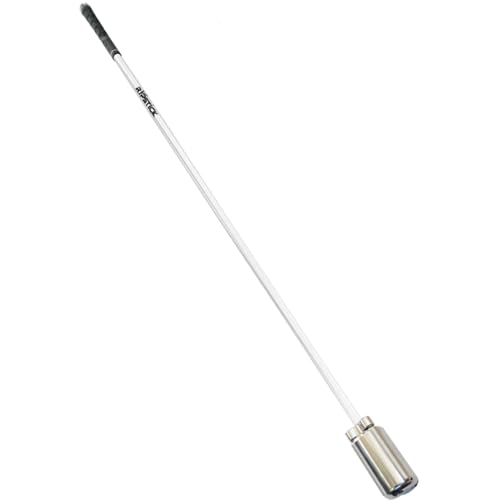
Rypstick Golf Swing Training Aid
Strengths
- Tour-level credibility
- PGA-designed workouts
- Strength and flexibility focus
Trade-offs
- No app tracking
- Bulky for travel
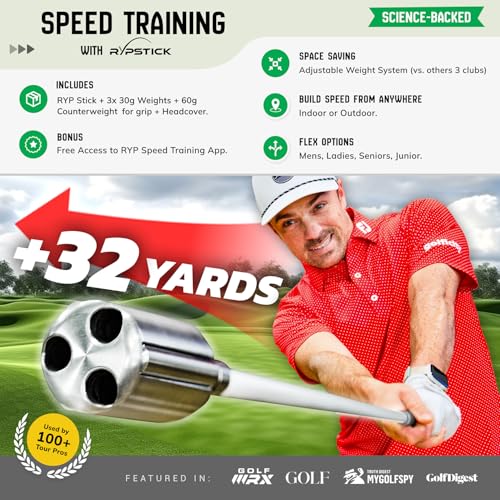
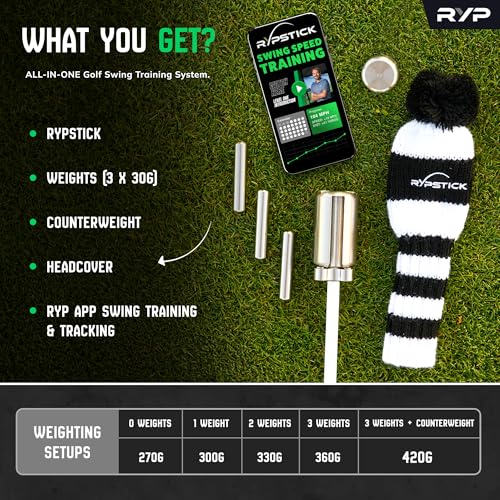
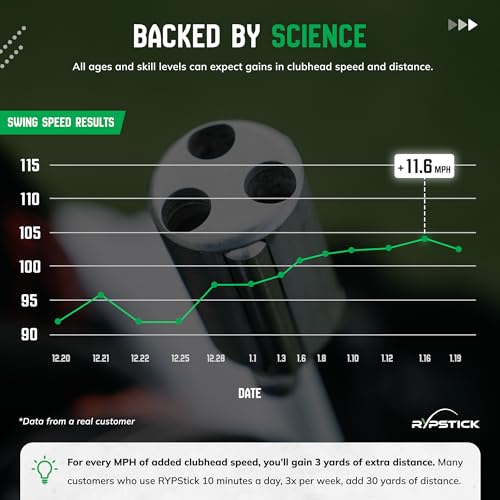
The Rypstick is engineered for tour-level training, and it shows in both design and reputation. Used by over 100 tour players and featured in Golf Digest and MyGolfSpy, it’s built to deliver serious speed gains through multiple weight combinations and PGA-certified protocols. The 15-minute workouts, designed by Dr. Luke Benoit, are a standout, short, intense, and effective.
Owners report noticeable improvements in both strength and flexibility, and the five-minute warm-up routine is a favorite among those who play or practice frequently. It’s more expensive than most, but the build quality and coaching content justify it. Compared to single-purpose trainers, the Rypstick functions like a full fitness tool for golfers. If you treat your game like an athlete, this one aligns with that mindset.
Product photos


KeGOLF 3-in-1 Swing Speed Stick
Strengths
- Affordable price
- Tool-free weight changes
- Compact design
Trade-offs
- Basic materials
- No app or tracking
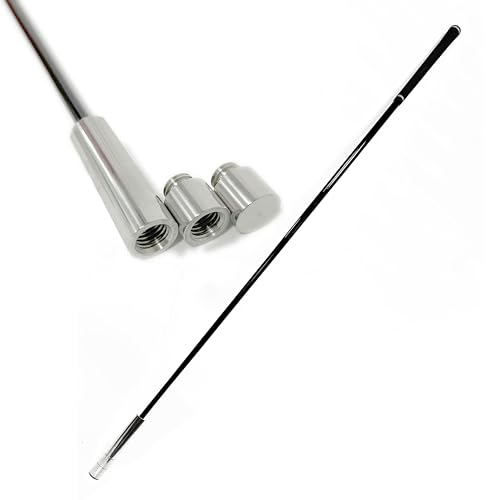
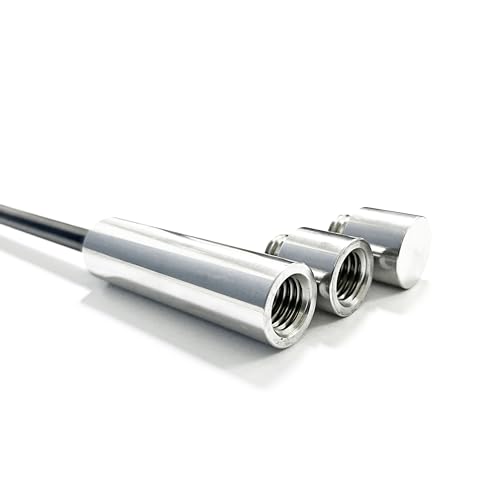
At under 35 bucks, the KeGOLF trainer is a standout for budget versatility. It packs three weight settings, 275g, 310g, and 360g, into one compact design, and the threaded weight system makes swaps easy without tools. For golfers who want a no-frills way to practice tempo and build muscle memory without spending much, this delivers solid value.
It’s not made with premium materials, and the grip is basic, but owners say it holds up well for light to moderate use. The one-club design saves space in your bag, which makes it more likely you’ll actually use it. Compared to similarly priced models, it offers a better weight progression and slightly better build. For beginners or casual players, this is the smarter buy over pricier gimmicks.
Product photos

Big Crazy Swing Trainer for Callaway

Strengths
- Clubs-specific training
- Affordable price
- Easy attachment
Trade-offs
- Callaway only
- No app support
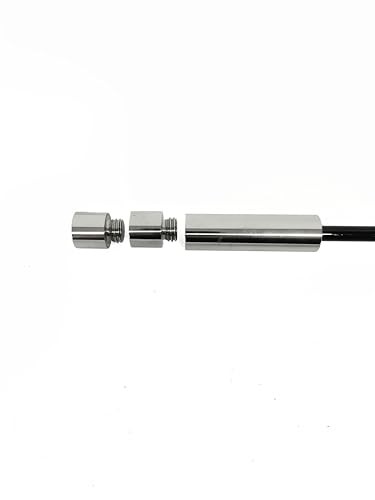
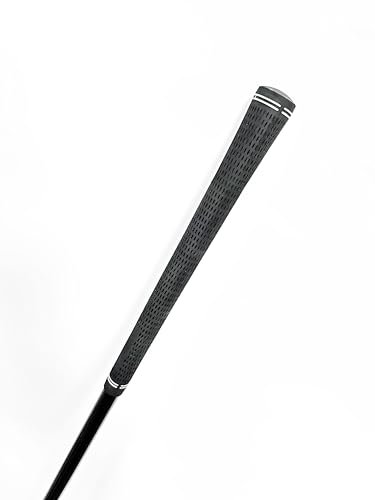
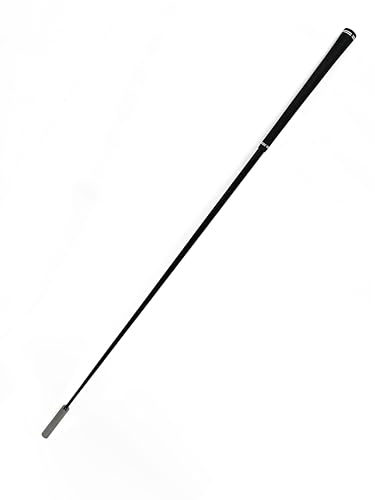
This Big Crazy trainer is the best value for Callaway users who want to train with their actual clubs. Instead of a standalone stick, it attaches directly to Callaway drivers from the 815 series up to current models, letting you train with the exact balance and feel of your own gear. The three weight settings, 155g, 190g, 235g, offer a solid progression for overload training.
Owners say it’s easy to install and doesn’t damage clubheads, and the rubber sleeve prevents slipping during removal. The idea of training with your real club is smart, muscle memory transfers better. But compatibility is limited to Callaway, so it’s a niche pick. If you’re loyal to the brand, this is a low-cost way to add serious training value.
Product photos


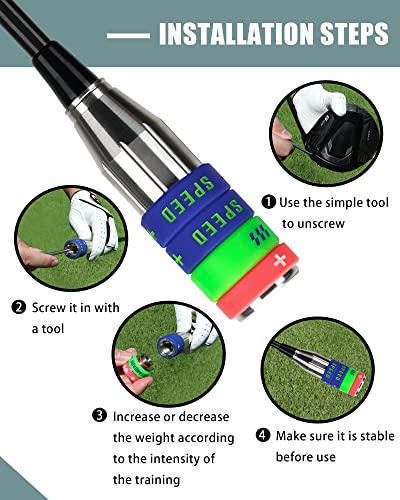
Big Crazy Swing Trainer for Taylormade
Strengths
- Works with real clubs
- Low cost
- Easy to switch
Trade-offs
- Taylormade only
- No tracking features
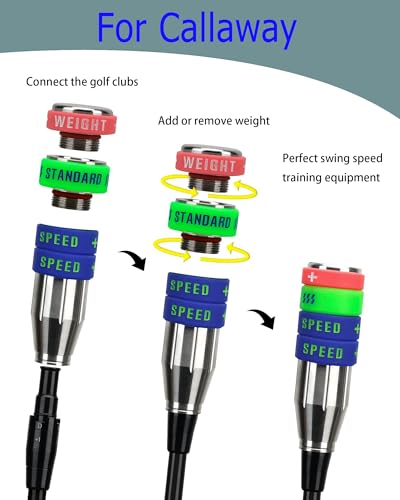
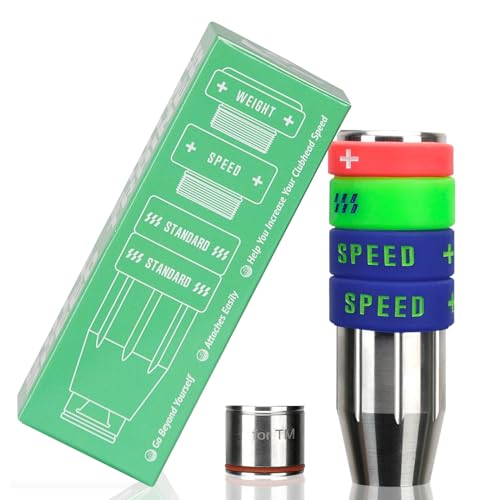
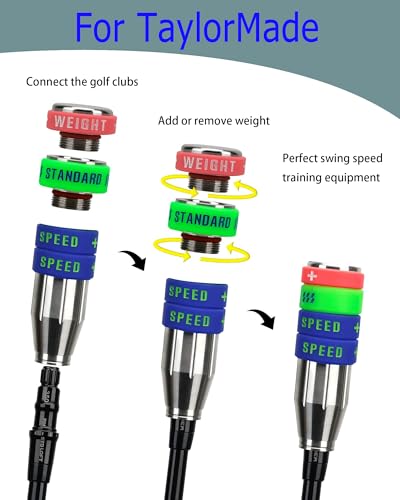
Like its Callaway sibling, this Big Crazy trainer shines as the best value for Taylormade users. It screws directly onto Taylormade drivers from the R9 all the way up to the Stealth series, letting you train with your own club’s length and balance. That direct integration gives it an edge over generic sticks, you’re reinforcing the exact swing you use on the course.
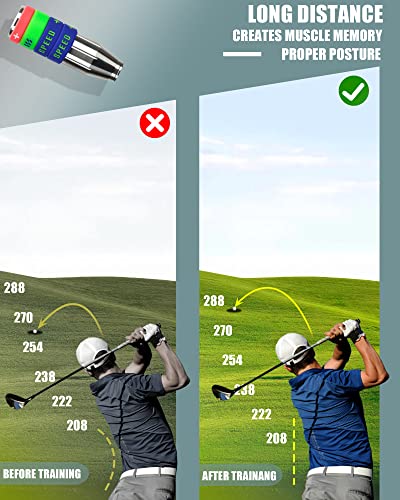
With three weight options and a sub-35 price tag, it’s a no-brainer for Taylormade loyalists. The rubber sleeve makes removal easier, and owners report it holds up well over time. It won’t replace a full training system like SuperSpeed, but for building tempo and speed with your real driver, it’s incredibly effective. If you’re not into carrying extra sticks, this is the way to go.
Product photos

HH-GOLF Swing Speed Training Club
Strengths
- Wide weight range
- Lightweight graphite shaft
- Easy weight swaps
Trade-offs
- Shorter than driver
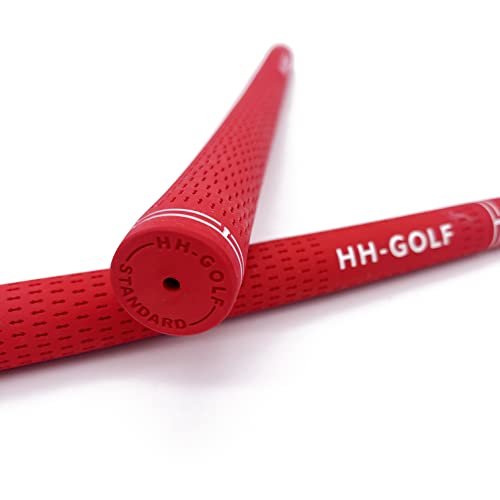
- Basic grip quality
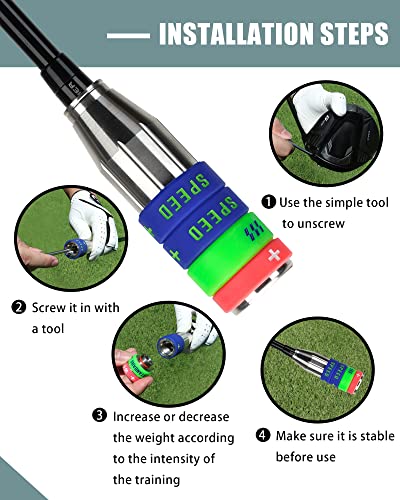
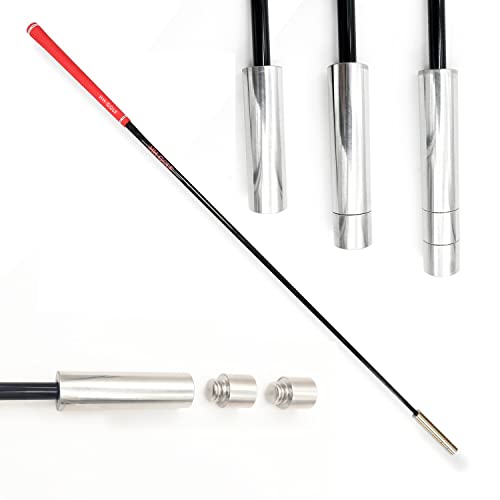
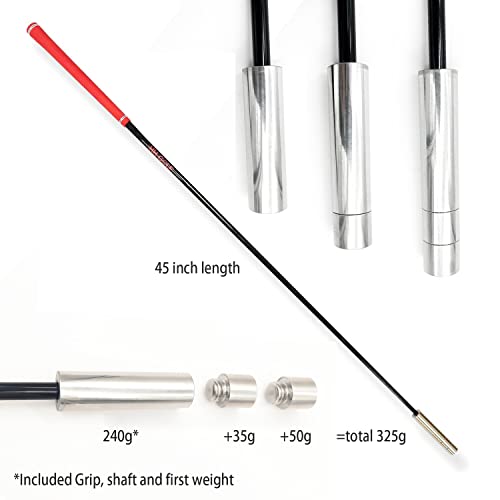
The HH-GOLF trainer wins on adjustable weight design, you can shift from 240g to 325g by swapping weights into the head, which gives a broader feel progression than many fixed-length models. That range covers light overspeed to heavy overload, making it a solid choice for following the light-to-heavy training principle that pros like Padraig Harrington use.
It’s built with a lightweight graphite shaft, so it doesn’t feel sluggish even at max weight. Owners say it’s great for building core strength and muscle memory, especially when used in short daily sessions. But it’s shorter than a driver, so the swing dynamics aren’t quite as realistic as longer models. For the price, though, the engineering is smart, this is the kind of trainer you can grow with over time.
Product photos


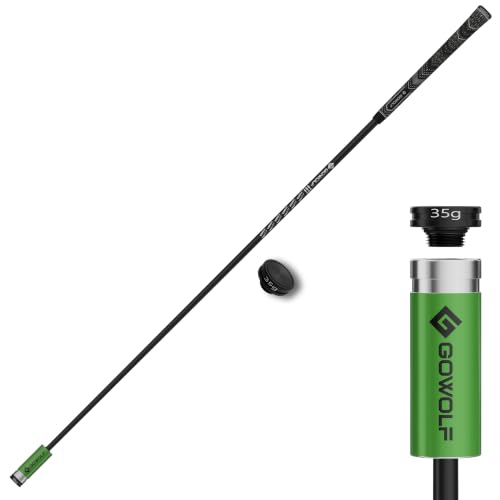
Gowolf Carbon Fiber Swing Trainer
Strengths
- Driver-length shaft
- Carbon fiber responsiveness
- Realistic grip feel
Trade-offs
- Limited weight range
- No app integration
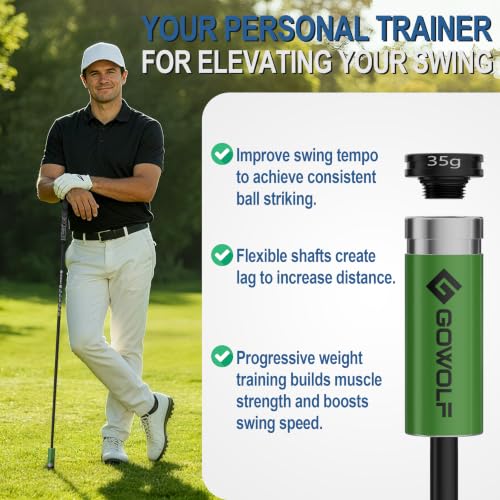
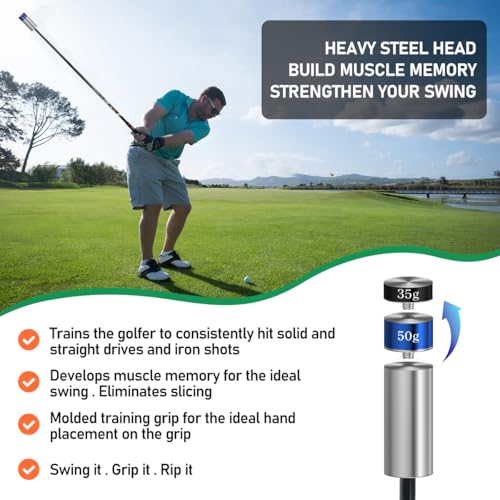
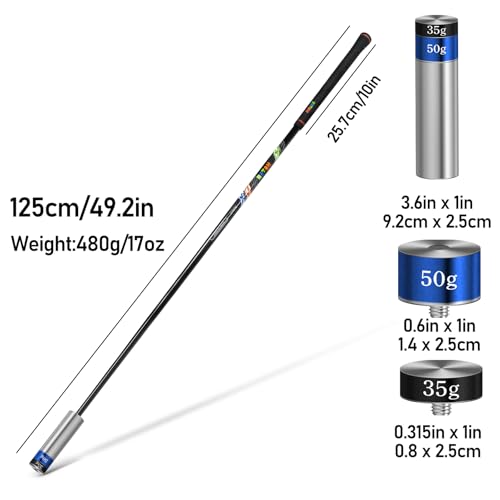
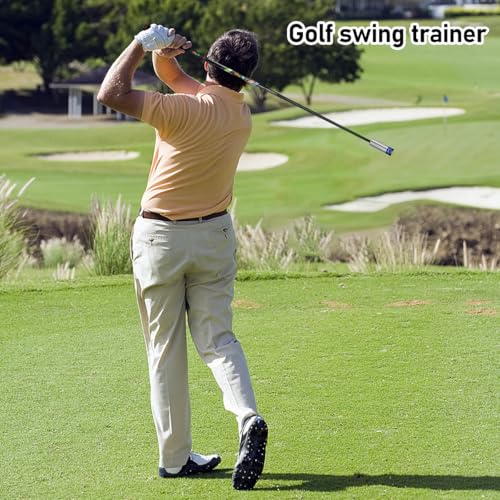
The Gowolf trainer stands out for delivering a realistic swing feel, it’s the same length as a standard driver, which makes it far more effective for groove-building than shorter, stubbier trainers. The carbon fiber shaft gives it a responsive, whip-like flex that promotes lag and explosive release, two traits most golfers struggle to feel. Reviewers note it’s especially helpful for warming up before a round or refining tempo on the range.
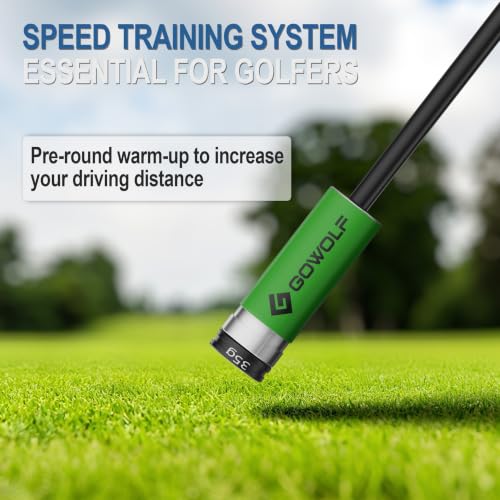
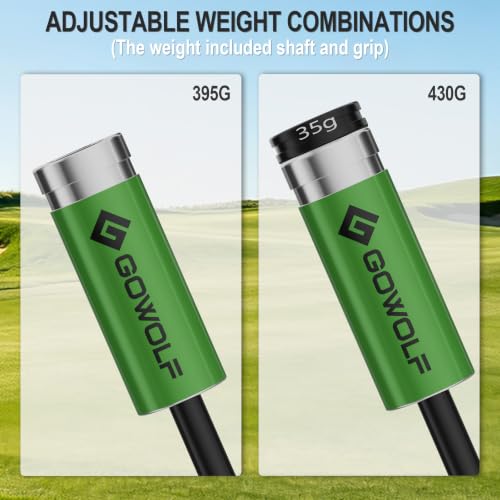
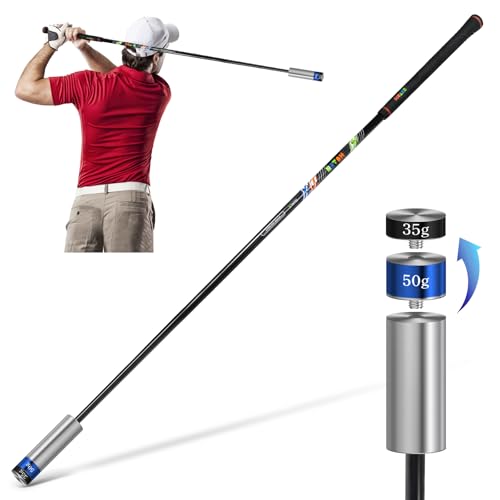
At just over 50 bucks, it’s not the cheapest, but the build quality justifies the cost. The adjustable 35g weights let you progress from overload to overspeed training, and the cotton cord grip feels close to a real club. Compared to budget models, this one holds up better over time and actually mimics the dynamics of a real swing. I’d pick this over heavier, clunkier trainers for most players focused on rhythm and timing.
Product photos
HUAEN Golf Swing Warm-up Stick
Strengths
- Realistic grip
- Quiet indoor use
- Good for rhythm drills
Trade-offs
- Shorter shaft
- Limited weight options
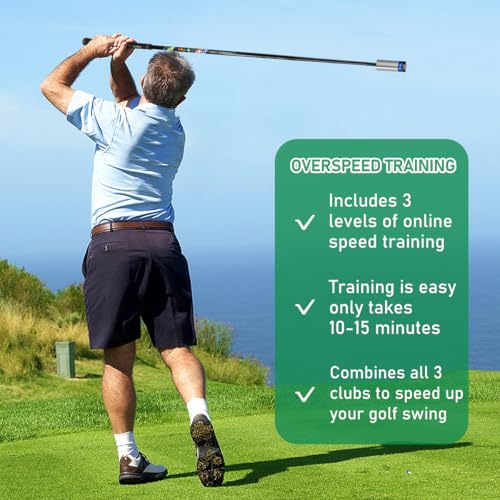
The HUAEN trainer is built for indoor practice, and it shows. With a realistic rubber grip and a design focused on rhythm, flexibility, and balance, it’s one of the few models that feels genuinely useful in tight spaces. The adjustable weights let you shift between overload and overspeed training, and the overall build is quiet and smooth, no clunky parts or loud clicks.
Owners praise it for helping maintain swing feel during off-season or travel, especially in garages or basements. It doesn’t have the length of a driver, but for short-area drills, that’s less of an issue. Compared to other budget trainers, it emphasizes comfort and repetition, which matters most when you’re swinging indoors. If you’re training at home, this one’s worth serious consideration.
Product photos

How We Picked These golf speed trainers
Rather than a hands-on lab test, my research for these recommendations involved a detailed comparison of published specifications and features across numerous models. I weighed owner reviews from major retailers against assessments from golf publications and instructors. As someone who plans golf trips for a living, I’ve observed firsthand what golfers prioritize – results and consistency – and used that knowledge to establish clear ranking criteria.
The most significant factors determining my rankings were adjustability and the scientific backing behind the training method. A trainer’s ability to offer varied resistance levels is crucial, allowing golfers to progressively overload their muscles and build speed safely. Equally important was evidence of a sound training philosophy, like the overspeed principles seen in several top picks, rather than just a simple weighted club.
Specifications reliably indicate the weight ranges and materials used, giving a baseline for quality and potential effectiveness. However, I placed greater emphasis on owner feedback regarding actual speed gains and the long-term impact on their game. Reputation among instructors and pros was also a key consideration, as those in the golf industry often have insights not reflected in basic specs. If you’re also looking to improve your overall game, exploring weighted swing trainers can be a complementary approach.
How To Choose The golf speed trainers
Finding the right golf speed trainer can be the difference between consistently adding yards and continuing to struggle off the tee. It’s a crowded market, so knowing what to look for is key.
A quality golf speed trainer prioritizes consistent overload and overspeed training. Look for adjustable weight options to customize resistance, a design that mimics a real golf club’s feel, and ideally, integration with an app for tracking progress and receiving coaching. The goal is to build muscle memory and increase clubhead speed safely and effectively.
Weight & Adjustability
The core principle behind most speed trainers is progressively overloading your swing. Don’t automatically assume heavier is better. The most effective trainers, like the SuperSpeed Golf system, offer multiple weight options. This allows you to start with a weight that feels manageable and gradually increase the resistance as your speed improves. I’ve seen golfers make significant gains by starting light, focusing on proper technique, and then adding weight incrementally. Don’t overlook the KeGOLF 3-in-1 Swing Speed Stick; its adjustability makes it a surprisingly versatile option, particularly for those new to speed training.
Swing Feel & Realism
Too many trainers feel like…well, trainers. They lack the feel of a real golf club, making it difficult to transfer the gains you make in practice to the course. This is where the Gowolf Carbon Fiber Swing Trainer stands out. Its full-length shaft and driver-like feel help you develop a more natural swing and build muscle memory more effectively.
Here’s what to consider when assessing swing feel: * Shaft Material: Graphite generally provides a better feel and more flex than steel. * Length: A trainer that matches your driver length is crucial for replicating your on-course swing. * Grip: A familiar grip, similar to what you use on your clubs, will aid in the transfer of learned movements.
App Integration & Data Tracking
Simply swinging faster isn’t enough. You need to understand how you’re swinging faster and track your progress over time. TheStack Golf Swing Speed Trainer excels here, offering a thorough app that tracks your performance, compares you to other users, and provides personalized coaching. If you’re serious about improving your swing, the added data and feedback from these apps are invaluable. Don’t underestimate the importance of objective measurement; it’s easy to feel like you’re swinging faster, but the numbers don’t lie. And if you’re also working on consistency, exploring tempo trainers can complement your speed work.
A consistent swing is built, not born. Don’t chase speed at the expense of control. Focus on maintaining proper technique and a smooth tempo, even as you increase your swing speed.
Golf Speed Trainers Compared
Here’s a comparison of key specifications for popular golf speed trainers to help you make an informed purchase.
| Product Title | Weight Options | App Support | Material | Length (in) | Key Feature |
|---|---|---|---|---|---|
| TheStack Golf Swing Trainer | 30 combinations | iOS & Android | N/A | N/A | Scientifically Proven Gains |
| SuperSpeed Golf Swing System | 3 Weighted Sticks | iOS & Android | N/A | N/A | Overspeed Training |
| Rypstick Golf Swing Training Aid | Multiple Combinations | N/A | N/A | N/A | Tour-Level Training |
| KeGOLF 3-in-1 Swing Speed Stick | 275/310/360g | N/A | N/A | N/A | 3 Clubs in 1 |
| Big Crazy (Callaway) | 155/190/235g | N/A | N/A | N/A | Callaway Compatibility |
| Big Crazy (Taylormade) | 155/190/235g | N/A | N/A | N/A | Taylormade Compatibility |
| HH-GOLF Swing Speed Training Club | 240-325g | N/A | Graphite | N/A | Adjustable Weight |
| Gowolf Carbon Fiber Swing Trainer | 395-430g | N/A | Carbon Fiber | 46 | Realistic Swing Feel |
| HUAEN Golf Swing Warm-up Stick | Adjustable | N/A | N/A | N/A | Versatile Training |
Frequently Asked Questions
What’s the fastest way to see results with a speed trainer?
Consistent, focused practice is key; most golfers see improvements within 3-6 weeks when following a structured training plan. Combining overspeed training with regular swing practice, and tracking your progress with a swing speed radars will accelerate the process.
Are heavier trainers always better for building speed?
No, heavier isn’t always better. Starting with a weight that allows you to maintain proper form is more important than maximizing resistance immediately. Progressive overload – gradually increasing weight as you get stronger – is the most effective and safest approach.
Can a speed trainer help golfers with slower swing speeds?
Yes, a speed trainer can absolutely benefit golfers with slower swing speeds. Using lighter weighted trainers and focusing on technique can help build a more efficient swing, and pairing it with low compression balls can make a noticeable difference.
Do I need to be physically fit to use a golf speed trainer?
While a baseline level of fitness is helpful, you don’t need to be an athlete to use a speed trainer. However, it’s vital to start slowly, listen to your body, and focus on proper form to prevent injuries.
How important is app integration in a golf speed trainer?
App integration is very helpful, but not essential. Apps provide valuable data and personalized feedback, but a trainer’s effectiveness ultimately depends on the training method and your dedication to consistent practice.
The Bottom Line
Ultimately, increasing swing speed comes down to a trade-off between focused training and the convenience of simply swinging your club. For golfers serious about adding distance and willing to put in the work, the TheStack Golf Swing Speed Trainer stands out as the most effective option. Its science-backed approach and detailed app provide a clear path to improvement, even if it requires more dedication than some other methods.
If you’re looking for a more budget-friendly way to start building speed, the KeGOLF 3-in-1 Swing Speed Stick is an excellent choice. For golfers prioritizing a realistic feel and wanting to ingrain proper mechanics, the Gowolf Carbon Fiber Swing Trainer delivers a feel closer to your actual driver. And if you’re looking for more data beyond speed, exploring swing speed monitors can provide valuable insights.
Don’t get caught up chasing numbers or the latest gadgets. The most important factors in gaining speed are consistent practice, proper technique, and finding a training method that fits your swing and physical capabilities. Remember to also consider matching balls to swing speed to maximize your distance and control.
