
7 Best Golf Swing Speed Radars of 2026
This post contains affiliate links. As an Amazon Associate, we earn from qualifying purchases.
This post contains affiliate links. As an Amazon Associate, we earn from qualifying purchases.
The Stack Radar with App Integration stands out as the best overall swing speed radar for its accuracy and seamless smartphone connectivity, making it easy to track progress over time. For golfers on a budget, the Swing Speed Radar Classic Model delivers reliable readings without the extra cost. If you want more data, the Swinora Launch Monitor 13 Metrics offers deep insights, though it requires hitting actual balls.
Golfers don’t just want numbers, they want feedback that actually helps them improve. Too many swing speed devices give misleading readings or drown you in data you can’t use.
This guide cuts through the noise. Based on specs, owner experiences, and what instructors recommend, I focused on radars that deliver consistent, practical feedback, especially those that work without a ball and fit into real practice routines.
Top 7 Golf Swing Speed Radars in the Market
The Best Golf Swing Speed Radars, Reviewed
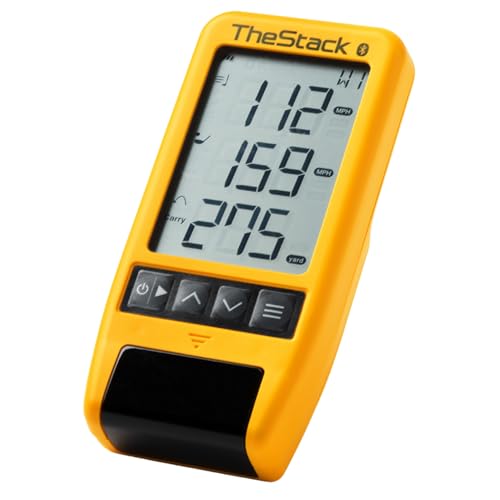
TheStack Radar with App Integration
Strengths
- Gamified training
- Bundled putting app
- Trusted by tour pros
- Seamless app sync
- Great for wedge work
Trade-offs
- iOS-only wedge mode
- Higher price
- Limited Android support
This isn’t just a radar, it’s a full training ecosystem. TheStack Radar pairs with a polished app that gamifies wedge practice and guides putting sessions, making it uniquely engaging. It tracks swing and ball speed, estimates carry distance, and syncs data smoothly via Bluetooth. What sets it apart is the bundled access to Stack Wedge and Stack Putting apps, which pros like Matt Fitzpatrick actually use.
The catch? Wedge mode is iOS-only, and Android users miss out on key features. But for Apple users, the training structure is unmatched. Compared to the Swinora or PRGR, it’s less about raw data and more about structured improvement. If you want to get better at scoring, not just swinging fast, this is the most complete package available.
Video review
PRGR HS 130-A Launch Monitor

Strengths
- No app needed
- Stores 500 swings
- Trusted by pros
- Simple operation
- Multi-sport capable
Trade-offs
- No app connectivity
- Limited metrics
- No spin or launch data
If you want reliable, no-nonsense swing data without apps, Wi-Fi, or phone pairing, the PRGR HS 130-A stands out. It tracks club speed, ball speed, smash factor, and carry distance, all the essentials, and stores 500 swings internally. No Bluetooth, no app, no fuss. That simplicity is its strength. Owners consistently report it holds up well over time and delivers consistent readings, which is why even Padraig Harrington uses it.
It won’t give you spin axis or launch angles like higher-end models, but it doesn’t pretend to. For pure swing speed training or quick checks on the range, it’s one of the most dependable tools under $200. I’d choose this over app-dependent models if I were traveling often or wanted something that just works, every time.
Video review
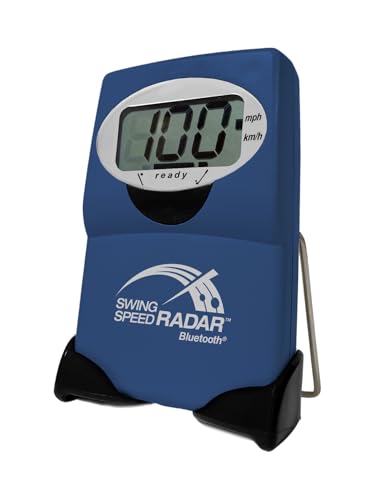
Swing Speed Radar with Bluetooth

Strengths
- Bluetooth app support
- Voice feedback
- Club-by-club tracking
- No ball needed
- Works with swing trainers
Trade-offs
- RF interference issues
- Limited to speed metrics
- App required for full use
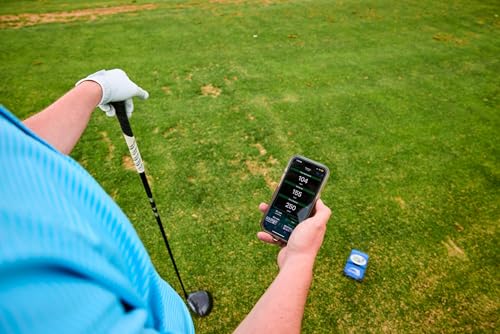
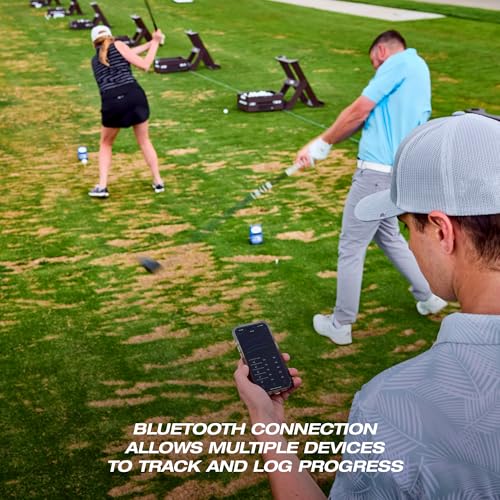
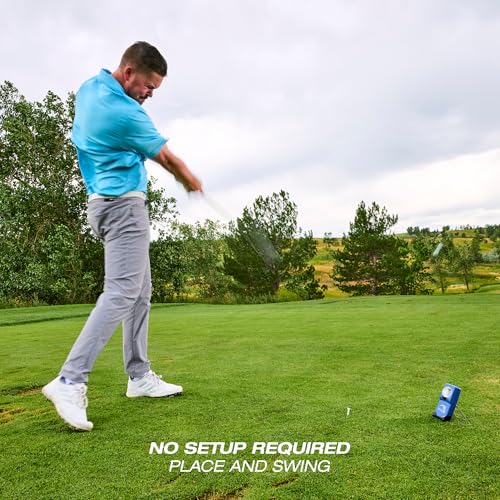
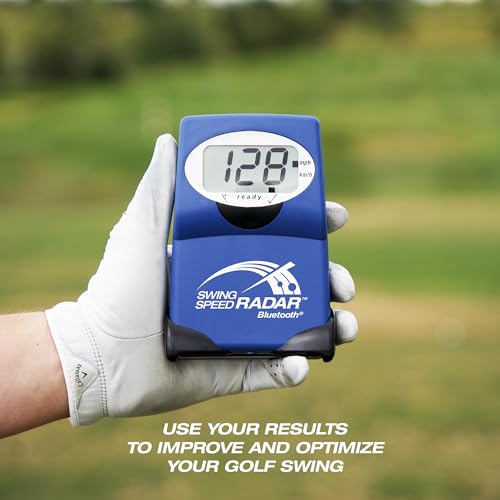
This version of the classic Swing Speed Radar adds Bluetooth and a companion app, making it a smart upgrade for players who want to track progress over time. It still delivers instant speed readings with the same reliable Doppler tech, but now you can set goals, hear voice feedback through earbuds, and log data by club. The range goes up to 220 mph, which covers even the fastest tour players.
It inherits the same RF sensitivity as the original, so indoor use near electronics can be tricky. But with the app, you gain long-term tracking that the basic model lacks. Compared to the PRGR or Swinora, it’s more focused, only speed, no full launch data, but that focus makes it great for dedicated speed training. My recommendation for players using overspeed protocols: this is the smarter buy over pricier all-in-one monitors.
Product photos
Voice Caddie SC200Plus Analyzer
Strengths
- Tempo training capable
- Voice output
- Long battery life
- Compact and portable
- No ball needed
Trade-offs
- Fewer metrics than top models
- No app for data export
- Limited indoor space requirements
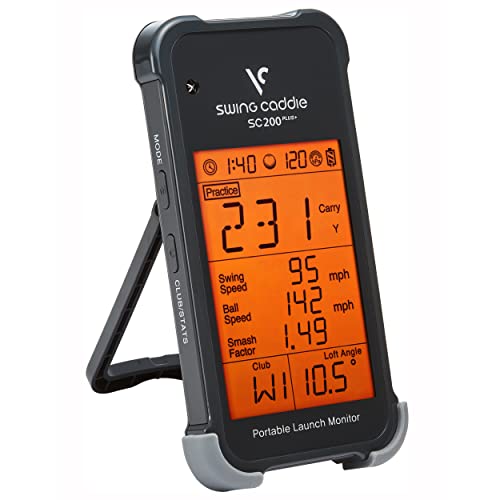
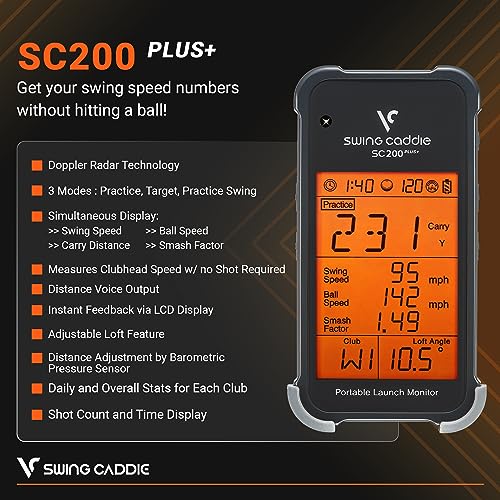
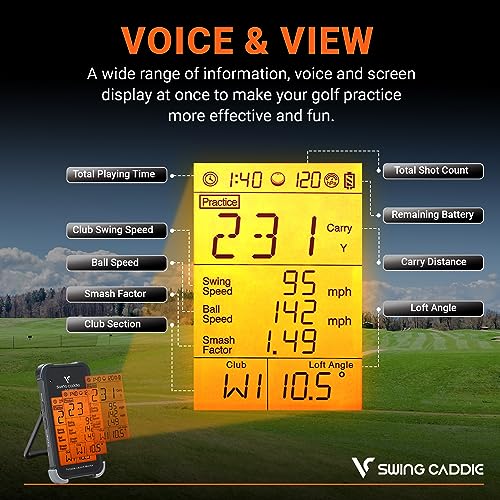
The SC200Plus is one of the few radars that truly supports tempo training, its swing speed mode works without a ball, letting you rehearse your motion in a hotel room or garage. That makes it ideal for players working on rhythm, not just raw speed. It tracks club speed, ball speed, smash factor, and carry distance, and the voice output calls out numbers so you don’t have to look down.
Owners praise its 12-hour battery life and consistent readings, though it doesn’t match the depth of the Swinora or TheStack. What it does well is simplicity with a bit more smarts, adjustable loft settings let you simulate different clubs, which helps when practicing indoors. For someone who travels often and wants a compact unit that gives real-time feedback, this is a solid middle ground.
Product photos


Swing Speed Radar Classic Model
Strengths
- Instant speed readout
- No app or phone needed
- Durable US-made build
- Works without a ball
- Trusted for decades
Trade-offs
- RF interference issues
- No data storage
- No Bluetooth or app
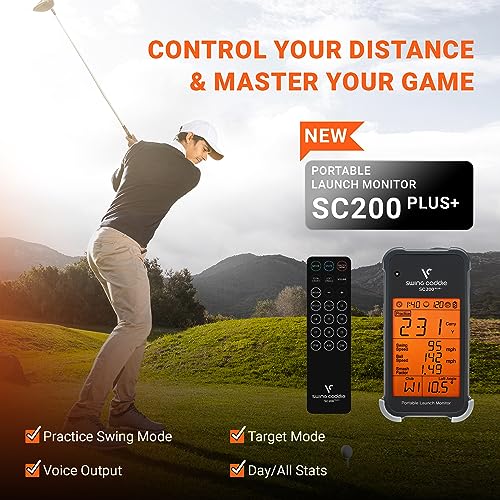
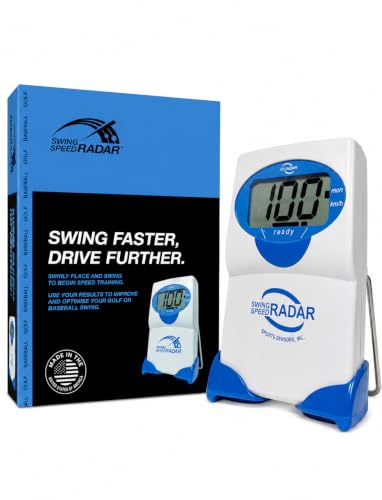
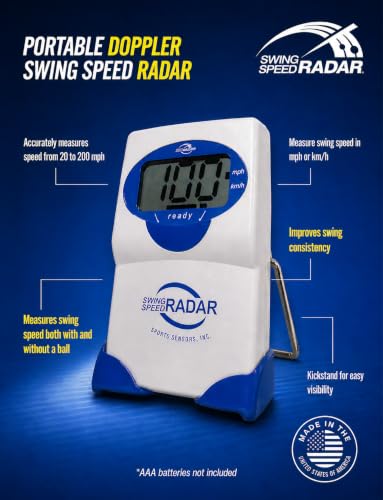
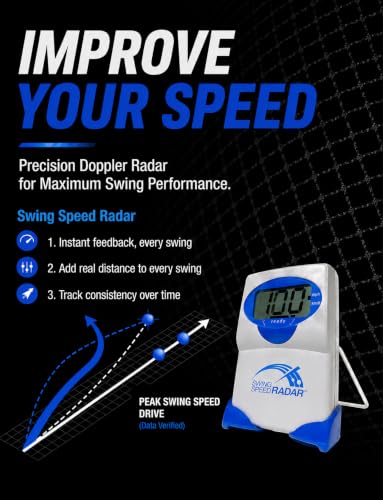
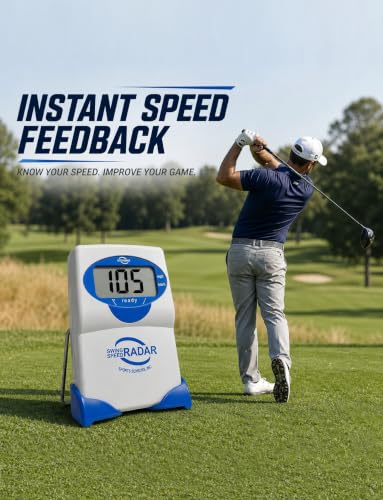
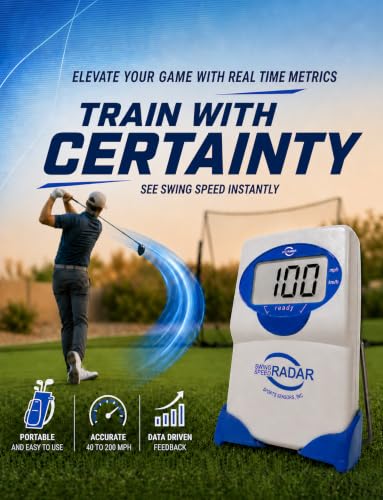
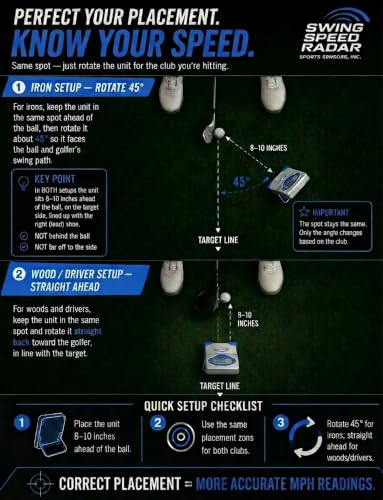
This is the original workhorse of swing speed radars, simple, rugged, and built to last. Made in the USA and trusted for over 25 years, it gives instant readings from 20 to 200 mph with just a button press. No app, no setup, no learning curve. Coaches love it because it’s easy to hand to a student and get immediate feedback. It works without a ball, which makes it ideal for using with SuperSpeed sticks or other swing trainers.
The trade-off? It’s sensitive to RF interference, fluorescent lights and Wi-Fi can throw off readings. But in a clean environment, owners report it’s rock-solid accurate. For pure speed tracking, this is the baseline all others are measured against. If you want zero distractions and just need to know your speed, this is still the gold standard.
Product photos
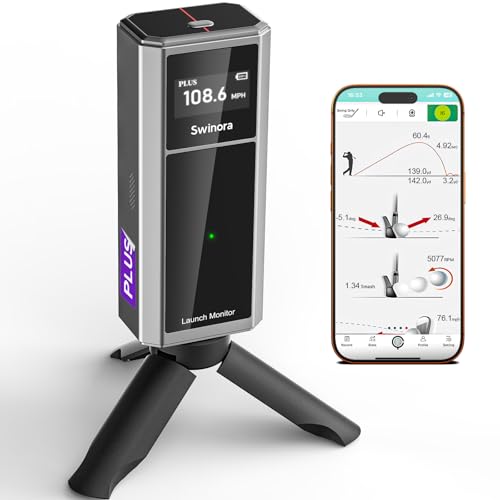
Swinora Launch Monitor 13 Metrics
Strengths
- 13 metrics
- No subscription
- Metal build
- Environmental sensors
- App voice feedback
Trade-offs
- Needs 15ft space
- Indoor setup demanding
- App dependency
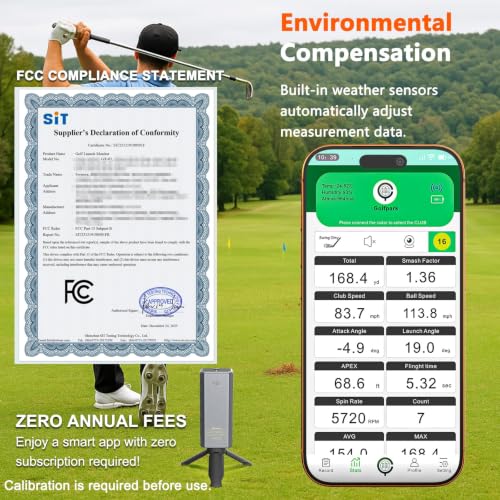
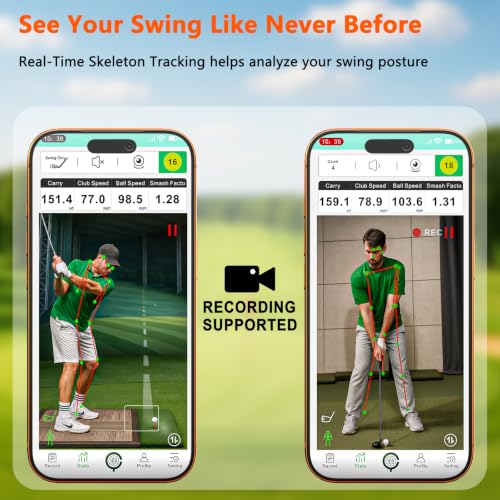
This unit pushes hard into the space usually occupied by premium launch monitors, packing in 13 metrics including spin rate, launch angle, and attack angle, specs that serious players care about. On paper, it’s impressive: a metal body, environmental sensors for humidity and pressure, and no subscription fees give it strong appeal for golfers who want detailed feedback without recurring costs. The app offers multi-angle views and smart alerts for shanks, which owners say makes indoor practice feel more like a real session on the range.
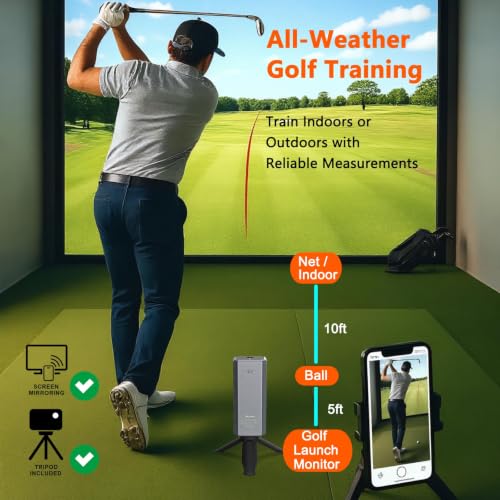
Still, it demands space, 15 feet total with the unit 5 feet behind the ball, which rules out tighter home setups. Compared to simpler radars, it’s more finicky, but for those who want deeper data and are willing to set it up properly, it’s a compelling alternative to much more expensive systems. I’d pick this over basic speed-only units if you’re serious about diagnosing swing flaws.
Product photos
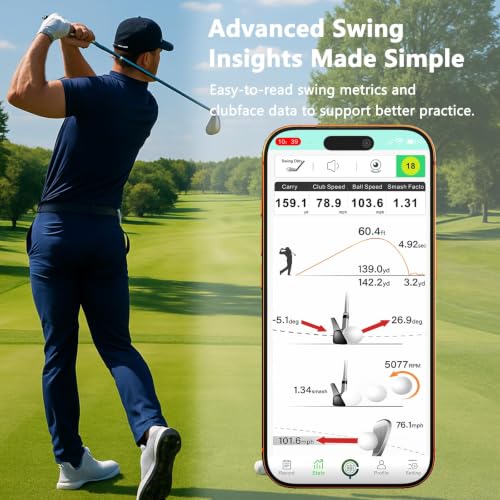
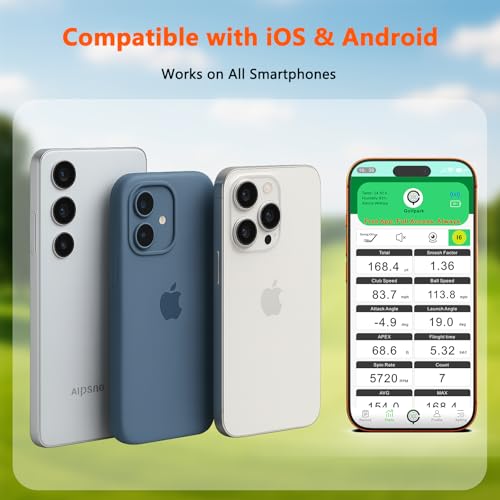
DRM Swing Pitch Speed Radar
Strengths
- Very affordable
- Multi-sport use
- Voice and display
- Includes tripod
- Portable carry bag
Trade-offs
- Less precise for golf
- No advanced metrics
- Short memory (10 shots)
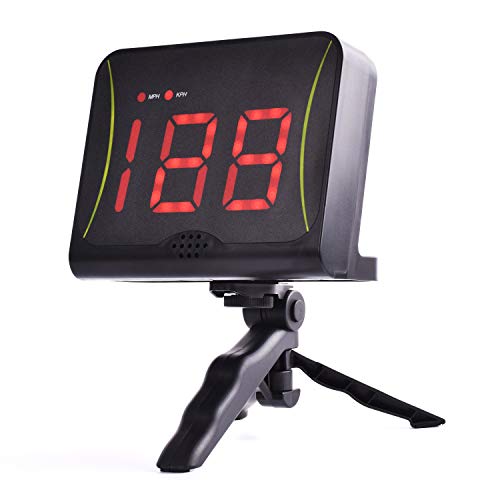
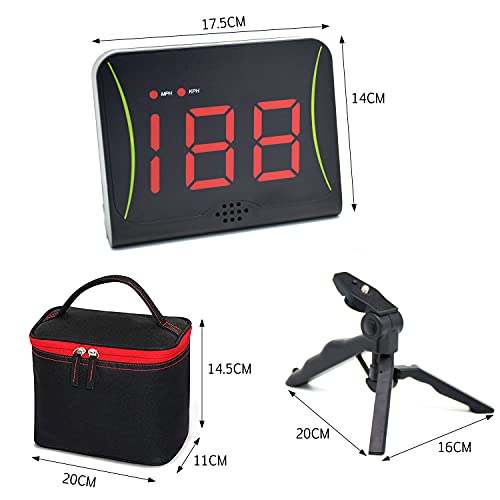
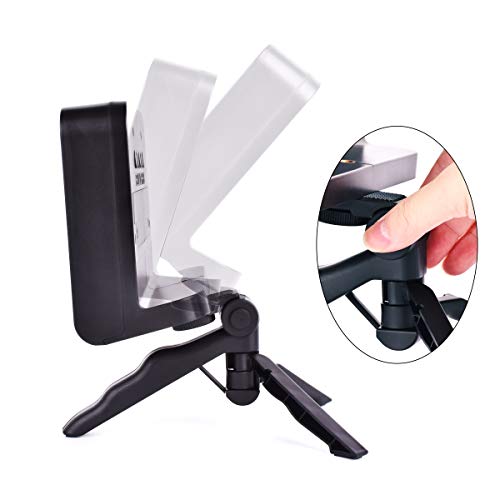
At under $100, this is the most affordable multi-sport radar on the list, and it shows. It measures speeds up to 150 mph, has a bright red display, voice output, and stores the last 10 shots. The included tripod and carry bag make it easy to set up on a field or in a backyard. It’s not designed for elite golf analytics, but for baseball pitchers, tennis players, or soccer kickers, it’s a fun and functional tool.
Golfers report it works fine for club speed, but it lacks the precision and calibration of dedicated golf units. It doesn’t track spin or launch, and the max speed is lower than others. But as a gift or for casual training across sports, it delivers solid value. If you’re coaching multiple sports or want a do-it-all speed checker, this is the one to grab.
Product photos
How We Picked These golf swing speed radars
Rather than a hands-on lab test, my research focused on comparing published specifications and features across numerous models. I weighed owner reviews from major retailers alongside assessments from golf publications and instructors, looking for trends in reported accuracy and usability. Ultimately, I ranked these radars based on their ability to deliver consistent, actionable data for golfers seeking to improve their game – and whether they delivered on their price point.
For this category, accuracy and the ability to provide useful data took precedence. Beyond that, I heavily weighted features like app integration and the ability to function without a golf ball, as these add significant versatility for practice. Many golfers want to work on speed development indoors or with limited space, so the convenience of not needing to hit actual balls is a major benefit. Understanding good swing speed is critical to interpreting the data these devices provide.
Published specifications reliably indicate a radar’s range and basic capabilities. However, I placed more weight on owner feedback regarding real-world accuracy and consistency, as well as the ease of interpreting the data. Reputable reviews from golf instructors helped confirm whether a radar offered truly useful metrics or just a stream of numbers. I looked for consistent positive mentions of a device’s use with popular swing speed trainers as another sign of effectiveness and value.
What To Look For In golf swing speed radars
Finding the right golf swing speed radar can make a real difference in your game, but there’s more to it than just getting a number.
A useful golf swing speed radar provides accurate measurements of clubhead and ball speed, ideally with additional data points like smash factor and carry distance. Look for models with clear displays, reliable data transmission (Bluetooth is common), and the ability to function without requiring a golf ball for practice swings. Consider battery life and durability, especially if you plan to use it frequently on the range.
Accuracy and Data Provided
Don’t assume all radars are created equal. The PRGR HS 130-A, for example, offers surprisingly good accuracy for its price point, using doppler radar to track multiple metrics. Beyond simple swing speed, look for units that calculate estimated carry distance and smash factor; these give you a more complete picture of your swing efficiency. Some, like the Swinora Launch Monitor, go even further, providing data on attack angle, launch angle, and spin rate. However, more metrics don’t automatically mean better – focus on data you will actually use to improve.
App Integration & Usability
The convenience of app integration is undeniable. Models like TheStack Radar with App Integration and the Swing Speed Radar with Bluetooth connect to your smartphone, allowing you to track progress, set goals, and receive voice feedback. But be mindful of compatibility. TheStack, for instance, currently limits its wedging app to iOS devices. If you’re an Android user, you’ll need to confirm full functionality before purchasing.
Here’s what to consider when evaluating app features: * Ease of setup: A complicated pairing process is frustrating. * Data visualization: Are the graphs and charts clear and easy to understand? * Training modes: Does the app offer guided drills or personalized feedback? (Some apps, like the one included with TheStack, even gamify the training process.)
Portability & Versatility
A key advantage of a swing speed radar is its portability. You want something you can easily take to the range or use in your backyard. Battery life is crucial here. The Swing Speed Radar Classic Model, while basic, is known for its reliability and long battery life. Some models, like the DRM Swing Pitch Speed Radar, even offer multi-sport functionality. If you’re interested in tracking speeds for baseball, tennis, or other sports, this can be a significant benefit. Remember, even small changes in your swing can be significant, and consistent practice, aided by a reliable device, is key to improving your game. Understanding the connection between fitness and swing speed is also crucial for maximizing your potential.
A radar that fits in your golf bag and provides consistent readings, even in varying conditions, is more likely to be used regularly.
Golf Swing Speed Radars Compared
Here’s a comparison of key specifications for popular golf swing speed radars to help you make an informed decision.
| Product Name | Speed Range (MPH) | App Integration | Ball Needed | Metrics | Power Source | Multi-Sport Use |
|---|---|---|---|---|---|---|
| TheStack Radar with App Integration | N/A | Yes | No | Speed, Distance | Bluetooth | No |
| PRGR HS 130-A Launch Monitor | N/A | No | Yes | Speed, Distance | AAA | Yes |
| Swing Speed Radar with Bluetooth | 20-200 | Yes | No | Speed | AA | No |
| Voice Caddie SC200Plus Analyzer | N/A | Yes | No | Speed, Tempo | N/A | No |
| Swing Speed Radar Classic Model | 20-200 | No | No | Speed | AA | No |
| Swinora Launch Monitor 13 Metrics | N/A | Yes | Yes | 13+ | Rechargeable | No |
| DRM Swing Pitch Speed Radar | Up to 150 | No | Yes | Speed | AA | Yes |
Frequently Asked Questions
What speed range should I look for in a radar?
A range of 20-200 mph is typical and sufficient for most golfers, but consider your current swing speed. If you’re already a faster swinger, ensure the radar can accurately measure speeds beyond 120 mph to get useful data.
Can these radars be used indoors?
Yes, many models like TheStack Radar with App Integration are designed for indoor use and don’t require hitting a golf ball. This is ideal for practicing increase swing speed during the off-season or in limited space.
Do I need a smartphone to use these devices?
Not always. The Swing Speed Radar Classic Model operates entirely without smartphone connectivity. However, models with app integration, such as TheStack, offer benefits like data tracking and voice feedback, so a smartphone is beneficial for those features.
How important is smash factor, and will all radars measure it?
Smash factor is a key metric indicating swing efficiency(it’s ball speed divided by clubhead speed). While not all radars provide it, those that do, like the Swinora Launch Monitor, offer a more complete picture of your swing, and can help you understand the shaft weight impact on your performance.
Are more expensive radars always more accurate?
Not necessarily. While price often correlates with features, accuracy depends heavily on the radar’s technology and quality control. The PRGR HS 130-A, for example, receives high marks for accuracy despite being relatively affordable, demonstrating that price isn’t the only indicator of performance.
The Bottom Line
Choosing a golf swing speed radar often comes down to balancing how much control you want over your data with how much fuss you’re willing to deal with. For most golfers serious about improvement, I believe the TheStack Radar with App Integration strikes the best balance. Its app-based feedback and focus on key metrics provide actionable insights without overwhelming you with unnecessary data.
If you’re on a tighter budget or prioritize simplicity, the Swing Speed Radar Classic Model is a solid choice. For those wanting maximum versatility and a wider range of data points, the Swinora Launch Monitor 13 Metrics offers a lot of features, though interpreting that data effectively requires a bit more effort. And if you’re looking to incorporate golf speed trainers into your practice, pairing a radar with those tools can accelerate your progress.
Ultimately, the most expensive radar won’t magically improve your swing. Consistent practice, a strong understanding of swing tempo vs speed, and a focus on fundamental principles – like grip, posture, and plane – are far more important than any single specification or gadget.
