
6 Best Golf Trackers of 2026
This post contains affiliate links. As an Amazon Associate, we earn from qualifying purchases.
This post contains affiliate links. As an Amazon Associate, we earn from qualifying purchases.
The Arccos Smart Sensors GEN 4 is the best overall golf tracking system for serious players who want automatic, accurate data and powerful analytics. For budget-conscious golfers, the NAVO W1 GPS Watch delivers solid distance tracking without a subscription fee. And if you’re after maximum versatility across different types of feedback, the Garmin Approach CT10 offers reliable shot detection with strong integration into the Garmin ecosystem.
Golfers don’t just want more data, they need the right data, presented clearly and captured without hassle. Too many trackers promise improvement but fall short with poor accuracy, clunky apps, or constant manual input.
After comparing the field and weighing specs against real owner experiences, I focused on systems that actually get used over time. These picks balance automatic functionality, data reliability, and long-term value, so you can focus on your game, not your gadget.
Top 6 Golf Trackings in the Market
The Best Golf Trackings, Reviewed
Garmin Approach CT10 Full Set
Strengths
- Fully automatic tracking
- No subscription fee
- Real-time club stats
- Strokes-gained analysis
Trade-offs
- Requires Garmin watch
- Higher initial cost
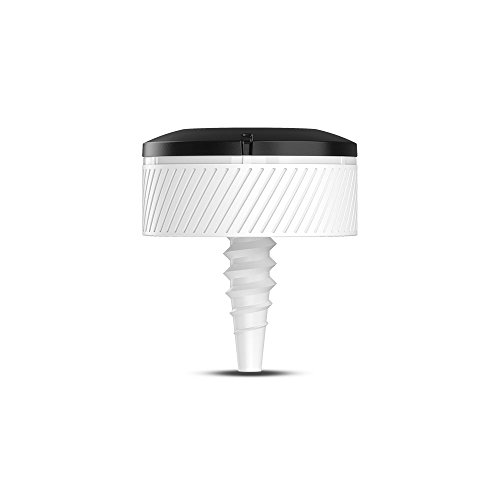
The CT10 system is one of the most reliable automatic tracking setups available, especially if you already own or plan to buy a compatible Garmin golf watch. Once paired, the 14 sensors deliver hands-free shot tracking, every stroke is logged with location, distance, and club used, no input needed. The data feeds directly into the watch, so you can see real-time stats like typical carry distances and fairway hit rates per club.
Owners consistently praise its accuracy and ease of use, and Garmin’s ecosystem integrates the data smoothly into strokes-gained analysis, which is rare at this level. Compared to Arccos, it’s slightly less flashy in AI features but more stable for pure tracking. The upfront cost is high, but there’s no subscription, which adds long-term value. This is the kind of system that pays off over seasons of play.
Video review
Arccos Smart Sensors GEN 4

Strengths
- AI-powered rangefinder
- Fully automatic tracking
- Strokes-gained analytics
- PGA TOUR integration
Trade-offs
- Ongoing subscription required
- Setup requires app pairing
Arccos remains the leader in AI-driven golf analytics, and the GEN 4 sensors take it further with fully automatic shot tracking and real-time environmental adjustments. The A.I. powered rangefinder calculates yardages based on wind, temperature, elevation, and humidity, something no other system offers out of the box. Paired with the PGA TOUR-backed app, it delivers strokes-gained insights and caddie recommendations that feel genuinely useful.
The 16-sensor set covers every club, including the putter, and the weather-resistant design holds up well on course. The catch? The free first year is generous, but after that, a subscription is required, something owners either accept or resent depending on their data appetite. Compared to Garmin’s CT10, Arccos offers deeper insights but at a recurring cost. If you’re serious about data, it’s worth it.
Video review
NAVO W1 Golf GPS Watch
Strengths
- No subscription
- Lifetime course updates
- Sunlight-readable display
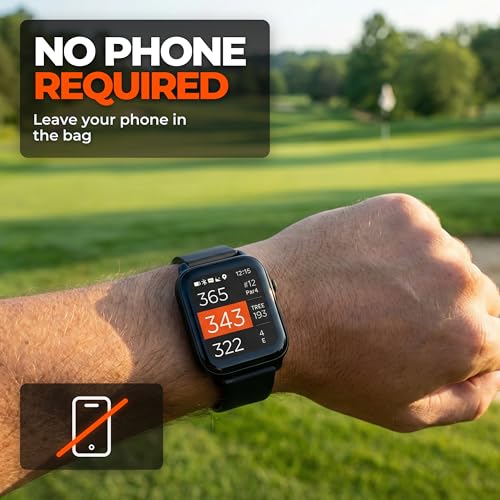
- Works without phone
Trade-offs
- No shot tracking
- Limited smart features
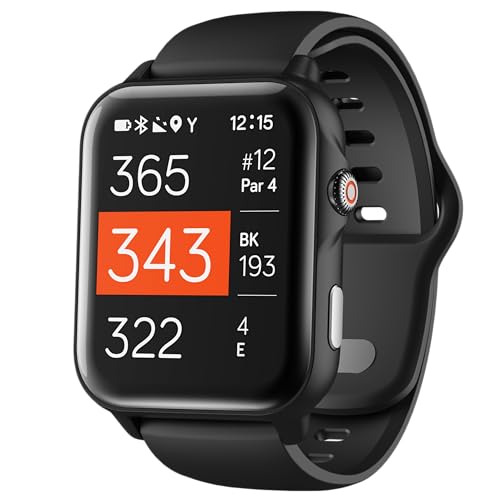
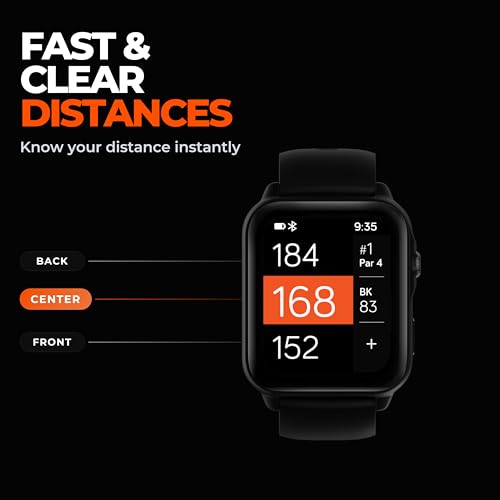
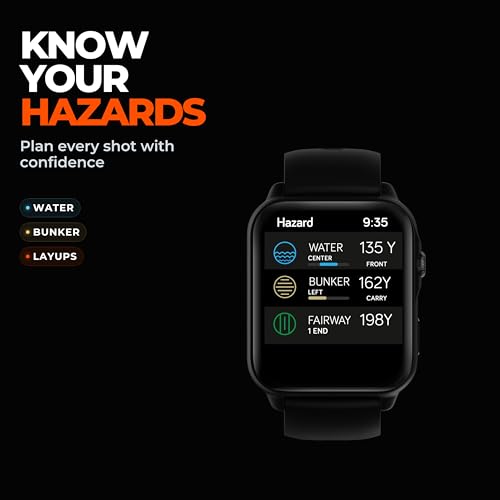
For golfers who want essential GPS distances without the monthly bill, the NAVO W1 is a standout. It delivers front, middle, and back-of-green yardages instantly, along with hazard tracking, and works completely off your phone once the course is loaded. With over 42,000 courses preloaded and lifetime updates, it removes a major pain point of other budget watches that lock features behind subscriptions.
The display is bright and readable even under harsh sun, and the lightweight design makes it comfortable over 18 holes. While it lacks advanced analytics or shot tracking, it does the core job, giving accurate distances, very well. Compared to similarly priced watches that require apps or subscriptions, this one is the smarter buy for no-fuss course navigation.
Product photos


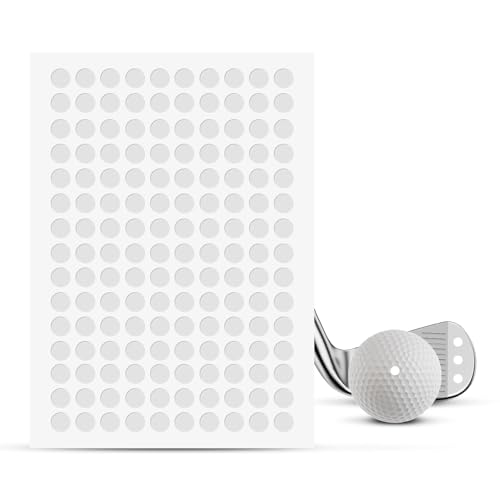
150 White Reflective Dot Stickers
Strengths
- Enhances tracking accuracy
- Residue-free removal
- Weather-resistant build
Trade-offs
- Only useful with optical systems
- Not reusable
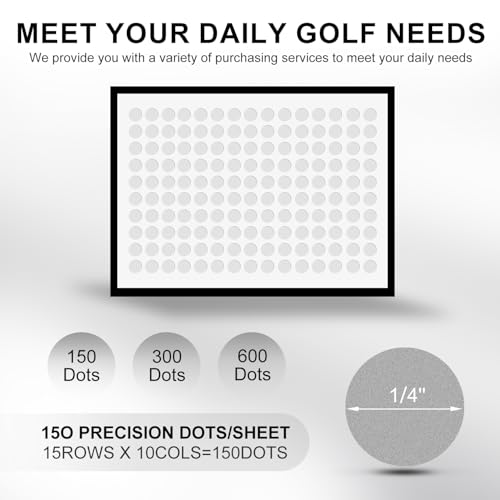
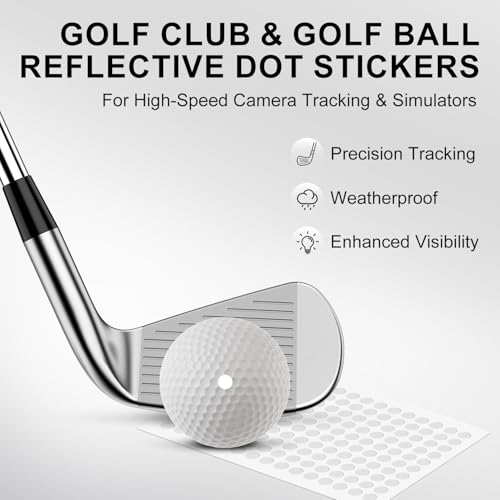
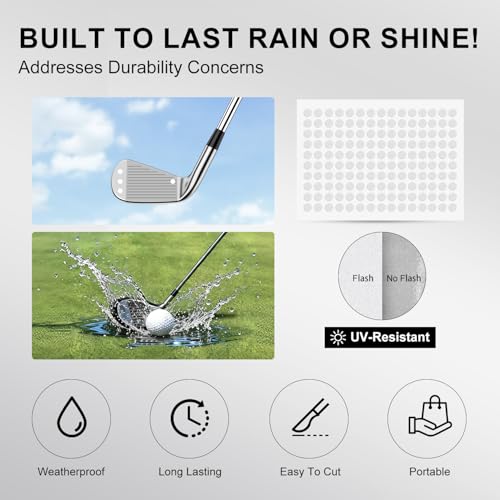
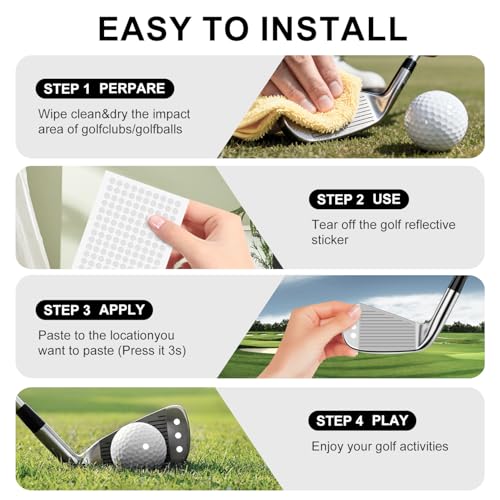
These reflective stickers are a small but critical tool if you’re using optical launch monitors like TrackMan or Garmin simulators. The high-reflectivity material improves tracking accuracy significantly in low light, and owners note fewer dropped frames during swing analysis when using them. On paper, the 150-dot supply means you’ll rarely run out, and the residue-free adhesive makes them easy to apply and remove without damaging club faces or balls.
They’re not a standalone tracking solution, but as an accessory, they’re a no-brainer for anyone serious about data quality. The UV-resistant, waterproof build holds up well in outdoor conditions, which matters if you’re switching between indoor sim sessions and outdoor range work. For the price, they do exactly what they promise, boost visibility for high-speed cameras.
Product photos

COSPOPTIC Swing Path Training Mat
Strengths
- Swing path feedback
- Extra replaceable surface
- Non-slip rubber base
- Portable design
Trade-offs
- Shorter lifespan with heavy use
- Limited turf realism
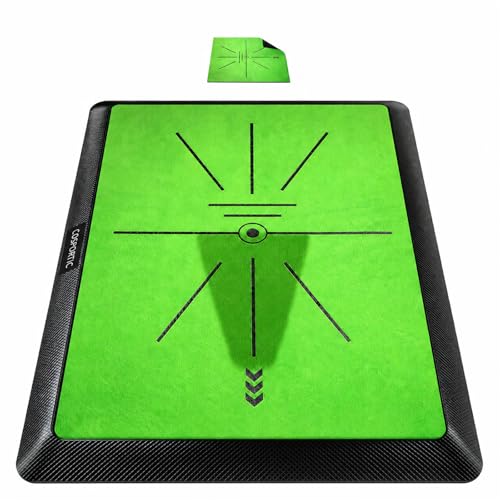
This hitting mat delivers more feedback than most at this price, thanks to its swing path tracing surface that clearly shows where the club makes contact, heel, center, or toe. The visual feedback is useful for spotting consistent mis-hits and adjusting stance or swing plane over time. On paper, it’s a solid choice for golfers who want to practice indoors without tearing up their floors, and owners consistently report the non-slip base stays put even on hardwood and tile.
The included spare turf layer adds real value, extending the life of the mat and reducing wear on club faces. While it won’t replicate the feel of real grass, the 16″x12″ size fits easily in a garage or backyard, and its portability makes it a practical option for on-the-go practice. Compared to pricier turf systems, it’s less durable long-term, but for the cost, it punches above its weight.
Product photos


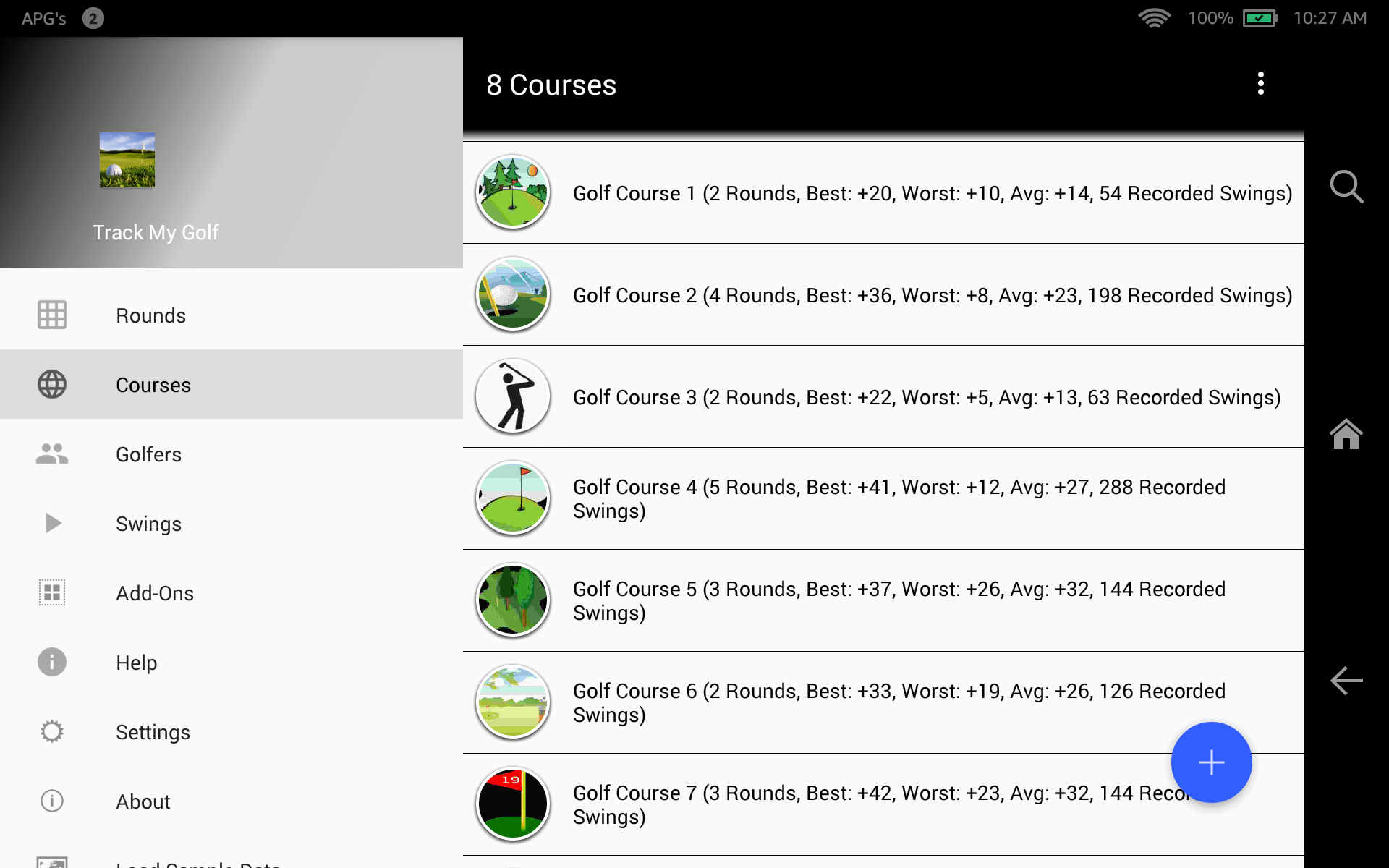
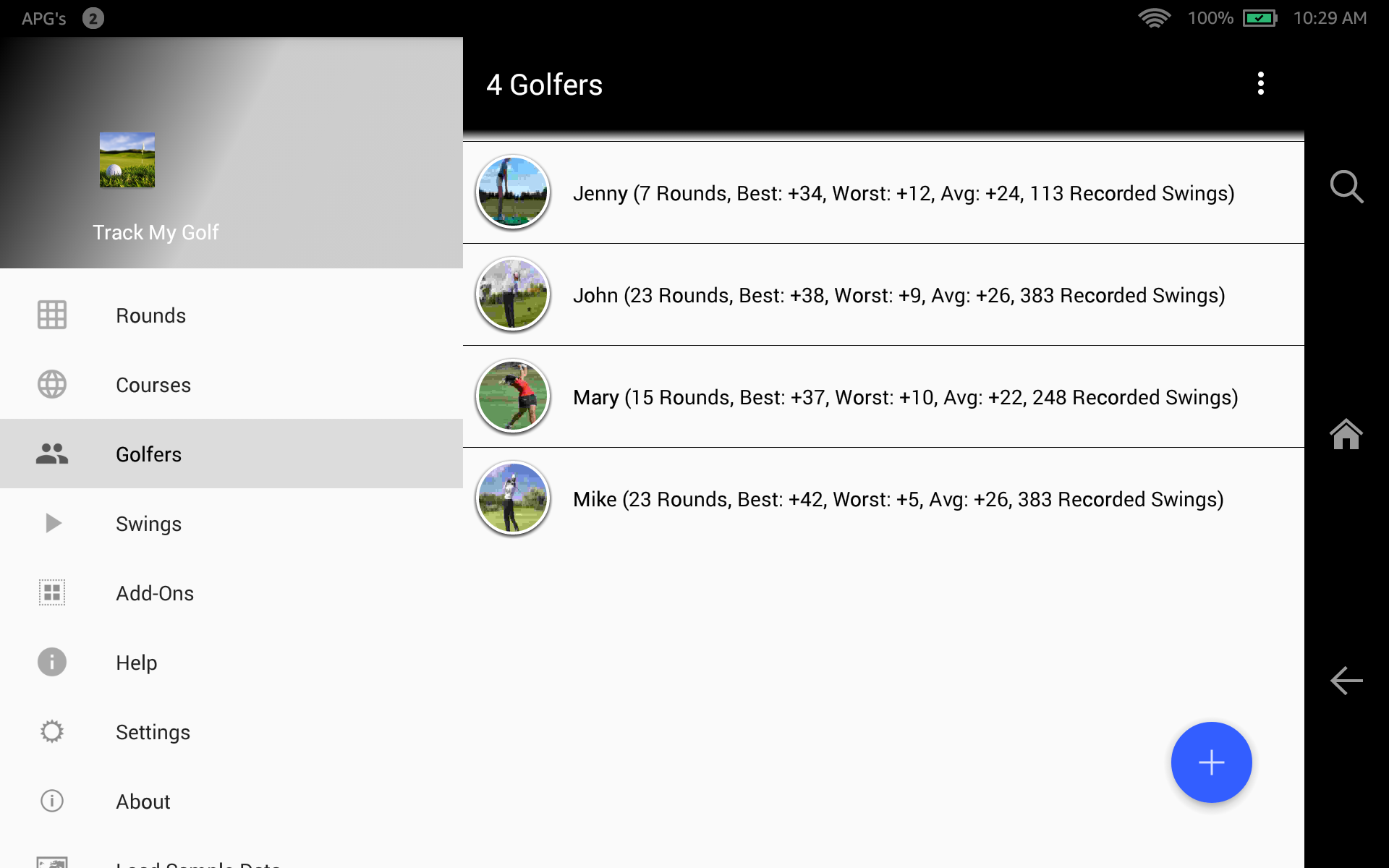
Track My Golf App

Strengths
- Free to use
- Unofficial handicap tracking
- Video swing recording
- Scorecard export
Trade-offs
- Manual data entry only
- No automatic tracking
- Limited analytics
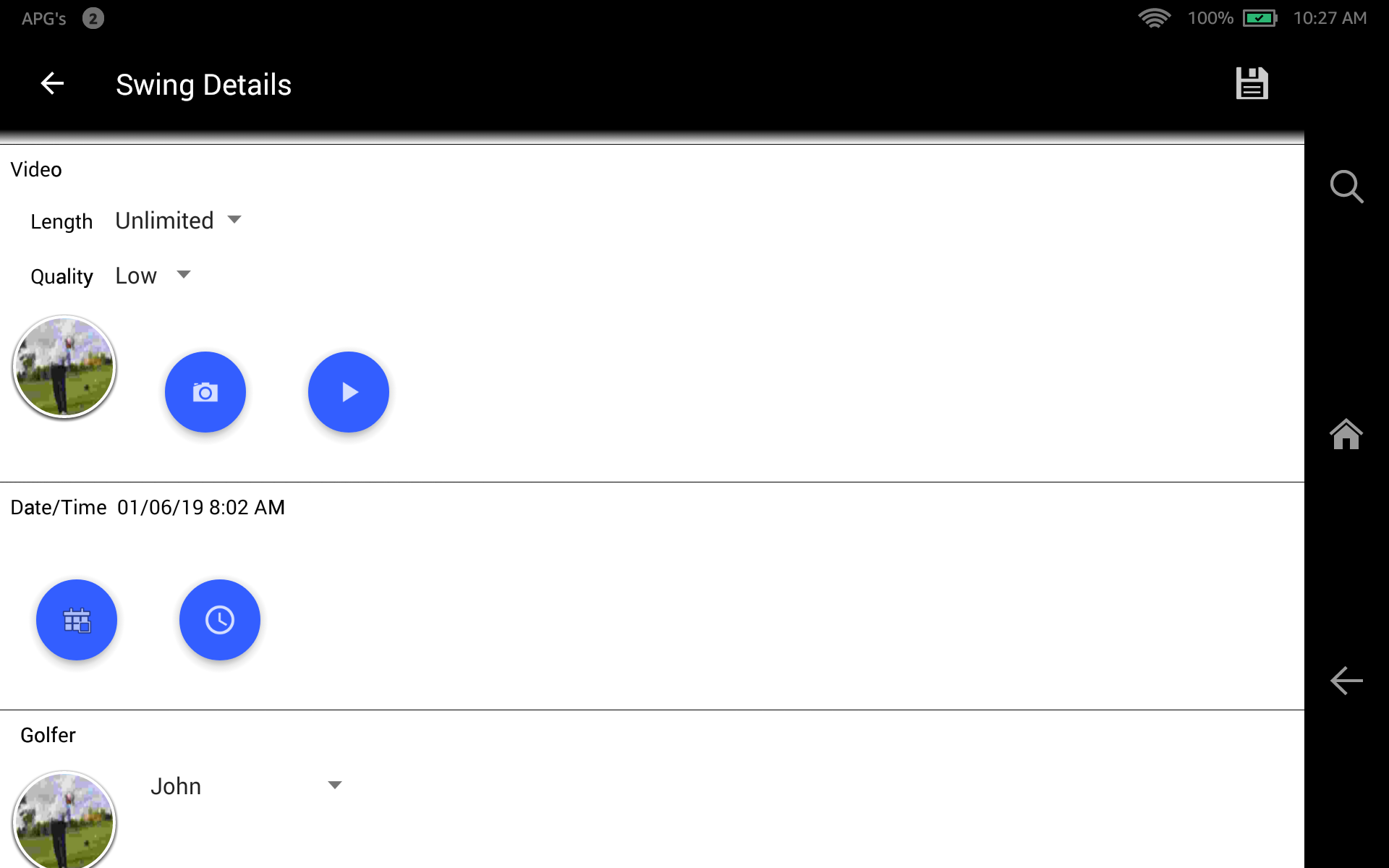
As a free app, Track My Golf offers basic functionality that’s surprisingly complete for casual players. It lets you log scores, calculate an unofficial USGA handicap, and even record swing videos during rounds, features that rival some paid platforms. The ability to export scorecards across multiple rounds is a standout, and owners appreciate that it supports unlimited golfers and courses without pushing subscriptions.
That said, it lacks the automatic tracking and advanced analytics of higher-end systems. You’re manually inputting every shot, which can be tedious and error-prone. While it’s a smart pick for budget-conscious golfers who just want to track progress over time, it doesn’t compete with sensor-based systems when it comes to data depth or convenience. For beginners or infrequent players, though, it’s a strong free option.
Product photos


How We Picked These golf trackings
Rather than a hands-on lab test, my research for these golf trackings relied on a detailed comparison of published specifications and features. I weighed owner reviews from major retailers against expert analysis found in golf publications and tech sites. As someone who frequently plans golf trips, I also considered how easily each system integrates into a typical round, and how useful the data would be for improving a golfer’s game. My goal was to identify options across different price points and skill levels.
For golfers serious about improvement, accurate data and insightful analytics are paramount. I gave the most weight to systems offering detailed stats – strokes gained, clubhead speed, ball flight – and those with robust, user-friendly apps. Automatic shot detection was also key, as manually entering data is a fast track to abandoning the system. A system’s ability to provide actionable insights, rather than just raw numbers, heavily influenced my rankings.
Product specifications reliably reveal the hardware capabilities – the number of sensors, GPS accuracy, course database size. However, I relied on owner feedback to gauge real-world performance and durability. Reports of connectivity issues, app bugs, or sensor failures were carefully considered. Many golfers also find choosing the right clubs for amateurs is a crucial first step before investing in detailed tracking, and that informed my overall assessment of value.
Choosing The Right golf trackings
Golf tracking has exploded in popularity, and for good reason. Getting accurate data on your game is the fastest path to improvement.
Modern golf tracking systems offer detailed analysis of every aspect of a golfer’s game. Key considerations include automatic shot detection, data accuracy, the robustness of the accompanying app, battery life, and ease of use. A good system provides actionable insights, not just raw numbers, and smoothly integrates into a golfer’s routine.
Understanding Automatic Shot Detection
The biggest leap forward in recent years has been automatic shot detection. Forget manually entering every shot; systems like the Garmin Approach CT10 and Arccos Smart Sensors do it for you. However, not all automatic detection is created equal. Some systems, particularly those relying on smartphone sensors, can be prone to errors or require significant calibration. Sensor-based systems, while typically more expensive, are far more reliable. I’ve seen players frustrated by inaccurate data from phone-based systems, hindering their ability to identify true areas for improvement.
Data Quality & What It Tells You
Beyond just detecting shots, the quality of the data matters immensely. Are you getting launch angle, spin rate, ball speed, and carry distance? Or just basic distances? The Arccos system, for example, goes beyond simple tracking and offers A.I.-powered rangefinder adjustments based on environmental factors. But more data isn’t always better. The best systems present information in a way that’s easy to understand and translates into practical advice.
Here’s what to look for in a data set: * Basic distances (carry and total) – a good starting point. * Club-specific stats (average distance, accuracy) – helps identify strengths and weaknesses. * Strokes gained analysis – provides a more nuanced understanding of performance relative to par, and is often found with a paid app subscription.
A reliable golf tracker should provide data you can trust, and present it in a way that is simple to understand. Don’t get lost in the numbers; focus on the insights.
Balancing Price and Usability
The price of shot tracking devices ranges dramatically. You have budget-friendly options like the NAVO W1 GPS Watch, which offers basic distances without a subscription, all the way up to the thorough systems from Arccos or Garmin. Consider how much you’re willing to spend and how frequently you’ll use the system. Don’t overlook the value of accessories. For those using launch monitors, 150 white reflective dot stickers can significantly improve tracking accuracy. If you’re searching for cost-effective improvements, don’t forget to consider using low compression balls to help with feel and distance. Finally, a free app like Track My Golf App can be a great starting point for basic stat tracking, particularly if you’re just beginning to explore the world of golf analytics.
Golf Trackings Compared
Here’s a comparison of key specifications for various golf tracking products.
| Product Name | Tracking Type | # of Sensors | Course Database | Subscription Req. | Key Feature |
|---|---|---|---|---|---|
| Garmin Approach CT10 Full Set | Automatic Shot | 14 | N/A | N/A | Shot location & distance |
| Arccos Smart Sensors GEN 4 | Automatic Shot | 16 | N/A | Yes | AI-Powered Rangefinder |
| NAVO W1 Golf GPS Watch | GPS | N/A | 42,000+ | No | Front/Back/Middle Dist. |
| 150 White Reflective Dot Stickers | Launch Monitor | N/A | N/A | N/A | Enhanced Tracking |
| COSPOPTIC Swing Path Training Mat | Swing Analysis | N/A | N/A | N/A | Swing Path Correction |
| Track My Golf App | Manual Score/Swing | N/A | N/A | No | Handicap Calculation |
Frequently Asked Questions
What level of golfer benefits most from using a tracking system?
Any golfer wanting to improve can benefit, but those with a handicap below 20 will likely see the biggest gains. More detailed data allows skilled players to pinpoint subtle areas for refinement, whereas beginners might find simpler distance-based tracking sufficient.
Do I need a smartphone to use most golf tracking systems?
Many systems require a smartphone for initial setup and data syncing, though some, like the NAVO W1, function independently after setup. However, even sensor-based systems typically rely on a phone app for viewing stats and accessing advanced analytics.
How accurate are the distance measurements from GPS golf watches?
GPS golf watch distances are generally accurate to within 3-5 yards, thanks to improvements in GPS technology. However, factors like tree cover and weather conditions can sometimes affect accuracy, and they don’t capture carry distance as precisely as sensor-based systems.
Can golf tracking systems help me identify a slice or hook?
Yes, many systems, particularly sensor-based ones like Arccos, track ball flight and can identify patterns indicating a slice or hook. Understanding the direction of your misses is crucial for selecting the right anti-slice drivers or adjusting your swing.
Are the subscription fees for some systems worth the cost?
The value of a subscription depends on how seriously you are about improving. Subscriptions unlock advanced analytics like strokes gained, A.I.-powered rangefinder adjustments, and detailed course insights, which can be very helpful for golfers seeking a deeper understanding of their game, especially when paired with top performing golf balls.
The Bottom Line
Ultimately, choosing the best golf tracking system comes down to balancing your budget with the level of detail you desire. For most golfers looking to seriously analyze and improve their game, the Arccos Smart Sensors GEN 4 stands out as the most complete package, offering automatic shot detection and AI-powered insights that can truly transform your approach. It represents a significant investment, but the potential payoff in lowered scores is substantial.
If you’re just starting out or prefer a more affordable option, the NAVO W1 Golf GPS Watch delivers essential distances and course information without the need for a subscription. And for those focused on refining their swing mechanics, supplementing any tracking system with tools like the COSPOPTIC Swing Path Training Mat can deliver targeted improvements. Don’t forget that finding the right irons for amateurs can complement your on-course data analysis.
Beyond the bells and whistles, remember that consistent practice and a clear understanding of your strengths and weaknesses are the foundations of any successful golf game. Data is a powerful tool, but it’s only as valuable as your ability to interpret it and translate those insights into tangible improvements on the course. Consider pairing data with 3-piece golf balls for maximum control.
