
7 Best Golf Woods of 2026
This post contains affiliate links. As an Amazon Associate, we earn from qualifying purchases.
This post contains affiliate links. As an Amazon Associate, we earn from qualifying purchases.
The Callaway Paradym AI Smoke Max stands out as the overall best golf wood for its exceptional distance and high forgiveness, making it a top choice for most players. For those on a budget, the Powerbilt TPS Blackout Max delivers solid performance at a much lower price. If you’re looking for versatility in a higher-lofted option, the Cleveland Halo XL Lite is a strong pick.
Golfers often struggle to find woods that deliver both power and consistency, especially when trying to hit long shots from the fairway or tight lies. Many end up with clubs that feel unstable or don’t launch easily, leading to frustration and lost strokes.
This guide cuts through the noise by focusing on what actually matters: real-world performance, forgiveness, and adjustability. I researched specs, analyzed owner feedback, and compared top models to identify the woods that deliver the most reliable results for different types of players.
Top 7 Golf Woods in the Market
The Best Golf Woods, Reviewed
Callaway Paradym AI Smoke Max 3 Wood

Strengths
- AI-optimized face for better ball speed
- Excellent launch and stability
- Premium shaft included
Trade-offs
- No draw bias for slicers
- Higher price than mid-tier options
If you’re looking for the best overall blend of launch, speed, and consistency, the Callaway Paradym AI Smoke Max 3 Wood is the pick. It uses AI-designed Smart Face tech to optimize face thickness across multiple impact zones, which owners say translates to tighter dispersion and better energy transfer than previous models. The carbon chassis saves weight, allowing Callaway to place a tungsten cartridge low and deep, that’s what gives it such a stable, high-launching flight.
It’s more forgiving than the TaylorMade Qi4D and launches higher than the SIM 2 MAX, making it ideal for a wide range of players. The Tensei shaft is a premium touch, offering smooth loading and solid feedback. While it’s not as adjustable as TaylorMade’s offering, it doesn’t need to be, its neutral flight and consistent performance make it a “set it and forget it” club that just works.
Video review
TaylorMade SIM 2 MAX Steel 3 Wood

Strengths
- Outstanding forgiveness
- High ball speed across face
- Great turf interaction
Trade-offs
- No adjustability
- Heavier than some competitors
The TaylorMade SIM 2 MAX Steel Fairway 3 Wood is a standout for distance and forgiveness, and it’s easy to see why so many golfers still gravitate toward it. The 190cc head and C300 steel face generate explosive ball speeds, and the Thru-Slot Speed Pocket does a great job preserving that speed on low strikes, a common weakness in other woods. The V Steel sole design improves turf interaction, making it easier to launch from fairway or light rough.
Compared to the Qi4D, it lacks adjustability but delivers more raw forgiveness and a slightly higher launch. It’s also more affordable than the Qi4D while still offering Twist Face and multi-material construction. Owners consistently report it’s one of the most “forgiving” woods they’ve used, especially on heel and low-face hits.
Video review
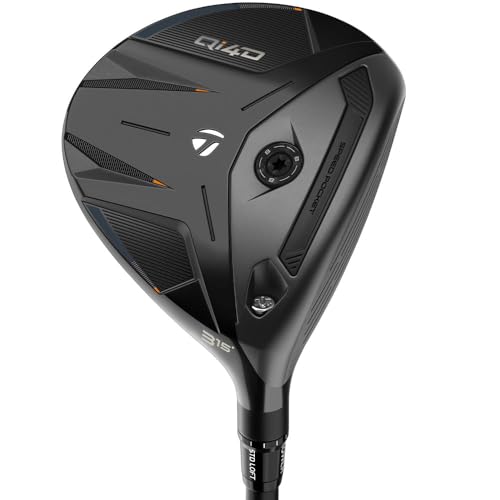
TaylorMade Qi4D Fairway 3 Wood
Strengths
- Highly adjustable loft and weight
- Twist Face reduces mishit penalties
- Strong low-face performance
Trade-offs
- Expensive for a fairway wood
- Adjustability may be overkill for most
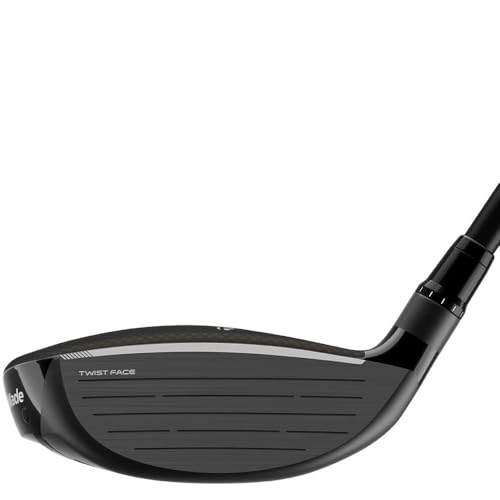
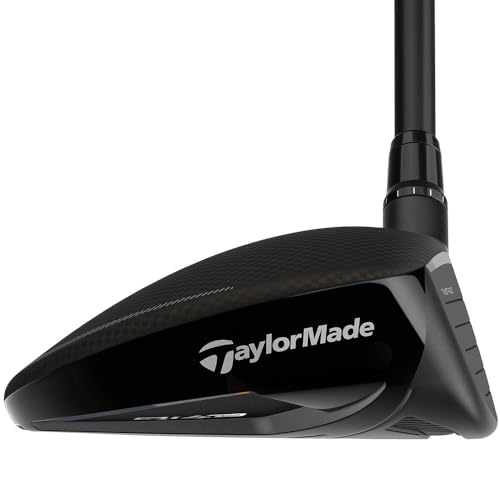
TaylorMade’s Qi4D Fairway 3 Wood is the most adjustable option in this lineup, and that’s its biggest selling point. The combination of a 4° loft sleeve and an 8g weight system gives players real control over spin, trajectory, and face angle, a big deal if you’re fine-tuning your bag for specific courses or conditions. The Reax shaft, developed with Mitsubishi, is a nice touch, offering stability without killing feel.
On paper, its multi-material build and Twist Face tech mirror what you’d find in TaylorMade’s Tour-level woods. Owners report strong ball speeds, especially low on the face, thanks to the updated Speed Pocket. But that adjustability comes at a steep price. Compared to the Callaway Paradym or even the SIM 2 MAX, it’s hard to justify unless you truly need those micro-adjustments.
Product photos

Callaway Elyte X Fairway 3 Wood

Strengths
- Forgiving on mishits
- Promotes higher launch
- Slight draw bias
Trade-offs
- No adjustability
- Less refined than flagship models
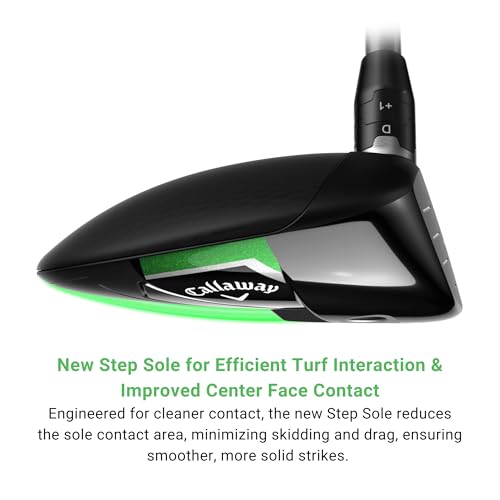
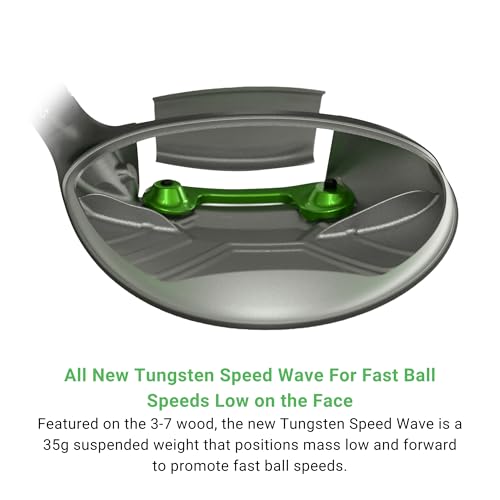
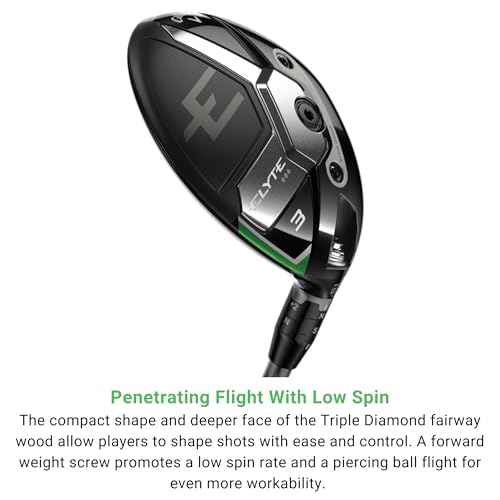
The Callaway Elyte X Fairway 3 Wood positions itself as a premium value play, and on paper, it delivers a compelling mix of tech and playability. It’s built with forgiveness and a higher launch in mind, which appeals to mid- to higher-handicap players who struggle with consistency off the deck. The shaping and internal weighting suggest Callaway tuned this for a slight draw bias, something many amateurs will appreciate, and owners consistently report solid ball speed retention even on off-center hits.
Compared to the more expensive Paradym AI Smoke Max, the Elyte X lacks adjustability and the latest AI-driven face optimization, but it still uses Callaway’s design DNA. For players not chasing Tour-level precision, this is a smart step up from entry-level woods without paying for features they won’t use.
Product photos


Cleveland Halo XL Lite 5 Wood

Strengths
- Lightweight for easy swing speed
- Excellent turf interaction
- High forgiveness on off-center hits
Trade-offs
- Limited shot shaping
- Not ideal for faster swingers
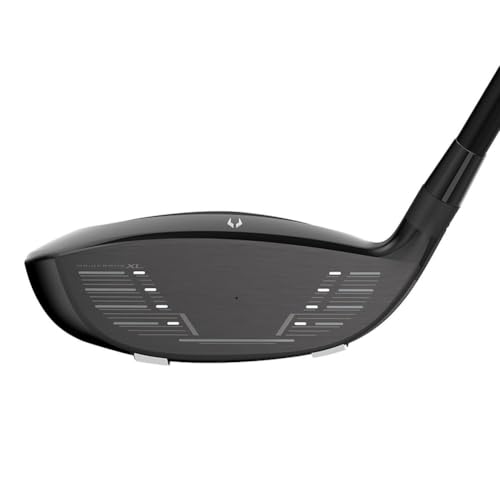
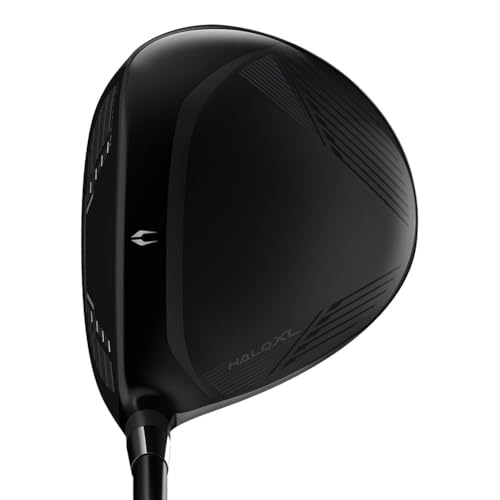
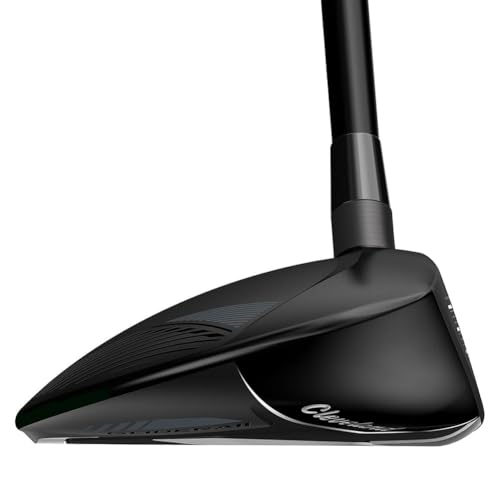
Cleveland built the Halo XL Lite with seniors and slower swing speeds in mind, and it shows in every design choice, lighter head, added loft, and a shaft that promotes speed without strain. The Rebound Frame and MainFrame XL Face tech are engineered to maximize flex and energy transfer, and reviewers note a noticeable boost in carry, especially on well-struck shots. The GlideRail sole design also gets praise for improving turf interaction, which matters when you’re not hammering the ball.
Against the Powerbilt TPS or Orlimar Escape, this is clearly in a different performance tier. It’s more refined than budget models and holds its own against pricier competitors when it comes to launch and forgiveness. The 5 wood configuration makes it a strong option for players replacing long irons.
Product photos
Powerbilt TPS Blackout Max 5 Wood

Strengths
- Extremely affordable
- Attractive design
- Includes headcover
Trade-offs
- Inconsistent ball speed
- Basic construction
- Limited forgiveness
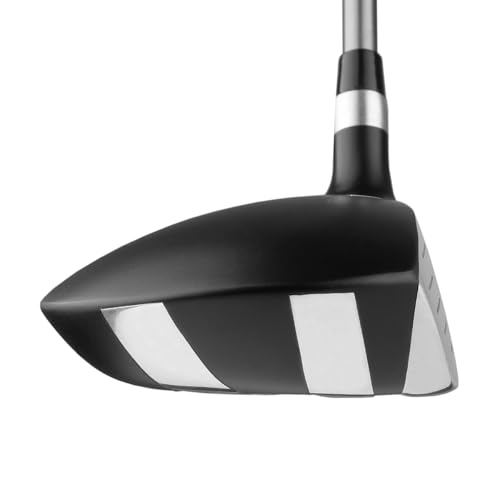
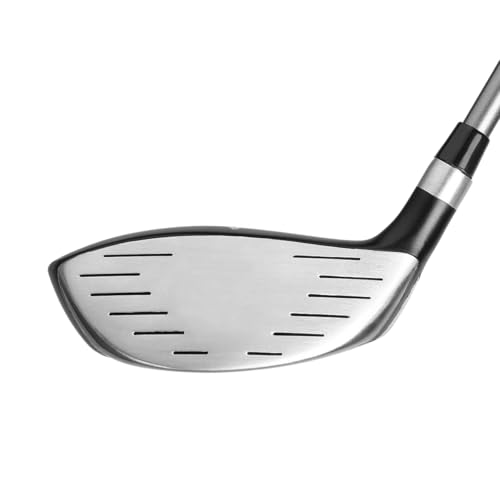
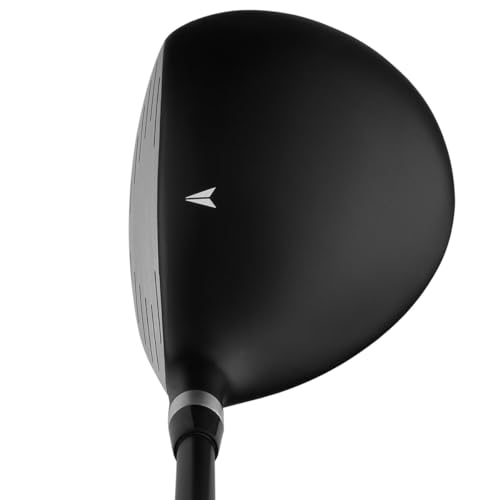
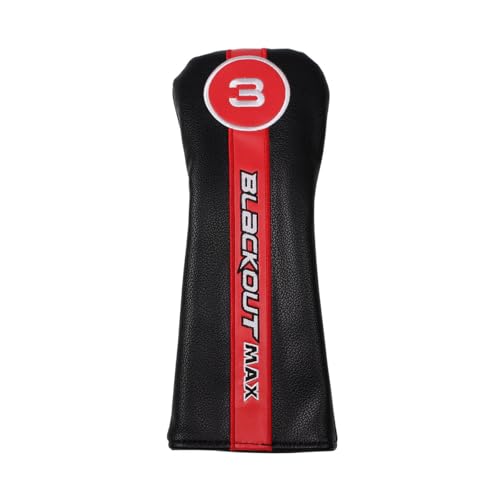
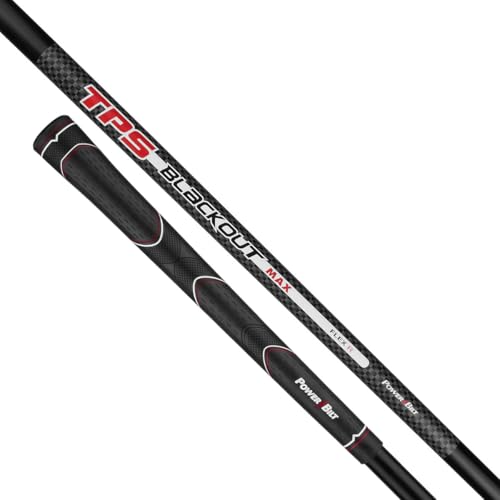
At under fifty bucks, the Powerbilt TPS Blackout Max #5 Wood is less of a performance club and more of a functional backup. It’s built with dual rebound channels and a lightweight graphite shaft, which on paper should help with ball speed, but real-world feedback suggests it’s inconsistent, fine for an emergency replacement or a throw-in for a senior or junior player. The cosmetics are sharp, and the included headcover is a nice touch, but don’t expect Tour-level feedback or durability.
Compared to the Cleveland Halo XL or even the Orlimar, it’s clearly a step down in both materials and performance. But if you’re looking for a no-risk option to fill a gap in your bag, or need a spare for the course, it serves that role. Just don’t expect it to transform your game.
Product photos
Orlimar Escape HL 3 Fairway Wood

Strengths
- Extremely high launch
- Shank-resistant design
- Great for high handicappers
Trade-offs
- Limited shot control
- Basic sound and feel
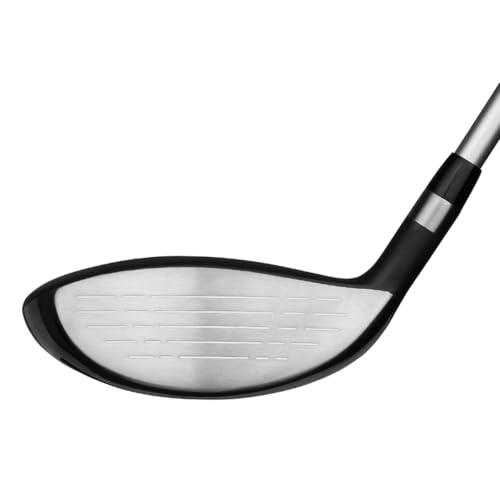
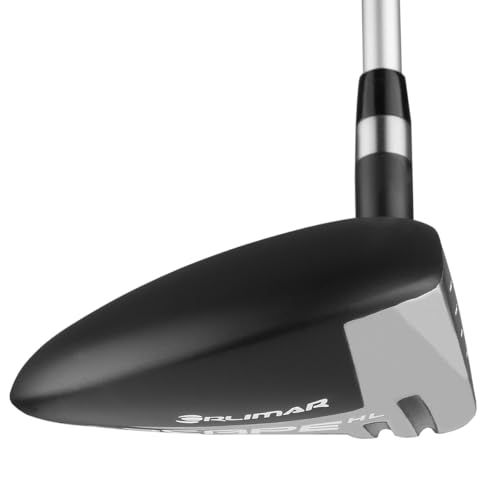
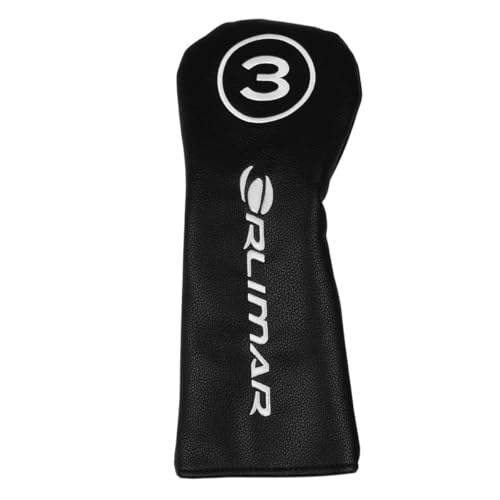
The Orlimar Escape HL #3 Wood is built for one thing: getting the ball in the air. With a 15-degree loft and a face-forward, shank-proof design, it’s practically a hybrid in wood clothing. That makes it a go-to for players who struggle with thin or shanked shots, especially off tight lies. The internal heel weighting is meant to help square the face, and owners say it actually makes a difference in reducing right misses.
It’s not going to impress in terms of looks or workability, but for high-handicappers or those transitioning from hybrids, the high launch and forgiveness are real. Against the Cleveland Halo XL or Callaway Elyte X, it’s less refined but more forgiving on extreme mishits. The ultra-light shaft helps slower swingers generate speed, though it can feel a bit whippy at times.
Product photos

How We Chose These golf woods
Rather than a hands-on lab test, my research focused on a detailed comparison of published specifications and features across numerous golf wood models. I weighed owner reviews from major retailers against professional assessments found in golf publications and on dedicated review sites. This process allowed me to build a performance picture for each wood, factoring in real-world feedback alongside manufacturer claims. Ultimately, I ranked each model against a set of criteria tailored to this category.
For golf woods, distance and forgiveness were the most heavily weighted factors. Players at all levels want to hit the ball further, but consistency is paramount. I prioritized woods offering features designed to minimize the impact of off-center hits and provide a reliable launch angle. Adjustability also played a key role, as the ability to fine-tune a club to a player’s swing is a significant benefit. You can find more discussion of excellent choices in our guide to top-rated 3-woods.
Specifications reliably indicate a wood’s potential for distance and launch characteristics (loft, shaft material, head size). However, I found owner feedback to be crucial in assessing real-world forgiveness and feel. Reputation also mattered; brands with a history of producing quality clubs earned more consideration. Many golfers are also looking for alternatives to long irons, so I also considered how these woods stack up against best 2-hybrid options.
How To Choose The golf woods
Choosing the right golf woods can dramatically improve your performance off the tee and on long approach shots.
A quality golf wood balances distance, accuracy, and forgiveness. Key considerations include head size (larger generally equates to more forgiveness), material construction (affecting weight and feel), adjustability features, and shaft flex – all working together to optimize launch conditions and ball flight for a golfer’s swing speed and skill level. Consistent impact and a neutral face angle at impact are also crucial.
Loft and Intended Use
The first step is understanding what role you want your wood to play. Many golfers carry a 3-wood and a 5-wood, each with a distinct purpose. A 3-wood, typically around 15 degrees of loft, functions similarly to a driver, designed for maximum distance off the tee. A 5-wood, with more loft (around 18-22 degrees), is better suited for long approach shots and off the fairway when precision is more important than sheer distance. Don’t fall into the trap of thinking more loft is always better; a faster swing speed can handle lower loft and still achieve a good launch angle.
Adjustability Features
Modern golf woods are often packed with adjustability features, and while they aren’t essential, they can be incredibly valuable for dialing in your ideal ball flight. TaylorMade’s Qi4D fairway, for example, offers a trajectory adjustment system that lets you fine-tune launch and spin. Consider these options: * Loft Sleeve: Allows you to increase or decrease loft by 1-2 degrees. * Face Angle Adjustment: Enables you to open or close the face to influence shot shape (draw or fade). * Weight Placement: Some woods allow you to move weights to adjust the center of gravity (CG), affecting launch and forgiveness. This is especially useful if you’re trying to correct a consistent ball flight issue.
Shaft Selection and Flex
The shaft is arguably the most important component of a golf wood, and getting the right fit can add significant distance and consistency. Many golfers overlook fairway wood shafts and simply assume the stock shaft will work, but that’s rarely the case. Shaft flex is crucial. A shaft that’s too stiff will feel boardy and reduce your clubhead speed, while one that’s too flexible will feel unstable and lead to inconsistent shots.
A good rule of thumb: if you consistently struggle with a slice, consider a shaft with a lower launch and more spin.
Ultimately, exploring different best fairway woods and understanding your own swing characteristics are key to finding the right fit. Don’t hesitate to get professionally fitted to ensure you’re maximizing your potential.
Golf Woods Compared
Here’s a comparison of key specifications for several golf woods to help you make an informed decision.
| Product Title | Loft (Degrees) | Wood # | Construction | Forgiveness | Shaft Material |
|---|---|---|---|---|---|
| Callaway Paradym AI Smoke Max | N/A | 3 | Carbon/Tungsten | High | N/A |
| TaylorMade SIM 2 MAX Steel | N/A | 3 | Multi-Material | High | Steel |
| TaylorMade Qi4D Fairway | N/A | 3 | Multi-Material | Moderate | N/A |
| Callaway Elyte X Fairway | N/A | 3 | N/A | Moderate | N/A |
| Cleveland Halo XL Lite | N/A | 5 | N/A | High | N/A |
| Powerbilt TPS Blackout Max | 21 | 5 | Forged Alloy | Moderate | Graphite |
| Orlimar Escape HL 3 | 15 | 3 | N/A | High | Graphite |
Frequently Asked Questions
What loft should I choose for a fairway wood if I struggle with getting the ball airborne?
Generally, a higher loft (19-22 degrees for a 5-wood) will promote a higher launch angle. This is helpful for golfers with slower swing speeds or those who consistently hit the ball low, though pairing it with the right shaft flex is equally crucial.
Are adjustable golf woods really worth the extra cost?
Yes, adjustability is valuable, even for average golfers. Being able to tweak the loft or weight distribution allows you to fine-tune the club to your swing and preferred ball flight, potentially adding distance and accuracy.
How does shaft material impact performance in a fairway wood?
Graphite shafts are lighter, promoting faster swing speeds, while steel shafts offer more control and consistency. Graphite is typically preferred by golfers seeking distance, while steel can be a good choice for those prioritizing accuracy.
What’s the difference between a 3-wood and a 5-wood, and which should I carry?
A 3-wood is designed for distance off the tee, similar to a driver, while a 5-wood is better for long approach shots and off the fairway. Many golfers benefit from carrying both to cover different distances and situations, though exploring woods for seniors might suggest a different approach.
If I typically struggle with a slice, what should I look for in a fairway wood?
Consider a shaft designed for lower launch and spin, as this can help reduce the sidespin that causes a slice. Also, look for woods with draw-biased weight settings or adjustability features that promote a more closed clubface at impact, though a best 4-hybrid might be a more effective cure.
The Bottom Line
Choosing golf woods always comes down to balancing control with forgiveness. You can chase ultimate adjustability and workability, or prioritize ease of use and consistency. For the player seeking the best overall package – a blend of distance, accuracy, and user-friendly performance – the Callaway Paradym AI Smoke Max stands out as a top choice.
If budget is a primary concern, the Orlimar Escape HL 3 delivers impressive performance for the price. And for golfers who value versatility and are considering alternatives to a traditional long iron, the Cleveland Halo XL Lite is a fantastic option, especially when paired with some of the popular 3-hybrid options. Or, if you’re looking for a wood to help with challenging lies, explore some forgiving 9-woods.
Ultimately, specs and features are guides, but consistent contact and a swing that matches your equipment are what truly matter. Don’t get lost in the details – focus on finding woods that inspire confidence and help you launch the ball consistently towards your target. A solid strike beats a fancy club every time.
