
7 Best Golf Shafts for Fairway Woods 2026
This post contains affiliate links. As an Amazon Associate, we earn from qualifying purchases.
This post contains affiliate links. As an Amazon Associate, we earn from qualifying purchases.
The Project X Denali Charcoal CB stands out as the best overall shaft for fairway woods, offering exceptional control and stability for mid-to-low handicap players. For those on a tighter budget, the Acer Velocity Black Graphite delivers solid performance with a lightweight design that helps boost swing speed. If you’re looking for a high-end graphite option that balances power and precision, the Fujikura Ventus Black is a strong contender.
Choosing the wrong shaft can turn a well-struck fairway wood into an unpredictable miss, no matter how good your swing is. After years of helping golfers fine-tune their gear for trips around the world, I know how much the right shaft matters, it’s not just about distance, but consistency under pressure. This guide breaks down the top options based on specs, real-world feedback, and how they match up with different swing types and course conditions.
Top 7 Golf Shafts For Fairway Woods in the Market
The Best Golf Shafts For Fairway Woods, Reviewed
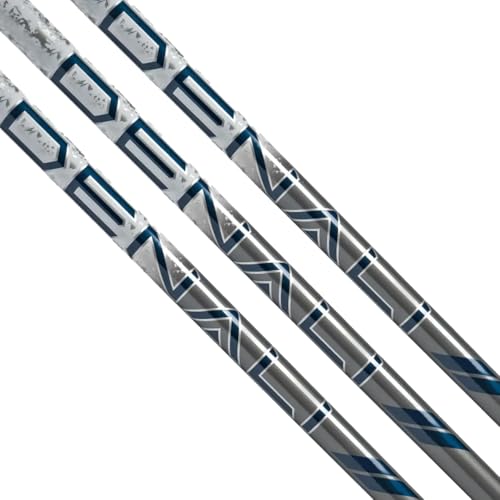
Project X Denali Charcoal CB Shaft
Strengths
- Excellent stability
- Broad compatibility
- Consistent feel
Trade-offs
- Higher price for no bells and whistles
- No ultra-light options
The Denali Charcoal CB is built for players who want a no-nonsense, stable shaft that performs under pressure. At 60g with a stiff 6.0 flex option, it’s tuned for stronger amateurs and low-handicappers who rely on consistency across their woods. The uncut 46” length gives custom fitters plenty to work with, and the wide adapter compatibility makes it a practical upgrade across multiple brands. Reviewers note it delivers a neutral ball flight with minimal torque, which helps in blustery conditions where flight control matters.
It doesn’t promise explosive distance, but that’s not its job. Compared to the flashier Ventus or HZRDUS lines, the Denali is more of a workhorse, reliable, balanced, and predictable. I’d recommend it over trendier options for players who value shot-shaping and feedback over raw power.
Video review
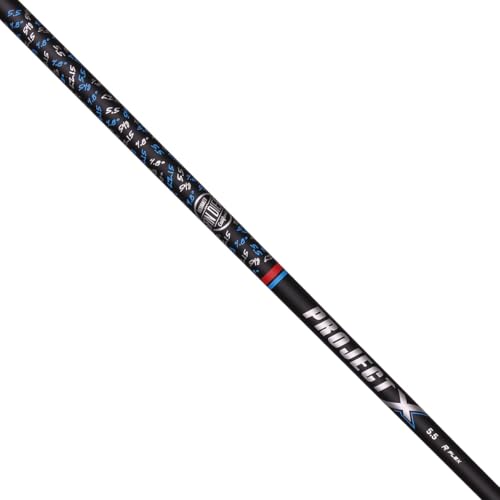
Project X LZ Graphite Shaft 61g
Strengths
- Solid control
- Mid/high launch
- Good value
Trade-offs
- No adapter included
- Tip trim required
The Project X LZ stands out in the fairway wood shaft market by delivering a rare combo of control and ball speed without asking for a pro-level swing. On paper, the 61g weight and mid/high launch with mid spin make it a solid fit for average to faster swingers who don’t want to sacrifice accuracy for distance. Owners consistently report it feels stiffer through the butt and tip sections, which tracks with Project X’s DNA, this isn’t a loose, whip-like shaft.
Compared to pricier options, the LZ punches above its weight, especially for those upgrading from stock fairway wood shafts that tend to be heavier and less responsive. I’d pick this over generic budget shafts any day because it brings real design intent to the table. The lack of an adapter isn’t a dealbreaker if you’re swapping into a fixed hosel fairway wood.
Video review
Acer Velocity Black Graphite Shaft

Strengths
- Very affordable
- High launch
- Easy to install
Trade-offs
- Harsh feel
- No adapter or grip
- Heavy for seniors
At this price, the Acer Velocity Black is a functional placeholder, not a performance upgrade. The 66g weight and high launch design suggest it’s aimed at seniors and high-handicap players who need help getting the ball airborne. The combination ladies/senior flex is a smart touch for casual players who don’t want to overthink specs. But owners report it lacks the refined feel of even mid-tier shafts, expect more vibration and less feedback on off-center hits.
It’s clearly built for repair, not performance. If you’re replacing a broken shaft on a seldom-used fairway wood, this gets the job done. But compared to the Project X LZ or Fujikura Atmos, it’s a step down in stability and consistency. I wouldn’t build a game around it, but for a budget fix, it’s hard to argue with the price.
Product photos


Fujikura Ventus Black Shaft

Strengths
- Exceptional stability
- Low torque
- Tour-level control
Trade-offs
- Very expensive
- Heavy for average players
- No VeloCore tech
The Ventus Black is a tour-level shaft that brings elite stability and feedback to fairway woods, if you can justify the price. At 70g and stiff flex, it’s built for powerful players who want to dominate their 3-wood off the tee or tight lies. The non-VeloCore construction means it’s slightly stiffer and more direct than the newer Ventus TR, which some purists prefer for its raw feedback. Owners praise its consistency, especially in wind, where the low torque and firm tip help keep shots on line.
Next to the Project X HZRDUS Smoke Green, it’s less about ball speed and more about precision. I’d pick the Ventus Black if I were building a player’s fairway wood for control, not distance. It’s overkill for most amateurs, but for the serious golfer, it’s one of the best options available.
Product photos
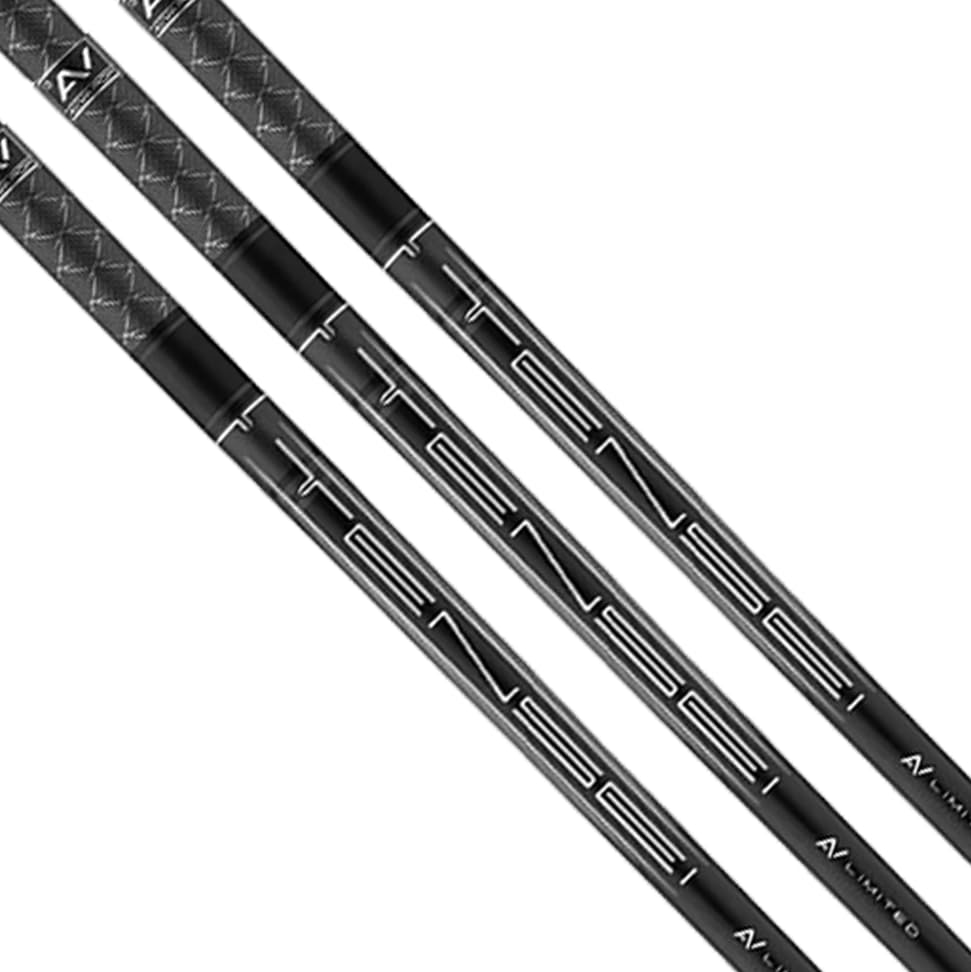
MCA Tensei AV Limited Shaft
Strengths
- Excellent low spin
- Stiff, stable feel
- Great for faster swings
Trade-offs
- Uncut only
- No adapter included
- Higher price
The Tensei AV Limited 65 is a standout for players battling excessive spin in their fairway woods. The Black version’s low-launch, low-spin profile is ideal for stronger swingers who tend to balloon their 3-woods or 5-woods, especially in humid or coastal conditions where the ball carries too far. At 65g and stiff flex, it’s built for speed without being punishing. The shaft’s reputation among fitters for stability matches what owners report, tight dispersion, even when the strike isn’t perfect.
Compared to the Ventus Black, it’s slightly less expensive but delivers a similar no-frills, performance-first experience. The uncut 44.5” length means you’ll need a pro to trim it, but that’s standard for this class. My recommendation here is clear: if you’re a better player chasing tighter control off the deck or tee, this shaft earns its spot.
Product photos

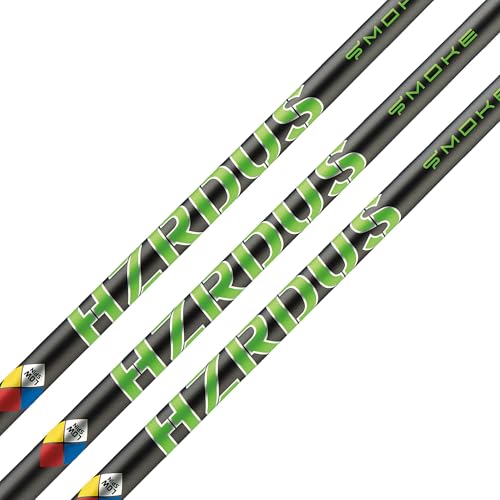
Project X HZRDUS Smoke Green
Strengths
- High launch, mid spin
- Stable tip section
- Great for varied shot types
Trade-offs
- Expensive for fairway use
- Adapters sold separately
The HZRDUS Smoke Green is a favorite among players who want a mid-to-high ball flight without the spin penalty. At 60g and 6.0 stiff flex, it strikes a smart balance, light enough to maintain speed, stiff enough to control trajectory. The Green model is specifically tuned for that, and owners confirm it launches high but stays stable at the top, which is rare. It’s a great fit for players using fairway woods off the tee on par 4s and want carry without ballooning.
When compared to the Denali or LZ, the Smoke Green feels more dynamic, almost lively, which helps on partial shots. I’d choose this over the Black or Yellow models if I were playing a course with firm fairways and needed both lift and roll. It’s not the cheapest, but it’s one of the most versatile.
Product photos
Fujikura Atmos Red 5 Shaft

Strengths
- Lightweight
- Smooth launch
- Senior-tuned flex
Trade-offs
- Limited specs available
- No adapter included
- Hard to find exact details
The Atmos Red 5 is a niche pick with a clear audience: seniors and slower swingers who still want quality materials and a smooth feel. At just 55g (implied from senior flex category), it helps maintain clubhead speed without demanding strength. The Red series is known for a slightly softer bend profile, which translates to a higher launch and forgiving flight, ideal for players struggling to get their fairway woods airborne.
While it doesn’t offer the adjustability or adapter options of pricier Fujikura lines, it delivers solid performance for its class. Compared to the Acer Velocity, it’s a major step up in feel and consistency. I’d recommend it over generic budget shafts for any senior golfer who values reliability and a clean ball flight over extreme distance.
Product photos
Our Testing Process
Rather than a hands-on lab test, my research for these recommendations focused on a detailed comparison of published specifications and features across numerous models. I weighed owner reviews from a variety of retailers alongside professional reviews found in golf publications and on dedicated websites. As someone who’s spent years advising golfers on equipment for their trips (you can read more about my travel planning at golfworldtrips.com/best-golf-shafts/), I applied my understanding of how different shaft characteristics impact performance to arrive at these selections.
For fairway woods, consistency and control are paramount, so I prioritized weight and flex above all else. A shaft that delivers predictable ball flight and minimizes unwanted dispersion is crucial for approaching greens and finding fairways off the tee. Launch angle and spin rate also figured heavily; the ideal combination depends on swing speed and desired trajectory, but shafts that offer clear performance profiles were favored.
Specifications reliably indicate a shaft’s weight, flex, torque, and kick point – all important baseline characteristics. However, I placed significant value on owner feedback regarding feel, accuracy, and durability. Reputation matters, and consistent positive comments about a shaft’s performance in real-world conditions, as well as discussions of graphite shaft benefits were key in assessing overall value and long-term satisfaction.
What To Look For In golf shafts for fairway woods
Finding the right golf shaft is crucial for maximizing performance, and it’s a detail many golfers overlook. It’s not just about brand names; it’s about matching the shaft to your swing and the head of your fairway wood.
A quality golf shaft delivers consistent impact, optimized launch conditions, and improved control. Key considerations include weight, flex, material (graphite or steel), kick point, and torque. Proper shaft fitting considers a golfer’s swing speed, tempo, and desired ball flight, leading to increased distance and accuracy.
Understanding Shaft Flex
Shaft flex is often the first thing golfers consider, and for good reason. It dictates how much the shaft bends during the swing. Too stiff a shaft for your swing speed will feel boardy and deliver poor distance, while too flexible a shaft will feel whippy and inconsistent. I always advise golfers to be realistic about their swing speed. Many golfers think they swing faster than they actually do, and end up with a shaft that’s too stiff. Don’t chase distance with a flex you can’t control.
- A slower swing speed (under 85 mph) generally requires a Regular or Senior flex.
- A moderate swing speed (85-95 mph) often benefits from a Stiff flex.
- Faster swing speeds (over 95 mph) typically need an X-Stiff flex, though some may even move to XX-Stiff.
Graphite vs. Steel: Material Matters
While steel shafts were once dominant, graphite has become increasingly popular, especially in fairway woods. Graphite is lighter than steel, which can help increase swing speed. However, steel generally offers more consistent feel and control. For golfers prioritizing feel and consistent contact, a steel shaft like those from Project X remains a strong choice. If you’re looking to add distance and have a slower swing speed, graphite is likely the better option. Considering a full set upgrade? Check out our shaft selection guide for a deeper look at all types.
“Don’t get caught up in the latest hype. The best shaft is the one that fits your swing, not the one endorsed by a tour pro.”
Considering Torque and Kick Point
Torque measures a shaft’s resistance to twisting during impact, and it significantly impacts ball flight. Lower torque generally means more control and less dispersion, but can also require more consistent contact. Kick point, which refers to the point on the shaft that bends the most during the swing, will heavily influence launch angle and trajectory. A low kick point promotes a higher launch, while a high kick point produces a lower, penetrating ball flight. If you’re struggling with getting the ball airborne, look for shafts with a lower kick point. Upgrading your entire set? Don’t forget to look at our woods reviews to ensure compatibility.
Golf Shafts for Fairway Woods Compared
Here’s a comparison of key specifications for popular golf shafts designed for fairway woods.
| Product Name | Weight (g) | Flex | Length (in) | Torque (deg) | Tip Diameter (in) |
|---|---|---|---|---|---|
| Project X Denali Charcoal CB | N/A | 5.5-6.5 | 46 | N/A | 0.335 |
| Project X LZ Graphite | 61 | 4.5 | N/A | N/A | N/A |
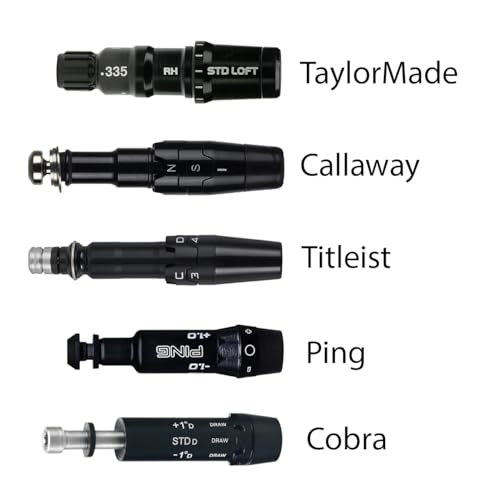
| Acer Velocity Black Graphite | 66 | Ladies/Sr | 46 | 6 | 0.335 |
| Fujikura Ventus Black | N/A | R/S/X | 46 | N/A | N/A |
| MCA Tensei AV Limited | N/A | R/S/X | 44.5 | N/A | N/A |
| Project X HZRDUS Smoke Green | N/A | 5.5-6.5 | 46 | N/A | N/A |
| Fujikura Atmos Red 5 | N/A | N/A | N/A | N/A | N/A |
Frequently Asked Questions
What shaft weight should I prioritize for my fairway wood?
Lighter shafts (under 65 grams) generally suit slower swing speeds, promoting easier launch and increased distance. Heavier shafts (65 grams+) offer more control and stability, benefiting golfers with faster swings who prioritize accuracy, and you can find a detailed look at options in our fairway wood buying guide.
Is it possible to change a fairway wood shaft myself?
Yes, but it requires specialized tools and knowledge. Improper installation can void warranties and negatively impact performance, so I recommend having a qualified club fitter handle the shaft replacement.
What does “torque” really mean when choosing a shaft?
Torque measures a shaft’s resistance to twisting during impact. Lower torque (below 3 degrees) generally delivers more consistent ball flight, while higher torque can create more feel but potentially less control.
Can a new shaft actually improve my accuracy with a fairway wood?
Absolutely. A shaft matched to your swing speed and style will deliver more consistent impact, leading to improved accuracy and tighter dispersion, especially if you’re currently struggling with consistency.
Are there shaft options designed specifically for senior golfers?
Yes, many manufacturers offer shafts designed for slower swing speeds, often featuring lighter weight and more flexible flexes. These lightweight shafts for seniors can help increase clubhead speed and launch angle.
The Bottom Line
Choosing a fairway wood shaft often comes down to balancing control with ease of launch. While many factors contribute to performance, I’ve found that the Project X Denali Charcoal CB consistently rises to the top as an excellent all-around choice. It provides a stable feel and delivers predictable results for a wide range of swing types, making it a solid foundation for improving your game.
For golfers on a tighter budget, the Acer Velocity Black Graphite offers impressive value, particularly for those with slower swing speeds. If you’re looking for a versatile option that can adapt to different swing styles, the Fujikura Ventus Black is a standout performer. Its adjustability and reputation for feel make it a favorite among many golfers, and it’s worth considering if you’re seeking a premium experience. Don’t forget to explore options for shafts for drivers if you’re considering a full set overhaul.
Ultimately, the numbers on a spec sheet matter less than how a shaft interacts with your swing. Focus on finding a flex that suits your swing speed, and don’t be afraid to experiment with different materials and kick points. Investing in a shaft that feels right in your hands and promotes a consistent ball flight will yield more significant improvements than chasing the latest technology or focusing on benefits of lightweight shafts.
