
9 Best Golf Woods of 2026
This post contains affiliate links. As an Amazon Associate, we earn from qualifying purchases.
This post contains affiliate links. As an Amazon Associate, we earn from qualifying purchases.
The Callaway Paradym AI Smoke Max stands out as the best overall golf wood, delivering exceptional ball speed and forgiveness. For players on a budget, the Powerbilt TPS Blackout Max offers solid performance at a fraction of the cost, while the Cleveland Golf Halo XL Lite is a top choice for those needing a reliable 5-wood with easy launch.
Choosing the right golf wood isn’t just about distance, it’s about consistency, launch, and matching the club to your swing. Too many golfers struggle with high-lofted or poorly fitted woods that kill their confidence off the tee or on long approaches.
This guide cuts through the noise, focusing on specs, real-world feedback, and what actually matters: forgiveness, adjustability, and shaft compatibility. I compared top models across performance categories to help you find a wood that fits your game and travel-ready bag.
Top 9 Golf Woods in the Market
The Best Golf Woods, Reviewed
Callaway Paradym AI Smoke Max 3 Wood

Strengths
- AI-optimized face
- Balanced launch and speed
- Lightweight yet stable
Trade-offs
- No adjustable weight
- Premium price
Callaway’s Paradym AI Smoke Max feels like the most complete package in this lineup. The AI-designed Smart Face is a real differentiator, owners report more consistent ball speed across the face, especially on off-center hits. Combined with the tungsten speed cartridge and carbon chassis, it delivers high speed and optimal launch without sacrificing control.
Compared to the Elyte X, it’s clearly a step up in both tech and performance. Even next to the TaylorMade Qi4D, it holds its own with a more neutral flight and progressive shaping that appeals to a wider range of players. For most golfers, this is the easy pick if you want one wood that does everything well.
Video review
TaylorMade SIM 2 MAX Steel Fairway

Strengths
- Explosive ball speed
- Excellent forgiveness
- Strong turf interaction
Trade-offs
- Heavier than lightweight alternatives
- No adjustability in this model
TaylorMade’s SIM 2 MAX stands out in the distance and forgiveness category, and it’s easy to see why so many golfers lean on it. The 190cc head with C300 steel face and Twist Face tech delivers on ball speed, especially off-center. Owners consistently report straighter shots and solid feel, even on low-face strikes, thanks to the Thru-Slot Speed Pocket.
When stacked against the Callaway Elyte X or Powerbilt budget options, the SIM 2 MAX is in a different performance tier. It’s heavier than some lightweight models, but that weight is well-distributed for stability. The V Steel sole also improves turf interaction, making it more versatile than bulkier fairway woods.
Video review
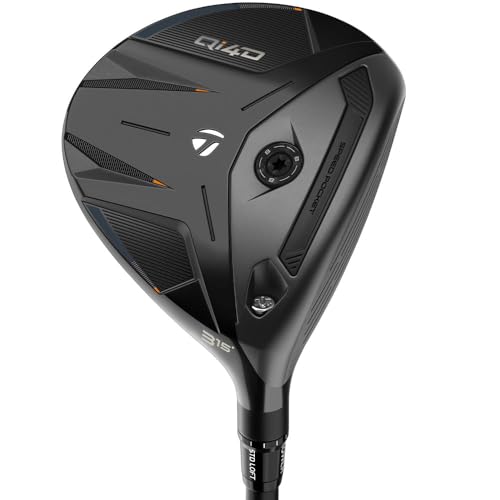
TaylorMade Qi4D Fairway 3 Wood
Strengths
- Adjustable weight and loft
- Superior control
- Premium shaft options
Trade-offs
- Expensive
- Overkill for high handicappers
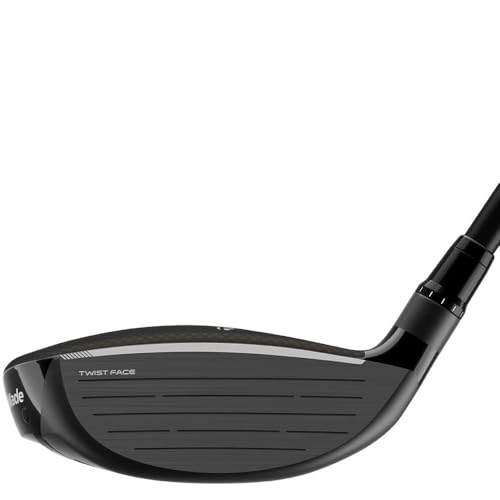
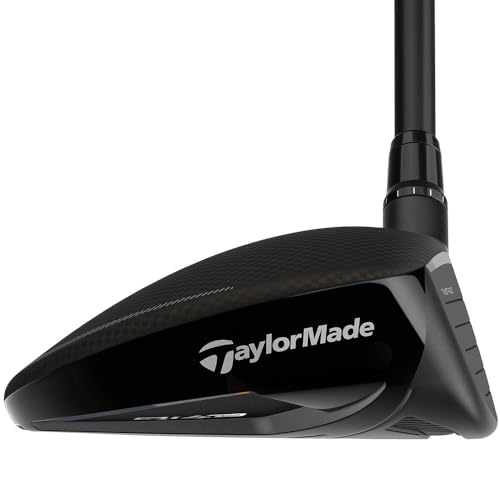
The TaylorMade Qi4D is the go-to if you want control and adjustability in a fairway wood. With an 8g weight and 4° loft sleeve, you can tweak spin, flight, and lie angle, something few models in this category offer. It’s clearly built for players who care about dialing in their setup, and the Reax shaft helps deliver a premium feel.
On paper, it’s one of the most advanced woods here, and owner feedback backs that up, especially for better players who want tour-level precision. Compared to the SIM 2 MAX, it’s less about raw forgiveness and more about fine-tuning. The sound and feedback are crisp, and the multi-material build improves weight distribution.
Product photos

Callaway Elyte X Fairway 3 Wood

Strengths
- High launch
- Draw bias
- Forgiving on mis-hits
Trade-offs
- No adjustability
- Less ball speed on low strikes
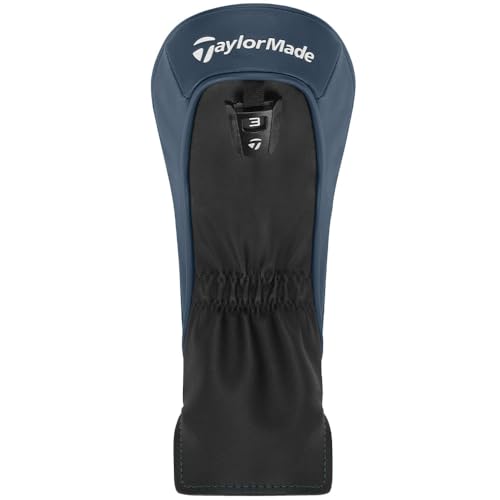
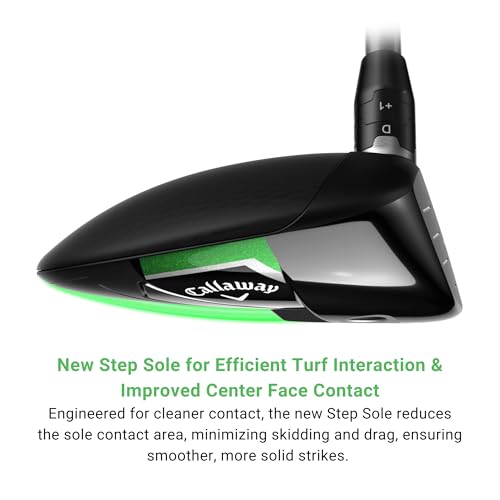
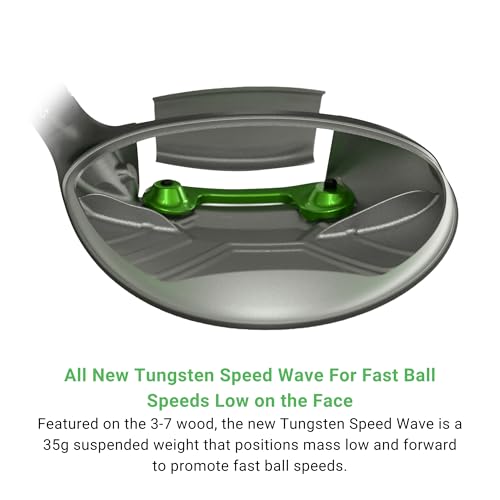
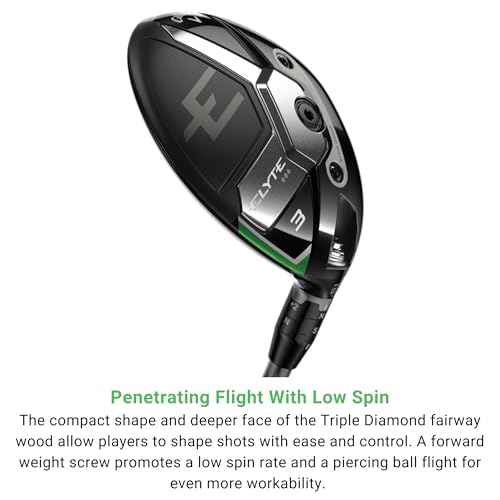
The Callaway Elyte X 3-wood is built for golfers who want help getting the ball airborne and shaping a draw. On paper, it leans into forgiving design with a focus on higher launch and stability, which lines up with what owners report, consistent distance and solid performance from a range of lies. It doesn’t have the bells and whistles of Callaway’s premium models, but it delivers where it counts for mid-to-high handicappers.
The graphite shaft keeps swing weight light, and the shaping suggests confidence at address, though it lacks adjustability found in pricier models. Compared to the TaylorMade SIM 2 MAX, it doesn’t offer the same explosive face or thru-slot speed tech, but it’s a cleaner, more straightforward option for players who prioritize feel and simplicity over maximum tech.
Product photos


Cleveland Golf Halo XL Lite 5 Wood

Strengths
- Very lightweight
- High launch
- Great for slow swingers
Trade-offs
- Less workability
- Not for aggressive swingers
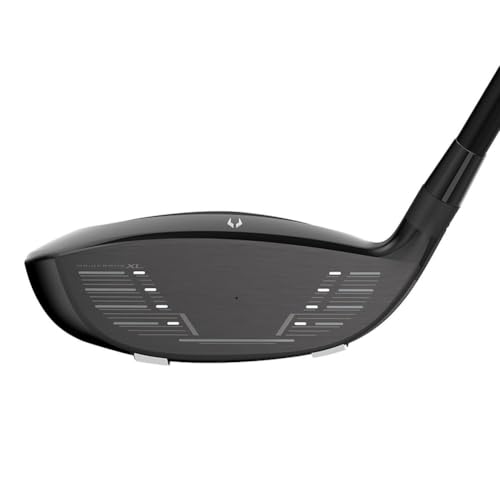
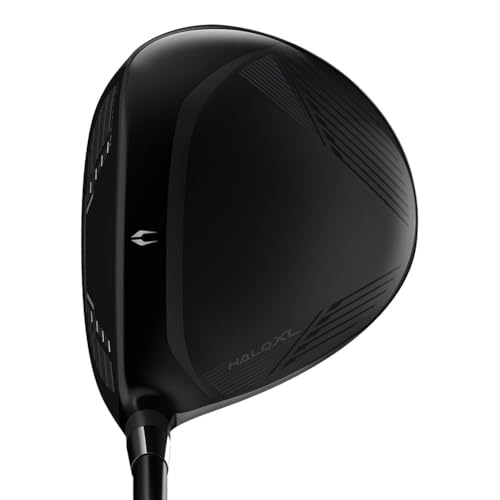
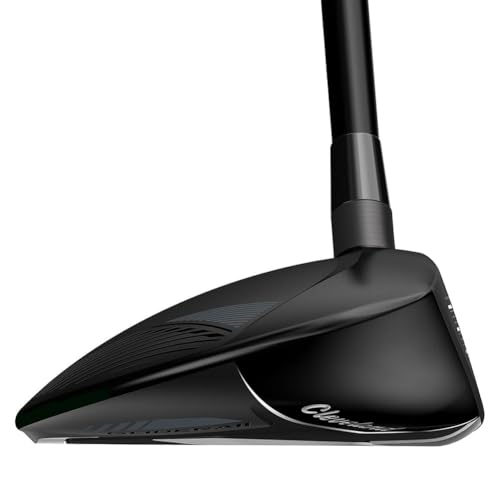
The Cleveland Halo XL Lite is built for players who need help generating clubhead speed. The lightweight design, head, shaft, and grip, makes it easy to swing quickly without sacrificing stability. Owners praise its high launch and forgiveness, especially from tight lies, thanks to the GlideRail sole and Rebound Frame tech.
It’s not as adjustable or high-speed as the TaylorMade Qi4D, but for seniors or players with slower swings, it’s a smarter buy than trying to muscle a heavier club. The XL head inspires confidence, and the MainFrame XL face delivers solid distance even on mishits.
Product photos
Powerbilt TPS Blackout Max 3 Wood

Strengths
- Incredibly low cost
- Lightweight shaft
- Includes headcover
Trade-offs
- Limited forgiveness
- Basic materials
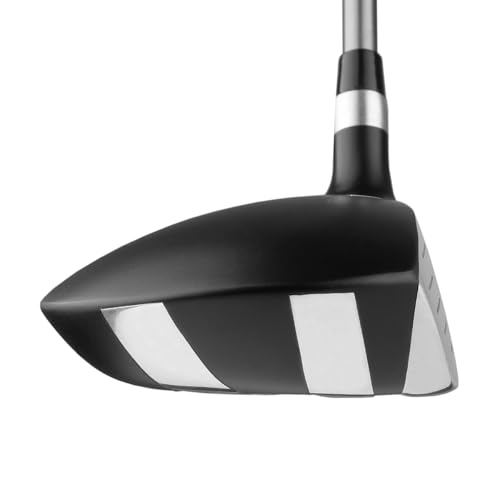
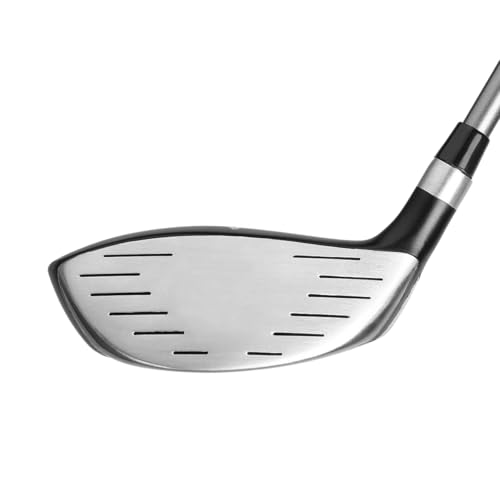
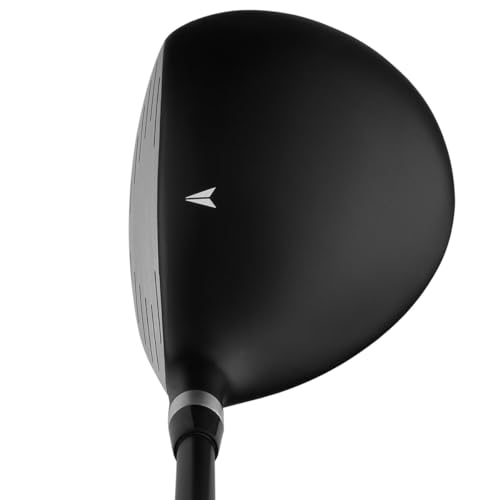
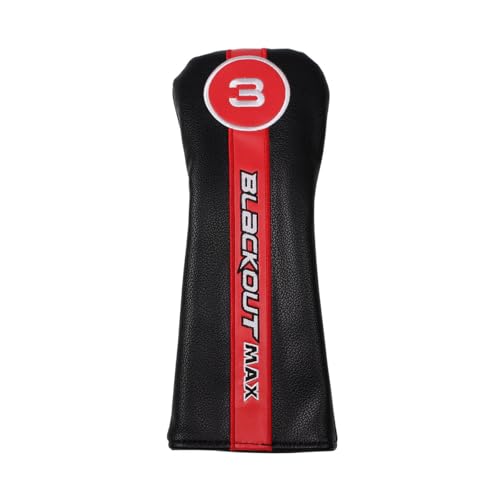
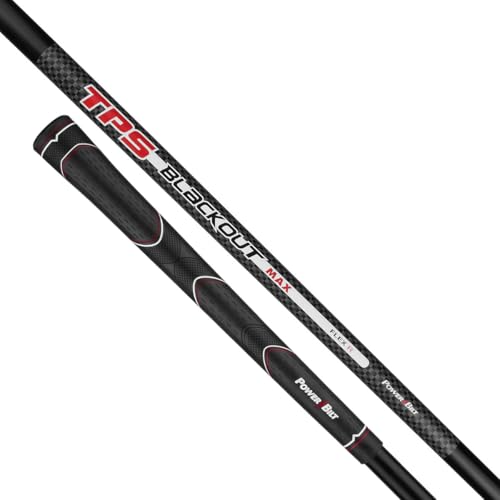
Like its 5-wood sibling, the Powerbilt TPS Blackout Max #3 wood is all about value. For under $50, you get a full-size 3-wood with a lightweight graphite shaft and dual rebound channels aimed at boosting ball speed. It’s not going to match the consistency of a TaylorMade or Callaway, but for a first fairway wood or a backup club, it gets the job done.
Owners say it performs best when struck cleanly, but forgiveness drops off on heel and low-face hits. Still, for beginners or juniors needing an affordable entry point, it’s hard to argue with the price.
Product photos
Powerbilt TPS Blackout Max 5 Wood
Strengths
- Extremely affordable
- Durable construction
- Includes headcover
Trade-offs
- Limited forgiveness on heel/toe hits
- Basic shaft and grip
At under $50, the Powerbilt TPS Blackout Max #5 wood is a standout in value. It doesn’t pretend to compete with $300+ woods on tech, but for the price, it delivers solid construction and surprising performance. The dual rebound channels and forged alloy head are more than just marketing, they help boost ball speed, and owners say it holds up well over time.
Compared to the TaylorMade or Callaway premium models, it’s clearly a step down in consistency and feel. But for beginners or casual players who need an affordable 5-wood to fill a gap, it’s hard to beat. The included headcover and clean blacked-out look add to the appeal.
Product photos
Orlimar Escape #9 Fairway Wood
Strengths
- High, soft trajectory
- Easy to launch
- Great for tight lies
Trade-offs
- Limited versatility
- Not a full fairway wood replacement
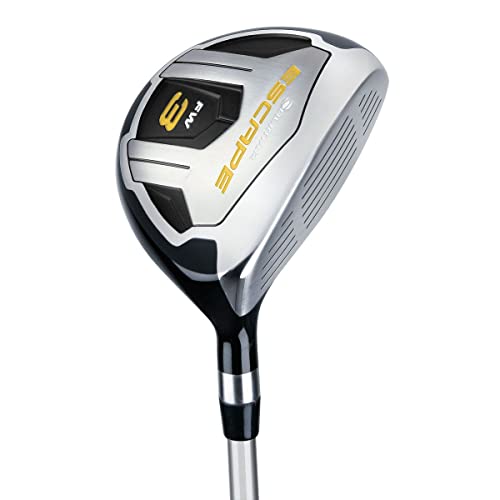
The Orlimar Escape #9 is not your typical fairway wood, it’s a specialty club designed to replace a 7 or 8 iron for players who prefer wood-style confidence from tight lies. With a 26-degree loft and shallow face, it’s easy to get airborne and land softly, which owners love for approach shots or trouble lies.
It’s not meant to replace a full set of irons, but as a single addition, it’s surprisingly effective. Compared to hybrids, it offers higher launch and more forgiveness, especially for higher handicappers. The lightweight shaft helps maintain swing speed without effort.
Product photos
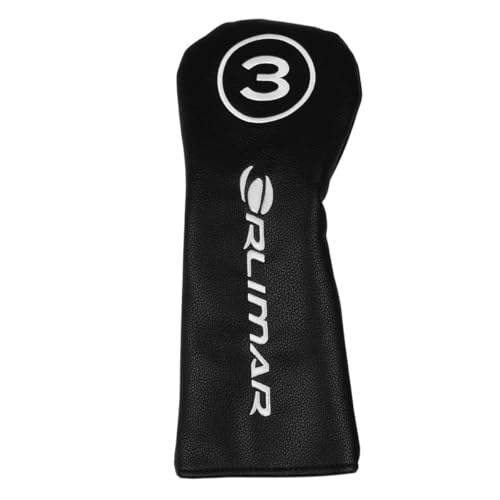
Orlimar Escape HL #3 Fairway Wood

Strengths
- Shank-resistant design
- Heel weighting helps draw
- Good for correction
Trade-offs
- Less control on centered hits
- Niche performance
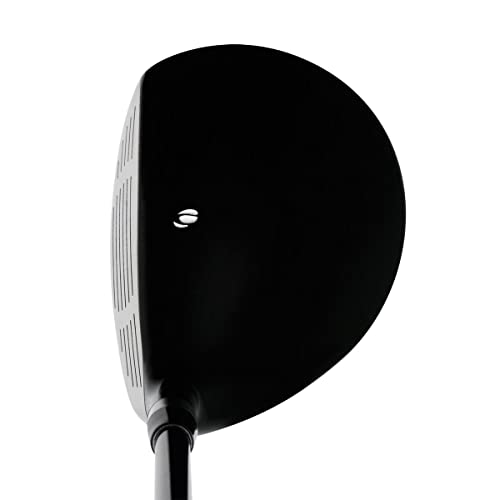
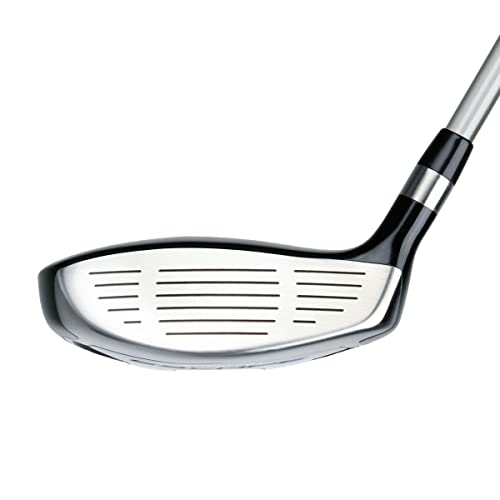
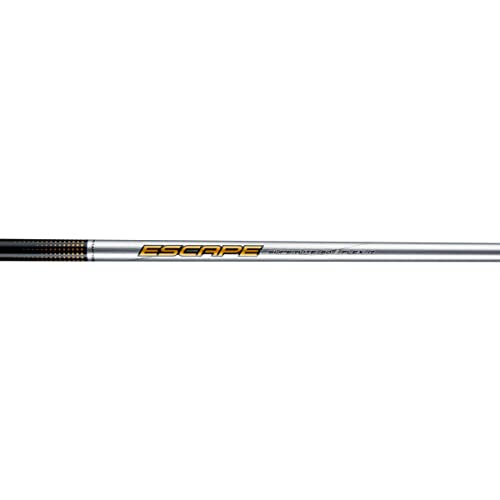
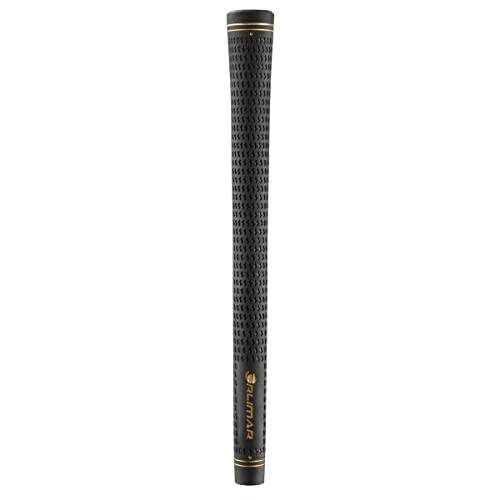
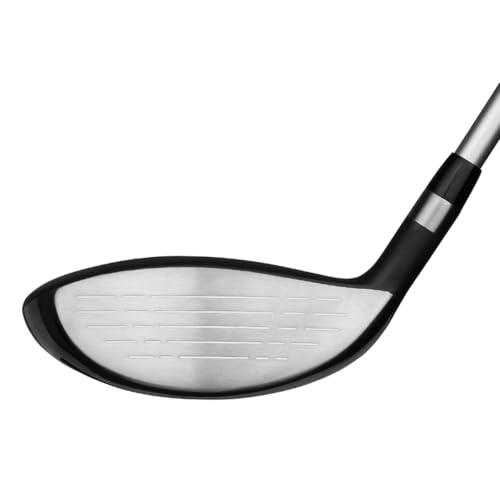
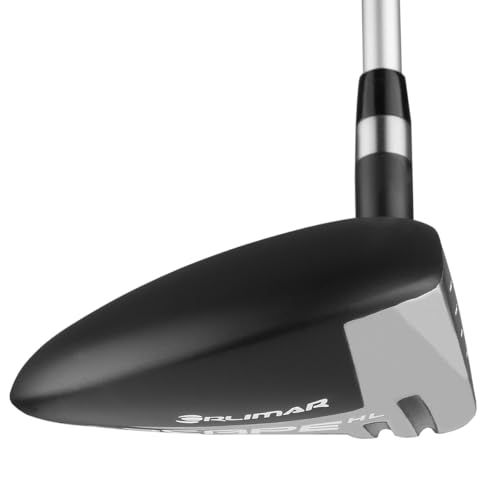
The Orlimar Escape HL #3 wood stands out with its shank-proof, face-forward design, something few manufacturers address directly. The progressive heel weighting helps square the face at impact, which owners confirm makes a real difference for players who struggle with shanks or toe strikes. It’s not flashy, but it’s smart engineering for a specific problem.
At just under $90, it’s not the cheapest, but it fills a niche. Compared to standard 3-woods, it’s more forgiving on the heel side, though it sacrifices some workability. For golfers rebuilding their swing or dealing with consistency issues, this could be a game-saver.
Product photos

How We Picked These golf woods
Rather than a hands-on lab test, my research involved a detailed comparison of published specifications and features across numerous golf wood models. I weighed owner reviews from major retailers alongside assessments from trusted golf publications and websites, looking for recurring themes in performance and reliability. This process allowed me to build a ranking based on how well each wood delivers on its stated goals and meets the needs of different player types.
For golf woods, distance and forgiveness are paramount, but adjustability also plays a significant role. I heavily weighted a wood’s ability to consistently deliver ball speed and minimize the impact of off-center hits. Beyond that, the degree to which a golfer can fine-tune launch conditions (loft, face angle) to match their swing and course conditions was a key factor. These elements separate the truly effective woods from those that simply look good on paper.
Specifications reliably indicate potential distance and launch characteristics (loft, shaft material, head size). However, judging forgiveness and feel required careful attention to owner feedback. Consistent reports of easy launch, minimal twisting on off-center hits, and a pleasing sound at impact heavily influenced my assessment. I also considered the reputation of the manufacturer; some brands consistently deliver quality and innovation, as detailed in my guide to top-rated 3-woods. For players considering alternatives, exploring 2-hybrid clubs can also be beneficial.
What To Look For In golf woods
Finding the right golf woods can dramatically improve your performance off the tee and on longer approach shots. It’s a surprisingly nuanced decision, extending beyond just picking a name brand.
A quality golf wood balances distance with accuracy, offering adjustability to suit different swing types and course conditions. Key attributes include face material (often steel or titanium), construction techniques influencing launch angle (like variable face thickness), and the quality of the shaft – all contributing to ball speed, forgiveness, and overall control. Consider head size, adjustability features, and how well the club complements your existing set.
Understanding Loft and Head Design
The loft of a wood dictates the trajectory and distance. Lower-lofted woods (like 3-woods) prioritize distance, while higher-lofted options (5-woods or even driving woods) offer more control and are easier to get airborne from various lies. Don’t automatically assume you need the lowest loft available. A properly gapped set is more important than chasing maximum yardage. I’ve seen countless golfers struggle with a 3-wood they can’t consistently hit, when a well-struck 5-wood would be far more effective. Consider your swing speed and typical launch angle when making your choice.
Prioritizing Forgiveness and Adjustability
Forgiveness is crucial, especially for those of us who don’t consistently strike the ball perfectly. Features like larger head sizes, perimeter weighting, and advanced face technologies (like TaylorMade’s Twist Face or Callaway’s AI Smart Face) all contribute to minimizing the effects of off-center hits. However, forgiveness shouldn’t come at the expense of control. That’s where adjustability comes in. Many modern woods offer adjustable weights and hosels, allowing you to fine-tune launch conditions and shot shape. If you’re looking to dial in your game, exploring top fairway wood models with these features is a smart move.
- A slightly closed face angle can help combat a slice.
- Adding weight to the heel of the club promotes a draw bias – great for golfers who struggle with a fade.
- Adjustable loft sleeves give you the flexibility to experiment with different launch angles and trajectories, and are particularly helpful if you play courses with varying elevation changes or wind conditions.
Shaft Selection and Its Impact
The shaft is frequently overlooked, but it’s arguably the most important component in a wood. The right shaft can maximize your clubhead speed and optimize launch conditions. Weight, flex, and material all play a role. Generally, slower swing speeds benefit from lighter, more flexible shafts, while faster swings require heavier, stiffer shafts. A shaft that doesn’t match your swing will feel unstable and deliver inconsistent results. For many, upgrading to shafts for fairway woods can be a significant improvement, even if the clubhead itself is perfectly adequate.
Don’t chase distance at the expense of consistency. A wood that consistently finds the fairway is far more valuable than one that occasionally bombs a drive out of bounds.
Golf Woods Compared
Here’s a comparison of key specifications for several golf woods to help you find the right club.
| Product Name | Loft (Degrees) | Wood # | Construction | Shaft Material | Forgiveness |
|---|---|---|---|---|---|
| Callaway Paradym AI Smoke Max | N/A | 3 | N/A | N/A | High |
| TaylorMade SIM 2 MAX Steel | N/A | N/A | Multi-Material | Steel | High |
| TaylorMade Qi4D | N/A | 3 | N/A | N/A | High |
| Callaway Elyte X | N/A | 3 | N/A | N/A | High |
| Cleveland Golf Halo XL Lite | N/A | 5 | N/A | N/A | High |
| Powerbilt TPS Blackout Max | 16 | 3 | Forged Alloy | Graphite | Moderate |
| Powerbilt TPS Blackout Max | 21 | 5 | Forged Alloy | Graphite | Moderate |
| Orlimar Escape #9 | 26 | 9 | N/A | Graphite | Moderate |
| Orlimar Escape HL #3 | 15 | 3 | N/A | Graphite | Moderate |
Frequently Asked Questions
What loft should I choose for a wood?
Lower lofts (like 3-woods) maximize distance, but higher lofts (5-woods or driving woods) are easier to launch from various lies. Ultimately, the best loft depends on your swing speed and typical launch angle; a properly gapped set is more important than simply choosing the lowest loft available.
Are adjustable woods really worth the extra cost?
Yes, adjustability is valuable, especially for dialing in launch conditions and shot shape. Modern woods with adjustable weights and hosels allow you to fine-tune the club to match your swing and course conditions, improving consistency and performance.
What shaft material is best for golf woods?
Graphite shafts are generally lighter and better for slower swing speeds, promoting distance, while steel shafts offer more control and are often preferred by faster swingers. The ideal material depends on your swing speed and feel preference.
How does face technology impact performance?
Features like variable face thickness (TaylorMade’s Twist Face or Callaway’s AI Smart Face) increase forgiveness by mitigating the effects of off-center hits. These technologies help maintain ball speed and launch angle even on mishits, leading to more consistent results.
What are some good alternatives to traditional woods?
If you struggle with woods, exploring 4-hybrid clubs can provide a more forgiving option off the tee or from the fairway. For many golfers, especially woods for seniors, hybrids can be easier to launch and control.
The Bottom Line
Choosing a golf wood often comes down to balancing forgiveness with control, and ultimately, what will get the ball in play more consistently. While numerous options exist, the Callaway Paradym AI Smoke Max strikes that balance exceptionally well, offering a blend of distance, adjustability, and protection on off-center hits that makes it a strong all-around performer for a wide range of golfers.
For those on a tighter budget, or seeking a specific solution, there are excellent alternatives. The Powerbilt TPS Blackout Max represents a compelling value, while the Cleveland Golf Halo XL Lite shines for players prioritizing lightweight construction and ease of launch. And if you’re looking to add a versatile option to your bag, exploring 9-wood clubs can offer a unique blend of control and distance, or consider a 3-hybrid clubs as a useful alternative.
Ultimately, the best golf wood isn’t about chasing the highest numbers on a launch monitor. It’s about finding a club that inspires confidence, consistently delivers to your skill level, and helps you enjoy the game more. Focus on a good fit for your swing speed and typical shot shape, and remember that consistent contact will always trump a flashy new design.
