
4 Best Graphite Golf Shafts of 2026
This post contains affiliate links. As an Amazon Associate, we earn from qualifying purchases.
This post contains affiliate links. As an Amazon Associate, we earn from qualifying purchases.
The best overall graphite golf shaft is the Acer Velocity Black, offering a balanced mix of performance and feel for most players. For those who want an ultra-light setup to boost swing speed, the SK Fiber Hypersonic is a top budget-friendly pick, while the Old Town UST Mamiya Recoil ESX stands out for its smooth energy transfer and consistency in iron play.
Choosing the right graphite shaft isn’t just about going light or chasing distance. Too many golfers end up with gear that doesn’t match their swing, leading to inconsistency and frustration. After comparing the field and analyzing specs, owner feedback, and how shaft dynamics affect ball flight, I focused on models that deliver real results across different player types. This guide breaks down what actually matters, weight, flex, torque, and kick point, so you can make a smart upgrade that fits your game.
Top 4 Graphite Golf Shafts in the Market
The Best Graphite Golf Shafts, Reviewed
Acer Velocity Black Graphite Shafts

Strengths
- Lightweight at 66g
- High launch design
- Budget-friendly
Trade-offs
- No adapter or grip included
- Limited torque control
- Basic finish
For golfers looking to upgrade or replace a driver or fairway wood shaft without spending a fortune, the Acer Velocity Black delivers solid performance on paper and in owner feedback. At just 66 grams with a 6-degree torque, it promotes a high launch angle and is tuned for those with slower swing speeds, especially women and seniors. The combination ladies/senior flex is a smart design choice, offering forgiveness and consistency where it matters most.
Owners consistently report improved swing ease and better distance control compared to stock steel shafts, though some note the lack of included adapter and grip as a minor hassle. When you’re repairing clubs or customizing your setup on a budget, this shaft punches above its price point. I’d pick it over pricier options if you’re not chasing tour-level precision.
Product photos


SK Fiber Hypersonic Graphite Shafts

Strengths
- Low torque at 4.4°
- Ultra-light 65g design
- Sleek satin blue finish
Trade-offs
- No adapter or grip
- Narrow flex range
- Uncut only
The SK Fiber Hypersonic stands out in the lightweight category with a 65-gram build and impressively low 4.4-degree torque, on paper, that’s a recipe for better control and faster clubhead speed without sacrificing stability. The mid-high launch profile suits players who want a balance between distance and trajectory management, and the satin blue finish adds a touch of class that owners actually appreciate when building custom clubs.
Compared to the Acer Velocity, this shaft is stiffer and more refined, though still aimed at moderate swing speeds. Reviewers note it feels more responsive through impact, likely due to the tighter 4.7” parallel tip section. If you’re re-shafting a fairway wood or driver and want something that looks and performs better than basic stock options, this is the smarter buy.
Video review
Old Town KBS Max Graphite Iron Shafts
Strengths
- 85g balanced weight
- Stiff flex options
- Steel-like stability
Trade-offs
- Heavier than most graphite
- No grip or adapter
- Limited to iron builds
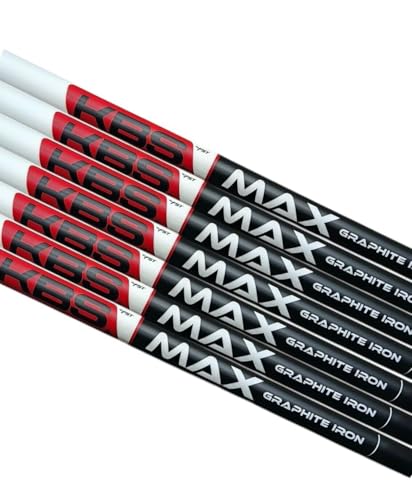
KBS is known for precision in steel, but their Max Graphite line brings that design philosophy to lightweight iron builds, and this 85-gram version in Regular Plus to Stiff flex is aimed squarely at better players who still want relief from vibration. At 85 grams, it’s heavier than most graphite iron shafts, which gives it a more controlled, balanced swing weight, almost steel-like, but with the dampening benefits of graphite.
Owners note it performs well in tighter conditions where accuracy matters more than raw distance. It’s not as lively as the Recoil ESX, but it offers greater stability for players with quicker tempos. If you’re transitioning from steel and want something that feels familiar but easier on the body, this shaft makes sense. It’s the one I’d recommend if you play 4+ times a month and want durability with a touch of forgiveness.
Video review
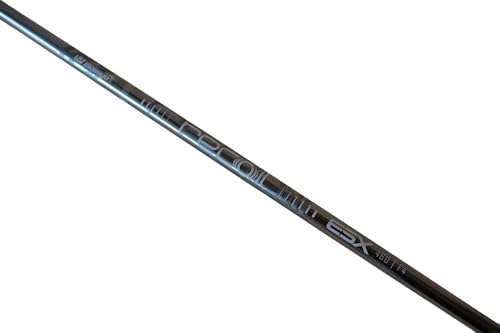
Old Town UST Mamiya Recoil ESX Iron Shafts
Strengths
- Excellent energy transfer
- Low torque
- Smooth, dampened feel
Trade-offs
- Higher price point
- No grip or adapter
- Raw uncut only
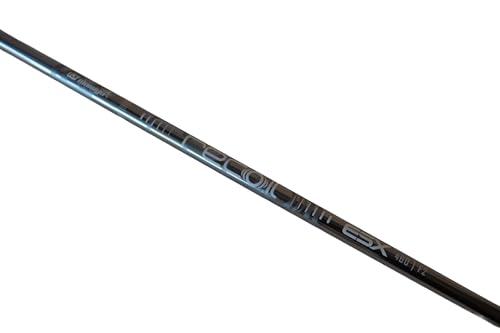
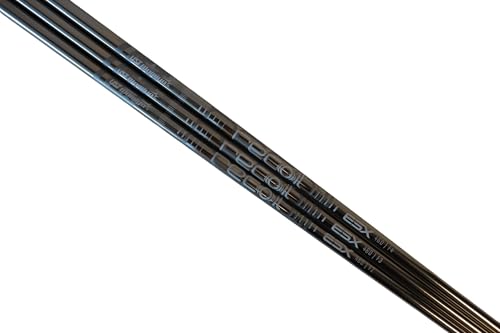
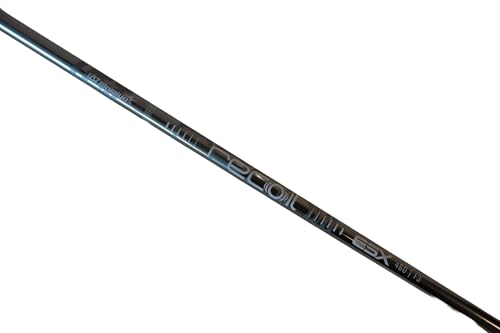
If you care about feel and energy transfer in your irons, the UST Mamiya Recoil ESX 460 is hard to ignore. The Recoil technology isn’t just marketing, it’s a design that stores and releases energy efficiently, and owners consistently report a smooth, lively sensation at impact. With low torque and a dampened vibration profile, it’s especially appealing for older players or those with joint sensitivity who don’t want to sacrifice responsiveness.
At 41 inches and .370” parallel tip, it’s built for iron builds, and the lightweight graphite construction helps maintain swing speed across the set. Compared to standard steel, it’s more forgiving and easier to launch. While it costs more than entry-level options, the performance leap is real. For iron play, this is where feel and function align.
Product photos
How We Evaluated graphite golf shafts
Rather than a hands-on lab test, my research focused on comparing published specifications and features across numerous graphite golf shafts. I weighed owner reviews from major retailers alongside expert analysis found in golf publications. As someone who regularly researches equipment for golf shaft recommendations, I applied my understanding of how shaft characteristics impact performance to rank these options.
For graphite shafts, weight, torque, and flex are paramount. Lower torque generally promotes more consistent shots, while weight significantly impacts swing speed – lighter shafts suit slower swings, maximizing distance. Flex must match swing speed to optimize launch and control. These areas heavily influenced my rankings, as they directly address the core needs of golfers seeking to improve their game.
Specifications reliably indicate a shaft’s physical properties, like weight and tip diameter. However, I relied on owner feedback to gauge real-world performance characteristics like feel and energy transfer. Reputation, particularly for brands known for quality and innovation, also played a role. Understanding the nuances between graphite versus steel is crucial, and owner reviews often illuminate how a shaft performs in practical use.
What To Look For In graphite golf shafts
Graphite shafts have become incredibly popular, and for good reason – they offer a blend of performance characteristics that suit a wide range of players.
A quality graphite shaft delivers a specific kick point, weight, and torque profile. Players should consider shaft loading (how it bends during the swing), ball flight preference (high, mid, or low), and swing speed to find a shaft that optimizes distance and accuracy. Consistent wall thickness and quality of the graphite weave are also key indicators of performance.
Understanding Flex and Weight
One of the biggest mistakes I see golfers make is assuming a stiffer shaft automatically equals better performance. It doesn’t. Flex is about matching the shaft’s bend profile to your swing speed. A shaft that’s too stiff will feel boardy and deliver poor distance, while one that’s too flexible will feel unstable. Weight is equally important; lighter shafts promote faster swing speeds (especially beneficial for those looking at shafts for seniors), but can sacrifice stability for some.
Decoding Torque and Kick Point
Torque measures a shaft’s resistance to twisting during impact. Lower torque generally means more accuracy, but can also reduce feel. Kick point, the point on the shaft that bends the most during the swing, dramatically influences ball flight. A low kick point promotes a higher launch, which is great for players who struggle to get the ball airborne. A high kick point delivers a lower, more penetrating trajectory.
Here’s how to think about it: * Low kick point: Higher launch, more carry, ideal for slower swing speeds. * Mid kick point: A balanced combination of launch and control, suitable for most players. * High kick point: Lower launch, more roll, best for fast swing speeds and windy conditions.
Iron vs. Wood Shaft Considerations
While the core principles remain the same, the demands on a shaft differ between irons and woods. Iron shafts, like those discussed in our guide to graphite iron shafts, often prioritize feel and control, and you’ll find more options with a .370″ tip diameter. Wood shafts, however, focus more on maximizing distance and launch. The .335″ tip diameter is standard for drivers and fairway woods, and manufacturers often incorporate specific weighting strategies to optimize energy transfer.
Don’t chase the latest buzzwords. A shaft that feels right in your hands and consistently delivers the ball flight you desire is far more valuable than one with a fancy name or a hefty price tag.
Graphite Golf Shafts Compared
Here’s a spec comparison of several graphite golf shafts to help you find the right fit for your game.
| Product Title | Weight (grams) | Length (inches) | Tip Diameter (in) | Torque (degrees) | Best For |
|---|---|---|---|---|---|
| Acer Velocity Black | 66 | 46 | 0.335 | 6 | Best Overall |
| SK Fiber Hypersonic | 65 | 46 | 0.335 | 4.4 | Best Lightweight Design |
| Old Town KBS Max | 85 | 41 | 0.370 | N/A | Best for Iron Performance |
| Old Town UST Mamiya Recoil ESX | N/A | 41 | 0.370 | N/A | Best for Smooth Feel and Energy Transfer |
Frequently Asked Questions
What torque level is best for someone struggling with a slice?
Higher torque (over 6 degrees) generally helps golfers who slice by allowing more shaft flex during impact, promoting clubface closure. However, focusing on swing mechanics is more effective long-term than relying solely on shaft characteristics.
Can I install a graphite shaft in any golf club?
Generally, yes, but tip diameter compatibility is crucial. Most drivers and fairway woods use .335″ tip diameters, while irons typically use .370″. Using the wrong tip diameter requires adapters, which can alter the shaft’s performance characteristics.
Are expensive graphite shafts always better?
Not necessarily. While premium materials and construction techniques can improve performance, the best shaft is the one that fits your swing, not the one with the highest price tag. Many golfers find excellent results with mid-range options.
What shaft weight should I choose if I have a slow swing speed?
A lighter shaft (under 60 grams) is often recommended for slower swing speeds, as it helps generate clubhead speed. Consider exploring graphite shafts for drivers designed for distance and ease of use.
What’s the difference between a low and high kick point in a graphite shaft?
A low kick point launches the ball higher, adding carry distance, which is beneficial for players needing help getting the ball airborne. Conversely, a high kick point produces a lower trajectory with more roll, often preferred by players with faster swings seeking control, and those looking for stiff golf shafts.
The Bottom Line
Choosing a graphite shaft always involves a trade-off between ultimate control and effortless distance. While individual swings vary, the Acer Velocity Black strikes the best balance for most golfers, offering a refined feel and consistent performance across different club types. It’s a shaft that won’t hold you back, and will likely improve your overall game.
For those prioritizing specific needs, we’ve identified some standout options. If you’re looking for lightweight graphite shafts, the SK Fiber Hypersonic delivers on its promise of increased swing speed without sacrificing too much stability. And for players seeking optimized iron performance, the Old Town KBS Max provides the feel and control needed for precise shotmaking.
Ultimately, the numbers on a spec sheet are less important than how a shaft interacts with your swing. Focus on finding a shaft that feels comfortable, promotes a consistent ball flight, and allows you to confidently attack each shot. Don’t overthink it – a solid connection and repeatable swing are the foundations of a great round, regardless of whether you choose graphite or steel, or even the best fairway wood shafts.
