
7 Best Steel Golf Shafts for Irons 2026
This post contains affiliate links. As an Amazon Associate, we earn from qualifying purchases.
This post contains affiliate links. As an Amazon Associate, we earn from qualifying purchases.
The True Temper Dynamic Gold 120 S300 stands out as the best overall steel iron shaft for players seeking tour-proven consistency and a low launch, while the True Temper Elevate MPH 95 offers a solid budget-friendly option for golfers needing lighter weight and easier launch. For game-improvement players, the SK Fiber Tour 90 HL brings versatility with its mid-high launch and .370 tip size compatibility.
Choosing the right steel shaft isn’t just about brand names or what the pros use. It’s about matching your swing to a shaft that enhances control, feel, and ball flight. Too often, golfers overlook how much shaft weight, flex, and tip size affect performance, even small mismatches can lead to inconsistency.
This guide cuts through the noise by focusing on specs, real-world feedback, and how these shafts perform across different player types. I looked at what actually matters: weight, flex, launch, and compatibility, so you can make an informed decision without guessing.
Top 7 Steel Golf Shafts For Irons in the Market
The Best Steel Golf Shafts For Irons, Reviewed
True Temper Dynamic Gold 120 S300

Strengths
- Exceptional control
- Low launch
- Tour-proven stability
Trade-offs
- Very heavy for average players
- Can feel harsh on mishits
This is the heaviest of the Dynamic Gold lineups here, weighing in at 118 grams, and it’s built for players who want maximum control and a low-launch flight. The S300 flex maintains that firm, responsive feel True Temper is known for, and the added mass helps smooth out tempo and reduce spin, ideal for stronger players who generate their own speed. Reviewers note that it promotes a piercing ball flight, especially in wedges and short irons where control is critical.
While it’s not for everyone, especially those with slower swings, it’s a standout if you’re chasing precision. Compared to the DG 105, it’s stiffer and heavier, which can be overkill in long irons unless you’re a very aggressive swinger. I’d pick this for the wedge or short iron in a stepped setup, not necessarily a full set unless you’re exceptionally strong and consistent.
Video review
True Temper Dynamic Gold 105 S300

Strengths
- Proven design
- Excellent feedback
- Low/mid launch
Trade-offs
- Heavier than game-improvement options
- Taper tip limits compatibility
The Dynamic Gold 105 S300 is a no-surprise, high-quality choice for better players who want that classic low to mid launch and a firm, predictable feel. At 103 grams, it’s on the heavier side, but not extreme, this is a shaft that’s been trusted on tour for years, and owners consistently report excellent shot control and consistency when properly fitted. The .355 taper tip limits clubhead swapping, so it’s best if you’re sticking with traditional blade or player’s cavity backs.
It doesn’t try to do anything flashy, just delivers a clean, stable flight with a slightly firm bend profile. If you’re used to heavier steel shafts and want reliability over innovation, this one fits the bill. I’d pick it over the Elevate MPH 95 for players who prioritize shot shaping and feedback over swing speed gains.
Video review
True Temper Dynamic Gold 105 R300
Strengths
- Trusted Dynamic Gold feel
- Firm regular flex
- Consistent performance
Trade-offs
- Still heavy for some regular flex players
- Taper tip limits head swaps
The R300 version of the Dynamic Gold 105 brings that legendary True Temper consistency to golfers with moderate swing speeds who still want a premium steel feel. At 101 grams, it’s lighter than the S300 variant but still firm enough to deliver a low to mid launch and solid feedback. Owners appreciate the balance, it’s not as heavy as traditional tour shafts, but it doesn’t feel soft or vague either.
It’s a rare regular-flex steel shaft that doesn’t sacrifice integrity for playability. Compared to the Elevate MPH 95, it’s heavier and firmer, making it better for players who want control over swing speed gains. I’d recommend this over the MPH 95 for better players who happen to swing at regular flex speeds but still demand precision.
Product photos
True Temper Elevate MPH 95 Regular
Strengths
- Affordable
- Lightweight
- .370 compatibility
Trade-offs
- Less refined feel than premium shafts
- Not for low-launch seekers
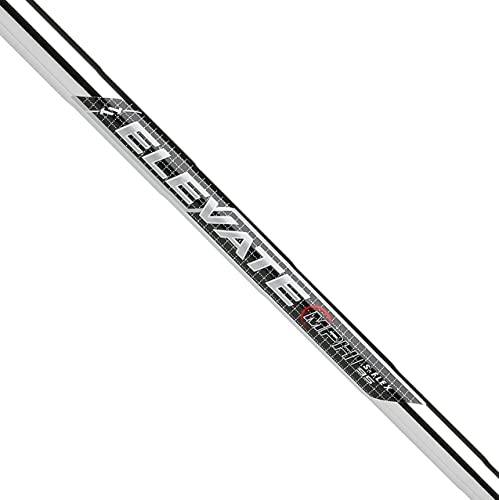
The regular flex of the Elevate MPH 95 is arguably the best value play in the lineup, especially for golfers on a budget who still want modern steel performance. At 90 grams and .370 parallel tip, it’s easy to fit and works well in a wide range of cavity-back and game-improvement irons. The mid-launch trajectory and lightweight design make it accessible for moderate swing speeds without feeling cheap or overly soft.
Owners consistently rate it as a reliable upgrade from stock shafts, and at this price, it’s hard to beat for a full set rebuild. Compared to the DG 105 R300, it’s lighter and more forgiving, though it gives up a bit in feedback. For the average golfer, that trade-off makes sense. This is the smarter buy if you’re not chasing tour-level precision.
Product photos
True Temper Elevate MPH 95 Stiff
Strengths
- Lightweight steel
- .370 parallel tip
- Good speed retention
Trade-offs
- Less shot-shaping feedback than tour sticks
- Slightly softer feel may not suit purists
At just 90 grams, the Elevate MPH 95 in stiff flex is one of the lighter true steel options out there, making it a smart pick for players who want the durability and feel of steel without the fatigue of heavier shafts. On paper, it’s built to help maintain or even increase swing speed while keeping trajectory in check, owners note a mid-launch flight with a solid, not harsh, impact response. The .370 parallel tip also makes it more adaptable across different iron models, especially modern cavity backs.
Compared to the Dynamic Gold 105, it’s noticeably lighter and a bit more forgiving on off-center strikes. For mid to higher swing speed players who still want some control but with a bit more speed potential, this is a compelling alternative. I’d recommend it over the heavier DG models for anyone looking to reduce club weight without switching to graphite.
Product photos
SK Fiber Tour 90 HL Steel Shafts
Strengths
- High-launch design
- Lightweight cut weight
- 7-piece set with warranty
Trade-offs
- Less brand recognition
- Not for low-launch preference players
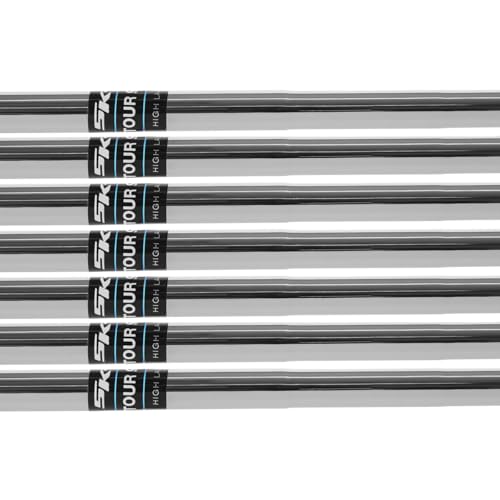
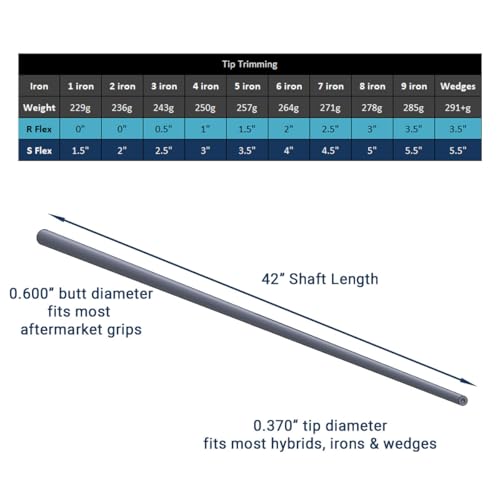
This 7-piece set stands out as a high-launch, lightweight steel option aimed at game-improvement players or those with moderate swing speeds. At around 90 grams cut weight and a mid-high trajectory profile, it’s designed to help get the ball up without sacrificing all the benefits of steel, durability, consistency, and feedback. The 0.370″ parallel tip and 9.875″ parallel section offer solid stability, and the stepped design helps tune flex characteristics across the set.
Owners report it works especially well in stronger-lofted irons where extra pop is needed. While it won’t have the pedigree of a Dynamic Gold, it brings solid engineering to a price point that makes sense for club repair or custom builds on a budget. Compared to the TaylorMade XP85, it’s more complete as a set and includes warranty support, which adds peace of mind.
Product photos
TaylorMade Uncut True Temper XP85
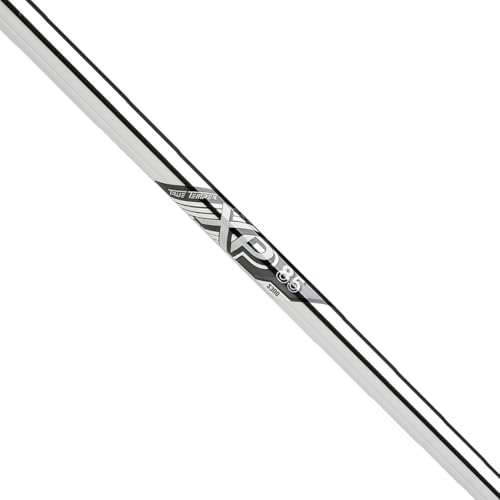
Strengths
- Uncut for custom fitting
- Lightweight
- Affordable per shaft
Trade-offs
- Requires professional installation
- No warranty or support for end users
This uncut shaft is a niche product, clearly aimed at club builders and DIY fitters rather than end users looking to drop in a ready-to-go solution. At 85 grams and .370 parallel tip, it’s lightweight for steel and offers flexibility in length and flex profiling. The raw 40-inch length lets you custom-taper the flex curve across a set, which is valuable for creating distance gaps or matching shafts to specific clubheads.
It’s not something I’d recommend for most golfers off the shelf, but for custom builds or repair shops, it’s a cost-effective blank. Compared to the Elevate MPH 95, it’s lighter but less refined in feel and branding. Still, for the price, it’s a solid foundation if you’re building from scratch.
Product photos
How We Evaluated steel golf shafts for irons
Rather than a hands-on lab test, my research involved a detailed comparison of published specifications and features from leading manufacturers like True Temper and SK Fiber. I weighed owner reviews from multiple retailers against expert opinions found in golf publications and online forums. This allowed me to build a ranking based on performance characteristics and value, considering the needs of different player types.
For steel iron shafts, weight and flex are paramount. A shaft’s weight significantly impacts swing speed and control(selecting iron shafts), while flex determines launch angle and ball flight. I prioritized shafts offering a range of flex options to suit various swing speeds, and considered how weight affects feel and consistency throughout the swing. These elements ultimately dictate distance and accuracy.
Specifications provide a solid foundation – weight, tip size, and flex are clearly defined. However, owner feedback proved crucial for understanding real-world performance. Reports on feel, consistency, and durability helped me assess how a shaft performs beyond its listed attributes. Reputation and longevity of brands like True Temper also factored heavily into my overall assessment of golf club shafts.
What To Look For In steel golf shafts for irons
Selecting the right steel shafts can dramatically improve your game.
A quality steel shaft offers consistent performance and durability. Players should assess weight, flex, tip size, and launch characteristics to find a shaft that complements their swing speed and desired ball flight. Look for shafts made from high-grade steel alloys and consider a brand with a reputation for quality control, like True Temper.
Understanding Shaft Weight
Shaft weight is a huge factor, and often the first thing golfers consider. Lighter shafts (under 95 grams) promote a higher launch and can be easier to swing for those with moderate swing speeds. However, they can sacrifice some stability. Heavier shafts (over 115 grams) generally offer greater control and are better suited for faster swingers who want to minimize unwanted dispersion. I’ve seen many players benefit from a slight adjustment in weight, even just 5-10 grams, to optimize their feel and consistency.
Decoding Flex and Its Impact
Flex refers to the shaft’s resistance to bending during the swing. It’s directly tied to swing speed. A shaft that’s too stiff will feel boardy and deliver a low launch, while one that’s too flexible will feel whippy and can lead to inconsistent contact. Generally, slower swing speeds require more flexible shafts (Regular or even Senior), while faster speeds demand stiffer options (Stiff or X-Stiff). It’s not always intuitive, though.
Here’s a quick reference: * Regular Flex: Works well for swing speeds around 85-95 mph. * Stiff Flex: A good choice for swings between 95-110 mph. * X-Stiff Flex: Best suited for golfers with swing speeds exceeding 110 mph, and often preferred by competitive players who want maximum control.
Tip Size and Compatibility
The tip size, or diameter of the shaft end that inserts into the clubhead, is crucial for proper fitting. The two most common tip sizes are .355” (tapered) and .370” (parallel). Using the wrong tip size can affect the shaft’s alignment and performance. Most forged irons use a .355” tip, while many game-improvement irons use .370”. If you’re building or modifying your clubs, make sure the shaft tip matches the hosel bore of your iron shafts. If you’re unsure, consult a professional club fitter.
A shaft that fits your swing is more valuable than the most expensive name on the market.
Steel Golf Shafts for Irons Compared
Here’s a comparison of key specifications for popular steel golf shafts used in irons to help you find the right fit.
| Product Name | Weight (grams) | Flex | Launch | Tip Size |
|---|---|---|---|---|
| True Temper Dynamic Gold 120 S300 | 118 | S300 Stiff | Low | .355 Taper |
| True Temper Dynamic Gold 105 S300 | 103 | S300 Stiff | Low/Mid | .355 Taper |
| True Temper Dynamic Gold 105 R300 | 101 | R300 Regular | Low/Mid | .355 Taper |
| True Temper Elevate MPH 95 Regular | 90 | Regular | N/A | .370 Parallel |
| True Temper Elevate MPH 95 Stiff | 90 | Stiff | N/A | .370 Parallel |
| SK Fiber Tour 90 HL Steel Shafts | 90 (cut) / 105 (uncut) | Regular/Stiff | Mid-High | 0.370″ |
| TaylorMade Uncut True Temper XP85 | N/A | Flex | N/A | .370 Parallel |
Frequently Asked Questions
What shaft weight is best for beginners?
Lighter shafts, generally under 95 grams, are typically best for beginners as they promote a higher launch and are easier to swing, helping develop consistency without needing a very fast swing speed. This can build confidence and improve overall control.
Can I bend a steel shaft to change its flex?
While technically possible, bending a steel shaft to alter its flex is not recommended. It can compromise the shaft’s structural integrity and consistency, potentially leading to performance issues and even failure.
What does “tip trimming” a shaft accomplish?
Tip trimming involves shortening the shaft from the tip end, which effectively stiffens the shaft’s flex. This is a common adjustment made by club fitters to fine-tune a shaft to a golfer’s specific swing characteristics and launch preferences.
How does shaft material impact feel?
Steel shafts generally provide a more consistent and responsive feel compared to graphite, offering better feedback during the swing. If you’re considering a shaft material comparison, know that steel is favored by players who prioritize precision and control.
Are stiffer shafts always better for faster swing speeds?
Not necessarily. While faster swing speeds generally require stiffer shafts, it’s not a hard and fast rule. Players with fast swings who struggle with launch may still benefit from a slightly more flexible shaft, or a shaft designed for shafts for fast swings.
The Bottom Line
Choosing steel shafts often comes down to balancing control with ease of swing. For most golfers, the True Temper Dynamic Gold 120 S300 offers a superb blend of feel and precision, and consistently ranks as a top choice among better players. It’s a shaft that rewards solid contact and provides the feedback needed to refine your swing.
If you’re looking for something more specific, the True Temper Elevate MPH 95 is an excellent option for golfers prioritizing launch and distance, particularly those with moderate swing speeds. For players seeking a lightweight alternative with a higher trajectory, the SK Fiber Tour 90 HL Steel Shafts are also worth considering. And for those exploring all their options, don’t dismiss the benefits of graphite iron shafts – they can provide a distinct feel and performance advantage.
Ultimately, the numbers on a spec sheet are less important than how a shaft interacts with your unique swing. Focus on finding a weight and flex that promotes a consistent, repeatable motion, and pair that with a set of best irons that complement your skill level. A properly fit set of shafts will do more for your game than chasing the latest technology.
