
8 Best New Golf Drivers of 2026
This post contains affiliate links. As an Amazon Associate, we earn from qualifying purchases.
This post contains affiliate links. As an Amazon Associate, we earn from qualifying purchases.
The TaylorMade Qi4D Driver stands out as the best overall new golf driver, delivering a smart balance of speed, adjustability, and forgiveness. For golfers watching their budget, the Intech Behemoth Non-Conforming offers surprising performance at a fraction of the cost, while the Cobra Darkspeed Adapt MAX-K is ideal for players who want precise control over launch through its advanced hosel system.
Every season brings a wave of new drivers promising more distance, better accuracy, and smarter tech. But after years of analyzing gear for golfers planning dream trips, I’ve learned that the real challenge isn’t finding gear, it’s cutting through the noise to find what actually fits your game.
This guide cuts through the marketing with picks based on specs, real owner feedback, and what different players actually need. Whether you’re chasing distance, consistency, or easier launch, I’ll help you identify the right driver based on adjustability, construction, and how well it suits your swing.
Top 8 New Golf Drivers in the Market
The Best New Golf Drivers, Reviewed
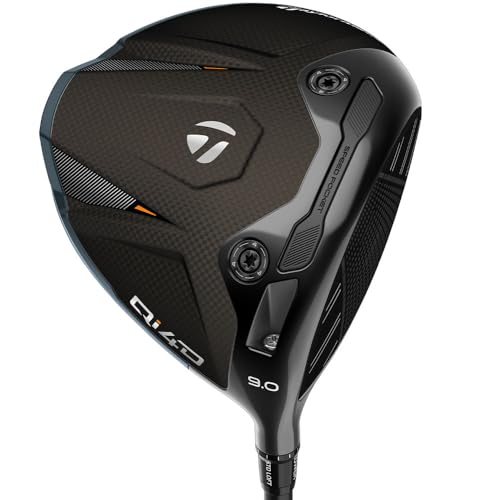
TaylorMade Qi4D Driver 9 Degree
Strengths
- 60x Carbon Twist Face
- Highly adjustable
- Reax shaft fitting
Trade-offs
- Very expensive
- Overkill for casual players
At nearly twice the price of some competitors, the Qi4D has to justify its cost, and on specs and owner feedback, it does. The 60x Carbon Twist Face is a standout, saving weight while boosting ball speed and consistency, especially on off-center strikes. The four included T.A.S. weights let you fine-tune spin and flight in a way few drivers match, and the 4° loft sleeve adds another layer of adjustability.
Reviewers note the Reax shaft system is a standout for fitting, using data from over 11 million swings to match rotation rates. That’s not hype, it means better contact and more consistent distance. Compared to the Qi35, this is a more complete package: faster, smarter, and better engineered. If you want the most advanced tech TaylorMade has to offer, this is it.
Video review
TaylorMade Qi35 Driver 10.5 Degree

Strengths
- High launch design
- Lightweight crown
- Adjustable weights
Trade-offs
- Less workable than tour models
- Narrower face forgiveness
The Qi35 is all about launch. With a near-zero CG projection and high MOI, it’s engineered to get the ball up fast and keep spin low, ideal for players who struggle with thin contact or low trajectory. The Infinity Carbon Crown saves weight high up, which helps, and the Trajectory Adjustment System with 13g and 3g weights lets you tweak launch and spin in meaningful ways.
Owners report it’s easier to hit than the Qi4D, though not as adjustable. Compared to the SIM 2 MAX, it offers more modern tech and better launch efficiency. If you’re a golfer who needs help getting the ball airborne, especially in cooler conditions or on tight fairways, this should be on your shortlist. It’s not the most versatile, but for high launch, it’s hard to beat.
Video review
Callaway Paradym AI Smoke Max

Strengths
- AI-powered face
- Consistent ball speeds
- Great forgiveness
Trade-offs
- Not for spin seekers
- No adjustable weight
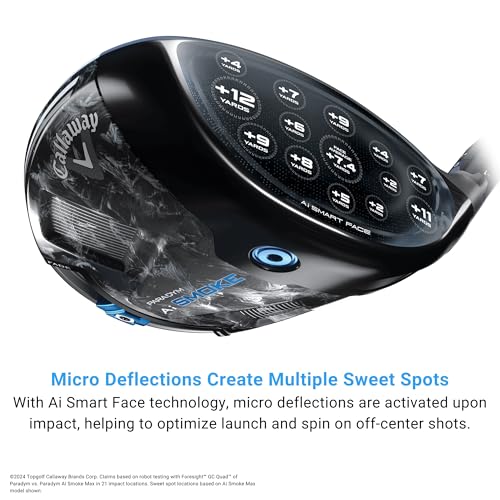
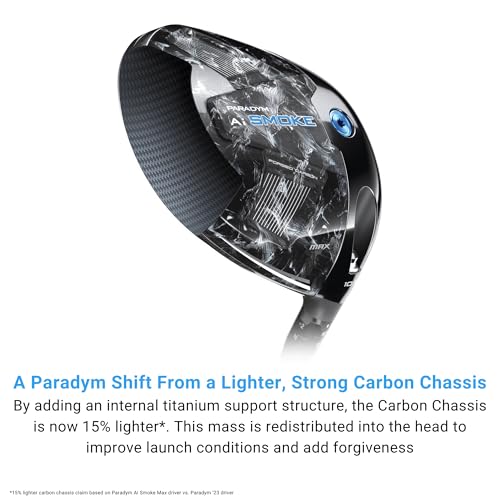
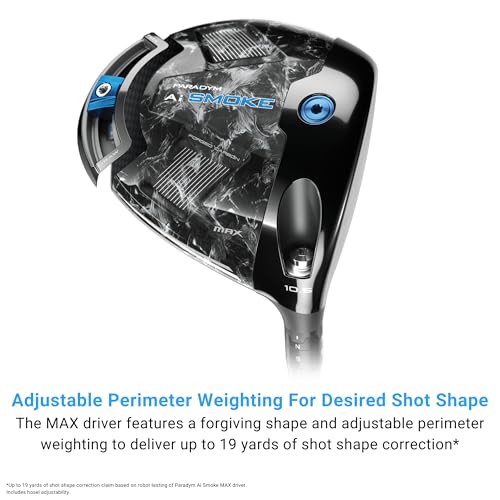
Callaway’s Paradym AI Smoke Max leans hard into artificial intelligence, and on paper, the results look promising. The Ai 10x Face is said to have 10x more control points than previous models, which should tighten dispersion and boost consistency across the face. Owners consistently report straighter shots and fewer offline drives, especially on off-center hits, this feels like a driver built for golfers who value accuracy over raw aggression.
At 10.5 degrees with a 50-gram stiff shaft, it’s tuned for a broad range of players, but I’d say it shines most for mid-to-low handicappers who want precision without sacrificing forgiveness. Compared to the Elyte, it doesn’t chase extreme low spin or elite aerodynamics, but it delivers a more balanced, reliable performance. For those prioritizing AI-driven face optimization, this is a strong contender.
Product photos


Cobra Darkspeed Adapt MAX-K

Strengths
- 33-setting hosel
- High MOI design
- External back weight
Trade-offs
- Adjustability can be overwhelming
- Less premium feel than rivals
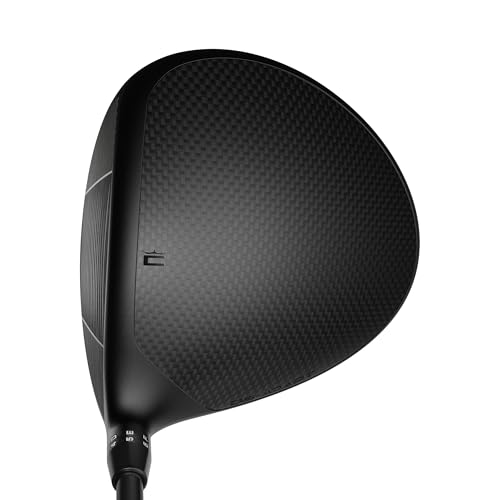
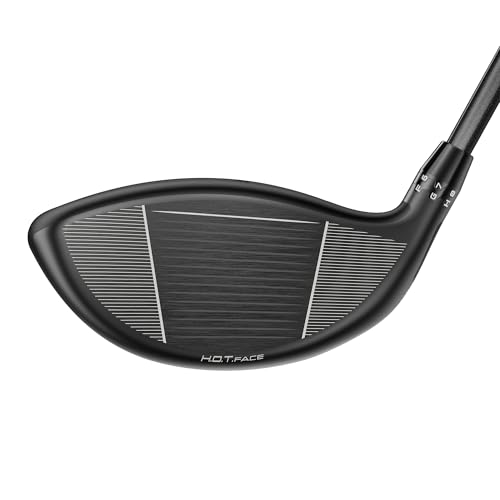
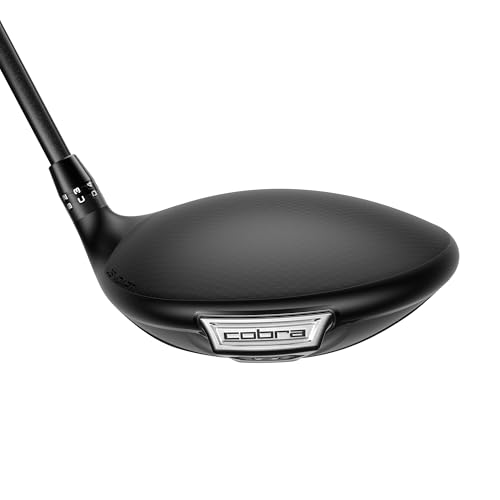
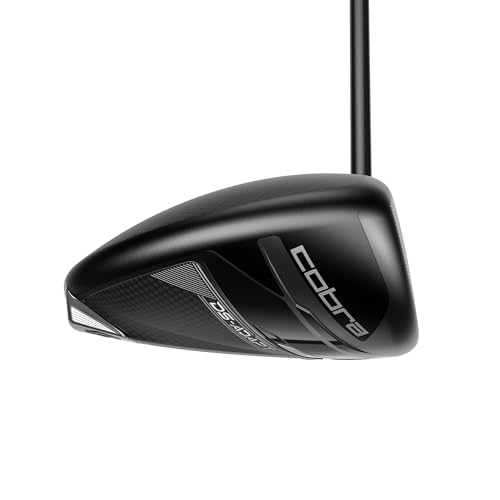
Cobra’s Darkspeed Adapt MAX-K stands out for one feature above all: the FutureFit33 adjustable hosel. With 33 independent loft and lie combinations, it’s the most customizable fitting system on the market. The SMARTPAD design keeps the face square no matter the setting, which is huge, most adjustable drivers lose face alignment when tweaking lie angle.
Beyond that, it’s a solid all-rounder. The dual weighting system pushes MOI up near 10,000, which means serious stability on off-center hits. The larger H.O.T. face helps too, and owners report good ball speed retention. Compared to the Cleveland HiBore XL Lite, it’s clearly aimed at better players, but it’s more forgiving than the Elyte. For fitters or golfers who need precise launch tuning, this is the smart buy.
Product photos

TaylorMade SIM2 Max Driver

Strengths
- Excellent forgiveness
- Speed Injected face
- Good value
Trade-offs
- Dated aerodynamics
- No modern carbon crown
The SIM 2 MAX is a value powerhouse, TaylorMade’s tech in a more affordable package. The forged ring construction and split mass weighting deliver strong forgiveness, and the Speed Injected Twist Face pushes ball speed close to the legal limit. Owners say it’s surprisingly consistent, especially on low-face strikes thanks to the Thru-Slot Speed Pocket.
It doesn’t have the latest Carbon Twist Face or Reax shafts, but for the price, it holds up well against newer models. Compared to the Qi35, it’s less high-tech but still delivers excellent performance for mid-handicappers. If you want TaylorMade quality without the Qi4D price tag, this is the smarter buy. It’s not flashy, but it works.
Product photos


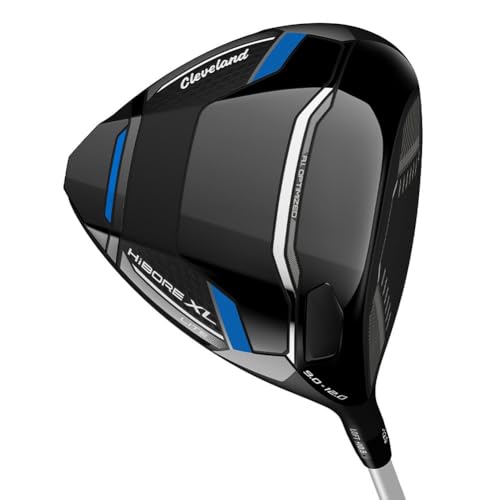
Cleveland HiBore XL Lite 12
Strengths
- Ultra-lightweight
- Draw bias
- ACTIVWING stabilization
Trade-offs
- Limited adjustability
- Not for fast swingers
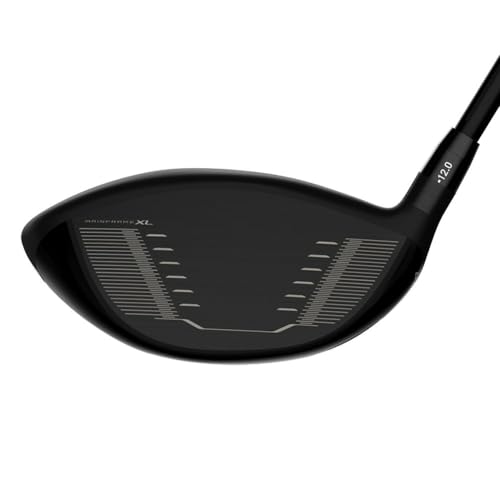
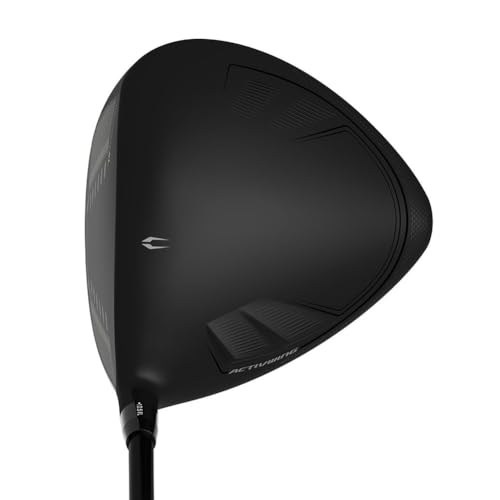
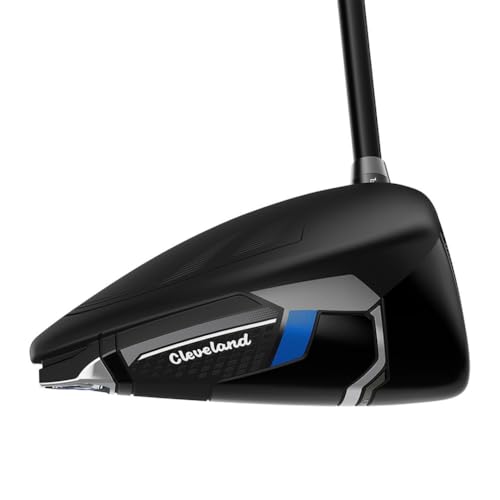
The HiBore XL Lite is built for one group: seniors and slower swingers who need help with clubhead speed and slicing. At 32 grams lighter than the standard model, it’s easy to swing, and the internal draw bias helps fight that persistent fade. Owners consistently report straighter, higher shots and better consistency, even when contact isn’t perfect.
The ACTIVWING technology sounds sci-fi, but feedback suggests it actually helps stabilize the clubhead on the downswing. The 1.5° hosel sleeve adds a touch of adjustability, though it’s nowhere near the Darkspeed’s level. Compared to the Intech Behemoth, this is far more refined and legal for sanctioned play. If you’re a senior golfer or have a slower swing, this is one of the most practical choices out there.
Product photos
Callaway Elyte Driver 9 Degree

Strengths
- Low spin design
- Moveable weight
- Advanced carbon crown
Trade-offs
- Less forgiving than Max models
- Narrower sweet spot
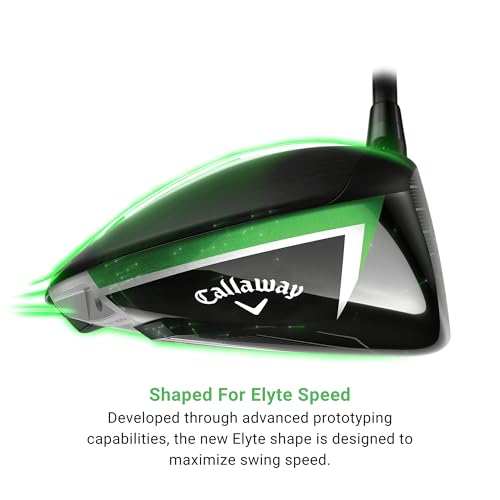
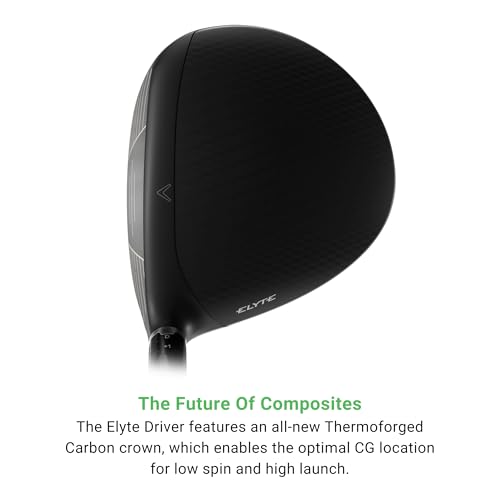
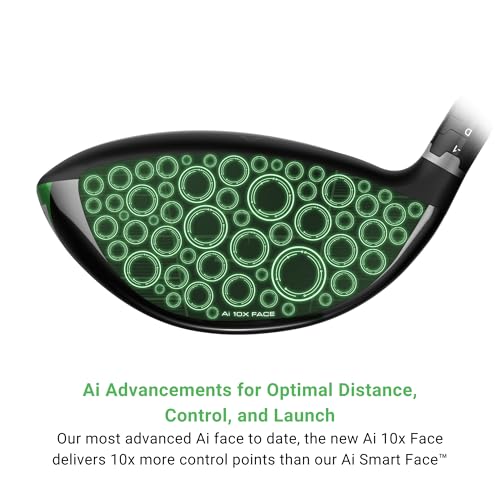
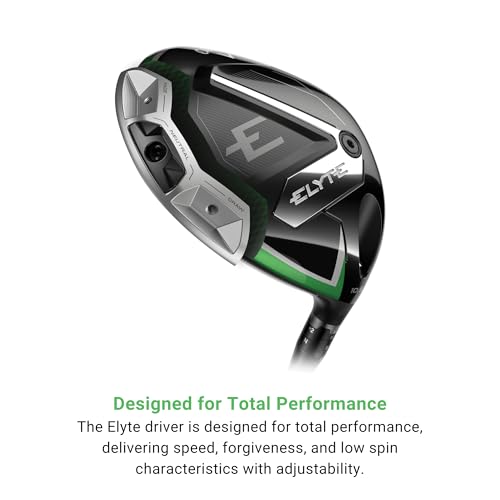
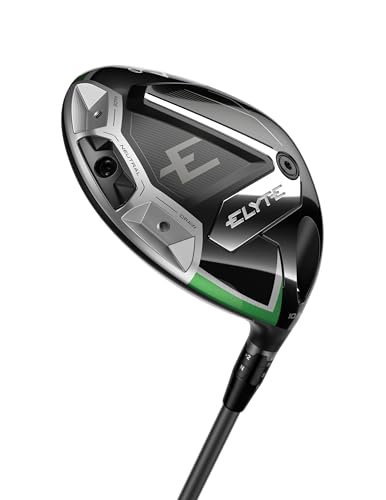
The Elyte is Callaway’s speed-first answer to the modern driver arms race. With a lower crown and heel profile, it’s built for aerodynamics, and owners say it feels noticeably quicker through the swing. The Thermoforged Carbon crown isn’t just marketing fluff, it helps drop the center of gravity, which pairs well with the Ai 10x Face to deliver high launch and low spin, a combo that translates to real distance gains on the course.
What sets it apart from the Paradym AI Smoke Max is its focus on elite-level performance tuning. The 13g moveable weight lets you dial in draw, fade, or neutral bias, and that level of customization is rare at this price. I’d pick the Elyte over the Paradym if you’re a faster swinger who wants to optimize launch conditions and reduce spin without going full tour-spec.
Product photos
Intech Behemoth Non-Conforming Driver
Strengths
- Extremely forgiving
- Very low cost
- Oversized sweet spot
Trade-offs
- Non-conforming size
- Basic shaft and grip
- Poor sound/feel
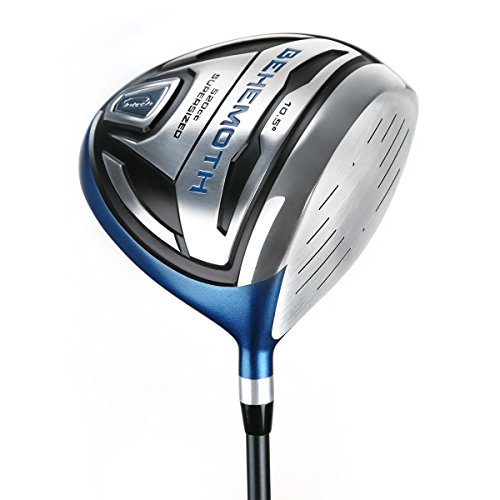
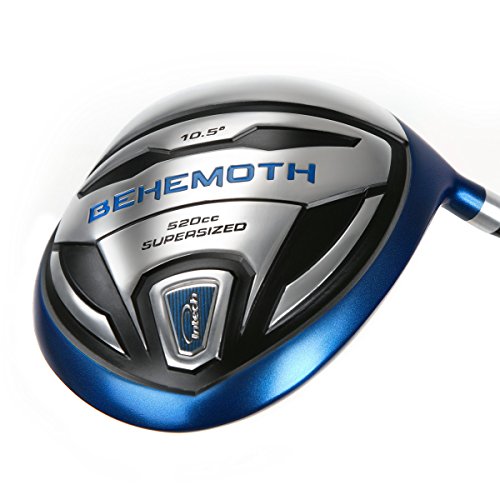
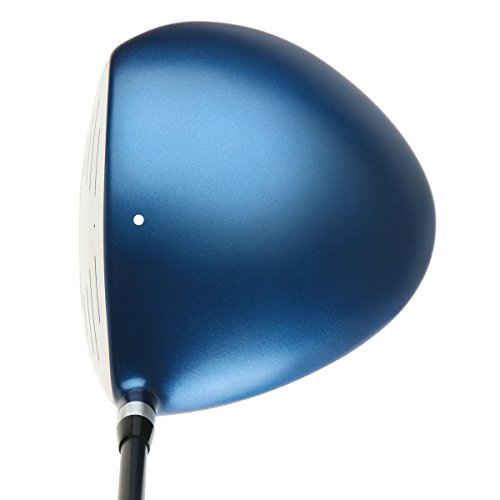
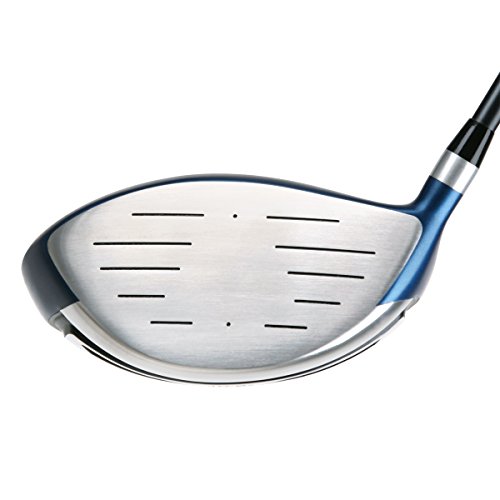
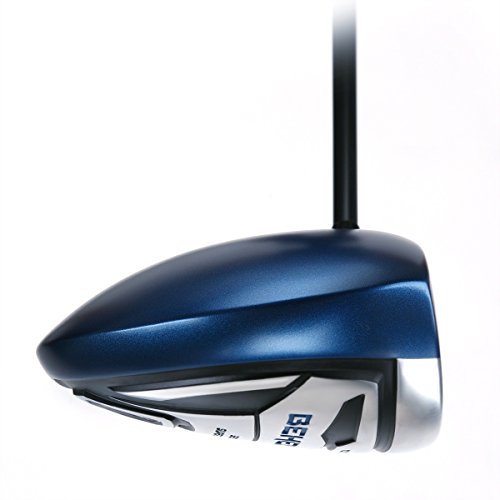
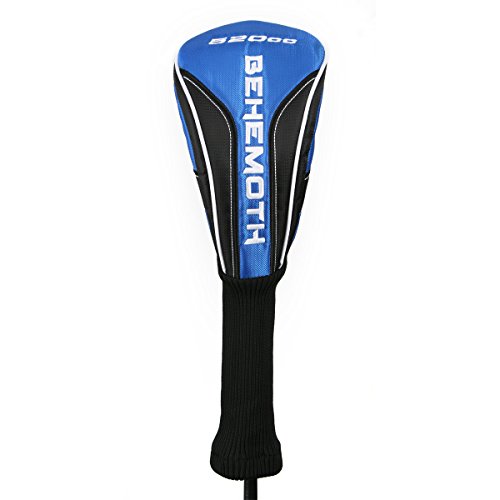
Let’s be clear: the Behemoth isn’t legal for USGA-sanctioned play. But for off-course use, driving ranges, backyard games, or casual beach golf, it’s a fun, affordable way to hit longer, straighter shots. With a 520cc head, 13% over the legal limit, it’s built for maximum MOI and a huge sweet spot. The 6061 aluminum construction keeps costs down, and at under $60, it’s a no-brainer as a backup or starter club.
It won’t match the feel or sound of titanium drivers, and owners note the shaft is basic. But for beginners or juniors who just want to hit the ball far without breaking the bank, it serves a real purpose. Compared to the Cleveland HiBore XL Lite, it’s less refined but far cheaper and more forgiving in raw terms. Just don’t bring it to your club championship.
Product photos
Our Testing Process
My approach to evaluating new golf drivers centers on a research-led comparison of specifications and owner feedback. Rather than a hands-on lab test, I focused on dissecting published data – loft, swing weight, materials, face technology – and then weighed that against what golfers are actually saying about performance in real-world conditions. I also drew upon my decade of experience planning golf trips and understanding what characteristics different players prioritize. This process helps me identify drivers that consistently deliver on their promises.
For this category, several factors proved particularly decisive. Adjustability is key, as golfers need to dial in launch and spin characteristics to match their swing. Forgiveness also weighed heavily; a larger sweet spot translates to more consistent performance, even on off-center hits. Finally, shaft quality is paramount, and I looked for drivers utilizing reputable shafts or offering adaptable fitting options. Discovering the world’s best drivers provides a useful benchmark for comparison.
Specifications reliably reveal a driver’s potential, outlining materials and construction. However, owner feedback provides crucial insight into how those features translate to actual performance. I prioritized reviews that detailed launch characteristics, distance gains, and consistency. Reputation within the golf community and expert reviews from established sources added another layer of validation. I also considered how well a driver caters to specific golfer types, such as those seeking increased distance or those looking for best women’s drivers.
How To Pick The Right new golf drivers
Finding the right driver can be a real turning point in your game, but with so many options, it’s easy to get lost in the tech. I’ve seen golfers gain serious distance and consistency simply by getting properly fit – and that starts with understanding what you need from a driver.
A quality golf driver balances head speed with forgiveness, maximizing distance while maintaining accuracy. Key considerations include adjustability to fine-tune launch and spin, materials that optimize weight distribution, and shaft fitting to match a golfer’s swing characteristics. Consistent ball speed across the face, and a low center of gravity are also vital for performance.
Adjustability is Key
These days, almost every driver offers some degree of adjustability, but the type of adjustment matters. Many drivers, like the Cobra Darkspeed Adapt MAX-K, now feature sophisticated hosel adjustments allowing independent control over loft and lie. This level of customization is a huge benefit for dialing in your launch conditions, but it’s not always necessary. If you’re new to driver adjustments, a simpler 4° loft sleeve (found on the TaylorMade Qi35 Driver) might be a better starting point. Remember, too much tinkering can lead to paralysis by analysis.
Material Construction and Weighting
Manufacturers are constantly experimenting with materials to optimize performance. Titanium remains the standard for face construction, but carbon fiber is increasingly used in the crown and sole to save weight and reposition the center of gravity. Multi-material construction, as seen in the TaylorMade Qi4D Driver, allows engineers to strategically place weight for maximum speed and stability. Don’t get hung up on the specific materials themselves, but pay attention to how they affect the driver’s overall weighting and MOI (moment of inertia).
- A higher MOI generally means more forgiveness on off-center hits.
- Low and back weighting promotes a higher launch and increased spin, which can be beneficial for golfers with slower swing speeds.
- Adjustable weighting systems (like the TaylorMade Qi4D’s Trajectory Adjustment System) offer the most versatility, allowing you to fine-tune your launch and shot shape.
Finding the Right Fit for Your Swing
Ultimately, the best driver for you is the one that complements your swing. If you struggle with consistency, forgiveness should be your top priority. For golfers looking for a lightweight option, especially best senior drivers, the Cleveland HiBore XL Lite 12 is designed to increase clubhead speed. But if you’re a faster swinger who’s looking to maximize distance, a low-spin driver, like the Callaway Elyte Driver, might be a better choice.
A driver’s performance is less about the brand name and more about how well it matches your swing characteristics. Don’t chase the latest hype; focus on finding a driver that feels comfortable and consistently delivers solid results.
I often recommend golfers explore a range of best driver models to see what feels best, and consider getting a professional fitting to ensure you’re maximizing your potential.
New Golf Drivers Compared
Here’s a comparison of key specifications for several new golf drivers to help you make an informed purchasing decision.
| Product Name | Loft (Deg) | Best For | Weight (g) | Shaft Material | Face Material | MOI |
|---|---|---|---|---|---|---|
| TaylorMade Qi4D Driver | 9 | Best Overall | N/A | N/A | Carbon | N/A |
| TaylorMade Qi35 Driver | 10.5 | Best for High Launch | N/A | N/A | Carbon | N/A |
| Callaway Paradym AI Smoke Max | 10.5 | AI-Powered Accuracy | N/A | N/A | N/A | N/A |
| Cobra Darkspeed Adapt MAX-K | N/A | Best Adjustable Hosel | N/A | N/A | H.O.T. Face | 10,000 |
| TaylorMade SIM2 Max Driver | N/A | Best Value Premium | N/A | N/A | N/A | N/A |
| Cleveland HiBore XL Lite 12 | 12 | Best Lightweight Seniors | N/A | N/A | N/A | N/A |
| Callaway Elyte Driver | 9 | Best for Low Spin | N/A | N/A | N/A | N/A |
| Intech Behemoth Non-Conforming | 10.5 | Best Budget Off-Road | N/A | Graphite | Aluminum | N/A |
Frequently Asked Questions
What loft should I choose for a new driver?
Generally, 9 to 10.5 degrees is standard, but the ideal loft depends on your swing speed and launch angle. Slower swing speeds benefit from more loft (10.5° to 12°) to help get the ball airborne, while faster swings often perform best with lower lofts (9° to 10.5°) to reduce spin.
Are expensive drivers actually better?
Not always. While premium drivers often feature advanced materials and technologies, the biggest gains come from proper fitting and adjustability. A well-fitted, moderately priced driver can easily outperform a top-of-the-line model that doesn’t suit your swing.
How important is the shaft when buying a driver?
The shaft is critical. It’s the engine that delivers the clubhead to the ball, and the right shaft will optimize your launch angle, spin rate, and overall feel. Exploring best driver shafts can really help narrow down your choices.
What does MOI mean, and why should I care?
MOI (Moment of Inertia) measures a driver’s resistance to twisting on off-center hits. A higher MOI indicates greater forgiveness, meaning more consistent results even when you don’t strike the ball perfectly. This is especially helpful for golfers seeking drivers for beginners.
Can a new driver really help my slice?
A driver can help manage a slice, but it won’t eliminate it entirely. Drivers with draw-biased weighting or adjustable features can promote a more closed clubface at impact, reducing the tendency to slice, but addressing the root cause of your swing flaw is still essential.
The Bottom Line
Choosing a new driver often comes down to balancing control with forgiveness, or prioritizing premium performance versus price. After reviewing the latest models and considering what golfers are saying, the TaylorMade Qi4D Driver stands out as the strongest overall performer. It blends adjustability with a focus on stability, offering a compelling package for a wide range of players.
For those seeking specific solutions, the market offers excellent options. Golfers looking for an affordable upgrade should seriously consider the Intech Behemoth Non-Conforming, while those prioritizing lightweight performance will find the Cleveland HiBore XL Lite 12 an excellent choice. And for golfers wanting to explore the best men’s drivers, our research provides a solid starting point.
Ultimately, remember that specs and technology only tell part of the story. The most important factors are a comfortable setup, a consistent swing, and a driver that inspires confidence at address. Don’t chase the highest numbers; focus on finding a driver that helps you play your best golf, and explore drivers under $150 if budget is a top concern.
