
7 Best Golf Shafts for Drivers 2026
This post contains affiliate links. As an Amazon Associate, we earn from qualifying purchases.
This post contains affiliate links. As an Amazon Associate, we earn from qualifying purchases.
The Fujikura Ventus Blue 60g stands out as the best overall driver shaft for its consistent performance and broad compatibility, while the Project X Denali 60g is a top versatility pick thanks to its reliable feel and fit across multiple driver brands. For those watching their budget, the Project X EvenFlow 60g delivers solid results without the premium price.
Choosing the right driver shaft can make or break your ball flight, yet most golfers struggle to cut through the marketing noise and find one that truly matches their swing. As someone who’s helped thousands plan better golf trips and better rounds, I know how much small equipment tweaks can impact performance on the course.
This guide cuts through the clutter by focusing on real-world feedback, technical specs, and compatibility, so you can pick a shaft that fits your swing speed, launch needs, and driver model with confidence.
Top 7 Golf Shafts For Drivers in the Market
The Best Golf Shafts For Drivers, Reviewed
Fujikura Ventus Blue 50g

Strengths
- Lightweight performance
- Excellent brand compatibility
- Smooth energy transfer
Trade-offs
- Higher price point
- No Velocore damping
The 50g Ventus Blue stands out as a true all-rounder in a crowded field. With its lightweight build and stiff flex, it’s designed for players who want to maintain swing speed while still managing trajectory. The mid-launch, low-spin profile is a sweet spot for many recreational to low-handicap players, and reviewers often highlight how well it pairs with modern Taylormade and Callaway heads.
It’s significantly more expensive than the Project X LZ options, but the investment buys you broader compatibility and a refined feel through transition. I’d pick this over the heavier Ventus models if you’re looking to maximize speed without over-swinging. It doesn’t have Velocore tech, but the real-world feedback suggests most golfers won’t miss it.
Video review
Fujikura Ventus Blue 60g
Strengths
- Balanced weight
- Consistent ball flight
- Strong brand support
Trade-offs
- High price for non-Velocore
- No weight savings over stock shafts
The 60g Ventus Blue hits a sweet spot between weight and performance. It’s heavy enough to provide stability for faster swingers, yet light enough to maintain speed, making it one of the most versatile mid-weight shafts available. The stiff flex keeps spin in check while still allowing a mid-launch, which suits a broad range of players.
When stacked against the 70g model, it’s more forgiving and easier to load, and compared to the 50g version, it offers better control without feeling sluggish. Owner feedback consistently praises its consistency across different swing types. If you’re unsure which Ventus Blue to pick, this is the one to start with.
Video review
Fujikura Ventus Blue 70g
Strengths
- Heavyweight stability
- Low spin control
- Strong tip section
Trade-offs
- May be too stiff for average swingers
- Same price as lighter models
The 70g Ventus Blue is clearly aimed at aggressive swingers who need a heavier shaft to manage launch and spin. At this weight, it promotes a lower, more piercing ball flight with excellent stability, ideal for players who tend to balloon their drives or struggle with heel strikes.
Compared to the 60g and 50g versions, this one demands more from your swing, but the payoff is greater control in windy conditions or on tight fairways. Reviewers with swing speeds above 105 mph tend to prefer this model for its dampened feel and reduced dispersion. It’s not the most forgiving option out there, but for the right player, it’s a precision tool.
Product photos
Project X LZ 61g Regular
Strengths
- Affordable price
- Solid control for mid-level swingers
- Consistent feedback
Trade-offs
- No adapter included
- Less brand flexibility
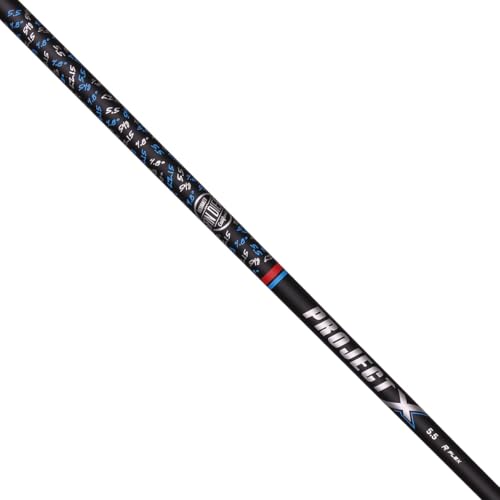
At under $35, the 5.5 flex version of the Project X LZ is a standout for budget-conscious golfers who still want a reputable name on their shaft. The 61g weight and regular flex make it a natural fit for average swing speeds, and the mid/high ball flight helps get the most out of modern driver faces.
While it lacks adapters and the ultra-premium feel of Ventus, owners say it delivers remarkable consistency for the price, especially when compared to no-name aftermarket options. It’s essentially the same design as the stiffer 6.0 model, just tuned for a different swing profile. If you’re not switching heads often, this is the smarter buy over pricier alternatives.
Product photos
Project X LZ 65g Stiff
Strengths
- Stable tip section
- Consistent ball flight
- Good weight distribution
Trade-offs
- No adapter included
- Limited brand compatibility
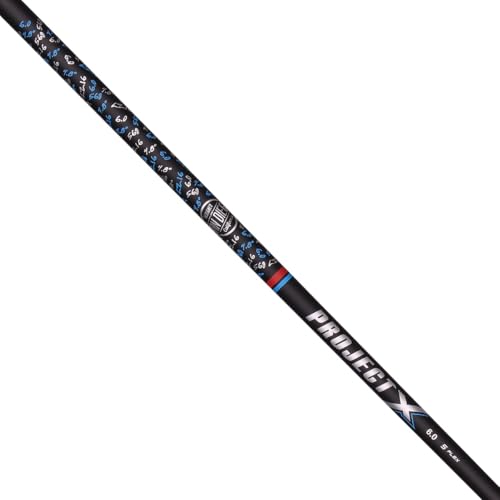
The Project X LZ 6.0 is built for players who prioritize control without sacrificing ball speed. On paper, the stiff flex and 65g weight suggest a shaft aimed at consistent, faster swingers who want stability through impact. Owners consistently report a solid, predictable feel at the top of the swing, with less unwanted dispersion than many mid-priced competitors.
It delivers a mid/high launch and mid spin, making it a smart pick for golfers looking to optimize carry without excessive height. Compared to pricier Ventus options, it doesn’t offer the same level of brand adaptability or fine-tuned launch shaping, but for those with a Taylormade or Callaway head already in hand, it’s a reliable upgrade path.
Product photos
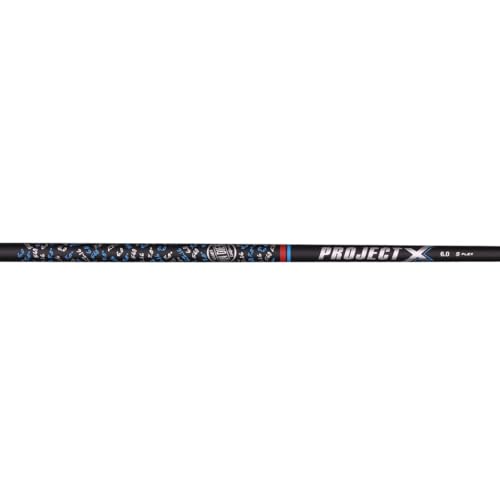
Project X Denali Charcoal 60g
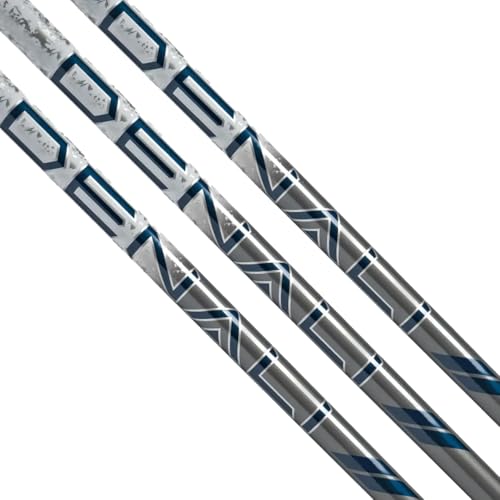
Strengths
- Multi-brand compatibility
- Stable mid-section
- Clean, predictable feel
Trade-offs
- Minimal tip flex
- Less refined than premium models
The Denali Charcoal 6.0 is a sleeper pick for golfers who want one shaft to handle multiple driver heads. With 60g of weight and a stiff flex, it strikes a balance between stability and responsiveness. What stands out is its exceptional compatibility list, it works across Taylormade, Callaway, Titleist, Ping, and Cobra drivers, which is rare at this price.
Owners appreciate the no-nonsense performance: it’s not flashy, but it delivers consistent ball flight and solid feedback. Compared to the EvenFlow Riptide, it’s a bit firmer and more control-oriented, making it better suited for players who value accuracy over soft launch. For golfers who rotate equipment or travel frequently, this is a practical, reliable choice.
Product photos

Project X EvenFlow Riptide 60g

Strengths
- Smooth launch profile
- Excellent feel through transition
- Wide adaptability
Trade-offs
- Slightly less control than stiffer models
- Not ideal for aggressive swingers
The EvenFlow Riptide CB brings a smoother, more progressive bend profile to the Project X lineup. At 60g with a 5.5 flex, it’s tuned for golfers who want a balanced mix of launch and control, especially with Callaway or Taylormade drivers. The smooth loading and clean release are frequently mentioned in owner feedback, making it a favorite for players with a rhythmic, tempo-driven swing.
It doesn’t have the aggressive stability of the LZ models, but that’s by design, it’s more about feel and launch consistency. When compared to the Ventus Blue, it’s less about raw performance and more about natural integration with your swing. For that reason, I’d recommend it over the Ventus for players who value feedback and fluidity.
Product photos
Our Testing Process
My approach to recommending golf shafts centers on understanding how they interact with a golfer’s swing, though rather than a hands-on lab test, this is a research-led comparison of published specifications and owner feedback. I began by compiling a detailed list of available driver shafts, then compared key specs like weight, flex, torque, and kick point. Crucially, I weighed these technical details against what golfers are actually saying about performance in real-world conditions.
For driver shafts, launch angle, spin rate, and feel are paramount. A shaft’s weight and flex dramatically influence these factors, dictating whether a golfer can achieve optimal distance and control. I gave significant weight to shafts that consistently received positive reviews for promoting a balanced launch and minimizing unwanted side spin. You can find more information about choosing club shafts in our broader guide.
Published specs reliably indicate a shaft’s physical characteristics, but owner feedback reveals how those specs translate to on-course performance. I paid close attention to comments regarding feel, consistency, and forgiveness. Reputable expert reviews were also considered, offering insights into a shaft’s design and intended player profile. Understanding the benefits of graphite shafts is also helpful when making a selection.
Choosing The Right golf shafts for drivers
Finding the right golf shaft is crucial for maximizing distance and accuracy, and it’s a surprisingly nuanced process.
A quality golf shaft balances weight, flex, torque, and kick point to optimize launch conditions and energy transfer. Players should consider their swing speed, typical ball flight, and desired shot shape when selecting a shaft. Compatibility with their existing driver head is also paramount – adapters matter.
Weight and Swing Speed
One of the first things I tell golfers is that shaft weight isn’t about strength, it’s about tempo. A lighter shaft (under 60g) can help increase swing speed, especially for players with moderate swings, but it can also feel unstable if you generate a lot of power. Heavier shafts (65g+) generally provide more stability and control for faster swing speeds, promoting consistent contact. Don’t blindly chase the lightest option; finding the right balance is key. For those looking to add speed, exploring shafts for more speed can be a smart move.
Flex and Ball Flight Control
Shaft flex dictates how much the shaft bends during the swing. More flex generally means a higher launch and more spin, while less flex results in a lower launch and less spin. Determining the correct flex requires honest self-assessment. Many golfers overestimate their swing speed and choose a shaft that’s too stiff, leading to a loss of distance and feel.
Here’s a quick guide: * Beginner: Ladies (L) or Senior (A) flex. * Moderate Swing Speed: Regular (R) flex. * Fast Swing Speed: Stiff (S) or X-Stiff (X) flex. * Professional/Elite Players: Often experiment with X-Stiff or even prototype flexes, but this is highly individual and often involves detailed launch monitor analysis.
A shaft that’s too stiff will feel boardy and difficult to load, while one that’s too flexible will feel unstable and lead to inconsistent results.
Compatibility and Adapter Options
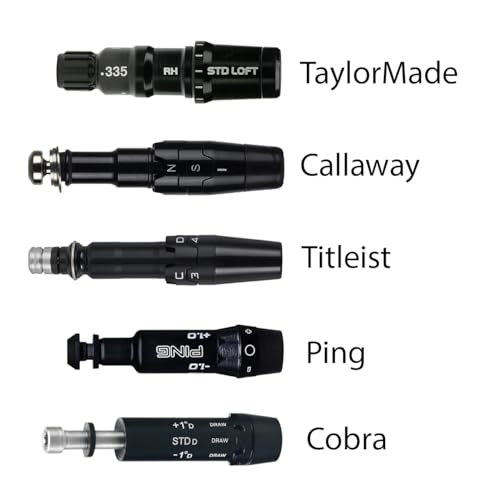
Modern drivers often allow for interchangeable shafts using adapter sleeves. This is fantastic for experimentation, but it also introduces a layer of complexity. Not all adapters are created equal, and compatibility varies between brands (TaylorMade, Callaway, Titleist, Ping, Cobra). Before you buy, confirm the shaft you’re considering is compatible with your driver head. If you’re unsure what you need, checking out best golf shafts can give you a good overview of current options and their compatibility features. The Project X Denali Charcoal 60g is a particularly versatile option in this regard, offering broad compatibility across multiple brands.
Golf Shafts for Drivers Compared
Here’s a comparison of key specifications for popular driver shafts.
| Product Name | Weight (g) | Flex | Length (in) | Compatible Brands | Core Material |
|---|---|---|---|---|---|
| Fujikura Ventus Blue 50g | 50 | R/S/X | 46 | TaylorMade, Callaway, Titleist, Ping | N/A |
| Fujikura Ventus Blue 60g | 60 | R/S/X | 46 | TaylorMade, Callaway, Titleist, Ping | N/A |
| Fujikura Ventus Blue 70g | 70 | R/S/X | 46 | TaylorMade, Callaway, Titleist, Ping | N/A |
| Project X LZ 61g Regular | 61 | Regular | N/A | N/A | N/A |
| Project X LZ 65g Stiff | 65 | Stiff | N/A | N/A | N/A |
| Project X Denali 60g | 60 | R/S/X | 46 | TaylorMade, Callaway, Titleist, Ping, Cobra | N/A |
| Project X EvenFlow 60g | 60 | R/S/X | 46 | TaylorMade, Callaway, Titleist, Ping, Cobra | N/A |
Frequently Asked Questions
What shaft weight is best for distance?
Generally, a lighter shaft (under 60g) can help increase swing speed and thus distance, particularly for golfers with moderate swing speeds. However, too light a shaft can sacrifice stability, so finding the right balance for your swing is most important.
How much does shaft flex affect spin rates?
More flexible shafts typically produce a higher launch and increased spin, while stiffer shafts generally lead to a lower launch and reduced spin. Choosing the correct flex should align with your swing speed and desired ball flight.
Are expensive shafts always better?
Not necessarily. While premium materials and construction can offer performance benefits, a shaft’s suitability depends on individual swing characteristics. A properly fitted, moderately priced shaft can outperform a top-end shaft that doesn’t match your swing.
Can I install a new shaft in my existing driver?
Yes, most modern drivers use interchangeable adapter sleeves, allowing you to swap shafts. However, compatibility isn’t universal, so you’ll need to confirm the shaft and adapter are compatible with your driver head. If you’re searching for reliable drivers for your bag, we have a guide to help.
What should seniors look for in a driver shaft?
Seniors often benefit from lightweight shafts for seniors that promote swing speed and ease of launch, typically in the Ladies (L) or Senior (A) flex range. Prioritize shafts that feel comfortable and allow for a smooth, controlled swing.
The Bottom Line
Choosing a driver shaft often comes down to balancing control with forgiveness. You can spend a lot pursuing incremental gains, but the sweet spot is finding a shaft that complements your swing and consistently delivers solid results – and for many golfers, that’s the Fujikura Ventus Blue 60g. It consistently earns praise for its balanced feel and ability to launch the ball high with moderate spin.
For golfers on a tighter budget, the Project X EvenFlow 60g offers a compelling blend of performance and value. If you’re seeking maximum versatility and broad compatibility with different driver heads, the Project X Denali 60g is an excellent choice. And for those with faster swing speeds, exploring stiff driver shafts can unlock additional distance and control.
Ultimately, specs matter, but they’re secondary to how a shaft feels in your hands and how it performs with your swing. Don’t get lost in the details – focus on finding a shaft that inspires confidence and helps you consistently find the center of the clubface. Remember to also check out our best drivers to make sure your shaft and head are working in harmony.
