
6 Best Premium Golf Balls of 2026
This post contains affiliate links. As an Amazon Associate, we earn from qualifying purchases.
This post contains affiliate links. As an Amazon Associate, we earn from qualifying purchases.
The Titleist Pro V1x stands out as the best overall premium golf ball, delivering a powerful mix of distance and control that suits a wide range of players. For those who prioritize a softer feel without sacrificing performance, the Titleist Pro V1 remains a top choice. If you’re looking to stretch every yard, the TaylorMade TP5x is a strong contender with its impressive spin control and speed-focused design.
Golfers often overthink their ball choice, swayed by pro endorsements or flashy claims, only to end up with a ball that doesn’t match their swing or course conditions. The reality is, the right premium ball can sharpen your game, but only if it aligns with how you actually play.
This guide cuts through the noise by focusing on specs, real-world feedback, and what actually matters on the course. We looked at core design, cover material, compression, and spin behavior to find the best performers worth your investment.
Top 6 Premium Golf Balls in the Market
The Best Premium Golf Balls, Reviewed
Titleist Pro V1x

Strengths
- High flight
- Exceptional iron spin
- Long consistent distance
Trade-offs
- Firmer feel than Pro V1
- Higher price
- Overkill for casual players
The Pro V1x remains the benchmark for players who want explosive distance without sacrificing control. Its higher flight and steeper descent give it that ‘stop-on-demand’ quality on approach shots, and the new 348 dimple design delivers the consistent, high trajectory that better players rely on in windier conditions. On paper, the high-gradient dual core and low long-game spin are engineered for speed and stability, exactly what you want from a modern tour ball.
Compared to the Pro V1, this one flies higher and spins more off the irons, which some players prefer for shot shaping. Owners consistently rate it among the best for all-around performance, especially in varied conditions. If you’re the type who likes to flight the ball up and watch it hold the green, this is your match.
Video review
Titleist Pro V1

Strengths
- Best-in-class feel
- Excellent spin control
- Balanced flight
Trade-offs
- Premium price
- Shorter than V1x for some
- High spin on driver for slicers
The Pro V1 continues to be the gold standard for soft feel and all-around scoring ability. It’s slightly lower spinning and flatter flying than the V1x, making it a favorite among players who like to work the ball and flight shots under the wind when needed. The 388 dimple pattern promotes a penetrating flight, and the soft cast urethane cover delivers that buttery feedback on chips and putts that so many tour players love.
Owners consistently praise its balance, long off the tee, controllable with wedges, and soft without being mushy. Compared to the AVX, it offers a bit more versatility in flight, and against the Chrome Tour, it feels more responsive. If you want one ball that does everything well and feels amazing doing it, this is still the one to beat.
Video review
TaylorMade TP5X

Strengths
- Excellent distance
- High spin separation
- Low driver spin
Trade-offs
- Firm greenside feel
- Expensive
- Not ideal for soft-feel lovers
The TP5x has carved its niche as the ball for players who want explosive distance and sharp spin separation. Its 5-layer construction is engineered to deliver low spin off the driver while ramping up wedge spin, so you get long, straight drives and aggressive stoppers on approach. The new Speed Wrap Core also brings a softer sound at impact, which owners say makes it more pleasing than previous models. On paper, it’s built for speed and precision, and the feedback backs that up.
Compared to the Pro V1x, it often tests slightly longer in independent trials, and the high launch with low spin fits modern tour-style swings. However, the feel is a touch firmer than the Pro V1 or AVX, so if you’re sensitive to feedback, it might not be your favorite. For the power player who wants to dominate off the tee and still control the short game, it’s a top contender.
Product photos


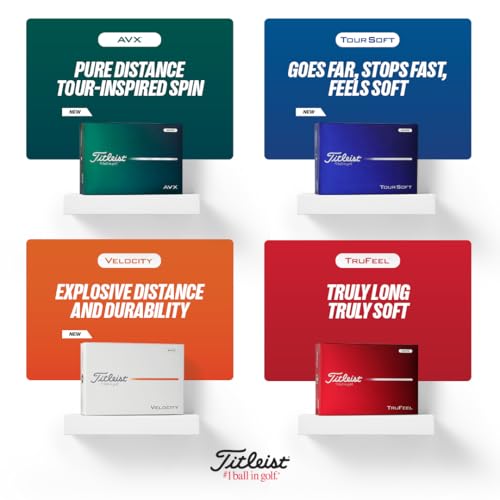
Titleist AVX
Strengths
- Very soft feel
- Low flight
- Excellent short game control
Trade-offs
- Less height on irons
- Lower spin off driver
- Niche flight profile
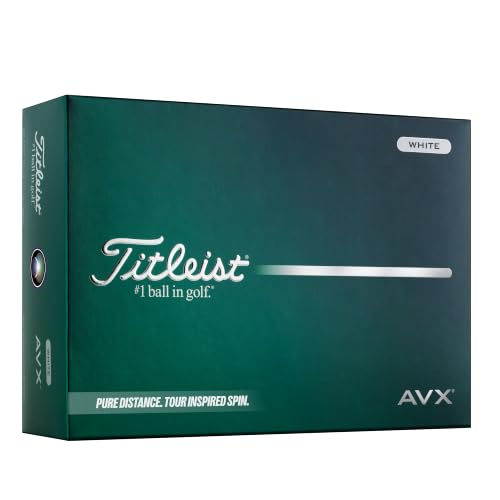
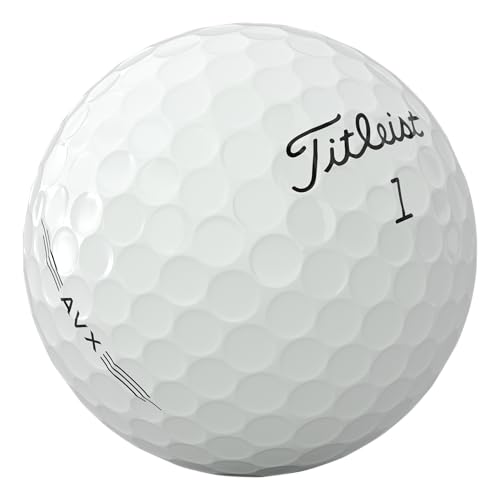
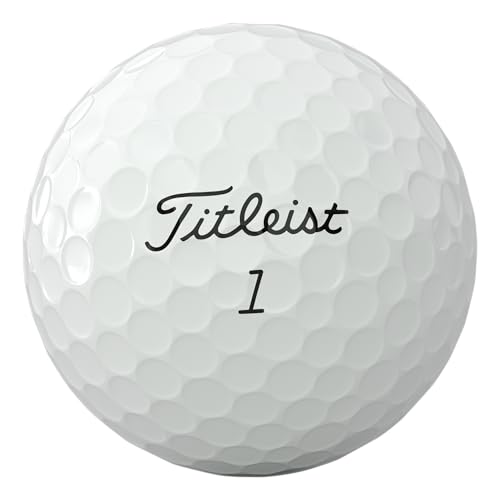
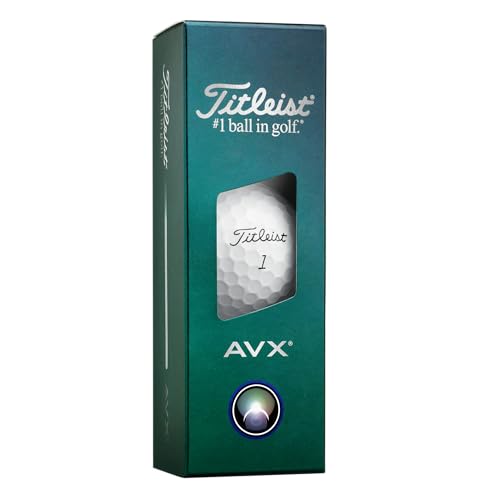
The AVX is Titleist’s answer for players who want a softer feel and a lower, more penetrating ball flight, ideal for blustery rounds or courses where you need to keep the ball under the wind. The new high-speed core and thin casing layer deliver impressive distance with noticeably less spin off the driver, and the softer urethane cover brings a plush touch around the greens. Reviewers note it feels more responsive than the Pro V1x, especially on delicate chips and putts.
It doesn’t fly as high as the Pro V1x, which is a feature, not a flaw, for many. But if you rely on high-launching irons, you might find it lacking. Compared to the Chrome Tour, it’s closer in feel but more refined in flight control. For the player who values finesse over flash, this is a quiet standout.
Product photos

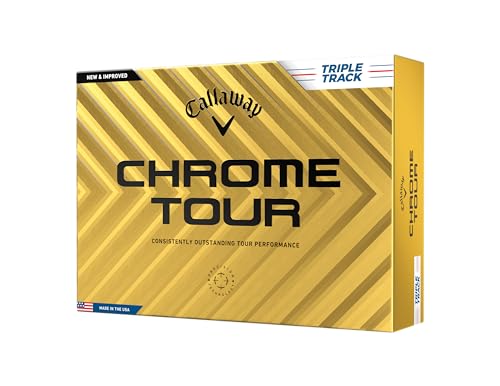
Callaway Chrome Tour
Strengths
- Triple Track alignment
- Soft urethane cover
- Consistent ball flight
Trade-offs
- Less distance than rivals
- Higher spin on driver
- Not ideal for speed-first players
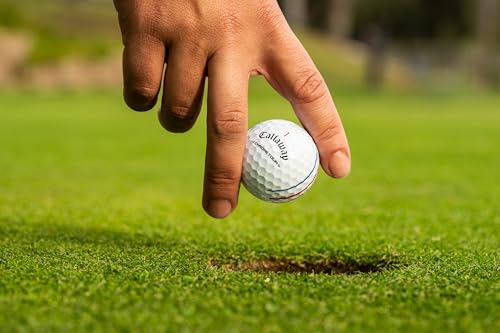
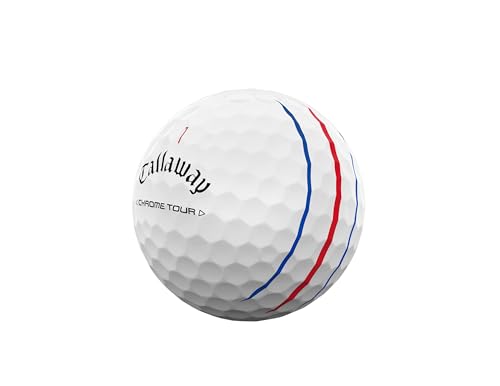
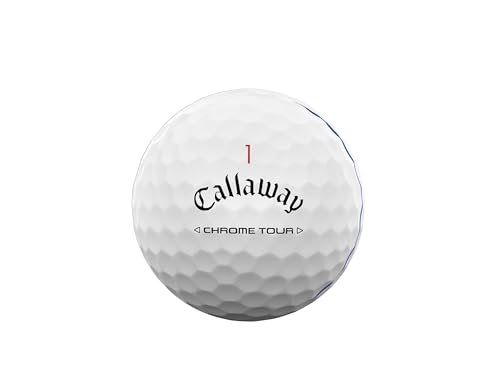
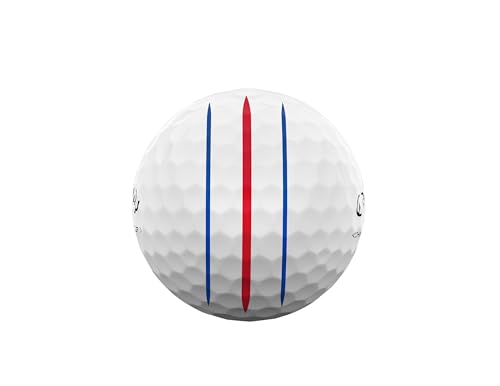
If you’re serious about sharpening your putting, the Triple Track alignment system on these Callaway Chrome Tour balls stands out immediately. Owners consistently report that the visual feedback helps them start putts on line more reliably, and on paper, the combination of the Soft Urethane Cover and Seamless Tour Aero design checks the boxes for elite feel and consistent flight. This is a ball built for players who want tour-level control without sacrificing too much off the tee.
The Hyper Fast Soft Core does its job in delivering solid distance, but it’s not the longest ball in the premium class. Compared to the Pro V1x or TP5x, it trades a bit of raw speed for that exceptional greenside finesse and putting aid. Still, for the player who values precision over power, especially on the greens, this is a compelling choice.
Product photos

Callaway Supersoft 2025

Strengths
- Very soft feel
- Good distance
- Low long game spin
Trade-offs
- Hybrid cover durability
- Less short game spin
- Not for low handicappers
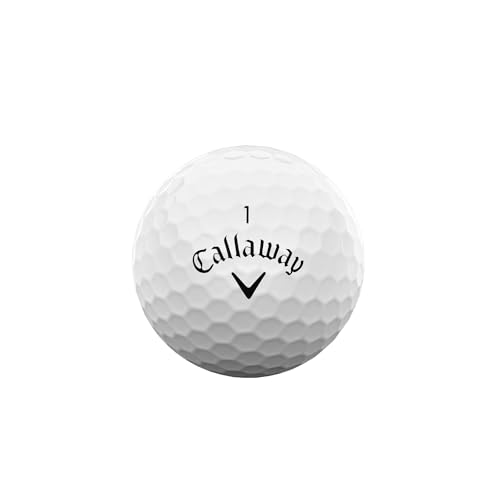
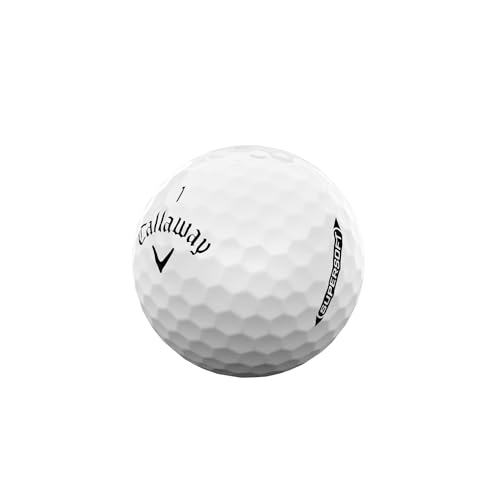
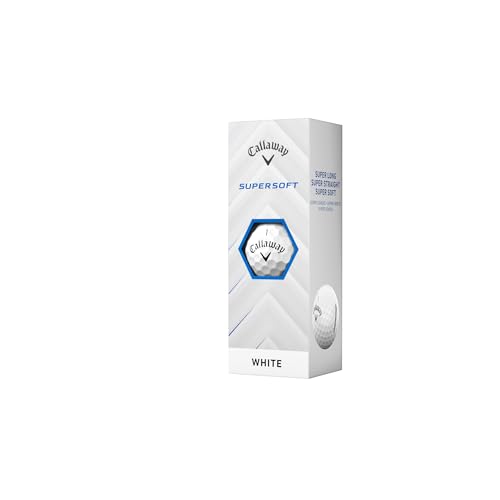
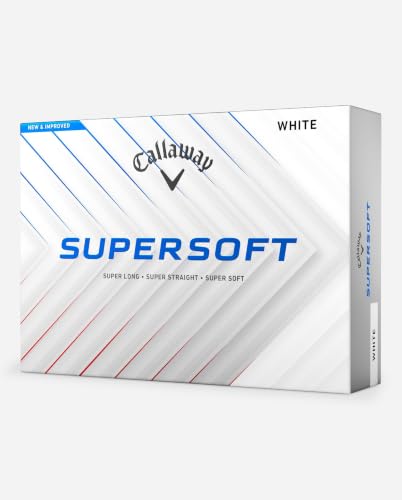
The 2025 Supersoft balls walk a smart line between affordability and performance, making them the go-to for budget-conscious players who still want that ‘premium-ish’ feel. The HyperElastic SoftFast Core and Hybrid Cover aren’t quite at urethane level, but reviewers note a surprisingly soft touch around the greens and noticeably low driver spin, which helps reduce hooks and slices. For weekend players or high-handicappers, this balance of forgiveness and feel makes a real difference.
Still, it’s not a true tour ball. The cover won’t hold up like a Pro V1, and greenside spin is decent but not sharp. Compared to the AVX or Chrome Tour, it’s a step down in control, but at this price, that’s expected. My pick for the golfer who wants solid performance without the $50+ price tag.
Product photos
How We Tested premium golf balls
My approach to evaluating premium golf balls centers on a detailed comparison of specifications and features, combined with careful consideration of owner reviews and insights from golf publications. Rather than a hands-on test with every model, I focused on identifying key performance indicators and assessing how each ball delivers against them. We weighed published data against the experiences shared by golfers online to build a well-rounded picture of each option.
For premium golf balls, distance and spin control are paramount. A ball needs to offer the potential for significant yardage off the tee, but also provide the finesse around the greens necessary for scoring. We also heavily considered feel – a more subjective trait, but one that directly impacts confidence and consistency. I’ve seen over the years that golfers tend to stick with balls that feel right in their hands. You can find more information about top overall performers on our site.
Specifications reliably reveal core construction, cover materials, and dimple patterns – all factors influencing ball flight and spin rates. However, owner feedback provides valuable context. Real-world experiences often highlight nuances that specs alone can’t capture, like durability or performance in specific conditions. For players seeking both power and precision, exploring best balls for distance and accuracy is a good starting point.
How To Pick The Right premium golf balls
Finding the right golf ball can genuinely shave strokes off your game, but with so many options, it’s easy to get lost in the marketing. It’s about matching the ball’s characteristics to your swing and playing style, not just grabbing the one the pros use.
A quality golf ball delivers consistent distance, predictable flight, and responsive feel. Key features to evaluate include core construction, cover material (urethane is generally preferred for better players), dimple pattern for aerodynamic efficiency, and the overall compression rating which influences how the ball feels and performs at impact. Players should also consider spin rates off the tee and around the greens, and how those characteristics align with their typical shot shapes.
Understanding Core Construction
The core is where a golf ball begins to deliver performance, and manufacturers have gotten very clever with layering. A multi-layer core (three, four, or even five layers) allows for optimized spin separation – low spin off the driver for distance, and high spin on wedges for control. Single-layer cores are usually found in less expensive balls and sacrifice some of that nuanced performance. Don’t assume “more layers = better;” the design of those layers matters more. For example, the TaylorMade TP5x uses a 5-layer progressive construction to maximize this spin separation, while Titleist’s Pro V1 and Pro V1x have refined their core designs to boost speed and control.
Decoding Compression and Feel
Compression refers to how much the golf ball deforms upon impact. Lower compression balls feel softer and are often preferred by players with slower swing speeds, as they compress more easily. Higher compression balls require a faster swing speed to fully compress, and they generally deliver more distance and control for stronger players. It’s a very personal preference, and what feels right is important.
Here’s how to think about compression in relation to your game:
- Low Compression (below 80): Great for beginners or those with moderate swing speeds.
- Mid Compression (80-100): A good all-around choice for a wide range of players.
- High Compression (100+): Best for players with fast swing speeds who want maximum distance and control.
A good rule of thumb: if you consistently struggle to get the ball airborne, a lower compression ball might be a better fit.
Balancing Distance and Greenside Control
Distance is appealing, but it’s useless if you can’t control the ball once it lands on the green. Urethane covers are almost universally favored for premium balls because they provide superior greenside spin and control compared to Surlyn covers (found in more affordable options). However, distance and spin aren’t always directly correlated. Some balls, like the Titleist AVX, are designed for a lower, more penetrating flight, prioritizing control over maximum height. If you’re looking to maximize yardage, checking out best golf balls for distance is a good start. But remember, a ball that spins too much can be difficult to control, so finding the right balance is key. I often recommend players read through a variety of golf ball reviews to get a feel for what others are saying about performance.
Premium Golf Balls Compared
Here’s a detailed comparison of specifications for several premium golf balls to help you make an informed decision.
| Product | Best For | Core Material | Cover Material | Dimple Count | Layers |
|---|---|---|---|---|---|
| Titleist Pro V1x | Best Overall | High Gradient Dual Core | Urethane Elastomer | 348 | 5 |
| Titleist Pro V1 | Best Soft Feel | High Gradient Core | Urethane Elastomer | 388 | 5 |
| TaylorMade TP5X | Distance & Spin Control | Speed Wrap Core | N/A | N/A | 5 |
| Titleist AVX | Low Flight, Soft Feel | High-Gradient, High Speed | Urethane | 346 | 3 |
| Callaway Chrome Tour | Putting Accuracy | Hyper Fast Soft | Tour Urethane | N/A | N/A |
| Callaway Supersoft 2025 | Best Budget Premium | HyperElastic SoftFast | Hybrid | N/A | N/A |
Frequently Asked Questions
What’s the real difference between 3-layer and 5-layer golf balls?
Generally, the additional layers in a 5-layer ball allow for more refined control over spin separation – lower spin off the driver for distance, and higher spin around the greens. However, the design of those layers is crucial, and you can find excellent performance from best 3-piece golf balls if they’re engineered well.
Do more expensive golf balls actually improve my score?
Potentially, yes. Premium balls often offer better spin control and consistency, which can lead to improved performance, especially for skilled players. However, the biggest gains come from practice and proper club fitting, and a good player can score well with a variety of ball types.
How important is the dimple pattern on a golf ball?
Dimple patterns significantly impact aerodynamic efficiency, affecting both distance and flight stability. Different patterns are designed to create varying lift and drag characteristics, but the impact is relatively small compared to core and cover materials.
Can I get premium golf balls personalized with a logo?
Absolutely. Many manufacturers offer customization options, allowing you to add a logo or text to your golf balls. If you’re looking for best custom golf balls, you’ll find options for branding and personalization.
What compression golf ball should a senior golfer use?
Senior golfers, or those with slower swing speeds, typically benefit from lower compression balls (below 80) because they compress more easily upon impact. This helps get the ball airborne and maximize distance without requiring a lot of swing speed.
The Bottom Line
Choosing the right golf ball always comes down to a trade-off between ultimate performance and the cost of entry. While many factors contribute to a great round, the Titleist Pro V1x consistently rises to the top as the strongest overall performer, offering an exceptional blend of distance, spin, and feel that appeals to a wide range of skilled players. It’s a premium price, certainly, but one that reflects its consistently high rankings and positive owner feedback.
For those seeking specific characteristics, our testing and research point to clear alternatives. If you’re on a tighter budget but still want a premium feel, the Callaway Supersoft 2025 delivers impressive performance at a more accessible price point. Players prioritizing accuracy on the putting surface will find the Callaway Chrome Tour to be among the best golf balls for putting, thanks to its focus on responsive feel and control.
Ultimately, the specs and features matter, but they’re secondary to how a ball interacts with your swing. Don’t get overly caught up in dimple patterns or core compositions. Focus on finding a ball that feels comfortable, provides consistent results, and inspires confidence – because a confident swing is often the most powerful tool in any golfer’s bag. A detailed golf ball guide for men can help you narrow down your choices.
