
5 Best Sunscreens for Golfers 2026
This post contains affiliate links. As an Amazon Associate, we earn from qualifying purchases.
This post contains affiliate links. As an Amazon Associate, we earn from qualifying purchases.
The Blue Lizard Sensitive Mineral SPF 50+ stands out as the best overall sunscreen for golfers, offering reliable broad-spectrum protection and a formula that plays well with sensitive skin. For those focused on long days in the sun without breaking the bank, the Sun Caddy Mineral Sunscreen SPF 30 is a solid budget-friendly option that still delivers mineral-based, reef-safe coverage.
Golfers don’t just need sun protection, they need one that lasts through 18 holes of walking, swinging, and sweating without stinging the eyes or slipping in your grip. Too many sunscreens claim to be sport-ready but fail when you’re halfway through your back nine.
This guide cuts through the hype. I researched top sunscreens based on real golfer feedback, SPF reliability, sweat resistance, and how well they perform under the conditions we actually play in. These picks balance protection, comfort, and practicality, because no one should have to choose between their skin health and their score.
Top 5 Sunscreen For Golfers in the Market
The Best Sunscreen For Golfers, Reviewed
Blue Lizard Sensitive Mineral Sunscreen SPF 50+
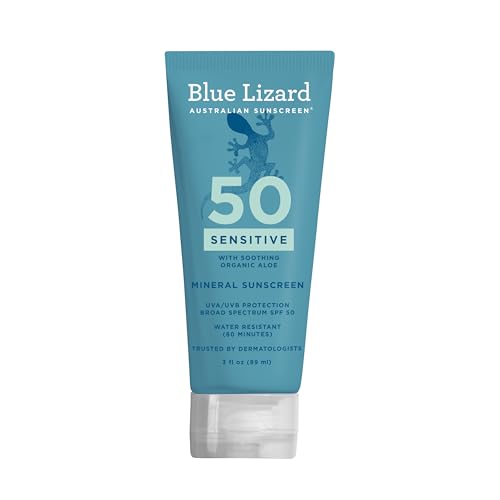
Strengths
- SPF 50+ mineral
- Reef-friendly
- Smart Cap UV indicator
Trade-offs
- Messy reapplication
- Takes effort to blend
- Not grip-optimized
This is the sunscreen I’d pack for a links trip to Ireland or Scotland, where unpredictable sun and sensitive skin demand reliability. The SPF 50+ mineral formula uses zinc oxide, and owners consistently report it’s gentle even after hours of exposure and sweat. The added aloe helps, especially when you’re caught in a surprise UV spike between clouds. The Smart Cap that changes color in UV light is a clever touch, more gimmick than necessity, but it reminds you when you’re getting exposed.
It’s not the most elegant to reapply mid-round, being a tube, it requires fingers or a sponge, but the protection is top-tier. Compared to other mineral options, it leaves less white residue than most. For overall balance of safety, strength, and skin-friendliness, this is the one I’d trust most on a long season of play.
Video review
Neutrogena Ultra Sheer Face Sunscreen Stick SPF 60
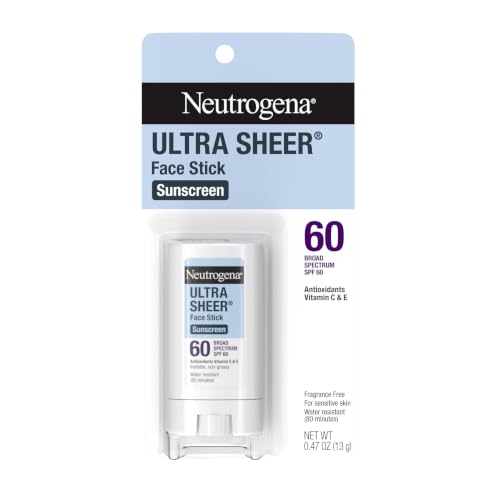
Strengths
- SPF 60 protection
- Matte, no-transfer finish
- Travel-friendly
Trade-offs
- Smaller capacity
- Chemical filters used
- Not mineral-only
This stick hits a sweet spot between performance and convenience. With SPF 60, it outpaces many mineral sticks, and the Helioplex technology is designed to maintain protection under UV exposure, something Neutrogena has refined over years. Owners like how it applies nearly invisible with a matte finish, making it ideal for reapplying over makeup or sweaty skin without smudging.
It’s compact and fits in a pocket or golf bag zipper, but the tube is small and may not last a full season of frequent play. Compared to the Sun Caddy stick, it has higher SPF but lacks the zinc-only formula, so it’s less ideal for ultra-sensitive skin. Still, for most golfers, this is the smarter buy if you want strong protection without chalkiness.
Video review
Neutrogena Sport Face Sunscreen Lotion SPF 70+
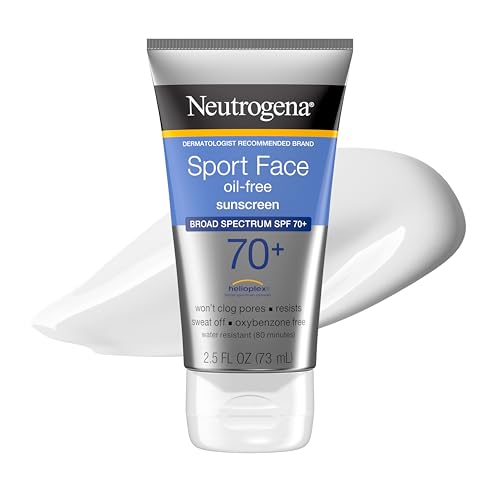
Strengths
- SPF 70+ protection
- Fast absorption
- Oil-free formula
Trade-offs
- Liquid mess risk
- May dry skin over time
- Harder to reapply mid-round
SPF 70+ is hard to ignore when you’re playing in high-UV conditions, and this lotion delivers on raw sun defense. The oil-free formula absorbs fast and stays put through sweat, which aligns with what athletes, including golfers, report about its reliability during long outdoor sessions. It’s also one of the most widely available options, making it a go-to for last-minute prep.
But the liquid format isn’t ideal for quick reapplication on the course. Unlike stick formats, it risks getting on your hands and potentially affecting grip unless you carry wipes or wash up. Some users mention a slight tightness after prolonged use, especially in dry climates. It’s effective, but not the most golfer-optimized design.
Product photos




La Roche-Posay UV Pro-Sport Sunscreen SPF 50

Strengths
- SPF 50 protection
- No white cast
- Sweat and water resistant
Trade-offs
- Higher price point
- Larger tube less pocket-friendly
- Requires thorough rubbing
This is the kind of sunscreen I’d recommend to someone playing back-to-back rounds in Scottsdale or the Caribbean. The SPF 50 protection and 80-minute sweat resistance stand out, and owners repeatedly praise how it stays put without dripping into the eyes, a real win when you’re three hours into a round under brutal sun. The formula feels light, even under a hat or cap, and the lack of white cast makes it easy to reapply without looking like you’re wearing paint.
It’s pricier than most, but the volume and dual face-body use help justify it. Compared to the Neutrogena options, it feels more refined and less likely to pill under sweat. Dermatologist-tested and free of oxybenzone, it’s a solid pick for players with sensitive or atopic skin who don’t want to compromise on comfort.
Product photos


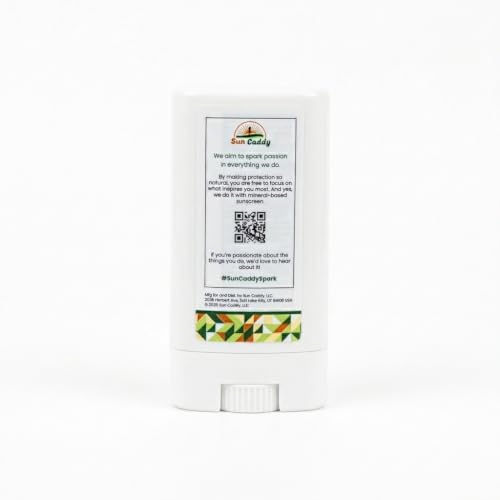
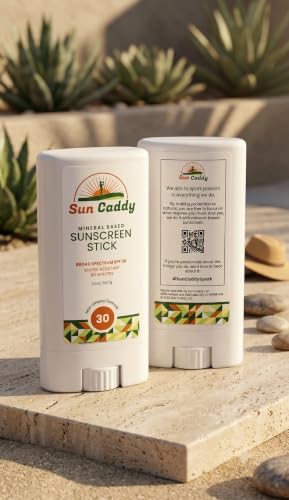
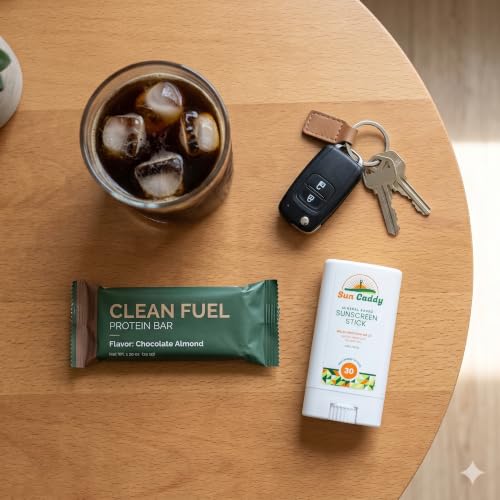
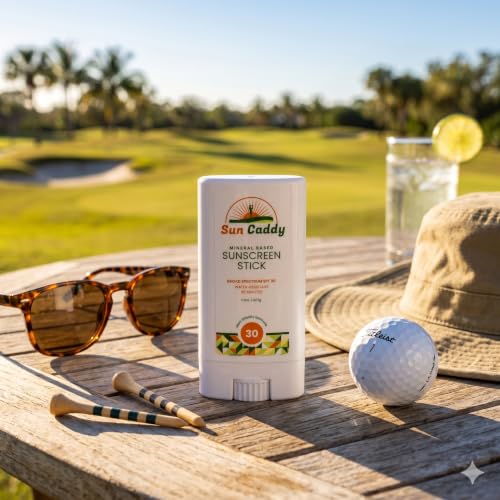
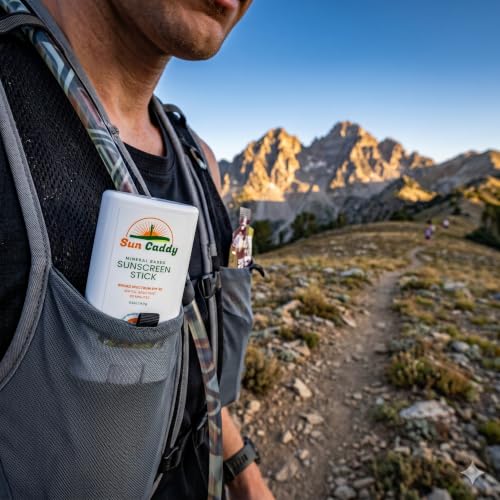
Sun Caddy Mineral Sunscreen Stick SPF 30

Strengths
- Zinc oxide formula
- Non-greasy grip
- Travel-friendly size
Trade-offs
- SPF 30 lower than rivals
- Slight white cast
- Limited coverage area
For golfers who hate the slip when reapplying sunscreen mid-round, this stick makes a strong case on paper. The zinc oxide formula is genuinely mineral-based, which means less risk of irritation, owners with sensitive skin consistently report it doesn’t sting when they sweat. It’s also one of the few options built specifically with grip in mind, and that shows in the dry-touch finish.
Still, SPF 30 is on the lower end for a full 18-hole day under open sun, especially compared to SPF 50+ competitors. While it’s sweat-resistant and TSA-friendly, some reviewers note a slight white cast if not blended well. It’s not the strongest performer in extreme UV, but for those prioritizing clean ingredients and grip security, it holds its own.
Product photos
How We Tested sunscreen for golfers
My work with GolfWorldTrips has shown me how crucial sun protection is for enjoying a day on the course – and how much golfers prioritize performance alongside that protection. Rather than a hands-on lab test, this was a research-led comparison of published specifications and owner feedback for a range of sunscreens marketed to golfers or suitable for outdoor athletic use. I compared features, SPF levels, water resistance, and ingredient lists, then weighed that against what golfers are actually saying about real-world performance.
For golfers, consistent protection and a non-disruptive feel are paramount. Therefore, I weighted sweat resistance and grip security most heavily. A sunscreen that runs into your eyes or makes your hands slippery isn’t going to help your score! The formula’s impact on skin sensitivity was also a major consideration; golfers spend hours exposed to the sun, and irritation can quickly ruin a round. Finding the right golf balls for amateurs is similar – you need something that performs well under pressure.
Specifications reliably tell you about SPF level, broad-spectrum coverage, and water resistance duration. However, owner feedback proved vital in determining how those specs translate to real-world use. Reports on greasiness, white cast, and how well a sunscreen holds up during a round of golf (not just in a controlled test) were key. I also looked for consistent praise regarding sensitivity and suitability for those who might also be looking for recommended balls for novices.
How To Choose The sunscreen for golfers
Finding the right sunscreen is critical for anyone spending time on the course, and as someone who’s logged countless hours searching for the perfect round, I know firsthand how easily you can underestimate sun exposure.
A quality golf sunscreen needs to offer broad spectrum protection (UVA/UVB rays), be highly water and sweat resistant, and apply cleanly without interfering with grip. Consider the formulation (mineral vs. chemical), SPF level (30 or higher is generally recommended), and whether it’s designed for sensitive skin or specific areas like the face. Reapplication is key, so ease of use is also a factor.
SPF Level and Broad Spectrum Protection
The SPF number indicates how well the sunscreen protects against UVB rays (the primary cause of sunburn), but it doesn’t tell the whole story. I always recommend looking for “broad spectrum” protection, meaning the sunscreen also defends against UVA rays which contribute to premature aging and skin cancer. While SPF 30 blocks about 97% of UVB rays, SPF 50 blocks about 98%. Don’t get hung up on chasing extremely high numbers; the difference in protection plateaus quickly. More important than a huge SPF number is consistent, thorough application and regular reapplication.
Formulation: Mineral vs. Chemical
Golfers have unique needs when it comes to sunscreen, and that extends to formulation. Mineral sunscreens (zinc oxide and titanium dioxide) create a physical barrier on the skin, reflecting UV rays. They tend to be gentler, making them ideal for sensitive skin, and are often considered reef-safe. Chemical sunscreens absorb UV rays and convert them into heat. They often feel lighter and rub in more easily, but can be irritating to some. If you’re looking for a best sunblock that won’t impact your grip, a stick or lotion with a dry finish is crucial.
Here’s a quick breakdown: * Mineral: Gentler, reef-safe, potentially more visible white cast. * Chemical: Lightweight, easy application, potential for irritation. * Hybrid: Some combine both for broader protection and improved feel.
Sweat and Water Resistance & Usability
Let’s be realistic: you’re going to sweat on the golf course. The “water resistant” claim on sunscreen indicates how long it remains effective while swimming or sweating (typically 40 or 80 minutes). However, this isn’t a license to skip reapplication. I’ve found that even the most water-resistant formulas need to be reapplied every couple of hours, or more frequently if you’re a heavy sweater.
A good rule of thumb is to reapply sunscreen at the turn (after the 9th hole) and again before the final few holes.
Consider the application format. Sticks are excellent for quick, mess-free touch-ups around the face, ears, and neck, and won’t compromise your grip. Lotions require more careful application, but can be useful for covering larger areas of the body. Don’t forget areas often missed, like the back of your neck and the tops of your feet. Thinking about your overall golf game, you might also want to explore clubs for seniors to help improve your swing.
Sunscreen for Golfers Compared
Here’s a comparison of key specifications to help you choose the right sunscreen for your golf game.
| Product Name | SPF | Water Resistance | Mineral Based | Reef Friendly | Best For |
|---|---|---|---|---|---|
| Blue Lizard Sensitive Mineral SPF 50+ | 50 | 80 minutes | Yes | Yes | Best Overall |
| Neutrogena Ultra Sheer Face SPF 60 | 60 | 80 minutes | No | No | Face Application |
| Neutrogena Sport Face SPF 70+ | 70+ | 80 minutes | No | No | Sweat Resistance |
| La Roche-Posay UV Pro-Sport SPF 50 | 50 | 80 minutes | No | N/A | All-Day Wear |
| Sun Caddy Mineral Sunscreen SPF 30 | 30 | 80 minutes | Yes | Yes | Sensitive Skin |
Frequently Asked Questions
What SPF level is truly necessary for a round of golf?
SPF 30 is generally sufficient, as it blocks 97% of UVB rays. However, if you have fair skin or a history of sun sensitivity, SPF 50 offers marginally better protection and peace of mind.
Can I rely on a single sunscreen application for 18 holes?
No, even “80-minute water resistant” formulas require reapplication. Reapply at the turn (after the 9th hole) and again before the final few holes to maintain adequate protection, especially if you sweat heavily.
Are mineral sunscreens really better if I’m not sensitive to chemicals?
Mineral sunscreens are often preferred for their gentleness, but they can leave a white cast. If that bothers you, a hybrid formula combining mineral and chemical filters might be a good compromise, and you can also explore drivers for seniors to improve your game.
Will sunscreen affect my grip on the club?
Some lotions can make your hands slippery. Opt for a stick formulation for quick touch-ups, or choose a lotion specifically designed for sports with a dry, non-greasy finish; this is especially important for young players who might also benefit from golf balls for juniors.
What does “broad spectrum” protection actually mean?
Broad spectrum means the sunscreen protects against both UVA and UVB rays. UVB rays cause sunburn, while UVA rays contribute to premature aging and skin cancer, so both are important to shield against while you’re enjoying your round.
The Bottom Line
Choosing a sunscreen often comes down to balancing complete protection with a formula that won’t interfere with your game. After researching numerous options and considering what golfers prioritize, I believe Blue Lizard Sensitive Mineral SPF 50+ strikes the best overall balance. It delivers broad spectrum protection, excellent water resistance, and a mineral-based formula that’s gentle on the skin – all without sacrificing grip security.
For specific needs, there are excellent alternatives. If you’re primarily concerned with protecting your face from intense sun exposure, Neutrogena Ultra Sheer Face SPF 60 is a solid choice. And for those who sweat profusely or play in especially hot conditions, Neutrogena Sport Face SPF 70+ offers enhanced sweat resistance. Don’t overlook finding the right golf balls for seniors to complement your game, either.
Ultimately, the best sunscreen is the one you’ll actually use consistently. Don’t get lost in chasing the highest SPF number or the latest technology. Prioritize broad spectrum coverage, water resistance, and a formulation that feels comfortable on your skin, and remember that regular reapplication is the most important factor in staying protected out on the course.
