
6 Best UV Sunglasses for Golf 2026
This post contains affiliate links. As an Amazon Associate, we earn from qualifying purchases.
This post contains affiliate links. As an Amazon Associate, we earn from qualifying purchases.
The BLAITEJUS HD Golf Ball-Finding sunglasses stand out as the best overall for their exceptional contrast-enhancing lenses, which make tracking the ball effortless under varying light. For a budget-friendly option that still delivers solid UV400 protection and a lightweight frame, the Lamicall TR90 Ultralight is a strong pick. If you want specialized performance without polarization interfering with green reading, the maivnz Golf Ball Finder offers excellent clarity tailored to the course.
Golf demands sharp vision, and the wrong sunglasses can make it harder to track your ball, judge distances, or stay comfortable through 18 holes. Too many players settle for everyday shades that fog up, slip down, or distort colors on the green.
This guide cuts through the noise by focusing on what matters most: lens clarity, secure fit, and true UV protection. I researched each pair based on specs, golfer feedback, and how well they meet the unique demands of the course, from bright desert links to overcast coastal layouts.
Top 6 Uv Sunglasses For Golf in the Market
The Best Uv Sunglasses For Golf, Reviewed
Lamicall TR90 Ultralight Sports Sunglasses

Strengths
- Ultra lightweight
- Anti-fog ventilation
- Wide field of view
Trade-offs
- Polarization may affect greens
- Adjustable fit not for all face types
The Lamicall sunglasses are the most well-rounded performer in this group, and it’s easy to see why they’re labeled ‘Best Overall’. At just 24g, they’re featherlight, and the TR90 frame with silicone nose pads offers a secure, comfortable fit that stays put during a full golf swing. The TAC polarized lenses provide excellent UV400 protection and reduce glare effectively – great for bright desert courses or water-heavy layouts.
What sets them apart is the anti-fog design with side air vents, a rare feature at this price. Reviewers note they stay clear even in humid conditions or during brisk walking between holes. The wide field of view helps with peripheral awareness, and while polarization can slightly affect green reading, many users say the trade-off is worth it for the clarity and comfort. For golfers who also run, cycle, or fish, these are a versatile, high-quality pick.
Video review
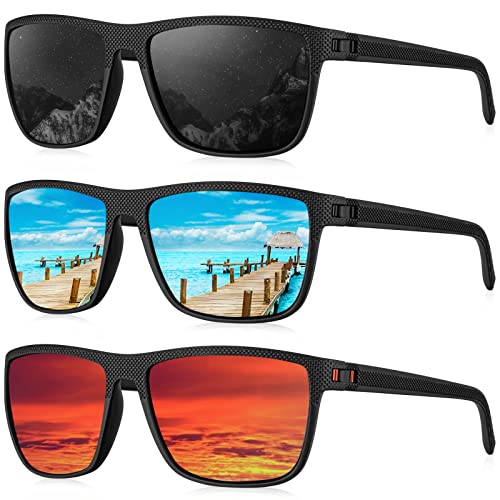
KALIYADI Rectangle Polarized Sunglasses
Strengths
- Polarized glare reduction
- Stylish classic frame
- Great budget price
Trade-offs
- May distort green reading
- Polarization limits rangefinder use
At this price, the KALIYADI sunglasses deliver more than you’d expect. They’re polarized with UV400 protection, which makes them a strong pick for driving or fishing between rounds – but that same polarization can be a double-edged sword on the course. Some golfers report difficulty reading greens accurately, especially on undulating or shaded surfaces, because the lenses can create false contrast patterns or blind spots on LCD screens like GPS devices.
Still, the build quality stands out for the cost. The rectangular frame is durable, with anti-scratch lenses and adjustable hinges that help with fit. Owners say they’re surprisingly comfortable for long wear, and the included extras – like three microfiber pouches and a gift box – make this a solid value. If you’re looking for affordable, all-around sun protection and don’t play enough golf to justify a specialized pair, these get the job done.
Video review
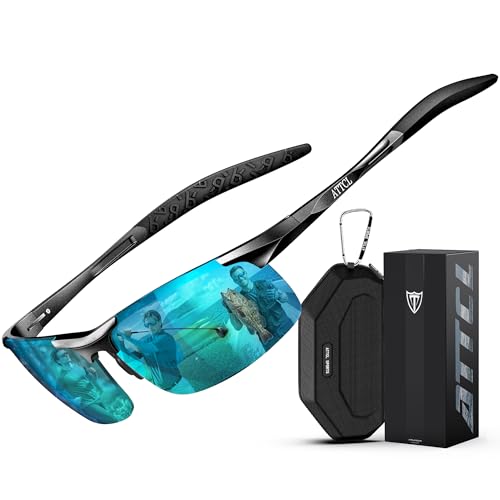
ATTCL Al-Mg Metal Polarized Sunglasses
Strengths
- Ultra lightweight metal frame
- Secure wraparound fit
- Durable construction
Trade-offs
- Polarization affects greens
- Limited contrast enhancement
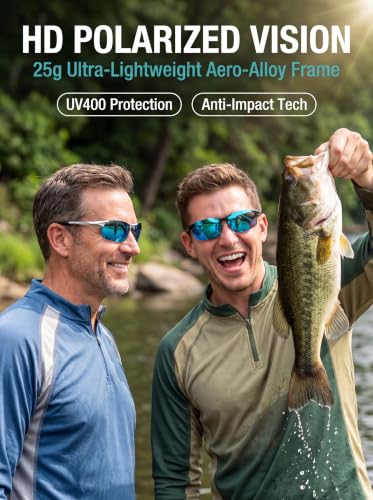
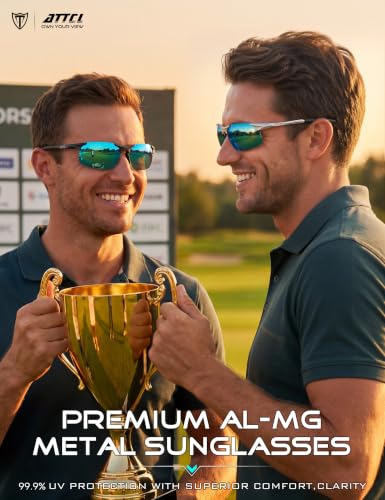
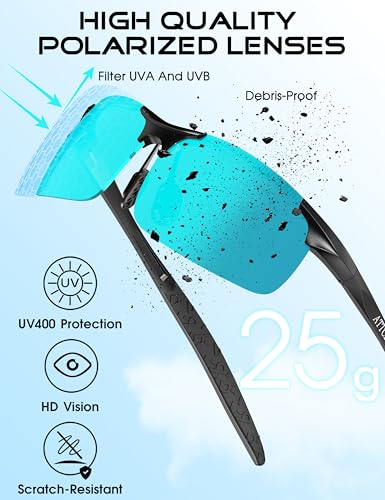
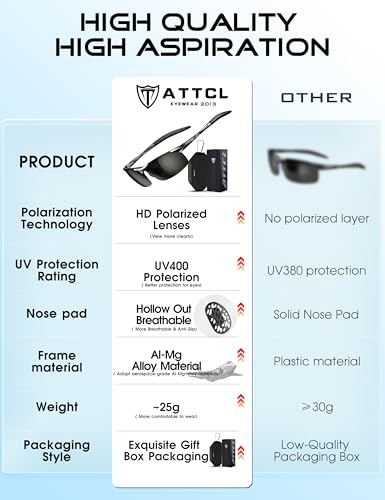
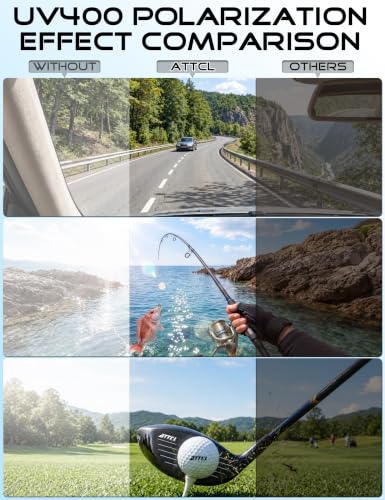
Weighing just 0.9 oz, the ATTCL sunglasses are among the lightest durable options here, thanks to their Al-Mg metal frame. That blend of strength and minimal weight makes them a standout for long rounds or active use – they stay put without pressure points. The polarized TAC lenses offer crisp clarity and strong UV400 protection, filtering out glare from cart paths and nearby water hazards effectively.
Owners consistently report that they’re sturdy without feeling flimsy, a common issue with ultra-cheap models. The wraparound design and anti-slip features make them reliable during aggressive swings or windy conditions. While the polarization may slightly interfere with green reading, the overall build quality and comfort make these a smart middle ground between performance and price. For golfers who also hike or fish, they’re a lightweight workhorse.
Product photos
XVXV Half-Frame Polarized Sports Sunglasses

Strengths
- Extremely affordable
- Half-frame comfort
- Slip-resistant grip
Trade-offs
- Basic lens quality
- Not golf-optimized
- Bulkier in storage
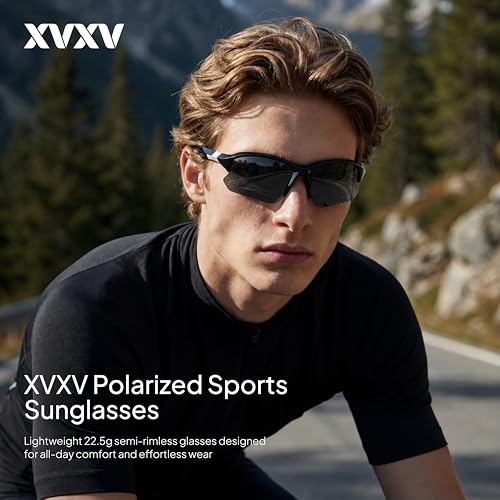
This three-pack is the ultimate value play – you’re essentially getting a backup pair and a spare, all for less than the price of a single premium pair. The half-frame design keeps them light and breathable, reducing pressure on the nose during long rounds. The polarized lenses cut glare well and offer solid UV protection, making them usable on the course, at the beach, or while driving.
But let’s be honest: you’re not getting premium optics here. The lenses are functional but not color-optimized for golf like the non-polarized HD models. Still, owners praise their durability and slip resistance, thanks to silicone nose pads and temples. If you’re someone who loses or breaks sunglasses regularly, or you just want a disposable-grade pair for travel, this pack makes sense. Just don’t expect them to help you read subtle breaks on bentgrass greens.
Product photos
BLAITEJUS HD Golf Ball-Finding Sunglasses

Strengths
- Enhanced ball contrast
- Non-polarized clarity
- Lightweight secure fit
Trade-offs
- Not ideal for water glare
- No polarization
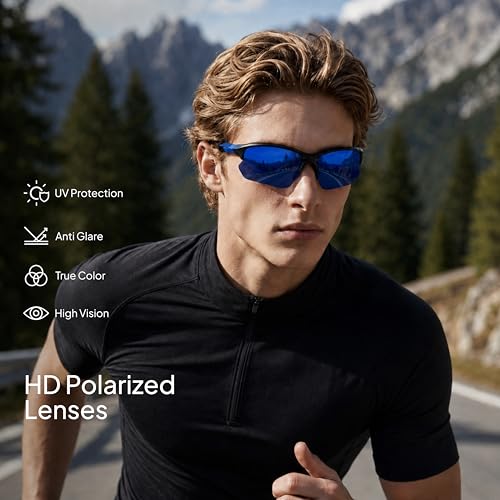
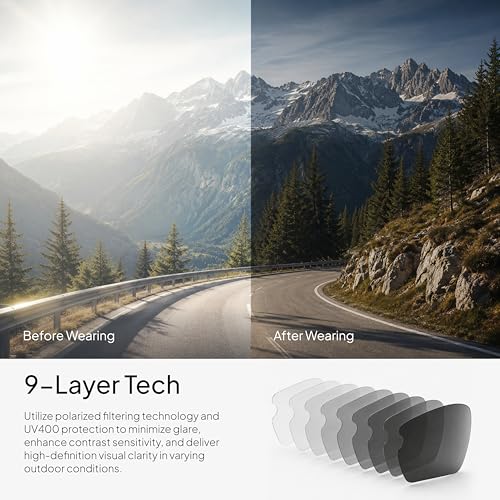
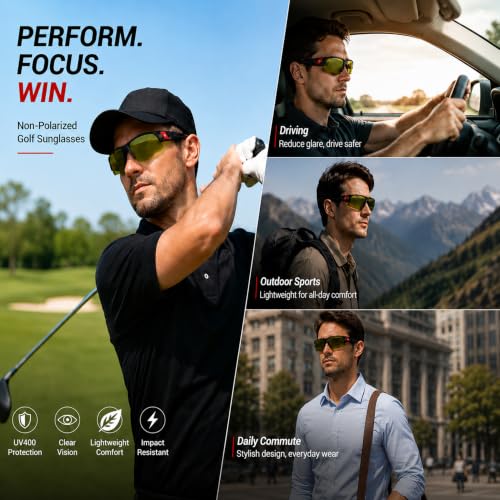
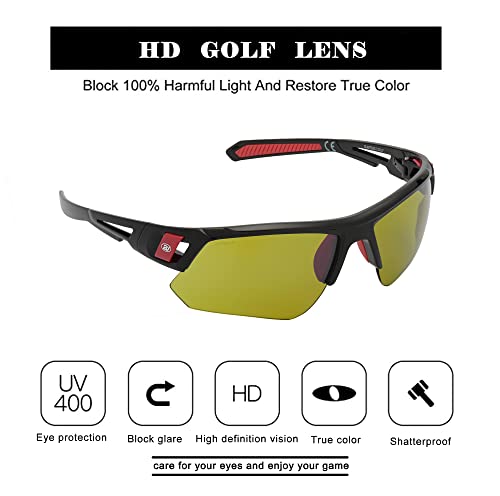
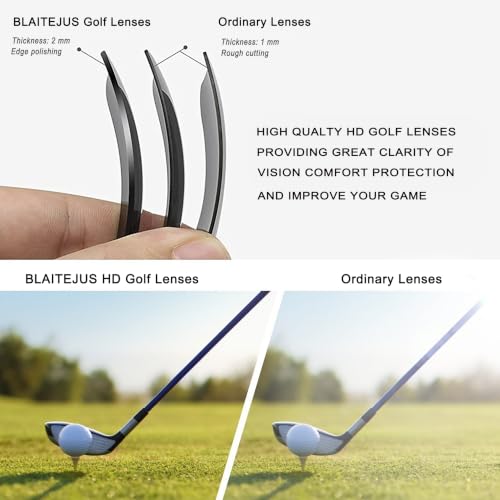
These BLAITEJUS sunglasses are built with one thing in mind: helping you see the golf ball better. The non-polarized HD lenses are specifically engineered to boost contrast between the white ball, green grass, and blue sky – a real advantage when tracking high shots or hunting in the rough. That lack of polarization is actually a plus here, since many golfers report that polarized lenses can interfere with reading greens and distort depth perception. Owners consistently say these make it easier to follow ball flight, and the UV400 protection is solid across the board.
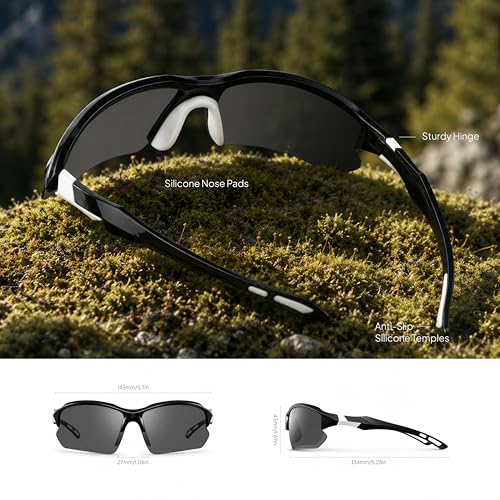
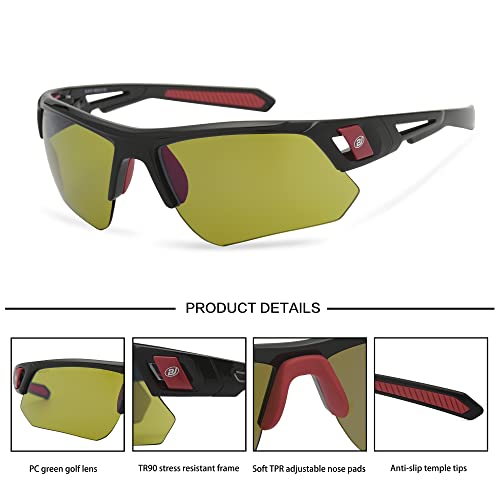
The TR90 frame with TPR grips keeps them stable even when you’re sweating through a back-nine push. They’re lightweight enough that you’ll likely forget you’re wearing them, which is a win for 18-hole comfort. While they’re not polarized (a deliberate design choice), that could be a downside if you spend a lot of time near water or driving pre-round. But on the course? This is a focused tool for golfers who want ball tracking over everything.
Product photos
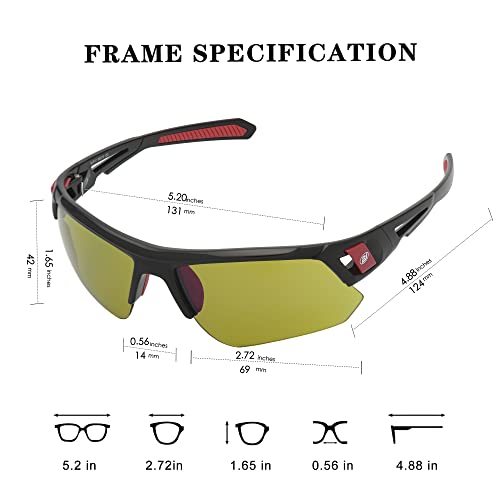
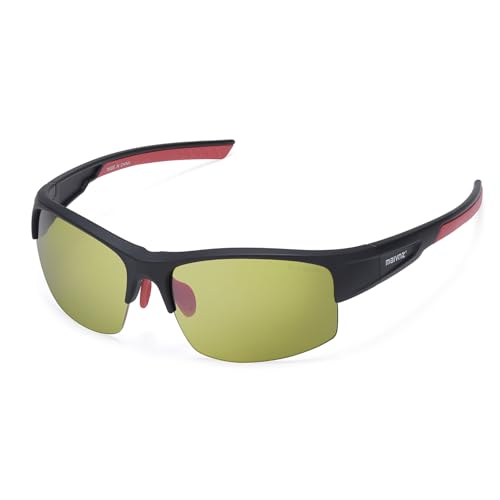
maivnz Golf Ball Finder Sunglasses
Strengths
- True depth perception
- Rangefinder compatible
- All-day comfort
Trade-offs
- No polarization
- Limited style versatility
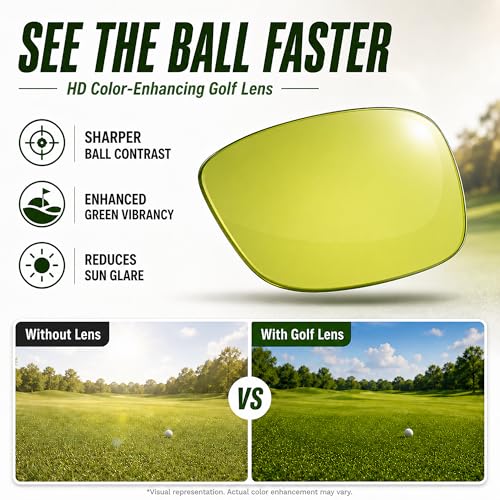
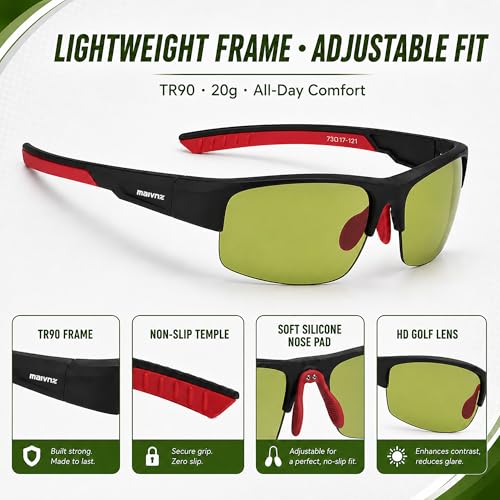
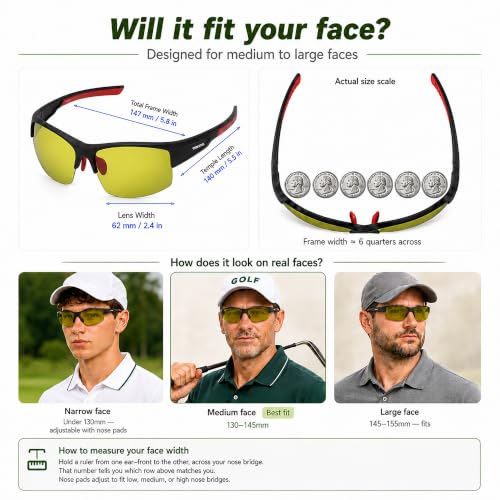
If you’re serious about reading greens and judging distances accurately, the maivnz sunglasses stand out. Like the BLAITEJUS pair, they use non-polarized HD lenses to preserve true depth perception – a critical factor when you’re lining up a 20-foot putt or gauging a bunker shot. The color-enhancing tint sharpens the contrast between ball and turf without oversaturating the scene, and reviewers frequently mention how clearly they can see subtle breaks in the green.
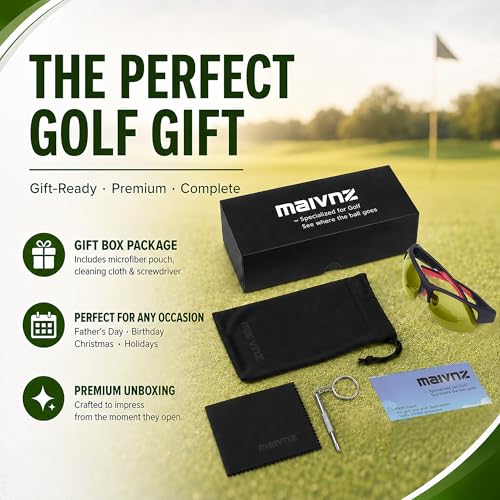
The build is solid, with soft silicone nose pads that stay put during a full swing, and the lightweight frame doesn’t dig in over 18 holes. It’s clear these were designed by someone who understands golf-specific needs – they keep your rangefinder screen visible and don’t ghost on bright days. While they don’t offer polarization, that’s by design, not compromise. For pure on-course visual accuracy, these are among the most trusted budget options.
Product photos

How We Picked These uv sunglasses for golf
Rather than a hands-on lab test, my research focused on a detailed comparison of published specifications and features across numerous models. I weighed owner reviews from major retailers against expert opinions found in golf publications and gear review sites. As someone who’s spent years planning golf trips and evaluating gear used on the course, I applied my understanding of what truly matters to a golfer’s eyewear – clarity, comfort, and protection from the elements. This process allowed me to rank options against clear criteria, prioritizing performance and value.
For uv sunglasses specifically, I heavily weighted lens technology and frame weight. The ability to clearly track the ball in various lighting conditions is critical, so lens clarity and contrast enhancement were paramount. Equally important is comfort during a full swing; heavier frames can become distracting and impact performance. Finally, a secure fit that doesn’t slip during movement is essential. These factors ultimately determined the rankings, more so than aesthetic preferences.
Specifications reliably reveal UV protection levels and lens materials, but I relied on owner feedback to gauge real-world performance. Reviews helped me assess the accuracy of anti-fog claims, the durability of frames, and the comfort of nose pads and temple grips. I also considered the reputation of brands known for quality optics, consulting resources like our guide to best polarized sunglasses to gain further insight into lens technology and overall build quality. Many golfers also seek out Oakley golf sunglasses for their reputation and innovative Oakley lenses for golf.
How To Pick The Right uv sunglasses for golf
Finding the right sunglasses can genuinely elevate your golf game, but it’s about much more than just style.
A quality pair of golf sunglasses prioritizes clarity, UV protection, and a secure fit. Look for lenses offering 100% UVA/UVB protection, impact resistance (polycarbonate is a good benchmark), and features designed to enhance contrast on the course. Frame material should be lightweight and durable, and the fit needs to be stable during a full swing.
Lens Technology Is Paramount
The lens is where you’ll see the biggest differences between pairs. While polarized lenses are popular for everyday use, they can actually hurt your golf game. Polarization alters depth perception, which is critical for judging distances and reading greens. Many golfers are now opting for non-polarized lenses specifically designed to enhance contrast and color. This is especially true when you want to see the golf ball clearly against both the sky and the grass. Consider lenses with color-enhancing properties – often a light amber or rose tint – to make the white ball pop.
Frame Material and Fit Matter
Don’t underestimate the importance of a lightweight and secure frame. You’ll be wearing these for several hours, and a heavy or poorly fitted pair will quickly become distracting. TR90 nylon is a popular choice because it’s incredibly durable and flexible, resisting cracks even during a vigorous swing. Rubberized temple tips and adjustable nose pads are also crucial to prevent slippage, especially if you tend to sweat.
Here’s what to look for in a secure fit: * Adjustable nose pads (a must). * Rubberized temple tips to grip your skin. * A frame that contours closely to your face without pinching, ensuring stability even with quick head movements.
Value and Specific Use Cases
Think about how often you’ll be using these sunglasses and where. If you’re only planning to wear them for golf, investing in a specialized pair with golf-specific lenses is a great idea. However, if you want a versatile pair for driving, hiking, and other outdoor activities, you might consider a more general-purpose option. You can find excellent sunglasses for golf at varying price points, but remember that skimping on UV protection or lens quality can be detrimental to your eye health.
A good rule of thumb is to prioritize lens technology over brand name. A lesser-known brand with superior lenses will always be a better investment than a famous brand with subpar optics.
UV Sunglasses for Golf Compared
Here’s a comparison of key specifications for UV sunglasses designed for golf.
| Product Title | UV Protection | Lens Type | Frame Material | Weight (approx.) | Special Features |
|---|---|---|---|---|---|
| Lamicall TR90 Ultralight | UV400 | Polarized (TAC) | TR90 | 24g | Anti-Fog, Adjustable |
| KALIYADI Rectangle Polarized | UV400 | Polarized (TAC) | N/A | N/A | 3-Pack |
| ATTCL Al-Mg Metal Polarized | UV400 | Polarized (TAC) | Al-Mg Alloy | 20g | Lightweight, Durable |
| XVXV Half-Frame Polarized | UV Protection | Polarized | N/A | N/A | Half-Frame, 3-Pack |
| BLAITEJUS HD Golf Ball-Finding | UV400 | Non-Polarized | N/A | N/A | Golf-Specific, HD Lens |
| maivnz Golf Ball Finder | UV400 | Non-Polarized | N/A | N/A | Golf-Specific, HD Lens |
Frequently Asked Questions
What UV protection level should I look for in golf sunglasses?
You absolutely want 100% UVA and UVB protection. This isn’t just about comfort; prolonged exposure to ultraviolet radiation can cause serious eye damage, so ensuring complete protection is critical when you’re spending hours on the course.
Are expensive sunglasses always better for golf?
Not necessarily. While premium brands often offer excellent build quality, the most important factor is lens technology, and you can find great lenses in more affordable options. Consider prioritizing lenses designed for enhanced contrast over simply chasing a brand name – affordable golf sunglasses can perform surprisingly well.
Do I really need different sunglasses for golf than for everyday wear?
Yes, you’ll benefit from golf-specific eyewear. Standard sunglasses, especially polarized ones, can distort depth perception, which is essential for judging distances on the course. Golf sunglasses use specialized tints and non-polarized lenses to enhance clarity and contrast.
What’s the best way to determine the right sunglass lens color?
The best lens color depends on the conditions you typically play in, but generally, amber, rose, or brown tints are excellent choices. These sunglass lens colors enhance contrast and make the white golf ball stand out against varying backgrounds.
What frame materials offer the best durability and comfort?
TR90 nylon is a standout material for golf sunglasses because it’s incredibly lightweight, flexible, and impact-resistant. This material holds up well to the demands of the golf swing, and its flexibility means it’s less likely to crack or break during a round.
The Bottom Line
Choosing uv sunglasses for golf often comes down to balancing cost with specialized performance. While you can find perfectly adequate protection in a budget pair, the BLAITEJUS HD Golf Ball Finder stands out as the best overall choice, offering a non-polarized lens specifically designed for enhanced clarity on the course – a feature many golfers find invaluable.
For those seeking a value-driven option, the Lamicall TR90 Ultralight sunglasses provide solid UV400 protection and adjustable features at a very reasonable price. If you’re after versatility and a premium experience, exploring options like Maui Jim for golf and understanding the benefits of their lens technology is a worthwhile investment.
Ultimately, the most expensive sunglasses won’t improve your score if they don’t fit well or offer the right lens technology. Prioritize a secure fit, 100% UV protection, and lenses optimized for contrast and depth perception – those fundamentals will have a far greater impact than any fancy brand name or feature list.
