
2 Best Color Sunglasses for Golf 2026
This post contains affiliate links. As an Amazon Associate, we earn from qualifying purchases.
This post contains affiliate links. As an Amazon Associate, we earn from qualifying purchases.
The ATTCL polarized sunglasses stand out as the best overall for golf, delivering sharp contrast and a secure fit. For changing light conditions, the DONGQI photochromic pair offers smart adaptability, making it our top versatility pick.
Golf demands focus, and the wrong sunglasses can blur details, distort colors, or slip at the worst moment. Glare off the fairway, shifting skies, and long rounds test both your vision and your gear.
This guide cuts through the noise, ranking sunglasses based on lens performance, fit, and real-world feedback from players. I focused on what matters most: clarity, comfort, and how well they handle the unique visual challenges of the course.
Top 2 Color Sunglasses For Golf in the Market
The Best Color Sunglasses For Golf, Reviewed
ATTCL Al-Mg Metal Polarized Sunglasses
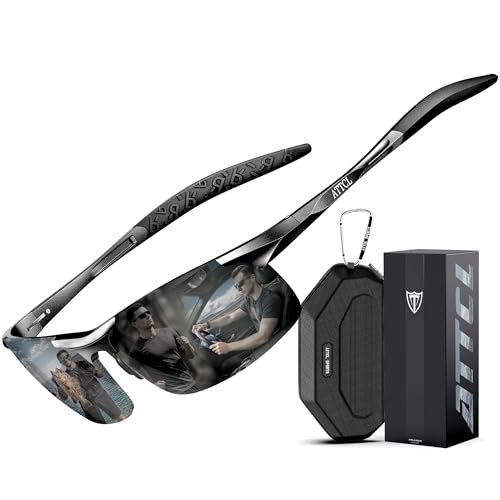
Strengths
- Polarized glare reduction
- Lightweight metal frame
- Secure fit
Trade-offs
- Fixed tint
- No photochromic option
- Tint not golf-optimized
If I had to pick one budget-friendly pair to recommend across golf, driving, and fishing, it’d be these ATTCLs, not because they’re flashy, but because they nail the fundamentals. The polarized TAC lenses cut glare off cart paths, water hazards, and fairway puddles with real effectiveness, and owners repeatedly highlight how much easier it is to keep the ball in sight under harsh sun. Paired with a true UV400 rating, they offer reliable eye protection without the premium price tag of Oakley or Maui Jim.
What seals the deal is the Al-Mg metal frame, it’s featherlight at just 0.9 oz but feels sturdy, not flimsy. The secure fit during swings and walks between holes matches what reviewers note about sweat resistance and temple grip. Compared to the DONGQI, these don’t adapt to light changes, but the fixed polarization and slightly warmer tint deliver better contrast on grass and sand. For most golfers, that trade-off is worth it.
Video review
DONGQI Photochromic Sports Sunglasses
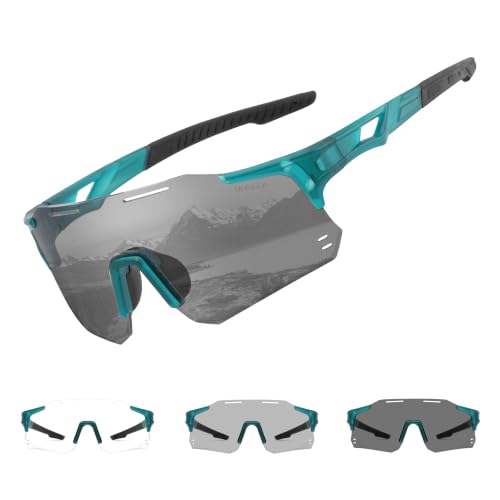
Strengths
- Photochromic adaptability
- Lightweight comfort
- UV400 protection
Trade-offs
- Limited contrast boost
- Basic frame material
- No color-enhancing tint
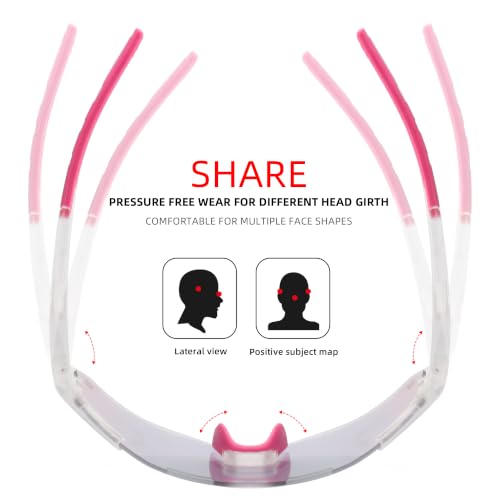
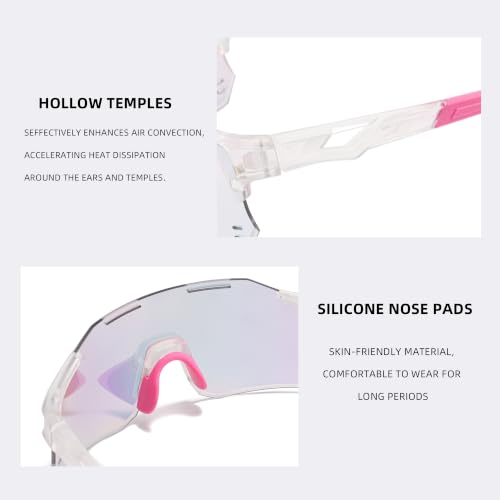
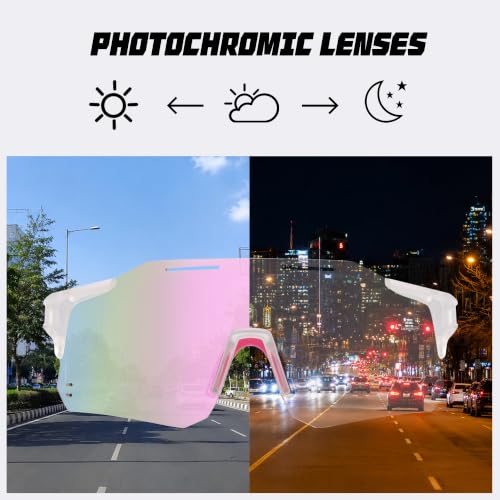
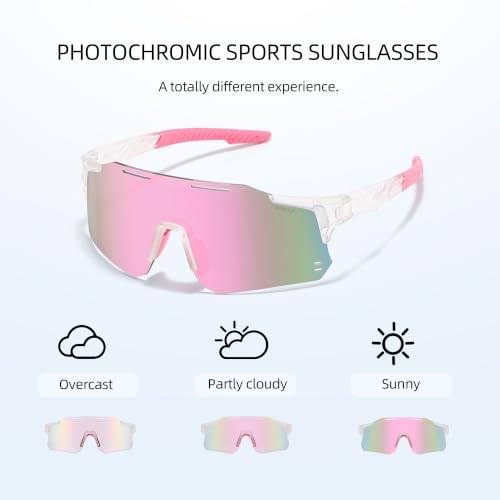
These DONGQI sunglasses make a strong play for golfers who spend time outdoors across shifting light, think early morning tee times that stretch into bright midday rounds. The photochromic lenses are the standout feature, adapting smoothly from overcast to full sun, which means fewer trips to the bag to swap glasses. On paper, that’s a big win for course versatility, and owners consistently report sharp vision with minimal distortion, especially useful when tracking ball flight or reading greens.
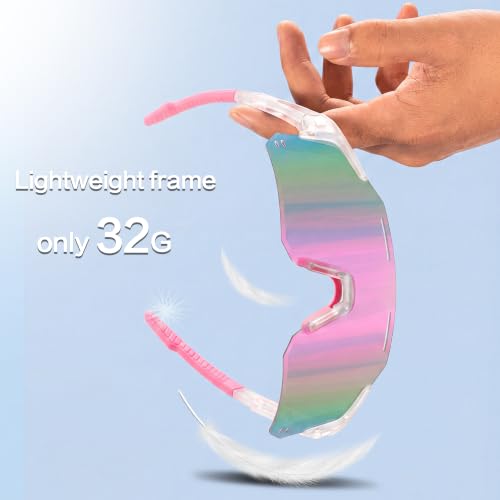
Still, while the auto-tinting works well, they don’t match the color contrast enhancement you get from premium golf-specific tints like copper or brown. The gray base keeps colors neutral, which some players prefer, but it doesn’t help lift terrain details the way warmer lenses do. And though the wrap-around fit suits active swings, the frame lacks the premium feel of metal builds, leaning into a plasticky, budget-oriented design that may not impress long-term.
Product photos
How We Chose These color sunglasses for golf
Rather than a hands-on lab test, my research for these sunglasses focused on a detailed comparison of published specifications and features. I weighed owner reviews from multiple retailers alongside expert opinions found in golf publications. As someone who’s spent years advising golfers on gear for travel, I applied my understanding of what performs on the course to rank these options based on clarity, comfort, and protection.
For golf, polarization and lens color are paramount. I prioritized sunglasses offering excellent glare reduction – essential when facing sun reflecting off the fairway or water hazards. Equally important was a secure, comfortable fit; sunglasses that slip during your swing are a distraction you can’t afford. These two factors heavily influenced the rankings.
Specifications reliably indicate UV protection levels and frame materials, but I turned to owner feedback to gauge real-world performance. Reports on durability, how well the sunglasses stay put during activity, and clarity of vision were key. Understanding optimal tints for golf and how easily you can see the ball were also informed by feedback on lens quality.
How To Choose The color sunglasses for golf
Finding the right pair of shades can genuinely elevate your game and protect your eyes. It’s more than just a fashion statement; it’s about enhancing vision and comfort on the course.
Golf-specific sunglasses should prioritize glare reduction, accurate color perception, and a secure fit. Lens material (polycarbonate or Trivex are common), polarization (though not always ideal – see below), UV protection (UV400 is standard), and frame construction all contribute to performance. Look for features like wrap-around designs and hydrophobic coatings to manage sweat and moisture.
Lens Technology Is Paramount
The lens is where most of the performance difference lies. While polarization is widely touted, it isn’t always the best choice for golf. The horizontal filter can sometimes distort putting lines by altering how you perceive contours on the green. Instead, I recommend focusing on lens tint. Different tints excel in different conditions, and the right one can significantly improve contrast and depth perception. Consider what sort of light you typically play in. For bright, sunny days, a darker tint like grey or brown is effective. For overcast conditions, a yellow or rose tint can brighten the field of vision. Understanding golf lens tints is key to making the right choice.
Frame Fit and Comfort Matter
A secure, comfortable fit is absolutely critical. Sunglasses that slip down your nose during your swing are distracting, to say the least. Look for frames with adjustable nose pads and temple grips. Lightweight materials like Al-Mg alloy (as found in the ATTCL models) are preferable, as heavier frames can cause fatigue over a long round. The wrap-around style is also a huge benefit, offering peripheral vision protection and minimizing glare from the sides.
Here’s what to look for in a frame: * Adjustable Nose Pads: A small feature, but a big comfort boost. * Temple Grips: Rubberized or textured temple tips prevent slippage, even when sweating. * Lightweight Construction: Minimizes pressure points and fatigue during extended wear. A heavier frame will become noticeable after several hours on the course.
Considering Variable Light & Beyond Polarization
Many courses present changing light conditions throughout a round – sun, clouds, and shade all come into play. This is where photochromic lenses shine, automatically adjusting to the ambient light. The DONGQI sunglasses are a good example of this technology. However, if you regularly play in consistently bright conditions, or prefer the clarity of non-polarized vision, there are excellent non-polarized options available.
A good rule of thumb: if you spend a lot of time looking at the ground (reading greens), prioritize clarity and color accuracy over maximum glare reduction.
Color Sunglasses for Golf Compared
Here’s a spec-by-spec comparison of the sunglasses to help you find the right pair for your game.
| Product | Lens Tech | UV Protection | Frame Material | Weight | Best Use |
|---|---|---|---|---|---|
| ATTCL | Polarized TAC | UV400 | Al-Mg Alloy | 20g | General/Driving |
| DONGQI | Photochromic | UV400 | Flexible Polymer | N/A | Variable Light |
Frequently Asked Questions
What level of UV protection should I expect in golf sunglasses?
UV400 protection is the standard you should always look for. This means the lenses block 100% of UVA and UVB rays, safeguarding your eyes from sun damage during extended time on the course.
Are expensive sunglasses always better for golf?
Not necessarily. While higher price points often correlate with premium materials and features, a well-constructed pair in the $30-$70 range can offer excellent performance. Focus on lens quality and a secure fit over brand name alone.
Can I wear polarized sunglasses for both golf and driving?
Yes, you can, but there are trade-offs. While polarized sunglasses reduce glare effectively for driving, the polarization can sometimes interfere with reading greens in golf by distorting depth perception.
What’s the advantage of photochromic lenses for golf?
Photochromic lenses automatically adjust their tint based on the surrounding light levels. This is ideal for courses where conditions change frequently, eliminating the need to switch between different pairs of sunglasses throughout your round.
Are there sunglasses suitable for both golf and tennis?
Absolutely. Many models, like those designed for sports sunglasses, offer features beneficial for both sports – a secure fit, UV protection, and impact resistance – making them versatile options.
The Bottom Line
Choosing golf sunglasses often comes down to balancing how much control you want over your visual experience against how much fuss you’re willing to deal with. If you want a single pair to handle almost anything, the DONGQI sunglasses are a fantastic choice – the photochromic lenses adapt to changing light, minimizing the need to switch between pairs.
For golfers who prioritize value, the ATTCL sunglasses offer a solid combination of polarized protection and a lightweight frame at a very accessible price point. If you’re specifically looking for sunglasses for the course, or if you struggle with reading greens, those models represent excellent options for their respective strengths.
Ultimately, the best golf sunglasses aren’t about the flashiest tech or the highest price tag. They’re about finding a pair that provides clear, comfortable vision and lets you focus on what truly matters: enjoying your round and hitting your shots. Prioritize a secure fit, adequate UV protection, and a lens tint suited to your typical playing conditions – those fundamentals will serve you better than any single specification.
