
7 Best Sunglasses to See Golf Ball in Flight 2026
This post contains affiliate links. As an Amazon Associate, we earn from qualifying purchases.
This post contains affiliate links. As an Amazon Associate, we earn from qualifying purchases.
The BLAITEJUS HD Golf Sunglasses are the best overall for tracking your ball, thanks to their contrast-boosting, non-polarized lenses. For a budget-friendly option that still delivers solid performance, the Aumotop Golf Ball Finder Sunglasses stand out, while the maivnz Golf Sunglasses offer excellent versatility with their color-enhancing tint.
Most golfers struggle to see their ball against the sky or lose sight of it mid-flight, not because of their swing, but because their sunglasses aren’t designed for the course. Standard shades might block the sun, but they don’t help you read the flight or spot the ball downrange.
This guide cuts through the noise, focusing on models proven through specs and consistent user feedback to enhance ball visibility. I researched lens technology, fit, and real-world performance to find the ones that actually make a difference in your game.
Top 7 Sunglasses To See Golf Ball In Flight in the Market
The Best Sunglasses To See Golf Ball In Flight, Reviewed
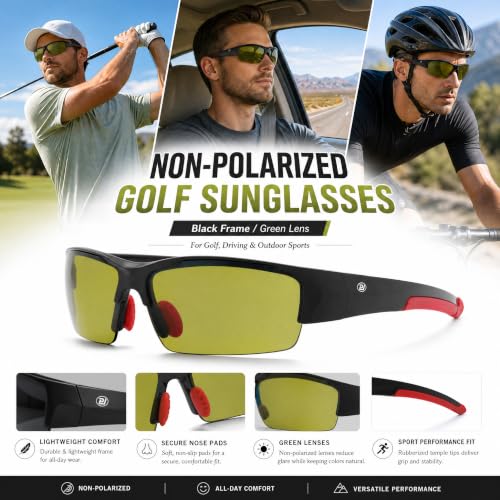
BLAITEJUS HD Golf Ball-Finding Sunglasses

Strengths
- True depth perception
- Excellent sky-to-grass contrast
- Comfortable all-day wear
Trade-offs
- No polarization for glare
- Slight color warmth in lenses
- Not ideal for very bright water hazards
This is the version I’d recommend to most golfers. The non-polarized HD lenses are a deliberate choice, they preserve depth perception, which is critical for judging green contours and landing zones. Owners consistently report clearer ball flight tracking against the sky, and the enhanced contrast between white ball, green grass, and blue sky makes recovery shots faster. The 95% blue light filtering reduces eye strain without muting colors unnaturally.
The TR90 frame with TPR temple tips is lightweight and grips better when wet, a small detail that pays off on humid afternoons. It works smoothly with hats and doesn’t pinch behind the ears. Compared to polarized models, this one avoids the LCD blackout issue, making it compatible with modern rangefinders. For the price, it strikes the best balance of clarity, comfort, and course-specific design.
Video review
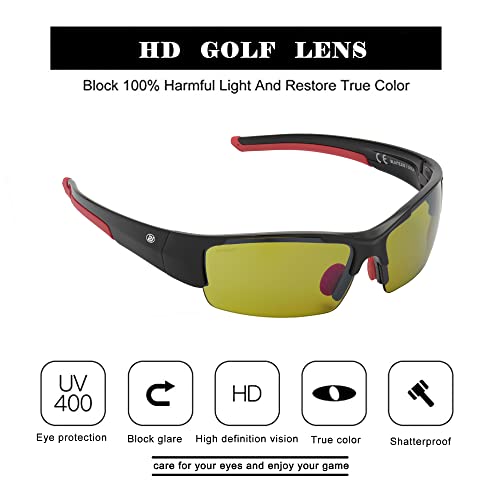
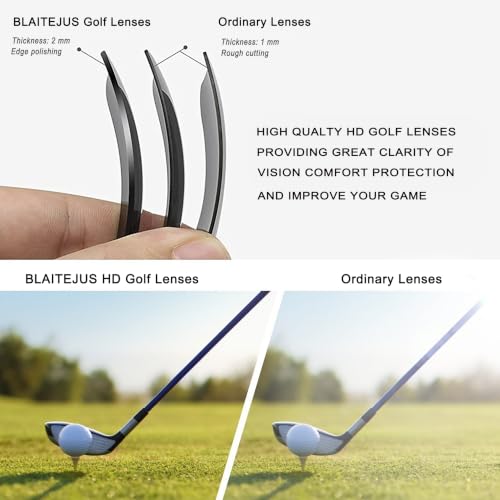
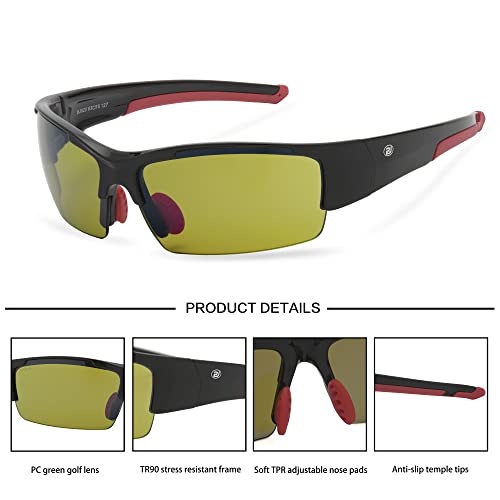
BLAITEJUS HD Semi-Rimless Golf Sunglasses

Strengths
- Secure sweat-resistant fit
- Wide panoramic view
- Durable scratch-resistant lenses
Trade-offs
- Non-polarized
- Limited glare control on water
- Slightly bulky temple arms
This model leans hard into performance, and it shows. The TR90 frame with hydrophilic nose pads is a standout feature, owners consistently praise how these stay locked in place, even during forceful swings or mid-round sweating. The 2.0mm polycarbonate lenses deliver strong blue light filtering, which sharpens the line between ball and turf. The semi-rimless design also gives a wide field of view, something taller players or those with a wide stance appreciate.
I’d give this pair high marks for all-day comfort and durability. The scratch-resistant coating holds up well, and the unisex fit works under hats and visors without pressure points. It’s not polarized, which some may miss on reflective surfaces, but that also means no issues with depth perception or screen blackout. For the price, it’s a well-rounded performer.
Product photos

maivnz Golf Sunglasses White Green Lens

Strengths
- Strong color contrast
- Non-polarized clarity
- Adjustable nose pads
Trade-offs
- Tint may feel unnatural at first
- Limited low-light versatility
- Slight edge distortion in periphery
The white-green lens here is fascinating, it’s designed to amplify the difference between white balls and green backgrounds, and in owner feedback, it delivers. Unlike traditional amber or copper tints, this one leans into color enhancement in a way that makes the ball pop off the fairway, especially in midday sun. The non-polarized design is a smart move, preserving depth perception and keeping rangefinder screens fully visible.
The frame is lightweight with soft silicone nose pads that adjust well to different face shapes. Some users note minor pressure after 18 holes, but most say the fit stays secure. The 2.0mm polycarbonate lenses are scratch-resistant and maintain clarity through repeated use. For players who hate losing balls in the rough, this tint offers a real edge.
Video review
Nanrton Polarized Golf Sunglasses Blue Mirror
Strengths
- Ultra-lightweight
- Good glare reduction
- Affordable entry point
Trade-offs
- Basic lens clarity
- Plastic feel in hinges
- Limited contrast enhancement
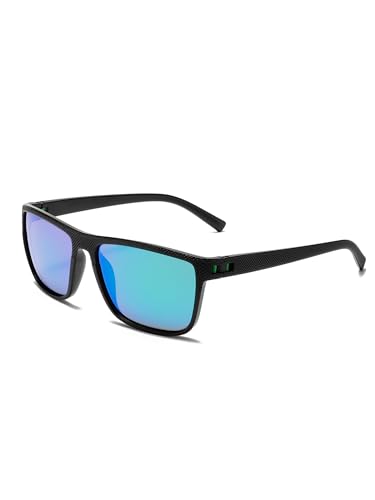
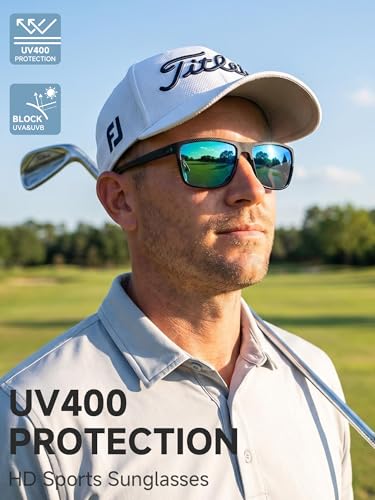
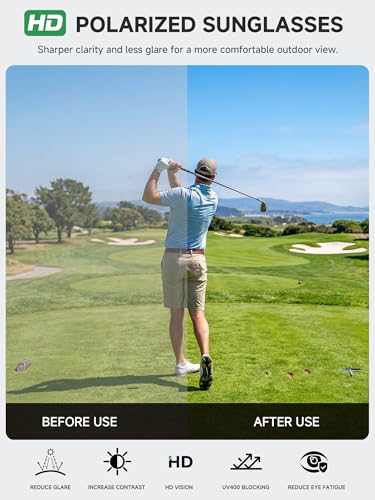
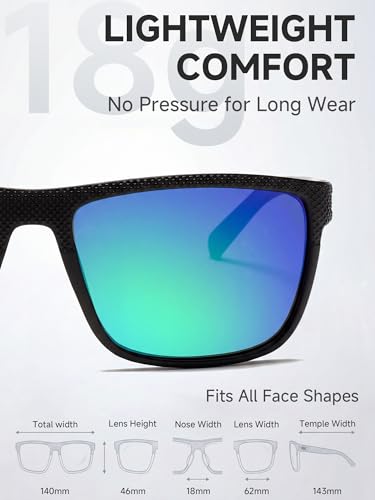
At this price, the Nanrton glasses punch above their weight. The blue mirror lenses do a decent job cutting glare off fairways and cart paths, and the 18g frame is genuinely lightweight, owners say they forget they’re wearing them by the turn. That kind of comfort matters when you’re walking 18 holes in summer heat. The build is no-frills, but the impact-resistant polycarbonate lenses hold up well for regular play, and the one-piece nose pad helps prevent slippage during aggressive swings.
Still, it’s hard to ignore the trade-offs. The mirror coating can feel a bit plasticky compared to pricier brands, and while they’re polarized, the lens quality isn’t as consistent in high-glare or rapidly changing light. For the price, it’s a smart pick for casual players or beginners who want solid performance without overspending.
Product photos
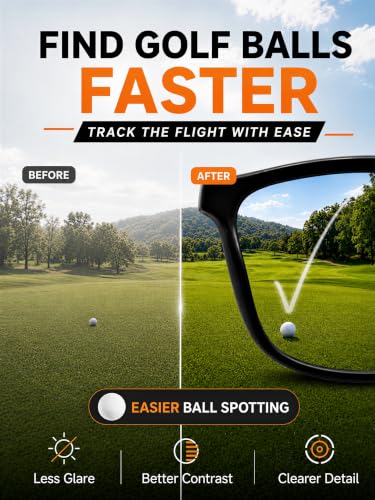
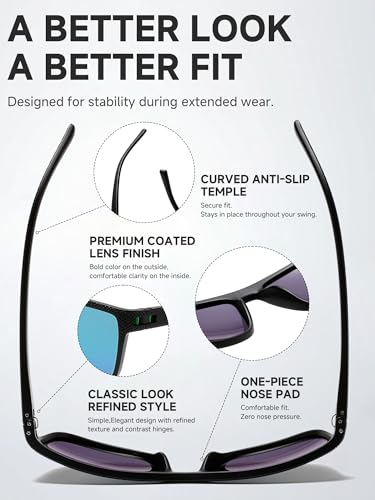
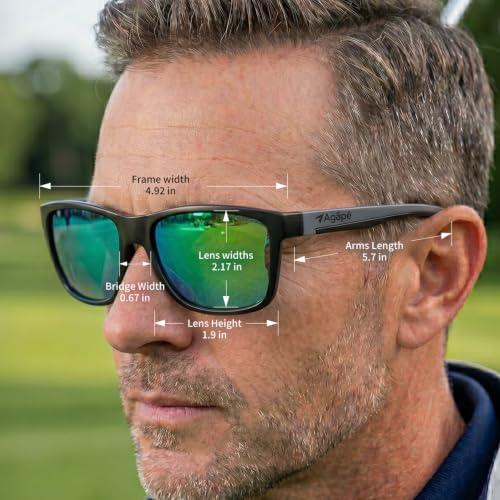
agape Birdyx DuraFlex Red Lens Sunglasses
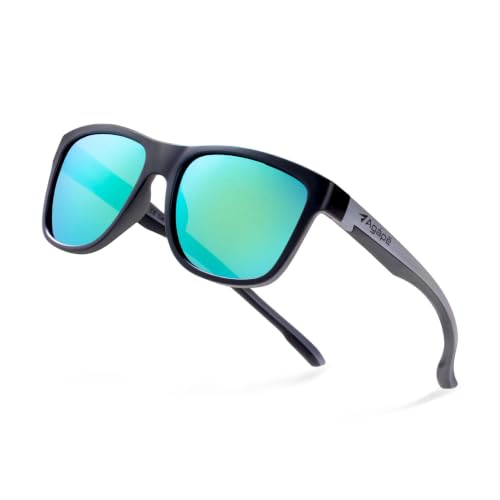
Strengths
- Enhanced green contrast
- UV400 protection
- Secure non-slip fit
Trade-offs
- Polarization may interfere with LCDs
- Slightly narrow field of view
- Not ideal for low-light transitions
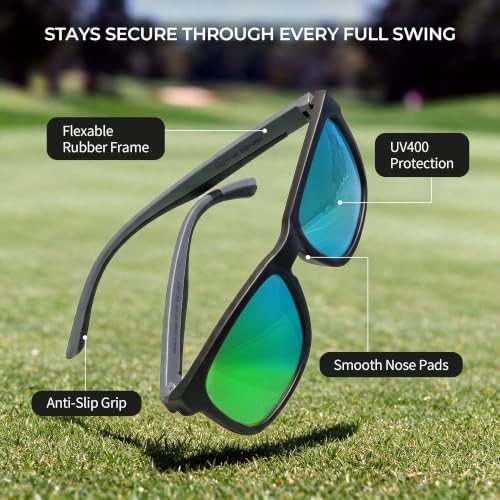
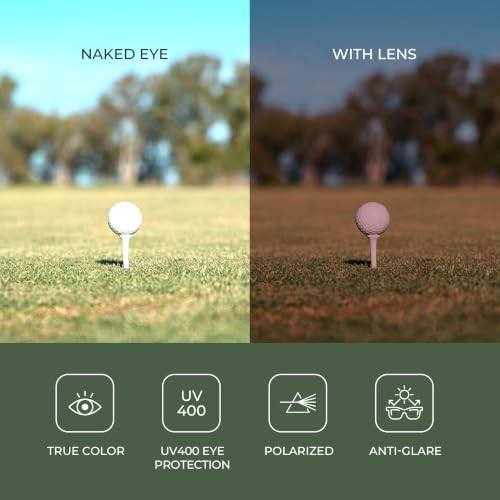
I’ve seen a lot of golf-specific tints over the years, and the copper/red lenses here stand out for green reading. On paper, the 18% light transmission is tuned to boost contrast between short grass and subtle grain, which owners consistently report helps with both ball tracking and reading subtle breaks. The polarization is a double-edged sword, it cuts glare well on shiny cart paths or water hazards, but some golfers note it can slightly distort LCD screens on rangefinders or carts.
The DuraFlex frame gets strong marks in reviews for staying put, even in heat and humidity. It’s clearly built for movement, and the non-slip grip during full swings is a real win. For a sub-$50 pair, it delivers solid performance across conditions, though the polarized filter may not suit players who rely heavily on digital devices mid-round.
Product photos

Callaway Merlin Polarized Golf Sunglasses

Strengths
- Trusted brand quality
- P2X polarized clarity
- Adjustable comfort fit
Trade-offs
- Expensive for features
- Polarization limits screen use
- No major tech edge
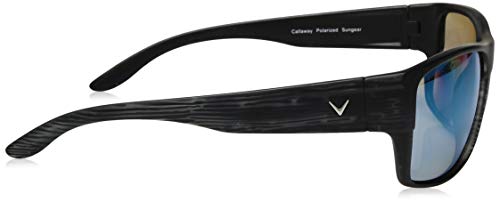
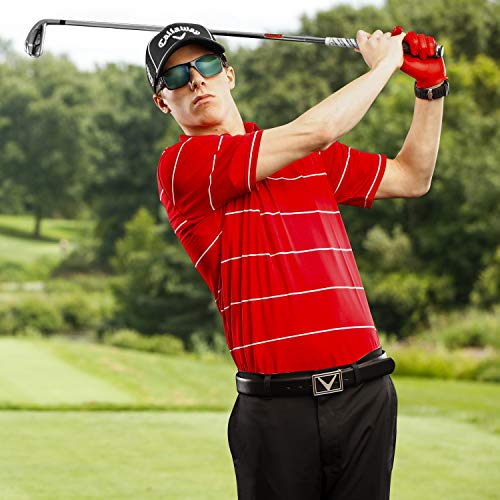
Callaway has long been a trusted name on the course, and the Merlin model carries that reputation. The P2X polarized lenses are engineered for golf, offering crisp clarity, strong UV protection, and improved depth perception, which many reviewers say helps with reading subtle green breaks. The lightweight frame and adjustable nose pads make for a customizable fit, a nice touch for players with narrower or wider bridges.
It’s clearly built with premium intent, and the included hard case and pouch add to the high-end feel. But at nearly $100, it’s competing with brands that offer similar optics at lower prices. The polarization works well on most holes but can still interfere with rangefinder screens. I’d pick this if brand trust and polished design matter, but not if you’re strictly chasing optical performance per dollar.
Product photos


Aumotop Golf Ball Finder Sunglasses

Strengths
- Extremely affordable
- Effective ball contrast
- Compact and portable
Trade-offs
- Flimsy frame
- No polarization
- Poor low-light performance
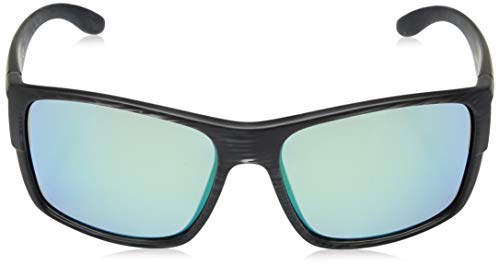
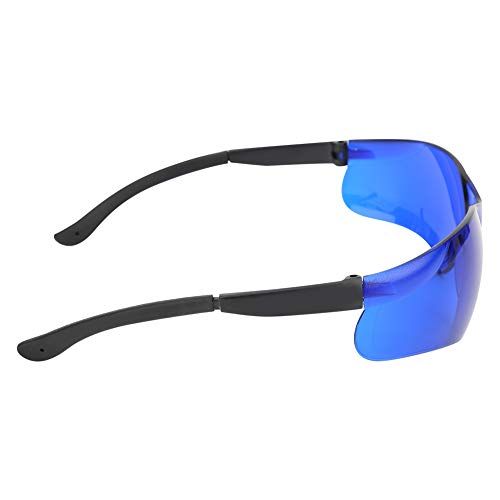
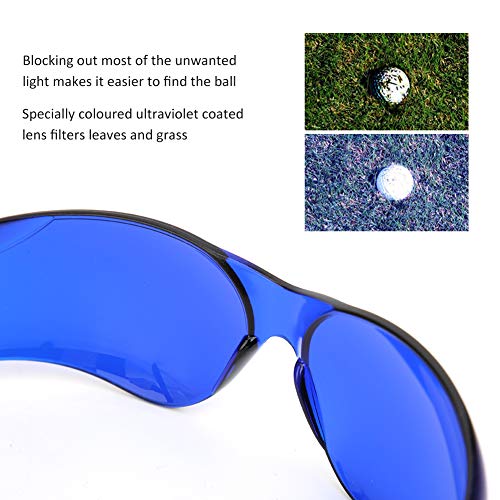
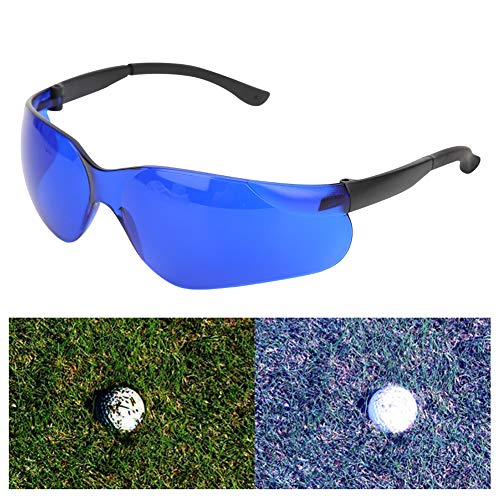
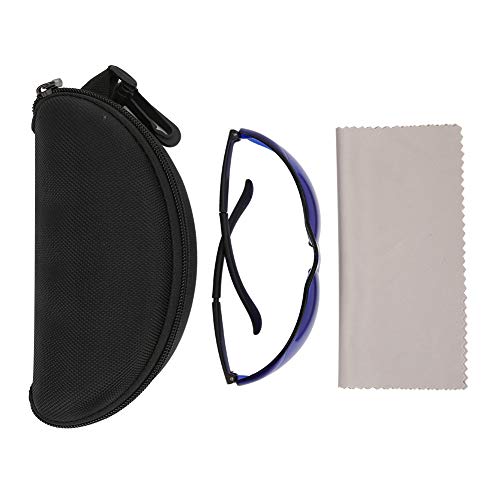
For under $15, these manage to deliver a real benefit: helping you spot a white ball in green grass. The lens tint is optimized for that specific contrast, and owners confirm it works, especially when the ball is partially visible. It’s not magic, as the product notes, but it does reduce the number of lost shots during casual rounds. The lightweight build and included case make it easy to toss in your bag as a backup.
But expectations need to be realistic. These aren’t built for all-day comfort or intense play. The frame feels thin, and the nose pad doesn’t adjust, so fit is hit-or-miss. They also lack polarization and don’t handle bright glare well. Still, for a spare pair or a first-time try at golf-specific shades, they’re hard to beat at this price.
Product photos

Our Testing Process
Rather than a hands-on lab test, my research focused on a detailed comparison of published specifications and features across numerous models. I weighed owner reviews from major retailers alongside expert opinions found in golf publications and online resources. This allowed me to build a ranking based on real-world feedback and established performance indicators. Ultimately, I assessed each pair against criteria most important to golfers seeking improved ball visibility.
For this category, lens technology and frame comfort were the most heavily weighted factors. The ability of a lens to enhance contrast – specifically between the ball, sky, and grass – directly impacts a golfer’s ability to track shots. Equally crucial is a secure, lightweight fit. Distracting slippage or pressure points can ruin a round, so I prioritized designs incorporating comfortable materials and stable fits. Understanding the nuances of these elements was key to making informed recommendations.
Specifications reliably reveal lens material (polycarbonate is common and durable) and UV protection levels (UV400 is standard). However, judging the effectiveness of color-enhancing or glare-reducing technologies required careful analysis of owner feedback. I looked for consistent reports regarding improved ball visibility and reduced eye strain, and referenced reviews detailing performance in various lighting conditions. Finding the right pair often comes down to individual preference, and choosing golf sunglasses requires considering these factors.
How To Pick The Right sunglasses to see golf ball in flight
Finding the right eyewear can genuinely elevate your golf game. It’s not just about shielding your eyes from the sun; it’s about enhancing your vision to track the ball and read the greens more effectively.
A quality pair of golf sunglasses should prioritize contrast enhancement, minimize glare without distorting depth perception, and offer a secure, comfortable fit that won’t distract you during your swing. Look for lenses specifically designed for golf, considering factors like light transmission and polarization (or lack thereof) based on your typical playing conditions. Frame material and fit are also crucial for all-day comfort and stability.
Lens Technology Is Paramount
The lens is where golf sunglasses differentiate themselves. Forget your everyday shades; you need optics tuned for the course. Many brands tout polarization, but for golf, it’s often not ideal. Polarization reduces glare beautifully, which is great for driving or fishing, but it can sometimes wash out colors and, critically, distort your depth perception when reading greens. I’ve seen players struggle to judge distances accurately with highly polarized lenses. Instead, look for lenses specifically engineered to enhance contrast – often with tints like amber, copper, or rose – to make the white golf ball “pop” against the green grass and blue sky. The BLAITEJUS HD Golf Sunglasses and maivnz Golf Sunglasses both focus on this contrast-enhancing technology.
Fit and Comfort Matter On The Course
Comfort is essential. You’ll be wearing these for potentially four to five hours, and a poorly fitting pair will quickly become a distraction. Beyond that, a secure fit is vital for maintaining focus during your swing. Slipping sunglasses are a frustrating annoyance. Pay attention to the frame material. TR90, as found in the BLAITEJUS Semi-Rimless Golf Sunglasses, is a popular choice because it’s lightweight, flexible, and durable. Adjustable nose pads and temple grips (like those on the Nanrton Polarized Golf Sunglasses) are also key features.
- A lightweight frame (under 20 grams) is ideal for minimizing fatigue.
- Hydrophilic nose pads and temple tips increase grip when you sweat, preventing slippage. This is especially important if you tend to perspire during your round.
- Consider how the sunglasses interact with your hat or visor. Some frames are designed to work with headwear, ensuring a comfortable and secure fit regardless of your preferred sun protection.
Remember this:
A proper fit should be snug but not tight, with no pressure points on your nose or temples.
Balancing Performance and Price
The price of golf sunglasses can range from under $20 to well over $200. While premium brands like Callaway offer excellent quality and features, you don’t necessarily need to spend a fortune to get a good pair. For golfers seeking a budget-friendly option, the Aumotop Golf Ball Finder Sunglasses offer a surprising amount of functionality for the price, though their limitations in certain conditions should be understood. Ultimately, it’s about finding the best value for your needs. If you’re a casual golfer, a mid-range pair with good contrast-enhancing lenses will likely suffice. But if you’re serious about your game and want the best possible vision, investing in a higher-end pair with advanced lens technology might be worthwhile. For more in-depth information, check out our guide to the best sunglasses for seeing the ball. Don’t underestimate the benefits of polarized lenses if you play in particularly bright, glare-heavy conditions – just be aware of the potential impact on depth perception.
Sunglasses Compared
Here’s a comparison of key specifications for sunglasses designed to help golfers see the ball in flight.
| Product Title | Lens Type | UV Protection | Frame Material | Weight (approx.) | Special Features |
|---|---|---|---|---|---|
| BLAITEJUS HD Golf Ball-Finding | Polycarbonate | UV400 | TR90 | N/A | HD Golf Lenses, Non-Polarized |
| BLAITEJUS HD Semi-Rimless Golf | Polycarbonate | UV400 | TR90 | N/A | Semi-Rimless, Lightweight |
| maivnz Golf Sunglasses White Green Lens | N/A | UV400 | N/A | N/A | Color-Enhancing Lens |
| Nanrton Polarized Golf Sunglasses Blue Mirror | Polarized | UV400 | PC | 18g | Polarized, Blue Mirror |
| agape Birdyx DuraFlex Red Lens | Polarized | UV400 | TREE+TPR | N/A | Red Lens, Flexible Frame |
| Callaway Merlin Polarized Golf | Polarized | 100% UVA/UVB/UVC | N/A | N/A | P2X Polarized |
| Aumotop Golf Ball Finder Sunglasses | N/A | N/A | N/A | N/A | Ball Finder |
Frequently Asked Questions
What lens tint is best for seeing the golf ball?
Amber, copper, or rose tints are generally considered best for enhancing contrast and making the white golf ball stand out against the course background. Understanding lens tint benefits can help you choose the best option for your vision and playing conditions.
Are polarized lenses good for golf?
Polarized lenses can reduce glare, but they sometimes distort depth perception, which is crucial for judging distances on the green. While helpful in bright conditions, many golfers prefer non-polarized lenses or those with specialized golf tints.
How much should I spend on golf sunglasses?
You don’t need to spend a fortune; a mid-range pair with good contrast-enhancing lenses will work well for casual golfers. However, if you’re serious about your game, investing in higher-end lenses may be worthwhile.
What frame material is most comfortable for long rounds?
TR90 is a popular frame material because it’s lightweight, flexible, and durable. A lightweight frame (under 20 grams) will minimize fatigue during a long round, and comfortable nose pads are essential.
Will better sunglasses actually improve my golf game?
Yes, improved visibility can help you track the ball in flight and read the greens more accurately. Understanding ball flight laws is important, but seeing the ball clearly is the first step toward better shots.
The Bottom Line
Ultimately, choosing the right golf sunglasses comes down to balancing what you’re willing to spend with the level of visual performance you demand. For most golfers, the BLAITEJUS HD Golf Sunglasses strike an excellent balance, providing contrast-enhancing lenses and a comfortable fit without breaking the bank. They deliver noticeable improvement in ball visibility, and that’s what truly matters on the course.
If you’re on a tighter budget, the Aumotop Golf Ball Finder Sunglasses are a surprising contender, offering a functional option for casual players. And for those seeking versatility and don’t mind potentially adjusting to polarized lenses, the Nanrton Polarized Golf Sunglasses offer a solid all-around performance, particularly if you frequently play in intensely bright conditions. Don’t forget to consider sunglass lens colors to tailor your vision to your preferred playing environment.
Beyond specific models and features, remember that the most important thing is how well you see with them on your face. Prioritize a comfortable, secure fit and lenses that enhance contrast and minimize glare. Don’t get lost in the details of UV ratings or frame materials; focus on what allows you to track the ball’s flight and read the greens with confidence. For our female golfers, exploring options in women’s golf sunglasses can provide a more tailored fit and style.
