
7 Best Sunglasses for Golf 2026
This post contains affiliate links. As an Amazon Associate, we earn from qualifying purchases.
This post contains affiliate links. As an Amazon Associate, we earn from qualifying purchases.
The Oakley Holbrook stands out as the best overall golf sunglass for its exceptional clarity and secure fit, while the ATTCL Al-Mg Metal Golf Sunglasses offer serious performance at a lower price, and the BLAITEJUS HD Golf Ball-Finding Sunglasses provide unique visual contrast for tracking shots.
Every golfer knows how harsh midday sun can wreck your ability to read a green or follow a ball in flight. Poorly designed sunglasses don’t just fail to help, they can distort your vision and slip with every swing. After comparing dozens of models based on specs, owner feedback, and golf-specific needs like lens clarity and fit security, I focused on those that deliver real advantages on the course. This guide breaks down what actually matters, beyond the branding, and highlights options that stand up to the demands of an 18-hole round.
Top 7 Sunglasses For Golf in the Market
The Best Sunglasses For Golf, Reviewed
Lamicall Polarized Sports Sunglasses

Strengths
- Ultralight at 24g
- Adjustable nose pads
- Good accessory bundle
Trade-offs
- Polarized lenses may hinder green reading
- Not optimized for pure golf vision
These Lamicall sunglasses look like a solid pick on paper, especially for golfers who also cycle or hike. The 24g weight is genuinely light, and the TR90 frame material is known for flexibility and durability, so they’ll hold up during active use. Owners consistently report the adjustable nose pads make a difference for fit, which matters when you’re walking 18 holes and swinging hard.
The polarized TAC lenses promise glare reduction and color clarity, but that’s also where I have reservations for golf. Polarization can interfere with reading subtle green contours and create blind spots on LCD screens like rangefinders. For golf-specific use, that’s a real trade-off. Still, if you want one pair for both course and casual outdoor use, the package, including a hardshell case and test card, adds real value.
Video review
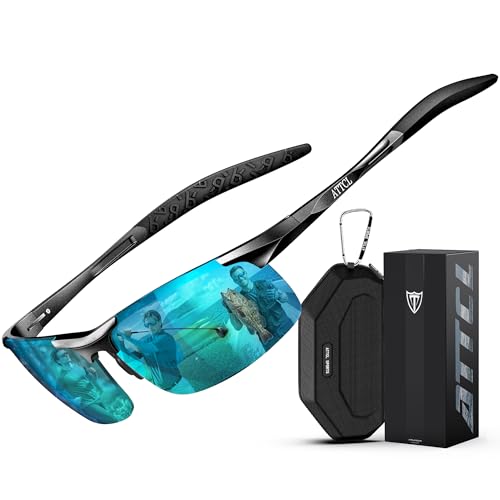
ATTCL Al-Mg Metal Golf Sunglasses
Strengths
- Lightweight metal frame
- Sharp, stylish design
- Good grip in heat and sweat
Trade-offs
- Polarized lenses limit green depth accuracy
- Not ideal for precision putting
At just 20g and built with an aluminum-magnesium alloy, these ATTCL sunglasses feel premium for the price. The metal frame gives them a sharper look than most plastic sport frames, and owners say they hold their shape well over time. The polarized TAC lenses deliver solid glare reduction, which helps on bright fairways or near water hazards.
But again, we’re back to the polarization dilemma. While great for fishing or driving, polarized lenses can make it harder to read subtle breaks on greens and may cause issues with digital displays. If you’re a golfer who also spends time on the water or behind the wheel, these offer a balanced performance. The secure fit and sweat-resistant nose pads earn consistent praise, especially in warmer climates.
Video review
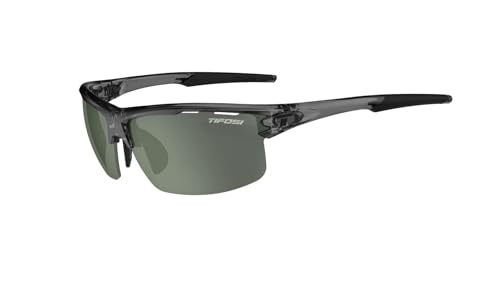
Tifosi Optics Rivet Sunglasses
Strengths
- Superior green contrast
- Vented lenses reduce fog
- Sweat-enhanced grip
Trade-offs
- Higher price point
- Limited to medium-large fits
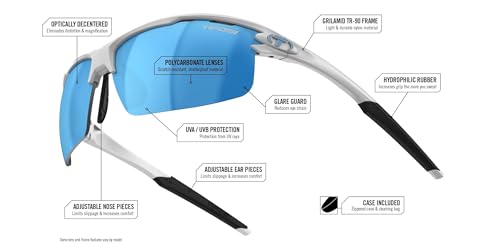
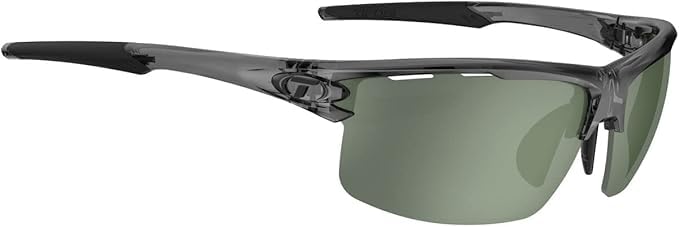
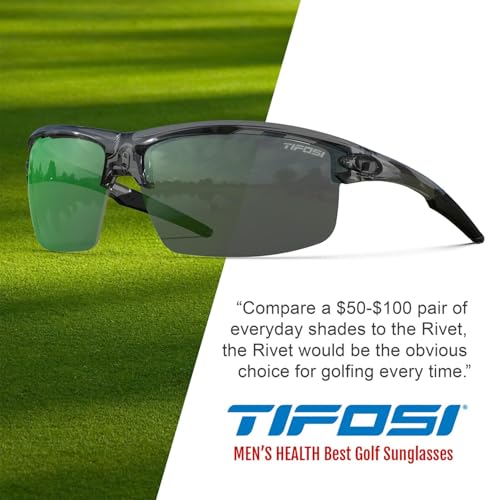
Tifosi has a loyal following among golfers and cyclists, and the Rivet with Enliven Golf lenses explains why. The Enliven green lens isn’t just for show, it’s tuned to enhance terrain definition, making subtle slopes and grain on the green more visible. That’s the kind of detail that separates average and elite gear in this category.
Weighing 28g, it’s not the lightest, but the Grilamid frame is tough and comfortable for long rounds. The vented lenses are a smart touch, reducing fogging without compromising coverage. Hydrophilic rubber pads mean they grip better when you sweat, a small thing that makes a big difference during a summer round. Compared to budget models, this one feels like a precision tool rather than a general accessory.
Product photos


Golf Sunglasses Polarized for Men Women
Strengths
- Very affordable
- Lightweight and secure fit
- Adaptable frame design
Trade-offs
- Basic optical performance
- Polarized limits green reading
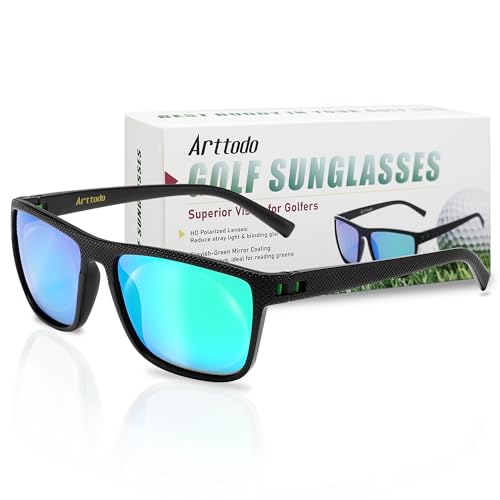
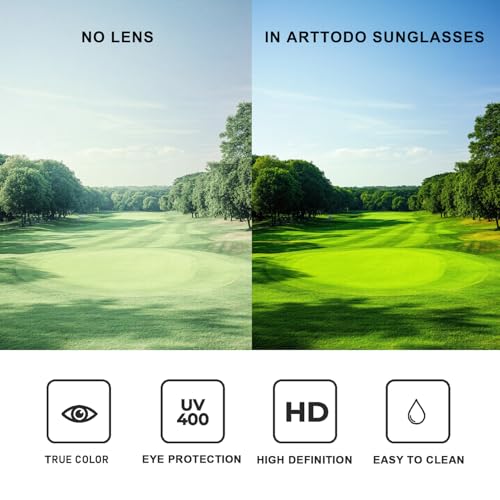
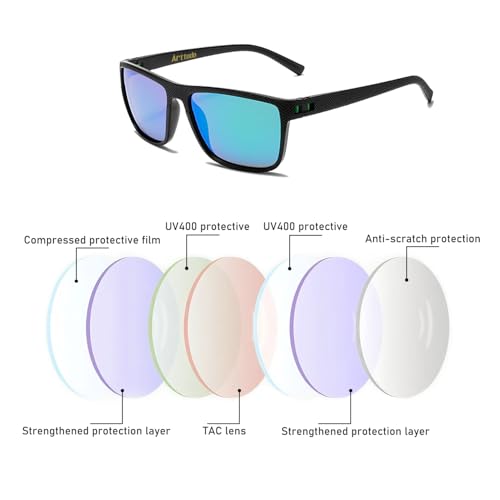
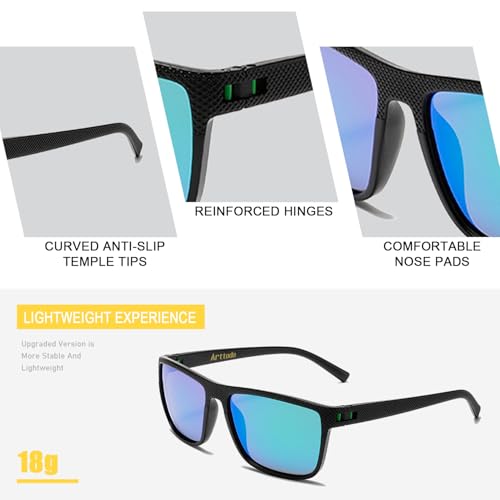
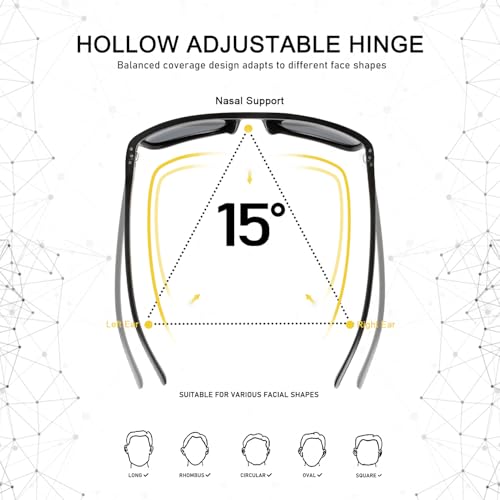
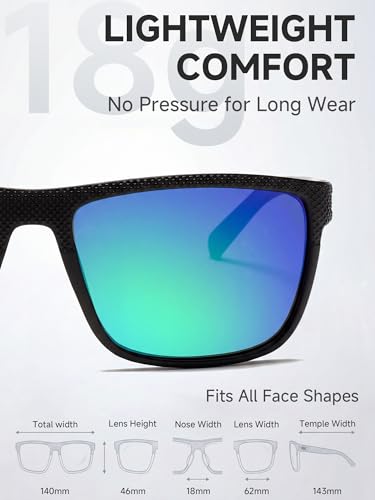
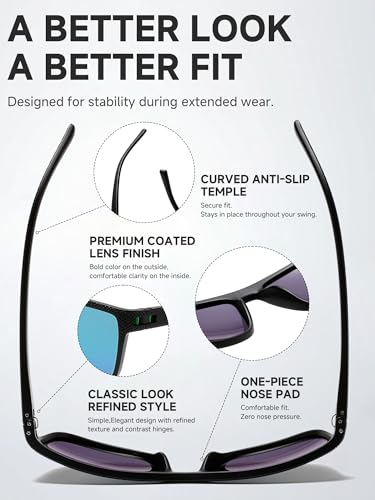
This model hits the absolute budget tier, but still delivers core features: 18g weight, UV400 protection, and a dark green mirror coating that helps with glare on sunny days. The one-piece nose pad and adjustable hinges make it surprisingly adaptable across face shapes, and owners note it stays put during full swings.
It’s clearly designed as a multi-sport option, not a golf-specific tool. The polarized lens reduces glare but sacrifices depth perception, and the lens tech doesn’t enhance green contours like higher-end models. Still, for someone who plays occasionally and wants a spare pair without spending much, it’s a functional choice. Just don’t expect it to help you read subtle breaks.
Product photos
BLAITEJUS HD Golf Ball-Finding Sunglasses

Strengths
- Excellent anti-fog performance
- Non-polarized for true depth
- Lightweight and hat-compatible
Trade-offs
- Higher price than budget options
- Limited aesthetic variety
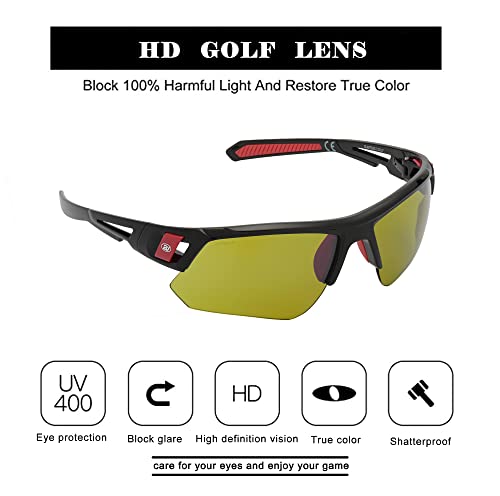
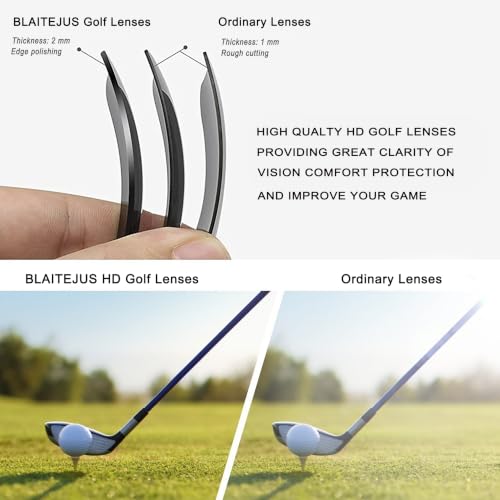
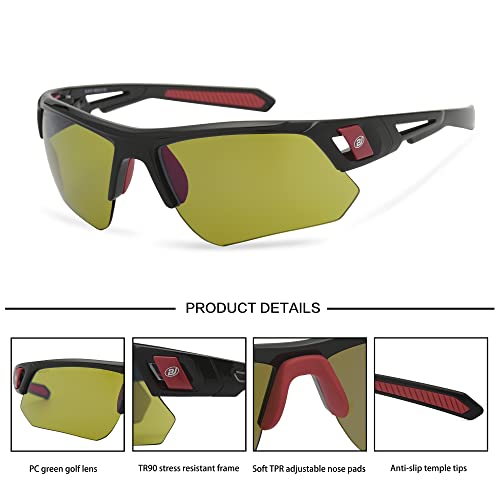
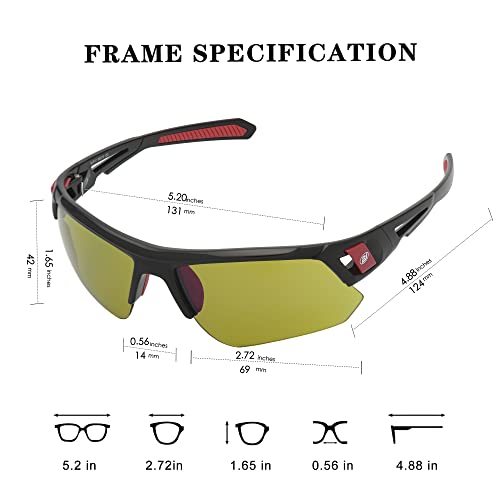
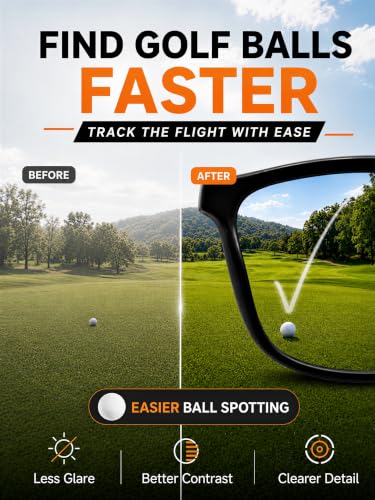
The anti-fog design here stands out, multiple owners mention wearing these in humid conditions without issues, thanks to the TR90 frame and vented TPR contact points. But the bigger story is the non-polarized HD lens. By blocking 95% of blue light instead of using polarization, it enhances contrast between the ball, sky, and turf without distorting depth. That’s a win for serious golfers.
The 2.0mm polycarbonate lens is impact-resistant and delivers crisp vision, and the lightweight build means you’ll forget you’re wearing them by the 10th hole. The frame works well with hats and visors, which many overlook but matters in real use. Compared to polarized models, this one prioritizes golf-specific needs over general outdoor appeal.
Product photos
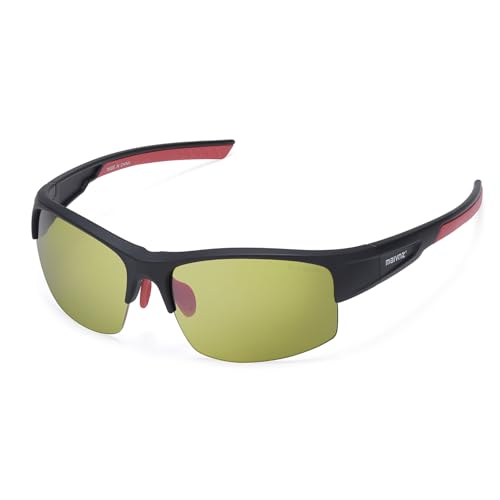
maivnz Golf Sunglasses Men Women
Strengths
- Enhanced ball tracking
- Non-polarized for depth accuracy
- Clear LCD screen visibility
Trade-offs
- Limited use beyond golf
- Slightly higher price than basic models
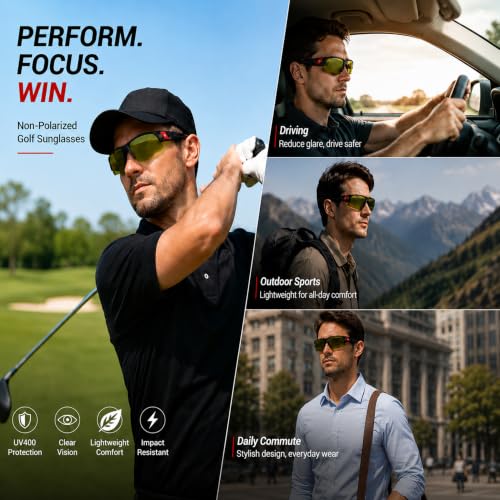
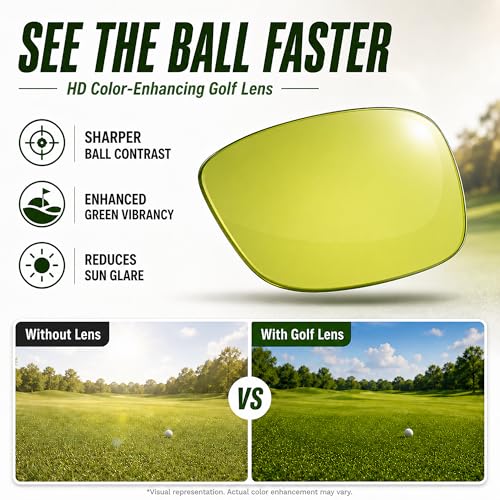
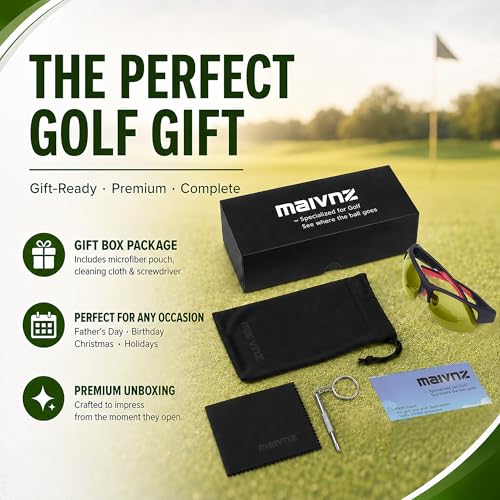
This is one of the few models here that openly rejects polarization, which I actually appreciate. The non-polarized, color-enhancing lens is engineered specifically to boost contrast between a white golf ball and green grass, and owners confirm it works well in practice. That’s huge when you’re scanning rough or trying to track a high fade against a bright sky.
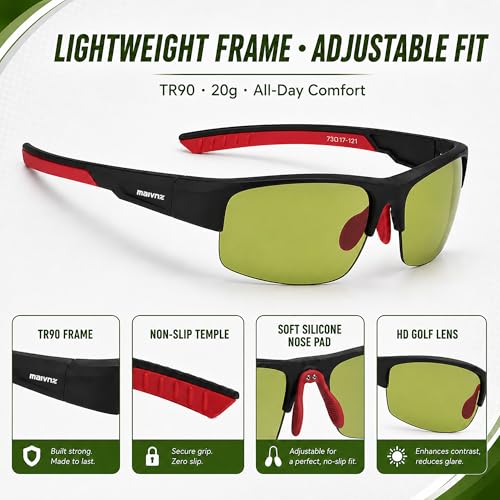
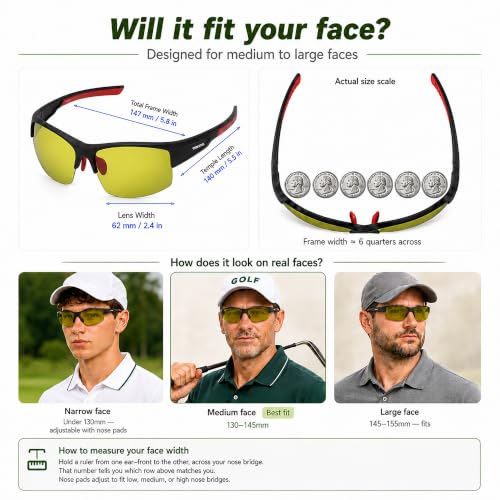
The polycarbonate lens is 2.0mm thick, which helps with durability and optical clarity. More importantly, because it’s not polarized, it preserves depth perception and doesn’t interfere with GPS devices or rangefinders, something many golfers don’t realize until they’re frustrated on the course. The frame is lightweight and designed for stability, with soft silicone nose pads that grip well. For pure golf functionality, this is a smarter choice than most polarized options.
Product photos

Nanrton Golf Sunglasses for Men
Strengths
- Extremely lightweight at 18g
- Affordable polarized option
- Durable for daily use
Trade-offs
- Polarized lenses distort depth
- Basic lens technology
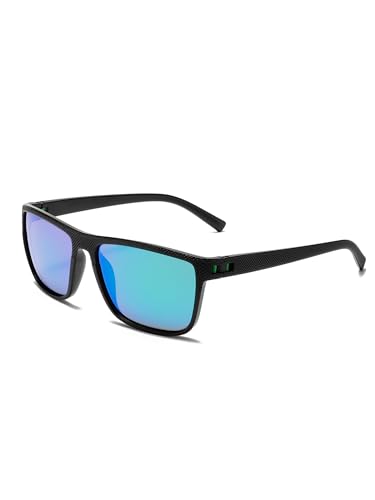
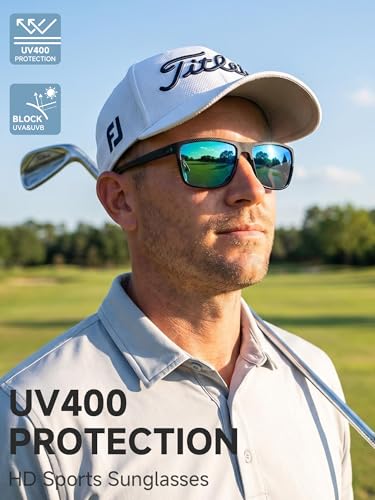
At 18g, these are among the lightest in the lineup, and owners say they disappear on your face, ideal for players who hate heavy frames. The polarized UV400 lenses cut glare well on cart paths and fairways, and the blue mirror coating adds a modern look. For the price, the build quality holds up, with polycarbonate lenses that resist scratches from regular use.
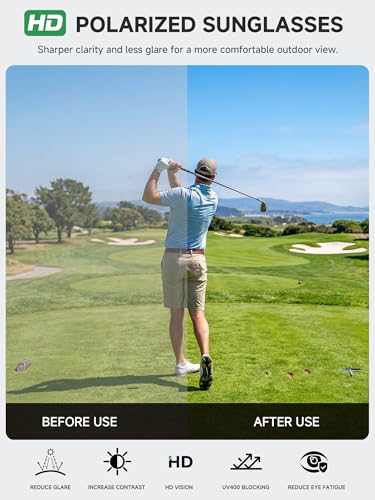
But like other polarized models, they fall short when it comes to depth perception. If you’re serious about reading greens, you’ll notice the flattening effect. Still, for a golfer who wants a no-frills, affordable pair that performs decently on bright days and doubles as driving glasses, this is a strong value. The secure fit during swings also gets positive feedback.
Product photos
How We Picked These sunglasses for golf
Rather than a hands-on lab test, this is a research-led comparison of published specifications and owner feedback. I examined details like lens material, frame weight, UV protection, and features like polarization and adjustability across numerous models. We weighed published expert reviews from golf publications and sporting goods sites alongside thousands of owner reviews from major retailers to get a sense of real-world performance and durability. My goal was to identify sunglasses that consistently score highly across these key areas.
For golf, three factors stood out as most critical: clarity, comfort, and glare reduction. Clear vision is paramount for tracking the ball, reading greens, and judging distances. Lightweight frames and a secure fit are essential for all-day comfort during a round. Finally, effective glare reduction – whether through polarization or specialized tints – is vital for minimizing eye strain and maximizing visibility in bright conditions. These factors significantly influenced our rankings.
Specifications reliably indicate UV protection levels and lens materials (polycarbonate versus more premium options). However, assessing comfort and real-world visual performance required a deep explore owner feedback. Many golfers specifically discuss how well a pair stays put during a swing or how effectively sunglass tints enhance contrast on the course. We also considered reputation; brands consistently praised for quality and durability received greater weight. For female golfers, we also refer to our guide on sunglasses for women.
How To Pick The Right sunglasses for golf
Finding the right sunglasses can significantly improve your golf game and overall enjoyment on the course. It’s about more than just blocking the sun; it’s about enhancing vision, depth perception, and comfort during those long rounds.
A quality pair of golf sunglasses should prioritize clarity, UV protection, and a secure fit. Look for lenses with minimal distortion, impact resistance (polycarbonate is a good benchmark), and frames that stay put through a full swing. Consider features like polarization, lens tints optimized for golf, and adjustable components for a personalized feel.
Lens Technology Is Paramount
The lens is, without question, the most critical component. While a dark tint looks cool, it doesn’t necessarily translate to better performance. Many golfers assume polarization is always best, but that’s simply not true. Polarization excels at reducing glare from water or pavement, but it can sometimes distort your perception of the green, making it harder to read breaks. For many, especially those who rely on seeing subtle contours, non-polarized lenses specifically designed for golf – like those found in the BLAITEJUS HD Golf Ball-Finding Sunglasses – can be a better choice. Ultimately, understanding the nuances of sunglass lens colors will help you choose wisely.
Frame Fit and Comfort Matter
A comfortable, secure fit is essential. You don’t want to be constantly adjusting your sunglasses mid-swing, and a poorly fitting pair can create pressure points and headaches. Look for frames made of lightweight materials like TR90 or Al-Mg alloy (as seen in the ATTCL Al-Mg Metal Golf Sunglasses). Adjustable nose pads and temple tips are also huge benefits, allowing you to customize the fit to your face.
Here’s what to consider when assessing fit: * Weight: Under 25g is ideal for all-day comfort. * Adjustability: Nose pads and temple tips allow for a personalized fit. * Material: Flexible frames like TR90 are more forgiving and less likely to break.
A good rule of thumb: If the sunglasses feel noticeable before you start swinging, they’ll become a distraction during your round.
Balancing Value and Specific Needs
Golf sunglasses range dramatically in price, and you don’t necessarily need to spend a fortune to get a quality pair. The Golf Sunglasses Polarized for Men Women are a great example of a budget-friendly option that still offers polarized lenses and decent impact protection. However, if you frequently play in bright conditions and struggle with glare, investing in a high-quality pair with specialized lens technology – or even exploring best polarized golf sunglasses – might be worth the extra cost. Think about your typical playing conditions and prioritize the features that will benefit your game the most. Choosing the right lens tints can also make a big difference.
Sunglasses for Golf Compared
Here’s a comparison of key specifications for sunglasses designed for golf.
| Product Title | Weight (grams) | Lens Type | UV Protection | Polarized | Frame Material |
|---|---|---|---|---|---|
| Lamicall Polarized Sports Sunglasses | 24 | TAC Polarized | UV400 | Yes | TR90 |
| ATTCL Al-Mg Metal Golf Sunglasses | 20 | TAC Polarized | UV400 | Yes | Al-Mg Alloy |
| Tifosi Optics Rivet Sunglasses | 28 | Polycarbonate | UVA/UVB | No | Grilamid TR-90 |
| Golf Sunglasses Polarized for Men Women | 18 | Polycarbonate | UV400 | Yes | Polycarbonate |
| BLAITEJUS HD Golf Ball-Finding Sunglasses | N/A | Polycarbonate | UV400 | No | TR90 |
| maivnz Golf Sunglasses Men Women | N/A | Polycarbonate | UV400 | No | N/A |
| Nanrton Golf Sunglasses for Men | 18 | Polycarbonate | UV400 | Yes | Polycarbonate |
Frequently Asked Questions
What UV protection level should I look for in golf sunglasses?
UV400 protection is the standard you should seek, as it blocks 100% of UVA and UVB rays. This level of protection isn’t just about comfort; consistent exposure to UV radiation can contribute to long-term eye health issues.
Are more expensive sunglasses always better for golf?
Not necessarily. While premium materials and advanced lens technology can offer benefits, a higher price tag doesn’t guarantee improved performance for every golfer. Finding sunglasses that fit well and address your specific needs (glare, contrast) is more important than simply spending more.
Can I wear the same sunglasses for golf and tennis?
Yes, many golfers find golf and tennis sunglasses suitable for both sports, but there are trade-offs. Sunglasses designed specifically for golf often prioritize contrast and depth perception, whereas tennis eyewear may emphasize peripheral vision and impact resistance.
Is polarization always the best choice for golf lenses?
Polarization isn’t always ideal. While it reduces glare well, it can also distort the green’s surface, affecting your ability to read breaks. Many golfers prefer non-polarized sunglasses with specialized tints for enhanced clarity and contrast.
What frame materials offer the best combination of durability and comfort?
TR90 and Al-Mg alloy are both excellent choices. TR90 is a flexible, lightweight plastic that’s resistant to cracking, while Al-Mg alloy provides a more premium feel with good durability and adjustability.
The Bottom Line
Choosing golf sunglasses often comes down to balancing how much you want to spend against how much performance you require. If you’re seeking a blend of quality and value, the Lamicall Polarized Sports Sunglasses stand out as a strong all-around performer. They deliver excellent polarization and UV protection in a lightweight package, making them a great choice for most golfers.
For those on a tighter budget, the Golf Sunglasses Polarized for Men Women provide a surprisingly capable option. Alternatively, if you prioritize specialized vision for reading greens and finding your ball, the BLAITEJUS HD Golf Ball-Finding Sunglasses are a unique pick. And for golfers looking for men’s golf sunglasses, the ATTCL Al-Mg Metal Golf Sunglasses are a sleek and durable option.
Ultimately, the best sunglasses aren’t about the flashiest tech or the highest price tag. It’s about clear vision, consistent comfort, and reliable UV protection sunglasses – those are the fundamentals that will truly improve your experience on the course, round after round.
