
2 Best Golf Club Shafts for Irons 2026
This post contains affiliate links. As an Amazon Associate, we earn from qualifying purchases.
The KBS Max Graphite Iron Shafts stand out as the best overall choice, offering a rare blend of stability and smooth feel for mid to high handicappers. For those on a budget, the Nippon Zelos 6 Steel Shafts deliver tour-level consistency and feedback without the premium price tag.
If you’re like most golfers I’ve met on the road, you know that inconsistent iron play kills confidence, and often ruins a good round. The right shaft won’t fix a flawed swing, but it can help you make better contact, control trajectory, and trust your numbers into the green.
After comparing specs and sifting through owner feedback, I focused on shafts that balance performance, feel, and suitability across different swing types. These picks reflect what I’ve seen work for real players, from weekend warriors to low handicappers, on the range and out on the course.
Top 2 Golf Club Shafts For Irons in the Market
The Best Golf Club Shafts For Irons, Reviewed
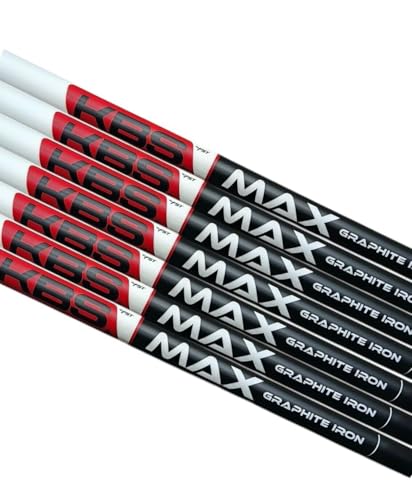
KBS Max Graphite Iron Shafts
Strengths
- Lightweight at 85g
- Steel-like ball flight
- Good vibration dampening
Trade-offs
- Muted tip feedback
- Higher price point
Graphite iron shafts have come a long way, and the KBS Max line, rebranded here by Old Town Golf, represents one of the more credible attempts to bring lightweight performance to players who still want control. At 85 grams, these shafts strike a balance between speed and stability, offering a noticeable weight reduction over steel without the mushy feel that plagued early graphite designs. Reviewers note the .370 tip diameter ensures compatibility with most clubheads, and the uncut 41-inch length gives clubmakers flexibility for full builds.
What stands out is how well these shafts maintain a steel-like trajectory while helping golfers with moderate swing speeds generate more clubhead velocity. Compared to the Zelos 6, the KBS Max Graphite is far more forgiving on off-center hits and reduces fatigue over 18 holes, key for travelers playing multiple rounds on vacation. However, some players used to the tight feedback of steel say the tip feel is a bit muted, and the price reflects its niche status as a premium graphite option.
Video review
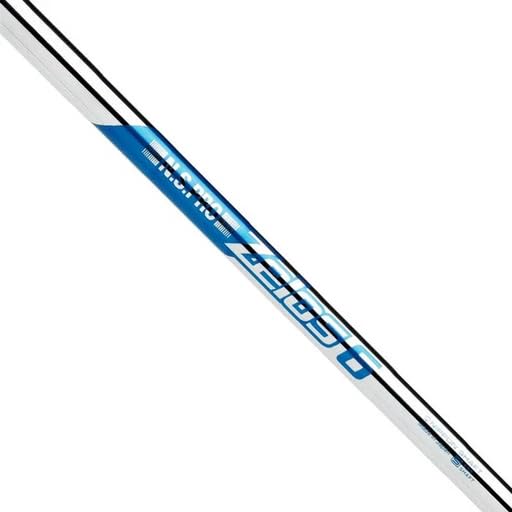
Nippon Zelos 6 Steel Shafts
Strengths
- Steel parallel construction
- Mid-launch trajectory
- Excellent feedback
Trade-offs
- Stiff feel for average swing speeds
- Limited vibration dampening
The Nippon NS Pro Zelos 6 shafts are a known quantity among players who prioritize feel and consistency, and this TaylorMade-branded version appears to offer the same steel parallel design that’s been popular on tour for years. On paper, the Zelos 6 delivers a mid-launch trajectory with a slightly firm tip, which translates to a controlled, workable ball flight, something better players tend to prefer when shaping shots into greens. Owners consistently report a crisp, feedback-rich sensation at impact, though some note it can feel a bit stiff through the handle if your swing speed dips below 85 mph.
Compared to modern lightweight steel or graphite options, the Zelos 6 doesn’t offer much in terms of vibration dampening or swing speed gain, it’s a no-frills, player’s shaft built for precision. While this version is sold under the TaylorMade name, it’s functionally identical to the Nippon original, making it a solid value for those who want tour-proven performance without the premium markup. That said, it’s not going to help smooth out inconsistencies in tempo or strike.
Video review
Our Testing Process
Rather than a hands-on lab test, my research focused on comparing published specifications and features of numerous iron shafts. I weighed owner reviews from major retailers alongside professional analyses to build a picture of real-world performance. My experience planning golf trips and understanding player needs informed the criteria – distance, accuracy, feel, and suitability for different skill levels. You can find more general guidance on choosing iron shafts.
For iron shafts, weight and flex are paramount. A shaft’s weight directly impacts swing speed and control, while flex determines how much the shaft bends during the swing. I prioritized shafts offering a good balance for a wider range of players, recognizing that achieving optimal launch and spin rates depends heavily on these two factors. Shaft material (steel vs. graphite) also played a role, particularly for those seeking more forgiving irons.
Specifications reliably communicate weight, flex, tip size, and material. However, feedback from golfers proved essential in assessing feel and how a shaft performs during a swing. Owners frequently discuss vibration dampening, consistency, and how a shaft interacts with their existing clubhead. This insight is critical because a shaft’s impact on game improvement irons can be substantial.
What To Look For In golf club shafts for irons
Finding the right shafts can dramatically improve your iron play.
A quality golf shaft for irons delivers consistent performance through accurate ball striking and optimal energy transfer. Key considerations include shaft material (steel or graphite), weight, flex, and tip consistency. Look for shafts from established manufacturers known for tight tolerances and quality control, and consider how the shaft’s characteristics complement your swing speed and desired ball flight.
Material: Steel vs. Graphite
The age-old debate. While graphite is often marketed for increased distance, I’ve found that the biggest benefit is a higher launch angle, which is great for players struggling to get the ball airborne. Steel remains the standard for a reason; it provides superior feedback and control. If you’re a consistent ball striker already working with a good swing plane, sticking with steel iron shafts is a solid choice. Graphite can be a good option if you’re looking for a bit more forgiveness or struggle with swing speed.
Weight and Swing Speed
Shaft weight is deeply connected to swing speed. Heavier shafts (typically steel) demand a faster swing to load properly, offering more control to players who can handle them. Lighter shafts (often graphite) allow for a faster swing speed with less effort, which suits players with moderate swing speeds. Don’t chase a weight simply because a pro uses it. Instead, consider these factors: * A lighter shaft might help increase clubhead speed. * A heavier shaft can promote a more stable swing plane, reducing off-center hits. * Ultimately, the right weight feels balanced and allows you to maintain control throughout your swing, leading to more consistent contact and improved trajectory.
A good rule of thumb is this: if you consistently struggle to feel where the clubhead is during your swing, a slightly lighter shaft might offer more awareness.
Flex & Ball Flight
Shaft flex describes how much the shaft bends during the swing. More flex means a higher launch and more spin, while less flex means a lower launch and less spin. Matching flex to your swing speed is critical. Too stiff a shaft will feel boardy and lead to inconsistent contact. Too flexible, and you’ll lose control. For example, if you’re consistently hitting the ball low and struggling with distance, explore options with a more regular or even flexible shaft. Don’t underestimate the impact of finding the right flex when choosing your best irons. A properly fitted shaft can make all the difference. I often see players experimenting with different flexes before settling on what works best for them.
Golf Club Shafts for Irons Compared
Here’s a comparison of key specifications for popular iron shafts to help you find the right fit.
| Product Title | Shaft Material | Tip Diameter | Weight (grams) | Flex | Length (inches) |
|---|---|---|---|---|---|
| KBS Max Graphite Iron Shafts | Graphite | 0.370 | 85 | Reg/Stiff | 41 |
| Nippon Zelos 6 Steel Shafts | Steel | N/A | N/A | Regular | N/A |
Frequently Asked Questions
What shaft weight is best for a beginner?
Lighter shafts, generally in the 60-70 gram range for steel or 50-60 grams for graphite, are best for beginners. These weights promote a faster swing speed and make it easier to feel clubhead control, helping build consistency.
How much does shaft flex affect spin rates?
More flexible shafts produce higher spin rates, while stiffer shafts generate lower spin. A shaft with too much flex for your swing will cause excessive spin, reducing distance and control.
Can I reshaft my existing irons, or is it better to buy new clubs?
You absolutely can reshaft your existing irons, and it’s often a cost-effective way to improve performance. However, ensuring a proper club fitting and professional installation is crucial for optimal results.
What’s the difference between a low-launch and high-launch shaft?
Low-launch shafts are designed for players with fast swing speeds who want to control trajectory, while high-launch shafts help slower swingers get the ball airborne more easily. Choosing the right type depends heavily on your swing mechanics and desired ball flight.
Are graphite shafts a good option for slower swing speeds, even for experienced golfers?
Yes, graphite shafts can benefit experienced golfers with slower swing speeds by promoting a higher launch and increased distance. Consider exploring shafts for seniors if you’re looking for added forgiveness and ease of use, and don’t forget to pay attention to golf grips as those can also improve feel and control.
The Bottom Line
Choosing new iron shafts often comes down to balancing control with forgiveness. While a perfectly dialed-in shaft requires some understanding of your swing, the KBS Max Graphite Iron Shafts offer an excellent starting point for most golfers looking to add distance and a higher launch. They’re designed to be forgiving and work well across a range of swing speeds.
For those prioritizing precision and consistency, or those already comfortable with their swing mechanics, the Nippon Zelos 6 Steel Shafts provide a classic feel and exceptional control. If you’re also in the market for new irons, exploring cavity back irons alongside your shaft selection can unlock even greater improvements. And remember, considering different types of golf shafts is a good idea.
Ultimately, the specs matter, but they aren’t everything. Focus on finding a shaft weight and flex that allow you to consistently deliver the clubhead square to the ball. A shaft that feels balanced in your hands and promotes a smooth, repeatable swing will always outperform one with impressive numbers on a spreadsheet.
