
8 Best Batteries for Gas Golf Cart 2026
This post contains affiliate links. As an Amazon Associate, we earn from qualifying purchases.
This post contains affiliate links. As an Amazon Associate, we earn from qualifying purchases.
The OGRPHY 48V 105Ah is the best overall battery for gas golf carts, offering top-tier capacity and smart features. For a solid budget-friendly alternative, the DJLBERMPW 48V 100Ah delivers exceptional cycle life at a lower price. If you’re after maximum versatility across different cart models, the TEMGO 48V 100Ah balances power, Bluetooth monitoring, and broad compatibility.
Choosing the wrong battery can mean getting stranded mid-round or wasting money on replacements every season. As someone who’s spent years helping golf travelers plan seamless trips, I know how critical reliable cart performance is, especially when you’re navigating a remote links course or a sprawling resort.
This guide cuts through the noise by focusing on real-world specs and owner experiences. I looked at capacity, cycle life, BMS intelligence, and physical fit to identify the best options for gas carts. These picks aren’t just about power, they’re about getting through 18 holes, year after year, without hassle.
Top 8 Batteries For Gas Golf Cart in the Market
The Best Batteries For Gas Golf Cart, Reviewed
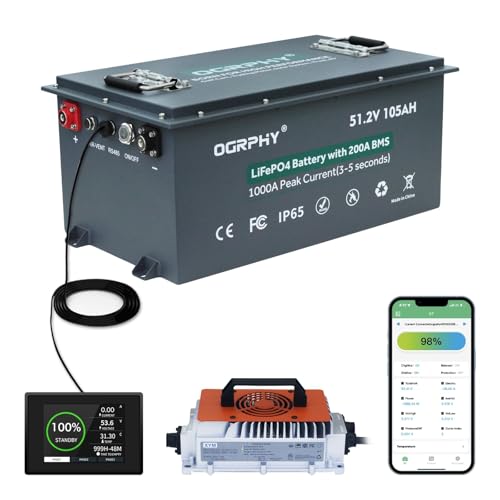
OGRPHY 48V 105Ah Lithium Battery
Strengths
- 105Ah high capacity
- 5-year warranty
- Touch monitor included
- 1000A peak current
- Compact design
Trade-offs
- No CAN bus support
- Slightly larger footprint
- App can be glitchy
OGRPHY positions this as the best overall, and on specs and owner feedback, it’s hard to disagree. The 105Ah capacity gives it a real edge in range, owners report 50+ miles on a charge, which is more than enough for multiple rounds or course maintenance runs. The 200A BMS with 1000A peak current is a standout, especially when climbing steep fairways or running a cart loaded with gear. I also like the compact size; it fits in more cart models than bulkier lithium packs, and the touch monitor adds real-time confidence while rolling.
The app integration works well for troubleshooting, and the 5-year warranty with prepaid return shipping is a strong vote of confidence. Compared to the TEMGO model, it offers slightly more capacity and a better support structure, though it’s a bit pricier. If you want the most complete package with strong after-sales backup, this is my pick.
Video review
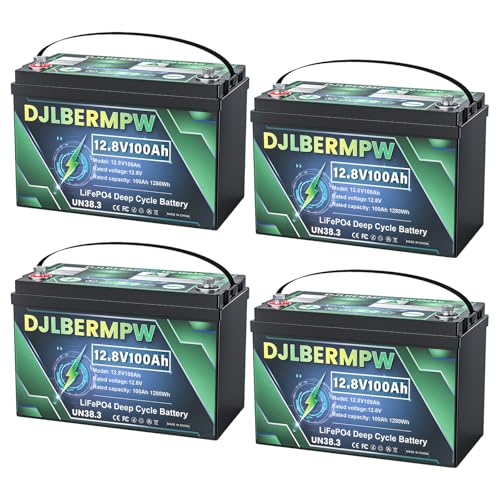
DJLBERMPW 48V 100Ah Lithium Battery
Strengths
- Low upfront cost
- Modular design
- IP66 waterproof
- Supports solar
- Scalable to 400Ah
Trade-offs
- No charger included
- DIY wiring required
- Lower BMS (100A)
This 4-pack of 12V LiFePO4 batteries offers a budget-friendly entry into lithium power, especially if you’re comfortable wiring your own 48V system. The individual 100Ah units are compact and can be arranged in various configurations, which helps with tight cart compartments. Owners appreciate the IP66 rating and low-temperature cutoff, making them safer in cold garages or shaded storage.
But here’s the catch: you’re assembling the system yourself. That means balancing voltages, running cables, and sourcing a compatible charger unless you buy extras. It’s not plug-and-play like the OGRPHY or TEMGO all-in-one units. Still, for the price, the specs are strong, 4000 to 15000 cycles depending on depth, and support for solar or marine use adds versatility.
Video review
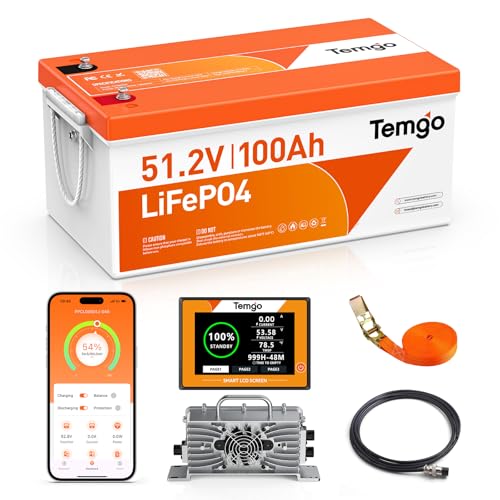
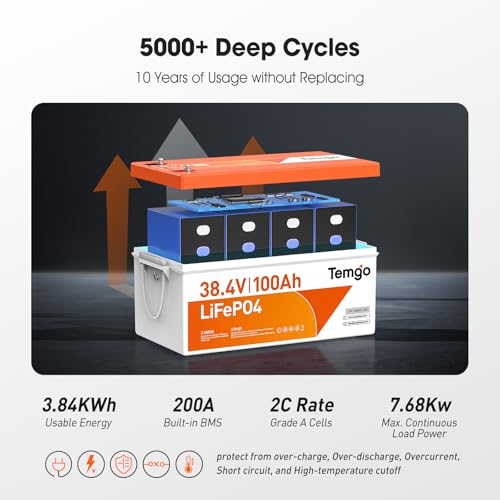
TEMGO 48V 100Ah LiFePO4 Battery
Strengths
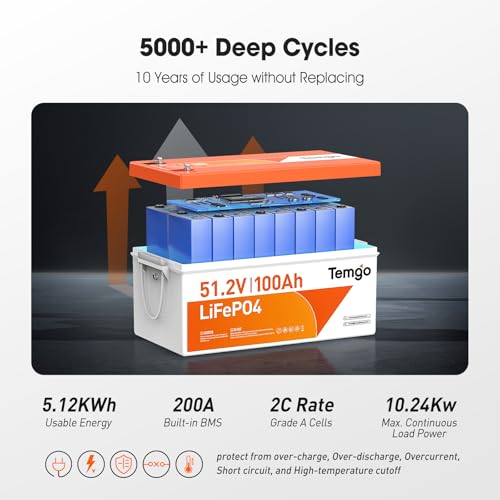
- 5000+ deep cycles
- Includes 18A charger
- Bluetooth monitoring
- 200A BMS
- Scalable up to 4 units
Trade-offs
- Not CAN bus compatible
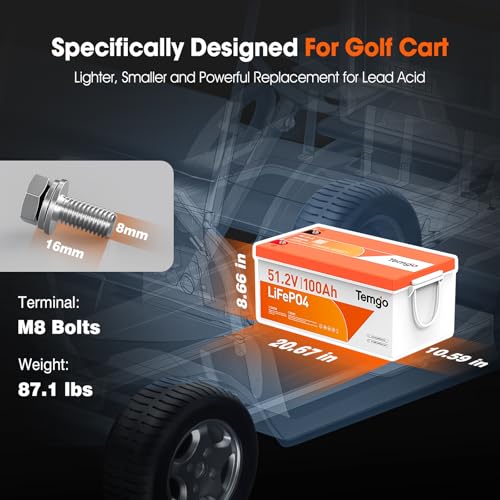
- Heavy at 70 lbs
- Higher upfront cost
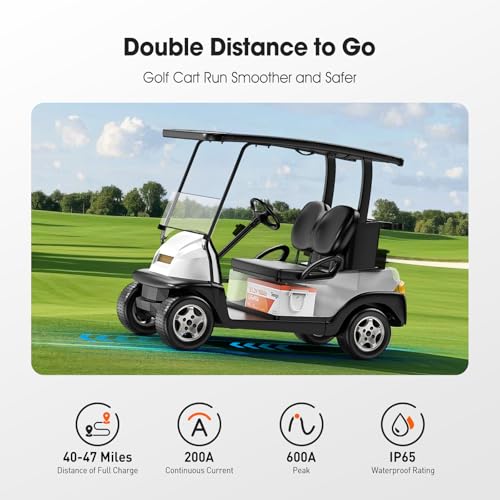
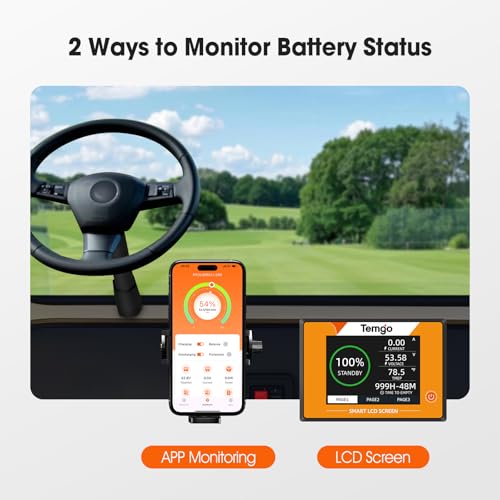
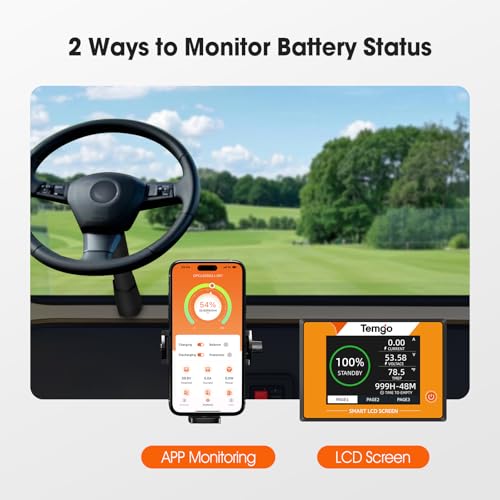
This TEMGO 48V lithium battery is a complete drop-in upgrade for older 48V lead-acid systems, and I appreciate that it includes the charger, display, and strap right out of the box. On paper, it’s built with A-grade LiFePO4 cells and a 200A BMS, which owners consistently report translates into solid hill-climbing power and no voltage sag over a full round, or even two. The Bluetooth app monitoring is a real perk, letting you check cell balance and temperature remotely, which matters when you’re storing carts between trips or running them hard in hot climates.
It’s also scalable up to four in parallel, which makes it appealing not just for golf carts but for off-grid setups or utility vehicles. Compared to other lithium kits, this one stands out for bundling everything you need, no hunting down a compatible charger or display. That said, it won’t work with carts that already run lithium with CAN bus communication, so double-check your controller before pulling the trigger.
Product photos

TEMGO 36V 100Ah LiFePO4 Battery

Strengths
- Complete kit included
- 5000+ cycles
- 200A BMS
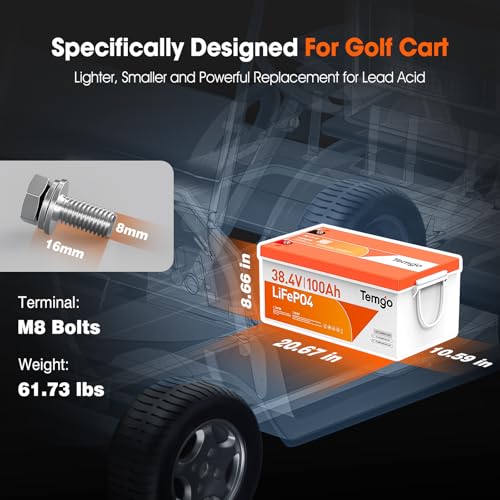
- Lighter than lead-acid
- Good for hilly terrain
Trade-offs
- 36V only
- No CAN support
- Limited parallel options
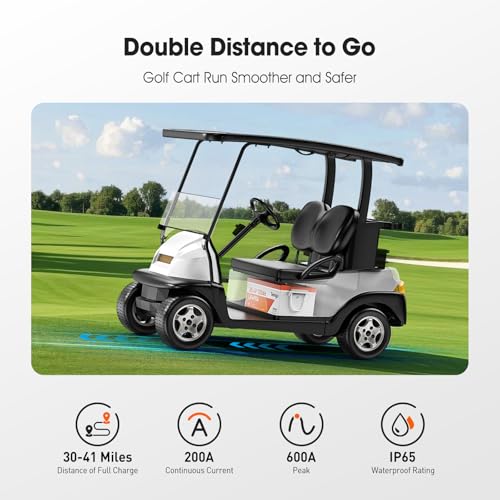
For older 36V carts, this TEMGO lithium pack is one of the cleanest upgrade paths available. It includes the charger, display, and BMS, just like its 48V sibling, so you’re not chasing down parts. The 5000+ cycle life is a massive jump from lead-acid, and owners say it holds voltage steady even on hilly layouts. It’s also lighter than a full lead-acid bank, which helps with cart balance and efficiency.
Where it falls short is scalability; while you can parallel up to four, it’s not as widely compatible with third-party systems as some other lithium options. But if you’re committed to a 36V setup and want a plug-and-play lithium conversion, this is one of the most trusted routes.
Product photos
LOSSIGY 36V 100Ah Lithium Battery
Strengths
- Fast 4-hour charging
- 25A charger included
- Bluetooth monitoring
- 200A BMS
- 5-year warranty
Trade-offs
- Basic fit and finish
- Limited series expansion
- Heavier than some
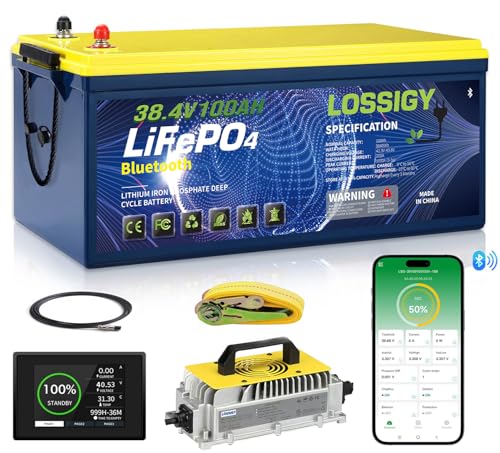
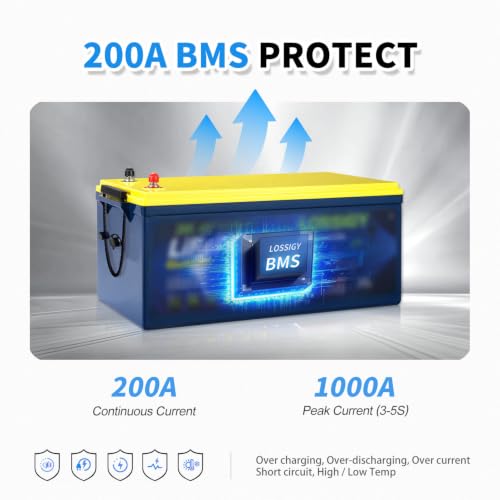
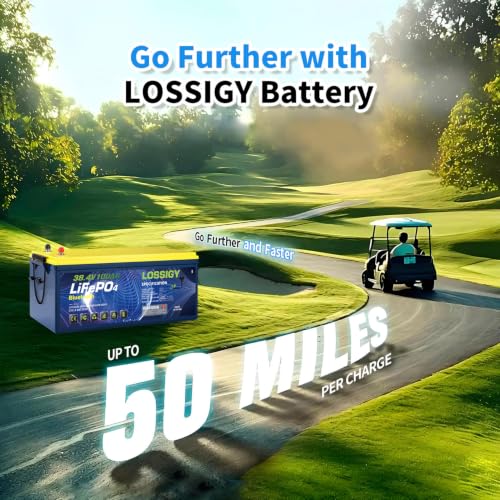
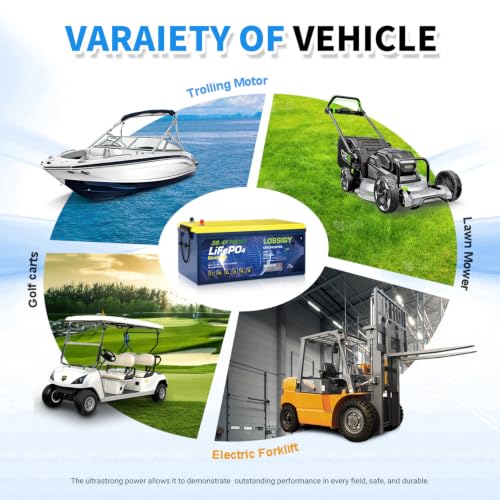
At a lower price point than most 36V lithium options, the LOSSIGY delivers solid value without major compromises. It’s built with A-grade cells and a 200A BMS that handles 1000A peaks, which is impressive for the cost. Owners praise the fast 4-hour recharge and the real-time Bluetooth monitoring, which works reliably for checking state of charge from a phone. The included 25A charger is a nice touch, faster than many competitors’ standard units.
It’s not quite as refined as the TEMGO or OGRPHY kits, and the build quality feels a bit utilitarian, but for a budget-conscious upgrade from lead-acid, it’s hard to beat. If you’re converting a personal cart and don’t need fleet-level polish, this is the smarter buy.
Product photos


Weize GC8 8V 182Ah AGM Battery

Strengths
- High 182Ah capacity
- Deep cycle AGM
- Spill-proof design
- Good vibration resistance
- 2-year warranty
Trade-offs
- Heavy at 71 lbs
- Shorter cycle life
- Requires maintenance
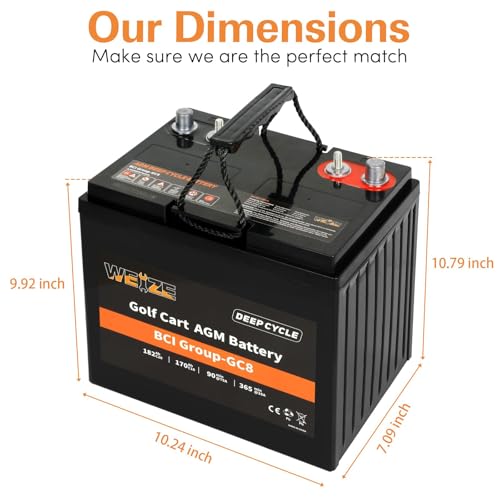
The Weize GC8 is a no-nonsense, high-capacity AGM battery that makes sense if you’re not ready to go lithium. With 182Ah and true deep-cycle construction, it outperforms most 6V and 8V lead-acid options in longevity and vibration resistance, critical when bouncing along cart paths. Owners consistently report 4–5 years of solid service with proper charging, which is excellent for AGM.
It’s heavy and needs regular maintenance to avoid sulfation, but if you’re managing a fleet or replacing a single failed battery in a bank, it’s a reliable, cost-effective fix. It won’t deliver the zip of lithium, but it’s a proven workhorse.
Product photos


Mighty Max ML35-12 GEL Battery
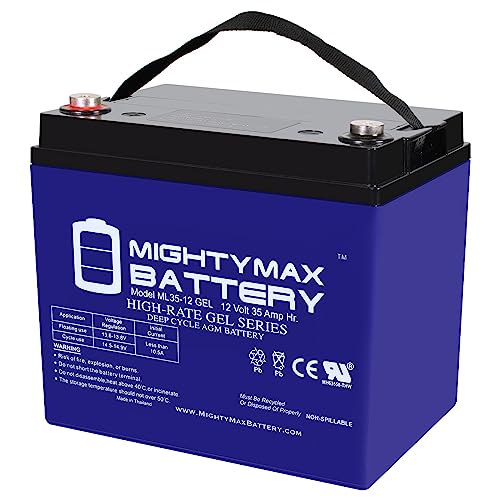
Strengths
- Excellent in extreme temps
- Low self-discharge
- Non-spillable design
- Trusted brand
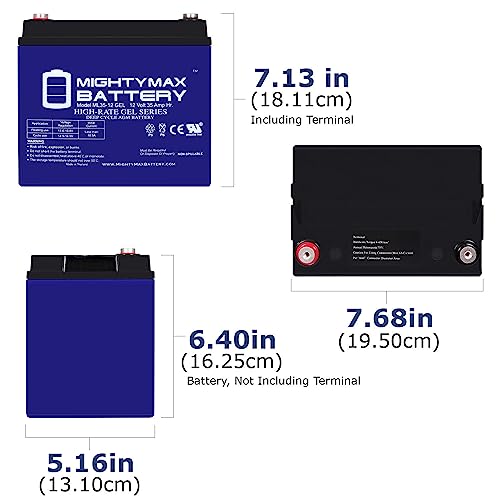
- 35Ah capacity
Trade-offs
- Limited to 12V systems
- Shorter lifespan than lithium
- Slower recharge
If you’re running a 12V system or replacing a single battery in a multi-bank setup, this Mighty Max GEL option is a solid performer in extreme heat or cold, something I’ve seen matter on desert courses in Arizona or high-elevation mountain carts in Colorado. GEL batteries like this one don’t just resist temperature swings; they also hold their charge longer when idle, which is ideal if your cart sits for weeks between rounds. Owners note fewer issues with sulfation compared to AGM, and the non-spillable design means less risk of acid damage during transport or bumpy rides to the course.
It won’t match lithium in cycle life or recharge speed, but for a maintenance-free 12V replacement that just works in tough conditions, it’s a dependable choice. Just don’t expect it to power a modern cart all day if you’re adding lights, GPS, or a cooler.
Product photos


Mighty Max ML-U1 12V Battery
Strengths
- Low cost
- 200CCA cranking power
- Compact size
- Spill-proof
- 1-year warranty
Trade-offs
- Not deep cycle
- Short lifespan under load
- Limited capacity
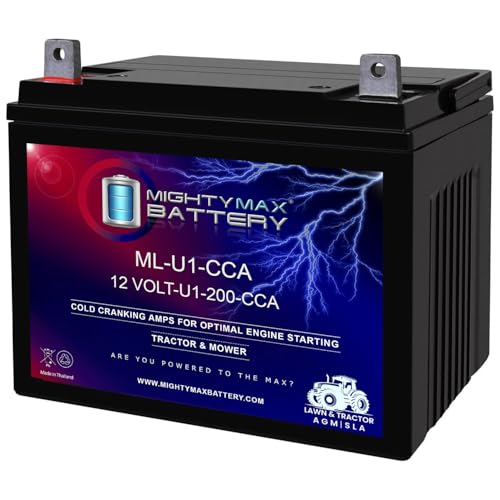
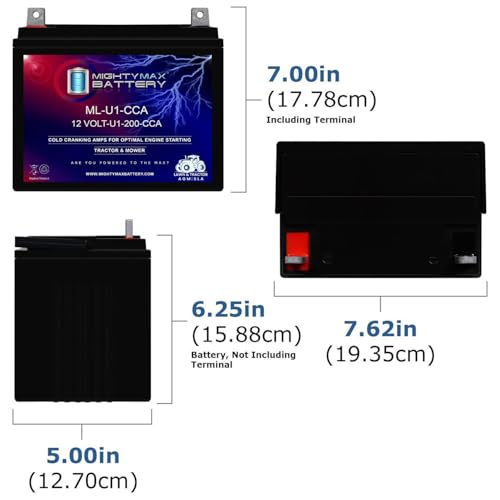
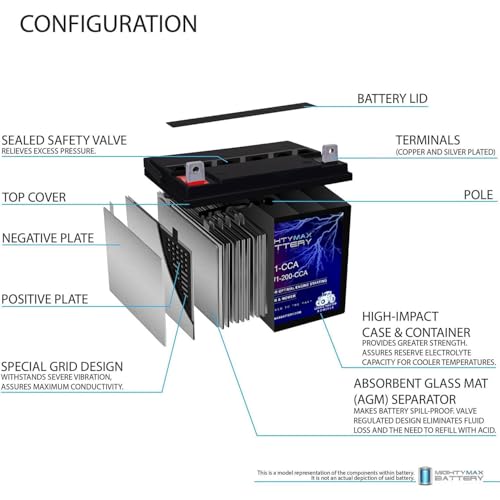
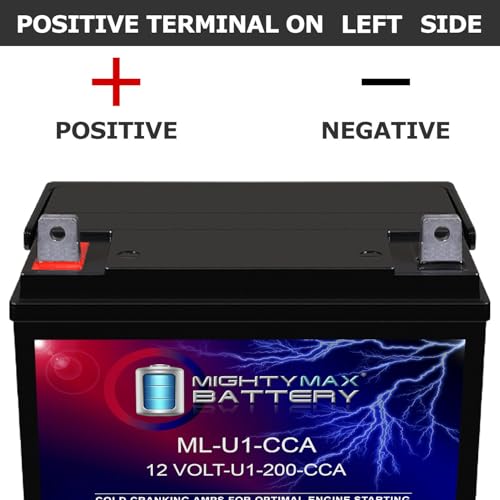
This ML-U1 is the most affordable 12V drop-in replacement you’ll find, and it does the basics well. With 200CCA and AGM construction, it delivers solid cranking power for older carts or utility vehicles. It’s lightweight, spill-proof, and can be mounted in tight spaces, useful when replacing a single failed battery in a multi-bank system.
But it’s not a deep-cycle battery, so it won’t handle repeated discharges like a true golf cart battery. Owners report quick degradation if used beyond starting or light accessory duty. Think of it as a backup or starter battery, not a primary power source.
Product photos

How We Evaluated batteries for gas golf cart
Rather than a hands-on lab test, this selection is a research-led comparison of published specifications and owner feedback. I focused on identifying batteries marketed for gas golf carts, then compared their key features, capacity, and warranty information. To build a well-rounded picture, I weighed owner reviews from multiple sources alongside expert opinions found in golf cart enthusiast forums and publications. This allowed me to assess real-world performance and reliability alongside manufacturer claims.
For gas golf carts, sustained voltage and amperage delivery are paramount, along with longevity. Therefore, I weighted continuous discharge rates and cycle life most heavily. A battery that can consistently provide sufficient power throughout a round, and withstand hundreds of charge/discharge cycles, is far more valuable than one with a slightly higher peak output but limited lifespan. The inclusion of a Battery Management System (BMS) also proved critical, as it influences both performance and safety.
I relied on manufacturer specifications to understand core capabilities like voltage, amp-hour capacity, and BMS features. However, I gave significant weight to owner feedback regarding real-world range, charging times, and durability. Reputable expert reviews helped validate claims and identify potential issues not readily apparent in marketing materials. You can find more information on selecting the right power source in our guide to best golf cart batteries. Don’t forget to consider the appropriate golf cart battery chargers to maximize the life of your investment.
What To Look For In batteries for gas golf cart
Choosing the right battery for your gas golf cart is about more than just voltage; it’s about maximizing range, reliability, and ultimately, your enjoyment on the course.
A good gas golf cart battery delivers consistent power, long run times, resists vibration from rough terrain, and offers a reasonable lifespan without demanding excessive maintenance. Key specs to compare include voltage, amp-hours (Ah) of capacity, discharge rate (in amps), and the battery management system (BMS) features for lithium options. Don’t overlook physical dimensions to ensure a proper fit within your cart’s battery tray.
Capacity and Range
The amp-hour (Ah) rating is the single most important factor when considering a new battery. A higher Ah rating translates directly to a longer run time between charges. While a standard lead-acid battery might offer around 50-60Ah, many lithium options now boast 100Ah or greater. Don’t simply assume “bigger is better” though. Consider your typical course length and driving style. If you regularly play 18 holes on a hilly course, a larger capacity battery is essential. If you primarily use the cart for short trips around a resort, you might not need the highest Ah rating available.
Battery Management System (BMS) Features
If you’re leaning towards a lithium battery (and you should be, honestly), pay close attention to the BMS. The BMS protects the battery from damage, optimizes performance, and extends its lifespan. Look for a BMS with features like overcharge protection, over-discharge protection, short circuit protection, and temperature monitoring. Some advanced systems, like those found in the TEMGO models, even offer Bluetooth connectivity for real-time monitoring of voltage, current, and temperature via a smartphone app. This level of insight can be incredibly valuable for preventative maintenance and troubleshooting.
- A basic BMS will cover the essentials (overcharge, discharge, short circuit).
- A mid-range BMS adds temperature protection, offering a safer operating range.
- A premium BMS, like those with Bluetooth, provides detailed data and control to maximize battery life and performance – a feature that can be well worth the extra investment, especially if you frequently use your cart in varying conditions.
A well-maintained lithium battery should last for thousands of cycles, significantly outperforming traditional lead-acid options.
Value and Physical Fit
While lithium batteries represent a higher upfront investment, the long-term value is often compelling. They require virtually no maintenance (no adding water, no terminal cleaning), offer a longer lifespan, and are significantly lighter than lead-acid alternatives. However, they’re not a universal fit. Before purchasing, carefully measure the dimensions of your existing battery tray and compare them to the specifications of the new battery. For those wanting to explore other options, checking out batteries for gas carts can give you a broader perspective. Don’t forget to consider the included accessories, such as a charger and battery monitor, when evaluating overall value. If you’re still using a 12-volt system, looking at 12 volt batteries can be a good place to start researching.
Batteries for Gas Golf Cart Compared
Here’s a comparison of key specifications for batteries compatible with gas golf carts.
| Product Title | Voltage | Capacity (Ah) | Chemistry | BMS (Amps) | Cycle Life | Special Features |
|---|---|---|---|---|---|---|
| OGRPHY 48V 105Ah | 48V | 105Ah | LiFePO4 | 200A | 4000+ | LCD Monitor, Bluetooth |
| DJLBERMPW 48V 100Ah | 48V | 100Ah | LiFePO4 | 100A | 15000 | Low Temp Cut-off |
| TEMGO 48V 100Ah | 48V | 100Ah | LiFePO4 | 200A | 5000+ | Bluetooth, LCD Display |
| TEMGO 36V 100Ah | 36V | 100Ah | LiFePO4 | 200A | 5000+ | Bluetooth, LCD Display |
| LOSSIGY 36V 100Ah | 36V | 100Ah | LiFePO4 | 200A | 4,000+ | Bluetooth, Battery Monitor |
| Weize GC8 8V 182Ah | 8V | 182Ah | AGM | N/A | N/A | Deep Cycle |
| Mighty Max ML35-12 | 12V | 35Ah | GEL | N/A | N/A | Spill Proof |
| Mighty Max ML-U1 | 12V | N/A | SLA | N/A | N/A | Sealed |
Frequently Asked Questions
What voltage battery do I need for my gas golf cart?
Most gas golf carts operate on either 36 or 48-volt systems. You must match the battery voltage to your cart’s existing voltage to avoid damaging the electrical components. Check your cart’s specifications or the old battery label to confirm the correct voltage.
Are lithium batteries really worth the extra cost?
Yes, lithium batteries offer a significantly longer lifespan and require minimal maintenance compared to lead-acid options. While the initial investment is higher, you’ll save money in the long run by avoiding frequent replacements and costly maintenance procedures. You can find more information on top-rated lithium batteries.
How long will a 100Ah lithium battery last in my gas golf cart?
A 100Ah lithium battery typically provides 30-50 miles of range, depending on terrain, load, and driving habits. However, hilly courses and heavier loads will reduce the range, so consider a higher Ah rating if you frequently encounter those conditions.
Can I mix and match battery types in my golf cart?
No, you should never mix different battery chemistries (like lead-acid and lithium) or even different types within the same chemistry. Mixing batteries can lead to uneven charging, reduced performance, and potential damage to the batteries and your cart’s electrical system.
What other upgrades should I consider when replacing my golf cart battery?
Beyond the battery itself, think about upgrading your charging system and adding useful essential cart add-ons. A high-quality charger optimized for lithium batteries, for example, will maximize battery life and performance, and accessories like a battery monitor can provide valuable insights.
The Bottom Line
Choosing a battery for your gas golf cart often comes down to balancing upfront cost with long-term value and performance. While lead-acid options remain available, the clear winner for most golfers seeking sustained power and reliability is the OGRPHY 48V 105Ah. Its high capacity, robust BMS, and integrated monitoring provide a level of peace of mind and consistent performance that’s hard to beat.
For those on a tighter budget, or those who prefer the familiarity of traditional technology, the Weize GC8 8V 182Ah is a solid choice. However, if you’re willing to invest a bit more for versatility and advanced features, the TEMGO 48V 100Ah delivers exceptional value with its Bluetooth connectivity and long cycle life. Understanding the nuances of a battery type comparison will help you make the most informed decision.
Ultimately, the most important thing isn’t the highest amp-hour rating or the most advanced BMS. It’s selecting a battery that fits your cart, suits your playing style, and allows you to spend more time enjoying your rounds on your favorite gas-powered golf carts. Prioritize consistent power delivery, a reasonable lifespan, and a battery that can hold up to the demands of the course.
