
8 Best Golf Wedge Shafts of 2026
This post contains affiliate links. As an Amazon Associate, we earn from qualifying purchases.
This post contains affiliate links. As an Amazon Associate, we earn from qualifying purchases.
The True Temper Dynamic Gold Black Onyx stands out as the top choice for precision and consistency, making it the best overall golf wedge shaft. For players seeking a more affordable yet reliable option, the True Temper Dynamic Gold 115 S300 delivers proven performance. Those wanting to reduce vibration without sacrificing control should consider the SK Fiber Pro 115 Black Graphite as a strong versatility pick.
If you’re like me and spend a lot of time on the course, you know that small differences in your wedges can make a big difference in scoring. Most golfers struggle with inconsistent spin, distance control, or harsh feedback, especially when switching between irons and wedges.
This guide cuts through the noise by focusing on shafts that deliver real-world performance, based on specs, owner feedback, and what I’ve learned from evaluating gear across dozens of global courses. We looked at weight, flex, material, and feel to find options that match different swing types and playing styles.
Top 8 Golf Wedge Shafts in the Market
The Best Golf Wedge Shafts, Reviewed
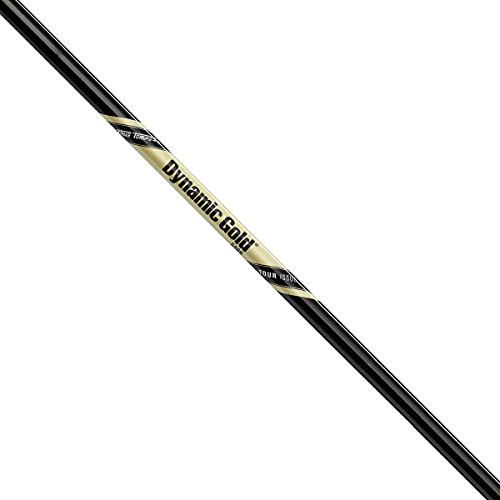
True Temper Dynamic Gold Black Onyx
Strengths
- Tour-level consistency
- Exceptional stability
- Precise feel
Trade-offs
- Very heavy
- Stiff for most amateurs
The Black Onyx is where True Temper refines the Dynamic Gold legacy into a tour-grade wedge-specific shaft. At 132 grams in S400 flex, it’s heavier and stiffer than most, built for players who want maximum stability and a mid-launch, piercing ball flight.
Tighter manufacturing tolerances mean each shaft performs more consistently, which matters when you’re trying to land a lob wedge within a foot of the pin. Reviewers note the feedback is immediate and honest, great for skilled players, harsh on the inconsistent. Compared to the standard DG 120, this one feels more controlled and dialed in.
Video review
Project X Wedge Steel Shafts Set

Strengths
- Elite-level consistency
- Tight tolerances
- High stability
Trade-offs
- Very expensive
- Overkill for most
At 120 grams and 6.0 stiff flex, this set is engineered for tour-level control and is clearly aimed at serious players who treat wedge play like precision surgery. The 0.355” taper tip and raw length of 36.5” make it easy to fit into most builds, and the weight delivers the kind of stability that helps repeatable contact.
Owners consistently praise its dead-on feedback and ability to hold line under pressure. It’s not cheap, but you’re paying for tight tolerances and a reputation built on tour credibility. Compared to the Dynamic Gold options, it feels a bit firmer in the tip, which helps reduce dispersion on full swings.
Video review
True Temper Dynamic Gold 120 S300

Strengths
- Proven design
- Firm flex control
- Low launch
Trade-offs
- Heavy for some
- Less vibration dampening
The Dynamic Gold 120 S300 has long been a staple in players’ bags, and it’s easy to see why. On paper, the 118-gram weight and low launch profile suit aggressive swingers who want a predictable, firm response from their wedges. This is the kind of shaft that inspires confidence when you’re working the ball under the wind or trying to hold a tight pin.
Owners consistently report that the 120 delivers crisp feedback and excellent shot-shaping control, especially in firm conditions. Compared to lighter options, it demands a consistent tempo, but for better players who can load the shaft properly, that’s part of the appeal. It won’t smooth out flaws, but it won’t hide them either.
Product photos
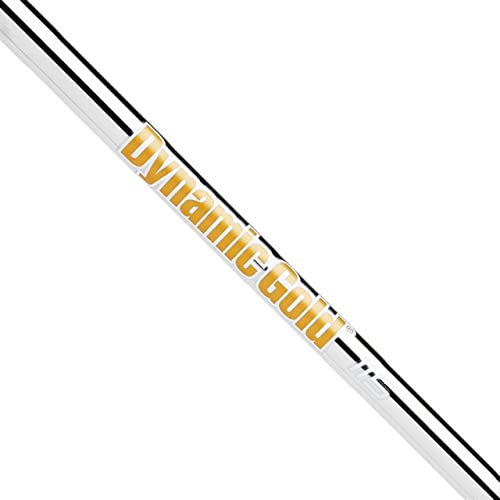
True Temper Dynamic Gold 115 S300
Strengths
- Trusted S300 flex
- Slightly lighter than DG 120
- Consistent ball flight
Trade-offs
- Still firm for slower swings
- Minimal vibration damping
Slightly lighter than its 120 sibling, the Dynamic Gold 115 S300 keeps the same DNA but offers a bit more playability for mid-to-upper single-digit handicappers. At 115 grams, it maintains that tour-trusted stability while being a touch easier to load, which helps maintain consistency on partial wedge shots.
It’s not a radical departure from the 120, but the small weight drop makes a noticeable difference around the greens, where touch matters more than brute control. Reviewers note it feels a bit more forgiving on mishits without sacrificing the steel authenticity purists want. If you like the DG feel but want something slightly more versatile, this is a smart pivot.
Product photos
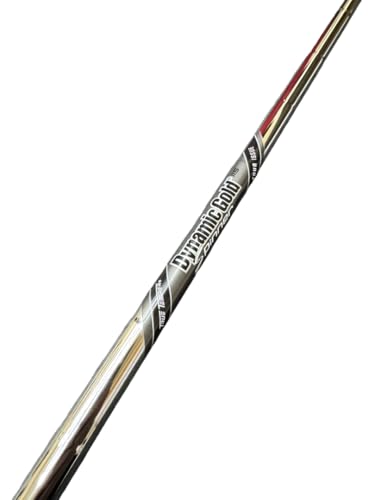
ProjectX Dynamic Gold VSS Spinner
Strengths
- Tuned for wedges
- Excellent tip control
- Consistent spin
Trade-offs
- Niche application
- Minimal weight savings
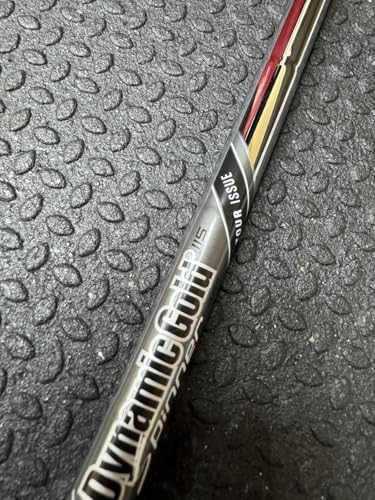
This shaft is a niche performer built for one thing: short-game precision. The VSS Spinner 115 is a refined version of the classic Dynamic Gold formula, tuned for wedge-specific performance with tighter tolerances and a focus on tip stability. It’s not flashy, but it’s surgical.
On paper, it’s close to the standard DG 115, but owners report a crisper release and better feedback on finesse shots, especially from tight lies or hardpan. It’s the kind of shaft that helps you dial in those 50- to 70-yard pitches with confidence. Compared to the full iron versions, this one feels more focused, almost like a scalpel.
Product photos
SK Fiber Pro 115 White Graphite
Strengths
- Good vibration absorption
- Dual compatibility
- Budget-friendly
Trade-offs
- Moderate accuracy control
- Not for aggressive players
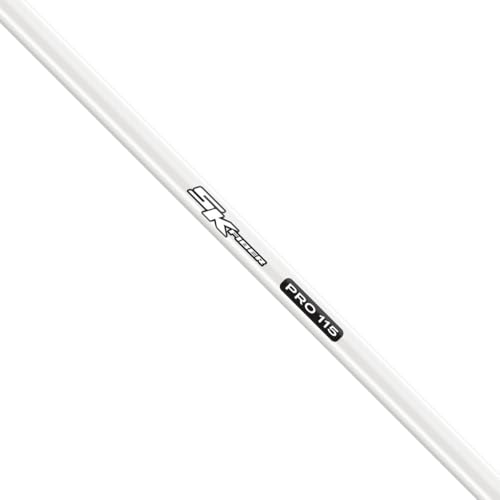
Functionally the same as the black version, the white SK Fiber Pro 115 offers the same 115-gram weight, 0.370” tip, and dual-role versatility between wedges and putters. The color might suit certain club builds better, but performance is identical, expect a soft-feeling, low-mid launching shaft that’s easy on the hands.
It’s not built for workability like a Project X or Dynamic Gold, but for golfers rebuilding their set on a budget or prioritizing comfort, it’s a solid pick. The 5.1 torque means it’s not the stiffest option, but that also adds a bit of playability for less aggressive swings.
Product photos
SK Fiber Pro 115 Black Graphite
Strengths
- Excellent vibration damping
- Dual wedge/putter use
- Solid mid-launch control
Trade-offs
- Average torque for precision
- Niche multi-role use
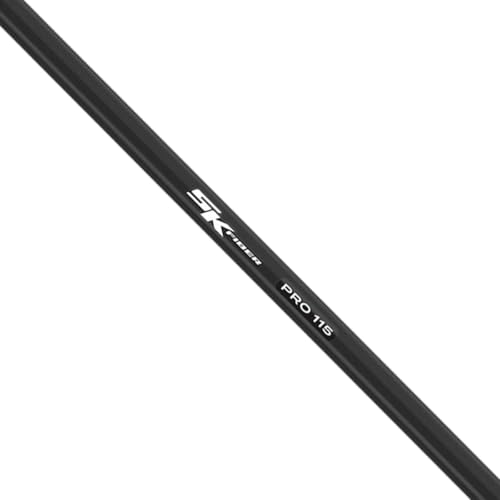
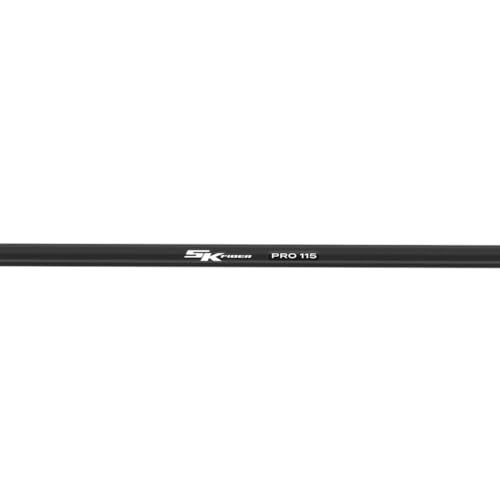
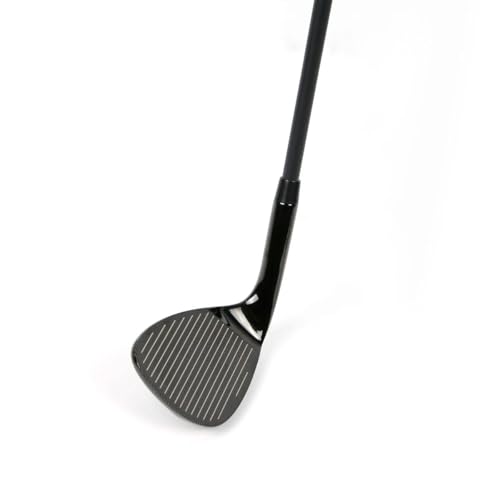
The SK Fiber Pro 115 stands out for its vibration-dampening design, thanks to thicker shaft walls that soften impact without turning mushy. At 115 grams, it splits the difference between steel and lightweight graphite, offering a stable mid-launch flight with noticeably less sting than steel.
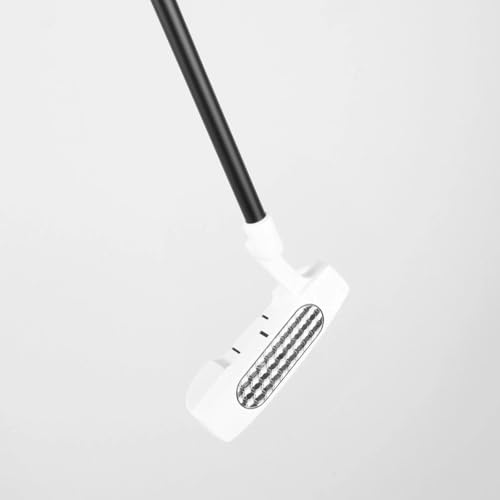
Owners appreciate how it performs in both wedges and putters, yes, really. The 0.370” parallel tip makes it easy to fit, and the low-mid trajectory keeps shots predictable. It’s not a tour-level performer, but for weekend players who value comfort and consistency, it delivers. Compared to the white version, it’s functionally identical, just a color choice.
Product photos
Apollo Shadow Graphite Uncut Shaft

Strengths
- Very lightweight
- Affordable
- Multi-club compatibility
Trade-offs
- Loose tolerances
- Less feedback than steel
At just 80 grams, the Apollo Shadow is one of the most accessible multi-use graphite shafts on the market. It’s not designed for tour-level precision, but for golfers looking to lighten the load across irons and wedges without breaking the bank, it’s hard to beat.
The 0.370” tip makes it adaptable, and the mid-launch profile works well for average swing speeds. Some reviewers note it lacks the crispness of steel, but that’s expected at this weight and price. Where it shines is in vibration dampening, great for players with joint issues or those upgrading from older, harsher shafts. It’s not the most refined option, but it’s effective.
Product photos
How We Chose These golf wedge shafts
Rather than a hands-on lab test, my research focused on a detailed comparison of published specifications and features across numerous wedge shafts. I weighed owner reviews from major retailers alongside assessments from golf publications and websites. As someone who plans countless golf trips, I understand how crucial proper equipment is, and applied that knowledge to establish clear ranking criteria focused on performance and feel.
For golf wedge shafts, consistency and control are paramount. I gave the heaviest weighting to shaft weight and flex, as these directly impact shot dispersion and the ability to manipulate ball flight around the green. Feel was also critical; a shaft that transmits feedback well allows for greater precision. These factors determine whether a shaft will suit a player’s swing and skill level.
Specifications reliably indicate a shaft’s physical properties – weight, flex, tip size – but I judged responsiveness and overall performance through owner feedback. Reputation also played a role; established brands like True Temper and Project X consistently receive positive mentions. Ultimately, I looked for shafts that appear to deliver predictable results and inspire confidence in a player’s short game, and considered options for those needing shafts for seniors. You can find more information on overall golf club shafts on my site too.
What To Look For In golf wedge shafts
Finding the right shaft is crucial for dialing in your wedge game; it’s about more than just feel.
A quality golf wedge shaft delivers consistent performance through solid control and precision. Key considerations include shaft material (steel or graphite), weight, flex, and tip size. Players should assess their swing speed, desired ball flight, and skill level to select a shaft that optimizes their short game. Proper shaft fitting can significantly improve distance control and accuracy around the greens.
Material: Steel vs. Graphite
The first big decision is steel or graphite. For years, steel was the only real option, and it still dominates at the professional level. However, graphite shafts are gaining traction, particularly for players who want to reduce vibration and increase swing speed. Steel offers a more traditional feel and generally provides greater stability, which is why you’ll see it favored by better players. Graphite, on the other hand, can be a good choice for golfers who struggle with consistency or have slower swing speeds. If you’re considering graphite, be aware that not all graphite shafts are created equal; look for models specifically designed for wedges.
Weight and Flex: Matching to Your Swing
Shaft weight and flex work together to influence ball flight and control. Generally, heavier shafts promote more stability and a lower ball flight, while lighter shafts offer greater swing speed and a higher launch. Flex refers to how much the shaft bends during the swing; stiffer flexes are for faster swing speeds, and more flexible shafts are for slower speeds. Finding the right combination is key. I’ve seen many players benefit from moving to a slightly heavier shaft for improved consistency, even if it means sacrificing a little distance.
- A lighter shaft (under 110g) can help increase clubhead speed for players with slower swings.
- A mid-weight shaft (110-120g) offers a good balance of control and speed for most golfers.
- Heavier shafts (over 120g) provide maximum stability and are often preferred by skilled players who prioritize precision and can maintain speed. They also help dampen unwanted movement.
Consistency and Feel: Beyond the Specs
While specs are important, don’t underestimate the value of feel. The best wedge shaft is the one that feels the most comfortable and intuitive in your hands. If you’re unsure where to start, I recommend researching iron shaft selection as a good baseline for understanding shaft characteristics. Consider a shaft with tighter tolerances, like the True Temper Dynamic Gold Black Onyx, as these will offer a more consistent feel and performance across your wedges. Don’t disregard graphite options either; the SK Fiber Pro 115 Black Graphite shafts are designed to dampen vibration, which some players find enhances feel.
A shaft that feels right in your hands will translate to more confidence and better shots. Prioritize consistency and feel over chasing minor gains in distance or launch angle.
Golf Wedge Shafts Compared
Here’s a comparison of key specifications for popular golf wedge shafts to help you make an informed decision.
| Product Name | Flex | Weight (g) | Tip Size | Launch | Torque (degrees) |
|---|---|---|---|---|---|
| True Temper Dynamic Gold Black Onyx | Stiff | N/A | N/A | Mid | N/A |
| Project X Wedge Steel Shafts Set | 6.0 | 120 | 0.355 | N/A | N/A |
| True Temper Dynamic Gold 120 S300 | S300 | 118 | 0.355 | Low | N/A |
| True Temper Dynamic Gold 115 S300 | S300 | 115 | 0.355 | N/A | N/A |
| ProjectX Dynamic Gold VSS Spinner | N/A | 115 | 0.355 | N/A | N/A |
| SK Fiber Pro 115 White Graphite | N/A | 115 | 0.370 | Low-Mid | 5.1 |
| SK Fiber Pro 115 Black Graphite | N/A | 115 | 0.370 | Low-Mid | 5.1 |
| Apollo Shadow Graphite Uncut Shaft | N/A | 80 | 0.370 | Mid | 4.5 |
Frequently Asked Questions
What shaft weight is best for beginners?
A lighter shaft, under 110 grams, is generally best for beginners as it promotes a faster swing speed and can help with consistency. This makes it easier to get the clubhead moving and make solid contact, even with a less developed swing.
Can changing my wedge shaft really improve my short game?
Yes, absolutely. A shaft matched to your swing speed and style will provide greater control and consistency around the greens, leading to better distance control and accuracy. This is especially true if your current shafts are ill-fitting.
Are graphite shafts a good option for wedges, even for more experienced players?
Graphite shafts can be beneficial even for skilled golfers, as they reduce vibration and offer a unique feel. Many players are discovering lightweight golf shafts can help maintain clubhead speed and control, especially during partial wedge shots.
What does “tip size” refer to, and why is it important?
Tip size refers to the diameter of the shaft end that inserts into the clubhead; it ensures a proper fit and stable connection. A mismatch can affect clubhead weight and feel, so it’s crucial to match the tip size to your wedge head.
Where can I find more information about traditional shaft materials?
You can learn more about the advantages of steel iron shafts and their role in performance on my site. Steel remains a popular choice for its stability and consistent feel, favored by many professionals and experienced players.
The Bottom Line
Choosing a wedge shaft often comes down to a trade-off between ultimate control and ease of swing. While dialing in the precise specs is valuable, don’t get lost in the details. For most golfers seeking a reliable, high-performing option across the board, the True Temper Dynamic Gold Black Onyx stands out as a fantastic choice – it consistently receives high marks for feel and precision.
If you’re on a tighter budget, the Project X Wedge Steel Shafts Set delivers excellent value without sacrificing too much performance. For those wanting to explore lighter weight options and vibration dampening, the SK Fiber Pro 115 Black Graphite shafts are a strong contender, and for players with faster swing speeds looking for control, exploring stiff golf shafts is a smart move. Alternatively, if you are considering graphite golf shafts, there are many quality options available.
Ultimately, remember that a shaft is just one piece of the puzzle. Consistent practice, a proper swing, and a good understanding of your own game are far more important than any single specification. Focus on finding a shaft that fits you and allows you to confidently attack pins, and your short game will thank you for it.
