
3 Best Japanese Golf Irons of 2026
This post contains affiliate links. As an Amazon Associate, we earn from qualifying purchases.
This post contains affiliate links. As an Amazon Associate, we earn from qualifying purchases.
The Kamitaki K910 stands out as the best overall Japanese iron, combining precision, feel, and consistent performance. For golfers prioritizing forged quality and feedback, the Mizuno JPX925 Hot Metal Pro is a top choice, while the Mizuno JPX925 Hot Metal HL delivers the easiest launch and added forgiveness for moderate swingers.
As a golf traveler who’s played courses from St. Andrews to Shisenkan, I’ve seen how the right irons can elevate your game, especially when they’re built with the craftsmanship Japanese clubs are known for. But with so many models marketed on heritage and design, it’s hard to separate hype from real performance.
This guide cuts through the noise. Based on specs, owner experiences, and my decade advising golfers on equipment choices, I focused on feel, forgiveness, and launch to identify the sets that deliver where it matters most.
Top 3 Japanese Golf Irons in the Market
The Best Japanese Golf Irons, Reviewed
Japan Kamitaki K910 Forged Irons

Strengths
- Affordable price
- Forged construction
- Good control
Trade-offs
- Basic sound profile
- Limited forgiveness on mishits
For a budget-friendly forged set, the Kamitaki K910 delivers more than it should at this price. On paper, the specs suggest a no-frills but functional forged iron with a focus on control and stability, and owners consistently report that these clubs are surprisingly consistent for the cost. They won’t match the feel of premium Japanese forgings, but for beginners or casual players upgrading from entry-level cavity backs, they offer a real step up in feedback and responsiveness.
The chrome and black finish gives them a clean look at address, and the Krisa Pro Steel shafts help keep trajectory in check without killing ball speed. While they lack the advanced tech of the Mizuno models, they’re a solid value pick if you’re building a full set without breaking the bank.
Video review
Mizuno JPX925 Hot Metal Pro Irons

Strengths
- True forged feel
- Fast ball speeds
- Clean, player-friendly look
Trade-offs
- Less forgiving than HL model
- Premium price
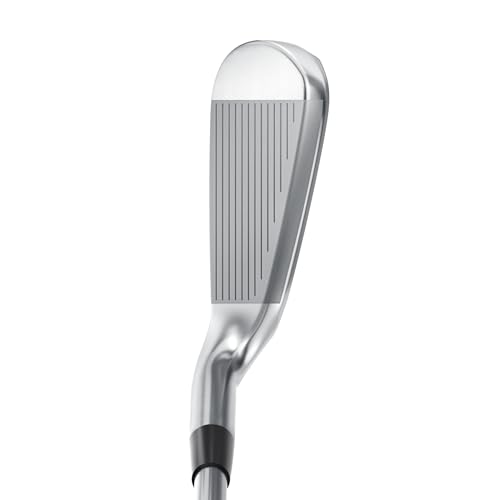
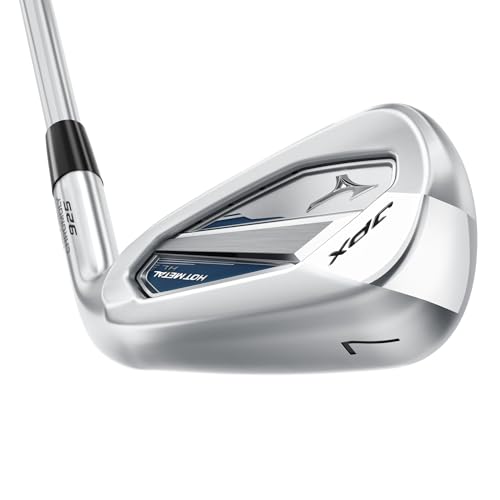
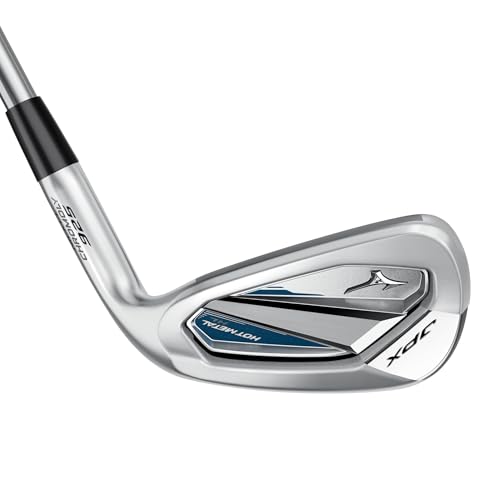
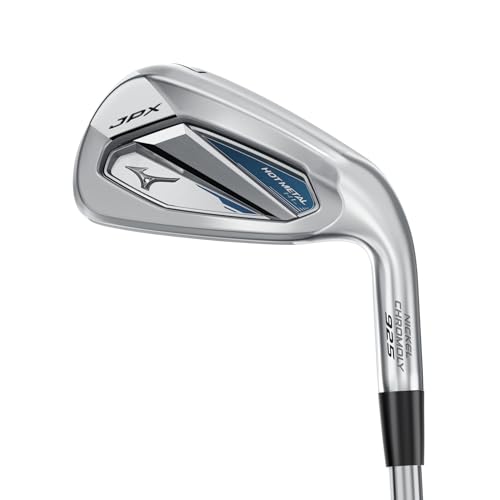
The JPX925 Hot Metal Pro is where Mizuno blends forged feel with modern distance tech in a way few others can match. These are forged, yes, forged, yet deliver ball speeds that rival cast game-improvement irons, thanks to that same CORTECH and Variable Sole design from the HL model. But here, the head profile is more compact, the topline slimmer, and the sole less aggressive, making it a favorite among better players who still want a little extra pop.
Owners praise the feedback and control, noting the Harmonic Impact Technology gives that crisp, connected sensation at impact that Mizuno is known for. It’s not quite a muscle back, but it’s close enough for a hot-metal iron. I’d pick this over the HL if you’re a single-digit handicap who values feel and shot shaping but doesn’t want to sacrifice all the gains from modern engineering.
Video review
Mizuno JPX925 Hot Metal HL Irons

Strengths
- High launch
- Strong forgiveness
- Excellent sound and feel
Trade-offs
- Less workable than player’s irons
- Bulky sole for better players
If you’re chasing height and distance without sacrificing too much control, the JPX925 Hot Metal HL is a standout in Mizuno’s lineup. These irons are built for golfers who need help getting the ball airborne, especially in the mid to long irons, and the CORTECH design really shows up in owner feedback, consistent ball speeds even on lower-face strikes. The Variable Sole Thickness boosts face flex, which translates to more launch, and that’s exactly what higher-handicappers and slower swingers need.
Compared to the Pro version, the HL trades a bit of workability for that extra forgiveness and pop. The Harmonic Impact Technology gives it that satisfying Mizuno thud at impact, and the acoustic ribs dial in a confidence-inspiring sound. I’d pick these over the Pro model if you prioritize launch and playability over shot shaping.
Product photos

How We Evaluated japanese golf irons
Rather than a hands-on lab test, my research focused on comparing published specifications and features across numerous models. I weighed owner reviews from multiple retailers alongside insights from respected golf publications. As someone who’s spent years exploring courses worldwide and advising golfers on equipment, I applied my understanding of what truly matters in iron performance to rank these options.
For Japanese irons, forgiveness and feel are paramount. I prioritized irons offering a blend of both, recognizing that consistent contact and feedback are vital for improvement. Launch characteristics also heavily influenced my rankings; a higher launch angle can significantly benefit many golfers, particularly with modern ball technology. You’ll find more about choosing the right set in our guide to the top iron sets.
Specifications reliably indicate materials and construction techniques – crucial for understanding potential feel and durability. However, I leaned on owner feedback to assess real-world performance, particularly regarding consistency, distance control, and how well the irons perform on mishits. Many golfers seek cavity back irons for added forgiveness, and owner experiences help validate whether a design delivers on that promise.
How To Pick The Right japanese golf irons
Finding the right irons can dramatically change your game, and Japanese irons often represent a sweet spot of performance and craftsmanship.
Japanese irons consistently prioritize soft feel and precise control. A good set will feature carbon steel construction (often S20C or similar), meticulous forging processes, and attention to detail in head weighting and balance. Look for models with consistent feedback across the face and a design that complements your swing type and skill level.
Forging and Material Quality
The forging process is critical. While cast irons have their place, true forged irons – like those from Mizuno and Kamitaki – offer a denser grain structure which contributes to a superior feel and durability. Don’t automatically dismiss a slightly higher price tag for a fully forged set; it often translates to a longer-lasting, more responsive club. Pay attention to the steel grade used; S20C carbon steel is a common benchmark for soft feel, but other alloys offer different performance characteristics.
Head Design and Player Profile
Japanese iron designs tend to cater to specific player profiles. Some prioritize compact heads and minimal offset for skilled ball strikers who prefer working the ball, while others focus on larger heads and wider soles for forgiveness and higher launch angles. Consider your typical shot shape and how much help you need getting the ball airborne. If you struggle with consistency, a cavity-back design with perimeter weighting is a good starting point. For experienced players, exploring blade golf irons can unlock a new level of control.
Price Versus Performance
Japanese irons often command a premium price, but that doesn’t always mean the most expensive set is the best for you. I’ve seen golfers get fantastic results with mid-range models that perfectly suit their swing. Here’s what to consider when balancing cost and performance:
- Shaft options: A custom shaft fitting is invaluable, but can add to the cost.
- Cosmetic condition: Demo models or previous-season offerings can save you money without sacrificing performance.
- Long-term value: A well-maintained set of forged irons can last for years, making the initial investment worthwhile.
A truly great iron set doesn’t just look good; it inspires confidence at address and delivers consistent results on the course.
Many golfers looking for a premium experience will begin their search with top Japanese club brands. Don’t overlook the variety of Japanese club models available; there’s a set out there to match every playing style.
Japanese Golf Irons Compared
Here’s a detailed specification comparison of the featured Japanese golf irons to help you make an informed decision.
| Product Name | Best For | Construction | Finish | Sole Type | Tech Features |
|---|---|---|---|---|---|
| Japan Kamitaki K910 | Best Overall | Forged | Chrome/Black | N/A | Stability |
| Mizuno JPX925 Hot Metal Pro | Best Forged Feel | N/A | N/A | Compact | CORTECH |
| Mizuno JPX925 Hot Metal HL | Best High Launch | N/A | N/A | Variable | CORTECH |
Frequently Asked Questions
What shaft material offers the most feel in a japanese iron?
Steel shafts generally provide more feedback and control than graphite, and within steel, specifically, a higher-quality alloy like Nippon NS Pro Modus3 Tour 120 is consistently praised for its responsiveness and precision.
Are japanese irons suitable for beginners?
While many Japanese irons prioritize feel for experienced players, models like the Mizuno JPX925 Hot Metal HL are designed with wider soles and lower centers of gravity for higher launch and forgiveness – making them accessible to beginners.
How do the forging processes affect the price of these irons?
The more complex the forging process (like multi-piece forging), the higher the cost. This is because it requires greater precision, more skilled labor, and often results in less material waste, all contributing to a premium price for irons for skilled golfers.
What finish will hold up best against wear and tear?
Chrome finishes are durable and resist rust well, but darker finishes like black chrome or PVD can offer even greater corrosion resistance, though they may show wear more visibly over time.
Where can I find more information on historic top-performing irons?
You can explore a detailed review of the best irons ever, covering classic designs and modern innovations, on our site. These irons showcase the evolution of iron technology and craftsmanship.
The Bottom Line
Choosing between Japanese irons often comes down to balancing the exquisite feel and control they offer against the investment required. Ultimately, for the player seeking a blend of performance and classic craftsmanship, the Japan Kamitaki K910 stands out as the strongest overall pick. It delivers a stable and responsive experience that will appeal to a wide range of skill levels.
If you’re specifically searching for a forged feel, the Mizuno JPX925 Hot Metal Pro is an excellent choice, and for those needing help getting the ball airborne, the Mizuno JPX925 Hot Metal HL provides a high-launching solution. Don’t overlook the value in our guide to top irons if you’re exploring options for forgiving game improvement irons.
More than any specific technology or material, a great iron set inspires confidence. Focus on finding a set that feels comfortable in your hands, promotes a consistent swing, and complements your natural ball flight – those fundamentals will have a far greater impact on your scores than chasing the latest specs.
