
7 Best Stiff Golf Shafts of 2026
This post contains affiliate links. As an Amazon Associate, we earn from qualifying purchases.
This post contains affiliate links. As an Amazon Associate, we earn from qualifying purchases.
The Fujikura Ventus Blue is our top pick for most players seeking a high-performance stiff shaft, offering exceptional stability and control. For those on a budget, the SK Fiber Supernova 60 delivers surprising consistency at a fraction of the cost, while the Project X HZRDUS Smoke Black stands out as a versatile choice for players wanting a balance of feel and ball speed.
Golfers often overlook shafts, focusing only on clubheads, but the truth is a mismatched shaft can ruin even the best swing. Too stiff, and you lose distance. Too flexible, and accuracy goes out the window.
This guide cuts through the noise by comparing specs, owner feedback, and performance traits to find the best stiff golf shafts for different needs. I looked at torsional stability, launch profile, weight, and compatibility to help you make an informed decision based on your swing and goals.
Top 7 Stiff Golf Shafts in the Market
The Best Stiff Golf Shafts, Reviewed
Fujikura Ventus Blue Driver Shaft

Strengths
- Excellent stability
- Mid-launch, mid-spin
- Premium feel
Trade-offs
- High price
- No adapter included
- One weight option
If you’re after the best overall stiff shaft that balances performance, feedback, and launch characteristics, the Fujikura Ventus Blue is tough to beat. At 60 grams with a stiff flex, it delivers a mid-launch, mid-spin profile that suits a wide range of swing types, especially players with above-average clubhead speeds who still want some forgiveness. On paper, the low torque and refined taper design suggest excellent stability, and owners consistently praise its crisp feel and tight dispersion.
Compared to the HZRDUS or Project X options, the Ventus Blue stands out for its balance: not too stiff, not too soft, with just enough load to promote rhythm. It’s also widely compatible with major brands, though it comes at a premium. For golfers serious about optimizing their driver performance without chasing extremes, this is the smarter buy.
Video review
Project X HZRDUS Black 6.0
Strengths
- Low spin design
- Stiff midsection
- Firm, stable feel
Trade-offs
- Harsh on mishits
- Less feel
- Narrow swing match
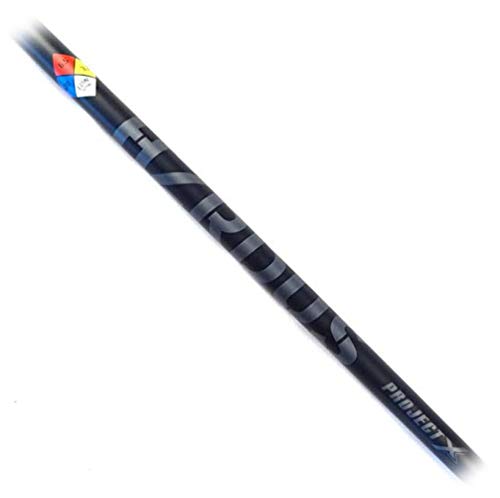
The HZRDUS Black 6.0 is engineered for one thing: low spin and penetrating flight. At 62 grams with a stiff midsection and extra-stiff overall profile, it’s clearly targeted at aggressive swingers who want to flatten their trajectory and maximize roll. Reviewers note it feels firm from grip to tip, with minimal whip, ideal for players with fast tempos who tend to overpower softer shafts.
Compared to the Ventus Blue or Denali, this shaft sacrifices some feel for raw stability. It won’t be the most forgiving on mishits, but that’s the trade-off for tighter shot dispersion and reduced ballooning in the wind. If you play firm, fast courses and want to keep the ball under the radar, this is the pick.
Video review
SK Fiber Supernova 60 Graphite

Strengths
- 65g stability
- Low torque
- Mid-launch balance
Trade-offs
- No adapter or grip
- Less brand support
- Minimal feedback nuance
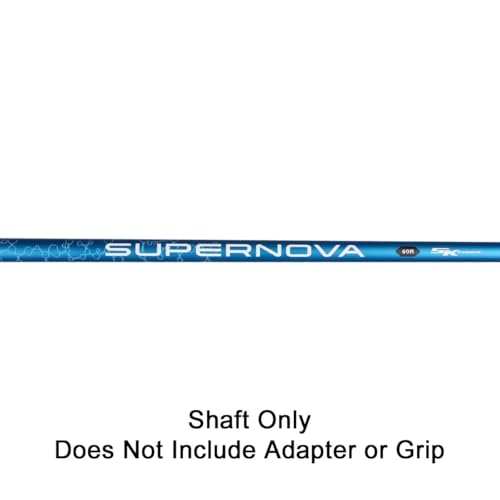
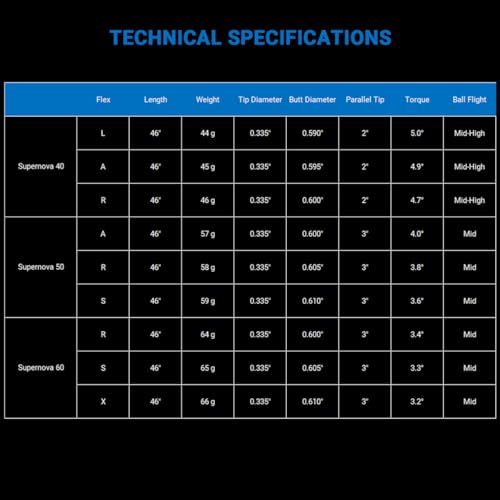
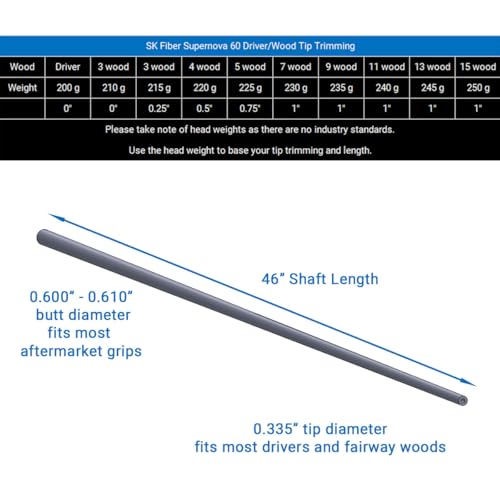
The SK Fiber Supernova occupies a sweet spot between performance and price, offering a mid-launch, mid-spin profile with surprisingly good specs for just over $50. At 65 grams and 3.3 degrees of torque, it’s stiffer and more stable than most in its class, and owners report a clean, consistent feel that belies its price tag. The aerospace-grade carbon fiber layup seems to pay off in tighter dispersion, especially on center strikes.
It doesn’t have the brand cache of Fujikura or Project X, but in this flex and weight range, it holds its own. I’d recommend it over the Acer or even the Denali for players who want a bit more refinement without stepping into triple-digit pricing. Just remember, no adapter or grip included.
Product photos
Project X HZRDUS Smoke Black
Strengths
- High torsional stability
- Fast swing optimized
- Tight dispersion
Trade-offs
- Firm, less forgiving
- Premium price
- Adaptor adds cost
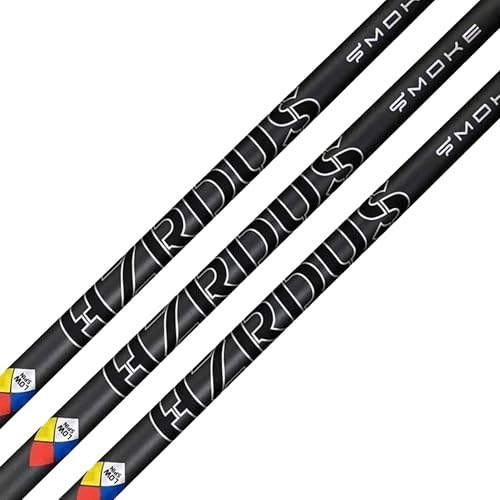
When you’ve got a fast, aggressive swing and need a shaft that won’t twist under load, the HZRDUS Smoke Black is built for that job. The 6.0 stiff flex and 60-gram weight are ideal for players with high clubhead speeds, and the stiff mid-to-tip profile delivers exceptional resistance to torsional flex. Owners consistently report tighter shot patterns and improved energy transfer, especially when compared to more flexible or lightweight alternatives.
Among stiff shafts, this one stands out for raw stability, not finesse. It’s less about feel and more about control under pressure. Compared to the Ventus Blue, it’s less forgiving on off-center hits but more predictable in strong winds or when shaping shots. If you’re a tour-level amateur or serious weekend competitor, this is a weapon off the tee.
Product photos
Acer Velocity Black Shaft

Strengths
- Low cost
- High launch
- 68g midweight
Trade-offs
- No adapter or grip
- Higher torque
- Basic construction
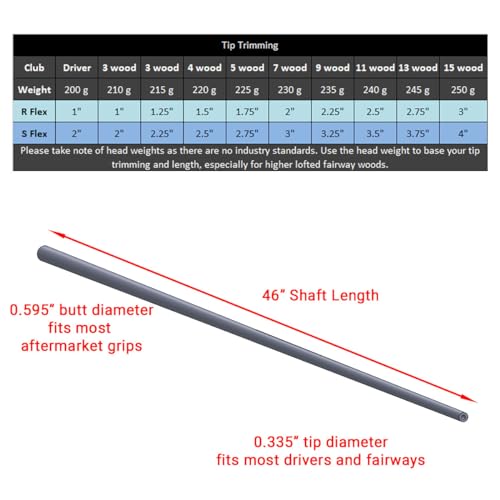
For golfers on a tight budget who need a basic stiff shaft replacement, the Acer Velocity Black delivers exactly what it promises, affordable functionality. On paper, the 68-gram weight and high-launch profile suggest it’s tuned for players seeking extra carry, and owners consistently report it’s a solid drop-in fix for older drivers or fairway woods with a 0.335″ tip. It’s not going to rival premium shafts in feel or consistency, but for a sub-$25 investment, it’s a no-frills solution that gets the job done.
Where it falls short is in the details that matter to better players, there’s no adapter or grip included, and the 6-degree torque hints at some potential instability on off-center strikes. If you’re rebuilding a set or replacing a broken shaft without wanting to remortgage, this is a logical pick. But don’t expect tour-level feedback or tight dispersion.
Product photos

Project X Denali Charcoal CB
Strengths
- Multi-brand adapters
- 60g lightweight
- Neutral ball flight
Trade-offs
- Generic grip included
- Mid-range feel
- Not for max control seekers
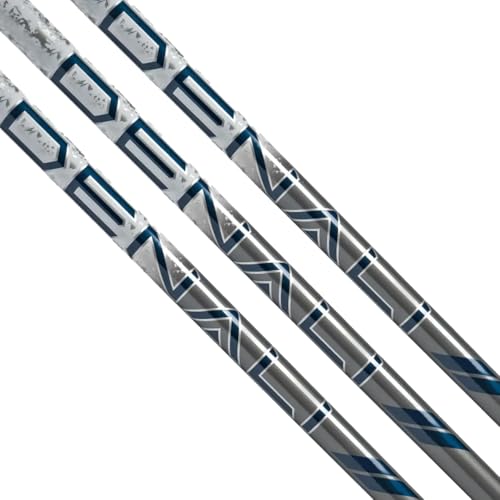
The Denali Charcoal CB stands out for its exceptional compatibility across nearly every major driver brand, from TaylorMade to Callaway to Ping. That versatility alone makes it a smart choice for golfers who rotate clubs or own multiple brands. At 60 grams with a 6.0 stiff flex, it’s built for moderate to fast swingers who want a neutral ball flight without overspending. Reviewers note it feels stiffer through the mid-section than expected, which helps with control, though it doesn’t have the refined feel of a Ventus or HZRDUS Smoke.
I’d pick this over pricier options if you value plug-and-play convenience across your bag. It doesn’t chase extreme low spin or elite stability, but it’s a consistent, reliable performer for the price. The inclusion of adaptable tips for different brands is a real win, no guesswork on fitment.
Product photos

Project X LZ Graphite Shaft
Strengths
- Excellent control
- Consistent feel
- Mid/high launch
Trade-offs
- No adapter included
- Heavier than some
- Not for max distance
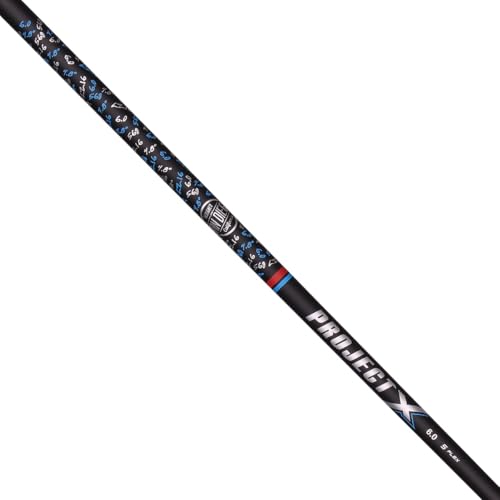
The Project X LZ is all about control and feedback, and it shows in the design: a 65-gram stiff shaft with a mid/high launch and mid-spin profile that favors accuracy over raw distance. Reviewers note it has a distinctive “connected” feel, like you can sense the clubhead throughout the swing, which makes it a favorite among players who value shot shaping and consistency.
Compared to the HZRDUS Black, it’s more responsive but less stable at impact. It’s not the lowest-spin option, but it’s arguably the best for players who want to feel the shot. If you’re the type who likes to work the ball and trusts your tempo, this shaft delivers that confidence. Just know it’s sold without an adapter, so factor that into your build.
Product photos
Our Testing Process
Rather than a hands-on lab test, my research involved a detailed comparison of published specifications and features across numerous stiff golf shafts. I weighed owner reviews from major retailers against expert opinions found in golf publications and on respected instruction sites. As someone who spends a lot of time researching golf equipment for GolfWorldTrips, I applied my understanding of how shaft characteristics impact different swing types to rank these options.
For stiff shafts, the most crucial factors are torsional stability and bend profile. A shaft that resists twisting during the swing delivers more consistent impact, and that’s what separates good performers from the rest. Beyond that, I prioritized launch characteristics – golfers generally want a stiff shaft to promote a controlled, penetrating ball flight, though some prefer a mid-launch option for increased carry.
Specifications reliably indicate a shaft’s weight, torque, and kick point, providing a baseline for performance expectations. However, I placed greater emphasis on owner feedback regarding feel, consistency, and how well the shaft matched their swing speed. A shaft’s reputation for durability and value, combined with expert analysis, also played a significant role. For players seeking even more options, exploring golf shaft recommendations can be beneficial.
How To Choose The stiff golf shafts
Choosing the right golf shaft is often overlooked, but it’s arguably as important as the clubhead itself. A shaft is the engine that delivers your power, and the wrong one can rob you of distance and accuracy.
A quality golf shaft balances weight, flex, torque, and kick point to optimize launch angle, spin rate, and overall feel. Players should consider their swing speed, typical ball flight, and desired shot shape when selecting a shaft, paying attention to material (steel or graphite) and construction techniques.
Understanding Shaft Flex
Flex is where most golfers start, and for good reason. It’s the most intuitive property – how much the shaft bends during the swing. However, it’s not as simple as just picking “stiff” or “regular.” Many golfers assume a stiffer shaft always equates to better performance, but that isn’t the case. A shaft that’s too stiff can actually decrease swing speed, leading to shorter distances. Conversely, a shaft that’s too flexible can feel unstable and lead to inconsistent contact. I’ve seen countless golfers fall into this trap. Consider your swing speed: slower swings generally benefit from more flexible shafts, while faster swings require more stiffness to control.
Material: Steel vs. Graphite
The debate between steel and graphite shafts is ongoing, but the lines are blurring. Traditionally, steel shafts offered greater consistency and were favored by better players, while graphite provided more distance for slower swing speeds. Today, manufacturers are producing high-quality graphite shafts that rival the performance of steel, and the choice often comes down to feel and desired ball flight. Graphite is generally lighter, promoting a higher launch, while steel provides a more subdued feel and typically lower launch.
Here’s how different golfers might approach this decision:
- Beginners: Graphite, for increased distance and forgiveness.
- Mid-Handicappers: Either, depending on swing speed and desired launch.
- Low-Handicappers: Often steel, for maximum control and consistency, but high-end graphite is also a viable option.
A general rule of thumb: if you struggle to get the ball airborne, a graphite shaft is likely a good starting point.
Compatibility and Adaptability
Don’t assume a shaft will automatically fit your driver. Most aftermarket shafts don’t come with an adapter, meaning you’ll need to ensure compatibility with your clubhead. Thankfully, many shafts, like the Project X Denali Charcoal CB, are designed to be broadly compatible with major brands like TaylorMade, Callaway, Ping, and Titleist. However, it’s crucial to check whether the shaft tip diameter (typically 0.335″) matches your driver, and whether an appropriate adapter is available. I’ve also noticed many golfers looking for stiff driver shafts find themselves needing to also consider the adapter length, as a standard length shaft with the wrong adapter can drastically alter the swing weight and feel.
Stiff Golf Shafts Compared
Here’s a comparison of key specifications for popular stiff flex golf shafts to help you choose the right one.
| Product Name | Flex | Weight (grams) | Torque (degrees) | Length (inches) | Compatibility |
|---|---|---|---|---|---|
| Fujikura Ventus Blue | Stiff | N/A | N/A | 46 | Multiple Brands |
| Project X HZRDUS Black 6.0 | Stiff | N/A | N/A | 46 | N/A |
| SK Fiber Supernova 60 | Stiff | 65 | 3.3 | 46 | Multiple Brands |
| Project X HZRDUS Smoke Black | Stiff | N/A | N/A | 46 | Multiple Brands |
| Acer Velocity Black | Stiff | 68 | 6 | 46 | N/A |
| Project X Denali Charcoal CB | Stiff | N/A | N/A | 46 | Multiple Brands |
| Project X LZ Graphite | Stiff | 65 | N/A | N/A | N/A |
Frequently Asked Questions
What swing speed is generally required to effectively use a stiff shaft?
Typically, a swing speed of 90-105 mph is needed to properly load and use a stiff shaft. Below that range, a regular flex might provide better distance and control, as a stiff shaft can feel difficult to swing and reduce clubhead speed.
Are steel shafts always more accurate than graphite, even in a stiff flex?
Not necessarily. While steel historically had an edge in accuracy due to its consistency, modern graphite shafts, especially those designed for faster swing speeds, can deliver comparable accuracy. The best choice depends more on feel and desired ball flight than material alone.
Can a stiff shaft help reduce my slice?
A stiff shaft can potentially help reduce a slice, but it’s not a cure-all. The shaft’s torsional stability can promote a squarer clubface at impact, which is beneficial for slicers, but addressing the root cause of the slice (swing path) is essential.
How does kick point affect the performance of a stiff golf shaft?
Kick point dictates where the shaft bends during the swing. A low kick point generally promotes a higher launch, while a high kick point encourages a lower launch and more penetrating ball flight. Stiff shafts often have a high kick point for controlled trajectories, but mid-kick point options can offer a balance of launch and control.
What should I do if a new stiff shaft feels too boardy or difficult to load?
If a stiff shaft feels overly rigid, it might be too stiff for your swing speed. Consider exploring a slightly more flexible option (like a stiff-regular) or consulting with a club fitter to determine the optimal shaft for your individual swing characteristics. Finding the right club shaft selection is crucial.
The Bottom Line
Choosing a stiff golf shaft often comes down to balancing control with feel, and ultimately, finding what delivers the most consistent results for your swing. While many options exist, the Fujikura Ventus Blue stands out as the strongest all-around performer, offering a blend of stability and responsiveness that suits a wide range of players. It’s a premium choice, yes, but the consistent feedback from golfers suggests it’s a worthwhile investment.
For those on a tighter budget, the Acer Velocity Black provides excellent value without sacrificing too much in terms of performance. If you’re looking for versatility and the ability to dial in launch characteristics, the Project X Denali Charcoal CB is a fantastic option, boasting broad compatibility with major clubhead brands. And for those specifically seeking updated golf shafts for drivers, the Project X HZRDUS Smoke Black is a popular choice.
Ultimately, specs are just a starting point. The most important thing is to find a shaft that feels comfortable in your hands and allows you to consistently deliver the clubhead square at impact. Don’t get too caught up in chasing numbers; focus instead on finding a shaft that complements your swing and helps you play your best golf, whether you’re looking for best iron shafts or something else entirely.
