
7 Best Long Drive Golf Balls of 2026
This post contains affiliate links. As an Amazon Associate, we earn from qualifying purchases.
This post contains affiliate links. As an Amazon Associate, we earn from qualifying purchases.
The Vice Drive stands out as the best overall long drive golf ball, delivering reliable distance and a solid feel for most swing speeds. For those on a budget, the TaylorMade Distance+ offers excellent value without sacrificing much in performance. If you’re a senior golfer or play with a slower swing, the MG Senior Golf Balls are a smart choice, designed specifically to maximize carry and comfort.
Most golfers I talk to want more distance off the tee, but too many pick balls based on price or branding alone. The reality is that the right long drive ball depends on your swing speed, compression needs, and how much control you want.
This guide cuts through the noise by focusing on specs, real-world feedback, and what actually matters for distance, like compression, dimple design, and core construction. These picks were chosen to fit different player types, so you can make a decision based on your game, not marketing hype.
Top 7 Long Drive Golf Balls in the Market
The Best Long Drive Golf Balls, Reviewed
Vice Drive Golf Balls

Strengths
- Excellent value
- Durable construction
- Long roll
Trade-offs
- Basic spin profile
- Limited short-game feel
- Minimal wind stability
At this price, the Vice Drive is a standout for golfers with low to mid swing speeds who want no-nonsense distance and durability. The 2-piece construction keeps things simple, soft core, tough cover, and the 368-dimple design helps stabilize flight. Owners consistently say these balls go far and survive multiple rounds, which is rare at this price point.
Compared to pricier options, it doesn’t offer finesse or high spin, but that’s not the goal. It’s a workhorse ball: long, durable, and predictable. I’d pick this over premium models for range use or casual rounds where you’d otherwise lose expensive balls. For the average player, this is the smarter buy when value matters.
Video review
Bridgestone e9 Long Drive Golf Balls

Strengths
- Extreme distance
- Low driver spin
- Stable flight
Trade-offs
- Expensive
- Less short-game finesse
- Firmer feel
The e9 Long Drive isn’t just marketed to long hitters, it’s co-designed with them. The Extreme Gradational Core delivers serious speed, and the 330-dimple pattern is tuned to reduce drag and spin off the driver, which owners confirm results in longer carry and tighter dispersion. It’s no surprise this is the official ball of World Long Drive.
On paper, it’s a powerhouse: soft inner core for launch, firm outer layer for speed. But it’s also one of the pricier options here. Is it worth it? For the average golfer chasing every extra yard, yes, especially if you struggle with spin-induced slices. It flies straighter and farther than most in its class. Just don’t expect tour-level spin on approach shots.
Video review
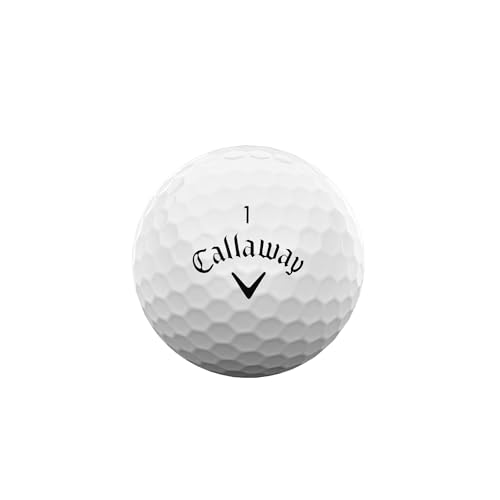
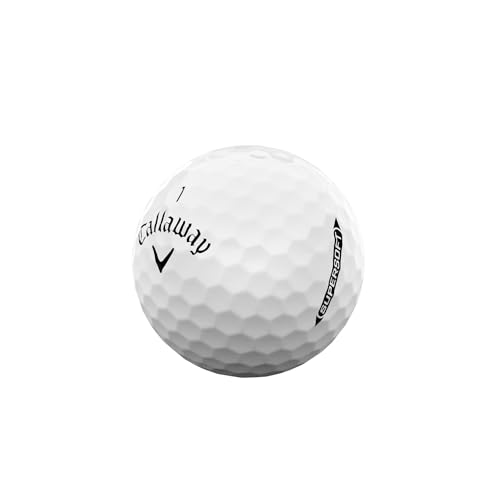
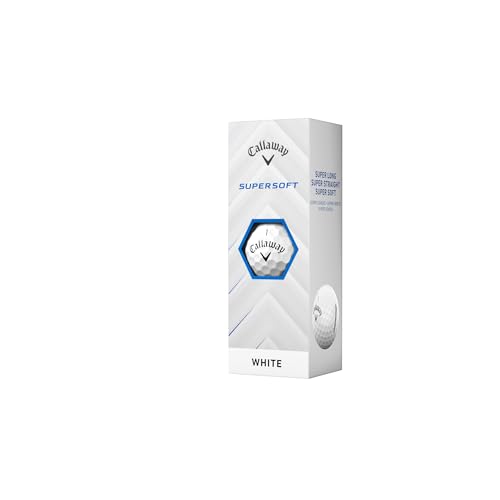
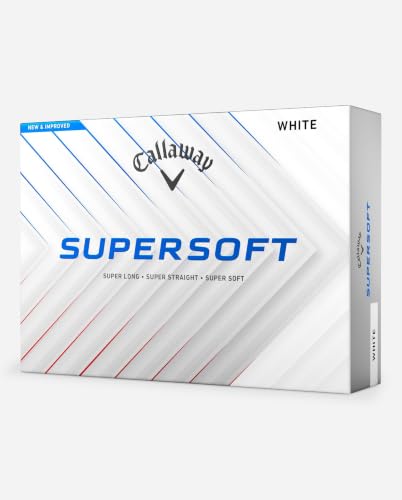
Callaway Supersoft Golf Balls 2025

Strengths
- Very soft feel
- High ball speed
- Good short-game spin
Trade-offs
- Expensive for a distance ball
- Cover wears faster
- Not for high spin seekers
The 2025 Supersoft continues Callaway’s streak of blending extreme softness with surprising speed. The HyperElastic SoftFast Core is the star, owners report it launches high and fast, even with slower swings, and the Hybrid Cover manages to deliver both durability and a soft touch around the greens. It’s one of the few balls in this class that feels premium without costing like one.
Where it pulls ahead is in versatility. It’s not just about distance, it offers better control on approach shots than most low-compression balls, thanks to the updated cover. Compared to the Srixon Soft Feel, it’s slightly more responsive, though not quite as durable. If you want softness without sacrificing all control, this is the one.
Product photos
TaylorMade Distance+ Golf Balls
Strengths
- Explosive ball speed
- Wind-resistant flight
- Alignment aid
Trade-offs
- Average short-game control
- Cover can scuff
- Limited feel on putts
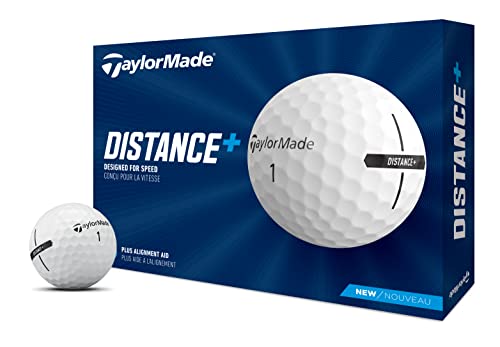
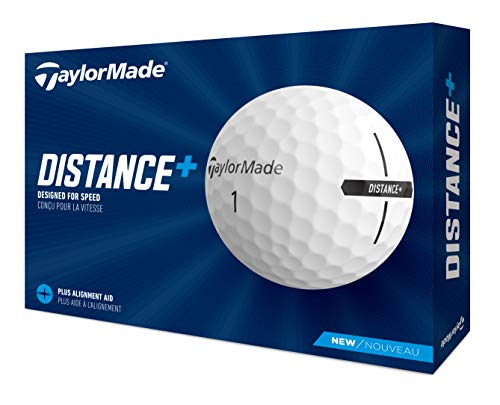
TaylorMade isn’t playing around with the Distance+, this ball is engineered for one thing: long, fast flights. The REACT Speed Core shows up in owner feedback as a real distance booster, and the Extended Flight Dimple Pattern helps these stay airborne longer, especially in headwinds. It’s a mid-launch, low-spin profile that keeps drives online, and the alignment aid is a small but appreciated touch for putting and short irons.
It’s not going to dazzle with greenside spin, but that’s not why you’re here. Compared to other budget models, this one feels more refined, softer than expected, with decent feedback. For beginners or high-handicappers, this hits the sweet spot of performance and price.
Product photos


Srixon Soft Feel Golf Balls

Strengths
- Soft feel
- Low compression
- Good greenside control
- Affordable
Trade-offs
- Moderate durability
- Limited spin on full irons
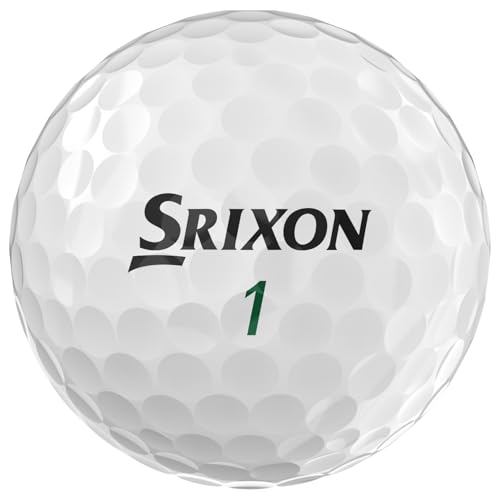
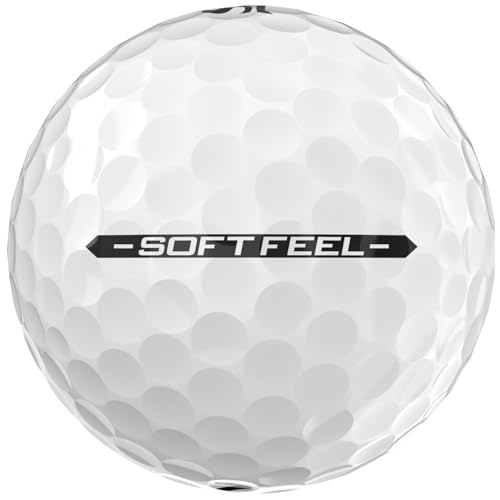
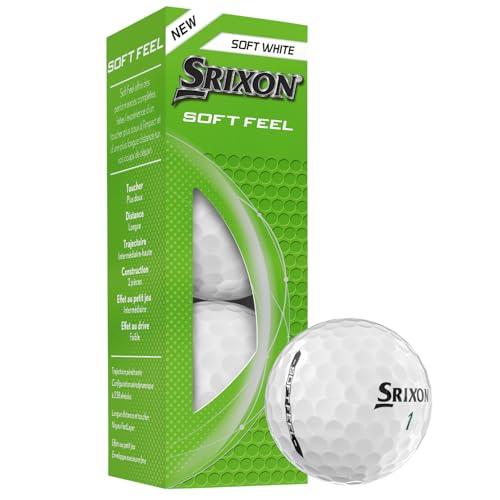
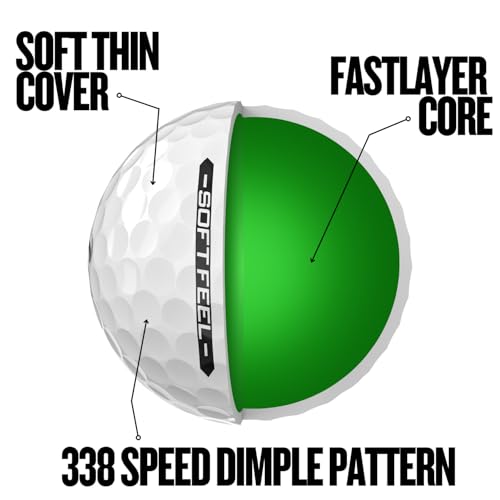
If you’re after a ball that balances softness and distance without draining your wallet, the Srixon Soft Feel makes a strong case. The low-compression core is tuned for slower swing speeds, and owners consistently report a noticeable boost in ball speed off the driver, which translates to longer, easier launches. The 338 Speed Dimple Pattern does its job, reducing drag and promoting a stable flight, even if it’s not built for tour-level spin.
What stands out is how well it performs around the greens. The thin cover delivers more feedback on chips and putts than you’d expect at this price, and reviewers often mention the satisfying blend of soft feel and control. It’s not a tour ball, but for weekend players prioritizing comfort and consistency, it punches above its weight.
Product photos
P*ss M*ssile Distance Golf Balls

Strengths
- Low spin flight
- 4-layer construction
- High visibility yellow
Trade-offs
- Firm feel
- Poor short-game spin
- Expensive for non-conforming ball
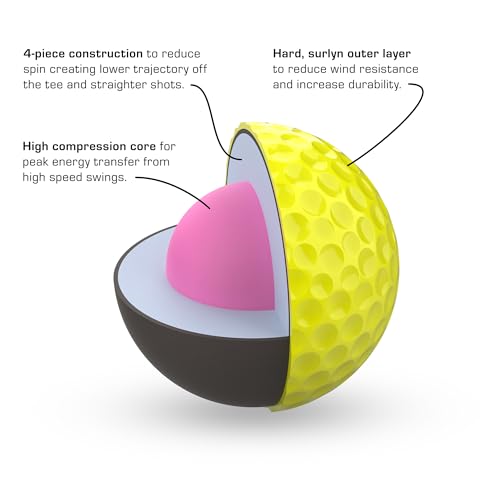
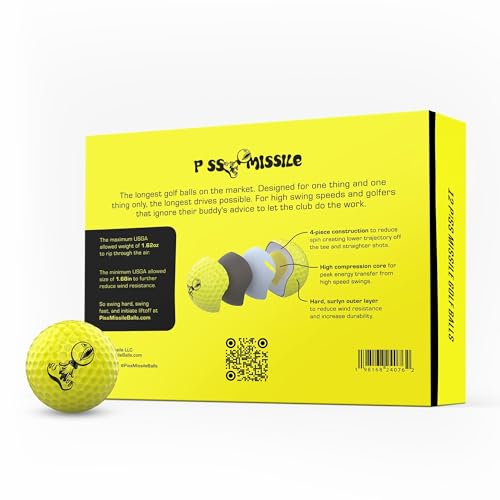
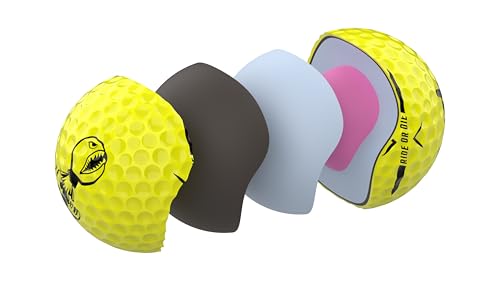
Let’s cut through the branding noise, these are serious distance balls with a 4-piece design that’s rare at this price. The high-compression core is built for energy transfer, and owners consistently report longer, straighter drives with reduced sidespin. The 352-dimple pattern and hard Surlyn cover enhance aerodynamics, making them surprisingly stable in wind.
It’s not just about power, the low-spin, penetrating flight helps avoid the dreaded slice, which is why so many high-handicappers love them. But the firm feel and lack of greenside bite make them a poor fit for precision players. If you want to bomb it straight and don’t care about finesse, this ball delivers.
Product photos

MG Senior Golf Balls
Strengths
- High launch
- Soft impact feel
- Durable cover
Trade-offs
- Not USGA legal
- Limited spin control
- Less feedback on short game
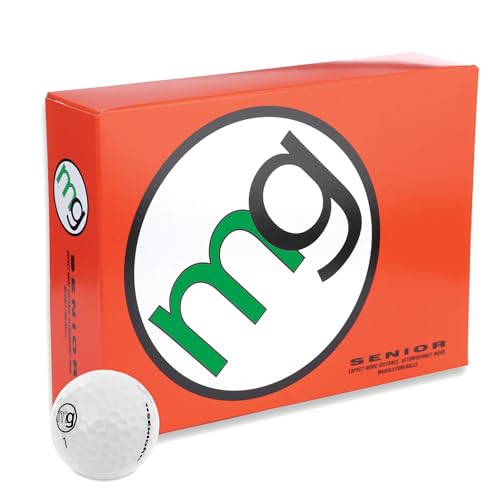
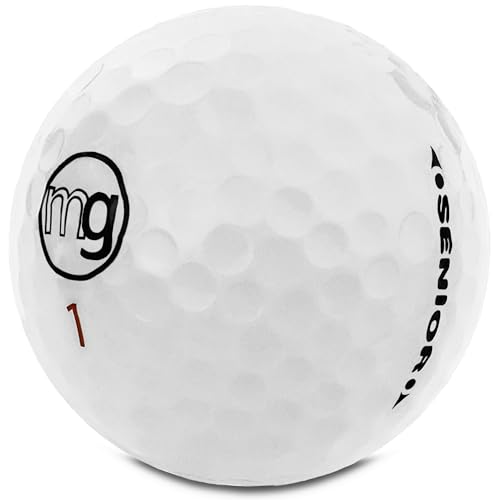
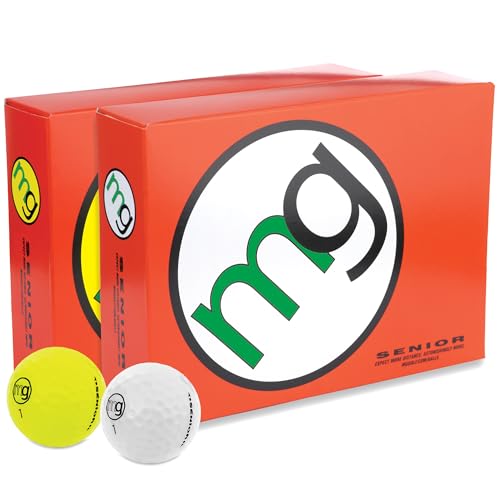
These balls are clearly built for one thing: helping seniors or recreational players squeeze more yardage out of every swing. The high-launch design and soft impact feel are frequently praised by owners, especially those whose drives have started to drop off. The Surlyn cover keeps them durable, and the 350-dimple pattern supports a steady, wind-resistant flight.
But there’s a catch, these are USGA non-conforming, which means no official tournaments or handicap rounds. That won’t matter to casual players, but it’s a hard line. If you just want to hit it longer and enjoy the game more without rules compliance, this ball delivers. But if you ever play in club events, look elsewhere.
Product photos
How We Picked These long drive golf balls
Rather than a hands-on lab test, my research focused on a detailed comparison of published specifications and features across numerous models. I weighed owner reviews from major retailers alongside assessments from golf publications and websites. This process allowed me to build a ranking based on what consistently emerged as important to golfers seeking extra distance, factoring in swing speed and desired ball flight characteristics.
For long drive golf balls, compression and dimple pattern were the most heavily weighted factors. Lower compression is crucial for golfers with moderate swing speeds to effectively compress the ball at impact, while dimple design directly impacts aerodynamic lift and drag – key for maximizing carry. Beyond distance, feel and the potential for control around the greens also played a role, though distance remained the primary focus when evaluating these golf balls to maximize distance.
Published specs reliably indicate core construction (layers, materials) and dimple counts/patterns, offering insights into potential performance. However, I placed significant value on owner feedback regarding real-world distance gains, feel, and durability. Reputation and consistency of brands known for innovation in golf ball technology also factored into my assessments, supplementing the data found in a thorough golf ball guide.
What To Look For In long drive golf balls
Choosing the right golf ball can genuinely shave strokes off your game, but there’s a lot of marketing noise to cut through. I’ve seen golfers spend fortunes on balls that simply don’t match their swing or playing style, so let’s break down what really matters.
A quality golf ball balances distance, feel, spin, and durability. Key considerations include compression (matching it to swing speed), the number of layers in the construction, the dimple pattern (affecting aerodynamics), and the cover material (impacting feel and spin control). Players should also assess whether conformity to USGA standards is necessary for their play.
Compression and Swing Speed
The biggest mistake I see golfers make is ignoring compression. It’s not about hitting the ball harder; it’s about efficient energy transfer. A ball’s compression rating indicates how much it squishes upon impact. Higher compression balls are for faster swing speeds (generally 110+ mph with a driver) because they need that force to compress properly. Lower compression balls, like the MG Senior Golf Balls, are designed for slower swings (under 85 mph) to maximize distance and feel. Trying to compress a ball beyond its limits results in lost energy and shorter distances.
Core Construction & Layers
Golf ball construction has evolved dramatically. Two-piece balls, like the TaylorMade Distance+, are typically the most affordable and durable, offering good distance for moderate swing speeds. Three-piece and four-piece balls (such as the Pss Missile Distance Golf Balls) add layers to control spin and feel. More layers allow for greater customization; a softer inner core can improve feel, while a firmer outer layer enhances distance. Don’t automatically assume more layers are better – consider how those layers interact with your* swing.
- A two-piece ball is best for beginners or high-handicap players prioritizing distance and affordability.
- A three-piece ball offers a better balance of distance, spin, and feel for mid-handicap players.
- A four- or five-piece ball is geared toward lower-handicap players who demand precise control and spin around the greens, and are willing to pay a premium for it.
A good rule of thumb is to prioritize distance if your primary issue is getting the ball off the tee, and prioritize spin if you struggle with control around the green.
Cover Material & Feel
The cover is the outermost layer of the golf ball, and it significantly impacts feel and spin. Surlyn covers are durable and offer a firmer feel, often found in distance-oriented balls. Urethane covers are softer and provide more spin and control, favored by better players. The Callaway Supersoft Golf Balls 2025 use a hybrid cover attempting to bridge this gap, offering a blend of distance and feel. Ultimately, cover feel is subjective, but it affects your confidence over the ball, and that matters. If you’re searching for golf balls for distance and accuracy, a urethane cover is usually the way to go.
I often recommend golfers consider a variety of distance balls to see what performs best for them.
Long Drive Golf Balls Compared
Here’s a spec comparison of several long drive golf ball options to help you find the best fit for your game.
| Product Title | Best For | Construction | Dimple Count | Cover Material | Swing Speed |
|---|---|---|---|---|---|
| Vice Drive | Best Overall | 2-Piece | 368 | N/A | Low-Medium |
| Bridgestone e9 Long Drive | Best Value Performance | N/A | 330 | N/A | N/A |
| Callaway Supersoft 2025 | Best for Soft Feel & Speed | N/A | N/A | Hybrid | N/A |
| TaylorMade Distance+ | Best Budget Friendly | 2-Piece | N/A | Ionomer | N/A |
| Srixon Soft Feel | Best for Slow Swing Speeds | N/A | 338 | N/A | Slow-Medium |
| Pss Mssile Distance | Best for Low Spin & Straight Flight | 4-Piece | 352 | Surlyn | N/A |
| MG Senior Golf Balls | Best for Senior Golfers | 2-Piece | 350 | Surlyn | Slow |
Frequently Asked Questions
What compression should I choose if I don’t know my swing speed?
Generally, most golfers benefit from a lower compression ball (80 or below). If you typically struggle to get the ball airborne, or feel little feedback at impact, explore distance balls for seniors designed for slower swing speeds.
Are multi-layer golf balls always better for distance?
Not necessarily. While more layers can offer customization, a well-designed two-piece ball can outperform a poorly matched multi-layer ball. Consider your swing speed and prioritize a ball that efficiently transfers energy at impact, rather than simply chasing layer count.
How much of a difference can a golf ball really make?
A properly fitted golf ball can add 20-30 yards of distance, and significantly improve control. The difference is most noticeable with compression; using a ball matched to your swing speed optimizes energy transfer for maximum velocity.
Do dimple patterns actually affect flight?
Yes, dimple patterns are crucial for aerodynamic performance. Different patterns influence lift and drag, impacting carry distance and ball flight shape. Balls like the Vice Drive with 368 dimples show how manufacturers are attempting to optimize this aspect.
What if I want a ball that balances distance with overall performance?
If you’re looking for a ball that doesn’t sacrifice feel and control for distance, consider a three-piece ball with a urethane cover. These all-round golf balls offer a good compromise for golfers seeking well-balanced performance.
The Bottom Line
Choosing the “best” long drive golf ball always comes down to matching the ball to your swing. You can spend more for advanced technology, but if it doesn’t complement your speed and style, you won’t see the benefits. For the vast majority of golfers looking for all-around performance and reliable distance, I believe the Vice Drive strikes the best balance, offering a solid combination of specs and positive owner feedback.
If you’re on a tighter budget or specifically need a ball geared toward a slower swing, the TaylorMade Distance+ is an excellent choice. And for those prioritizing a softer feel alongside distance, or seeking balls offering both distance and forgiveness, the Callaway Supersoft 2025 is worth considering. Don’t overlook affordable 2-piece golf balls if simplicity and value are key.
Ultimately, specs like compression and dimple count are important, but they’re secondary to finding a ball that feels good in your hands and inspires confidence on the tee. Focus on matching the ball’s characteristics to your swing speed and desired ball flight, and you’ll be well on your way to adding distance and enjoyment to your game.
