
7 Best Tints for Golf Sunglasses 2026
This post contains affiliate links. As an Amazon Associate, we earn from qualifying purchases.
This post contains affiliate links. As an Amazon Associate, we earn from qualifying purchases.
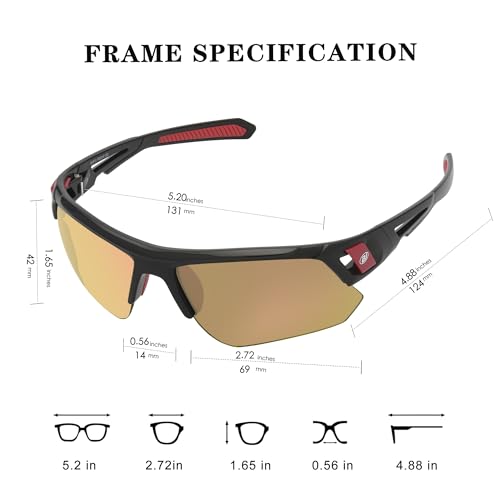
The Tifosi Optics Navar FC with green tint stands out as the top choice for most golfers, delivering excellent contrast and clarity in a lightweight design. For a warmer visual tone that excels in variable light, the maivnz Black Rose Lens is a strong runner-up, while the BLAITEJUS Rose Gold Lens offers a stylish, versatile option for changing conditions.
Golfers don’t just need sun protection, they need visual precision. A poor lens tint can flatten the terrain, hide subtle breaks on greens, or make it harder to follow the ball in flight, turning a beautiful course into a frustrating experience.
This guide cuts through the marketing by focusing on tints proven to enhance contrast, preserve true depth perception, and perform across different light conditions. I researched each option based on optical performance, real-world feedback, and how well they meet the unique demands of the game.
Top 7 Tints For Golf Sunglasses in the Market
The Best Tints For Golf Sunglasses, Reviewed
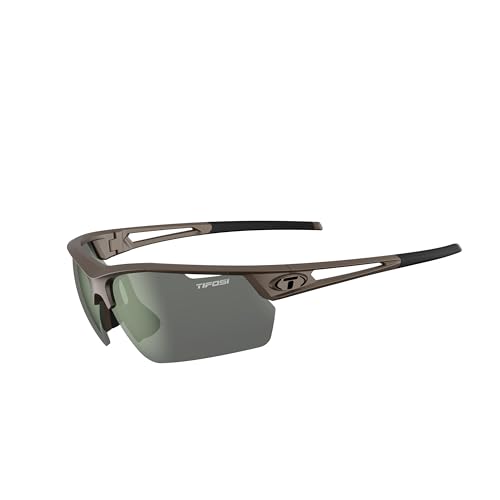
Tifosi Optics Navar FC Sunglasses
Strengths
- Enliven Golf lens
- Ultra-light Grilamid frame
- Vented to reduce fog
- Sweat-activated grip
Trade-offs
- Higher price point
- No polarization option
The Enliven Golf lens is where this model earns its reputation. At 16% VLT, it’s tuned for bright conditions, and the green tint is engineered to enhance depth perception and green contours, something many golfers struggle with under flat lighting. Reviewers note the clarity and how well it helps distinguish subtle breaks, making it a favorite among weekend players chasing lower scores.
At only 24 grams and built with Grilamid TR-90, it’s featherlight and durable. The hydrophilic nose and ear pads are a proven design, grip improves as you sweat, which matters over 18 holes. Compared to budget models, the optical quality and ventilation (to prevent fogging) make this the smarter buy for serious play.
Video review
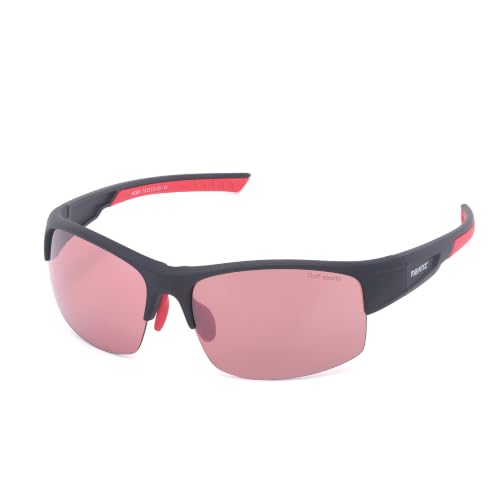
maivnz Golf Sunglasses Black Rose Lens
Strengths
- Rose lens enhances ball contrast
- Non-polarized for device use
- Lightweight no-slip fit
- Durable lens construction
Trade-offs
- Rose tint less ideal for green reading
- Slight color distortion reported
This rose lens model is all about ball tracking. The tint is engineered to make white objects pop against green backgrounds, and owners confirm it helps spot the ball faster in rough or shadowed fairways. It’s non-polarized like its green-lens sibling, so your GPS and rangefinder stay visible, critical for course navigation.
The 2.0mm polycarbonate lens feels solid, and the soft nose pads deliver comfort over long rounds. Compared to the green version, this one leans more into visibility than green reading. If your struggle is losing the ball mid-flight or after landing, this tint gives a real edge.
Video review
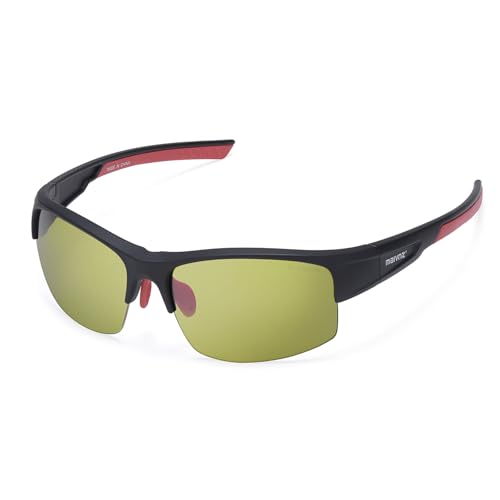
maivnz Golf Sunglasses Black Green Lens
Strengths
- Green contrast-enhancing lens
- Non-polarized for device clarity
- Lightweight secure fit
- Comes with cleaning accessories
Trade-offs
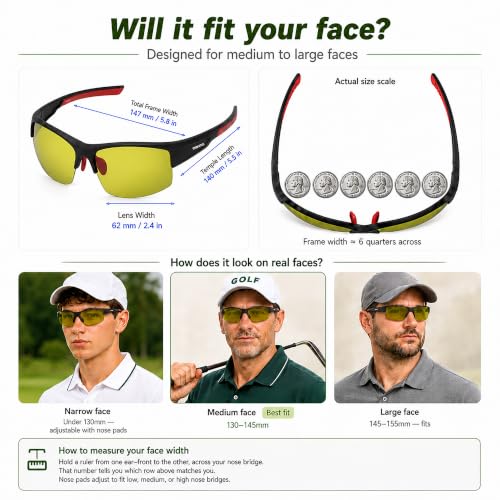
- Frame runs slightly wide
- Limited style options
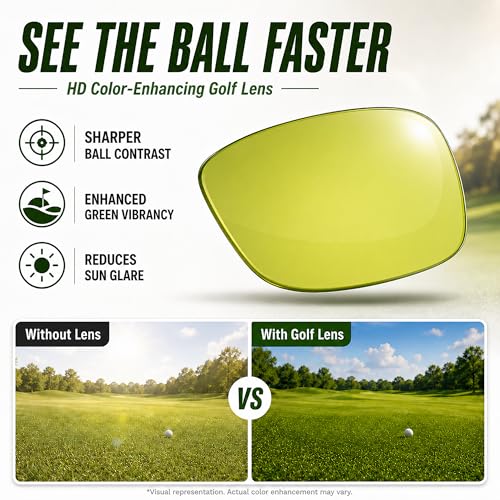
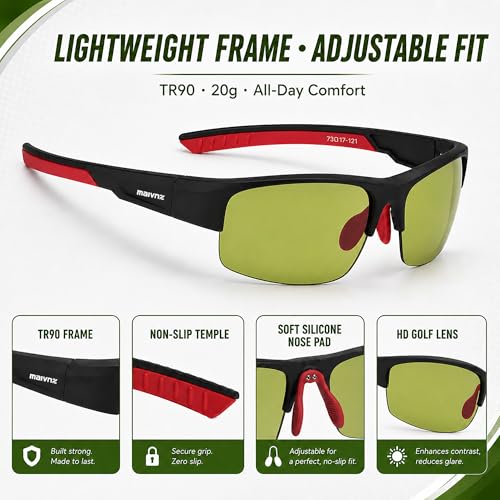
This green lens model stands out because it’s specifically tuned for golf, owners say it sharpens the contrast between the white ball and green surroundings better than generic tints. The 2.0mm polycarbonate lens feels sturdy, and the non-polarized design is a plus when you’re using a GPS rangefinder or checking yardage apps, since polarization can interfere with screen visibility.
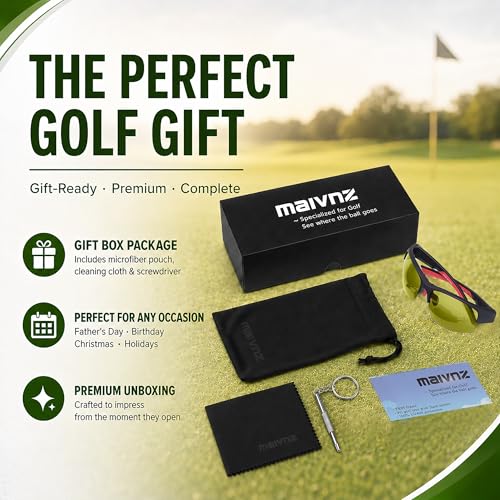
I’d pick this over the rose gold version if your priority is green reading and ball tracking. The adjustable nose pads and non-slip grips keep things stable during the swing, and the included microfiber pouch adds value. For the price, it’s one of the smarter dedicated golf tints out there.
Product photos

BLAITEJUS Rose Gold Lens Golf Sunglasses
Strengths
- Rose gold tint
- Ultra-lightweight
- Sweat-gripping nose pads
- Scratch-resistant lenses
Trade-offs
- No polarization
- Basic packaging
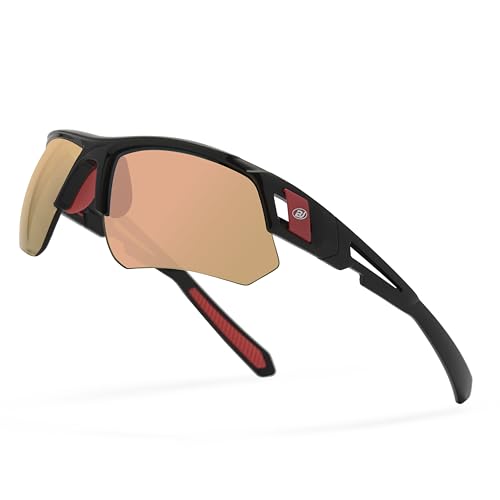
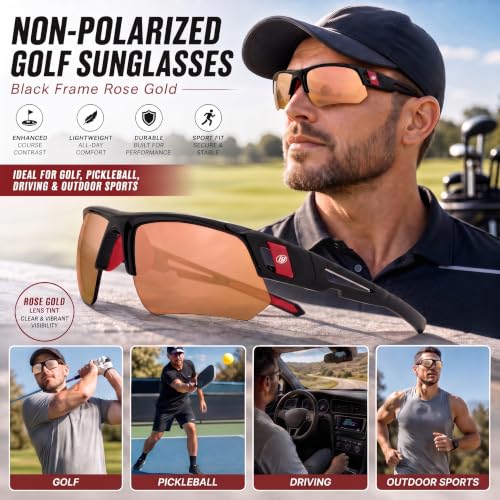
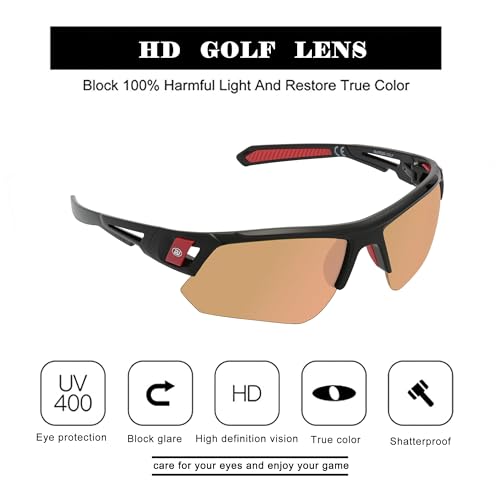
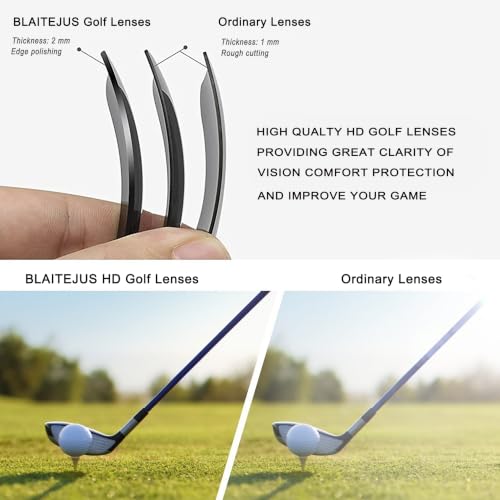
The rose gold tint here is more than just stylish, it’s functional. On paper, it’s designed to boost contrast between the ball and green, and owners consistently report it makes spotting a white ball on lush grass noticeably easier, especially in high-glare conditions. While it’s not a polarized lens (a deliberate choice for golfers), the HD clarity and color enhancement align well with what serious players want from a tint.
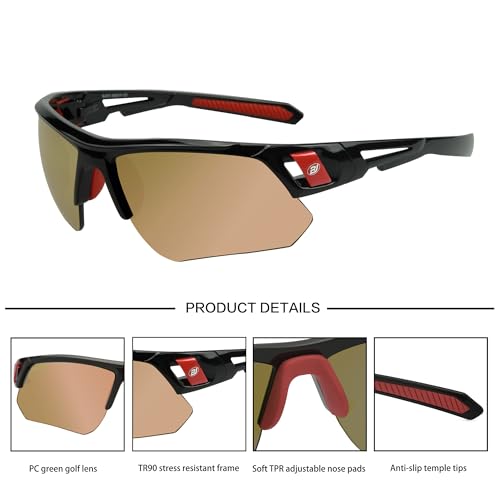
At just 25g, the TR90 frame delivers on comfort, and the sweat-activated nose pads are a small but smart touch for long rounds. Compared to bulkier budget models, this pair feels built for endurance. It’s no surprise that many users also use them for pickleball or cycling, the versatility is real.
Product photos
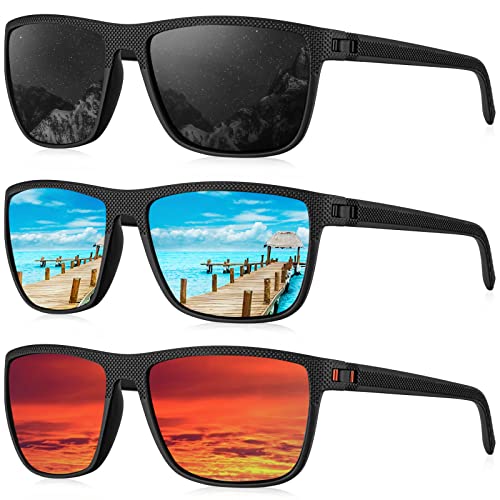
KALIYADI Polarized Sunglasses Men
Strengths
- Very affordable
- Polarized lens
- Classic rectangular style
- Three-pair value pack
Trade-offs
- Polarized tint hinders green reading
- Flimsier frame
- Not golf-specific
These come in at a shockingly low price, and the three-pair bundle makes them a go-to for casual wear or backup shades. The ice blue lens is polarized, which cuts glare well on water or pavement, but that’s also a drawback on the course, polarization can make it harder to read grain on greens and may dim your rangefinder display.
Owners praise the classic rectangle look and how well they work for driving or fishing, but for dedicated golf, they’re a compromise. The build feels thin compared to TR90 frames, though the spring hinges help with durability. If you’re looking for a no-frills, fashionable pair for off-course use, this delivers.
Product photos


Duduma Polarized Sports Sunglasses

Strengths
- 7-layer polarized lens
- Full-rim eye protection
- Lightweight durable frame
- Good for multiple sports
Trade-offs
- Polarization limits golf use
- Tint not optimized for ball tracking
- Less style refinement
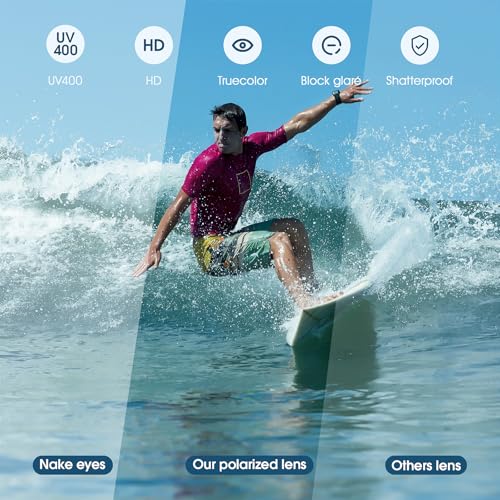
With a 7-layer TAC polarized lens and full-rim wraparound design, these are built for action. The grey matte frame with black lens gives a tactical look, and the UV400 protection is solid. But here’s the catch: polarization, while great for reducing glare on water or roads, can interfere with golf electronics and flatten visual depth on grassy terrain.
Still, owners love them for running, cycling, and fishing, situations where glare reduction is king. The frame is flexible and holds well during motion, but the tint doesn’t enhance green-to-white contrast like dedicated golf lenses do. For multi-sport use, it’s a strong contender. For golf? It’s a backup, not a primary.
Product photos



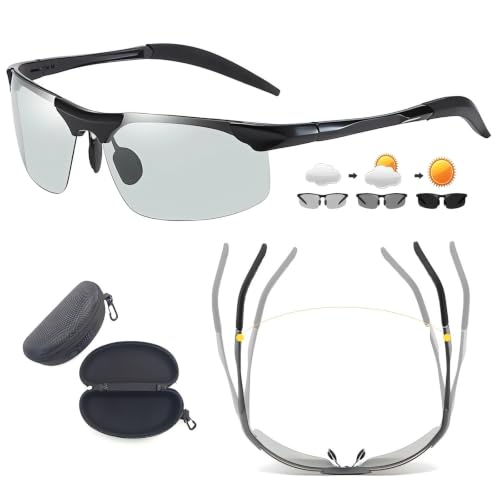
Photochromic Anti-Glare Polarized Sunglasses
Strengths
- Adapts to light conditions
- Polarized anti-glare
- UV400 and Z87 safety rated
- Good for day-to-night use
Trade-offs
- Polarization limits golf performance
- Slow transition speed
- Build quality basic
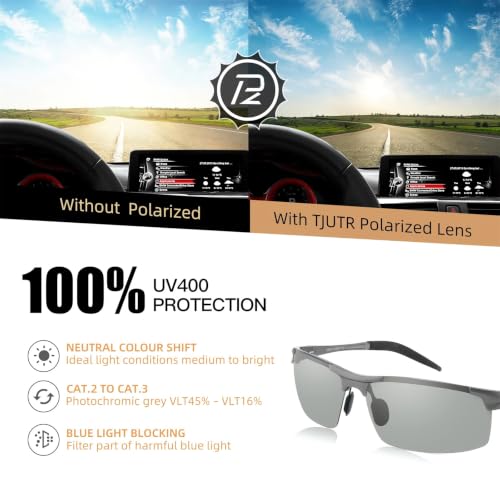
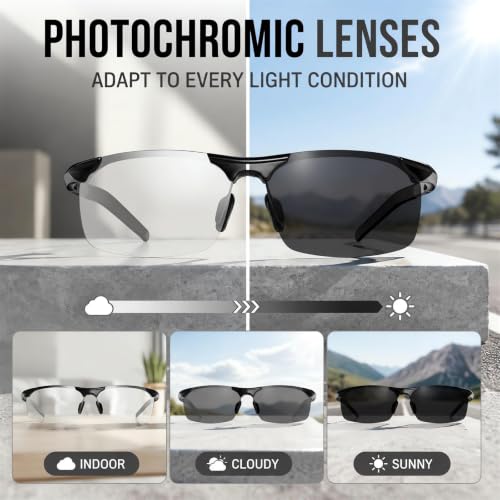
The photochromic feature is the big sell here, lenses that shift from light to dark based on UV exposure. On cloudy days or in shaded tree-lined courses, that adaptability helps maintain visual comfort. Owners note the transition isn’t instant, but it’s functional for changing light.
But there’s a conflict: it’s polarized, which helps with glare but hurts green depth perception and device screens. For golf, that’s a trade-off. The night vision claim feels overstated, low-light contrast boost is modest. Still, for someone who wants one pair for driving, evening walks, and weekend golf, the versatility is appealing.
Product photos



How We Picked These tints for golf sunglasses
Rather than a hands-on lab test, my research for these recommendations involved a detailed comparison of published specifications and features from numerous brands. I weighed owner reviews – looking for consistent feedback on performance and comfort – alongside expert opinions from golf publications and optics specialists. My goal was to rank these tints based on how well they address the specific visual demands of golf, applying my experience planning golf trips and understanding what golfers truly value.
For golf sunglasses, the most important factors are how well the tint enhances contrast and depth perception, and how effectively it reduces glare without distorting the course. Being able to see the ball clearly is paramount, as is maintaining accurate green reading. Lightweight frames and a secure fit also ranked highly, since comfort is essential for a full round.
Specifications reliably reveal UV protection levels and lens material quality. However, I placed more weight on owner feedback regarding real-world performance – specifically, how well each tint performed in various lighting conditions and whether it truly improved ball tracking. Information on clarity, color enhancement, and resistance to scratches were heavily influenced by user reports, as these are difficult to quantify without long-term, personal use. Understanding the nuances of lens colors was also crucial.
How To Choose The tints for golf sunglasses
Finding the right pair of golf sunglasses can truly elevate your game, and it’s about more than just blocking glare.
A quality pair of golf sunglasses should prioritize optical clarity and depth perception, not simply darkness. Look for lenses specifically designed for golf, with color enhancement to track the ball, and frames that stay put during a dynamic swing. UV400 protection is a must, and polycarbonate lenses offer impact resistance for safety. Consider the fit – a secure, comfortable fit is crucial for all-day wear on the course.
Lens Color Is Paramount
I’ve spent years advising golfers on planning trips, and one thing consistently impacts their enjoyment: eye strain. Beyond basic UV protection, the color of the lens is the single most important factor. Green or yellow tints are popular because they enhance contrast, making it easier to track the ball against the green backdrop. However, rose tints can also be excellent, especially in variable light conditions. Avoid overly dark lenses, as they can reduce depth perception, which is vital for reading greens. Many golfers are surprised to learn about the benefits of different lens tints – it’s a detail that makes a real difference.
Polarization: To Polarize or Not?
The debate over polarized lenses in golf is ongoing. While they’re fantastic for reducing glare off water and pavement, they can interfere with the LCD screens found in many golf carts and rangefinders, causing them to appear blacked out. If you rely heavily on these devices, you’re better off with a non-polarized lens specifically engineered for golf.
Here’s what I tell golfers considering this: * A quick test is to look at an LCD screen while wearing the sunglasses. If it goes dark, skip the polarized lenses. * For golfers who don’t use cart or rangefinder screens, polarized lenses can offer superior glare reduction. * The best option may be to have multiple pairs of golf sunglasses – one polarized for casual use and one non-polarized for dedicated golf rounds. That way you can always have non-polarized sunglasses on hand when you need them.
Don’t sacrifice functionality for style. A lens that looks good but hinders your ability to accurately read a green or track a ball isn’t worth the price.
Frame Fit and Features
A lightweight frame is essential for all-day comfort, especially during a long round. Grilamid TR-90 is a popular material because it’s durable, flexible, and incredibly light. Hydrophilic rubber on the nose pads and temples is a huge plus; it increases grip as you sweat, preventing slippage during your swing. Look for adjustable features to fine-tune the fit to your face. Beyond that, consider the coverage area – a fuller frame provides better protection from sun, wind, and even errant golf balls.
Tints for Golf Sunglasses Compared
The following table provides a specification comparison of various golf sunglasses to aid in your decision-making process.
| Product Title | Lens Color | UV Protection | Frame Material | Weight | Polarized |
|---|---|---|---|---|---|
| Tifosi Optics Navar FC Sunglasses | Green | 100% UVA/UVB | Grilamid TR-90 | 24g | No |
| maivnz Golf Sunglasses Black Rose Lens | Rose | UV400 | N/A | N/A | No |
| maivnz Golf Sunglasses Black Green Lens | Green | UV400 | N/A | N/A | No |
| BLAITEJUS Rose Gold Lens Golf Sunglasses | Rose Gold | UV400 | TR90 | 25g | No |
| KALIYADI Polarized Sunglasses Men | N/A | UV400 | Metal/Polycarbonate | N/A | Yes |
| Duduma Polarized Sports Sunglasses | N/A | UV400 | Polycarbonate | N/A | Yes |
| Photochromic Anti-Glare Polarized Sunglasses | Variable | UV400 | N/A | N/A | Yes |
Frequently Asked Questions
What tint is best for overcast days?
Rose tints are ideal for overcast conditions because they brighten your vision and enhance contrast without being overly dark. They perform well across variable light, helping you maintain visibility when the sun peeks through the clouds.
Can polarized sunglasses actually hinder my game?
Yes, polarized sunglasses can interfere with the visibility of LCD screens found on many golf carts and rangefinders, making them difficult or impossible to read. If you rely on these devices, polarized sunglasses may not be the best choice.
Are darker tints always better for bright sunlight?
No, darker tints aren’t always better. While they reduce overall brightness, they can also diminish depth perception, which is crucial for judging distances and reading greens. A medium-toned green or yellow tint often provides better clarity and contrast in bright conditions.
What frame material offers the best combination of durability and comfort?
Grilamid TR-90 is an excellent frame material because it’s incredibly lightweight, flexible, and impact-resistant. This makes it comfortable for all-day wear and durable enough to withstand the rigors of a golf round, and is often found in versatile sports eyewear.
Is UV400 protection sufficient for all-day wear on the course?
Yes, UV400 protection blocks 100% of UVA and UVB rays, which is the standard recommended for adequate eye protection during prolonged sun exposure. This level of protection is essential for preventing long-term eye damage while playing golf.
The Bottom Line
Ultimately, choosing the right tint for golf sunglasses comes down to balancing visual performance with your personal preferences and course conditions. While many options exist, the Tifosi Optics Navar FC Sunglasses stand out as the strongest all-around choice, offering excellent clarity and contrast enhancement without the potential drawbacks of polarization. They deliver a quality experience without breaking the bank.
For golfers specifically needing a budget-friendly option, the maivnz Golf Sunglasses Black Rose Lens are an excellent pick. If you frequently play on courses with a lot of water or bright surfaces, and don’t rely on cart screens, consider the Duduma Polarized Sports Sunglasses – they’re well-regarded for glare reduction and polarized lenses for greens.
At the end of the day, no single spec will magically lower your score. Prioritize optical clarity, a comfortable and secure fit, and a lens color that enhances your ability to track the ball and accurately assess reading greens. Finding the right pair of sunglasses for golf is about optimizing your vision, so you can focus on what truly matters – enjoying the game.
