
A Simple 4-Step Golf Practice Routine for Beginner Players
This post contains affiliate links. As an Amazon Associate, we earn from qualifying purchases.
This post contains affiliate links. As an Amazon Associate, we earn from qualifying purchases.
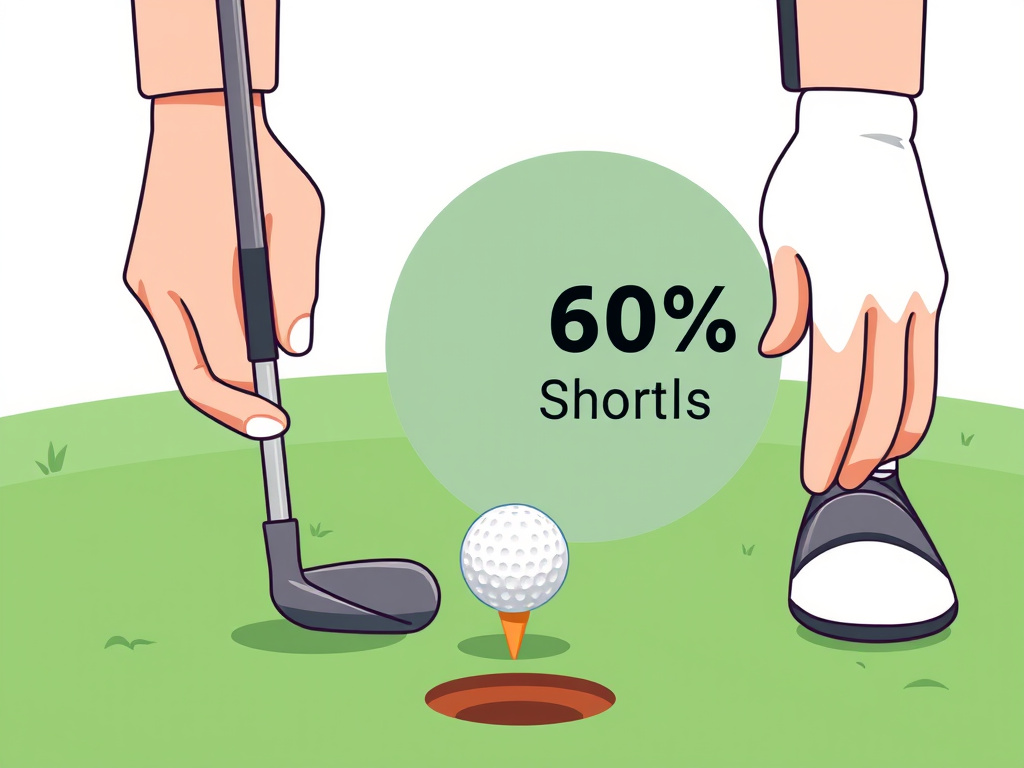
A golf practice routine for beginners requires four things: spend 60% of your time on putting and chipping, start every session by checking your grip and alignment, structure range time with the 10-10-10 drill (wedge, 7-iron, driver), and track one simple number like 3-foot putts made. This structure replaces guesswork with measurable improvement.
Most beginners walk onto the range and start whacking drivers. That feels productive for about ten minutes. Then the slices pile up, frustration sets in, and you leave no better than you arrived. The problem is a missing framework rather than effort.
What follows is an operating system for your practice time, consisting of four pillars each with a specific why, that build the skills that actually lower scores.You’ll learn why the short game gets the most minutes, how to make range time count, and how to practice when you can’t get to the course.
Key Takeaways
- Spend at least 60% of your total practice time on putting and chipping. Over half your strokes happen within 100 yards of the hole.
- Your first five minutes are for setup, not swinging. Check grip pressure, posture, and alignment with a club on the ground. A consistent setup creates consistent contact.
- Structure driving range time with the 10-10-10 drill: 10 wedge shots for control, 10 mid-iron shots for ball-striking, 10 driver shots for accuracy. Never hit the same club more than 15 times in a row.
- Home practice is legitimate. A putting mat, a dozen foam practice balls, and a chipping net can build real skill through daily repetition.
- Track one number, like consecutive 4-foot putts made or up-and-down percentage. If you can’t measure it, you’ll guess your progress, and beginners always guess wrong.
The 4 Pillars of a Beginner Practice Routine
Good practice is about the allocation of a limited amount of focus and physical energy each session.Spending it on the wrong things is how players stay stuck for years.
The framework below prioritizes skills by their impact on your scorecard. It turns the abstract goal of “getting better” into a clear set of actions.
Pillar 1: The 60% Short Game Rule
Putting, chipping, and pitching account for roughly 60% of the strokes in a typical beginner’s round. You might take 40 putts and 15 chips. That’s 55 strokes before you even consider your drives.
Yet the average beginner spends 80% of practice time on full swings. Flip that ratio.
Spend the first half of every practice session on the putting green and chipping area. Reducing your putts from 40 to 36 saves as many strokes as adding 30 yards to your drive, and it’s far easier to achieve.
Start on the putting green. Roll ten 3-foot putts. Then ten 6-foot putts. Finish with five lag putts from 20-30 feet, where the goal is to stop the ball within a 3-foot circle of the hole. This 15-minute sequence covers the two skills that eliminate wasted strokes: making short ones and avoiding three-putts.
For chipping, use one club, a pitching wedge or a 9-iron, and learn one basic motion. Ball back in your stance, weight forward, hands ahead of the ball, and a pendulum stroke. Don’t just chip toward the green. Chip to a specific towel or tee. This is the core of effective practice: a target and a way to judge success.
Pillar 2: Setup Before Swing
Your grip, posture, and alignment are the only parts of the swing you can control before motion begins. A setup that changes daily guarantees inconsistent ball flight.
Your first five minutes at the range are for checks, not hitting. 1. Grip: Hold the club in the fingers of your lead hand, not the palm. The “V” formed by your thumb and index finger should point between your chin and right shoulder (for right-handed players). 2. Posture: Bend from your hips, not your waist. Let your arms hang naturally. You should feel athletic, not stiff. 3. Alignment: Place an alignment stick or a spare club on the ground parallel to your target line. Most beginners aim 20 yards right without realizing it. Your feet, knees, hips, and shoulders should be parallel to that stick.
Skipping this step means you’re practicing mistakes. A poor grip forces your hands to over-correct during the swing. Bad alignment makes you swing across the ball to compensate. Fix the setup first, and the swing often fixes itself.
Pillar 3: Structured Range Sessions
Mindlessly hitting a bucket of balls is exercise, not practice. Each shot needs a purpose.
The 10-10-10 drill is the antidote. It forces variety and builds a complete game. | Club Segment | Primary Focus | Common Mistake to Avoid | |——————|——————-|—————————–| | 10 Wedge Shots | Distance control and clean contact. Aim at a 50-75 yard target. | Swinging too hard. Focus on a smooth, three-quarter swing and where the ball lands. | | 10 Mid-Iron Shots | Ball-striking and direction. Use a 7-iron and aim at a 150-yard target. | Ignoring ball flight. Is it curving? A consistent curve indicates a swing path issue to work on. | | 10 Driver Shots | Accuracy and rhythm. Focus on hitting the fairway, not max distance. | Rapid-fire hitting. Step away, re-align, and rehearse your setup before each shot. |
This structure prevents you from grooving a mistake with one club. It also mirrors the variety of shots you face on the course. After each shot, analyze the result. Was it thin, fat, pulled, or sliced? That feedback tells you what to work on next.
Where this goes sideways: Hitting driver until your hands blister. You’ll ingrain a tired, sloppy swing and see zero transfer to the course. Stop before fatigue sets in, usually around 50-60 total balls.
Pillar 4: Measurable Progress
“Feeling” like you improved is unreliable. You need data.
Pick one stat to track for a month. The best options for beginners are: * 3-Putt Avoidance: How many three-putts did you have in your last round? * Up-and-Down Percentage: When you miss a green, how often do you get the ball in the hole in two shots (one chip + one putt)? * Practice Drill Score: In your deliberate practice sessions, record your score on a specific drill, like how many times out of ten you chip inside a 6-foot circle.
Use a notes app or a small golf journal. After three sessions, you’ll see a trend. That trend tells you what’s working and what isn’t. This turns practice from a vague obligation into a game you can win.
How to Practice Golf Without a Course
Life gets busy. You can’t always get to the range. A legitimate golf practice routine for beginners includes at-home work that builds muscle memory.
You need three things: a putting mat, a pack of foam practice balls, and a chipping target. Brands like PuttOUT and SKLZ make affordable, durable mats. For foam balls, Almost Golf balls are the standard; they fly about a third of the distance of a real ball but replicate flight surprisingly well.
The 15-Minute Home Session:
- Putting (5 min): On your mat, practice making ten 3-foot putts in a row. Miss one, start over. This builds pressure-proof confidence.
- Chip Motion (5 min): With a foam ball, practice your chipping stroke into a laundry basket or a homemade net. Focus on the “tick” of clean contact, not where the ball goes.
- Full Swing Feel (5 min): Without a ball, make ten slow-motion swings in front of a mirror. Check your backswing position and your finish. Are you balanced?
This isn’t a substitute for hitting real balls, but it’s far better than nothing. It reinforces the movements of a repeatable swing. Investing in a few key golf practice tools like a swing trainer or an impact bag can make these sessions even more productive.
The Tools That Actually Help
You don’t need expensive tech to start. But a few basic items remove guesswork.
Essential Low-Cost Gear:
- Alignment Sticks: Two driveway markers from a hardware store ($5 each). Use them for every setup check.
- Foam Practice Balls: For safe indoor or backyard swing work.
- A Putting Mat: Even a 6-foot mat teaches you to hit your start line.
When to Consider Technology:
After a few months, if you’re serious about improvement, a launch monitor provides objective feedback. The PRGR HS-130A is a pocket-sized monitor that gives swing speed and estimated carry distance. It tells you if your 7-iron really goes 150 yards, or if it’s 135. That data stops the guessing.
The Garmin R10 is a step up, offering club path and face angle data. It’s useful, but not necessary for your first year. Start with alignment sticks and foam balls. Add tech only after your basic setup and contact are consistent.
Frequently Asked Questions
How often should a beginner practice golf?
Aim for two to three structured sessions per week. One 45-minute session is better than three hours of aimless hitting on Saturday. Consistency beats marathon sessions. If you can add daily 10-minute putting practice at home, your improvement will accelerate.
What is the most important thing for a beginner to practice?
Putting and chipping. They determine your score. You can have a mediocre long game and still break 100 if you can get the ball in the hole from short range. Prioritize distance control on putts and clean contact on chips above all else.
Can I improve by only practicing at home?
Yes, significantly. You can build a reliable putting stroke, ingrain a balanced swing motion, and improve chipping contact at home. You won’t learn ball flight or course management, but you can build the foundational movements that make range time more effective. Practice without a course is about reinforcing technique.
How do I make practice more like playing on the course?
Add pressure and consequences. Don’t just hit 10 wedges. Play a game: try to hit 7 out of 10 inside a 30-foot circle. On the putting green, try to make five 4-footers in a row. Miss, and start over. This structured repetition under mild stress is what makes skills transfer from the range to the 18th hole.
Should I take lessons or just practice on my own?
One lesson early on is a massive shortcut. A certified pro can identify your major setup flaws in 30 minutes, grip, posture, alignment, and give you one or two drills to fix them. Practicing with a critical flaw means you’re just getting really good at doing the wrong thing. Get a lesson, get your drill, then practice that drill relentlessly.
Before You Go
A good golf practice routine for beginners is about smart investment. Spend your time where it pays the highest dividends: on the putting green, on your setup, and in short, focused range sessions with a plan.
Start your next session with ten minutes of putting. Grab a wedge, not a driver. Track how many 5-footers you make. That simple shift, from power to precision, is how scores start to fall. The game gets fun when you see the ball go where you intend. This framework gets you there.
