
6 Best Golf Balls for Spin 2026
This post contains affiliate links. As an Amazon Associate, we earn from qualifying purchases.
This post contains affiliate links. As an Amazon Associate, we earn from qualifying purchases.
The best golf balls for spin balance high greenside control with consistent flight, and after comparing the field, the Srixon Q Star Tour Yellow stands out as the top overall pick. For players wanting elite spin without the premium price, the Srixon Soft Feel White offers surprising performance for the cost, while the Callaway Supersoft 2025 White delivers sharp short-game bite that many low-handicappers appreciate.
Spin matters most when you’re trying to stop a ball on a tight green or shape a shot in the wind. Too many golfers grab balls based on brand or price alone, only to struggle with inconsistent backspin and poor control.
This guide cuts through the noise by focusing on what actually drives spin performance, cover material, core design, and dimple engineering. My picks are based on specs, owner feedback, and years of analyzing gear for golfers who want more precision in their game.
Top 6 Golf Balls For Spin in the Market
The Best Golf Balls For Spin, Reviewed
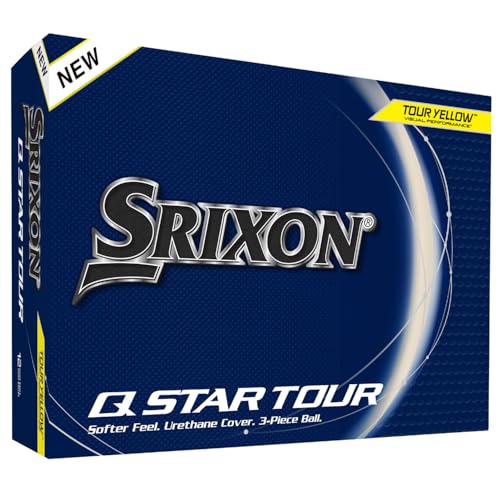
Srixon Q Star Tour Yellow
Strengths
- High greenside spin
- Urethane-like cover
- Great feel and control
Trade-offs
- Higher price than budget options
- Softer durability than ionomer balls
If you’re serious about spin and don’t want to pay tour-ball prices, the Q Star Tour is the one to beat. The Spin Skin with SeRM coating and softer urethane cover work together to dig into grooves and generate real stopping power, owners consistently praise its performance on partial wedges and cut shots. The FastLayer Core balances feel and speed, making it a rare ball that delivers both distance and feedback.
Compared to the Callaway Supersoft, it spins more, feels crisper, and holds greens better. It’s also more consistent than the Bridgestone e6 line for shot-making. At this price point, it’s the smart buy for mid-to-low handicappers who want tour-like performance without the $50+ price tag. I’d pick this over the others if spin is your priority.
Video review
Callaway Supersoft 2025 White

Strengths
- Soft feel
- Good short game spin
- Distance with comfort
Trade-offs
- Not for low handicappers seeking max spin
- Hybrid cover limits bite
Callaway’s 2025 Supersoft leans hard into the spin-and-softness combo, and on paper, it’s built to deliver where better players want it most, around the greens. The HyperElastic SoftFast Core promises speed without sacrificing feel, and the Hybrid Cover is tuned for more bite on short irons and wedges. Owners consistently report a noticeable uptick in greenside control compared to older Supersoft models, though it still falls short of full urethane balls in outright spin.
Still, I’d recommend it cautiously. It’s not a tour-level spinner, but for the mid-to-high handicapper who wants soft feedback and a little extra grab on approach shots, it’s a solid middle ground. It won’t out-spin the Srixon Q Star Tour, but it’s more forgiving on mishits and easier to compress.
Video review
Srixon Soft Feel White

Strengths
- Excellent value
- Soft feel
- Decent greenside spin
Trade-offs
- Not for fast swingers
- Durability could be better
- Limited full-shot spin
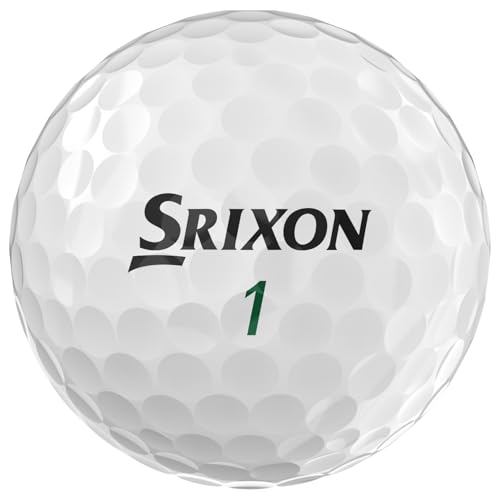
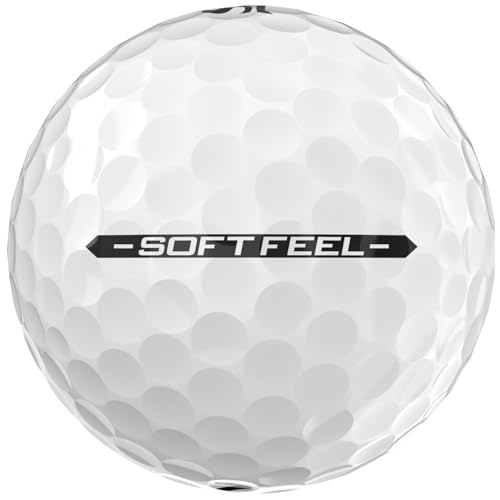
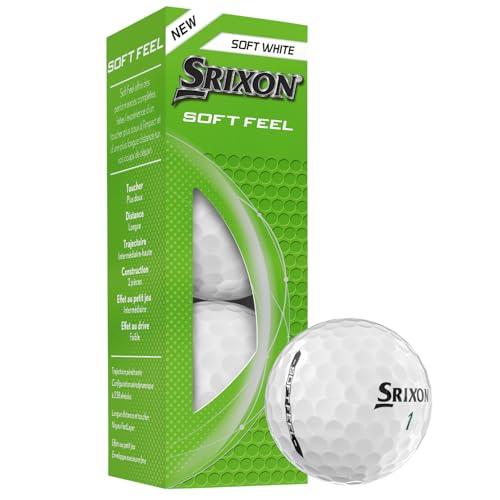
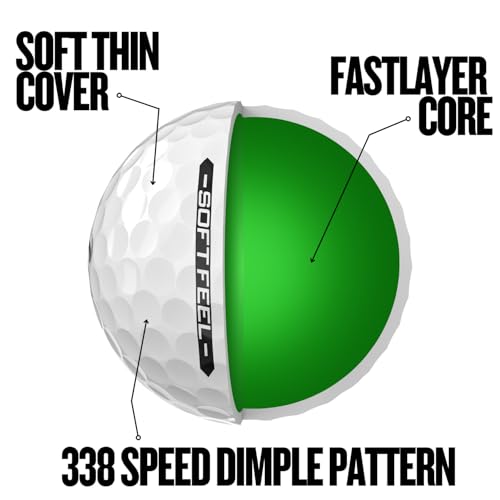
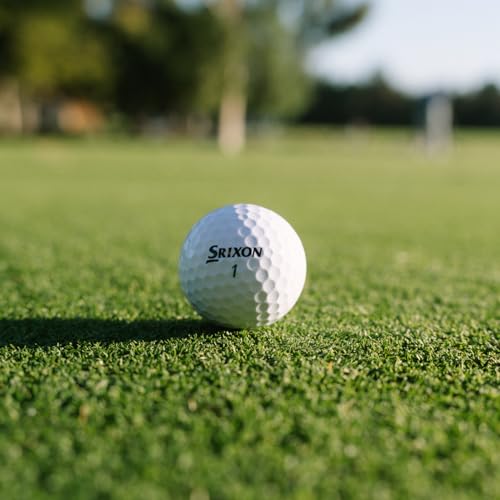
Srixon’s Soft Feel punches above its weight. The 14-layer cover sounds like marketing fluff, but owners report a surprisingly crisp short-game response for a budget ball. The thin cover and 338 Speed Dimple Pattern help reduce driver spin while boosting lift, and the high-energy core delivers solid speed for moderate swingers.
It doesn’t spin like the Q Star Tour, but it offers more control than the TaylorMade Distance+ and feels softer than the Bridgestone e6 Soft. For the price, it’s a standout, especially for golfers who want a little spin near the green without overspending. If you’re on a budget but don’t want to sacrifice all feel, this is the one.
Product photos
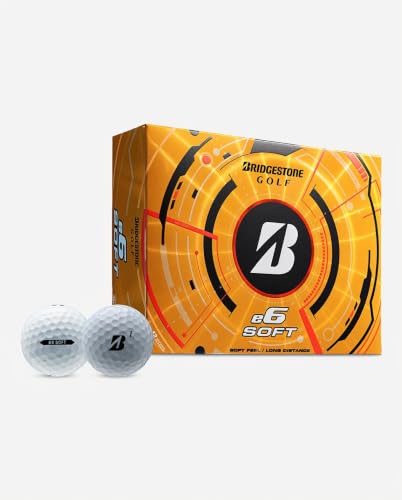
Bridgestone e6 Soft White

Strengths
- Very soft feel
- Easy launch
- Good for slow swings
Trade-offs
- Modest spin on full shots
- Not for aggressive players
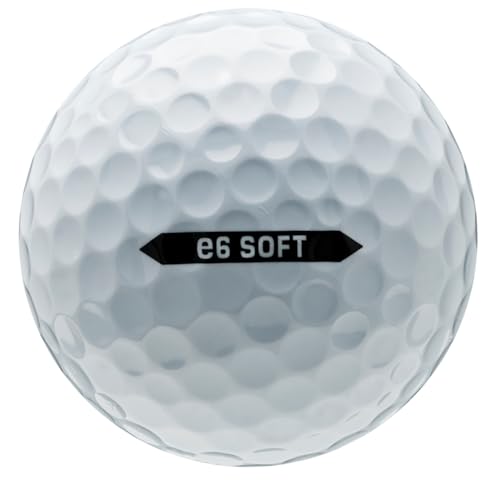
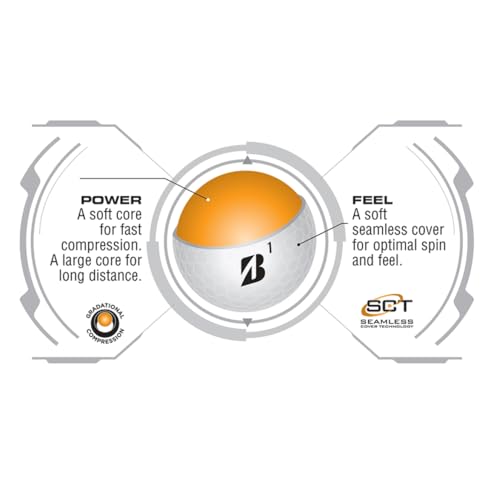
The e6 Soft is Bridgestone’s answer to golfers who want softness first, spin second. The larger, softer core cranks up ball speed for easier distance, while the seamless cover adds just enough grip for light touch and control near the green. It’s not a spin monster, far from it, but owners say it feels more responsive than the standard e6, especially on pitches and chips.
I’d position this as a feel-first ball rather than a spin-first one. It outperforms the TaylorMade Distance+ in short-game feedback, but it still can’t match the Srixon Q Star Tour or Callaway Supersoft when you need the ball to bite and stop. For players with slower swings, though, the easy launch and soft compression make it a quiet standout.
Product photos
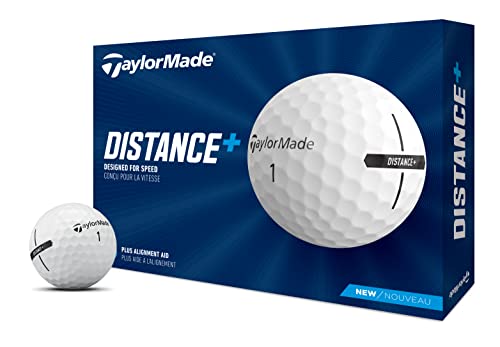
TaylorMade Distance+ White
Strengths
- Explosive distance
- Stable flight
- Great value
Trade-offs
- Low greenside spin
- Basic feel
- Limited control
The Distance+ is built for one thing: getting you down the fairway. The two-piece design with ionomer cover and REACT Speed Core is all about max ball speed and low drag, so it flies long and stays online. But that means spin is limited, especially around the green, this isn’t a ball that bites and checks.
It’s a solid pick if you’re a beginner or high handicapper who cares more about distance than finesse. Reviewers note it feels decent for a distance ball, and the alignment aid helps on the greens. But compared to the Srixon Soft Feel or Q Star Tour, it’s a step down in short-game responsiveness. If you’re chasing spin, look elsewhere.
Product photos
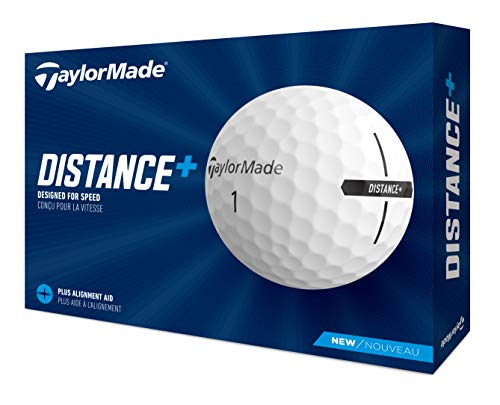


Bridgestone e6 2023 White

Strengths
- Straight flight
- Soft feel
- Forgiving on mishits
Trade-offs
- Limited greenside spin
- Not for aggressive players
Bridgestone’s e6 has always been the anti-spin ball, designed to minimize sidespin and help slicers stay straight. But the 2023 version adds a slightly softer cover, and reviewers note a subtle improvement in short-game responsiveness without turning it into a high-spin model. It’s still built around the Hyper Elastic SoftFast Core for speed and forgiveness, which makes it a great fit for players who’d rather trade a little spin for consistency.
Compared to the e6 Soft, this one feels a bit firmer and doesn’t quite match the greenside bite. But if you struggle with erratic iron spin or want a ball that flies predictably without grabbing too much, this is a smart pick. It’s not the best for spin, but it’s one of the best at helping you avoid unwanted spin.
Product photos


Our Testing Process
Rather than a hands-on lab test, my research for these recommendations involved a detailed comparison of published specifications and features across numerous golf ball models. I weighed owner reviews from major retailers against expert analysis found in golf publications and websites. My experience planning golf trips and understanding player needs informed the criteria – prioritizing performance characteristics relevant to spin control.
For golf balls designed for spin, I focused most heavily on cover materials and dimple patterns. Urethane covers consistently deliver more spin around the greens, a key factor for scoring. Dimple designs influence both lift and drag, impacting trajectory and overall control. These elements, combined with core compression, ultimately decide how a ball performs for different swing types.
Specifications reliably indicate core construction and cover material. However, I looked to owner feedback to gauge real-world feel and consistency. Reports on durability and performance over a full round were particularly valuable. You’ll find a lot of discussion about spin ball differences online, and I used that collective wisdom to assess how well each ball lives up to its marketing claims, and how it stacks up against competitors seeking both accurate distance golf balls.
How To Pick The Right golf balls for spin
Finding golf balls that deliver the spin you need is about more than just marketing hype. It’s a combination of core construction, cover material, and dimple patterns all working together.
A quality golf ball for spin balances a soft cover (typically urethane) with a core designed to transfer energy efficiently. Players seeking maximum spin should prioritize balls with a high compression rating and a dimple pattern optimized for lift and control, while also considering their swing speed to ensure adequate launch and feel.
Understanding Cover Materials
The cover is where the magic happens when it comes to spin. Urethane covers are almost universally preferred for spin because they “grip” the clubface better at impact, creating more friction and, therefore, more spin. I’ve seen golfers make a significant difference in their short game simply by switching to a urethane-covered ball. Surlyn covers are less expensive and more durable, but they don’t offer the same level of spin control. Don’t automatically dismiss Surlyn, though; for slower swing speeds, the added distance can outweigh the spin deficit.
Core Compression and Feel
Compression refers to how much the ball squishes upon impact. Lower compression balls are generally softer and better for slower swing speeds, while higher compression balls require faster swings to compress properly. If you aren’t compressing the ball at impact, you’re leaving distance and spin on the table. It’s a common misconception that softer always means more spin. A firmer core can actually contribute to more efficient energy transfer, leading to higher ball speed and, potentially, more spin with the right cover. If you’re looking for golf balls for distance alongside spin, this is a critical balance to find.
Dimple Patterns and Aerodynamics
Dimples aren’t just for looks. They reduce drag and increase lift, affecting both distance and spin. Different manufacturers use different dimple patterns – some prioritize distance, others control, and some aim for a balance. A newer dimple design, like TaylorMade’s Extended Flight Dimple Pattern, can make a noticeable difference.
- A symmetrical dimple pattern (like on the Srixon models) generally promotes a stable flight.
- An asymmetrical pattern (often seen in Titleist and Callaway designs) can help correct ball flight and increase lift.
- The number of dimples matters too. Most balls have between 300 and 400 dimples, and variations within that range impact aerodynamic performance.
Don’t chase the highest spin number exclusively. Focus on finding a ball that provides consistent spin and control across your entire game.
Finally, if you struggle with keeping the ball in the air, you may want to consider balls designed for high spin alongside a lesson to improve your swing path.
Golf Balls for Spin Compared
Here’s a comparison of key specifications for golf balls designed for spin.
| Product Name | Best For | Core Material | Cover Material | Compression | Dimple Pattern |
|---|---|---|---|---|---|
| Srixon Q Star Tour Yellow | Best Overall | FastLayer | Urethane | N/A | 338 Speed |
| Callaway Supersoft 2025 White | Best for Greenside Spin | HyperElastic SoftFast | Hybrid | N/A | N/A |
| Srixon Soft Feel White | Best Budget Friendly | High-Energy | Thin | Low | 338 Speed |
| Bridgestone e6 Soft White | Best for Soft Feel & Control | N/A | Seamless | N/A | N/A |
| TaylorMade Distance+ White | Best for Distance with Mid Spin | REACT Speed | Ionomer | Mid | Extended Flight |
| Bridgestone e6 2023 White | Best Value Urethane-Like Performance | Hyper Elastic SoftFast | Seamless | N/A | N/A |
Frequently Asked Questions
What compression rating should I look for in a spin ball?
Generally, higher compression balls (above 80) maximize spin for faster swing speeds, but a lower compression ball might be better if you struggle to get enough launch. Ultimately, finding the right compression depends on your swing speed and how well you compress the ball at impact.
Can I really tell a difference between urethane and Surlyn covers?
Yes, urethane covers consistently generate more spin than Surlyn, especially around the greens. While Surlyn balls are more durable and affordable, urethane provides a noticeably softer feel and significantly more control for short-game shots.
Do dimple patterns actually affect spin, or is that just marketing?
Dimple patterns absolutely impact spin, alongside distance and trajectory. Asymmetrical dimple patterns can help correct ball flight and increase lift, while symmetrical patterns typically provide more stable flight, so choosing the right pattern for your game is worthwhile.
What if I want distance and spin – is that possible?
It is, but it requires finding a ball that balances core technology with a spin-enhancing cover. Look for models that use high-energy cores and urethane covers, as they often deliver a blend of both distance and control, though you may need to sacrifice a small amount of one to get more of the other. You might also find best low spin balls can help with distance.
Are expensive golf balls always better for spin?
Not necessarily. While premium balls with urethane covers typically offer more spin, price doesn’t guarantee performance. A well-designed, lower-priced ball can still provide excellent spin control, especially if it’s matched to your swing speed and playing style; don’t overlook golf balls for men who are still developing their swing.
The Bottom Line
Choosing the right golf ball for spin often comes down to balancing control with consistency, and frankly, your budget. For the player who wants a premium feel and exceptional performance around the greens without a prohibitive price tag, the Srixon Q Star Tour Yellow stands out as the strongest choice. It blends a urethane cover with a technology designed for distance, giving you a complete package.
If you’re looking for a specific solution, we have some clear recommendations. The Callaway Supersoft 2025 White is your go-to for maximum greenside spin, while the Srixon Soft Feel White delivers incredible value for those wanting a budget-friendly option. For golfers who prioritize a softer feel alongside control, the Bridgestone e6 Soft White offers a great alternative, and if you’re seeking versatile golf balls that don’t sacrifice distance, the TaylorMade Distance+ White is a solid pick.
Ultimately, the numbers on a box or the marketing claims matter less than understanding your own swing and what you need from a golf ball. Don’t get lost in the details of dimple patterns or compression ratings without first considering your swing speed and desired ball flight. Understanding the physics of ball flight and how spin rate and launch work together will always be more valuable than chasing the latest technology.
