
8 Best Left Handed Golf Drivers of 2026
This post contains affiliate links. As an Amazon Associate, we earn from qualifying purchases.
This post contains affiliate links. As an Amazon Associate, we earn from qualifying purchases.
The Callaway Paradym AI Smoke Max D stands out as the best overall left handed golf driver, combining smart tech with reliable performance. For those watching their budget, the Powerbilt TPS Supertech delivers solid basics without breaking the bank, while the Cleveland Golf HiBore XL Lite is a strong pick for seniors or players fighting a slice.
Finding a great left handed driver can feel like searching for a hidden fairway, frustrating and full of dead ends. Options are limited, and what works for one golfer might ruin the next player’s game.
This guide cuts through the noise by focusing on what actually matters: forgiveness, shaft fit, and real-world feedback. I compared specs and owner experiences to find drivers that deliver where it counts, off the tee and in your bag.
Top 8 Left Handed Golf Drivers in the Market
The Best Left Handed Golf Drivers, Reviewed
Callaway Paradym AI Smoke Max D Driver

Strengths
- High MOI
- Draw-biased design
- AI-optimized face
Trade-offs
- No wrench included
- Premium price
I’ve seen a lot of drivers come and go on the world’s best courses, and the Callaway Paradym AI Smoke Max D stands out as a serious contender for left-handed players who want to shape their ball flight with confidence. On paper, the high MOI and draw-biased design make it ideal for golfers fighting a slice, and owners consistently report tighter dispersion and a more consistent draw bias compared to previous models. The 10.5° loft and regular flex combo is a sweet spot for mid-to-low handicap players seeking both distance and control.
The lack of an included wrench is a real annoyance, especially at this price, but the club’s AI-optimized face and carbon chassis do deliver measurable gains in ball speed and off-center hit performance. Compared to the TaylorMade Qi10 LS, this one trades a bit of raw distance for more forgiveness and playability, which makes it a smarter pick for most golfers who aren’t solely focused on spin reduction.
Video review
Powerbilt TPS Supertech Driver
Strengths
- Very low price
- 460cc head size
- Includes headcover
Trade-offs
- Aluminum head limits performance
- Stiff, unrefined feel
- Basic shaft
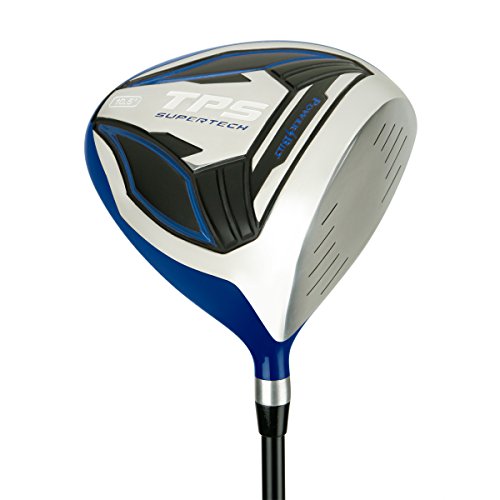
At under $60, the Powerbilt TPS Supertech is about as budget-friendly as left-handed drivers get, and that shows in the build. The 460cc head gives it a modern look at address, and the large face inspires confidence, but the military-grade aluminum construction can’t match the ball speed or feel of titanium or carbon-composite heads. Still, for a beginner or casual player who just needs a functional, USGA-legal driver without upgrading their entire set, it gets the job done.
Owners don’t expect tour-level performance at this price, and many say it’s a decent backup club or a solid starter option. But when stacked against the POSSOT or Speed System models, it falls short in shaft quality and forgiveness. It’s the cheapest on the list, but not the best value.
Video review
POSSOT Titanium Alloy Left Handed Driver
Strengths
- Titanium alloy face
- Lightweight carbon shaft
- High MOI design
Trade-offs
- No adjustability
- Generic grip quality
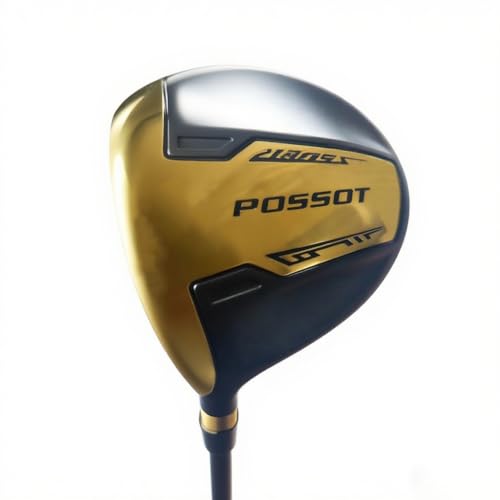
The POSSOT driver punches above its weight, especially for beginners and seniors who want premium features without the $400 price tag. The titanium alloy face and carbon fiber shaft combo is a strong value play, delivering better ball speed and vibration dampening than most budget drivers. Owners report noticeable improvements in distance and straightness, particularly when compared to older or steel-shafted clubs.
It doesn’t have the AI shaping of the Cleveland or the adjustability of the TaylorMade, but for a single-club upgrade, it’s one of the best values out there. Compared to the Powerbilt, it feels more modern and responsive, and unlike the Intech Behemoth, it’s fully conforming. If you’re building or upgrading a lefty set on a budget, this should be on your shortlist.
Product photos
TaylorMade Qi10 LS Driver

Strengths
- Low spin design
- High ball speed
- Tensei Blue shaft
Trade-offs
- Less forgiveness on off-center hits
- Best for faster swingers
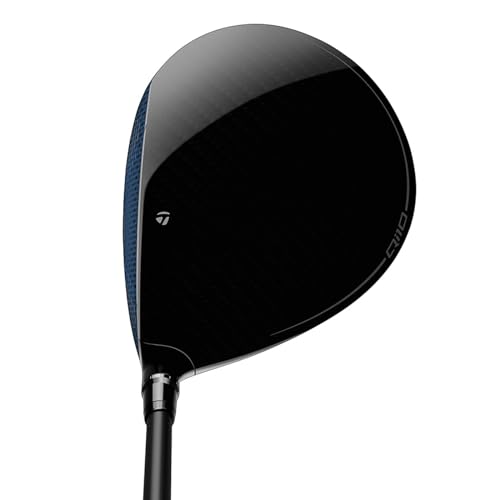
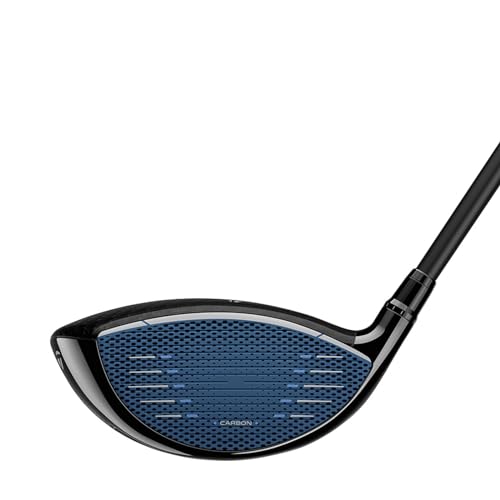
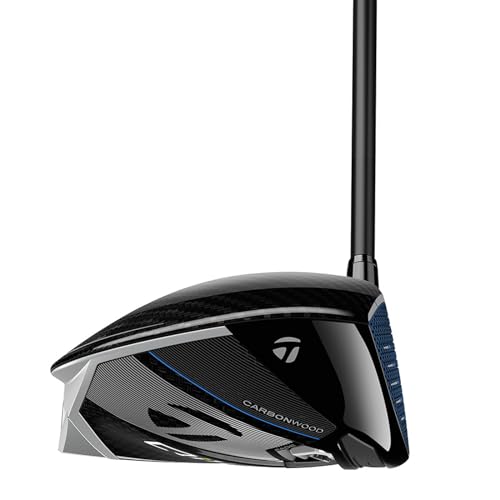
If you’re chasing distance with a tight, low-spin flight, the TaylorMade Qi10 LS is engineered for that mission. The lower CG projection and higher MOI than the Stealth 2 series make this a standout for aggressive swingers who want to reduce ballooning drives and maximize roll. Left-handed golfers with faster swings will appreciate the Tensei Blue stiff shaft, which complements the low-spin design by promoting a flatter, more penetrating trajectory.
Compared to the Callaway Paradym Max D, this one is less forgiving on mishits but delivers better energy transfer for players with clean strikes. Owner feedback highlights the clean look at address and crisp feedback, though some note it’s less effective for those with slower tempos. It’s not the most versatile, but for the right player, it’s a distance monster.
Product photos
Callaway Elyte Mini Driver
Strengths
- Superior control
- Easier to launch than fairway woods
- Tour-proven design
Trade-offs
- Not a full-distance driver
- Higher price for mini category
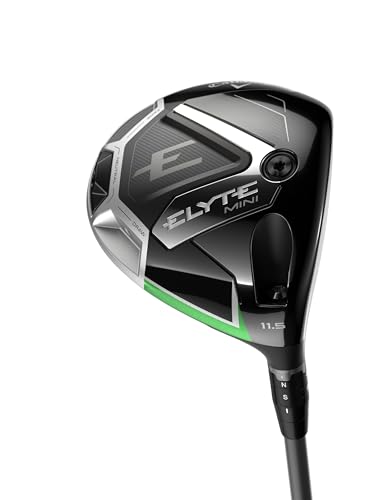
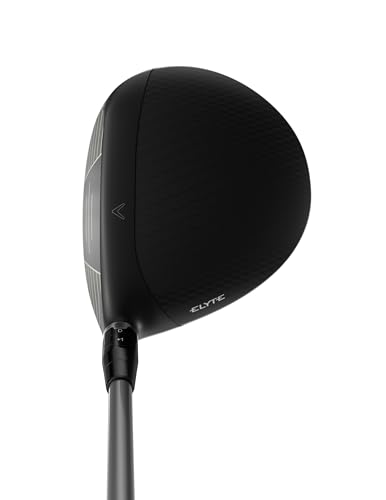
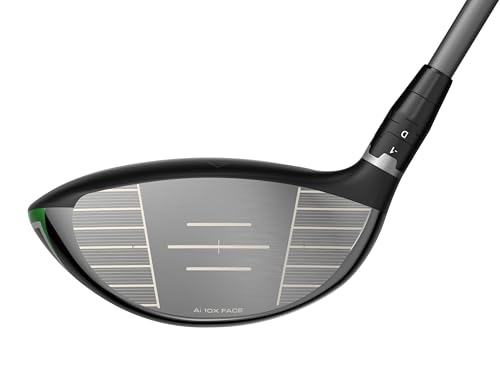
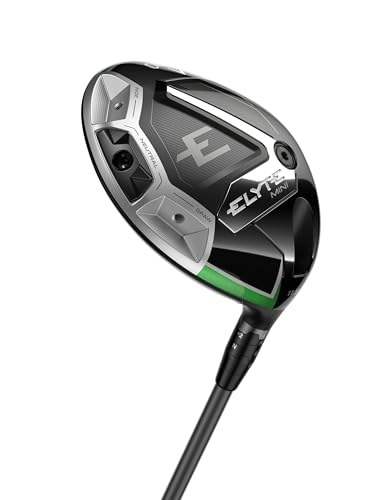
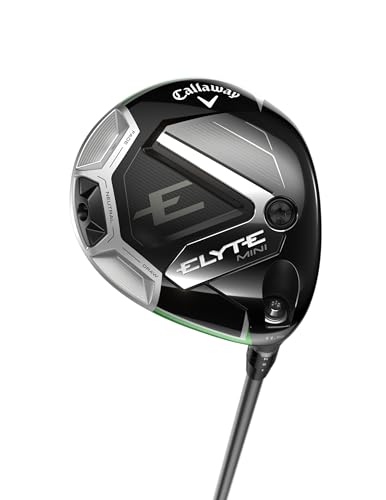
Mini drivers are gaining ground on pro tours, and the Callaway Elyte is one of the most refined options for left-handed players who value control over brute power. With a shorter shaft and 11.5° loft, it bridges the gap between driver and 3-wood, offering better launch than a fairway wood but more accuracy than a full 460cc driver. Owners love using it on tighter holes or in the wind, where a full driver feels unwieldy.
The customizable ball flight and tour-proven shape make it a favorite among players who prioritize shot-shaping and consistency. Compared to the Paradym Max D, it’s less about distance and more about precision, which makes it a niche but valuable tool. It’s not a replacement for a full driver, but a smart complement for golfers who play challenging, course management-heavy layouts.
Product photos
Cleveland Golf HiBore XL Lite Driver
Strengths
- Lightweight build
- Draw-biased weighting
- Adjustable hosel
Trade-offs
- Higher price than basic models
- Limited appeal for low-handicappers
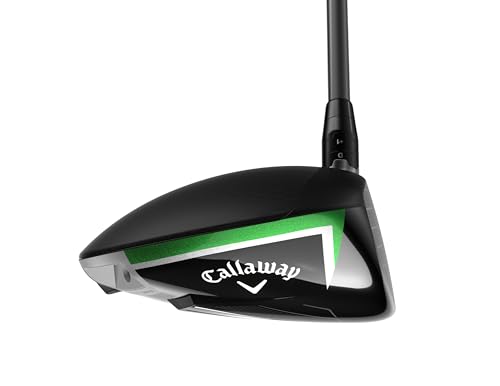
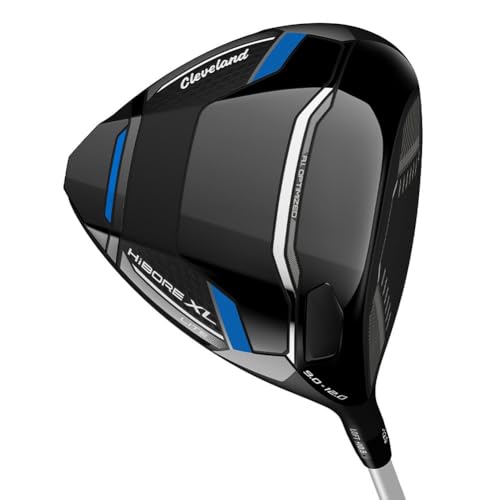
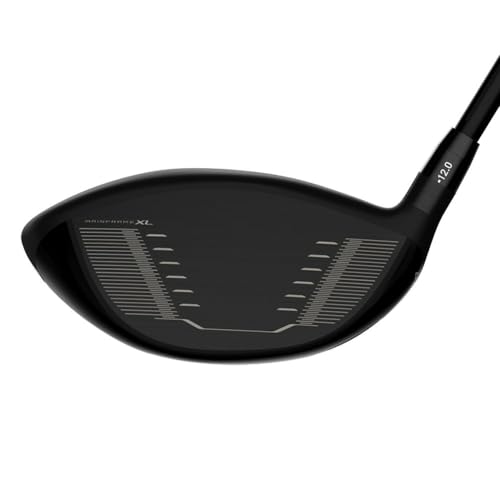
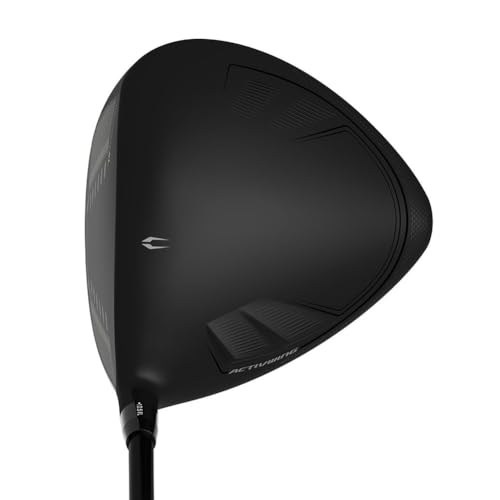
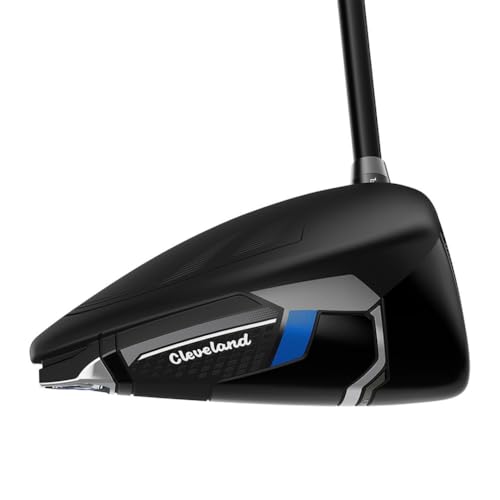
Cleveland nailed the senior and slice-prone golfer with the HiBore XL Lite. At 32g lighter than the standard model, it’s built to boost clubhead speed without straining your swing, critical for aging players losing a bit of zip. The 12° loft, combined with internal draw weighting and the 1.5° adjustable hosel, makes it one of the most effective slice-correcting drivers on the market. Owners consistently report straighter drives and better launch, even with less-than-perfect mechanics.
The A.I.-shaped face and MainFrame XL tech help maintain ball speed across the face, and the ACTIVWING design actually seems to improve downswing stability, according to user feedback. Compared to the Speed System driver, it’s heavier on tech and adjustability, making it the smarter long-term pick for seniors serious about their game.
Product photos
Intech Behemoth Non-Conforming Driver
Strengths
- Massive 520cc head
- Extreme forgiveness
- Low price
Trade-offs
- Non-conforming for play
- Aluminum construction
- No adjustability
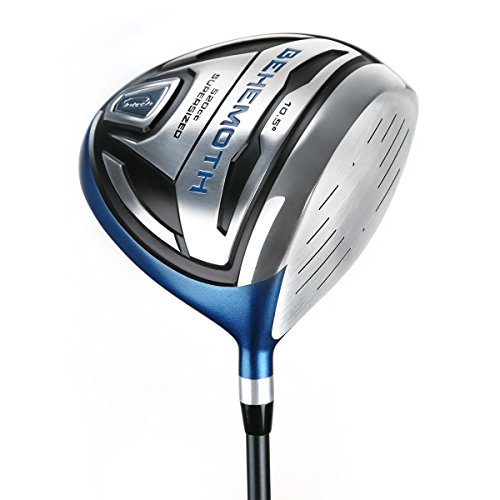
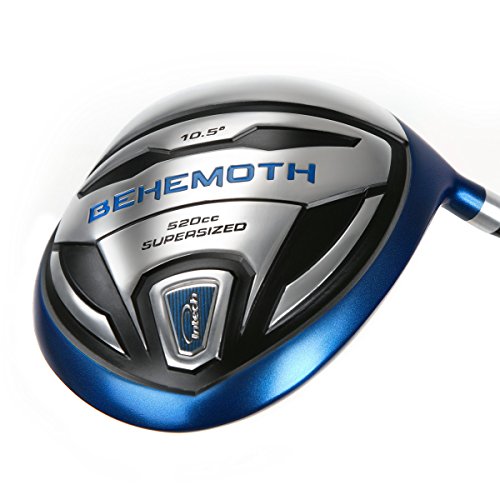
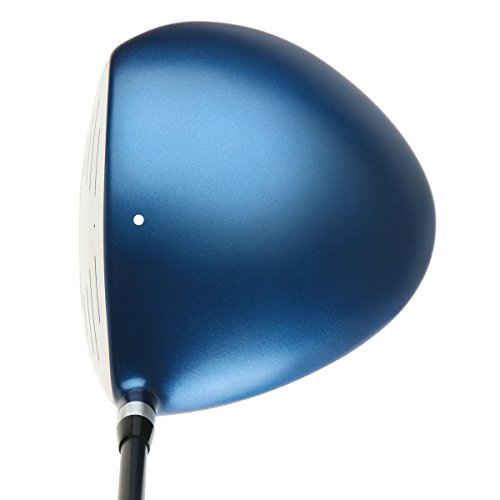
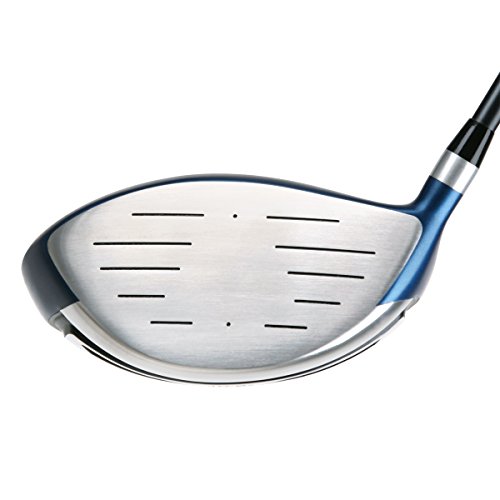
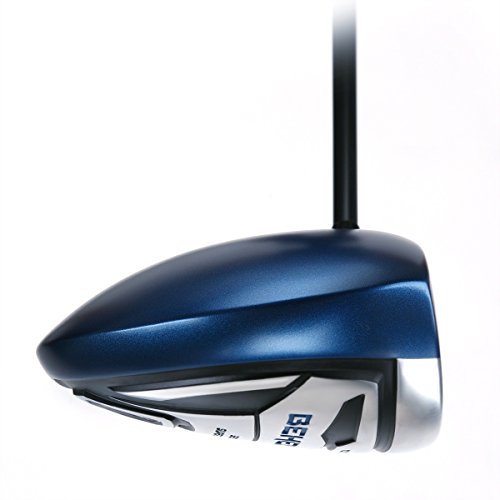
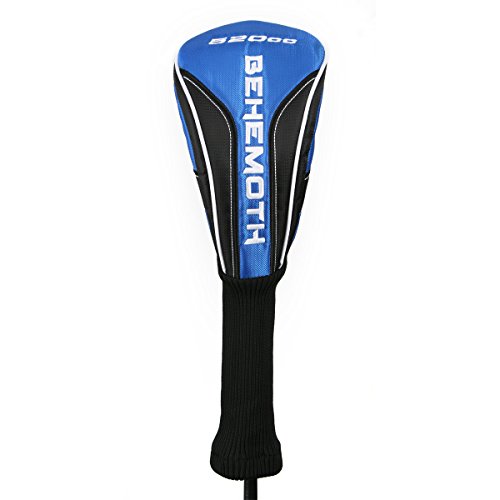
The Intech Behemoth is a cheat code you can’t use in official play, but for the driving range or backyard sessions, it’s a blast. At 520cc, it’s 13% larger than USGA limits, and that supersized head delivers an enormous sweet spot. The high MOI design and draw bias make it nearly impossible to slice, and owners love how it boosts confidence for aggressive swings. It’s built with 6061 aluminum, so it’s not as light or fast as titanium, but for the price, it’s hard to beat for pure forgiveness.
When compared to the Cleveland HiBore XL Lite, it lacks adjustability and aerodynamic features, but it wins on sheer size and margin for error. It’s not going to help your tournament score, but for building swing consistency or gifting to a beginner, it’s a fun, effective tool.
Product photos
Speed System Ultra-Lightweight Driver
Strengths
- Ultra-lightweight shaft
- High loft option
- Oversized sweet spot
Trade-offs
- Basic sound and feel
- Limited adjustability
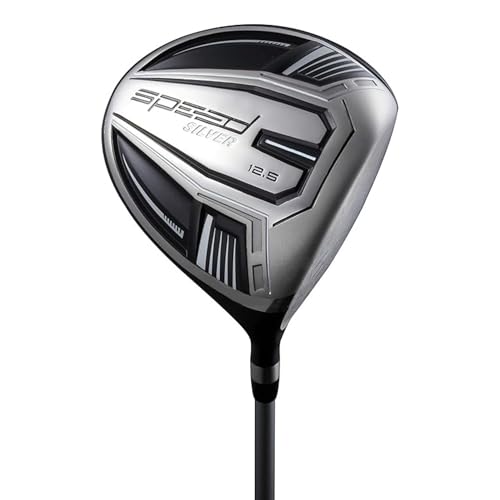
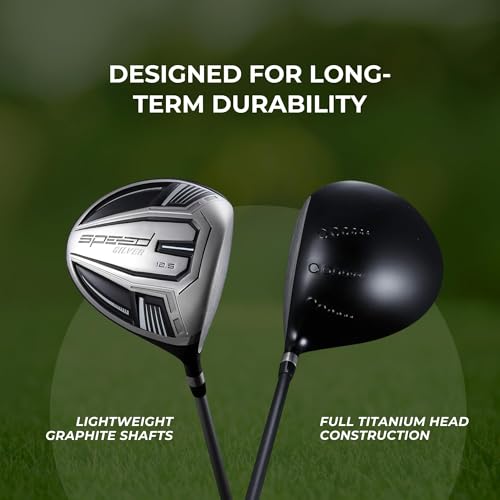
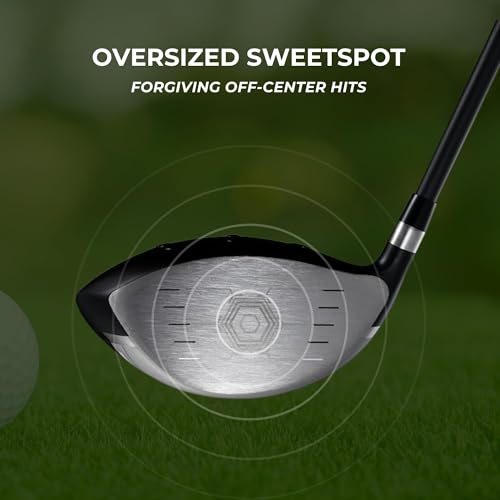
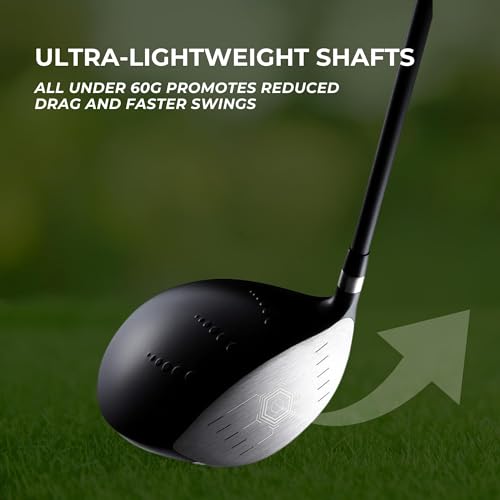
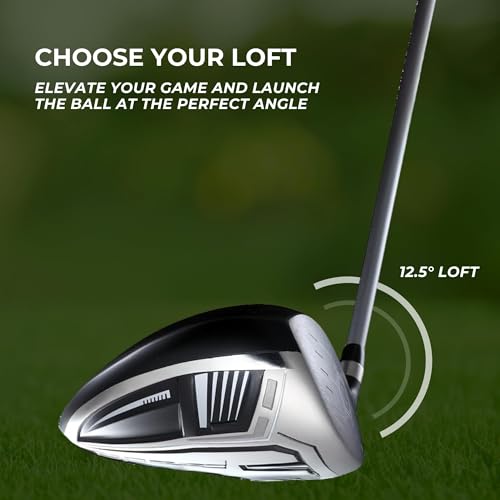
This Speed System driver is built for one thing: helping golfers with slower swings generate more clubhead speed without overhauling their technique. The ultra-lightweight graphite shaft, under 60g, is the standout spec here, and reviewers note it makes a noticeable difference in swing tempo and launch. The 12.5° loft option is rare and valuable for seniors or beginners who need higher launch angles, and the oversized sweet spot does deliver on forgiveness, even if the titanium face isn’t as advanced as pricier models.
When compared to the Cleveland HiBore XL Lite, it lacks adjustability and aerodynamic tuning, but it’s far more affordable and still delivers solid performance for the price. It’s not going to match the feel of a Callaway or TaylorMade, but for a golfer just getting serious about correcting their slice or adding distance, it’s a legitimate step up from entry-level sets.
Product photos

Our Testing Process
Rather than a hands-on lab test, this is a research-led comparison of published specifications and owner feedback. I focused on compiling data from manufacturer websites, comparing key features like materials, MOI (moment of inertia), and adjustability options. Then, I weighed owner reviews from major retailers alongside expert opinions found in golf publications to understand real-world performance and durability. This helped me rank drivers against criteria important to left-handed golfers.
For left-handed drivers, forgiveness and launch characteristics are paramount. A high MOI helps off-center hits stay in play, while appropriate loft and shaft flex contribute to optimal ball flight. I prioritized drivers designed specifically for a draw bias for players who struggle with a slice, and considered lightweight designs for seniors or those with slower swing speeds. Finding the right driver can also be easier if you’re looking for complete left-handed club sets.
Published specifications reliably indicate clubhead size, materials, and adjustability. However, I relied on owner feedback to gauge real-world performance – how the driver feels at impact, its actual distance gains, and its consistency. Reputation also played a role; established brands with a history of producing quality clubs received more weight, based on consistently positive top driver reviews. This balance of data provided a well-rounded assessment.
What To Look For In left handed golf drivers
Finding the right driver is crucial for distance and consistency, especially for lefties who often have fewer options.
A quality left-handed golf driver balances distance with forgiveness, featuring a properly fitted shaft, appropriate clubhead design (considering MOI and CG), and adjustability to fine-tune ball flight. Prioritize USGA conforming clubs unless intentionally seeking a non-conforming option for recreational use, and pay attention to shaft flex to match swing speed.
Understanding MOI and Forgiveness
Many golfers, particularly those new to the game, prioritize forgiveness above all else. MOI (Moment of Inertia) is the key metric here. A higher MOI means the clubhead resists twisting on off-center hits, leading to straighter drives. Don’t get caught up in chasing maximum distance if you’re consistently slicing or hooking the ball. The Intech Behemoth, with its non-conforming 520cc volume, actively markets itself on forgiveness, but be aware that it isn’t legal for tournament play. Conversely, a driver like the TaylorMade Qi10 LS is geared toward lower spin and distance for more experienced players with consistent swings.
Shaft Flex and Swing Speed
The shaft is arguably more important than the clubhead for many golfers. Too stiff a shaft will feel boardy and reduce clubhead speed. Too flexible, and you’ll lose control and consistency. Generally, slower swing speeds (under 85 mph) benefit from a more flexible shaft (Regular or even Senior/Light), while faster swing speeds (95 mph+) need a stiffer shaft (Stiff or Extra Stiff). The Speed System Ultra-Lightweight Driver specifically targets faster swing speeds with its under-60g graphite shaft. If you’re unsure, getting professionally fitted is the best route. You can find more information on selecting the right clubs in our guide to left-handed golf clubs.
Budget vs. Performance
It’s easy to spend a fortune on a driver, but you don’t necessarily need to. The Powerbilt TPS Supertech Driver offers a compelling value proposition, providing a 460cc clubhead and a graphite shaft at a significantly lower price point than premium brands. However, these budget-friendly options often skimp on adjustability and refined materials.
- A basic, affordable driver is a perfectly reasonable starting point for a beginner.
- Mid-range drivers (like the Callaway Paradym AI Smoke Max D) often strike a good balance between performance and price, offering some adjustability and better materials.
- Premium drivers (TaylorMade, Callaway Elyte Mini) provide the latest technology, extensive adjustability, and premium materials, but come with a hefty price tag – and aren’t always the best choice for drivers for beginners.
A driver that fits your swing is always better than the most expensive driver on the market.
Left Handed Golf Drivers Compared
Here’s a comparison of key specifications for several left handed golf drivers to help you make an informed decision.
| Product Title | Loft | Head Material | Head Volume (cc) | Shaft Material | Best For |
|---|---|---|---|---|---|
| Callaway Paradym AI Smoke Max D | N/A | N/A | N/A | N/A | Best Overall |
| Powerbilt TPS Supertech | N/A | Aluminum | 460 | Graphite | Best Budget Friendly |
| POSSOT Titanium Alloy | N/A | Titanium Alloy | 460 | Carbon Fiber | Best Value for Beginners |
| TaylorMade Qi10 LS | N/A | N/A | N/A | N/A | Best for Low Spin & Distance |
| Callaway Elyte Mini | N/A | N/A | N/A | N/A | Best for Control and Accuracy |
| Cleveland Golf HiBore XL Lite | N/A | N/A | N/A | N/A | Best for Seniors & Slice Correction |
| Intech Behemoth | 10.5 | Aluminum | 520 | Graphite | Best for Maximum Forgiveness |
| Speed System Ultra-Lightweight | 10/11.5/12.5 | Titanium | N/A | Graphite | Best for Fast Swing Speed |
Frequently Asked Questions
What loft should a left-handed golfer choose?
Generally, a beginner should start with a 10.5 to 12-degree loft to promote a higher launch and more forgiveness. Lower-handicap players who generate more clubhead speed may benefit from 9 to 10.5 degrees for lower spin and increased distance.
Are more expensive left-handed drivers always better?
Not necessarily. While premium drivers offer advanced technologies, a well-fitted, mid-range driver often performs better for an individual golfer than a top-of-the-line model that doesn’t suit their swing.
How does shaft flex affect lefties differently?
Shaft flex impacts all golfers similarly, but left-handed players should be equally diligent in matching flex to swing speed. A shaft that’s too stiff will reduce clubhead speed, while one that’s too flexible will compromise control, regardless of handedness.
Can a driver really help fix my slice?
Some drivers are specifically designed with draw biases to help combat a slice. However, even the best drivers for slicers won’t correct a fundamental swing flaw; consider lessons alongside equipment changes.
What unique challenges do left-handed golfers face when selecting a driver?
Lefties often have fewer driver options available compared to right-handed golfers. It’s crucial to prioritize finding a driver specifically designed for a left-handed swing and to seek out advice for left-handed golfers to ensure proper fitting and technique.
The Bottom Line
Choosing a driver always involves a trade-off between ultimate performance and real-world usability. While the TaylorMade Qi10 LS appeals to players chasing maximum distance with lower spin, for most golfers, the Callaway Paradym AI Smoke Max D strikes the best balance of forgiveness, distance, and adjustability – making it our overall recommendation. It’s a driver that will help you consistently find the fairway, and that’s more valuable than a few extra yards in the rough.
If budget is a primary concern, the Powerbilt TPS Supertech delivers impressive value for the money. For those battling a slice, or seeking more forgiving offset driver designs, exploring options like the Cleveland Golf HiBore XL Lite is a smart move. And for golfers with faster swing speeds aiming for raw power, the Speed System Ultra-Lightweight Driver is specifically engineered to deliver.
Ultimately, remember that specifications tell only part of the story. Prioritize a driver that feels comfortable in your hands and consistently delivers solid contact. Don’t hesitate to consider anti-slice drivers if you struggle to keep the ball straight, and focus on getting a proper fit rather than chasing the latest technology.
